Getting Schooled on Springsteen and American Music

We visited a new building on campus to sing about. Bruce Springsteen has donated his archives to the public as part of the story of American music. And it here in New Jersey down the shore!

As the convertible top magically lifted and then disappeared behind us, the radio played loudly. My friend George Kachoogian and I were headed out in his 2010 Mustang gold convertible for our latest adventure. It seemed fitting for two old guys to drive a “hot car” to learn about Jersey lore and the popular music that’s been the soundtrack of our lives for many years.
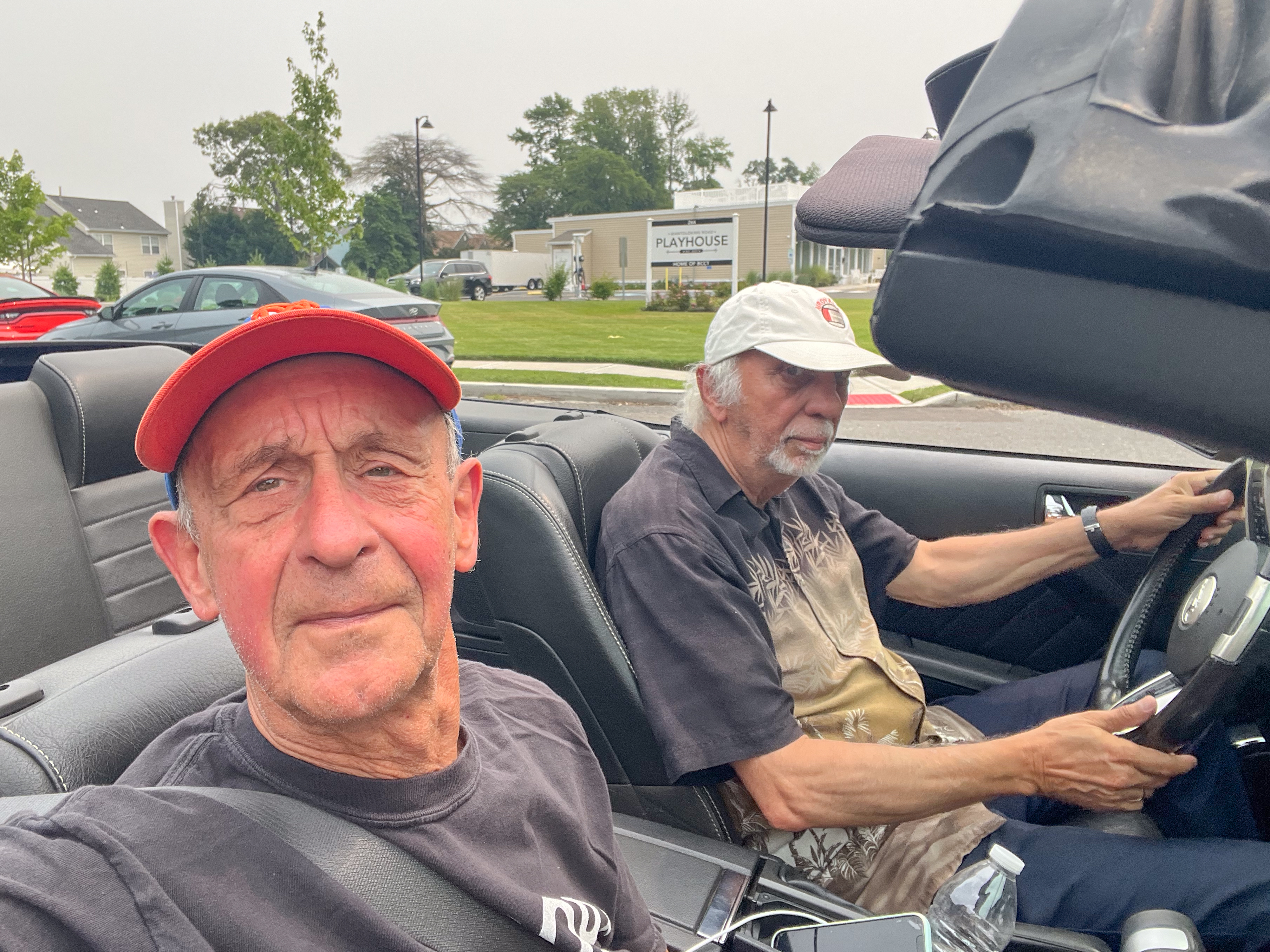
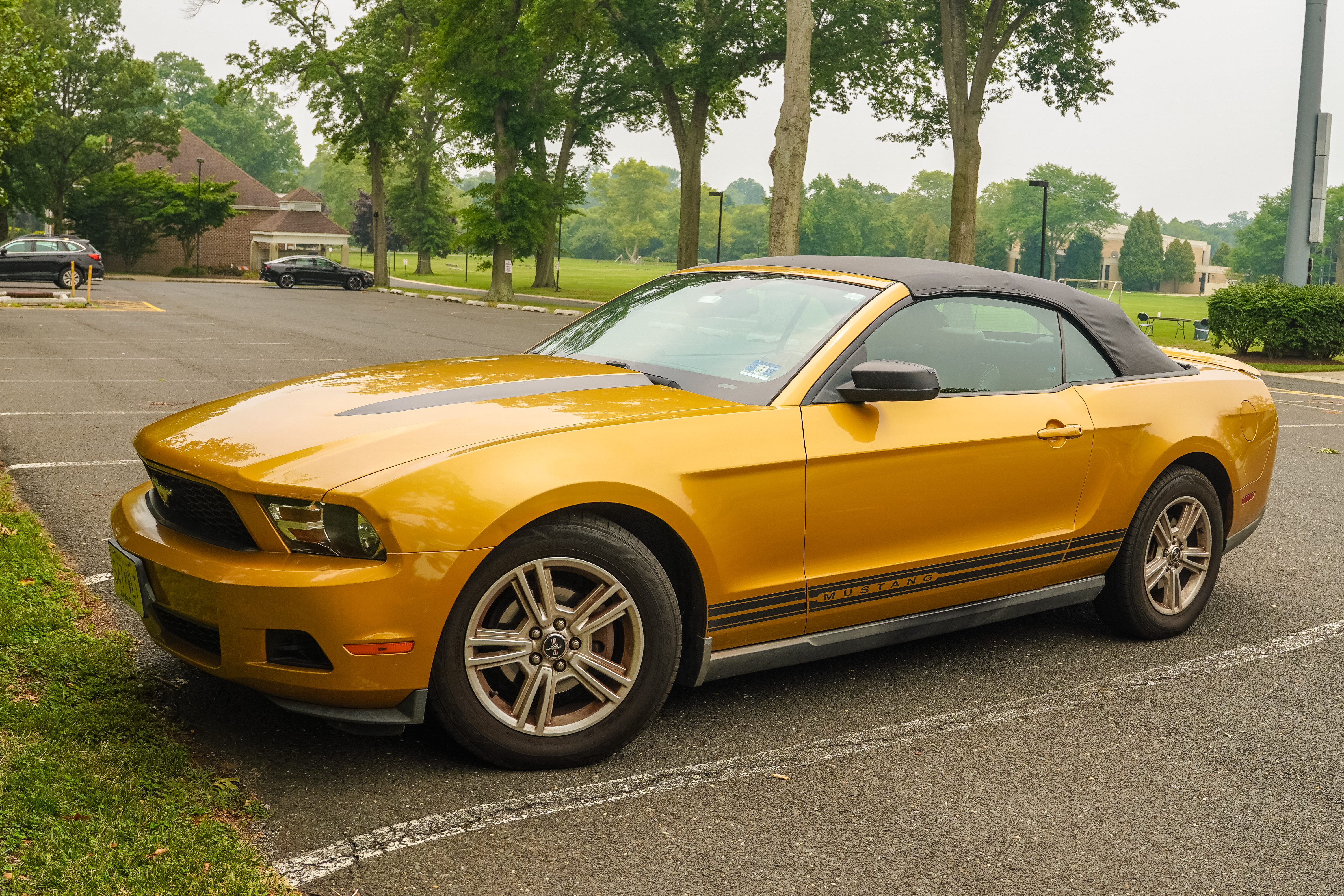
Our destination was the newly constructed Bruce Springsteen Archives Center for American Music (BSACAM) that opened on June 13, 2026 in West Long Branch, NJ. We were there to discover what made Bruce Springsteen and American music special. This time it was not about listening to particular songs or a concert, but the act of getting closer to the artists, the culture, and the relics that spurred this creativity.

The New Building on Campus

There’s no doubt that New Jersey helped shape Bruce Springsteen. Now, Bruce is giving back to the state by supporting a museum dedicated to the broader history of American music and his evolution as an artist.
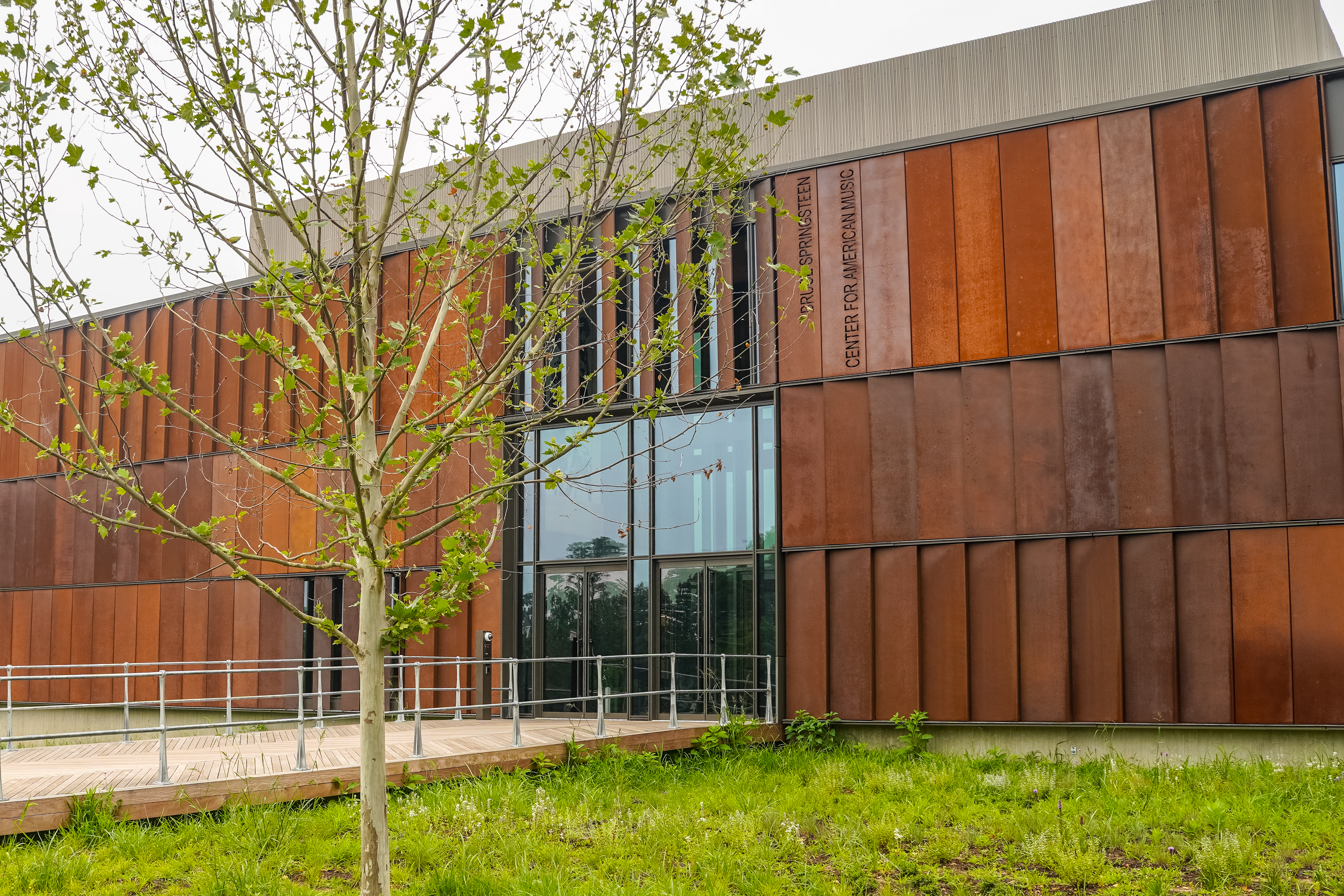
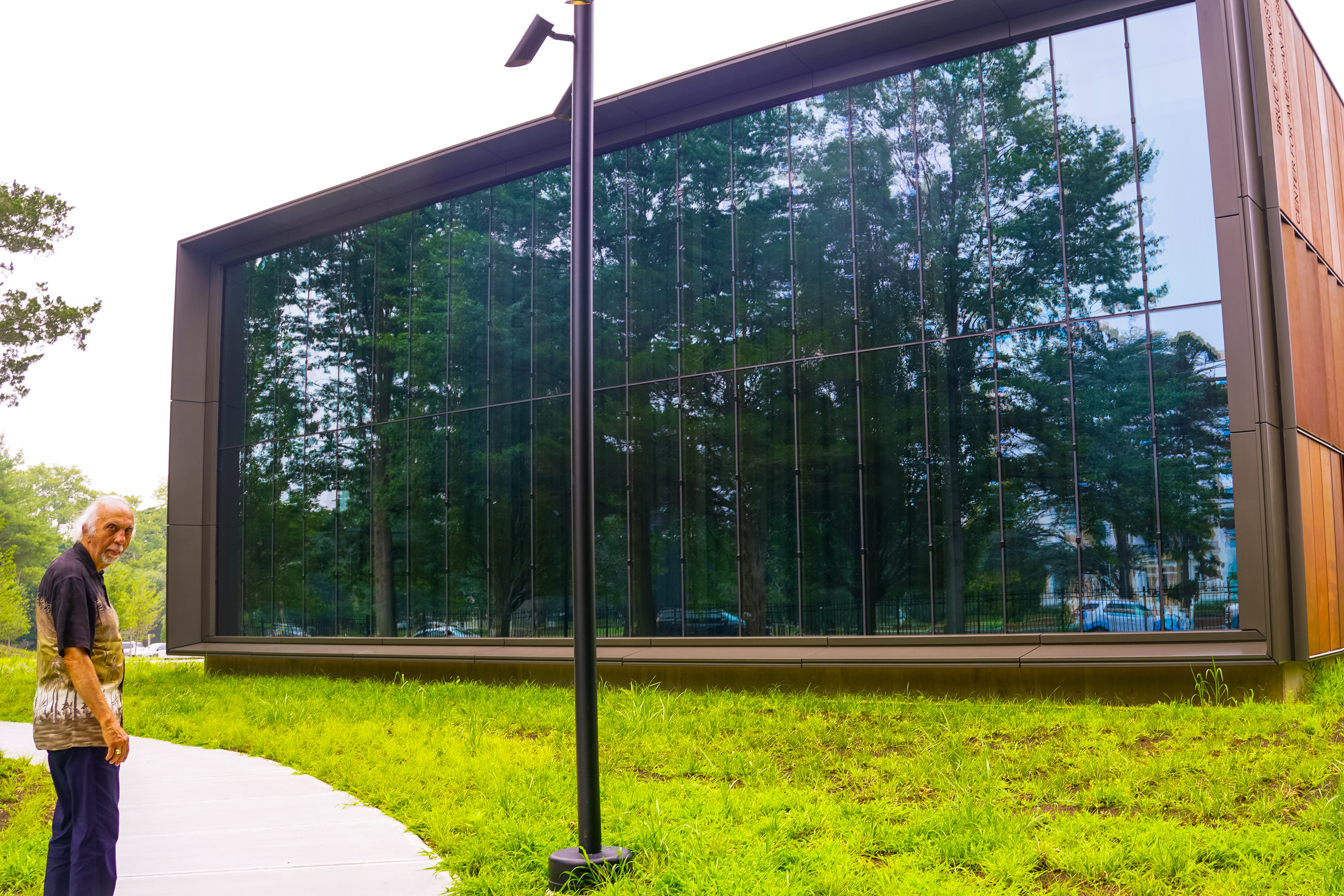
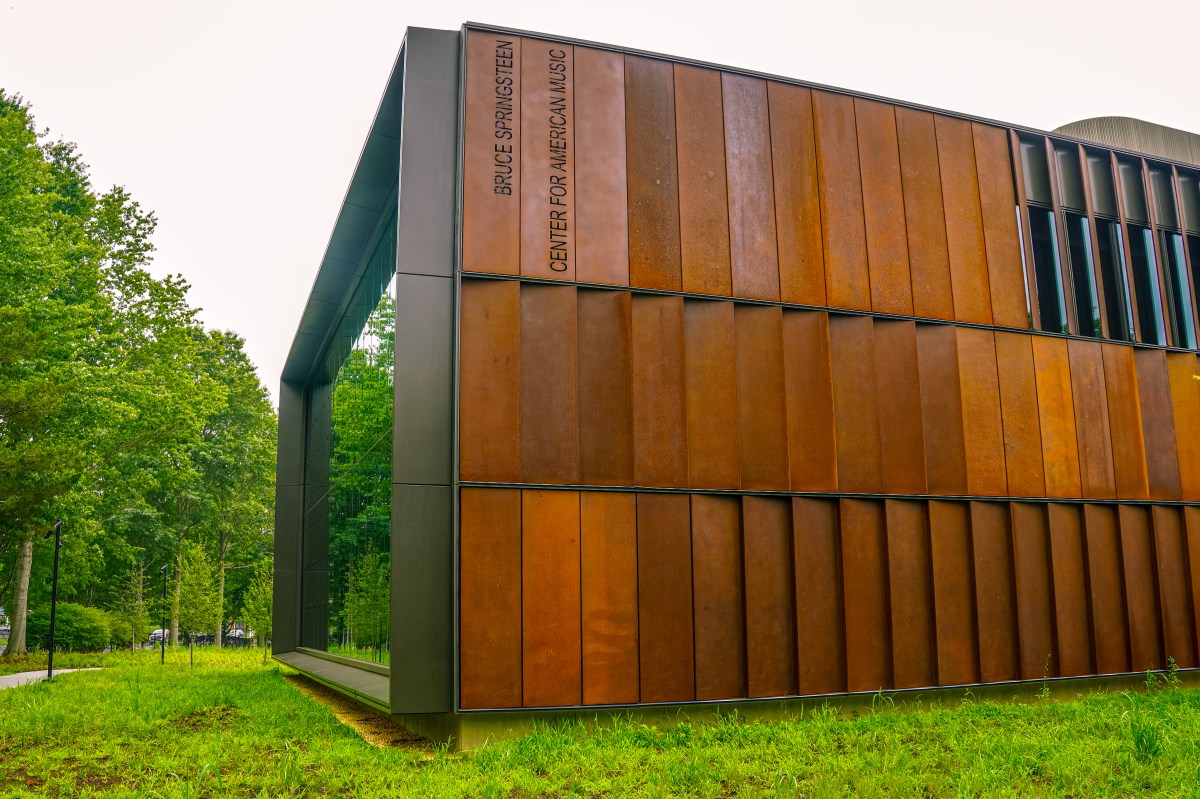
The $50 million 32,000-square-foot Center is housed in a striking, industrial-style building on the lush and stately campus of Monmouth University. The University hopes to integrate the Center into its curriculum and make its collections available as a research resource. The Center features exhibition galleries, archives, immersive interactive experiences, and a performance theater.

The origin story of the Center begins with a group of Bruce fans, who over many years, collected memorabilia and artifacts of Bruce. About nine years ago, largely through the efforts of Bob Santelli – a well-known NJ music industry author, promoter, and friend of Bruce – a nonprofit organization was created to develop an exhibit space on land provided by Monmouth University. While much of the content they had related to Springsteen, Bruce insisted that the Center not focus solely on him, but rather tell the broader story of American music.

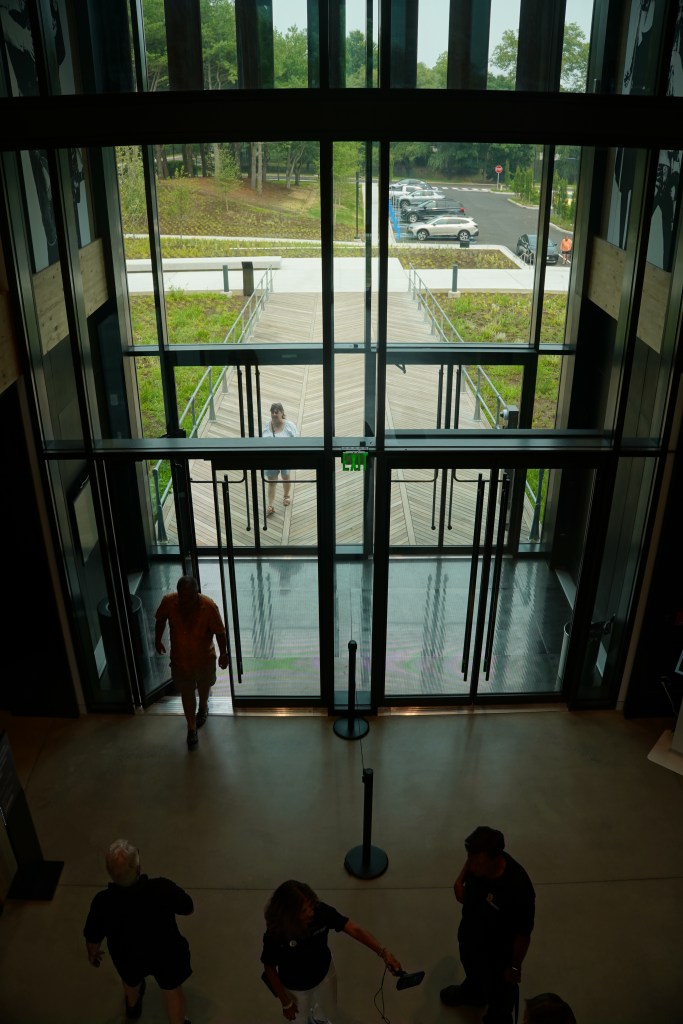
This new, but rusty-steel looking building has a wide, welcoming entrance framed by low-lying plants. We learned later that it was intentionally designed to convey a Jersey-like factory surrounded by dune plants and approached by a boardwalk. In other words, it is classic Bruce style meant to honor his home state and the Jersey shore area that helped shape him.

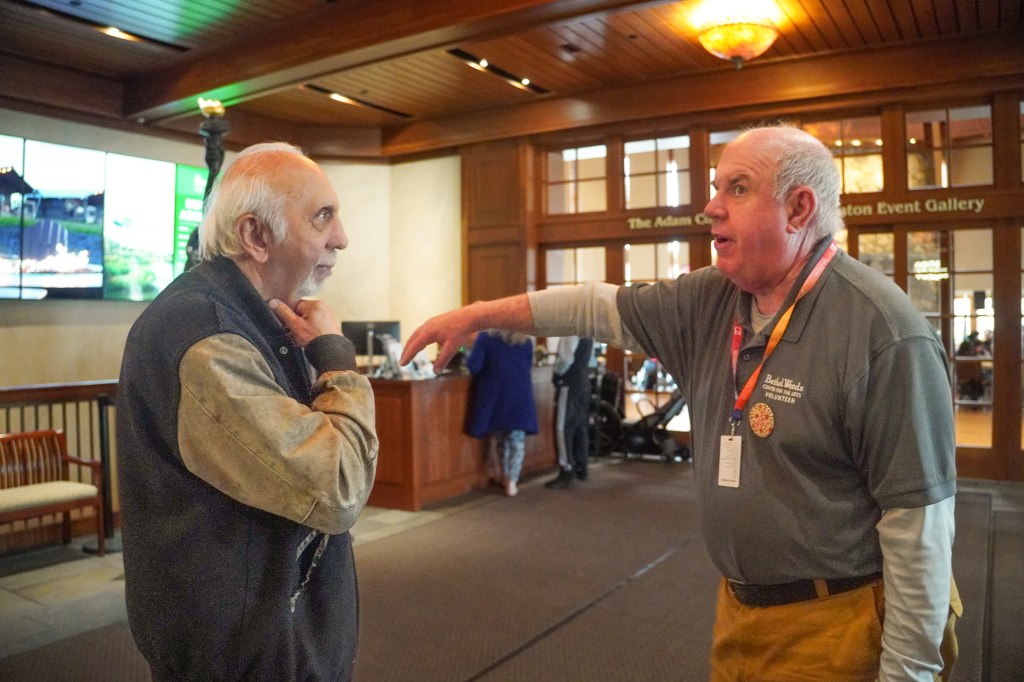
As we entered the large atrium, we were warmly greeted by a volunteer docent who provided basic information and recommended where to begin our building tour.
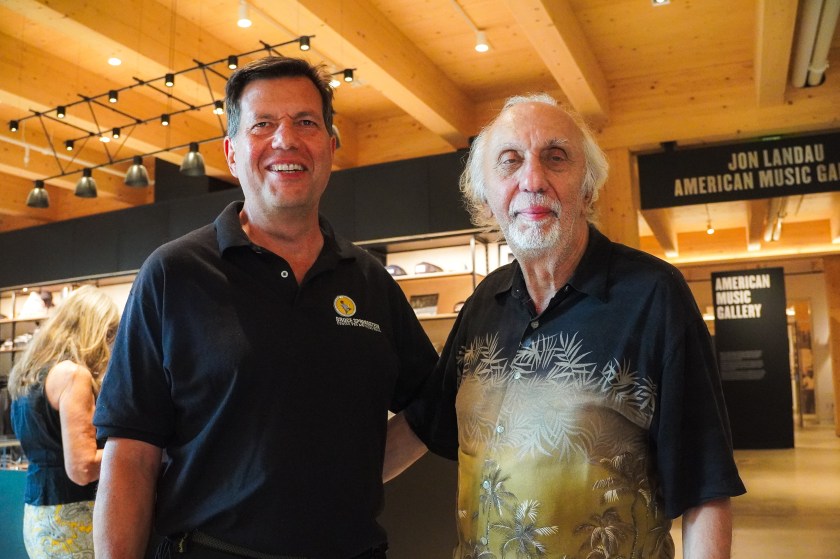
Our helpful docent and George

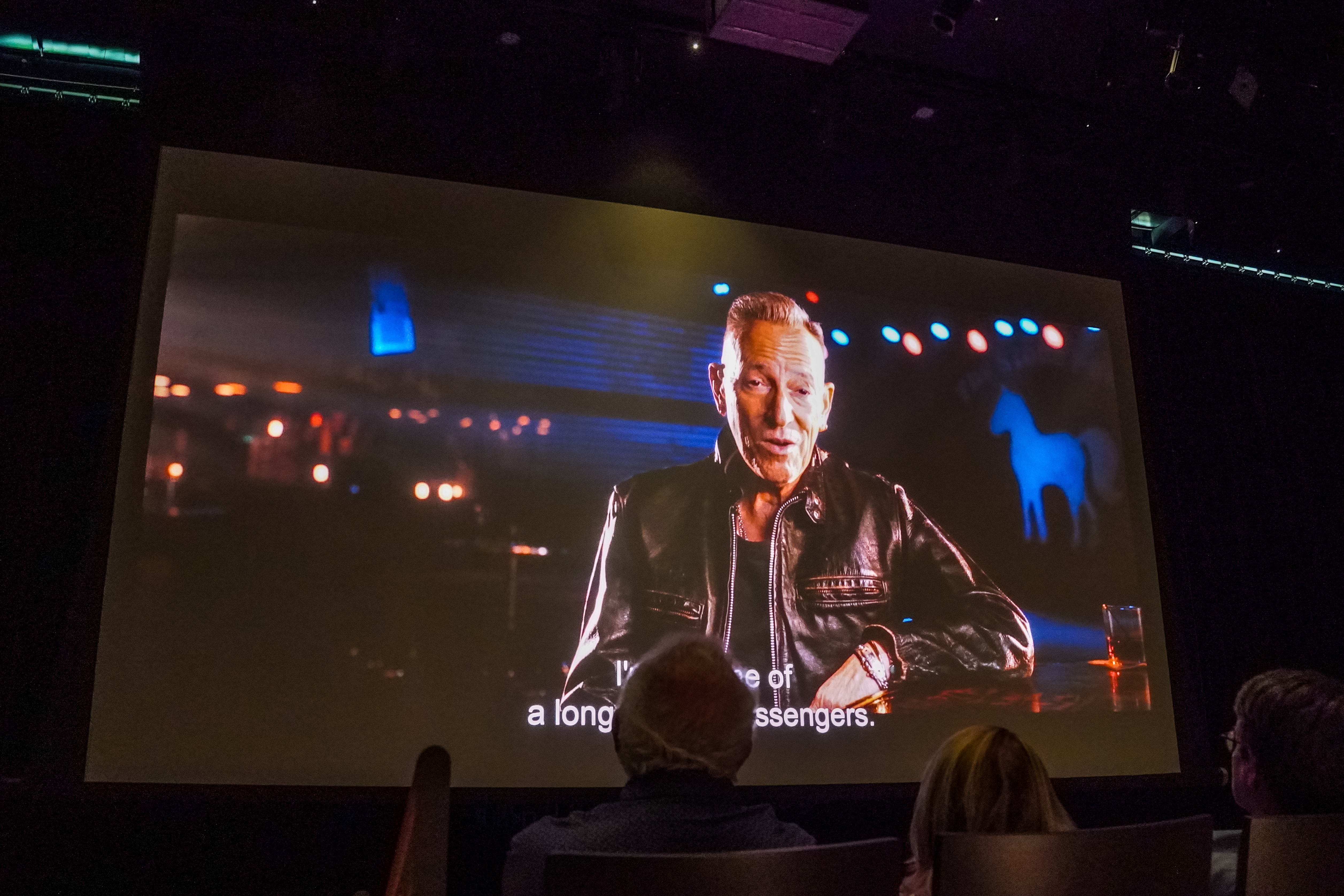
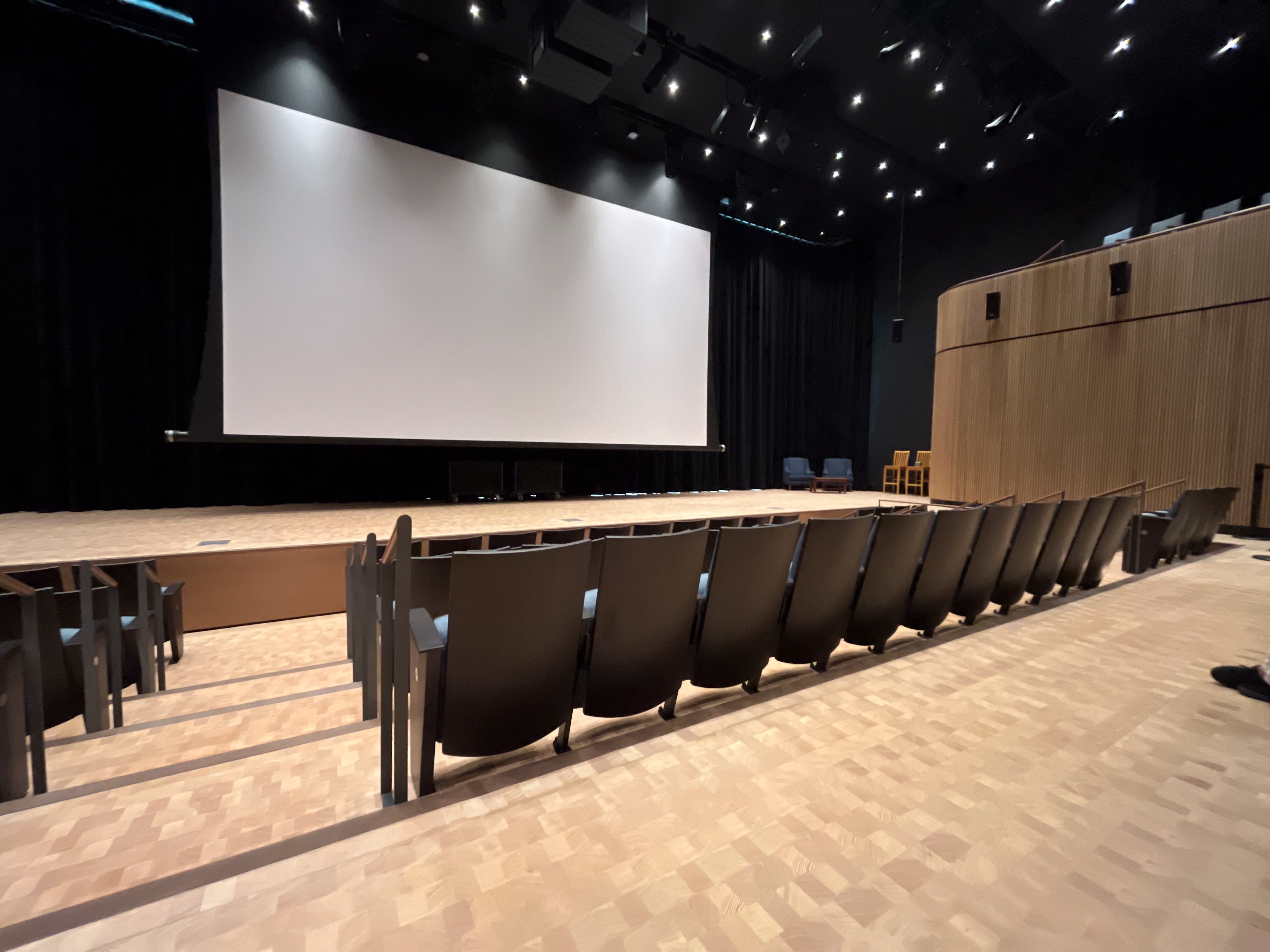
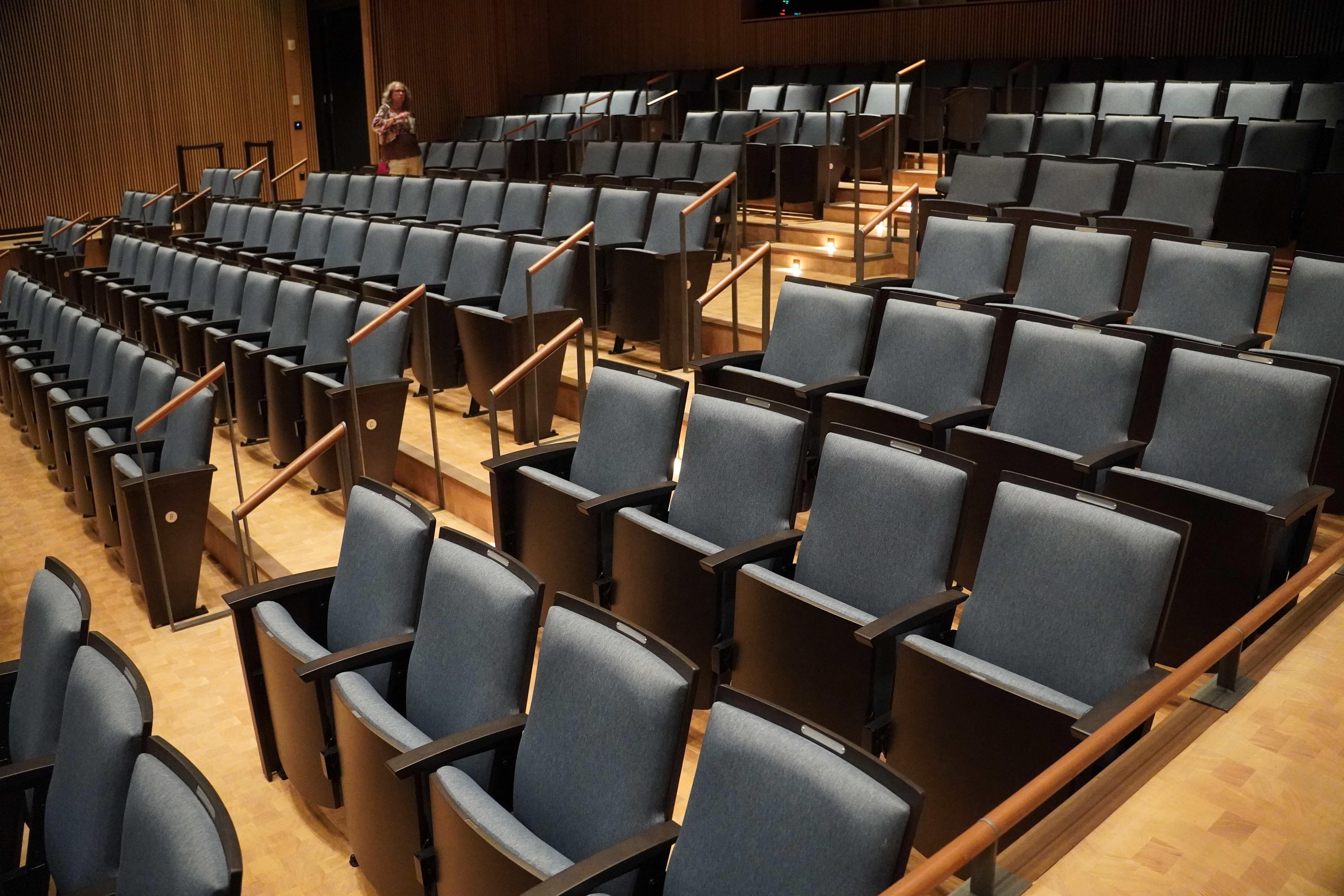
Based on the docent’s recommendation, we began in the theater watching the special 25-minute documentary by Thom Zimny called The Ties That Bind: Bruce Springsteen’s American Music Journey. The film places Springsteen’s career within the broader story of American music. It’s a high-quality film shown exclusively in the Center’s impressive 250-seat theater and is not available online.
First Floor – American Music

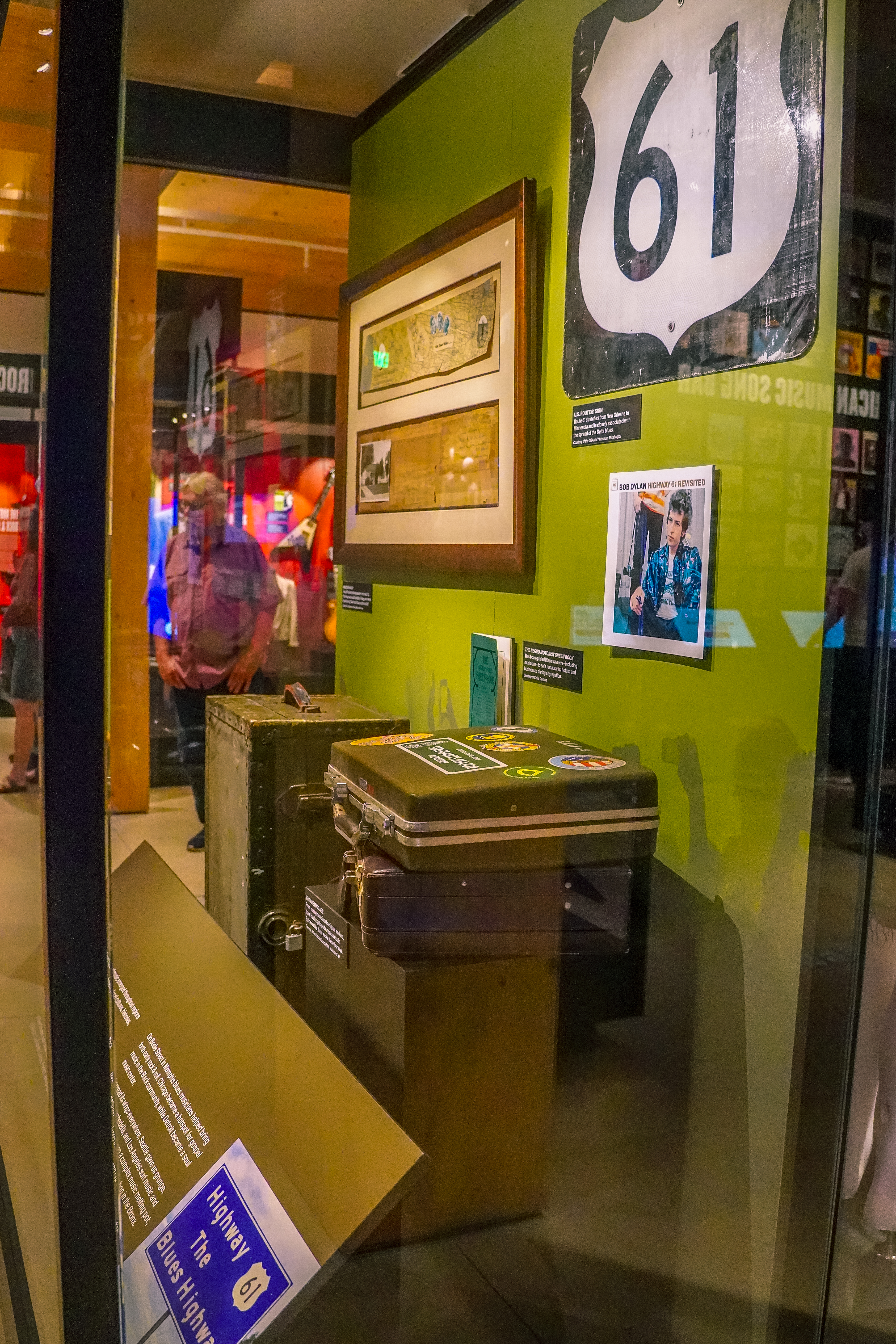
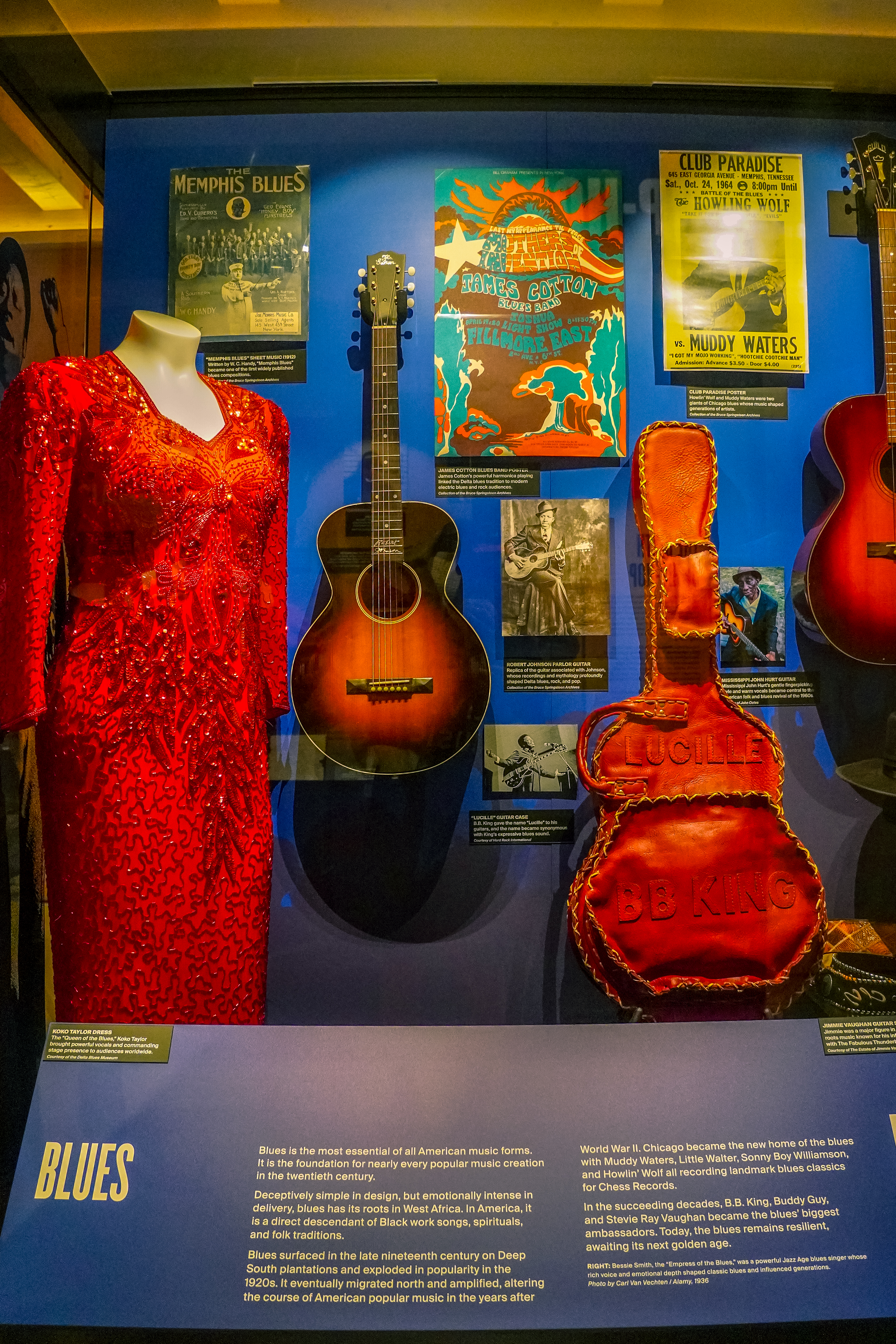
Perhaps the most absorbing and time-consuming area is the first floor, where exhibits display and tell the story of many musicians and songwriters across a wide range of genres. It demonstrates how different genres from country and blues to jazz and rock and roll—influenced one another.
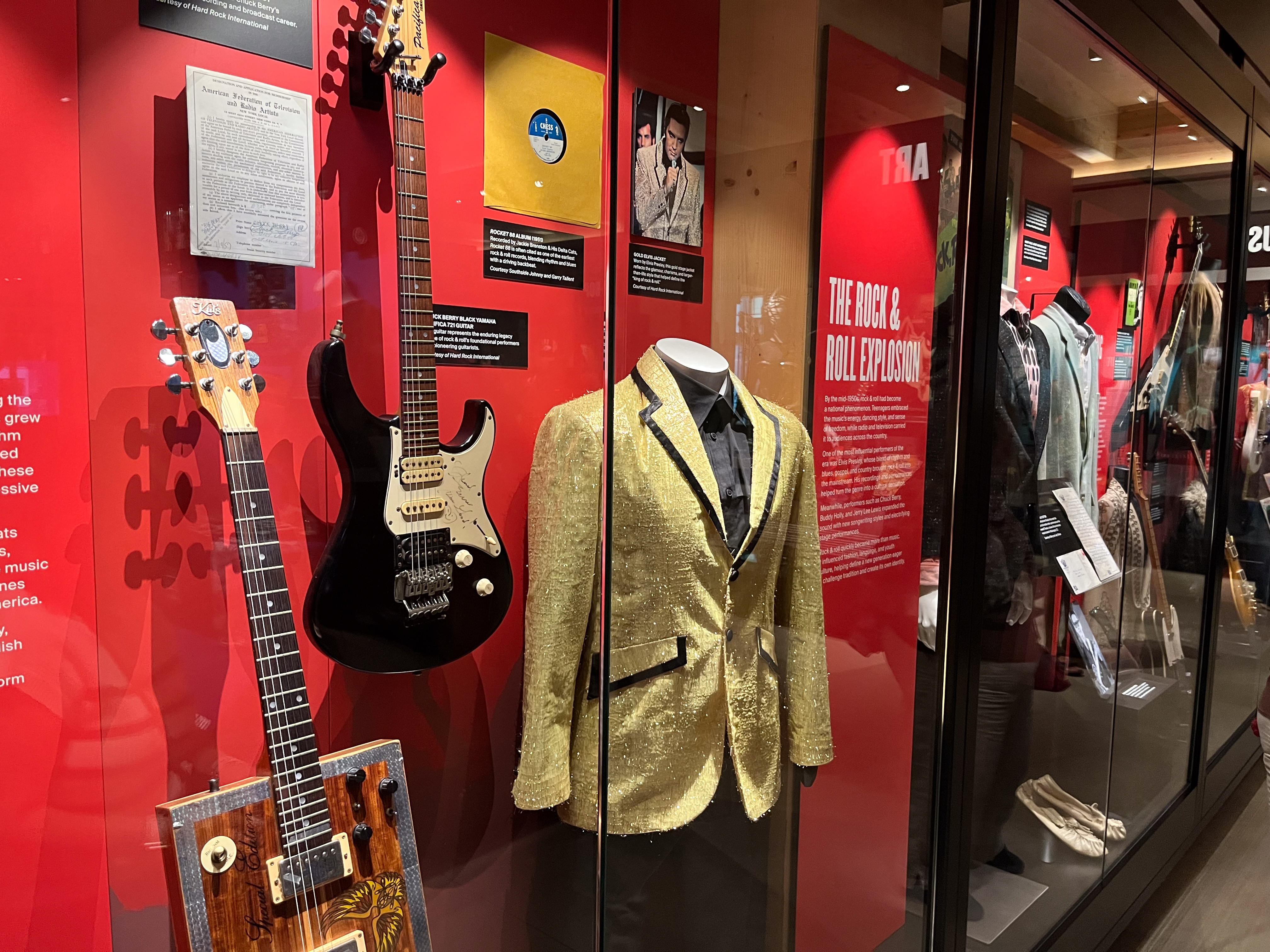
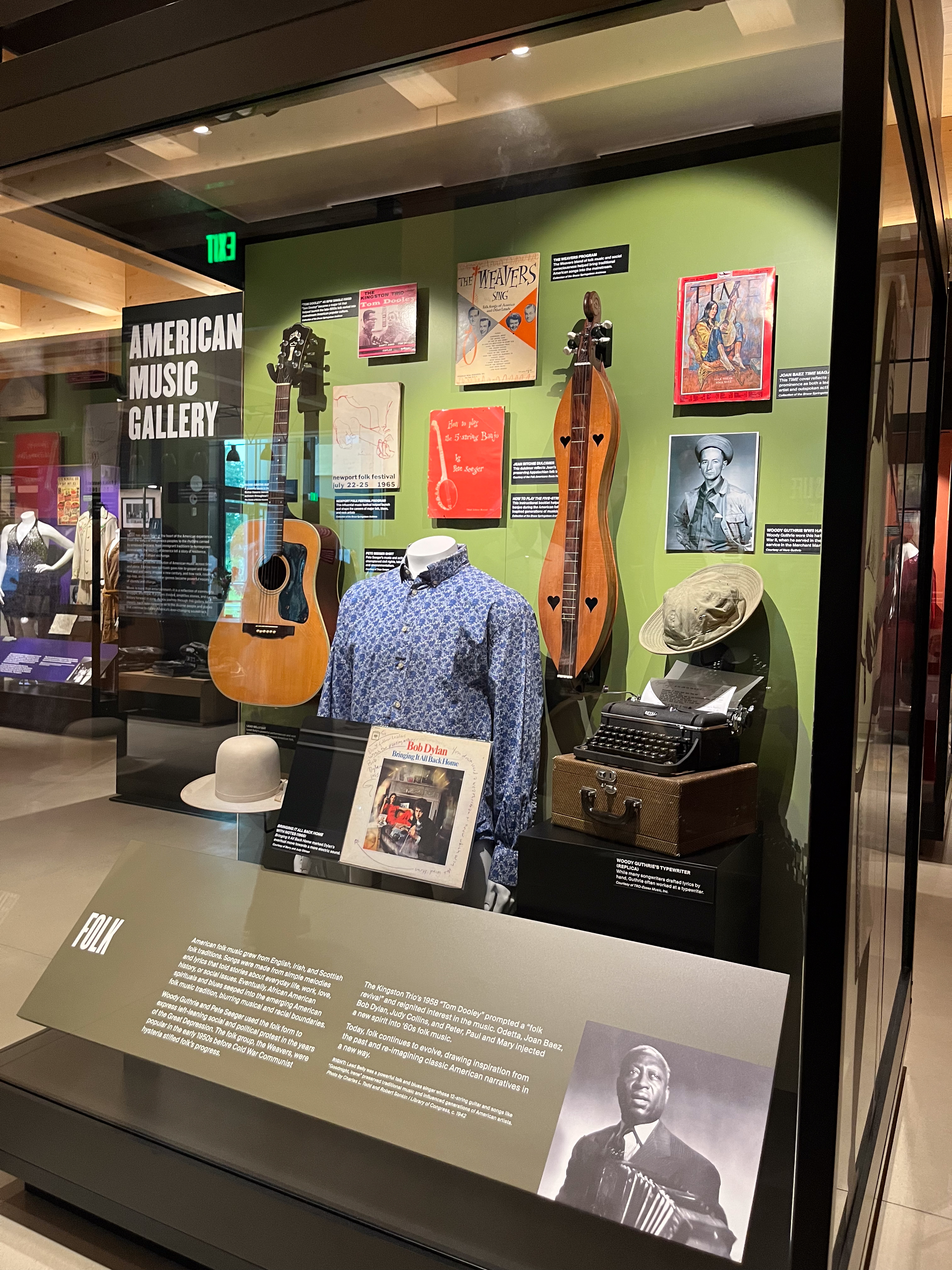
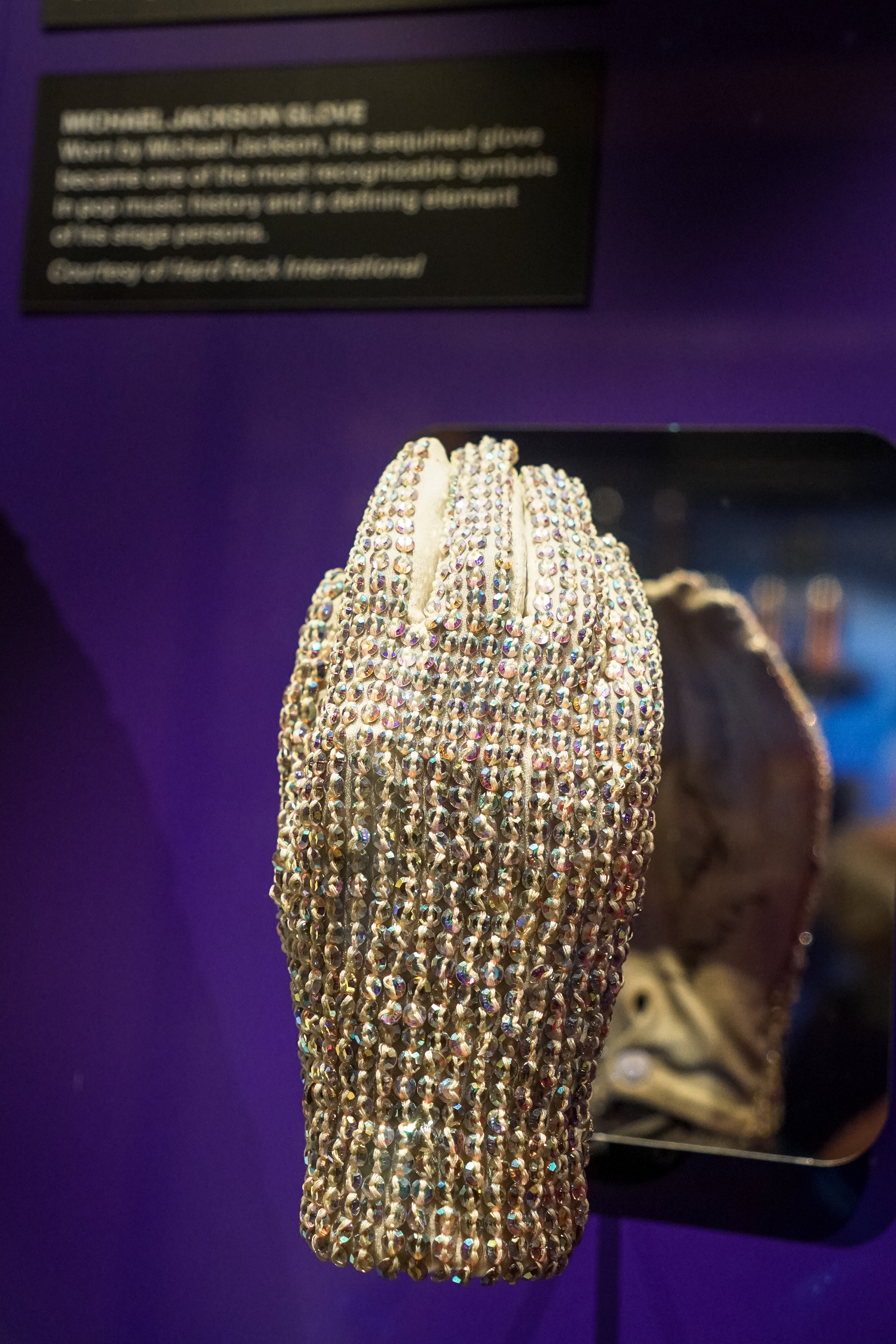
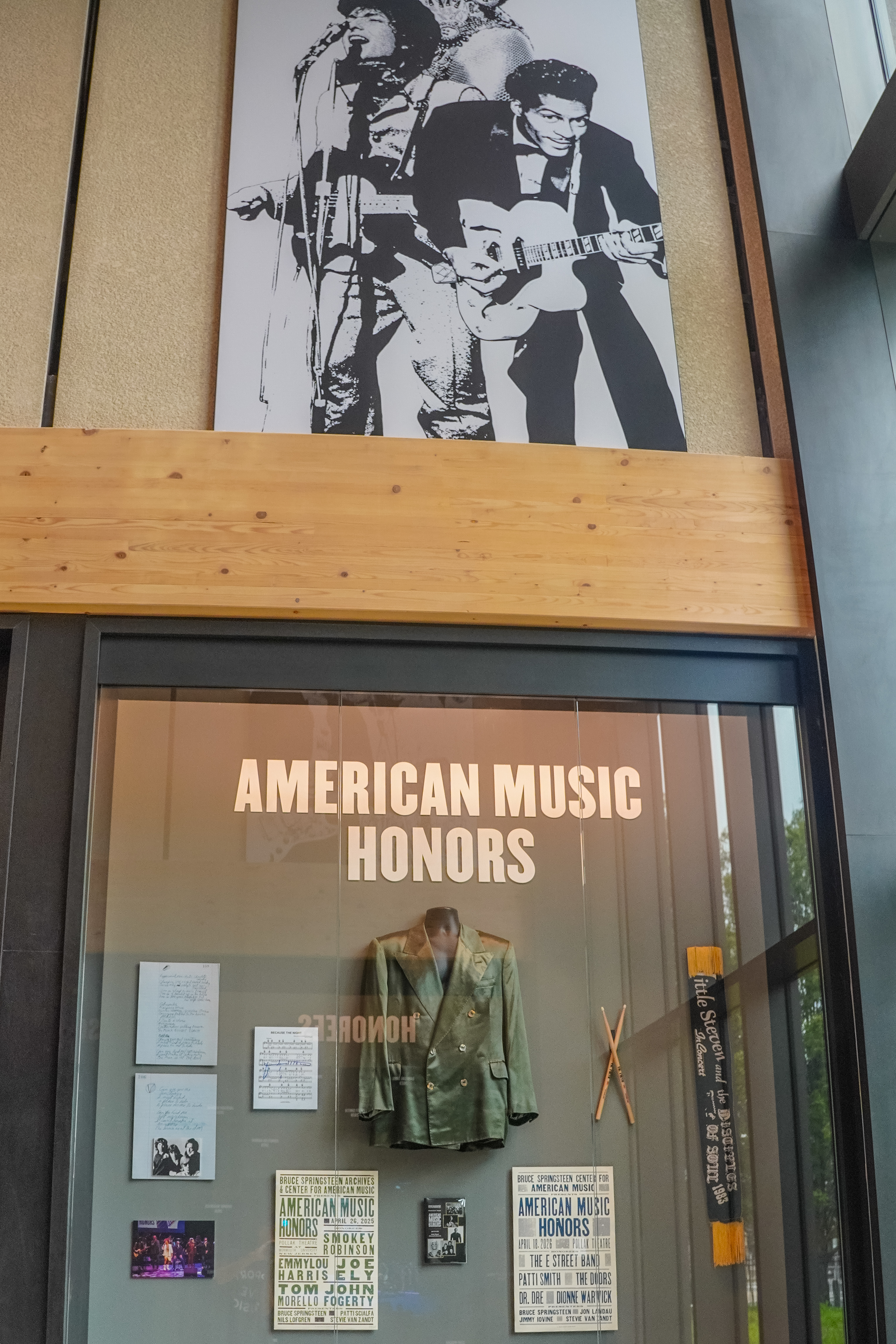
Display cases house artifacts, including Michael Jackson’s sequined glove, Louis Armstrong’s trumpet, John Coltrane’s sax, Ella Fitzgerald’s dress, Elvis’ jacket, Frank Sinatra’s shoes, a letter Buddy Holly wrote to his mom, a Lady Gaga costume, and more. Most of these items have been donated or are on loan to the museum, which will feature expanding and rotating collections representing many artists.
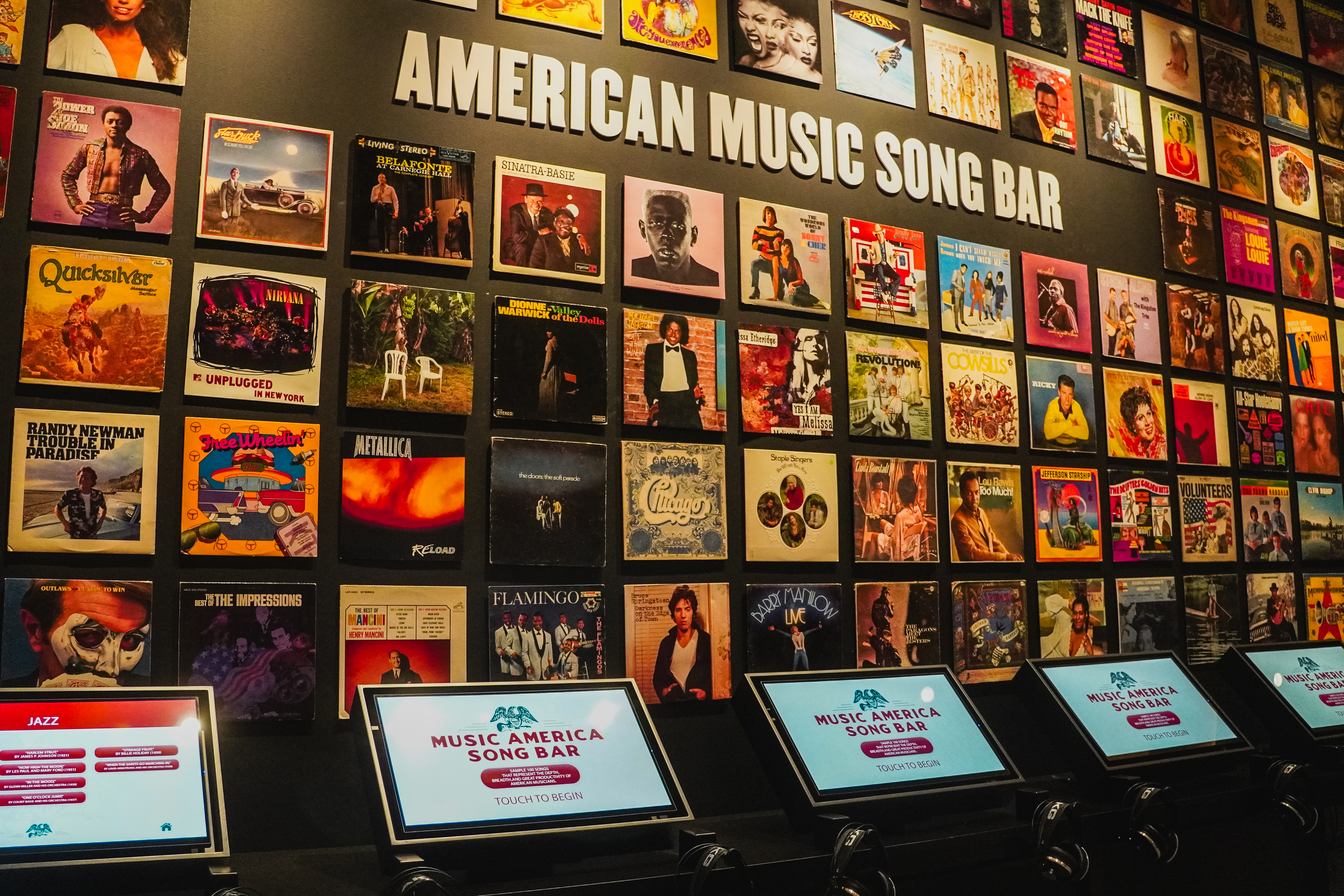
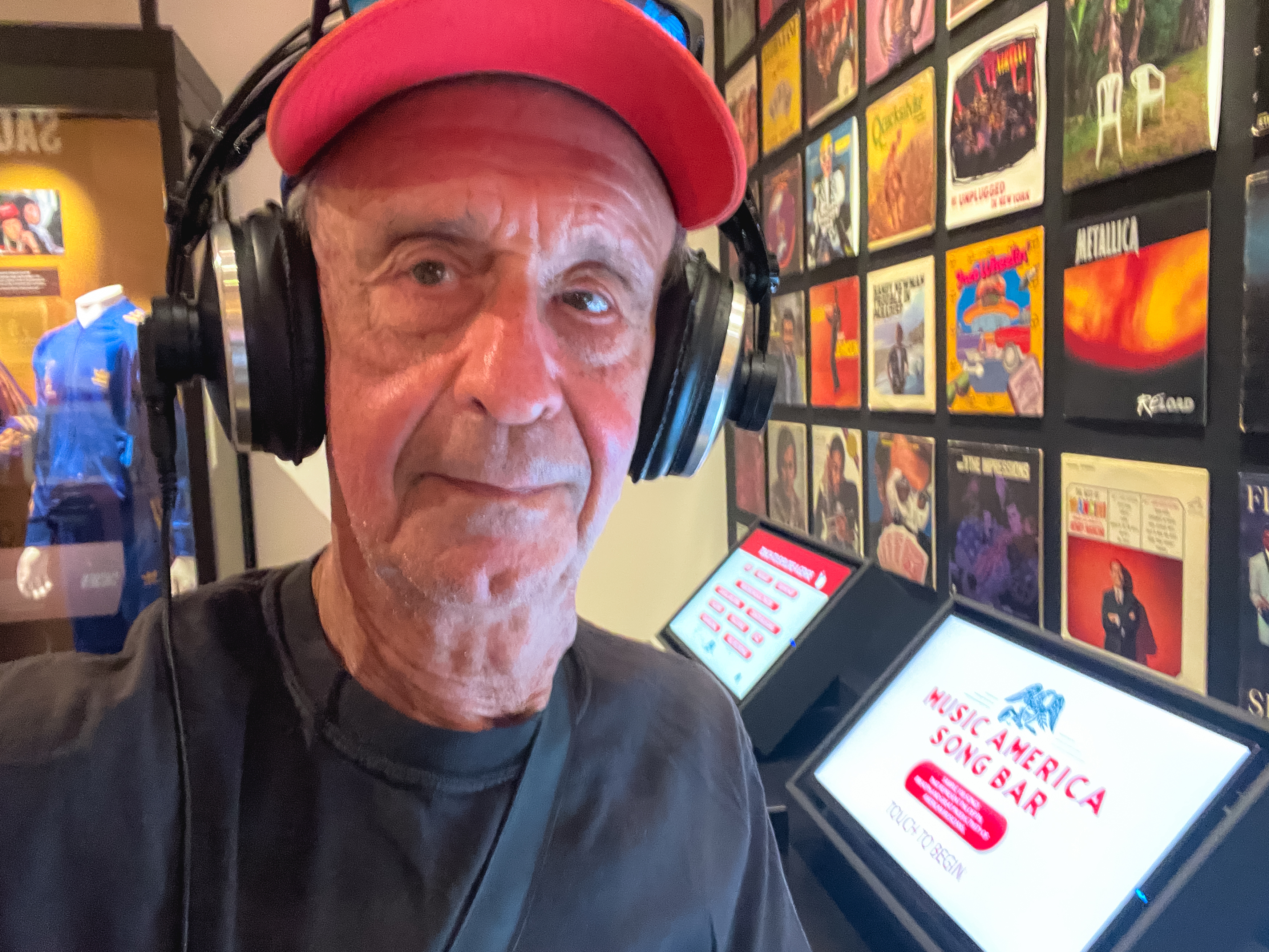
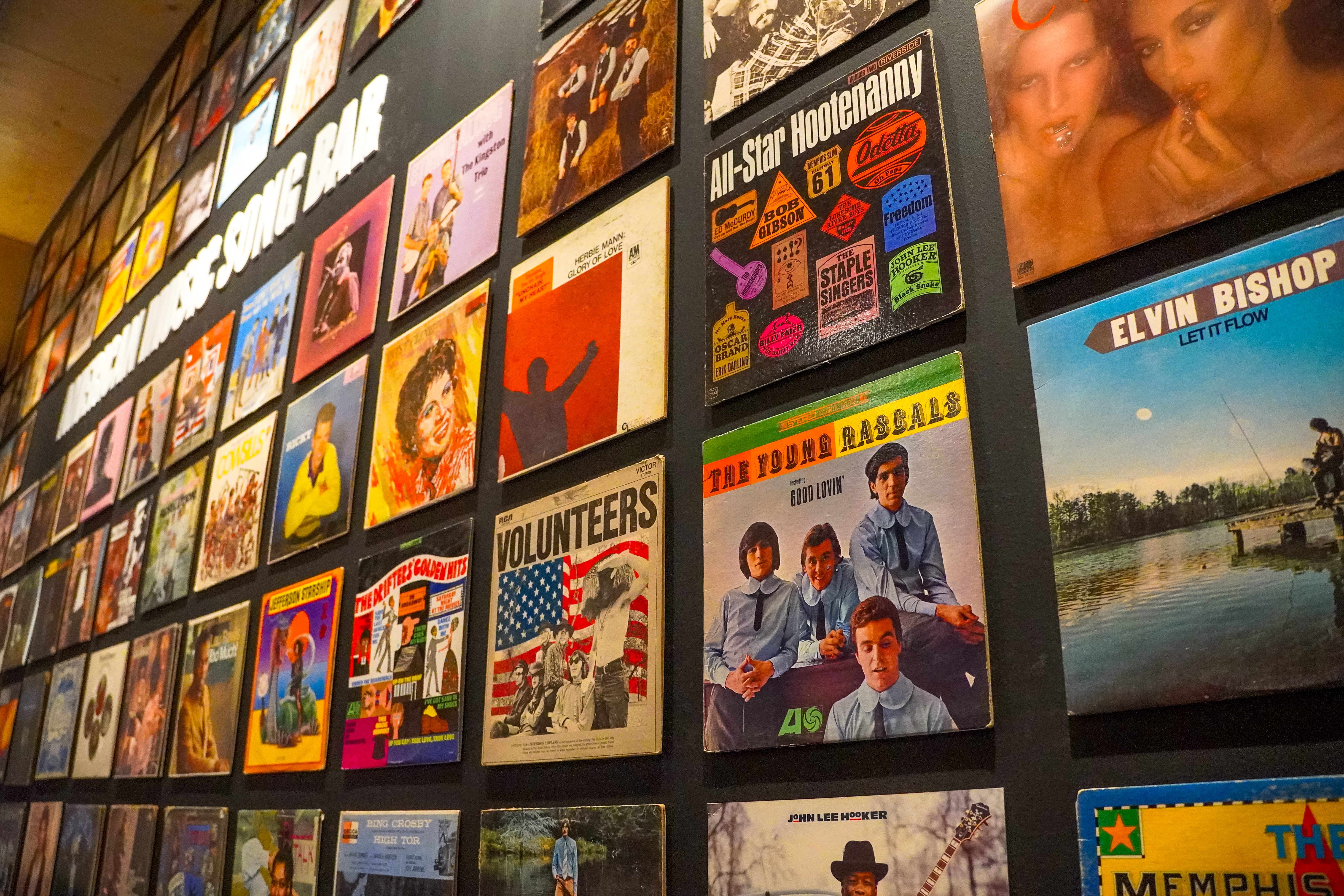
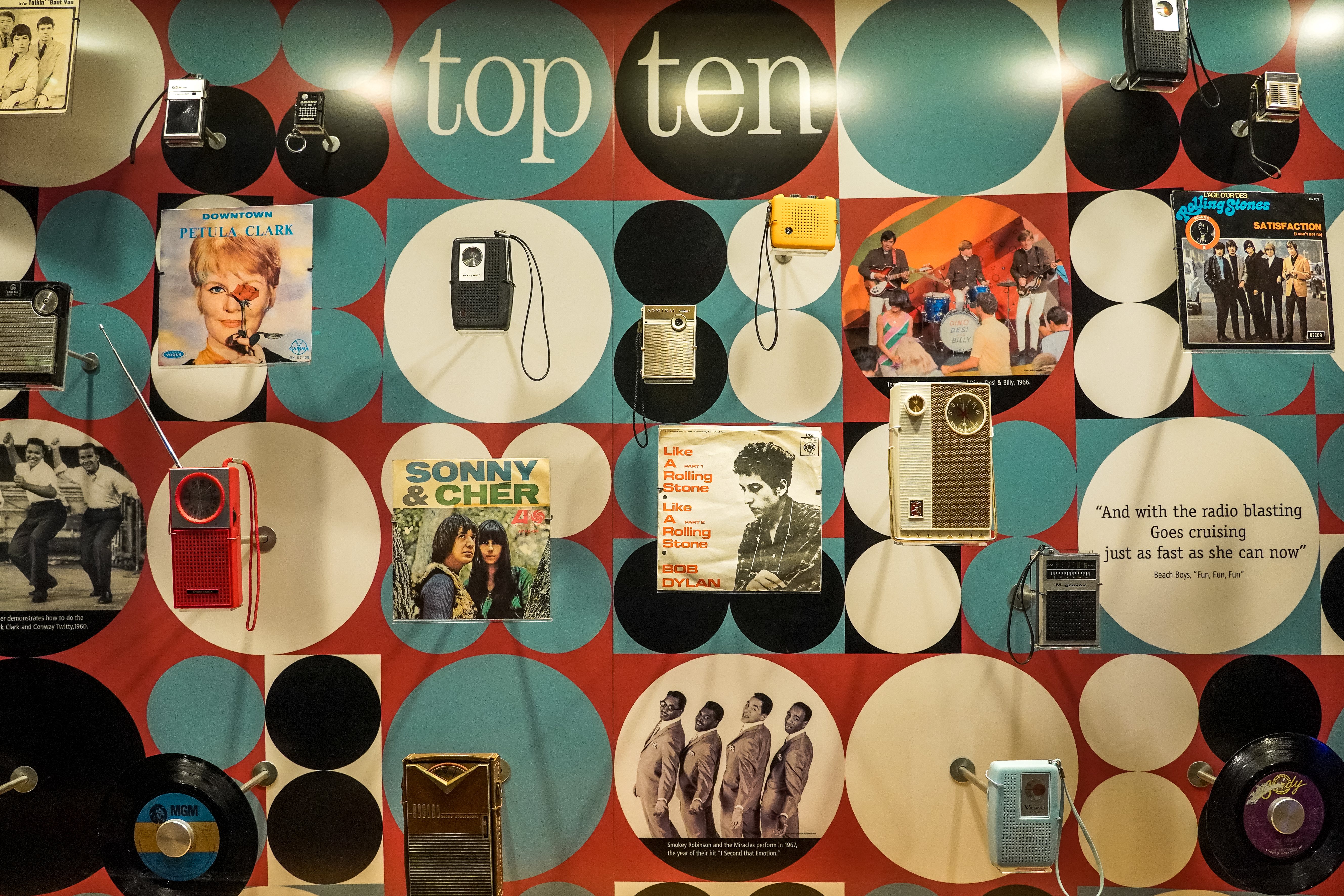
There is a large wall known as the American Music Sound Bar where visitors can listen to music by genre and learn where each style originated. It is a place to connect the dots, to trace and connect a certain sound to where it started and flourished. The display of album covers is especially captivating for anyone who remembers the great days of 78 LPs. Each one calls up memories of songs, groups and past glory days. You could easily spend hours here just exploring!

Second Floor – Bruce’s Career and Chimes of Freedom Exhibit
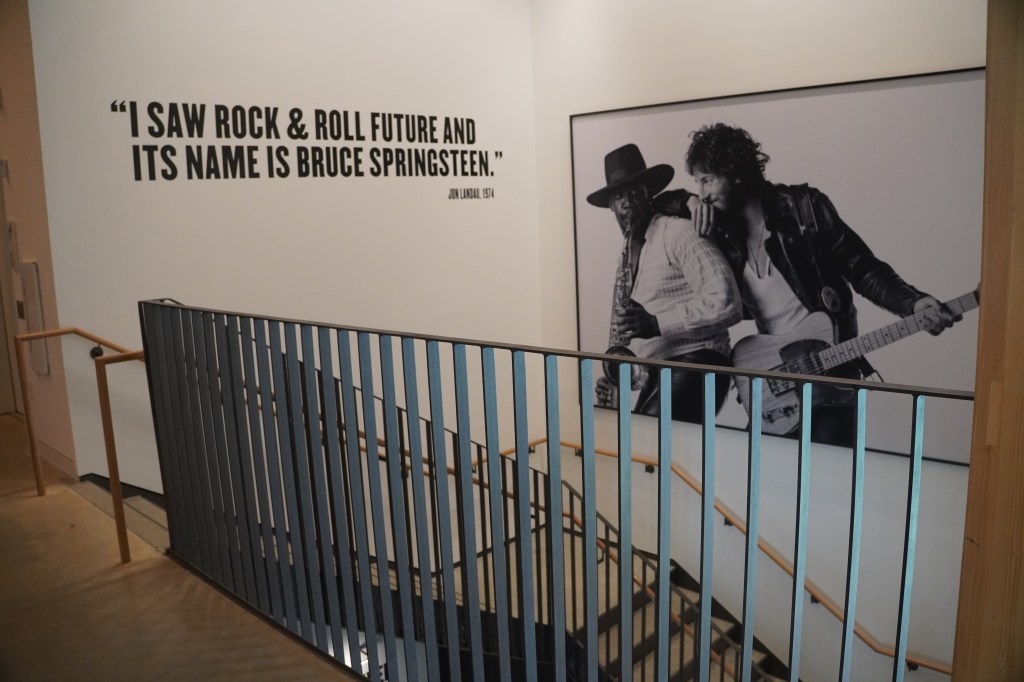
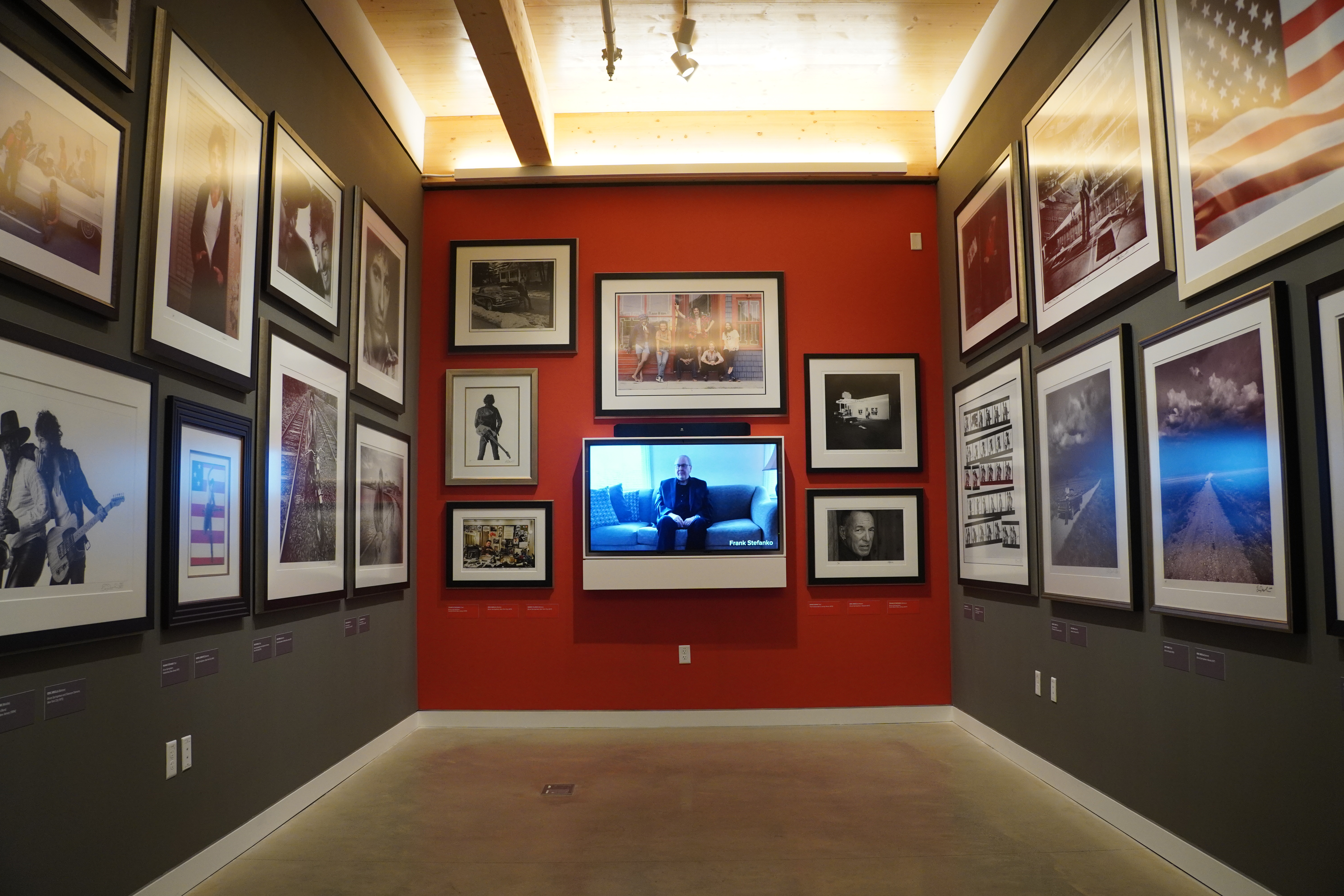
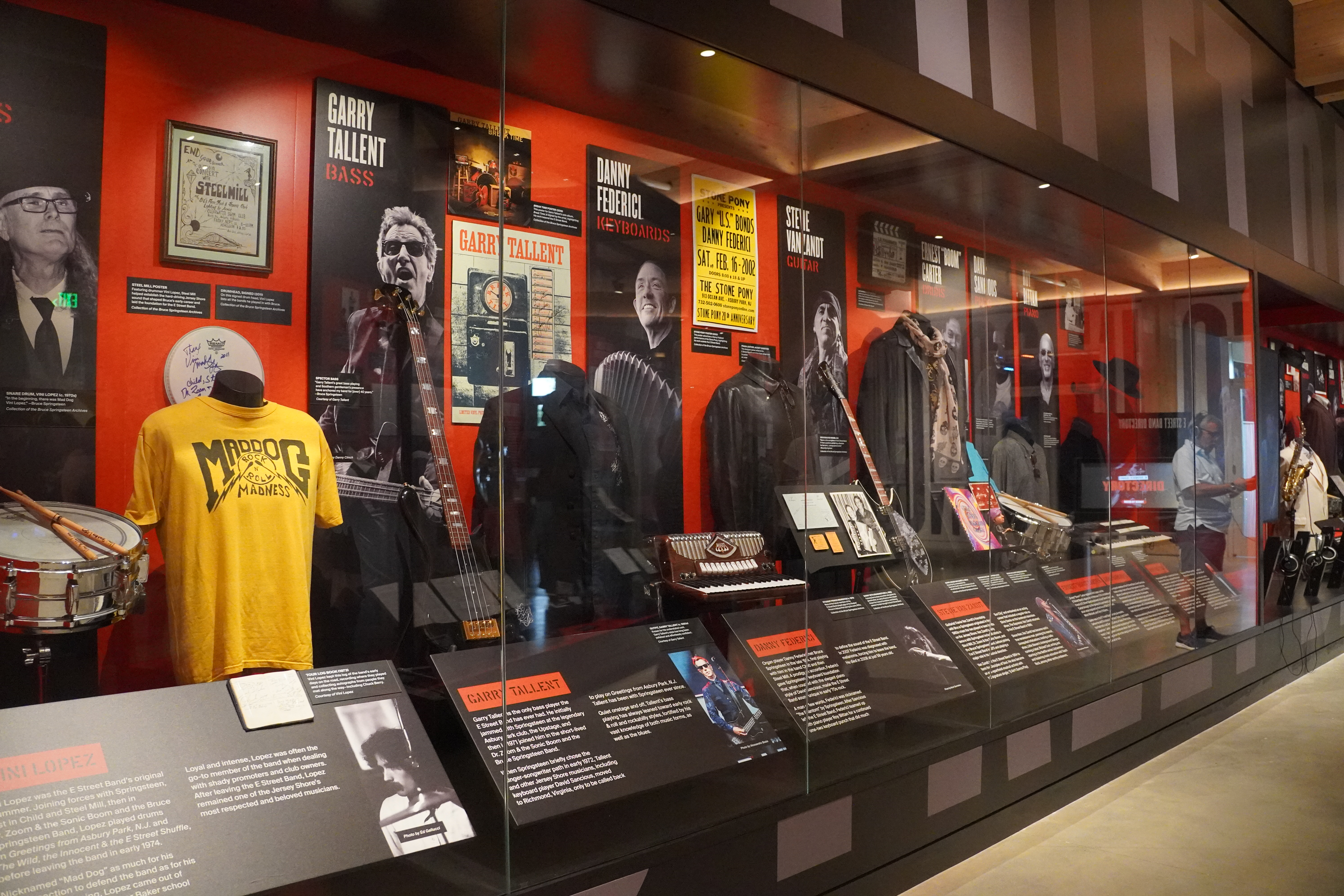
Bruce Springsteen’s career is traced through the decades, along with members of the E Street Band. The exhibits include original song drafts and many images captured by famous photographers. There is even a unique video projection that explores Springsteen’s self-education from reluctant to voracious reader, an evolution that helped shape his song writing and artistry.
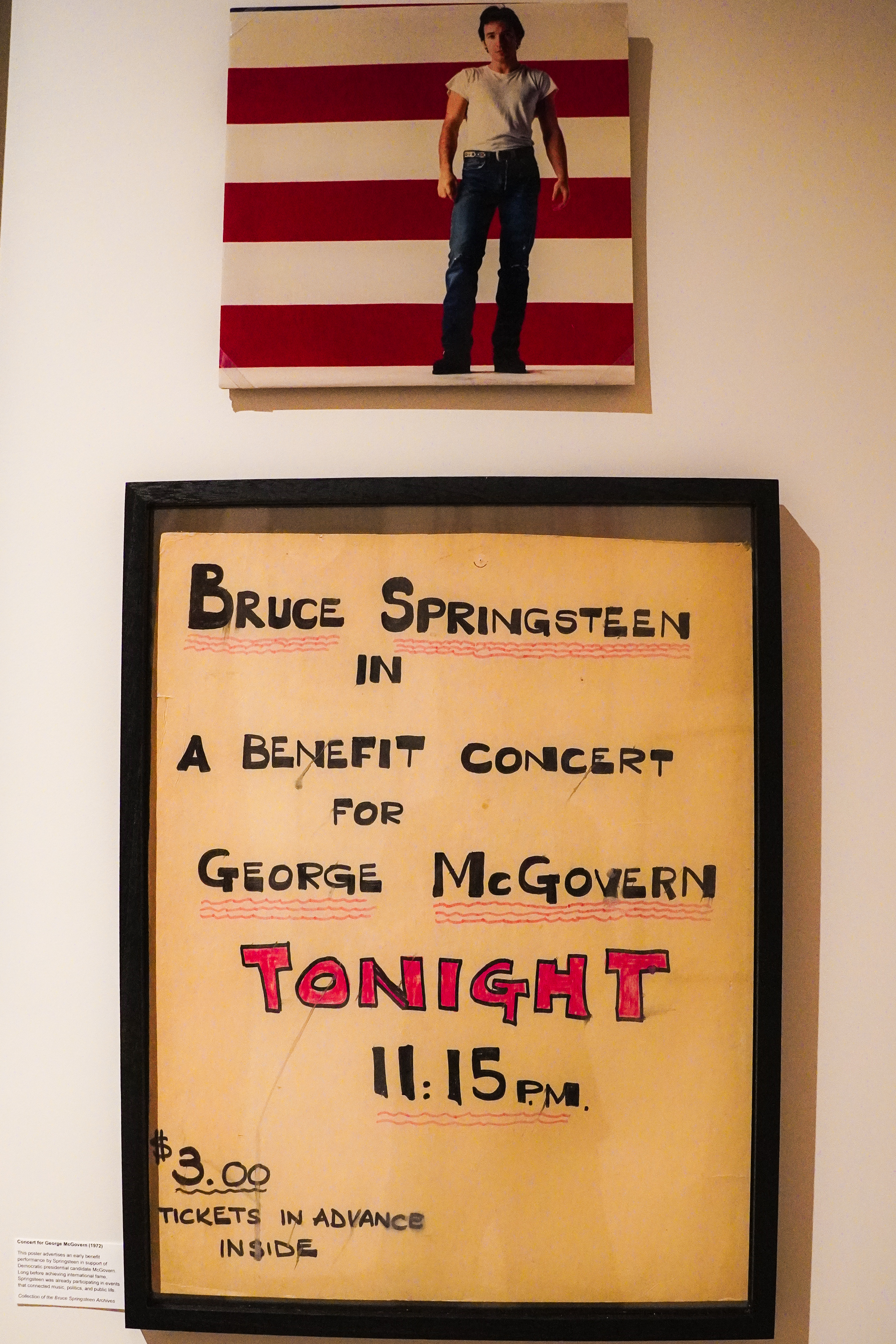
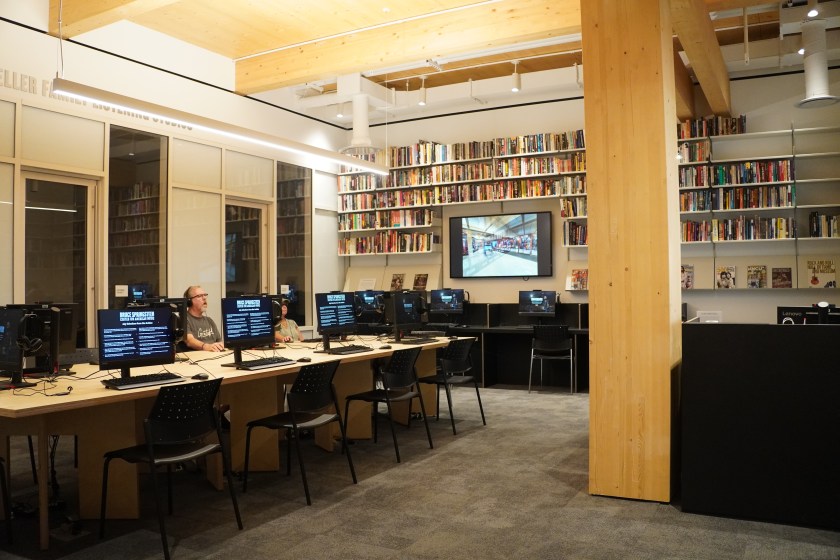
A small immersion theater room offers visitors an opportunity to experience the energy of being at a Bruce concert. Then there is the Archives room. Bruce has donated countless artifacts from his life, many of which are in storage rather than placed on display. These materials can be viewed digitally and researched for those studying his life and art. A limited number of visitors may explore the categorized documents to gain a better understanding of Bruce’s life and how it fits into the broader American music narrative.
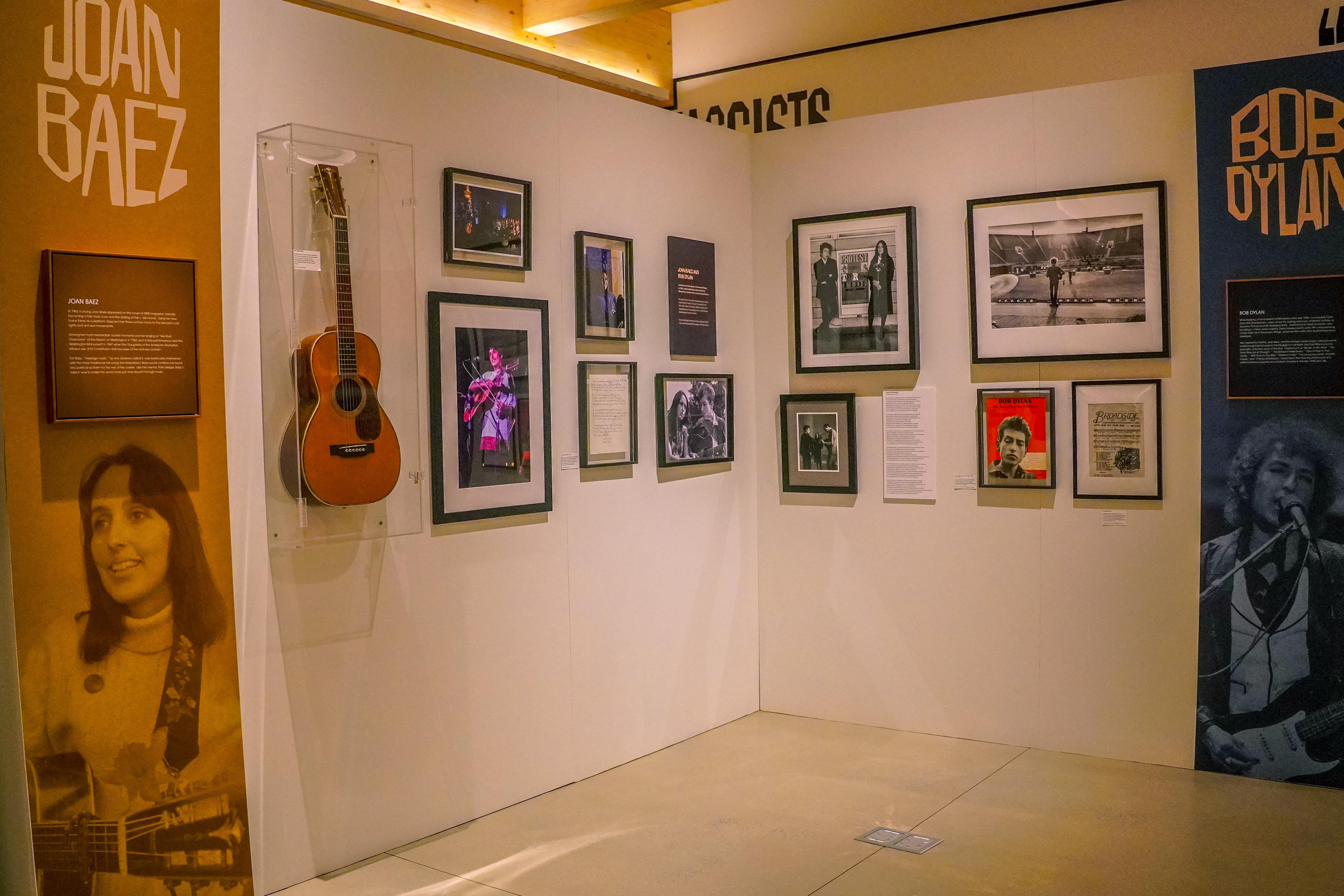
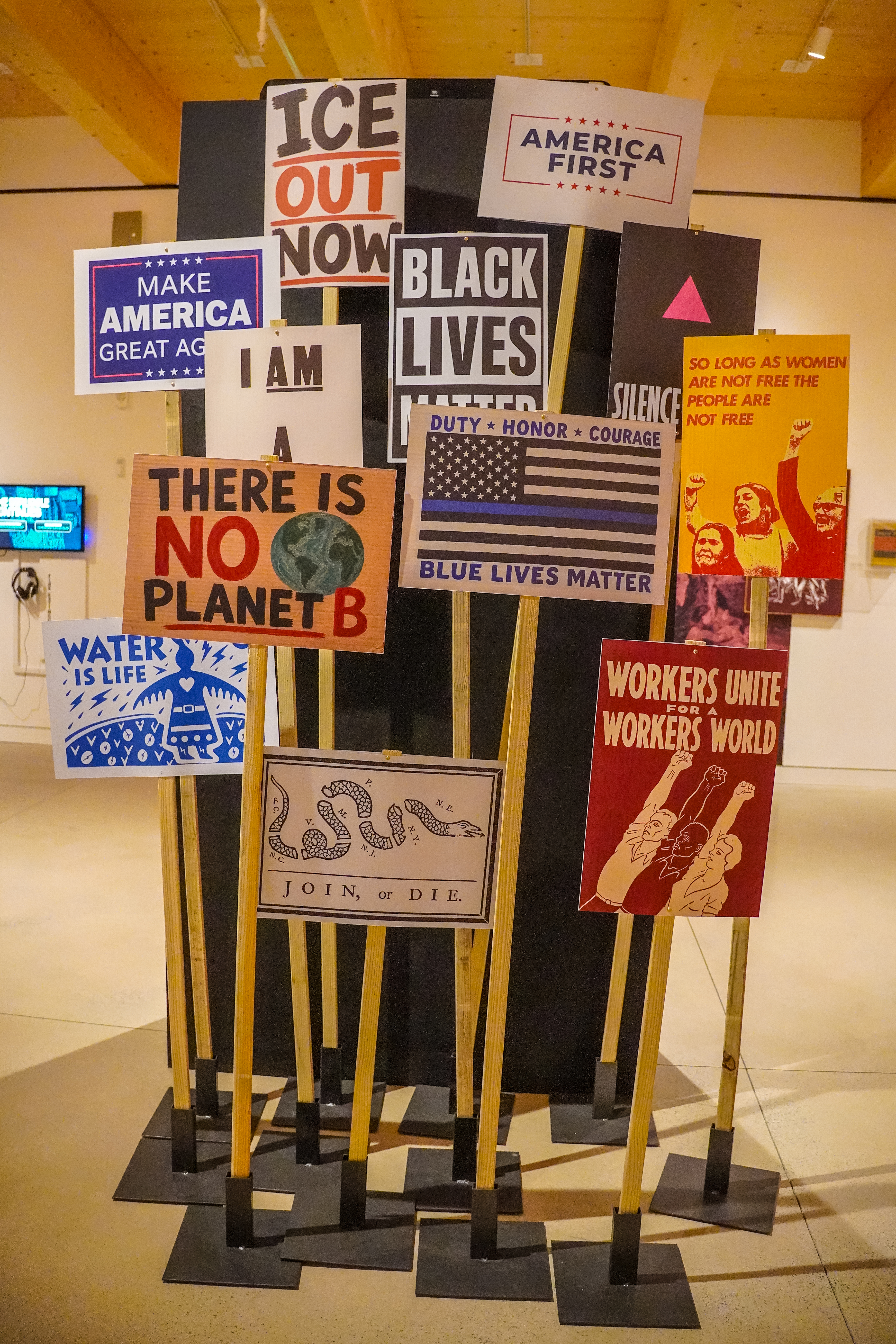
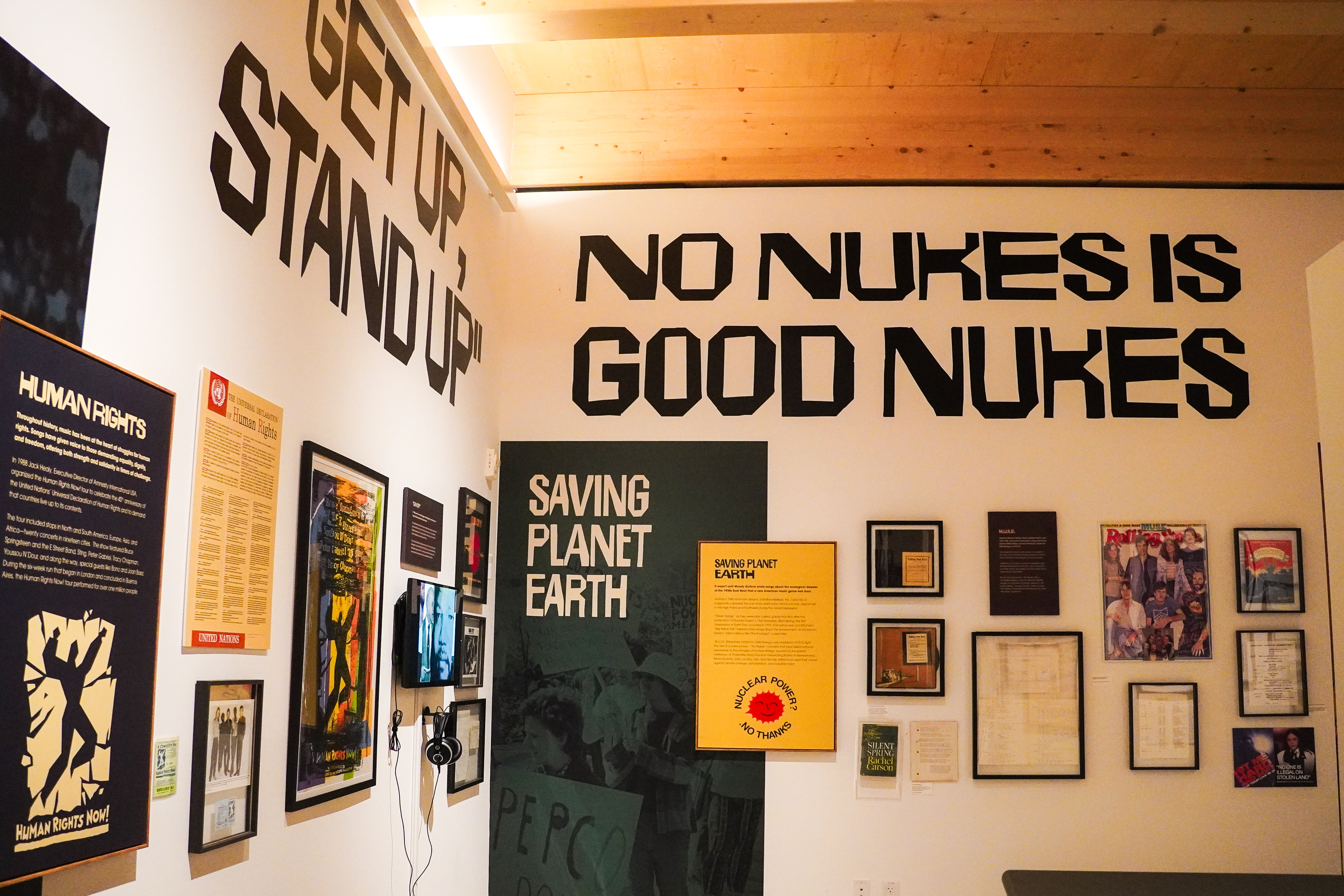
Bruce is well known for his concern and support of many causes. During the recent innocent deaths and protests against ICE in Minneapolis, Bruce once again made a strong statement of protest in his song, “The Streets of Minneapolis.” That dedication to the power of a protest song led to the Center’s first special exhibit – Chimes of Freedom: Protest, Patriotism and the Power of Song — which highlights how revolutionary songs ranging from “Yankee Doodle” to the civil rights to antiwar anthems of the 1960s to today’s protest songs influenced politics and popular culture.
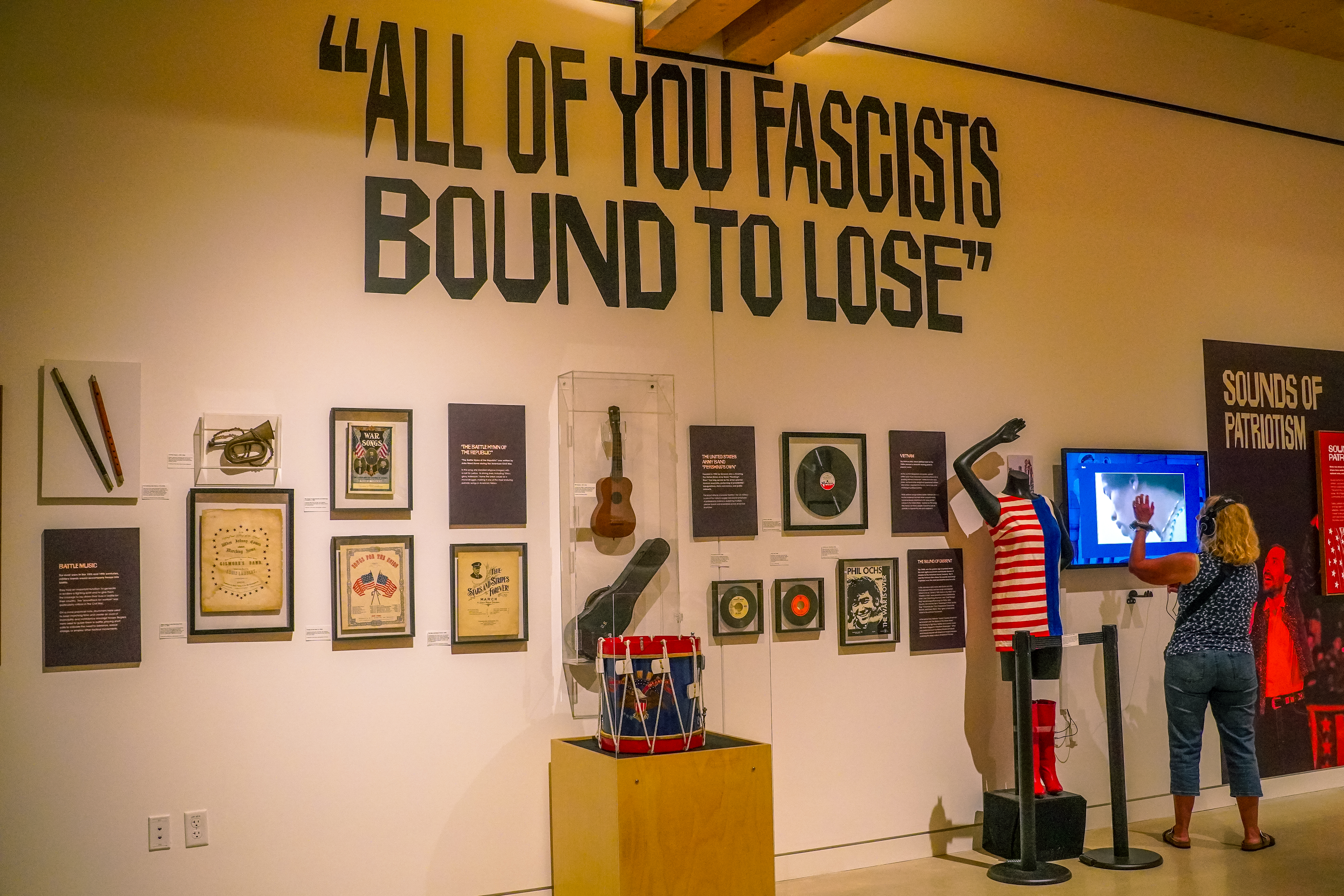
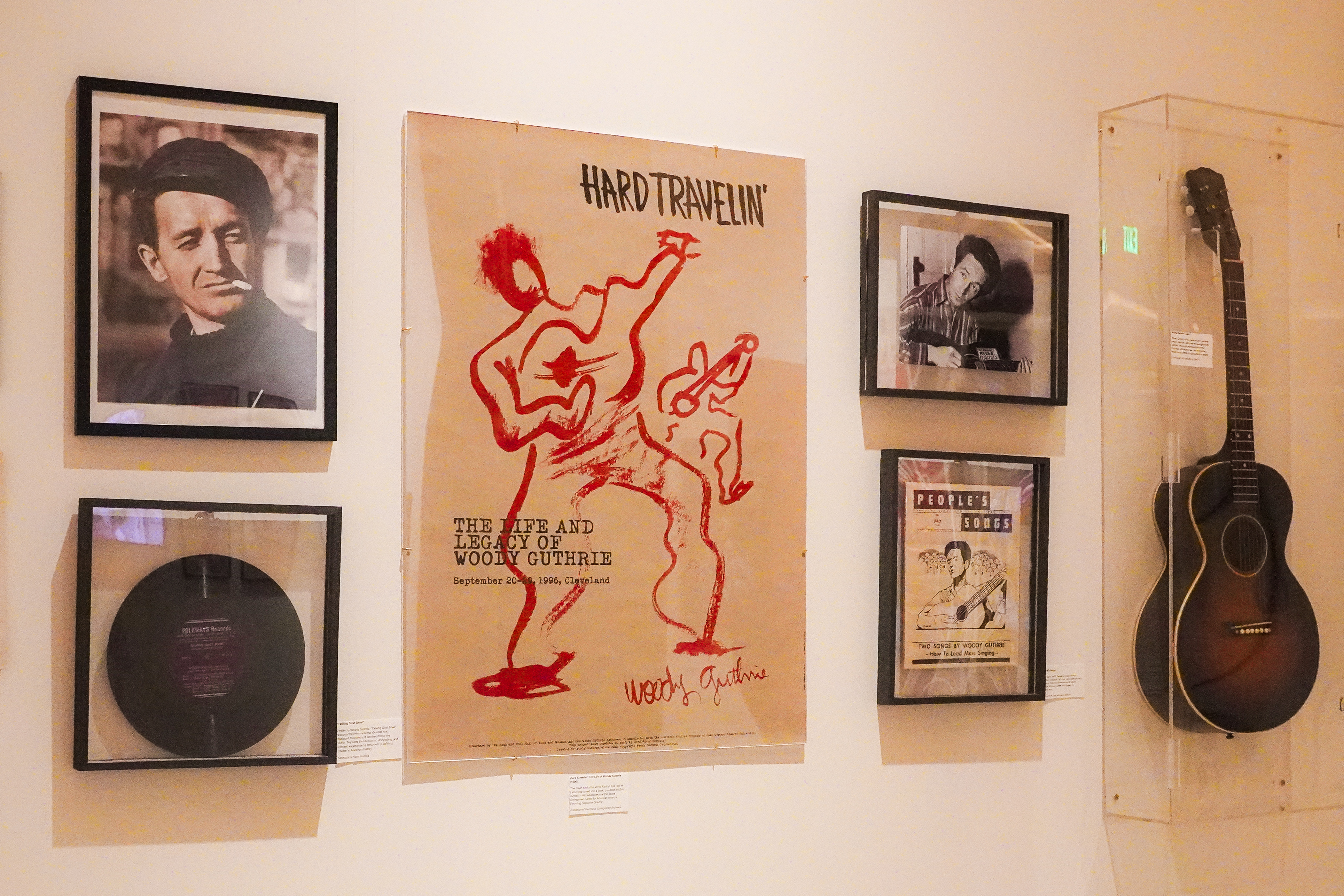
Graduation Time

After a couple hours, we left the Center with both rekindled memories and new questions to ponder. American music is like a puzzle. The pieces may not seem to fit together, especially when there’s such different times, places, sounds and characters, but here they do.

As we exited the Center – as luck or providence would have it – we found ourselves face-to-face with a familiar looking man headed in. He asked us, “So what did you think of the Center?” We told him it was a greater than expected experience, and we planned to return to spend more time there. On a whim, I asked him his name, and he replied “Bob Santelli, I’m the Director of the Center.” Wow, what a fitting end to our visit: we had met the Center’s founder and director himself who was especially warm and grateful for our visit.
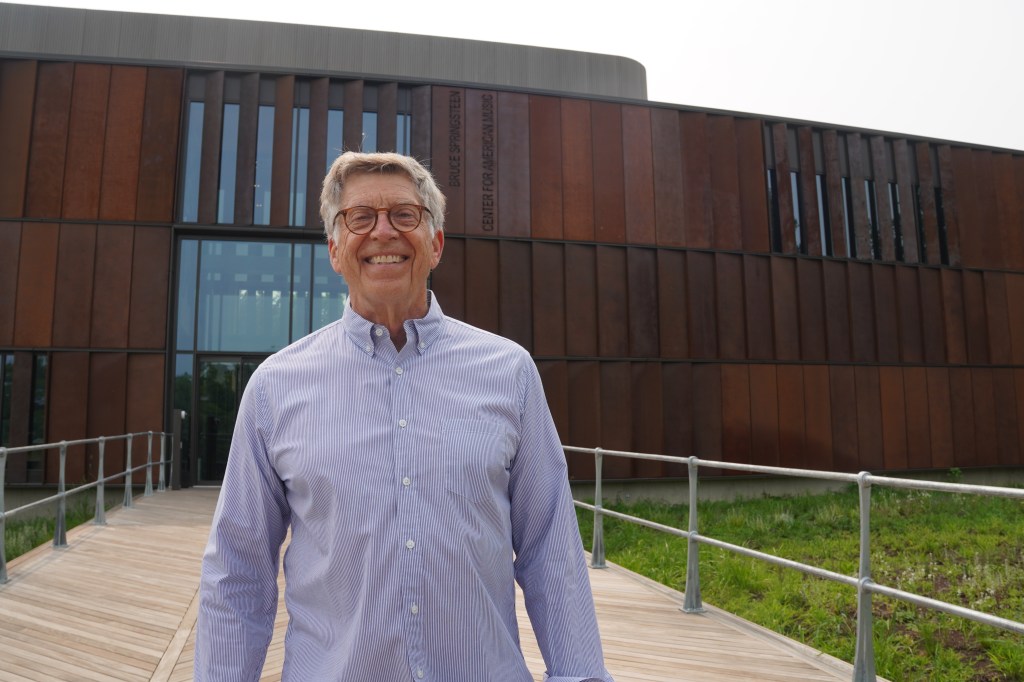
Bob Santelli at BSACAN

It seemed, at least for that moment, we became part of the American music legend.


Visitor Notes

Visitors should allow at least two hours for the visit and buy tickets online. Tickets are reasonably priced at $22 for adults, with discounts for seniors, children (7 to 17), and veterans. Children under 7, active military, and Monmouth University students can enter free.

Sources

Remembering Woodstock

Here’s a summary of a recent visit to the site of the original Woodstock Music Festival to reimagine one of the most significant cultural moments in our lifetime. It was an opportunity to recall old memories and add new ones to the legend.

Even though I wasn’t there then, it felt like I was. Woodstock was the kind of event that is seared in your memory, even for those who only heard about what happened later. I’ll always wonder what it would have been like to be part of it. 

Recently, I was with an old high school friend, George Kachoogian, who had managed to make it there. But, like so many, he had mostly forgotten everything that happened. We were here at Bethel Woods now to trace back four days, August (15-18), 1969. That was 57 years ago, but reminiscing about it made it seem like it was yesterday.

I’m going down to Yasgur’s Farm

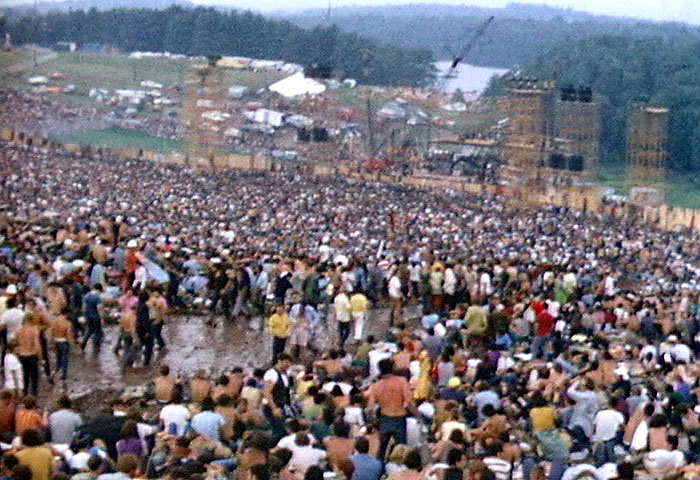
Woodstock crowd looking at stage
Photo Source: Derek Redmond and Paul Campbell, Wikimedia Commons

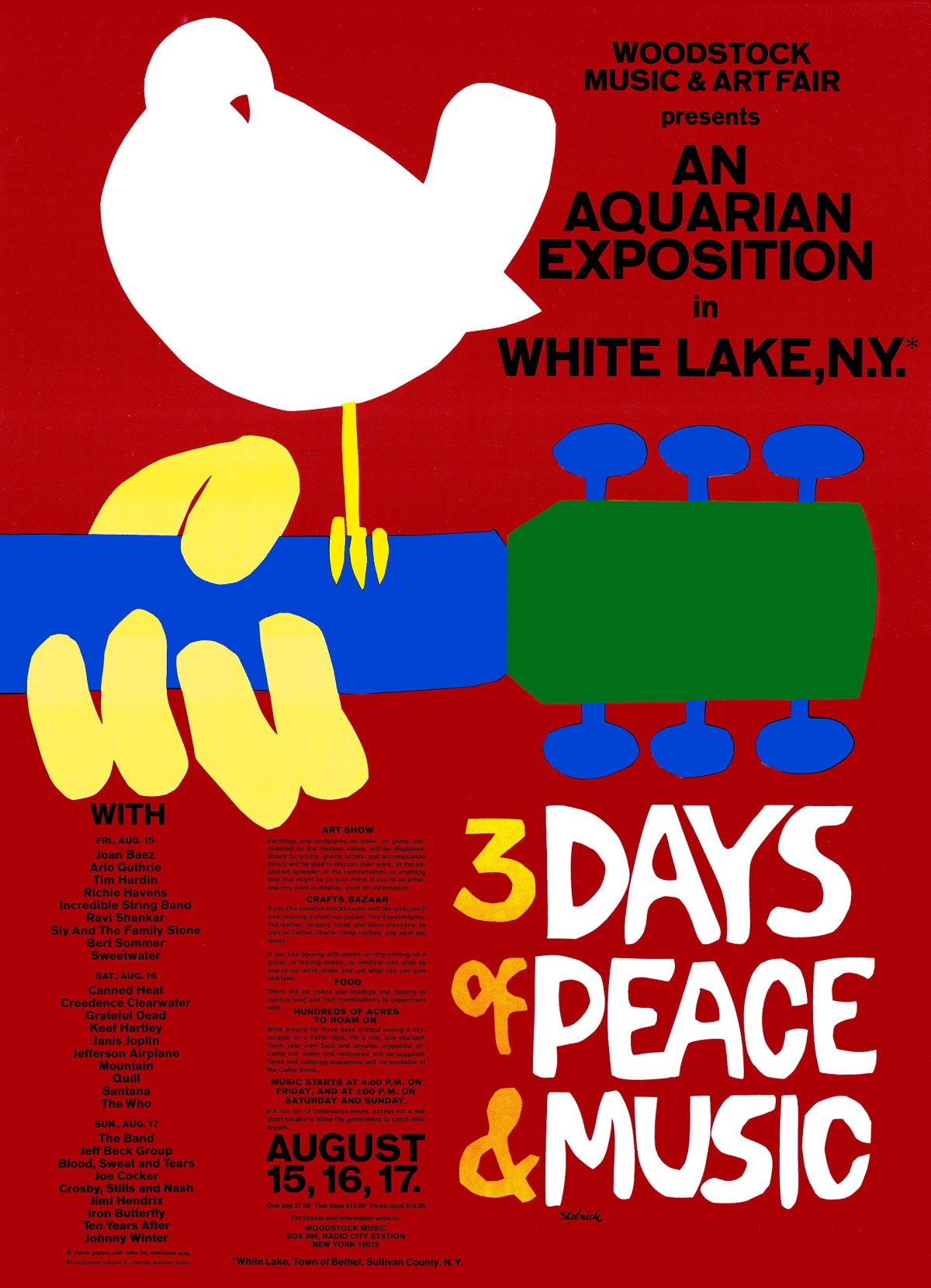
Bethel Woods is the current name of the location where the actual Woodstock Music Festival took place. The story goes that the plan was originally set for an area near Woodstock, NY, but permits were cancelled. The promoters scrambled for a new venue and eventually found a willing landowner in Max Yasgur. His dairy farm in Bethel, NY, about an hour south, was within driving distance of New York City. Although there had been other outdoor concert events at the time, this was to be the biggest by far with 32 of the top acts spread over three days. Organically, word got out and spread like wildfire. To everyone’s surprise an estimated 400,000 to 500,000 showed up at the single largest musical event then and even today. 

By the time we got to Woodstock

George called me that Friday in August 1969 with a surprise. Would I like to join him and his friends on a trip to this big concert that the DJs were talking about on FM radio? He had sent for tickets that never arrived, but decided to go anyway. I, unfortunately, had made other plans and turned down his offer.

Word got out about incredible traffic jams and huge crowds that were storming the gates. It quickly seemed like no one actually paid to attend and everyone was welcome. I was left wondering if I really missed something special. We would not really know what happened until days later. At that time news traveled slowly with no mobile phones and little news coverage. Imagine trying to call home with just a few pay phone available for thousands.

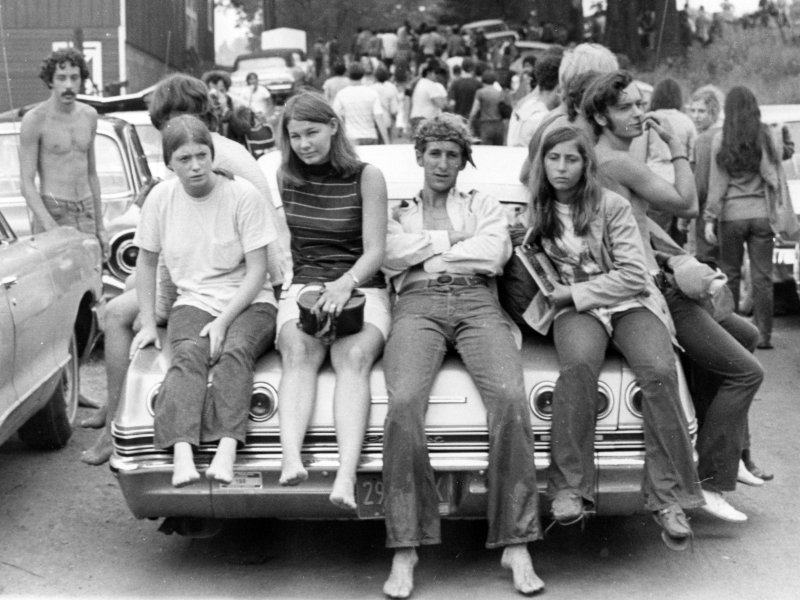
Woodstock teens
Concert goers were forced to park their vehicles miles from the venue.
Photo by Ric Manning via Wikimedia Commons

George and his friends became part of the traffic jam, abandoned their car and walked to the concert venue. They would pitch a tent somewhere nearby and camp there for the next couple days. 

Back to the garden

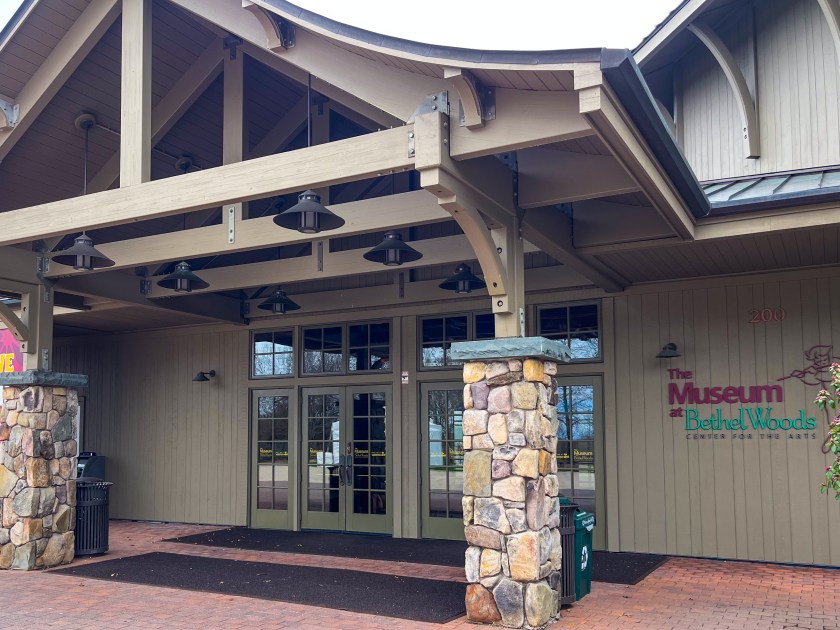
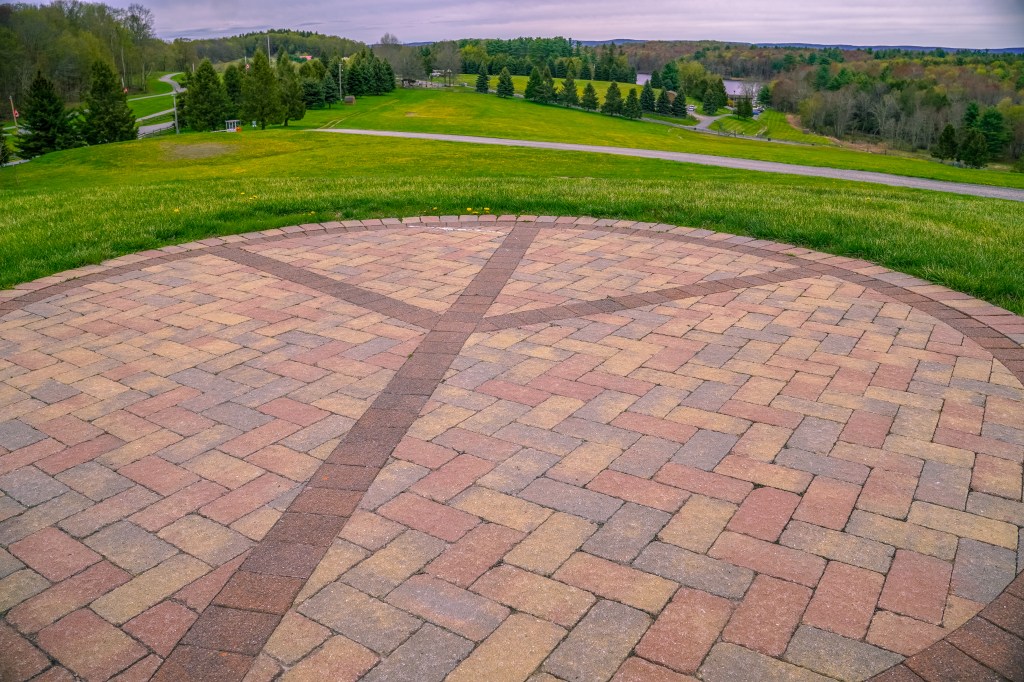
Today, we were here at the Museum at Bethel Woods, a shrine to Woodstock to explore. Maybe, we could even locate where George and his crew “crashed” for a couple days! 

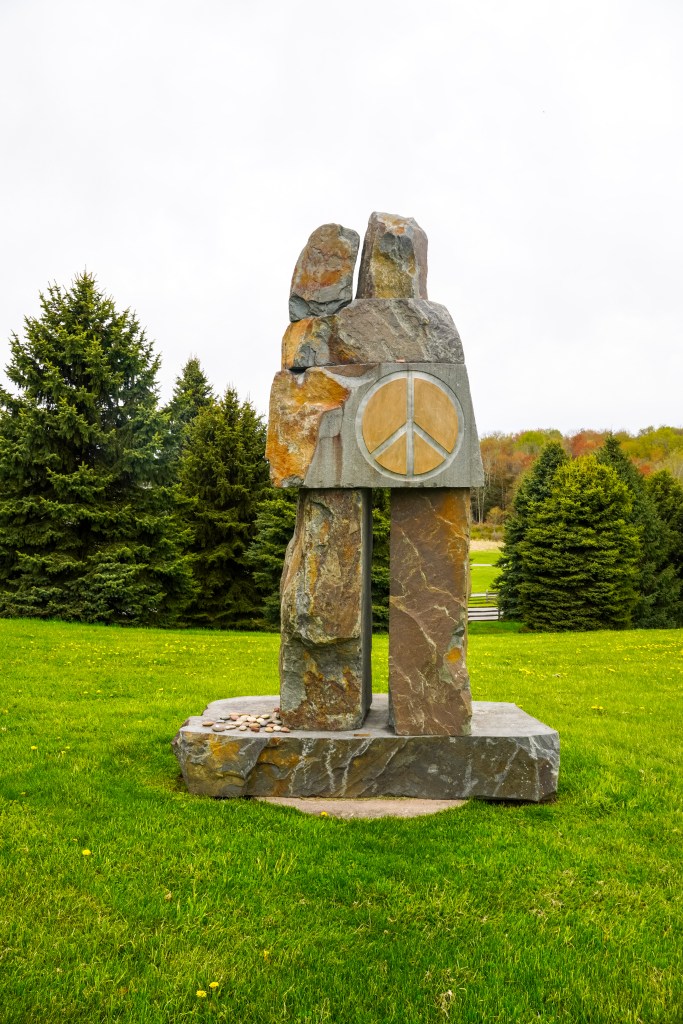
The museum and grounds of Bethel Woods represent a sacred memorial to a time and place that came to be thanks to one man, Alan Gerry. Gerry, a local resident of the area and founder of Cablevision, memorialized this event by purchasing 1,000 acres of land where the concert took place. His non-profit Bethel Woods Center for the Arts would continue to promote the spirit of the event in its museum and ongoing live events that benefit the local area.

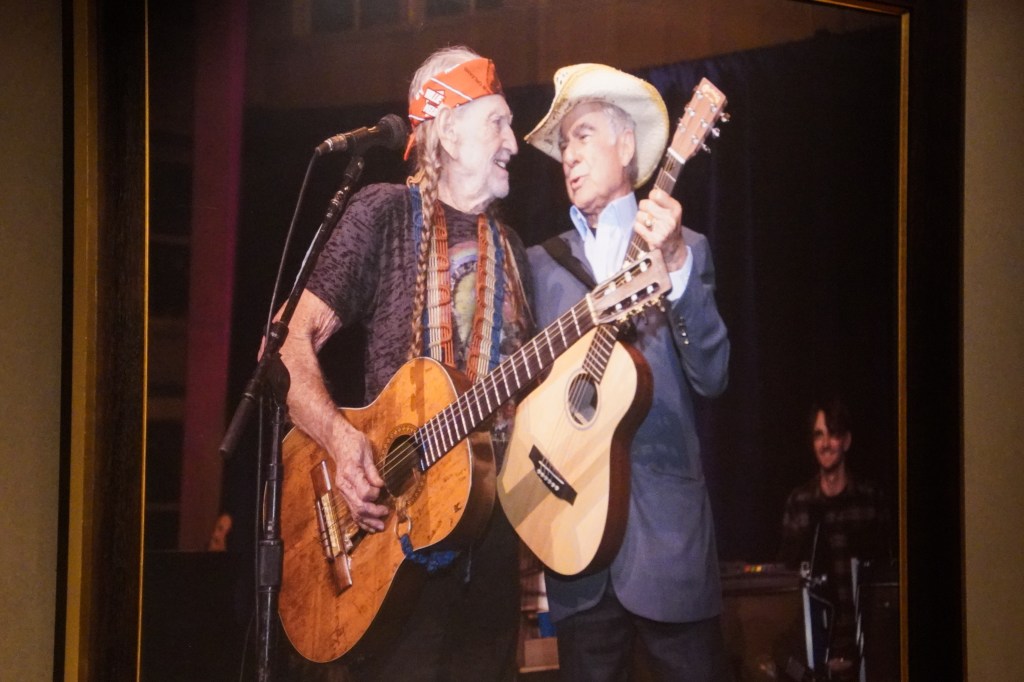
Museum painting of Willie Nelson with Alan Gerry, visionary of Bethel Woods and founder of Cablevision.

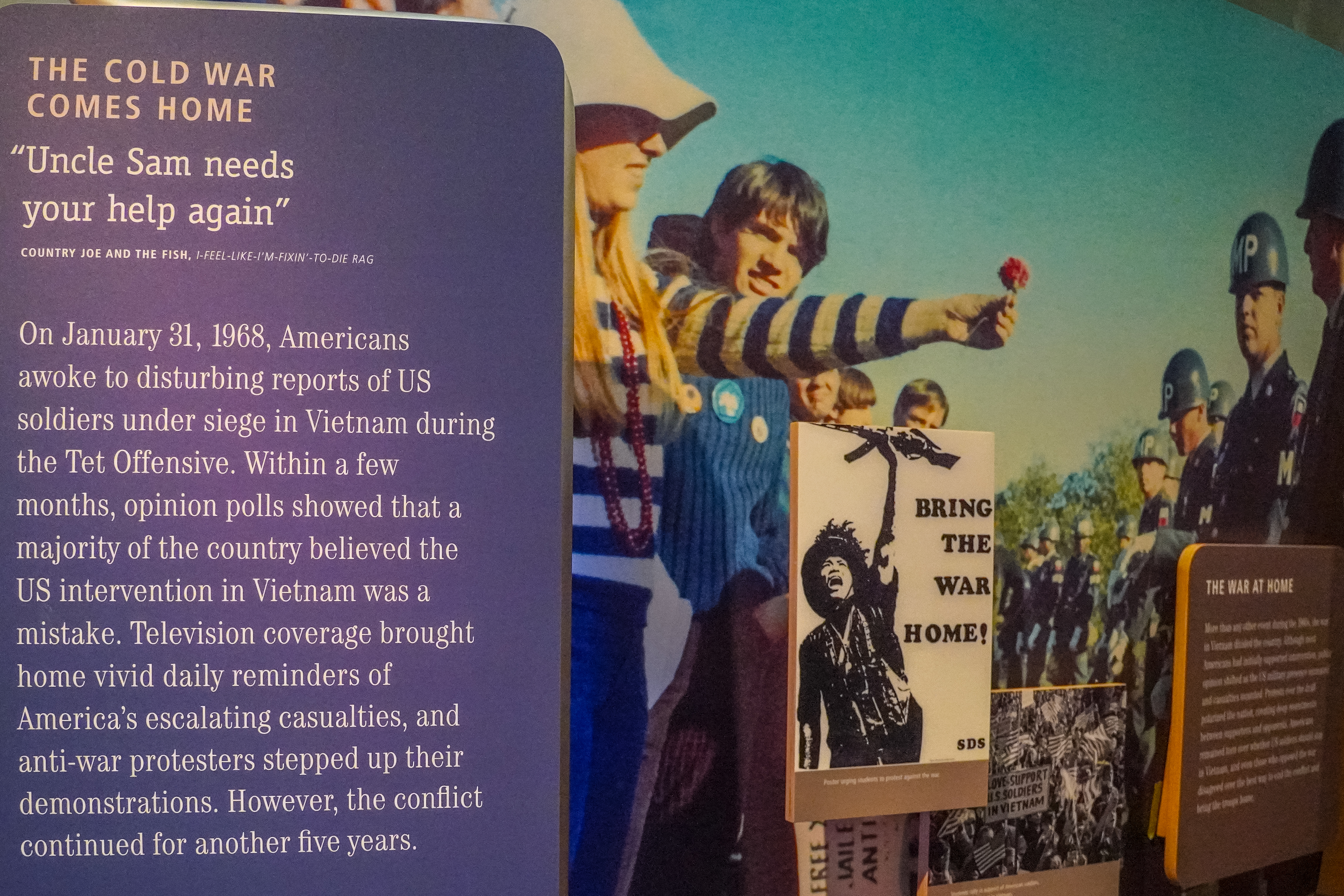
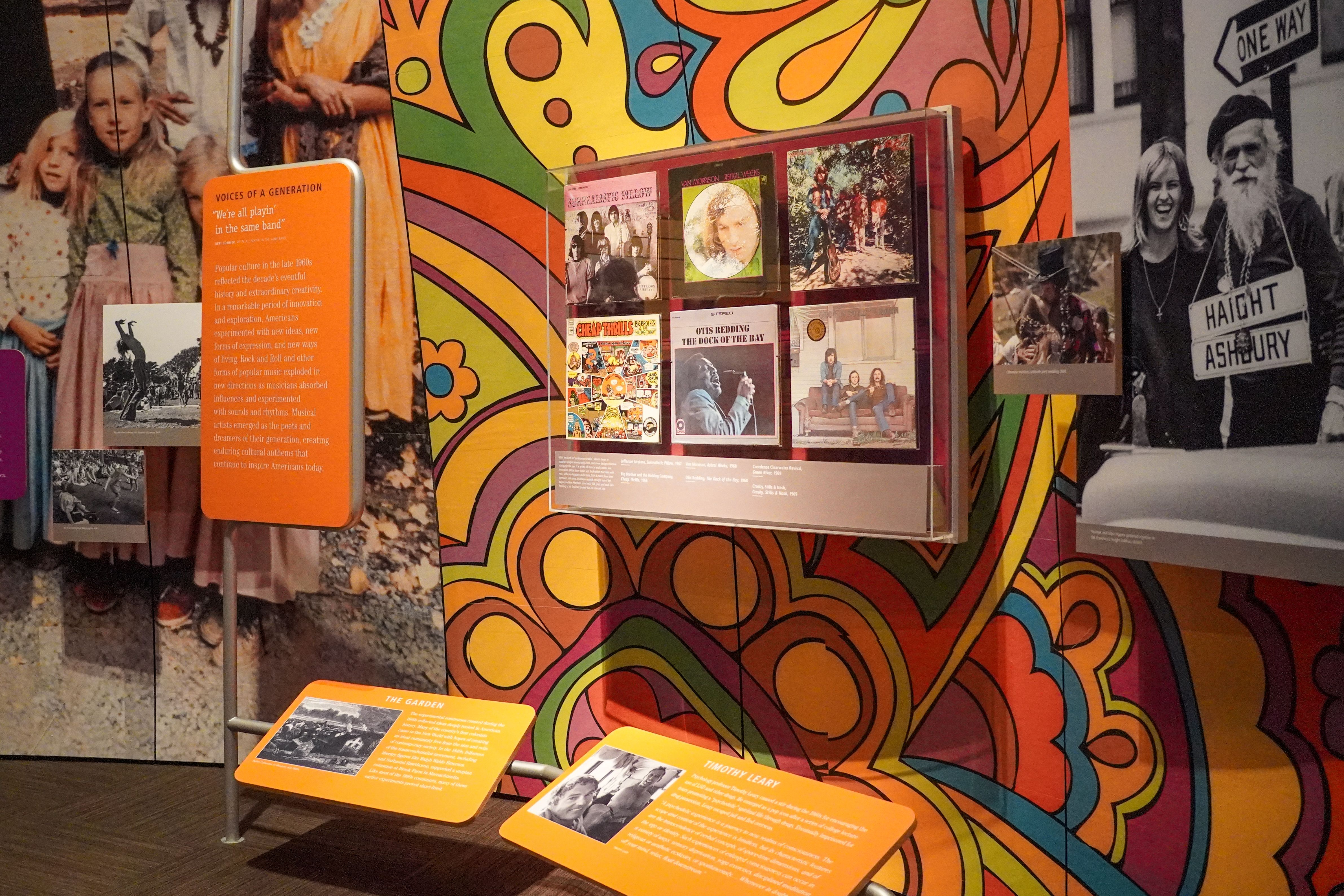
The museum has an exhibition area that leads the visitor through the time frame of the late 1960s. Woodstock did not happen without a major cultural shift which is hard to imagine today. Chief among the causes was our involvement in the Vietnam war, civil rights, the youth and women’s movements and, of course, the music. Little did we know it was to be the culmination of the new music and hippie lifestyle.

The exhibits brought back that feeling back then of a seismic change in almost everything all at once. But to our 19-year-old selves, the concert was mostly about the lure of sex, drugs, and rock and roll. Not that most of us lived out that desire or even knew what it was all about. We were strangers in a strange land.

And everywhere was a song and a celebration

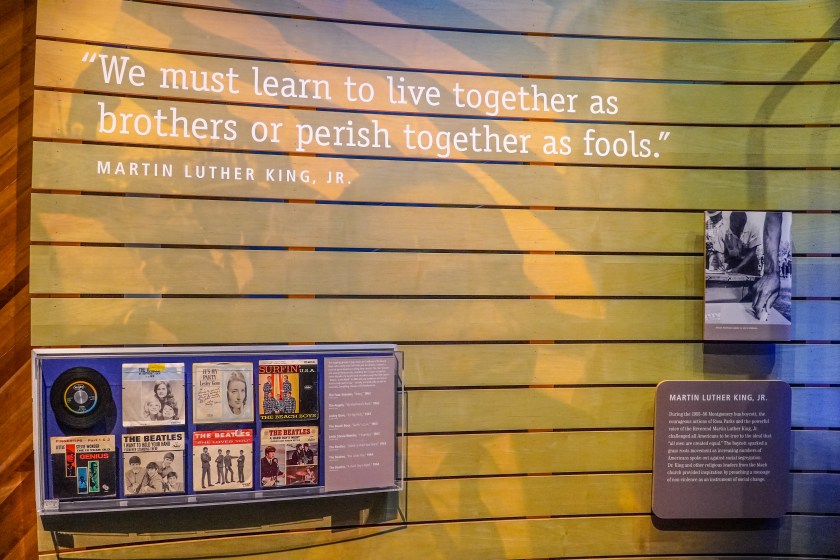
The museum walls recall the incredible lineup of bands and unique peaceful spirit. The demand for this concert overcame the logistical planning and it became a friendly free-for-all. Never had as many popular bands played in one place. Everyone was there to enjoy the moment as much as possible, in spite of the overcrowding, medical emergencies, food shortage, and torrential rain that fell for half the event. 

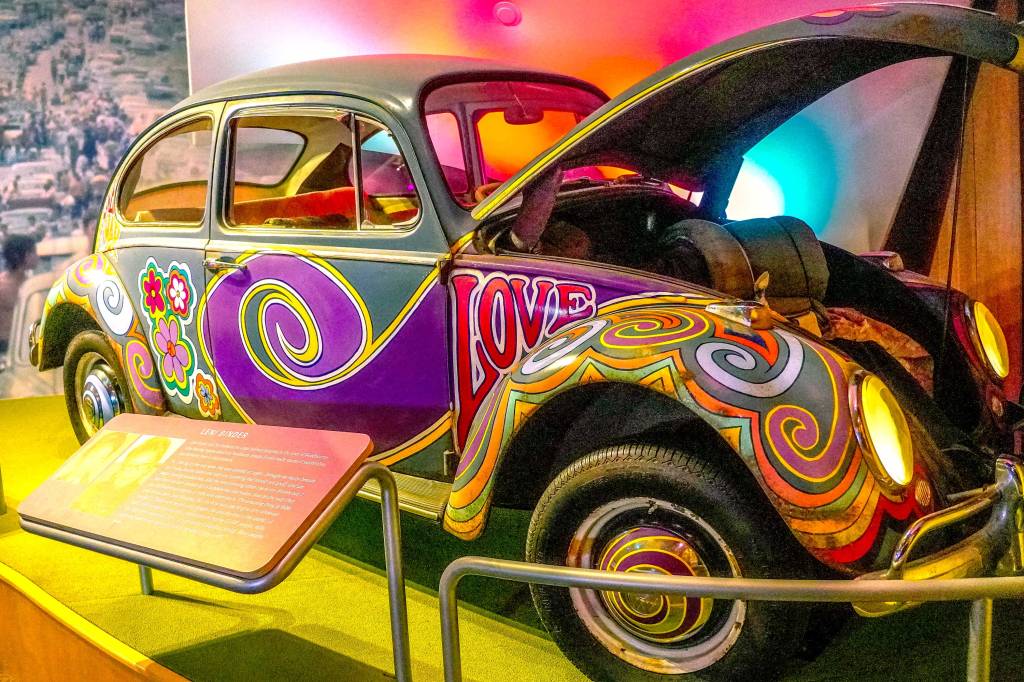
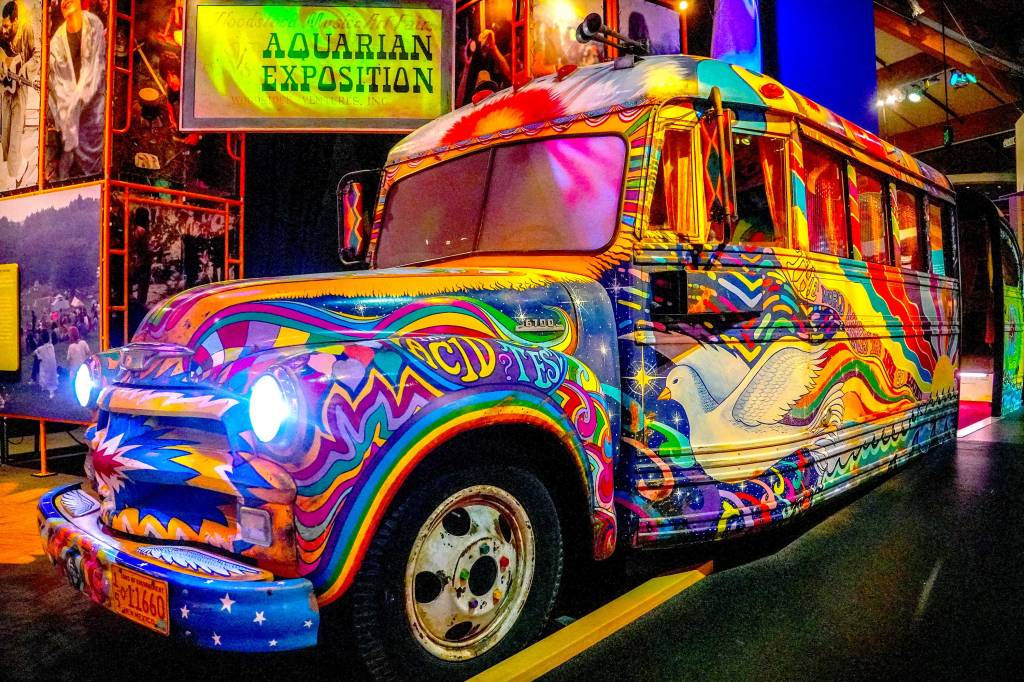
The museum exhibition has interactive panels that describe what it was like, including music, comments and the roar of the crowd. A “hippie” bus and a “love bug” Volkswagen Beetle help to quickly bring back those icons of the day. Clips from the movie Woodstock and other videos taken at the event show what it was like to be at a party of half a million people. Remarkably, only a small number of minor arrests occurred, and no violence was reported. 


We mostly remember Woodstock for the music these days. There were so many unforgettable performances from top Rock and Roll bands of the day. Even if the Beatles, the Rolling Stones and Dylan were not there, the performances of Richie Havens, Santana, Joe Cocker, The Who, Janis Joplin and Jimi Hendrix, to name a few, are still legendary. Rain delays extended the planned three-day concert to Monday as Hendrix played unforgettably to the 50,000 that remained that morning.

And this he told me

When we left the exhibit area George asked a docent a few questions about the event and places he remembered – or thought he did. Our docent “Jimmy” was at the event in 1969 and encouraged George to share his memory with the museum’s online audio archive. Jimmy tipped us off to where George might have parked, camped and maybe had a few beers down the road a few miles. We headed to the next small town, White Lake, to see if George could resurrect some memories. 

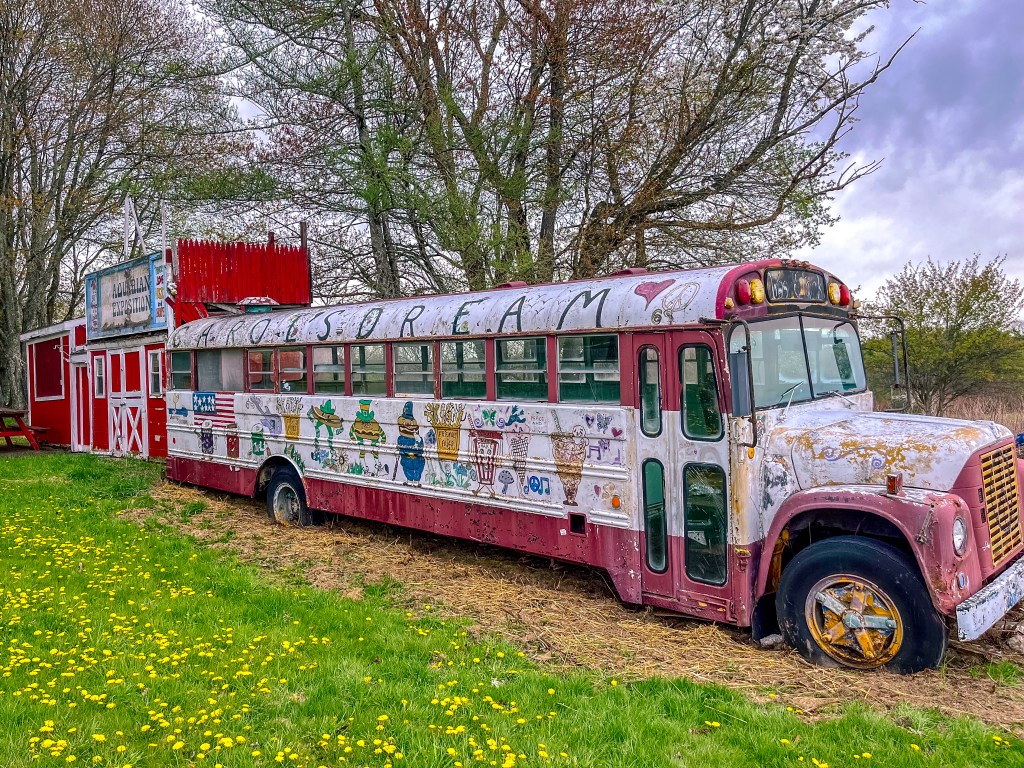
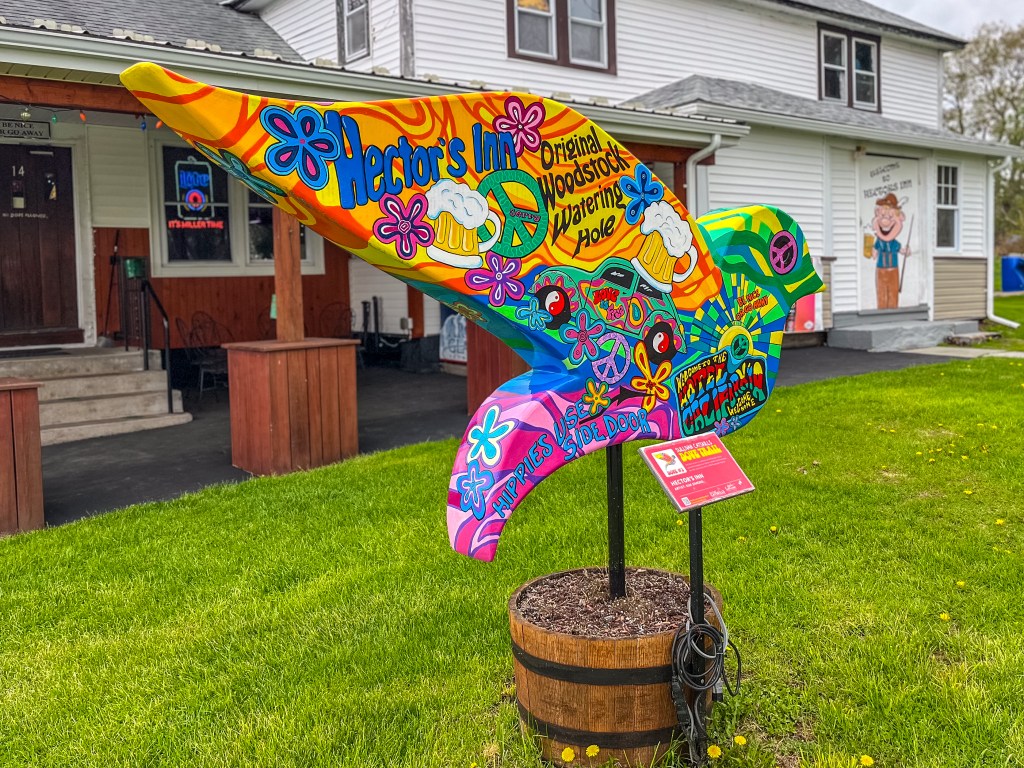
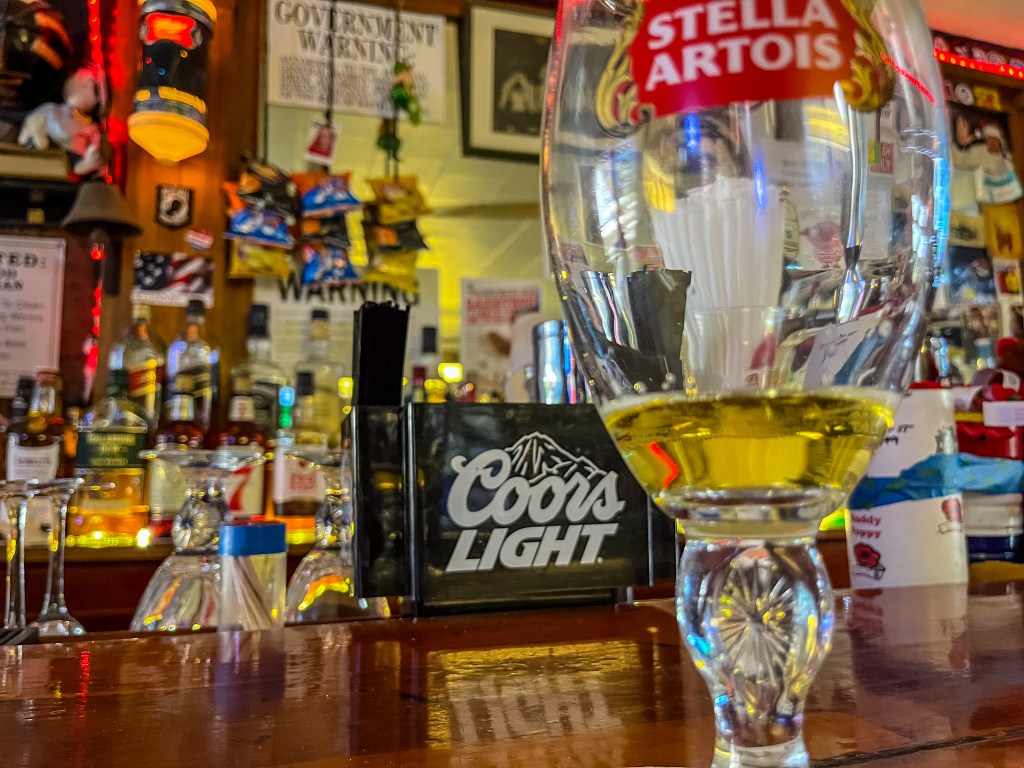
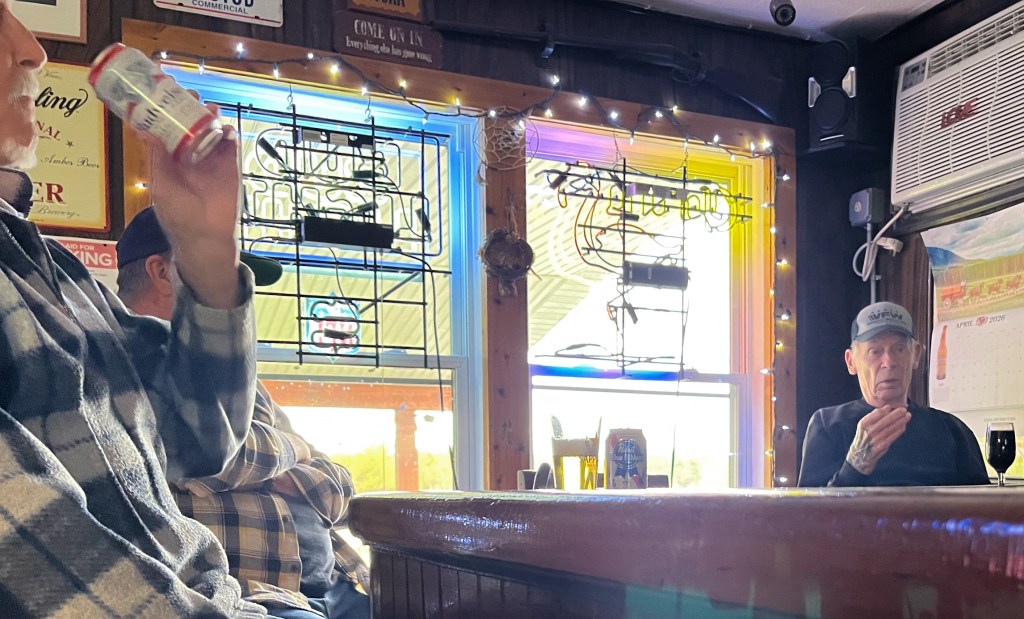
The road and the lake seemed familiar but not enough to recognize. Jimmy felt that the bar George mentioned must have been a nearby bar called Hector’s. So, after cruising the lake area we located this old bar (circa 1949) along Route 17B. This is an authentic dive bar that honors blue collar clients as well as its historical connection to Woodstock. It was a shot-and-beer kind of place with remnants of the hippie culture nearby in the form of a peace dove sign and an old hippie bus parked nearby. 

We talked with our bartender and three locals nursing their beers at the bar about Woodstock days and our story. Our bartender said she had heard it all from her folks but she was only 3 years old (Embarrassing!) at the time. The wisened old-timer at the end of the bar spoke of the time he bought Melanie and Janis Joplin a beer right where we were sitting at the bar. I’m  sure there have been hundreds of these memorable stories told here!

We are stardust, we are golden

Many of the local residents fought against Woodstock then and even later as the area developed into a tourist destination. Today, Bethel remains a remote village, too small to be a busy town, but too important in history to be forgotten. George had recalled some details and could at least relive that time, if only in small fragments. To me it was a trip down memory lane which jogged my memory as to who we were and what I missed. 

It seems to me that in our currently divided world we could sure use another Woodstock! Or, some other peaceful, enjoyable and memorable event together, if only for a few days? It happened once. Maybe it could happen again.


Visit

Bethel Woods Center for the Arts is located at the historic site of the 1969 Woodstock festival. It is committed to providing extraordinary experiences and access to the arts with a Pavilion, Event Gallery, creative learning Studios, award-winning Museum, and Campground. Visit the museum, grounds and take the Woodstock tour.

Music

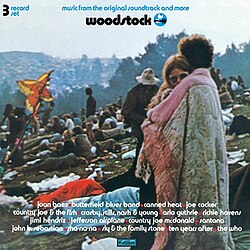
Woodstock: Music from the Original Soundtrack and More is a live album of selected performances from the 1969 Festival. Produced by Eric Blackstead. Originally released on Atlantic Records as a triple album on May 11, 1970, it was re-released as a four-CD box (along with Woodstock Two

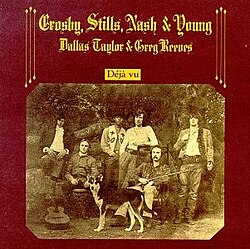
The popular song “Woodstock” written by Joni Mitchell and recorded by Crosby, Stills, Nash & Young appeared on their album Déjà Vu in March 1970. It seemed to encapsulate the event. Mitchell, who was unable to perform at the festival, was inspired to write the song after she heard about it from her then boyfriend Graham Nash. Play here.

Print

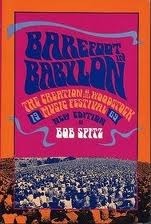
Barefoot in Babylon (book). The story of the creation of the Woodstock music festival was more complicated than the magical, peaceful portrait visitors recieved. Woodstock was as replete with scandal, graft, and corruption as it was with fellowship and high ideals. This book is considered one the best to understand the phenomenon.

Video

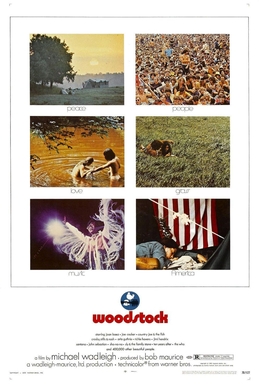
Woodstock (1970) is an American documentary film directed by Michael Wadleigh that chronicles the landmark 1969 Woodstock Music and Art Fair in Bethel, New York. This award-winning film helped popularize one of the greatest musical and cultural events of our lifetime.

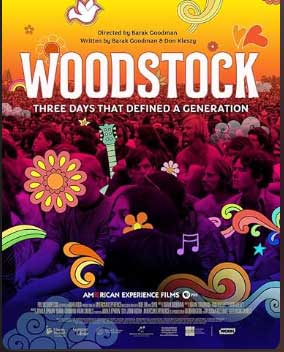
Woodstock: Three Days That Defined a Generation is one of the best sources of historical and cultural information produced by PBS’s American Experience Productions (2019).

Here’s a short preview of the film below: