Remembering Woodstock

Here’s a summary of a recent visit to the site of the original Woodstock Music Festival to reimagine one of the most significant cultural moments in our lifetime. It was an opportunity to recall old memories and add new ones to the legend.

Even though I wasn’t there then, it felt like I was. Woodstock was the kind of event that is seared in your memory, even for those who only heard about what happened later. I’ll always wonder what it would have been like to be part of it. 

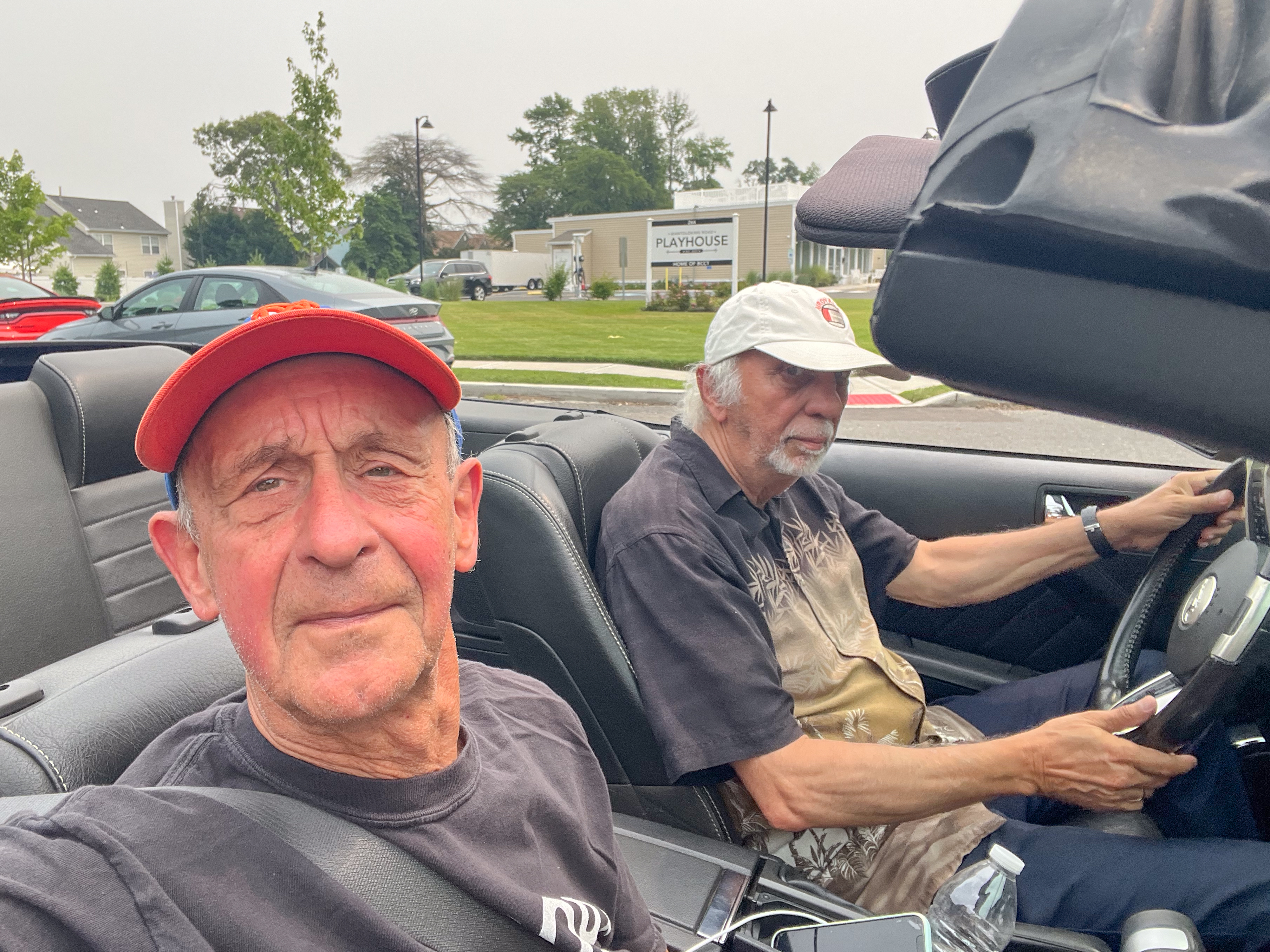
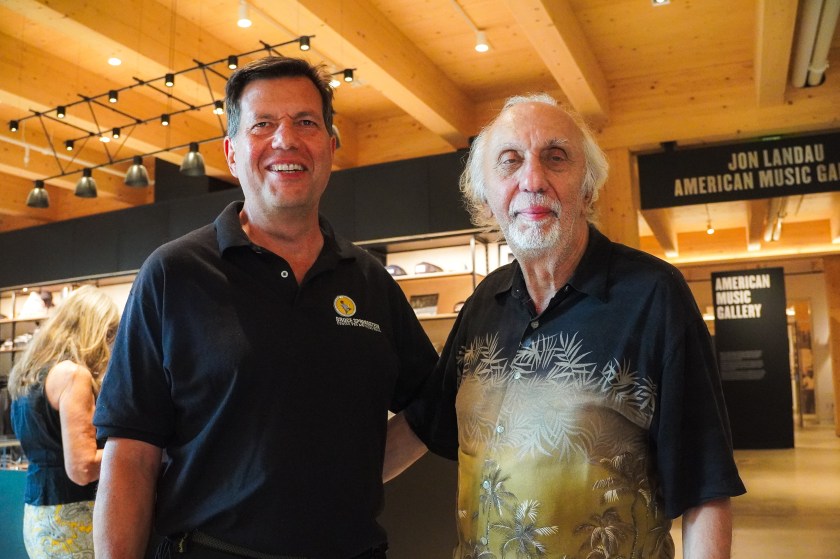
Recently, I was with an old high school friend, George Kachoogian, who had managed to make it there. But, like so many, he had mostly forgotten everything that happened. We were here at Bethel Woods now to trace back four days, August (15-18), 1969. That was 57 years ago, but reminiscing about it made it seem like it was yesterday.

I’m going down to Yasgur’s Farm

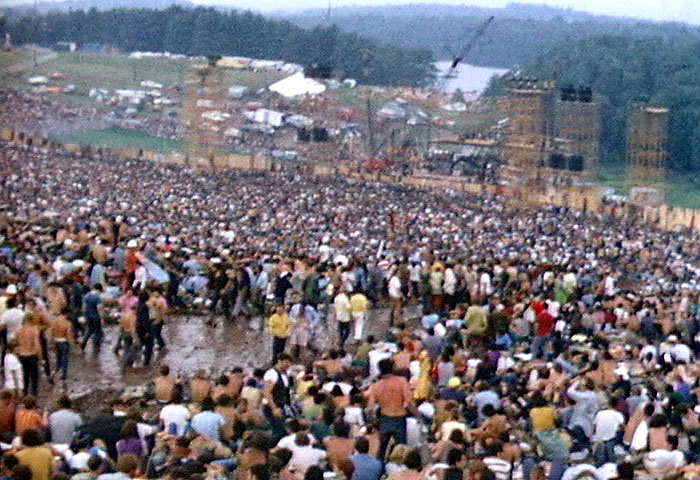
Woodstock crowd looking at stage
Photo Source: Derek Redmond and Paul Campbell, Wikimedia Commons

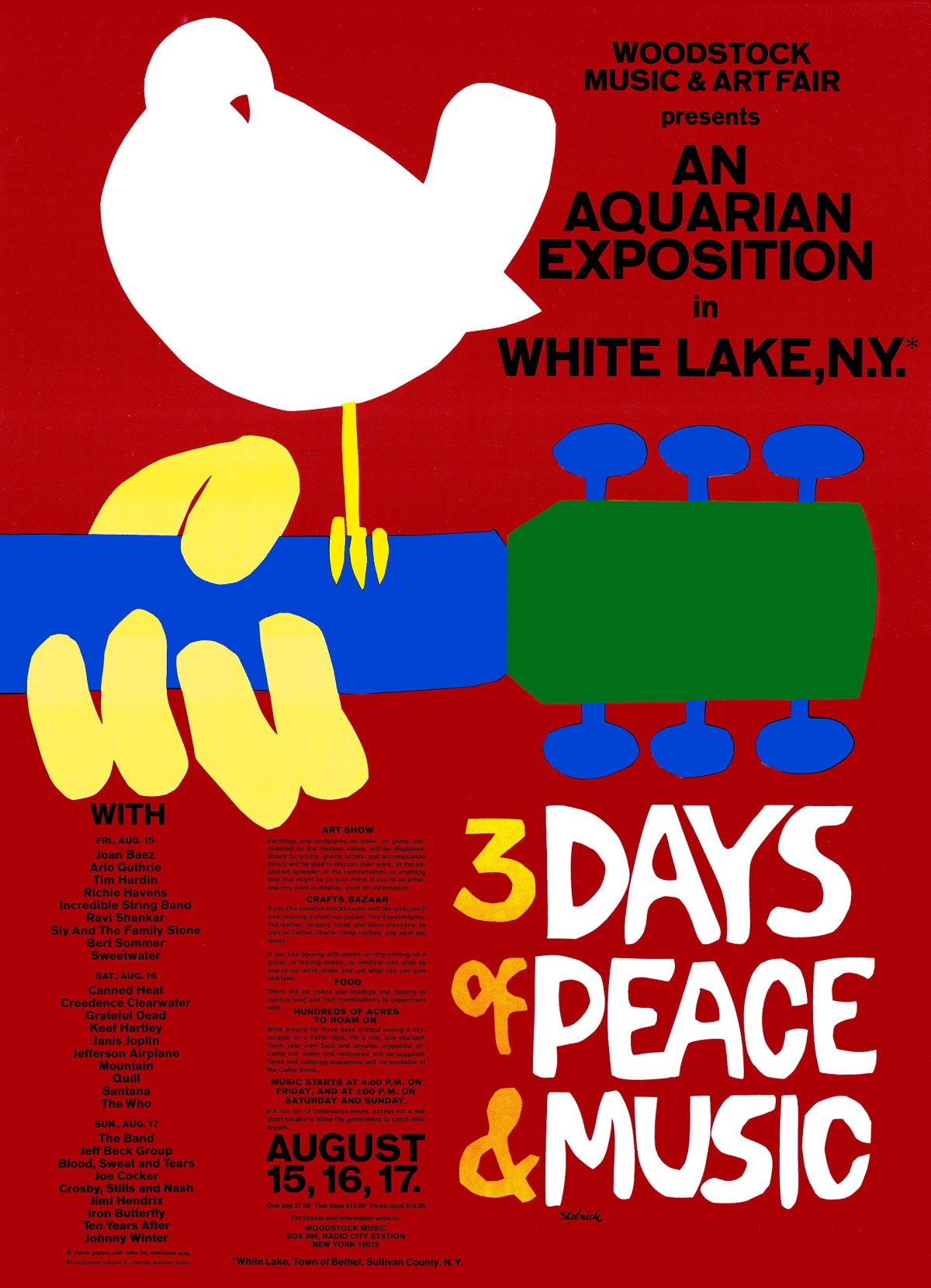
Bethel Woods is the current name of the location where the actual Woodstock Music Festival took place. The story goes that the plan was originally set for an area near Woodstock, NY, but permits were cancelled. The promoters scrambled for a new venue and eventually found a willing landowner in Max Yasgur. His dairy farm in Bethel, NY, about an hour south, was within driving distance of New York City. Although there had been other outdoor concert events at the time, this was to be the biggest by far with 32 of the top acts spread over three days. Organically, word got out and spread like wildfire. To everyone’s surprise an estimated 400,000 to 500,000 showed up at the single largest musical event then and even today. 

By the time we got to Woodstock

George called me that Friday in August 1969 with a surprise. Would I like to join him and his friends on a trip to this big concert that the DJs were talking about on FM radio? He had sent for tickets that never arrived, but decided to go anyway. I, unfortunately, had made other plans and turned down his offer.

Word got out about incredible traffic jams and huge crowds that were storming the gates. It quickly seemed like no one actually paid to attend and everyone was welcome. I was left wondering if I really missed something special. We would not really know what happened until days later. At that time news traveled slowly with no mobile phones and little news coverage. Imagine trying to call home with just a few pay phone available for thousands.

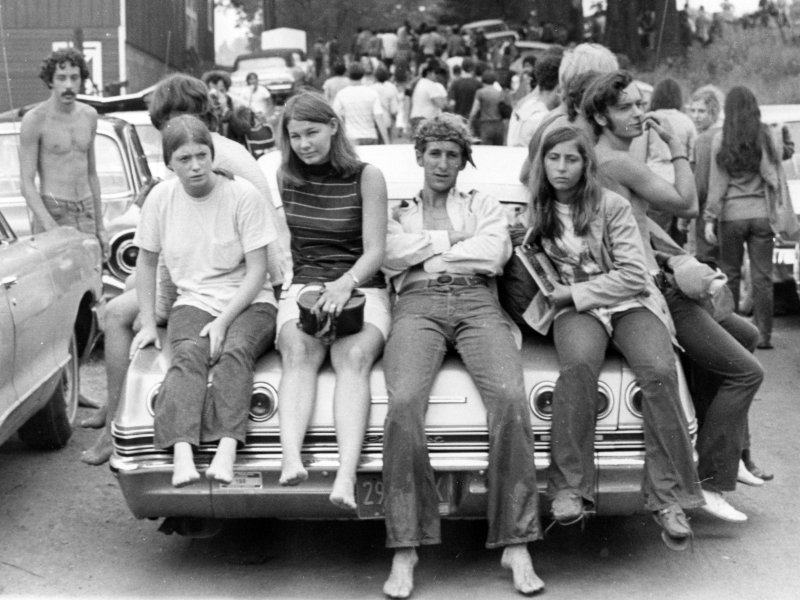
Woodstock teens
Concert goers were forced to park their vehicles miles from the venue.
Photo by Ric Manning via Wikimedia Commons

George and his friends became part of the traffic jam, abandoned their car and walked to the concert venue. They would pitch a tent somewhere nearby and camp there for the next couple days. 

Back to the garden

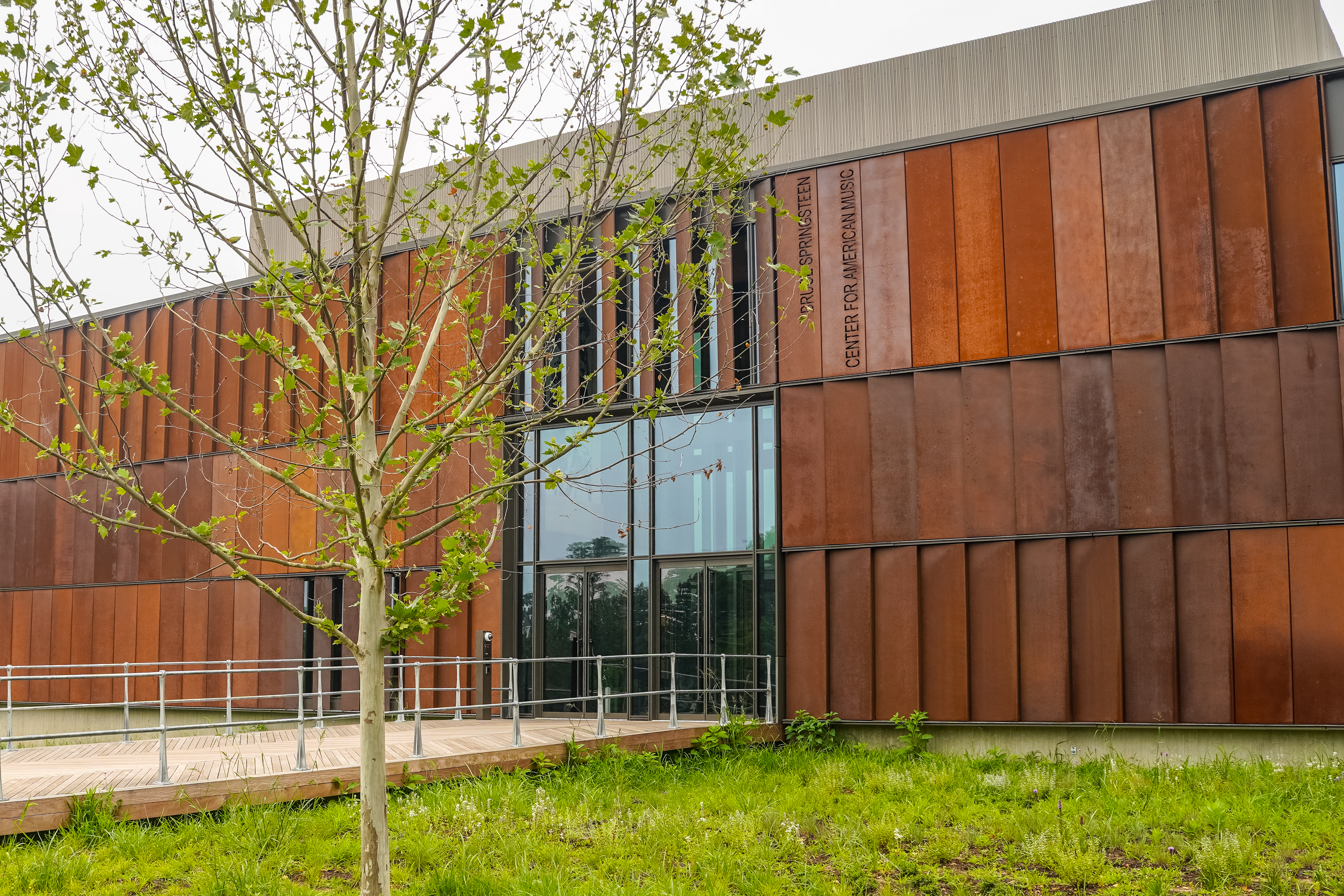
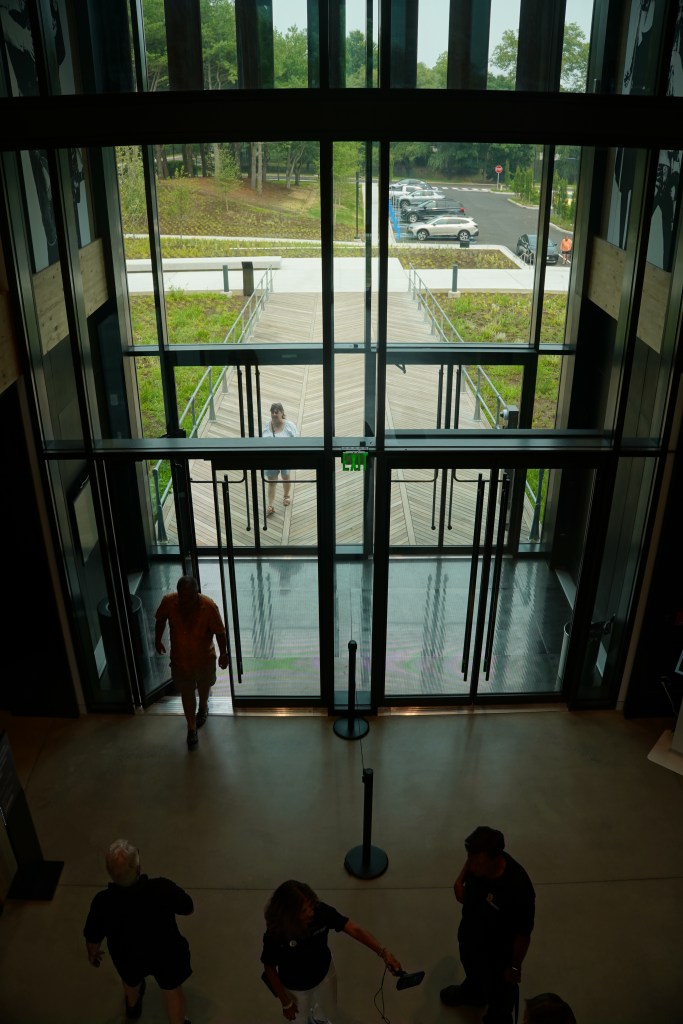
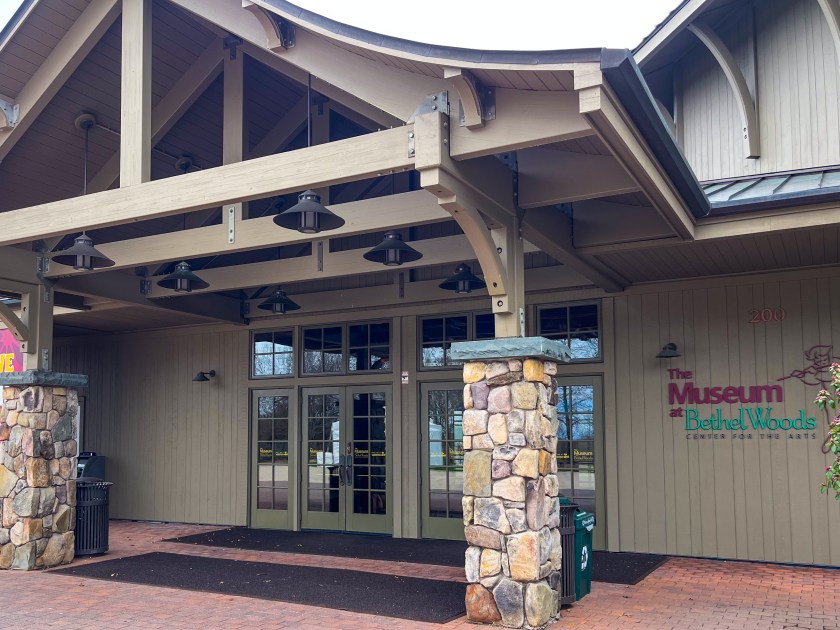
Today, we were here at the Museum at Bethel Woods, a shrine to Woodstock to explore. Maybe, we could even locate where George and his crew “crashed” for a couple days! 

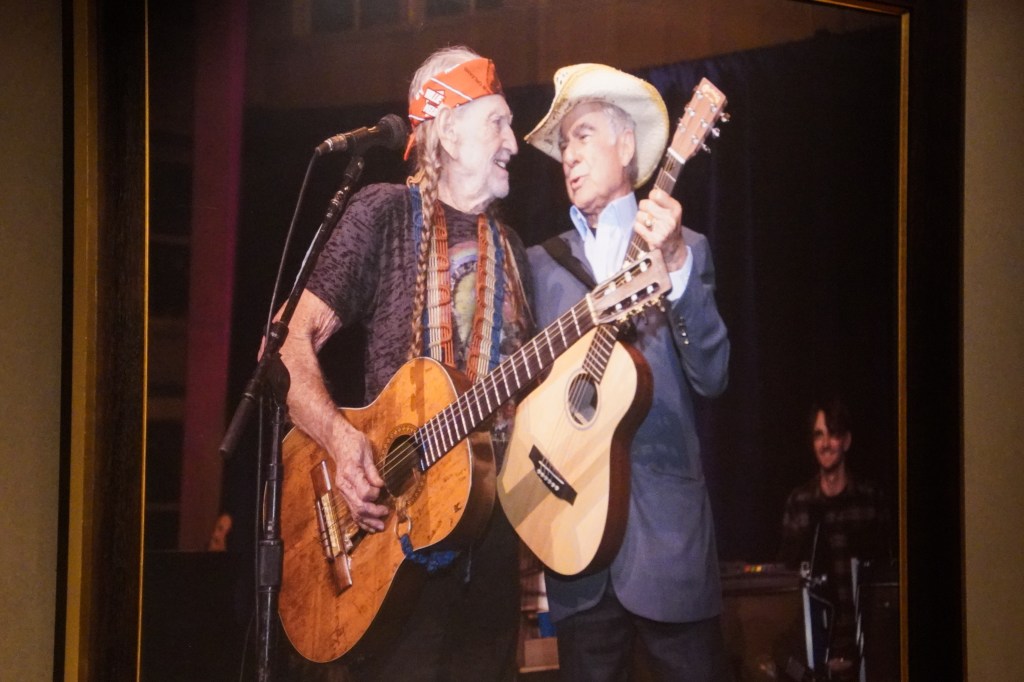
The museum and grounds of Bethel Woods represent a sacred memorial to a time and place that came to be thanks to one man, Alan Gerry. Gerry, a local resident of the area and founder of Cablevision, memorialized this event by purchasing 1,000 acres of land where the concert took place. His non-profit Bethel Woods Center for the Arts would continue to promote the spirit of the event in its museum and ongoing live events that benefit the local area.

Museum painting of Willie Nelson with Alan Gerry, visionary of Bethel Woods and founder of Cablevision.

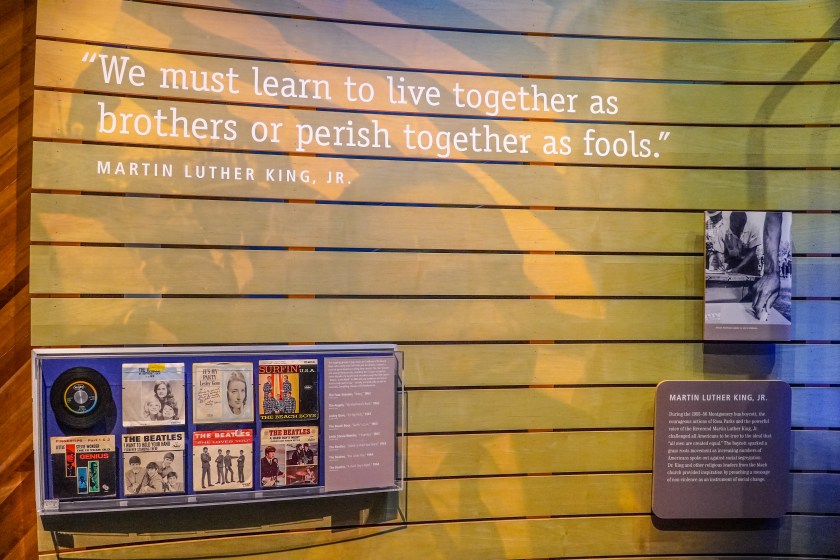
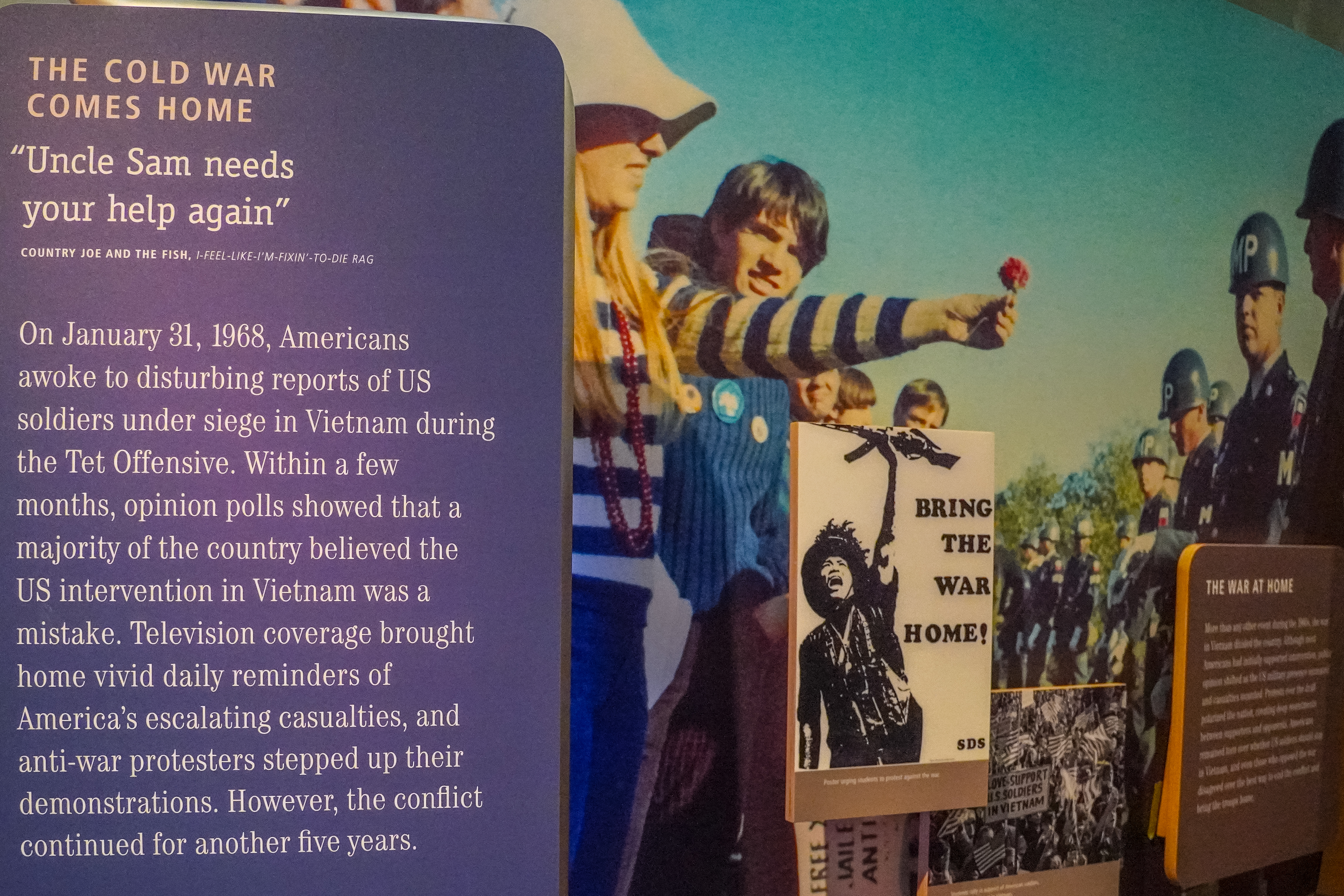
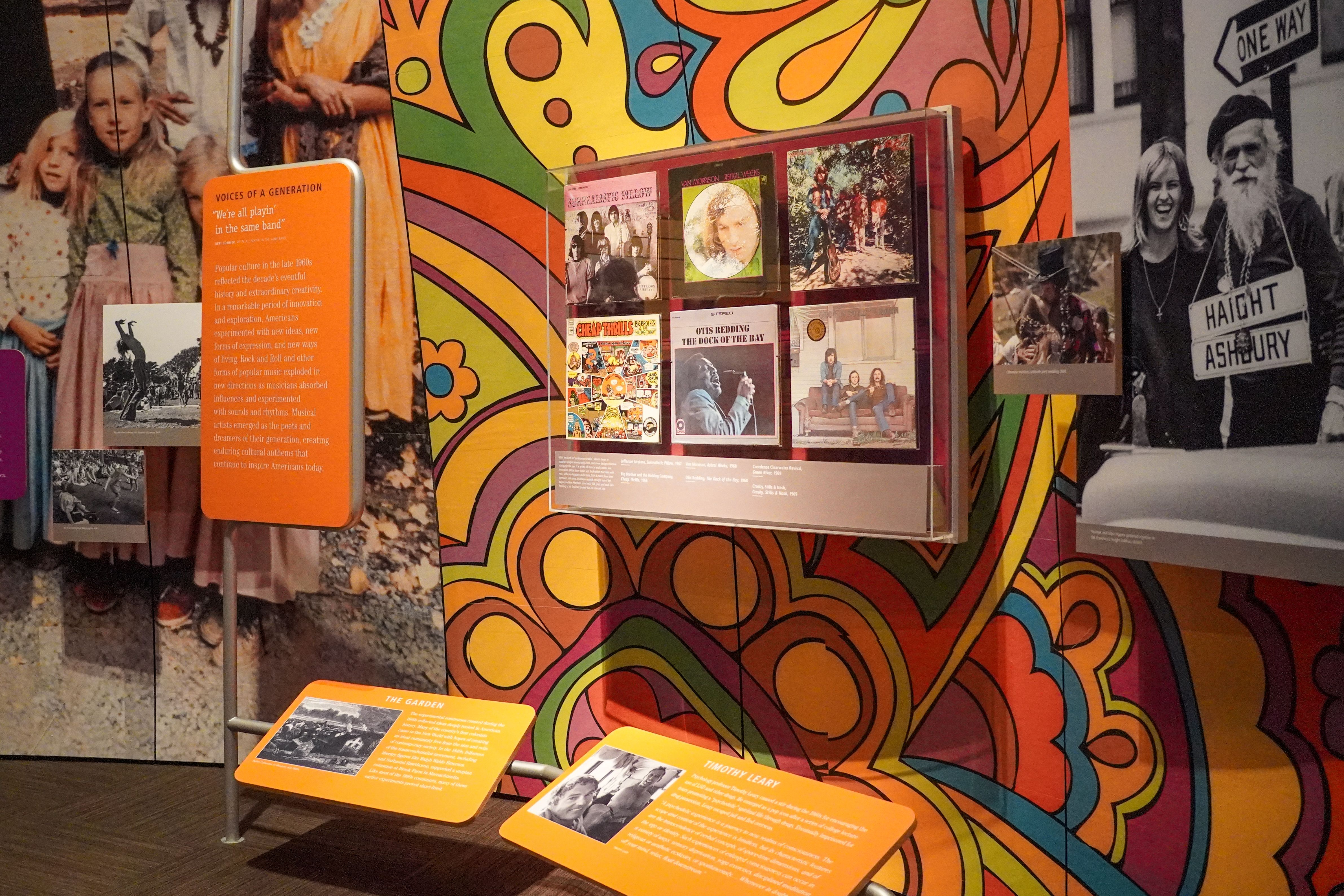
The museum has an exhibition area that leads the visitor through the time frame of the late 1960s. Woodstock did not happen without a major cultural shift which is hard to imagine today. Chief among the causes was our involvement in the Vietnam war, civil rights, the youth and women’s movements and, of course, the music. Little did we know it was to be the culmination of the new music and hippie lifestyle.

The exhibits brought back that feeling back then of a seismic change in almost everything all at once. But to our 19-year-old selves, the concert was mostly about the lure of sex, drugs, and rock and roll. Not that most of us lived out that desire or even knew what it was all about. We were strangers in a strange land.

And everywhere was a song and a celebration

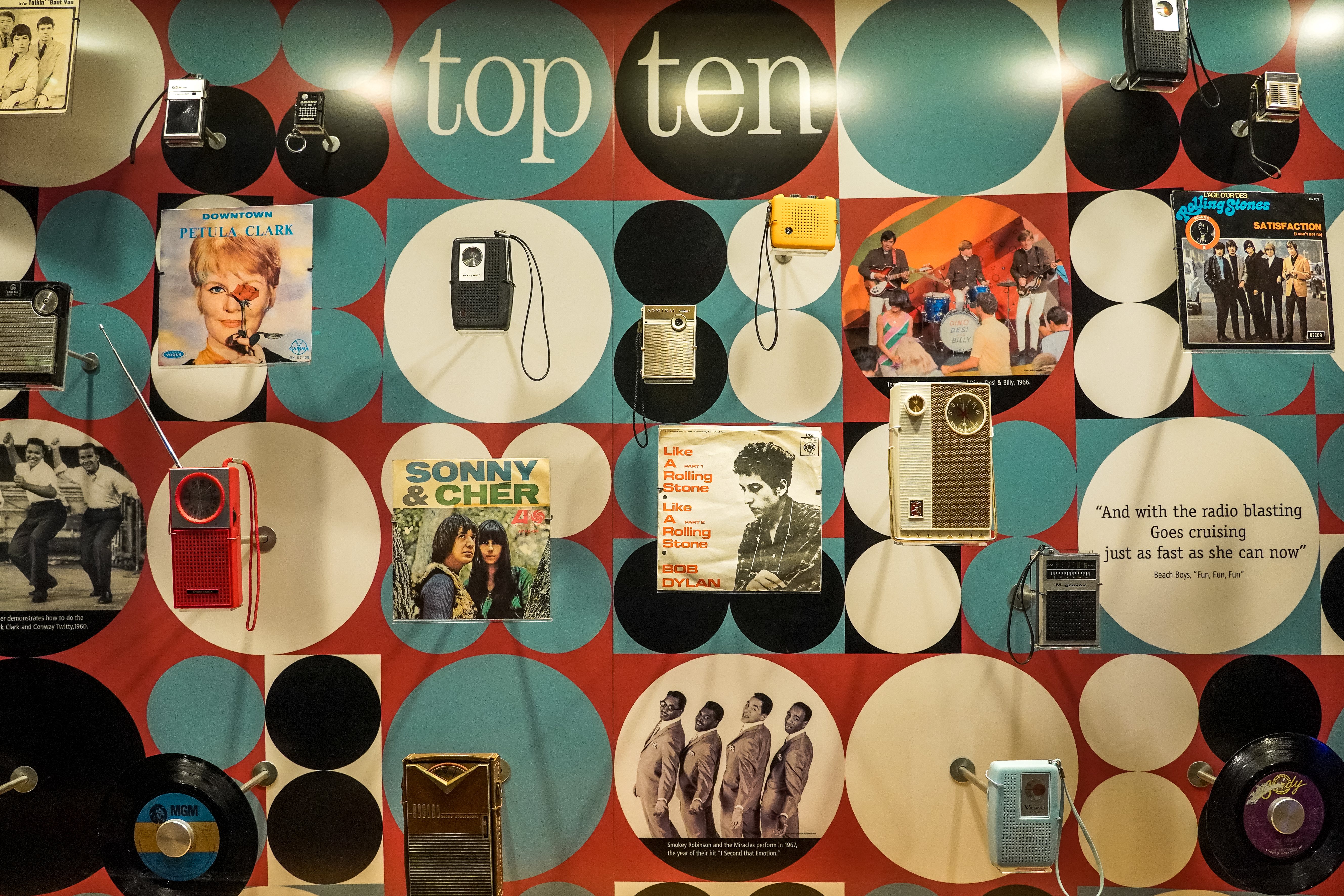
The museum walls recall the incredible lineup of bands and unique peaceful spirit. The demand for this concert overcame the logistical planning and it became a friendly free-for-all. Never had as many popular bands played in one place. Everyone was there to enjoy the moment as much as possible, in spite of the overcrowding, medical emergencies, food shortage, and torrential rain that fell for half the event. 

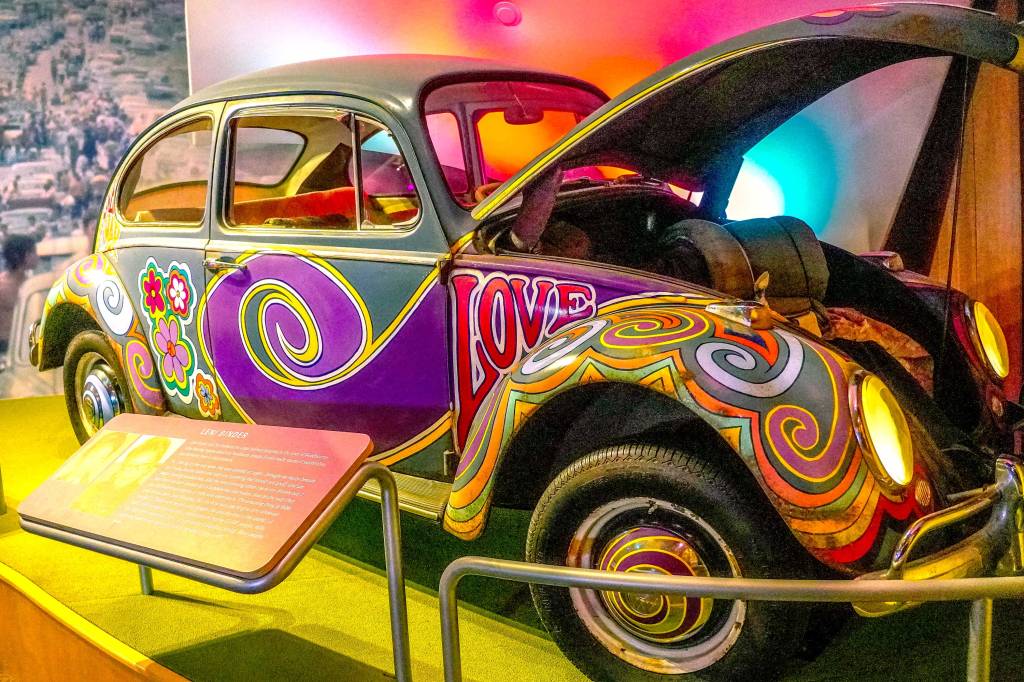
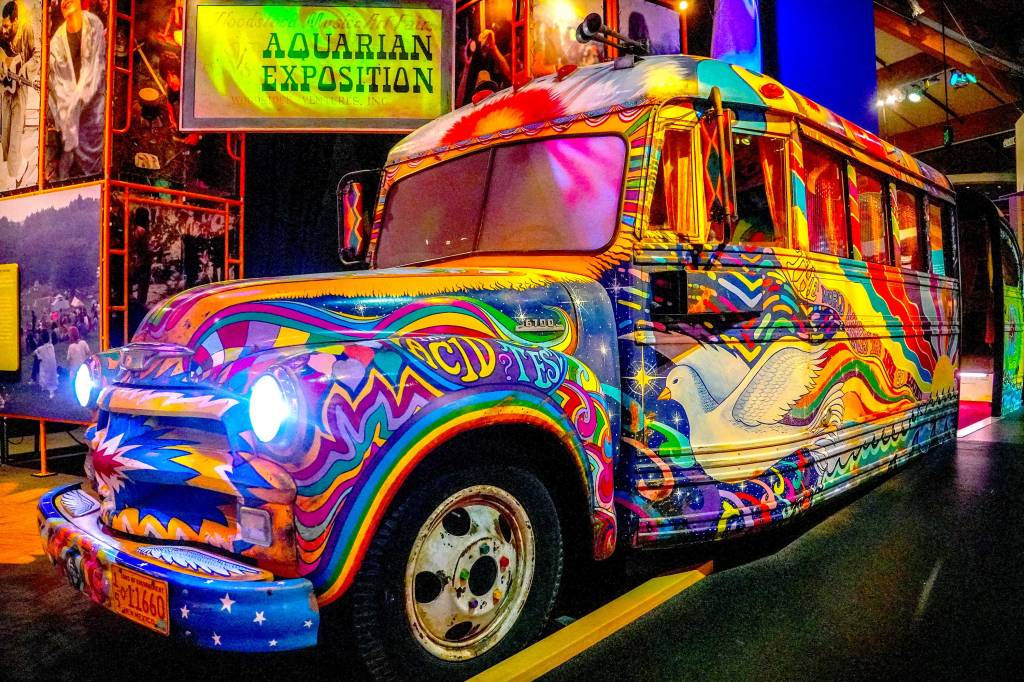
The museum exhibition has interactive panels that describe what it was like, including music, comments and the roar of the crowd. A “hippie” bus and a “love bug” Volkswagen Beetle help to quickly bring back those icons of the day. Clips from the movie Woodstock and other videos taken at the event show what it was like to be at a party of half a million people. Remarkably, only a small number of minor arrests occurred, and no violence was reported. 


We mostly remember Woodstock for the music these days. There were so many unforgettable performances from top Rock and Roll bands of the day. Even if the Beatles, the Rolling Stones and Dylan were not there, the performances of Richie Havens, Santana, Joe Cocker, The Who, Janis Joplin and Jimi Hendrix, to name a few, are still legendary. Rain delays extended the planned three-day concert to Monday as Hendrix played unforgettably to the 50,000 that remained that morning.

And this he told me

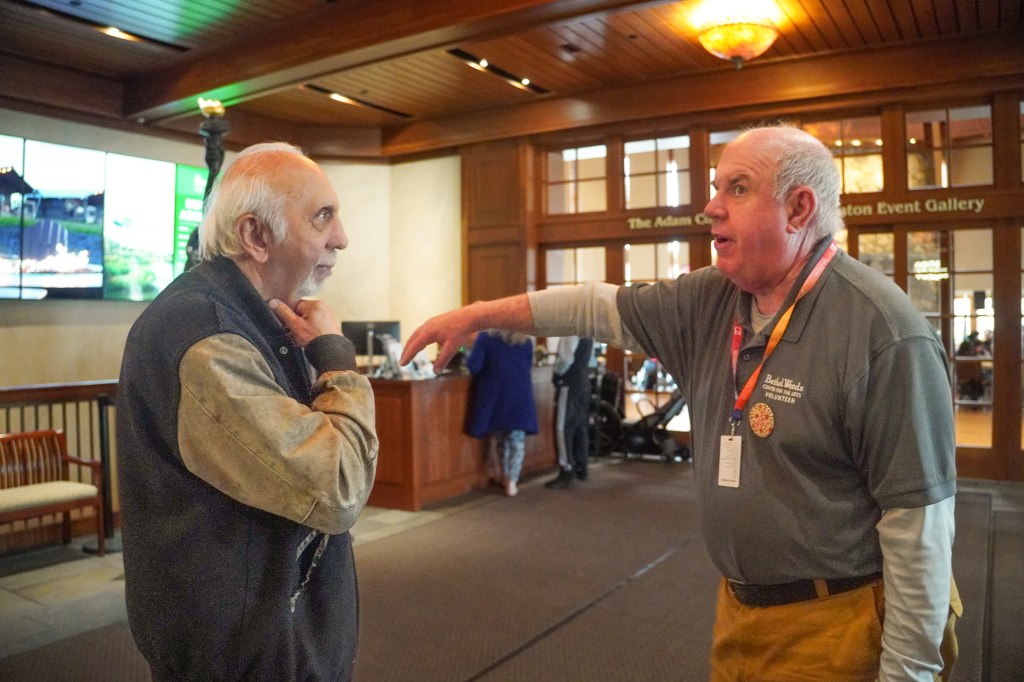
When we left the exhibit area George asked a docent a few questions about the event and places he remembered – or thought he did. Our docent “Jimmy” was at the event in 1969 and encouraged George to share his memory with the museum’s online audio archive. Jimmy tipped us off to where George might have parked, camped and maybe had a few beers down the road a few miles. We headed to the next small town, White Lake, to see if George could resurrect some memories. 

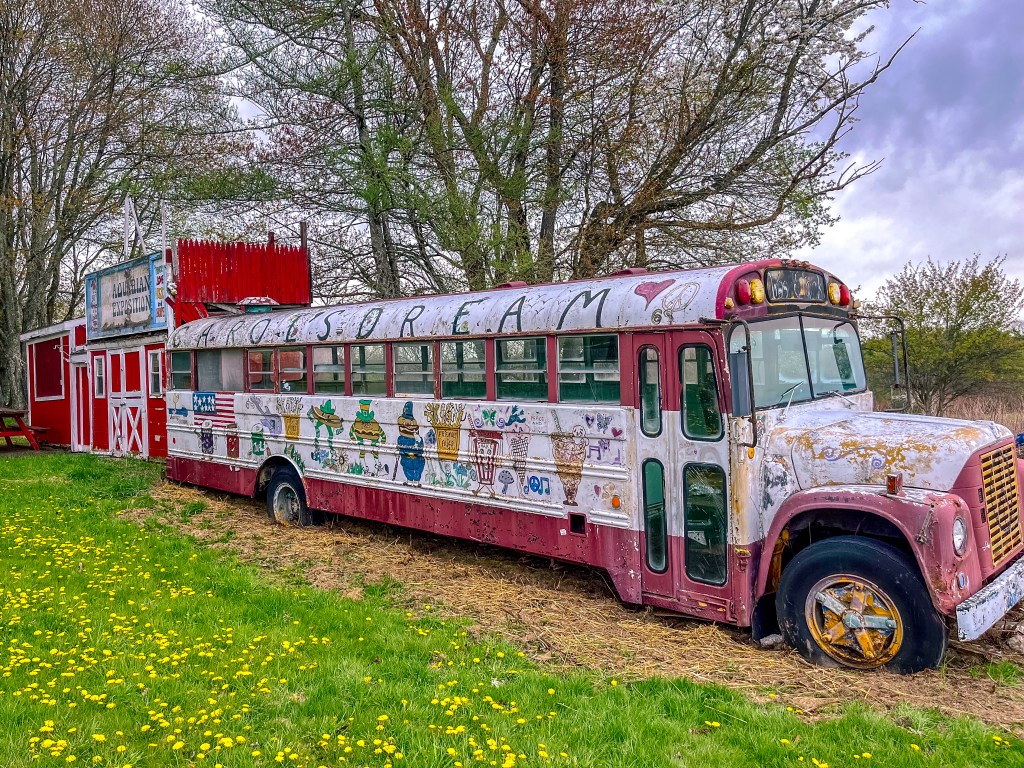
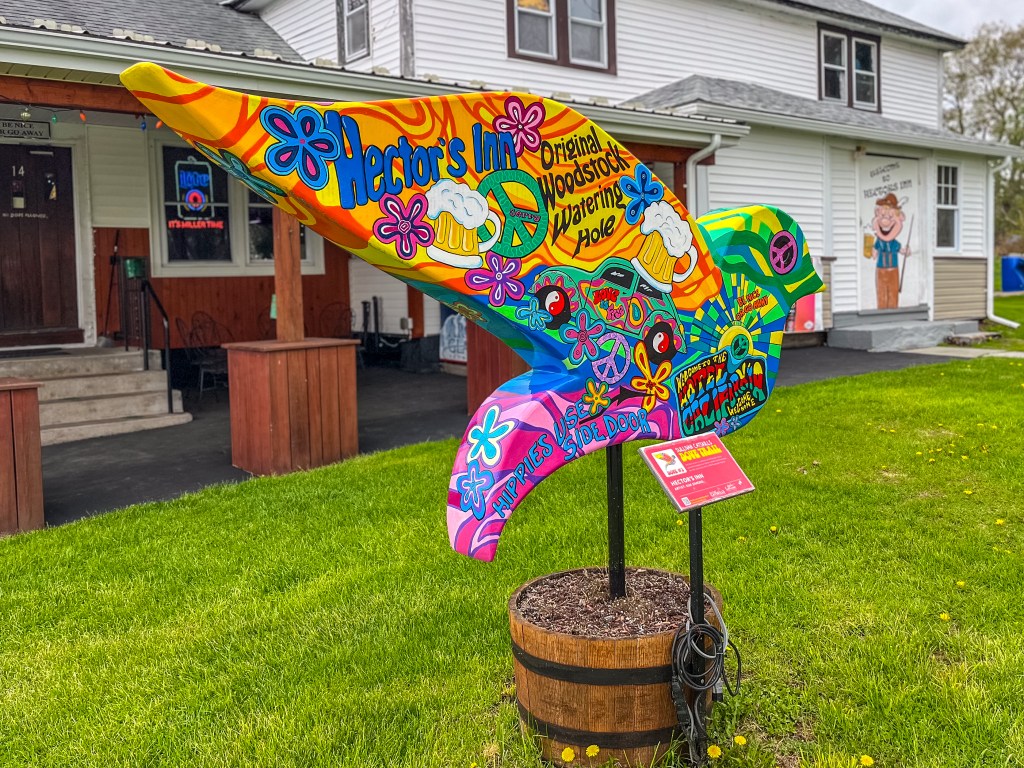
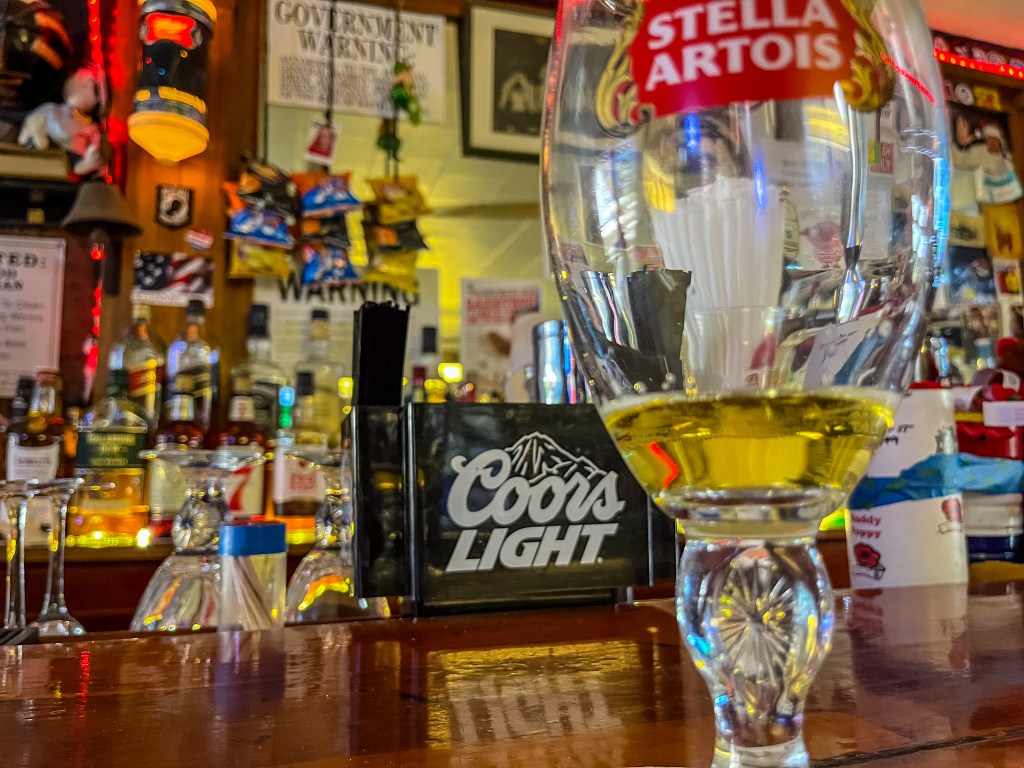
The road and the lake seemed familiar but not enough to recognize. Jimmy felt that the bar George mentioned must have been a nearby bar called Hector’s. So, after cruising the lake area we located this old bar (circa 1949) along Route 17B. This is an authentic dive bar that honors blue collar clients as well as its historical connection to Woodstock. It was a shot-and-beer kind of place with remnants of the hippie culture nearby in the form of a peace dove sign and an old hippie bus parked nearby. 

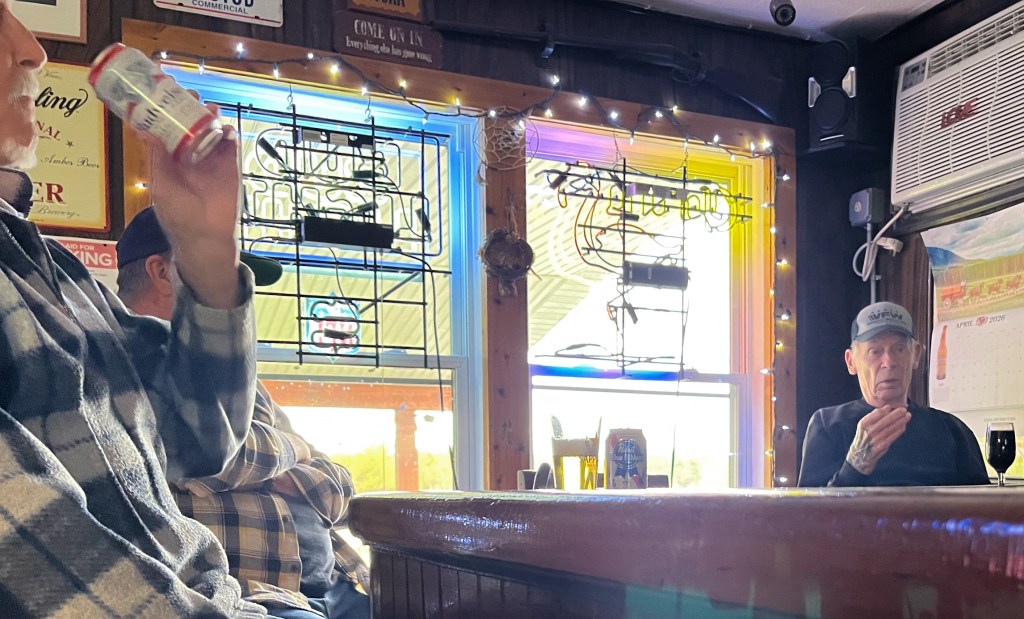
We talked with our bartender and three locals nursing their beers at the bar about Woodstock days and our story. Our bartender said she had heard it all from her folks but she was only 3 years old (Embarrassing!) at the time. The wisened old-timer at the end of the bar spoke of the time he bought Melanie and Janis Joplin a beer right where we were sitting at the bar. I’m  sure there have been hundreds of these memorable stories told here!

We are stardust, we are golden

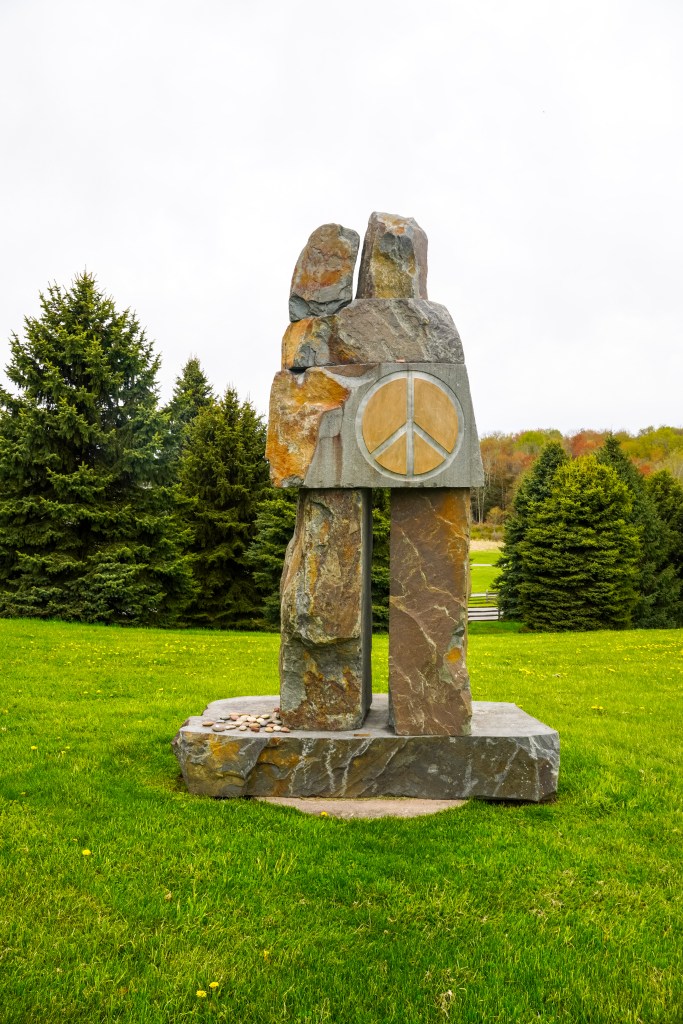
Many of the local residents fought against Woodstock then and even later as the area developed into a tourist destination. Today, Bethel remains a remote village, too small to be a busy town, but too important in history to be forgotten. George had recalled some details and could at least relive that time, if only in small fragments. To me it was a trip down memory lane which jogged my memory as to who we were and what I missed. 

It seems to me that in our currently divided world we could sure use another Woodstock! Or, some other peaceful, enjoyable and memorable event together, if only for a few days? It happened once. Maybe it could happen again.


Visit

Bethel Woods Center for the Arts is located at the historic site of the 1969 Woodstock festival. It is committed to providing extraordinary experiences and access to the arts with a Pavilion, Event Gallery, creative learning Studios, award-winning Museum, and Campground. Visit the museum, grounds and take the Woodstock tour.

Music

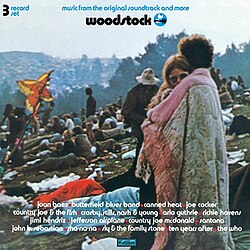
Woodstock: Music from the Original Soundtrack and More is a live album of selected performances from the 1969 Festival. Produced by Eric Blackstead. Originally released on Atlantic Records as a triple album on May 11, 1970, it was re-released as a four-CD box (along with Woodstock Two

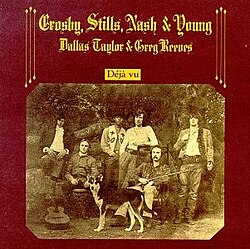
The popular song “Woodstock” written by Joni Mitchell and recorded by Crosby, Stills, Nash & Young appeared on their album Déjà Vu in March 1970. It seemed to encapsulate the event. Mitchell, who was unable to perform at the festival, was inspired to write the song after she heard about it from her then boyfriend Graham Nash. Play here.

Print

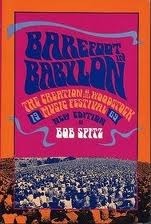
Barefoot in Babylon (book). The story of the creation of the Woodstock music festival was more complicated than the magical, peaceful portrait visitors recieved. Woodstock was as replete with scandal, graft, and corruption as it was with fellowship and high ideals. This book is considered one the best to understand the phenomenon.

Video

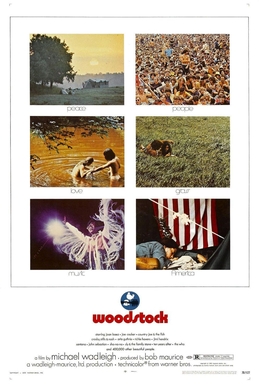
Woodstock (1970) is an American documentary film directed by Michael Wadleigh that chronicles the landmark 1969 Woodstock Music and Art Fair in Bethel, New York. This award-winning film helped popularize one of the greatest musical and cultural events of our lifetime.

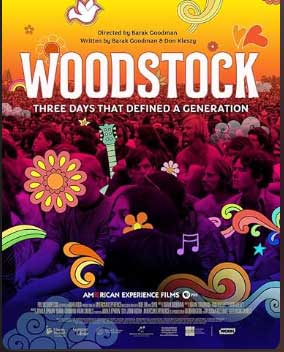
Woodstock: Three Days That Defined a Generation is one of the best sources of historical and cultural information produced by PBS’s American Experience Productions (2019).

Here’s a short preview of the film below:

Discovering Alice in Wonderland

How I fell into a rabbit hole and ended up in the mid-1960’s

On the 10th day of my New England Reunion Bike Tour, I was waiting out the rain in Lee, Massachusetts. I set out for my last meal in town before I was to leave the next morning. This area is known for its history and its embrace of mystery and new-age trends. Here’s what happens when my course collides with local forces.

The Salmon Run Fish House. It sounded out of place here in Western Massachusetts. Sometimes all you want, and really need, is something good to eat and the Yelp reviews were good. But, there was more than food to be found here. It was a rabbit hole of sorts taking me on a journey back to a different time.

Being a Bar Fly

I was kind of stuck in Lee, MA on that rainy evening so I did not mind settling into a comfortable place for a couple hours. The Salmon Run Fish House restaurant was an old, narrow, dated place with paneled walls, maybe a dozen booths and a small bar. The waitress strongly suggested I might want to take a seat at the bar since booths were reserved and they would be occupied soon (Got it! I’m sure they did not want one person in a booth). Or, maybe it was just fate to sit at the bar that night.

A couple sat at the bar near me and we began a conversation about local craft beers. I recommended the beer I was drinking called Two Roads: Road 2 Ruin. It’s a mighty good double IPA brewed in Stratford CT. Their marketing tag “The Road Less Traveled” seemed like the perfect motto for my adventure.

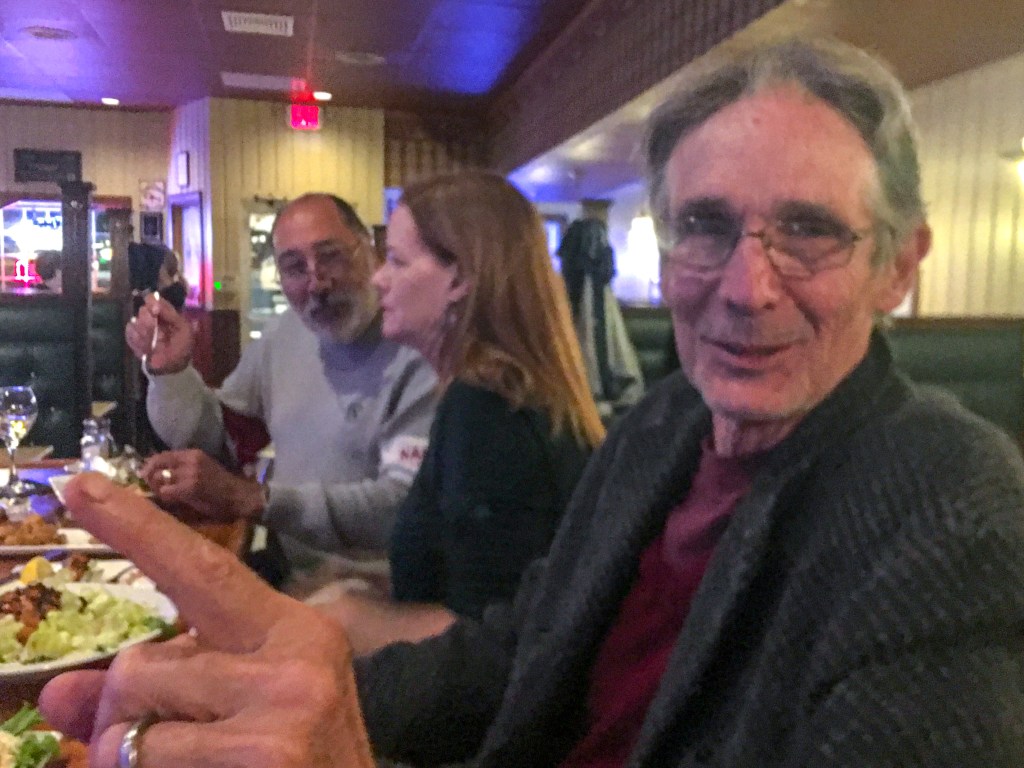
My new bar new friend, Bill Russell, was a pleasant, seasoned guy, 73 years old with an attractive wife. Although they now live in Lenox, he likes to come to this place for the food and atmosphere. He’s retired now but has a couple of unique interests and a memorable past.

My new found legendary friend, Bill Russell was part of the mid-1960’s scene in Stockbridge.

Where it All Began

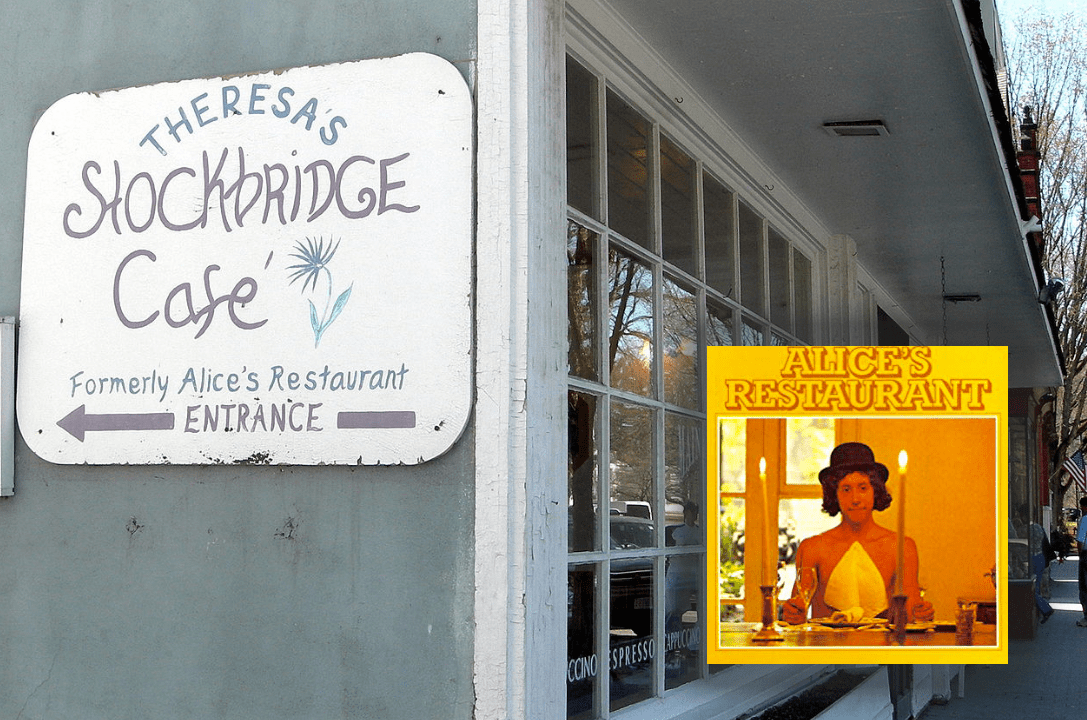
Bill used to live in nearby Stockbridge, a fairly famous artsy destination in the Berkshires. At least one reason for its recognition is that it was the scene for Arlo Guthrie‘s famous song and story telling adventure called Alice’s Restaurant (actually titled Alice’s Restaurant Massacree).

It turns out there once was a restaurant called The Back Room owned by Alice Brock and her husband Ray Brock in Stockbridge. The 18-minute song and 111-minute movie made from it are largely based on actual events outside of the restaurant and Bill Russell was part of that whole scene.

Bill grew up in Delaware but was sent by his parents as a teenager to the Stockbridge School in 1964 because of behavioral issues. It was a coincidence of time and place that Alice and Ray re-located to the the area from New York City. She became the school librarian and Ray taught shop at the school. Ray was an eclectic charismatic character who was an architect and talented woodworker. He quickly became an outspoken leader of an anti-establishment community which drew students from the school, including Bill and Arlo Guthrie. This was a turbulent time of radical social change, drugs and the Vietnam War.

Cooking Up Alice’s Restaurant

The story of “Alice’s Restaurant” is about a memorable Thanksgiving dinner in 1965 when Alice and Ray invited everyone they knew to a big feast in their newly bought deconsecrated church in Great Barrington which they converted to a commune-like place for young students and bohemian friends to meet, to discuss ideas and to party.

Arlo and friend Richard Robbins decided to help clean up after the Thanksgiving meal and headed to the town dump after dinner to cart off garbage. But the dump was closed. They unloaded the garbage where they should not have and are eventually caught and fined in an overly dramatic police arrest. Later the next year, Arlo was called up for his Vietnam-era draft physical in New York City. Much to his surprise he was re-classified. He had dodged the draft – not because of behavioral or physical issues – but because he had been arrested for littering!

Ironically, Arlo’s dad, famed folksinger Woody Guthrie, was on his deathbed at the time suffering from Huntington’s Disease, a rare genetic disease that Arlo inherited but was fortunate not to suffer from.

A Legend is Born

Bill was one among the dozens that attended that fateful 1965 Thanksgiving Dinner. Alice opened a real restaurant in Stockbridge afterwards which was a brief success before she became fed up with the business and with Ray. They split up a couple years later. Arlo Guthrie wrote Alice’s Restaurant as more a storytelling than a song. But it was to become a perfect humorous symbol of the times.

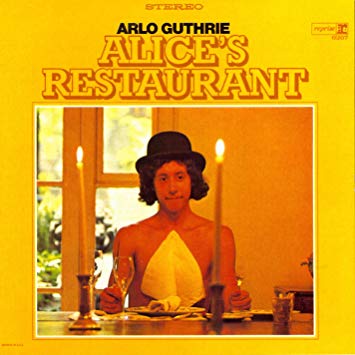
Album cover of 1969 recording of Alice’s Restaurant.

A movie deal followed the song’s success. It was not one of famed director Arthur Penn‘s greatest films. The movie was shot in the Stockbridge area and expanded the story with added fiction but it could not save it from a poor script and mediocre acting. Many of the original friends of Alice and Ray got walk-on parts, including Bill Russell.

Bill Russell ended up living in a room near the restaurant in Stockbridge and got to know Alice well. He learned the craft of woodworking and ended up moving to New York City where he bought a shop at a time and place when it was affordable. He lived there for 25 years but eventually came back to Stockbridge. He continues to live off the income from properties including his NYC building which once was his workshop.

When Bill and I parted company that night he told me he would be heading to Provincetown on Thanksgiving Day, as he has for many years. Alice Brock is still carrying on their tradition by hosting a dinner for her close friends, including Bill.

Down the Rabbit Hole

Bill was like the Mad Hatter in Alice In Wonderland. He showed me the rabbit hole and I could not help but go in.

I learned Alice opened and closed several restaurants, wrote a few cookbooks and a biography called “My Life As a Restaurant“. Still, she’s always had a love/hate relationship with running a restaurant. She preferred a creative free-form style of cooking. Here’s an audio recipe for Salt and Pepper Soup recorded at NPR.

NPR This I Believe – Alice Brock on her philosophy of life and cooking.

Today, Alice Brock (alicebrock.com) lives in Provincetown, MA and sells beach stones (painted stones meant to be hidden in strategic places) and other personal artwork through her website. Her former husband, Ray Brock, passed away in 1979. The deconsecrated church in Great Barrington was bought by Arlo Guthrie and is now the Guthrie Center at Old Trinity Church. where people people of all religions are welcome, musical events still occur and a large, open Thanksgiving dinner is served each year.

After googling the incident, characters and times, I viewed the movie Alice’s Restaurant on a library DVD. It brought back old memories including the strange times we lived through in the 60’s, including my own draft physical in Newark, New Jersey about that same year.

Arlo Guthrie has continued his tradition of touring and singing Alice’s Restaurant for 52 years (see current schedule). This year 2019 is said to be his last year culminating with his last show at Carnegie Hall on Saturday, November 30th.

Its fair to say that listening to this song has become an American tradition for many of us – linked with Thanksgiving, story-telling humor, questioning authority and an ability to laugh at the absurdities of life. To me it’s become as timeless and strange as Alice in Wonderland.

Original recording of Alice’s Restaurant

Heart of Gold Revisited

A great concert for the ages. Neil Young at the Ryman Auditorium.

We’re taking a slight “detour” here from my Reunion Tour bike trip blogging to comment on and recommend a movie that brought home some of my personal feelings as of late. It’s one of the best concert movies I have ever seen.

Striking Gold

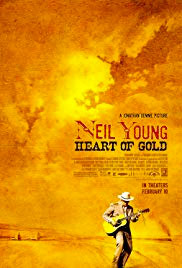
undefinedOccasionally, out of the blue, something appears as a selection on one of my 60+ streaming TV channels that really, really is worth watching. That happened last night when I selected from Kanopy the 2006 Neil Young: Heart of Gold documentary directed by Jonathan Demme. Its themes, music and point in Neil’s life tie right into my 13-day, 500+mile bike tour I completed last week. The message sent to me was clear – others pass this way too.

This is the thoughtful and everyman Neil Young performing songs for the first time from his Prairie Wind album which was critically acclaimed and nominated for 2 Grammys. It was a different turn toward an Americana sound somewhat like country, bluegrass and folk ballads. It reminded me of the music I heard in Vermont that just tell simple stories well. I loved the album at the time but had totally forgotten about it. This is the same Neil Young who once sang, “It’s better to burn out than fade away.”

You’re Never too Young

Young wrote most of the songs after his father’s death a few months before. At the time, he was diagnosed with a treatable brain aneurysm. Yet, he opened a tour of the album at the famed 2,600-seat Ryman Auditorium in Nashville, the shrine and home of the original Grand Ole Opry. At the time he was all too aware of the fragility of life.

The songs are about growing up in Alberta, his father, his daughter, his god, and even his guitar. It’s a beautiful positive ode to the basic important things in life. While I’m not a country music fan, the emotional connection that a good country song brings is in this music, in spades.

Young is reverent to all the places, old times and everyone he has known. The heartfelt lyrics and sound are true and played to perfection with great musicians, including Emmy Lou Harris and with artistic and minimalist filming. Neil never looked more like the musical genius he is than in this work.

If you’ve read other posts on my blog myplanc.blog, you know its about getting older and in appreciating and discovering joy in everyday things. This documentary did just that for me and helped me bask a bit longer in the good vibes I got from visiting some old friends – and having the unforgettable opportunity to reminisce about good old times.

One of These Days – one of my favorite songs on Prairie Wind in harmony with my Reunion Tour.