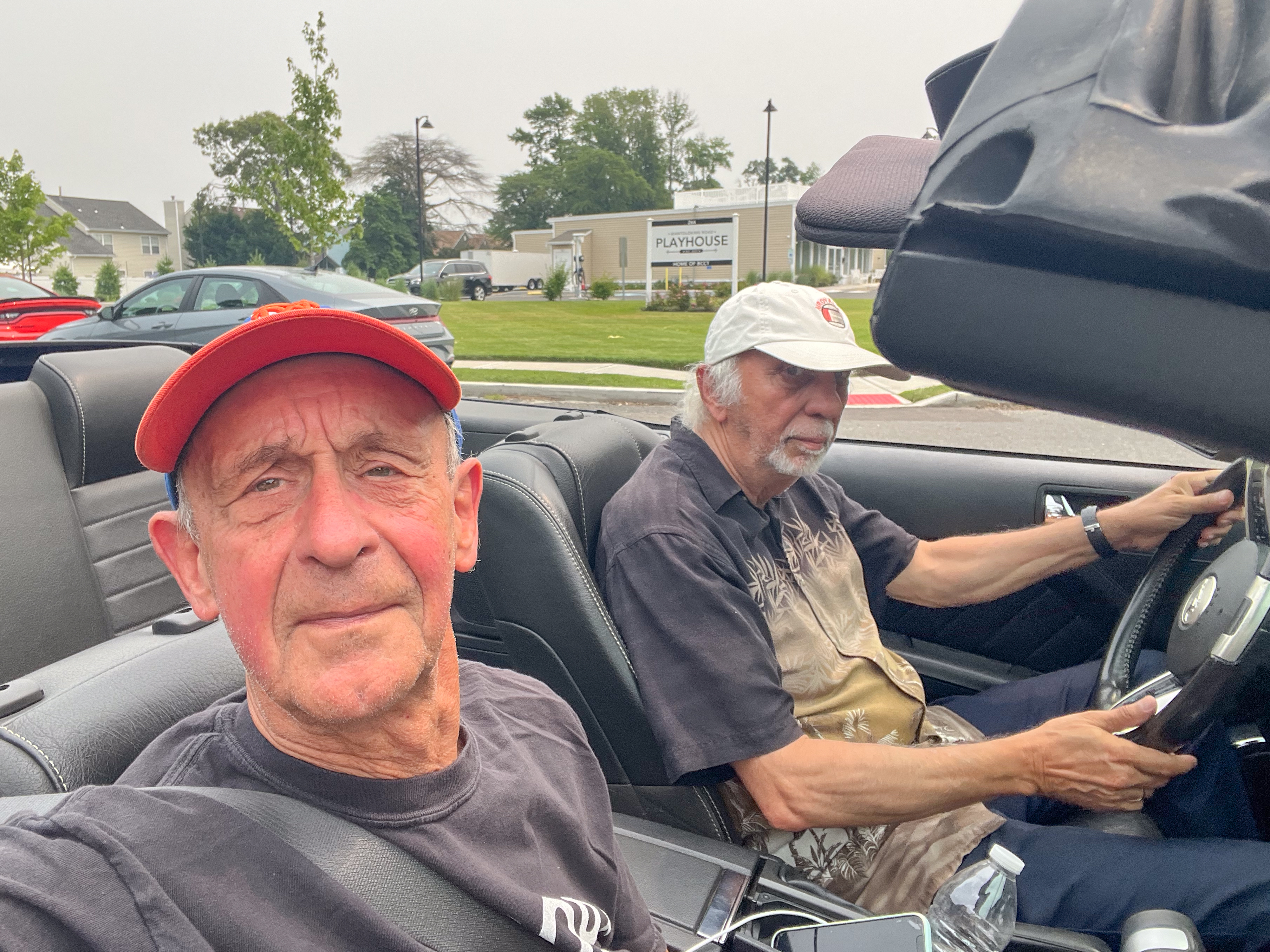
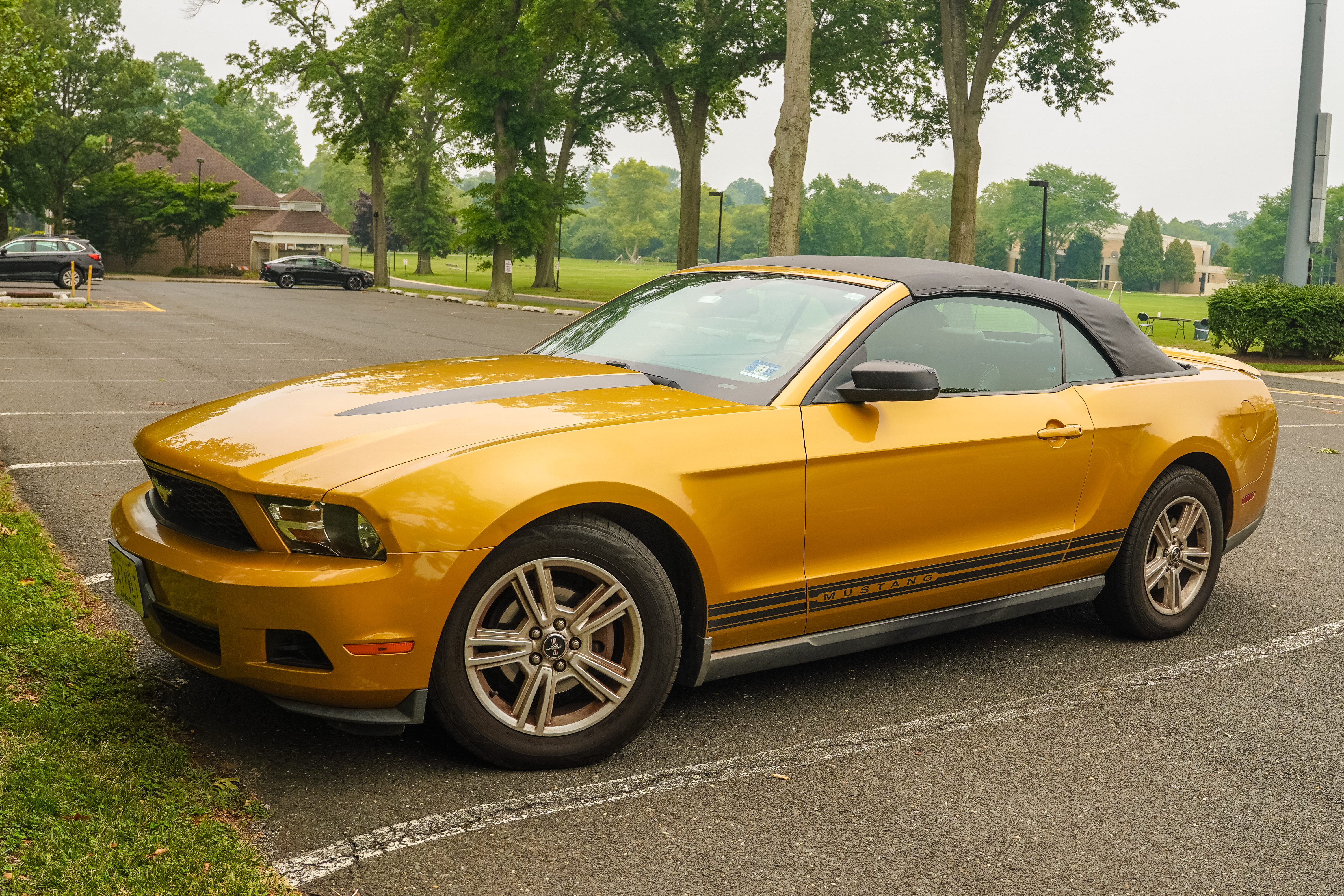
As the convertible top magically lifted and then disappeared behind us, the radio played loudly. My friend George Kachoogian and I were headed out in his 2010 Mustang gold convertible for our latest adventure. It seemed fitting for two old guys to drive a “hot car” to learn about Jersey lore and the popular music that’s been the soundtrack of our lives for many years.
Our destination was the newly constructed Bruce Springsteen Archives Center for American Music (BSACAM) that opened on June 13, 2026 in West Long Branch, NJ. We were there to discover what made Bruce Springsteen and American music special. This time it was not about listening to particular songs or a concert, but the act of getting closer to the artists, the culture, and the relics that spurred this creativity.
The New Building on Campus
There’s no doubt that New Jersey helped shape Bruce Springsteen. Now, Bruce is giving back to the state by supporting a museum dedicated to the broader history of American music and his evolution as an artist.
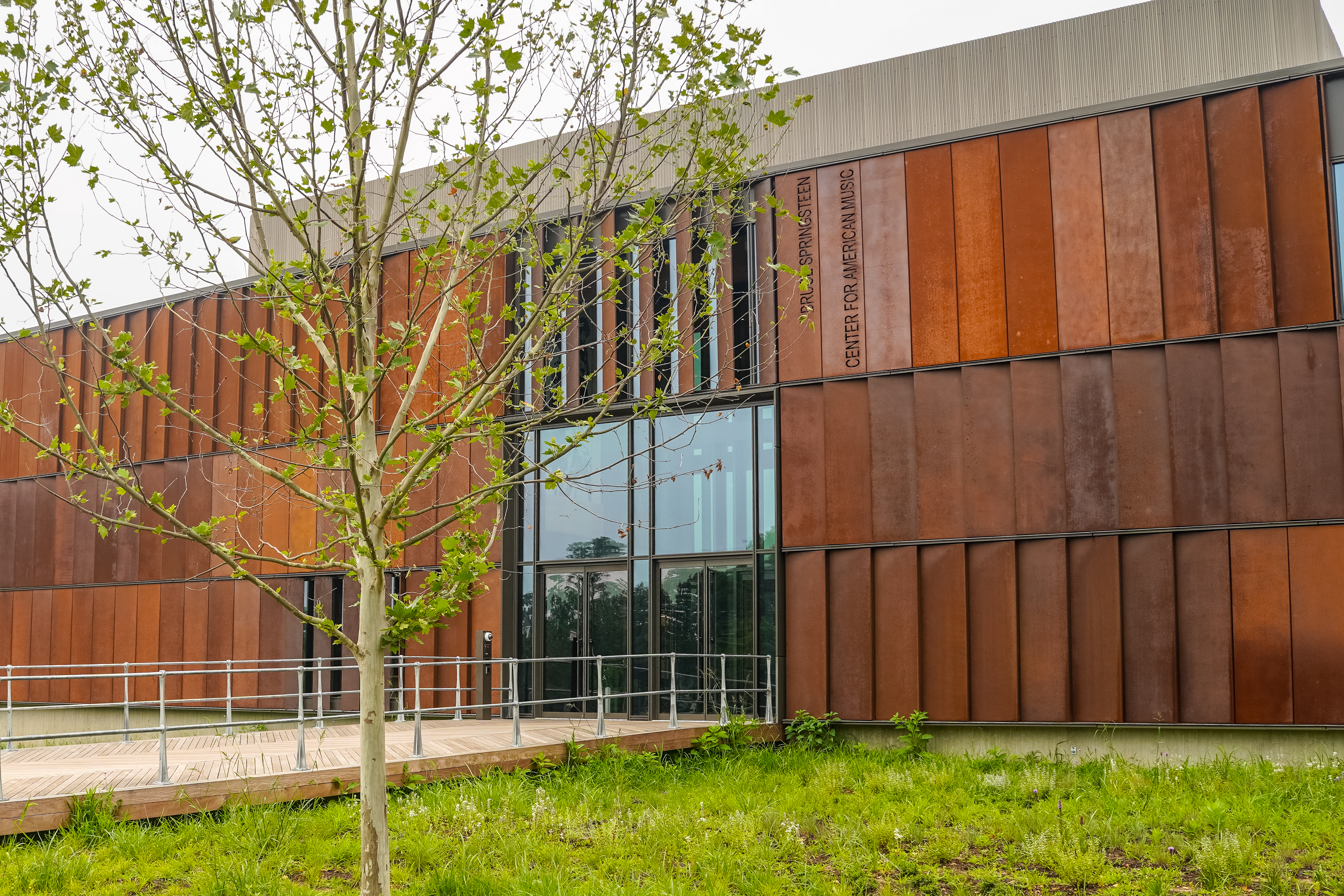
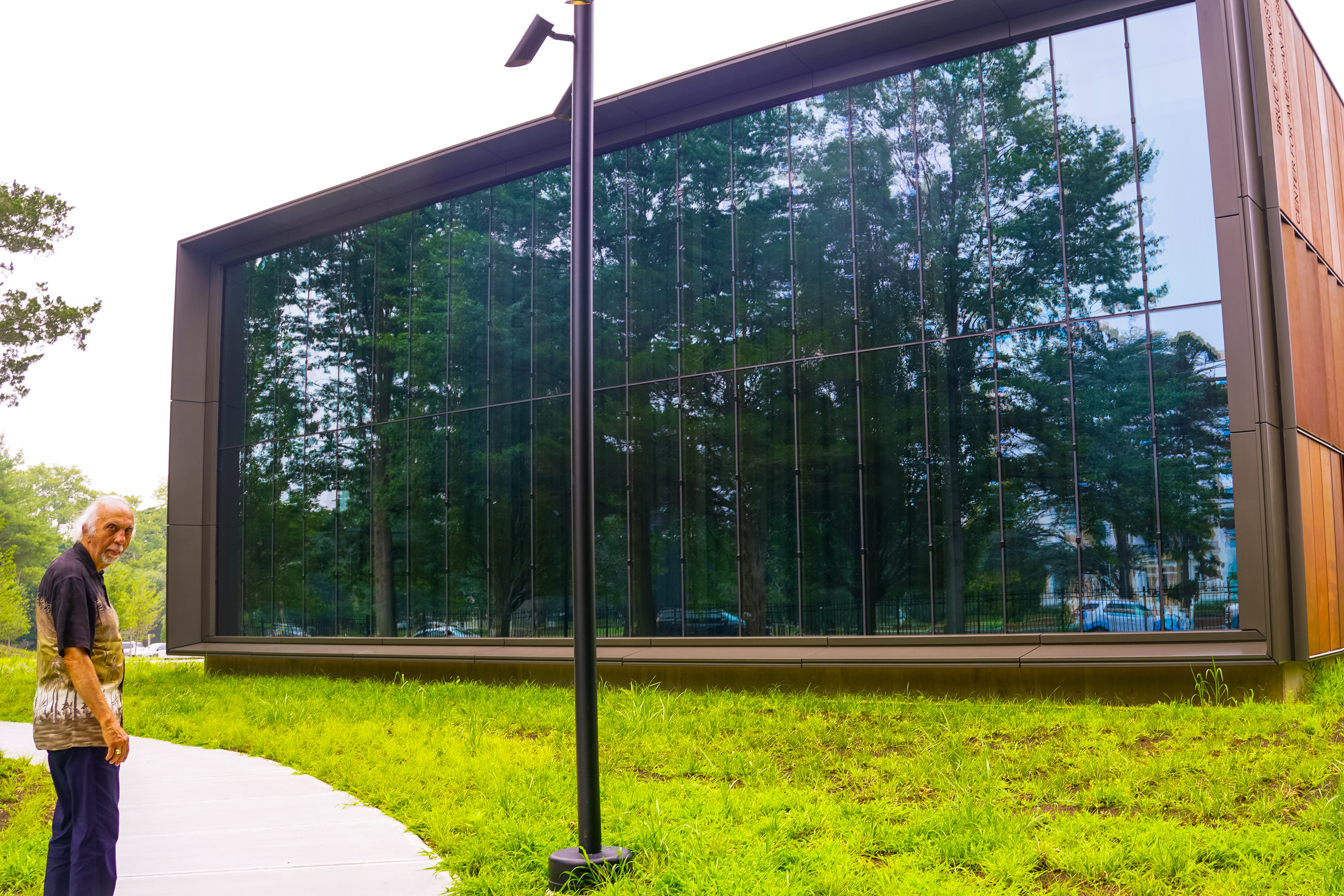
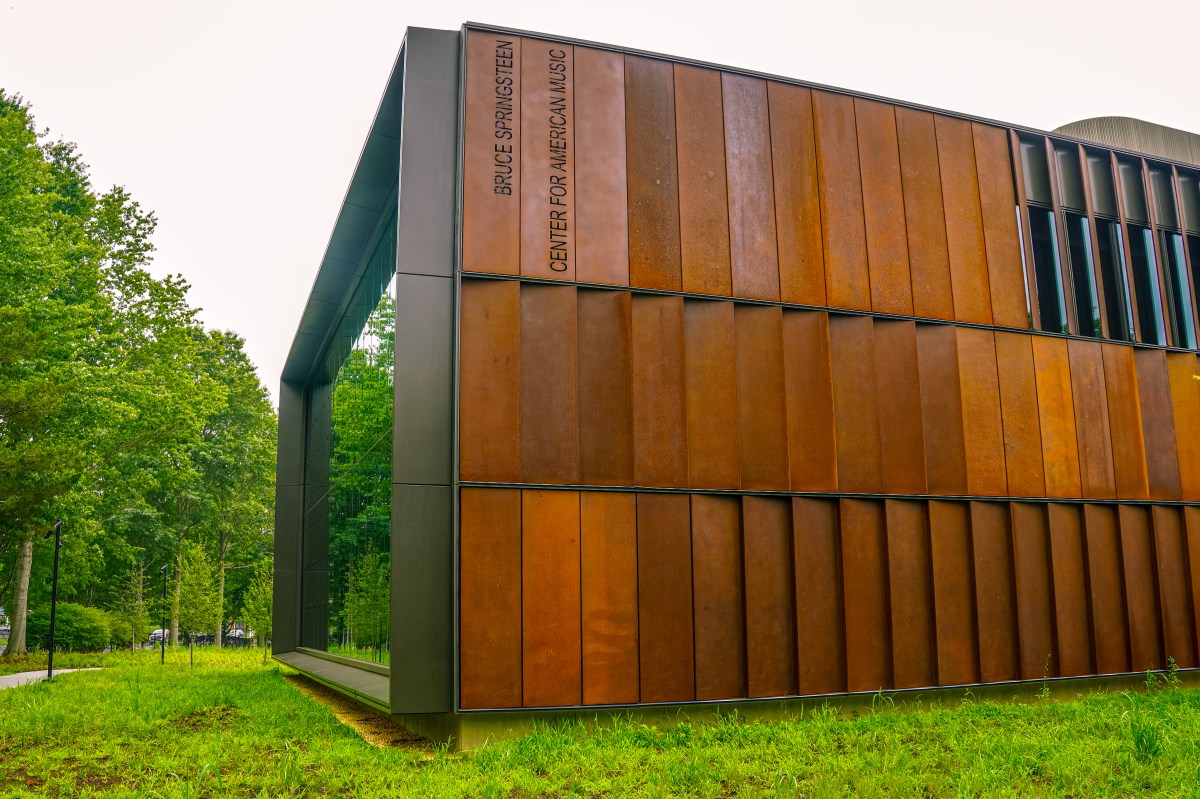
The $50 million 32,000-square-foot Center is housed in a striking, industrial-style building on the lush and stately campus of Monmouth University. The University hopes to integrate the Center into its curriculum and make its collections available as a research resource. The Center features exhibition galleries, archives, immersive interactive experiences, and a performance theater.
The origin story of the Center begins with a group of Bruce fans, who over many years, collected memorabilia and artifacts of Bruce. About nine years ago, largely through the efforts of Bob Santelli – a well-known NJ music industry author, promoter, and friend of Bruce – a nonprofit organization was created to develop an exhibit space on land provided by Monmouth University. While much of the content they had related to Springsteen, Bruce insisted that the Center not focus solely on him, but rather tell the broader story of American music.
“I’m a small link in a big chain. I’m the guy that came along and kind of picked up the flag. That’s the way it works. You run with it for a while, and you pass it on to the next guy. I think the center reflects that.”
Bruce Springsteen to the New York Times
This new, but rusty-steel looking building has a wide, welcoming entrance framed by low-lying plants. We learned later that it was intentionally designed to convey a Jersey-like factory surrounded by dune plants and approached by a boardwalk. In other words, it is classic Bruce style meant to honor his home state and the Jersey shore area that helped shape him.
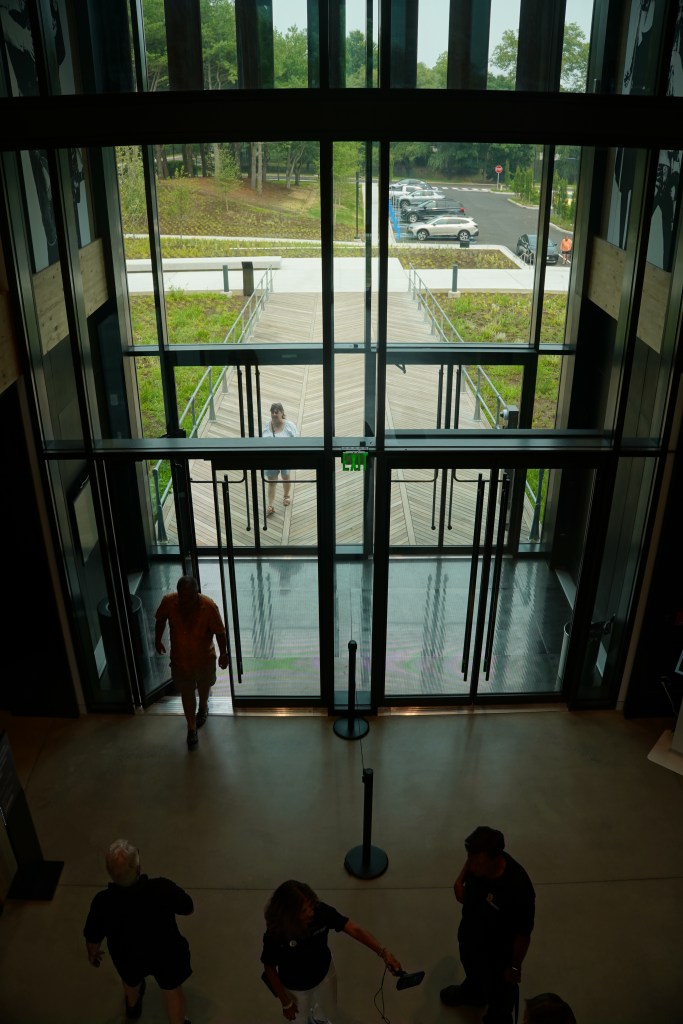
As we entered the large atrium, we were warmly greeted by a volunteer docent who provided basic information and recommended where to begin our building tour.
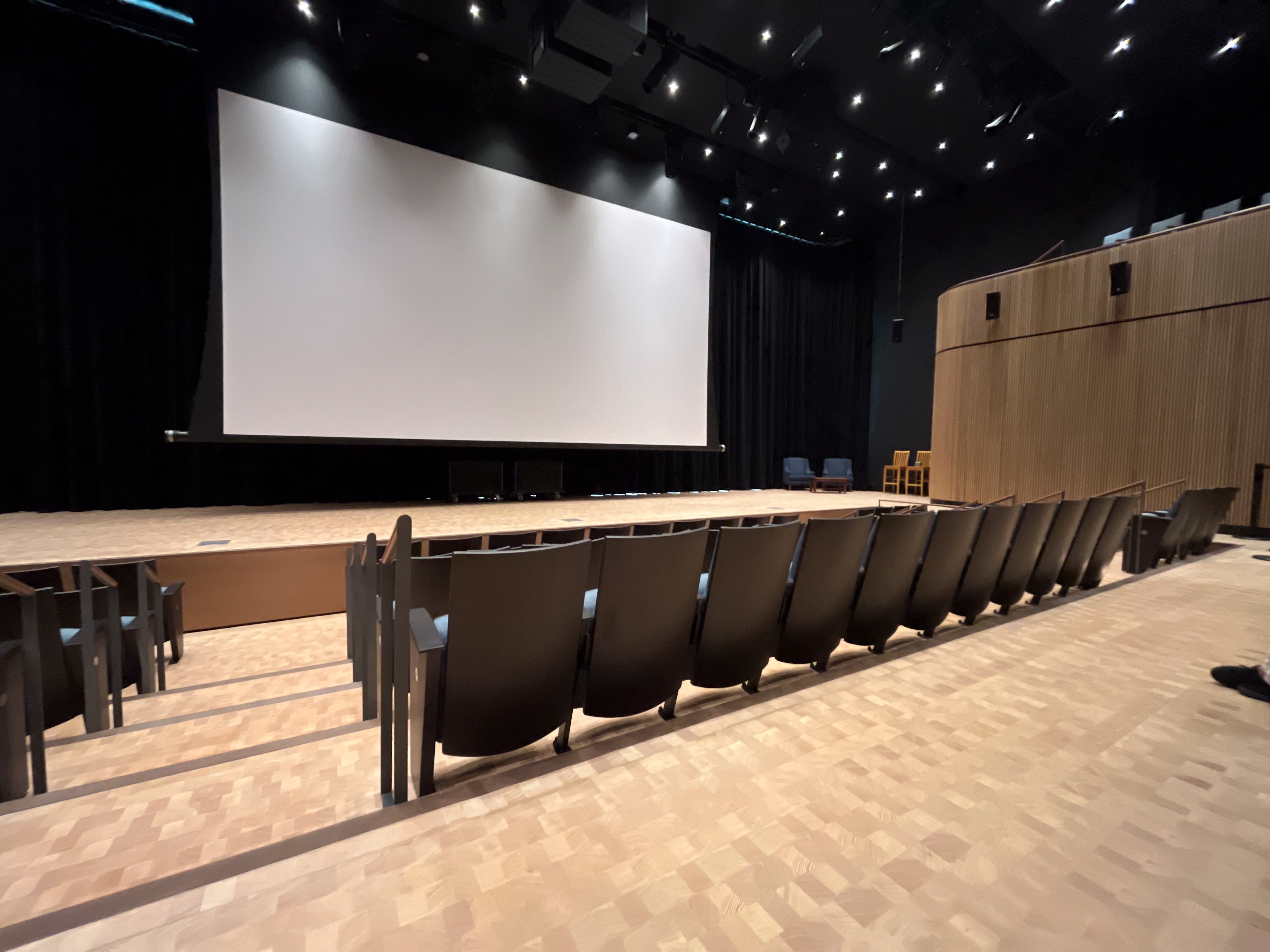
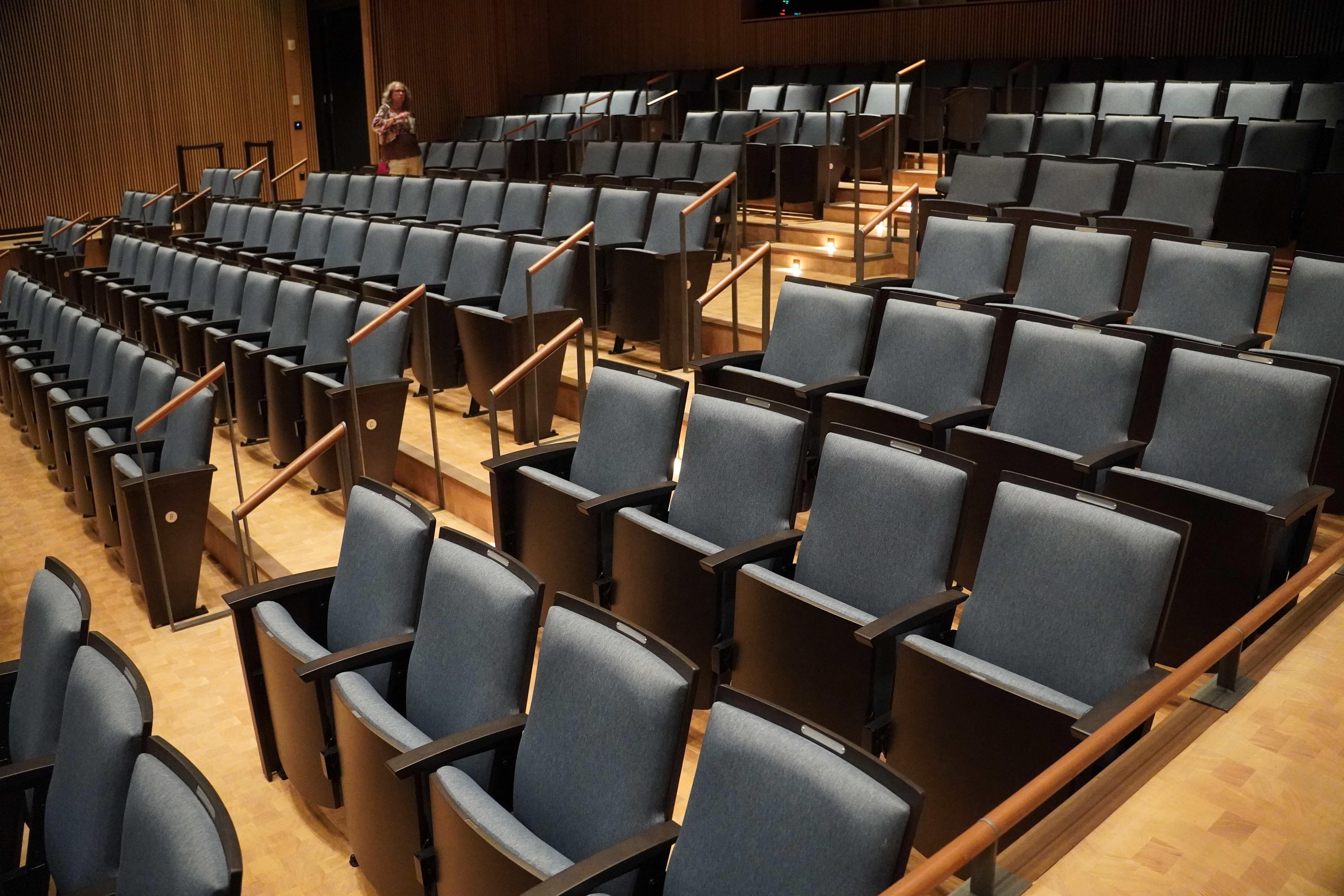
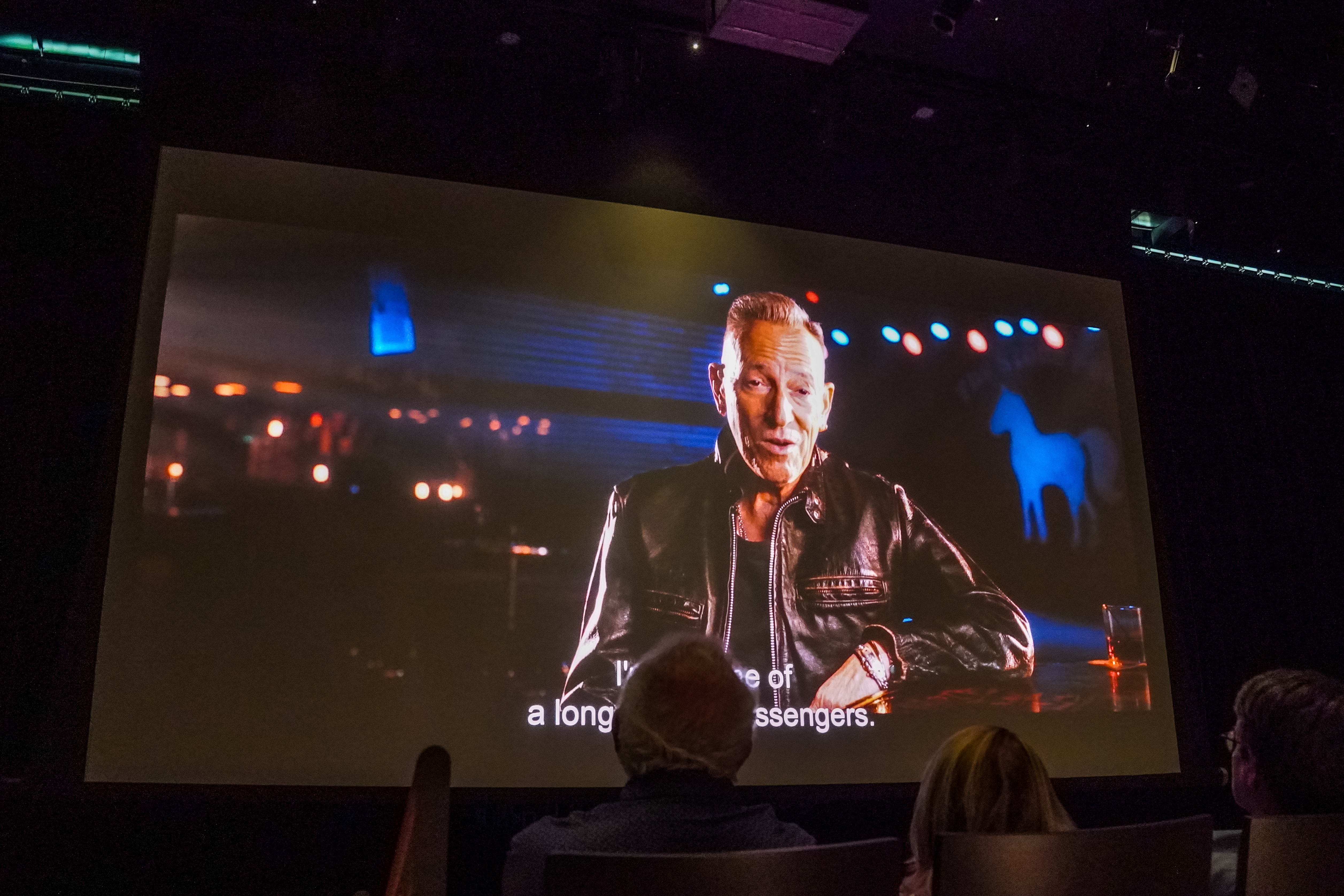
Based on the docent’s recommendation, we began in the theater watching the special 25-minute documentary by Thom Zimny called The Ties That Bind: Bruce Springsteen’s American Music Journey. The film places Springsteen’s career within the broader story of American music. It’s a high-quality film shown exclusively in the Center’s impressive 250-seat theater and is not available online.
First Floor – American Music
Perhaps the most absorbing and time-consuming area is the first floor, where exhibits display and tell the story of many musicians and songwriters across a wide range of genres. It demonstrates how different genres from country and blues to jazz and rock and roll—influenced one another.
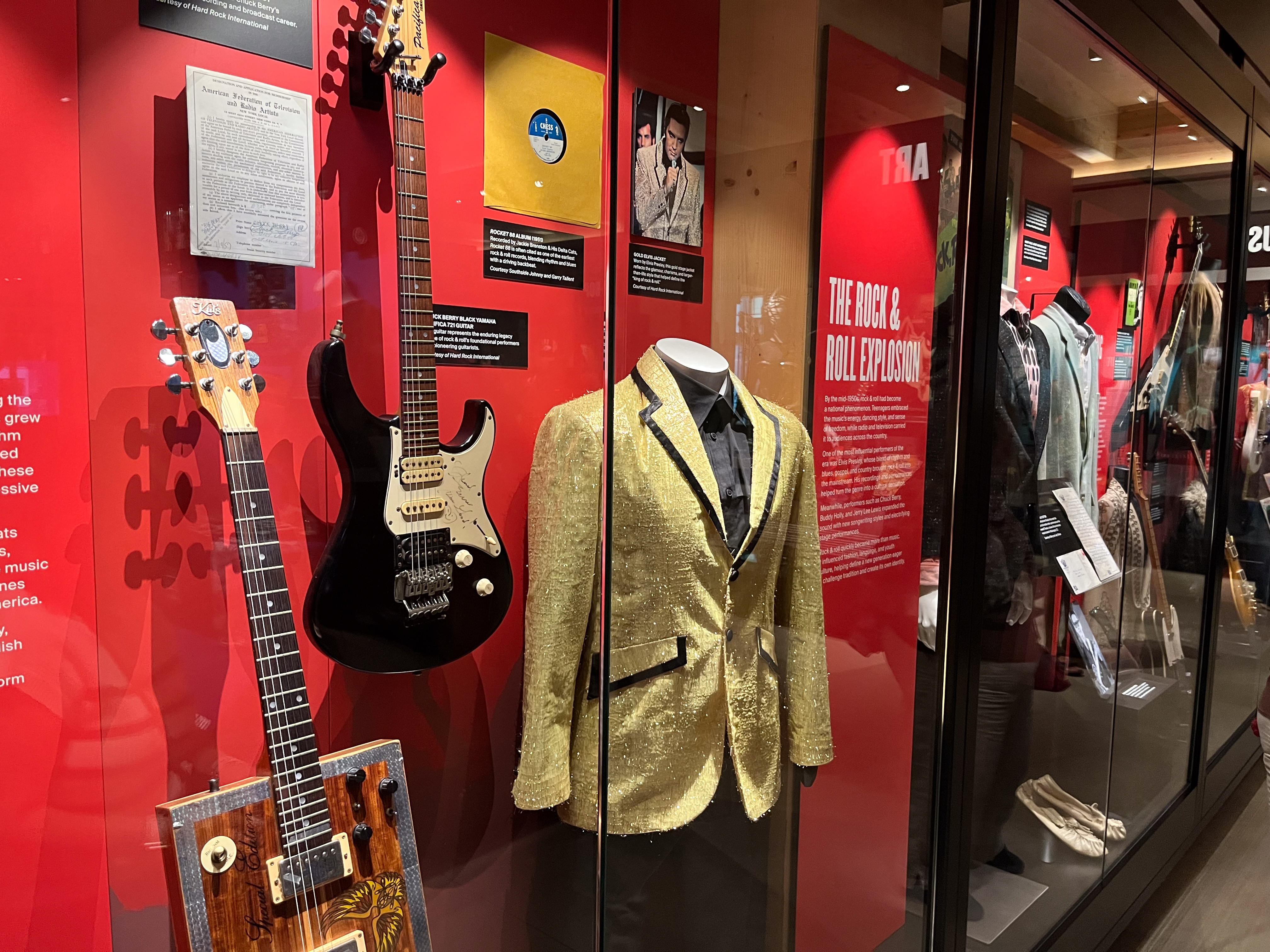
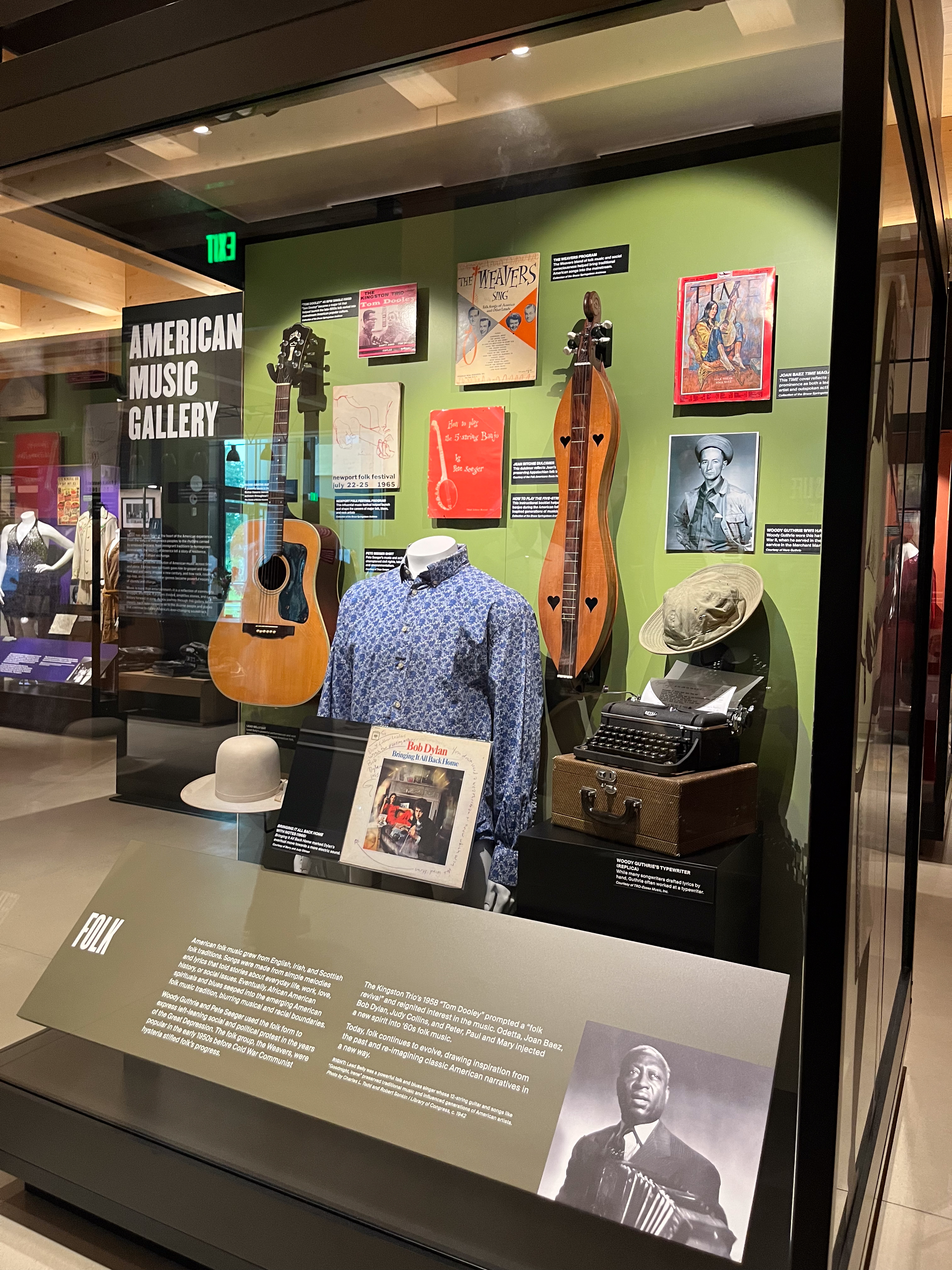
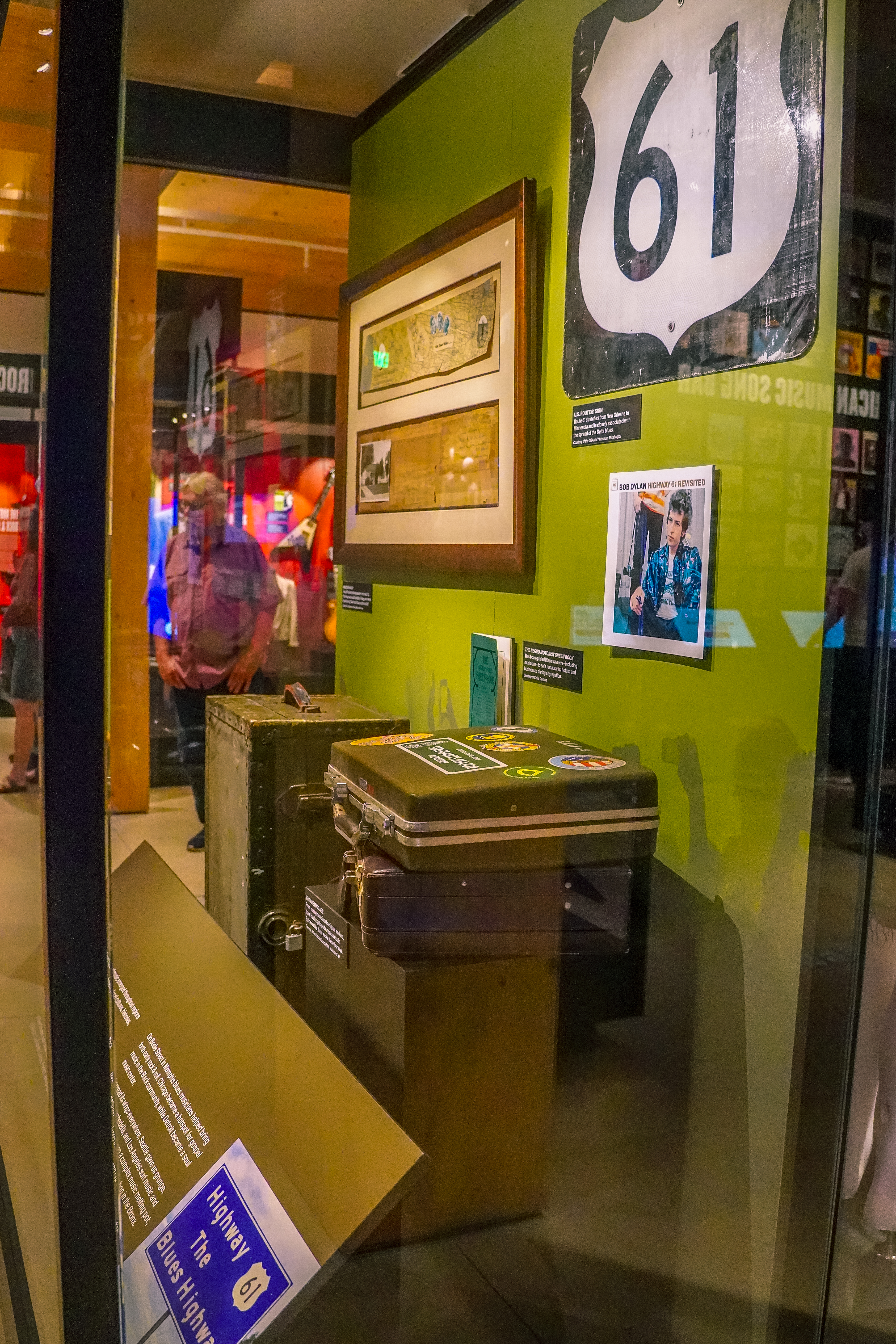
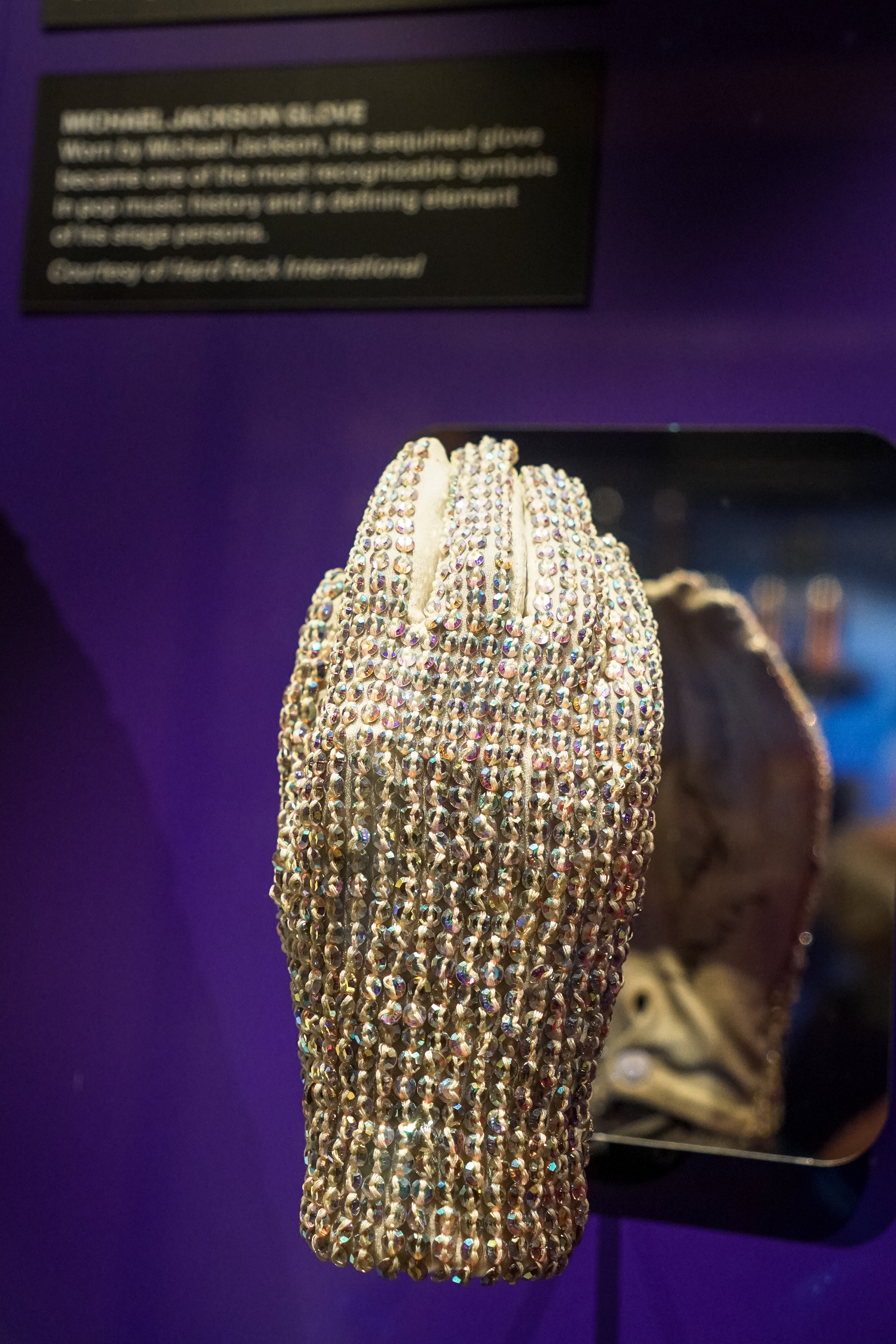
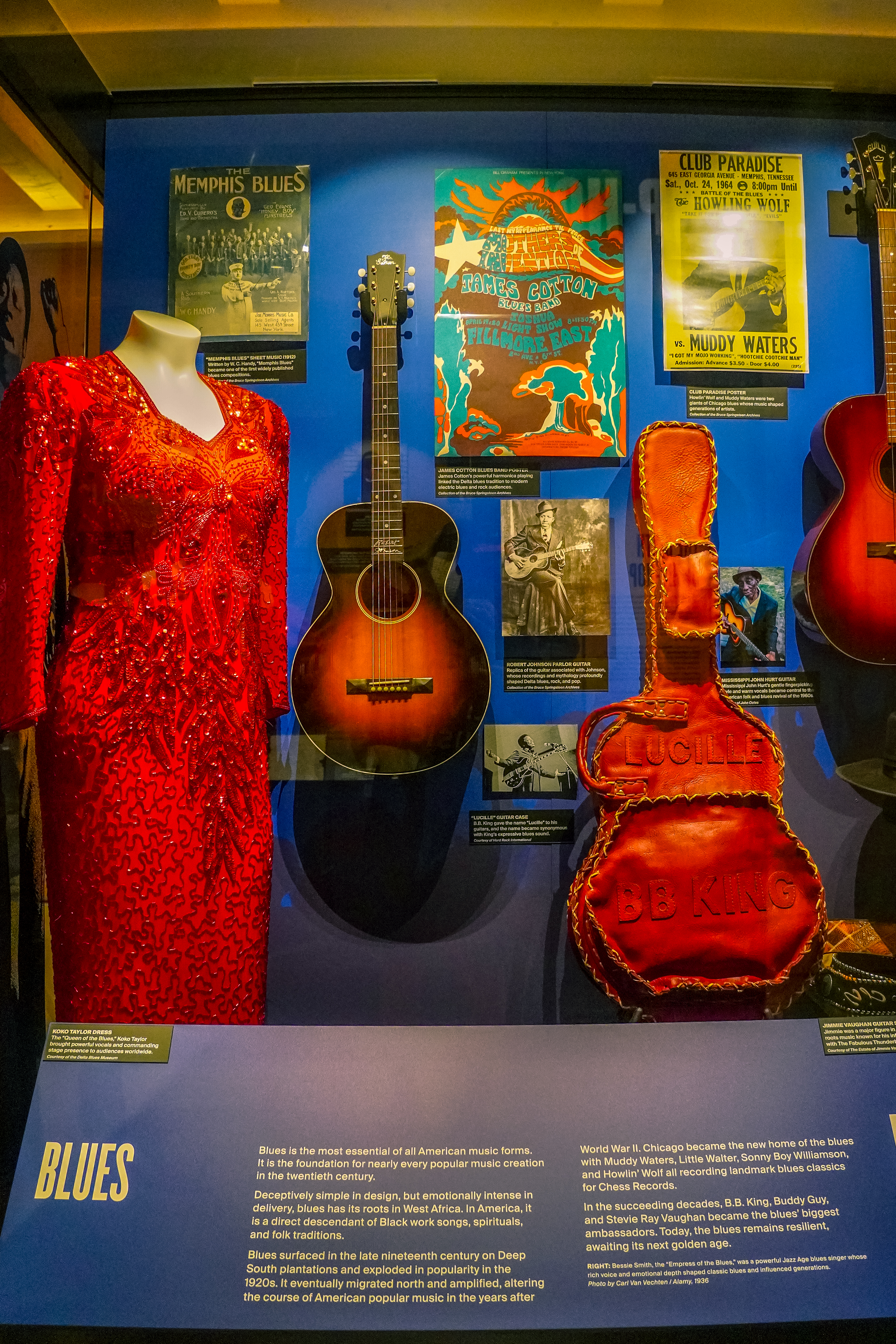
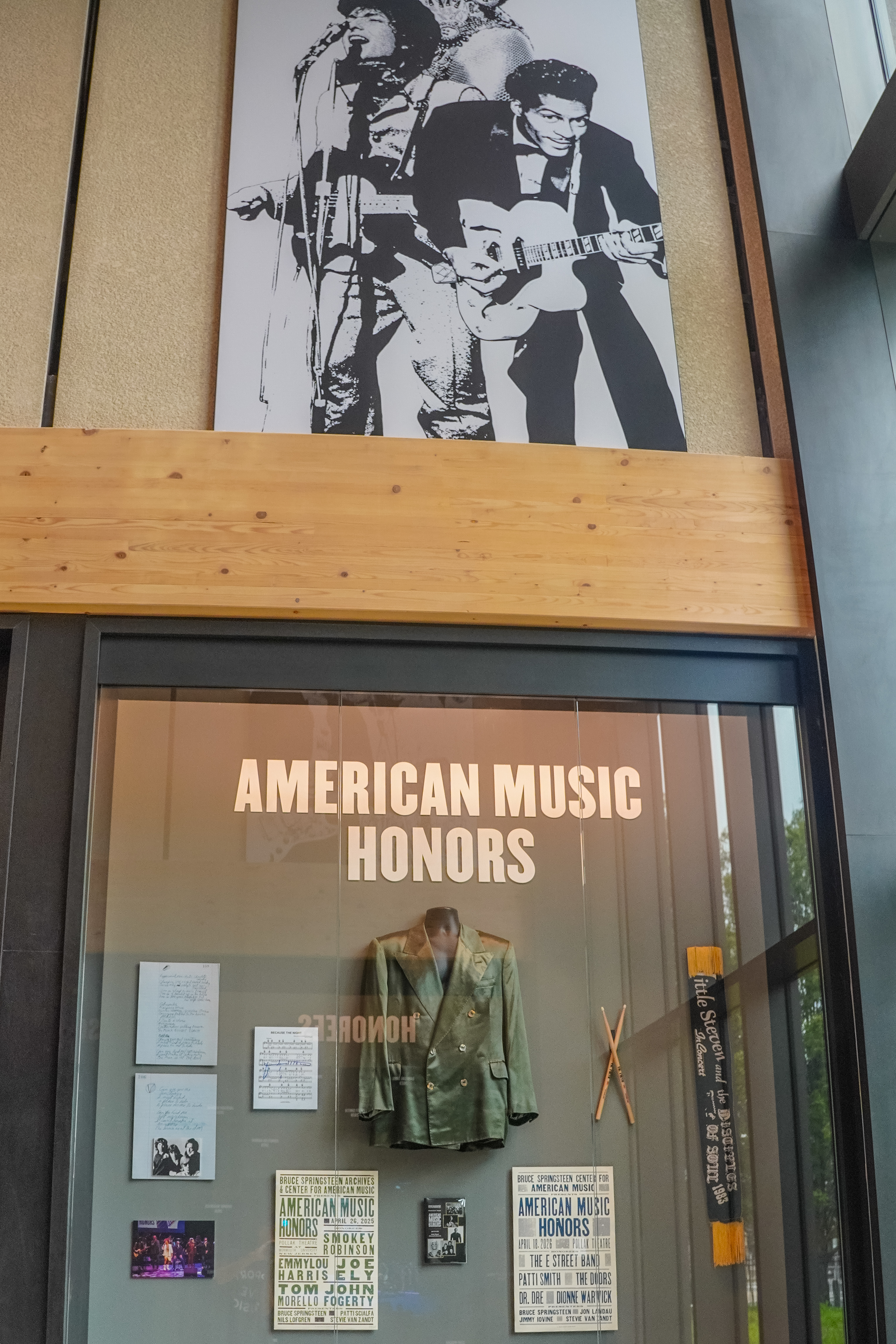
Display cases house artifacts, including Michael Jackson’s sequined glove, Louis Armstrong’s trumpet, John Coltrane’s sax, Ella Fitzgerald’s dress, Elvis’ jacket, Frank Sinatra’s shoes, a letter Buddy Holly wrote to his mom, a Lady Gaga costume, and more. Most of these items have been donated or are on loan to the museum, which will feature expanding and rotating collections representing many artists.
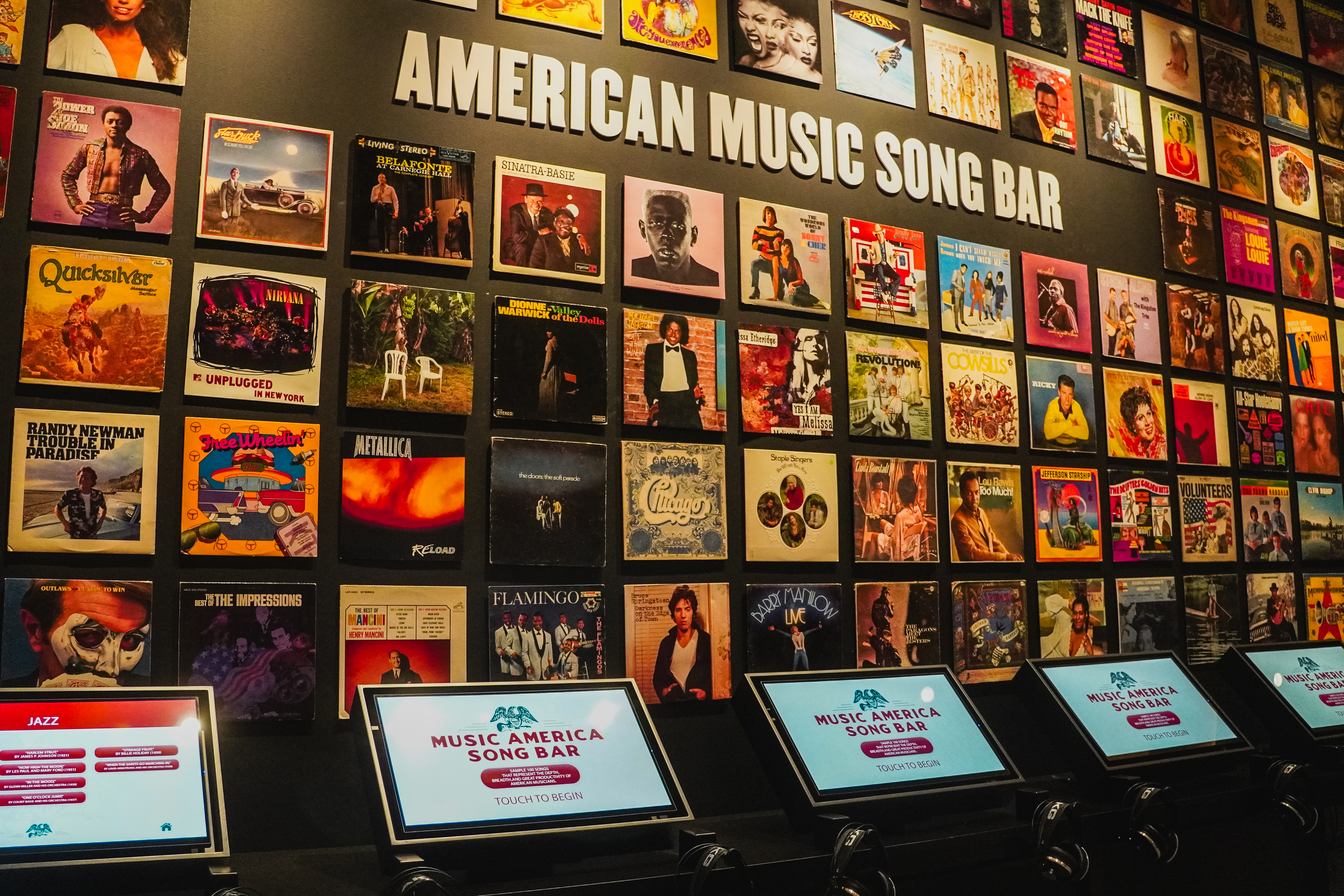
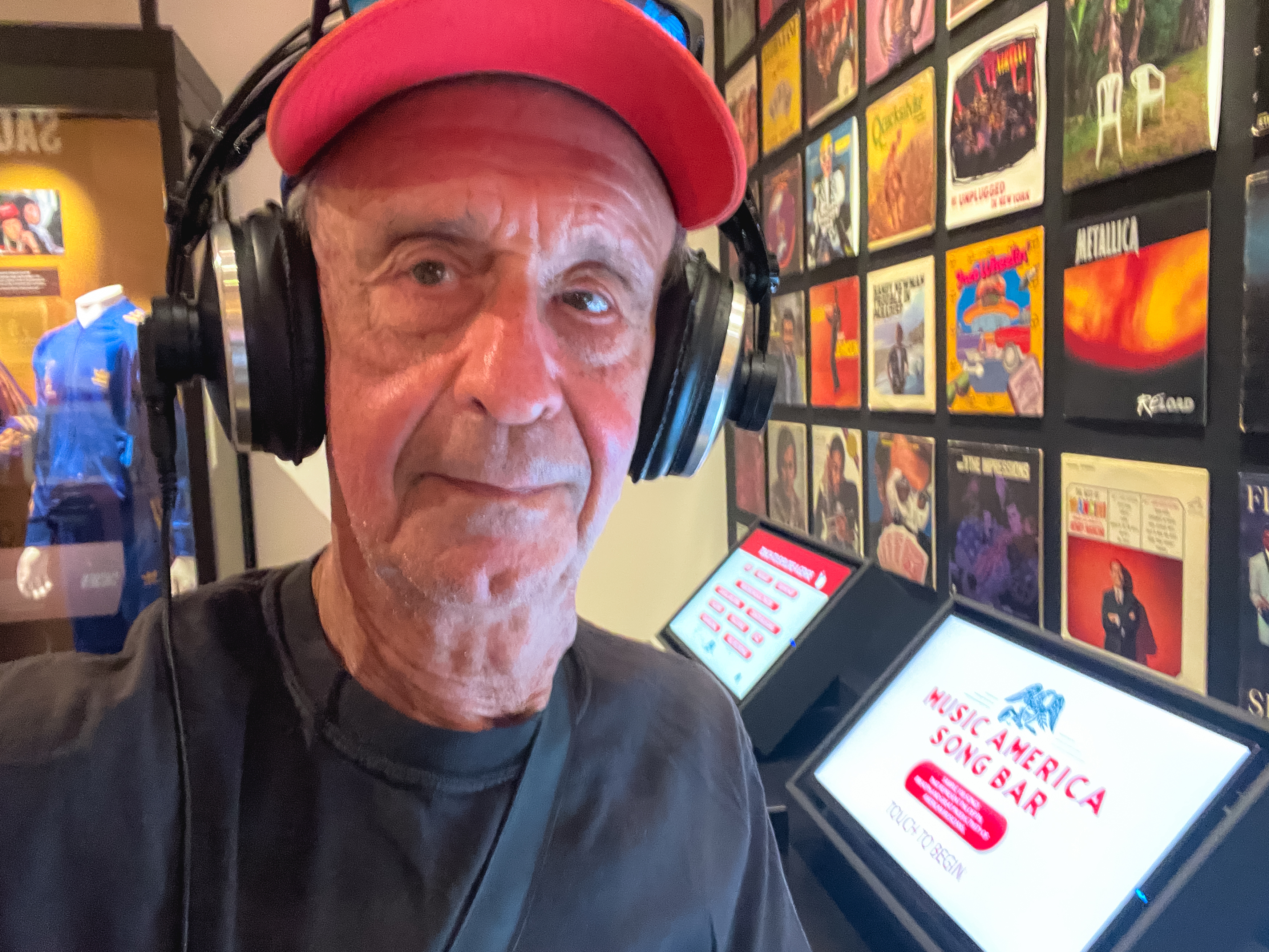
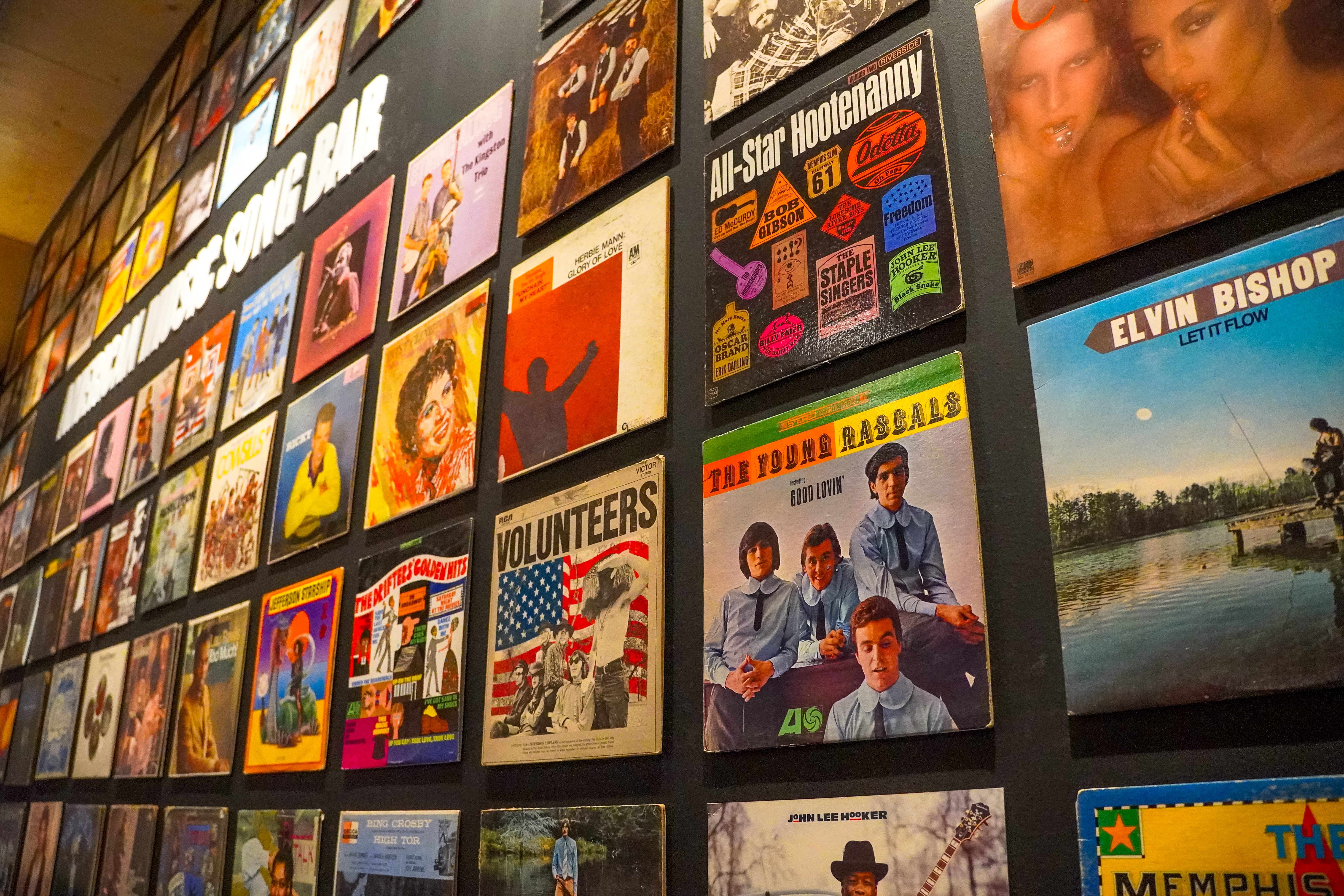
There is a large wall known as the American Music Sound Bar where visitors can listen to music by genre and learn where each style originated. It is a place to connect the dots, to trace and connect a certain sound to where it started and flourished. The display of album covers is especially captivating for anyone who remembers the great days of 78 LPs. Each one calls up memories of songs, groups and past glory days. You could easily spend hours here just exploring!
Second Floor – Bruce’s Career and Chimes of Freedom Exhibit
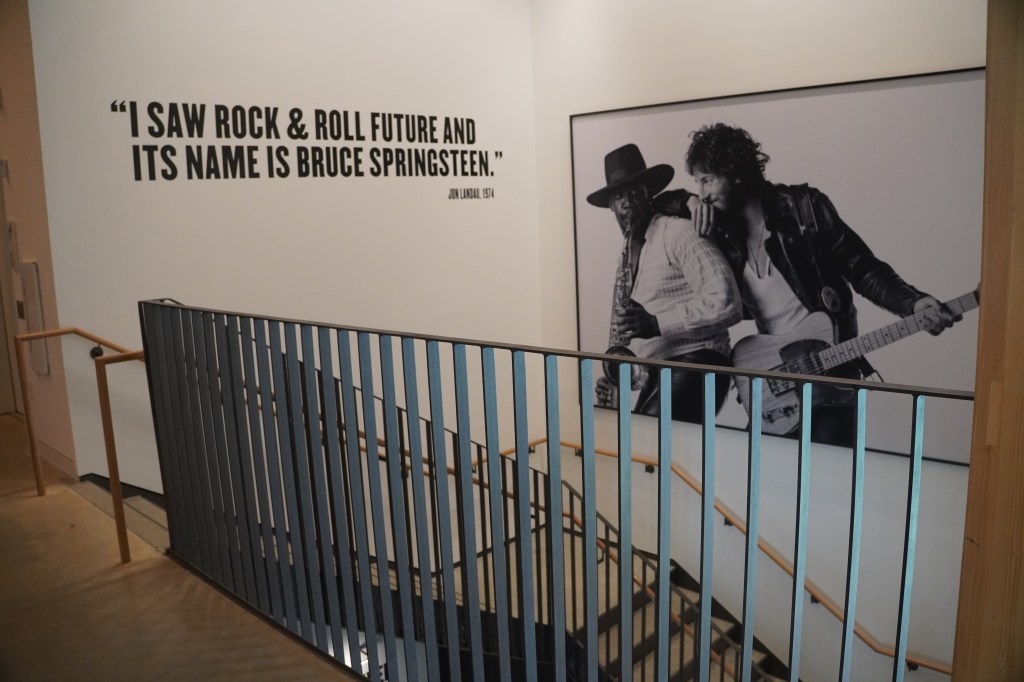
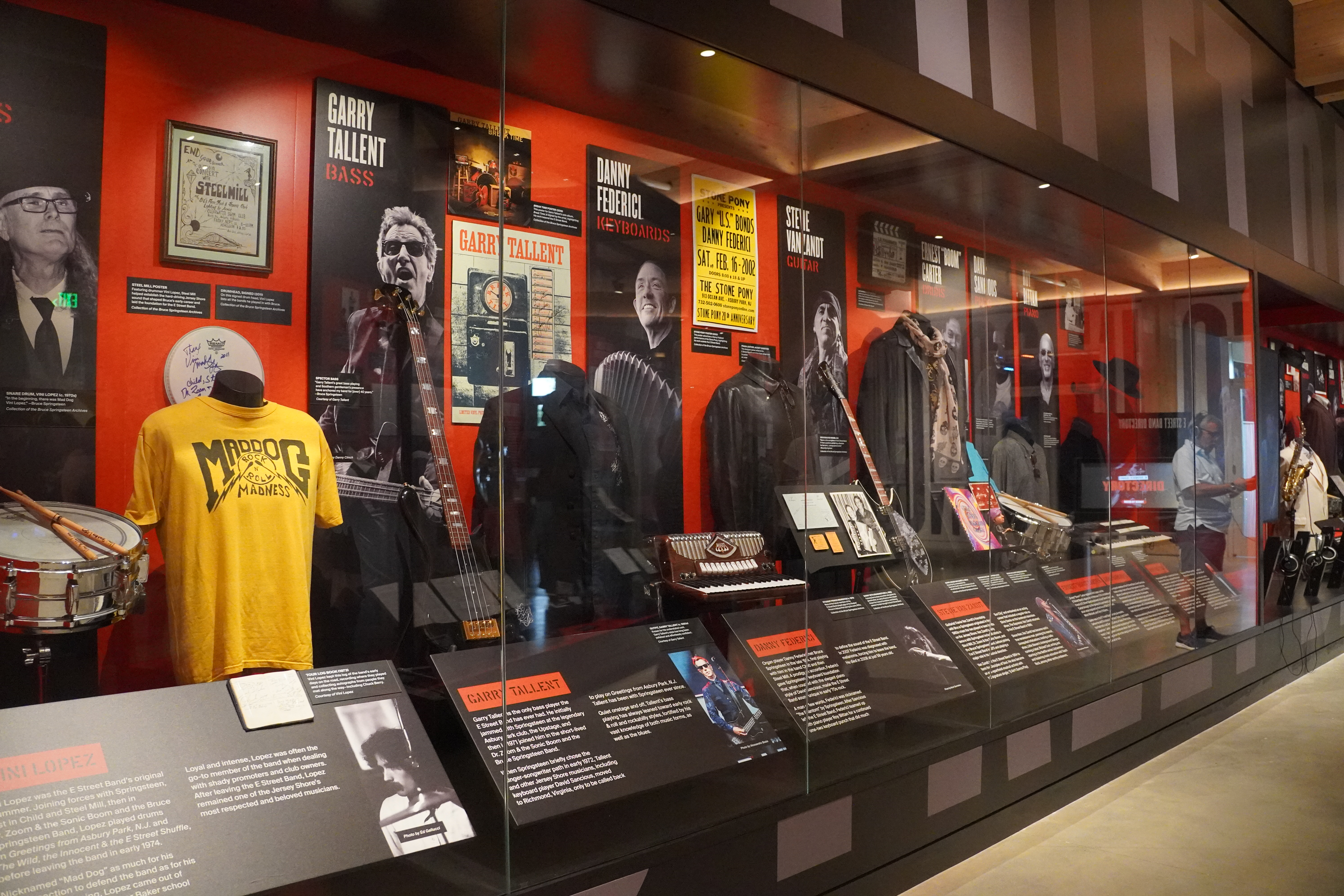
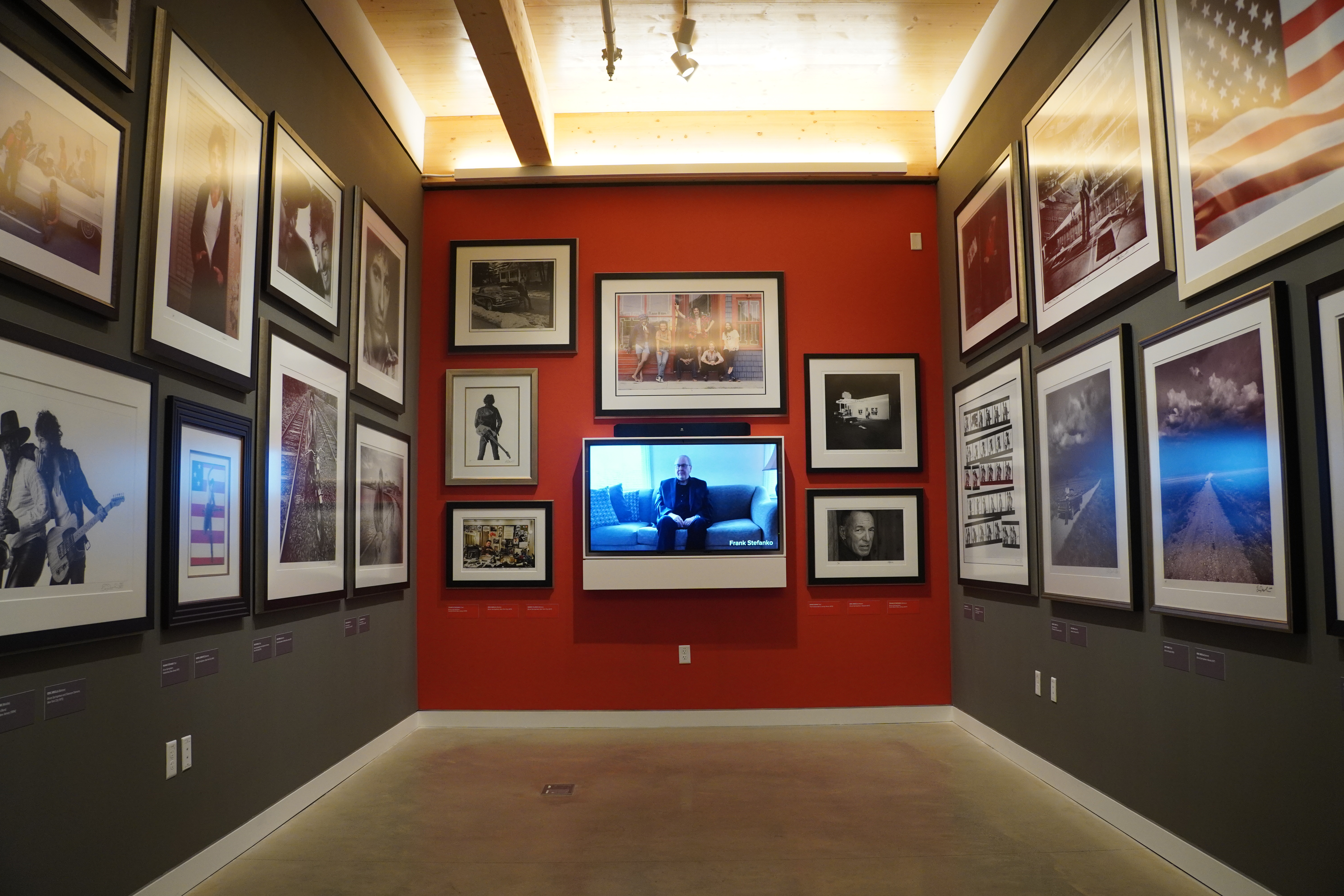
Bruce Springsteen’s career is traced through the decades, along with members of the E Street Band. The exhibits include original song drafts and many images captured by famous photographers. There is even a unique video projection that explores Springsteen’s self-education from reluctant to voracious reader, an evolution that helped shape his song writing and artistry.
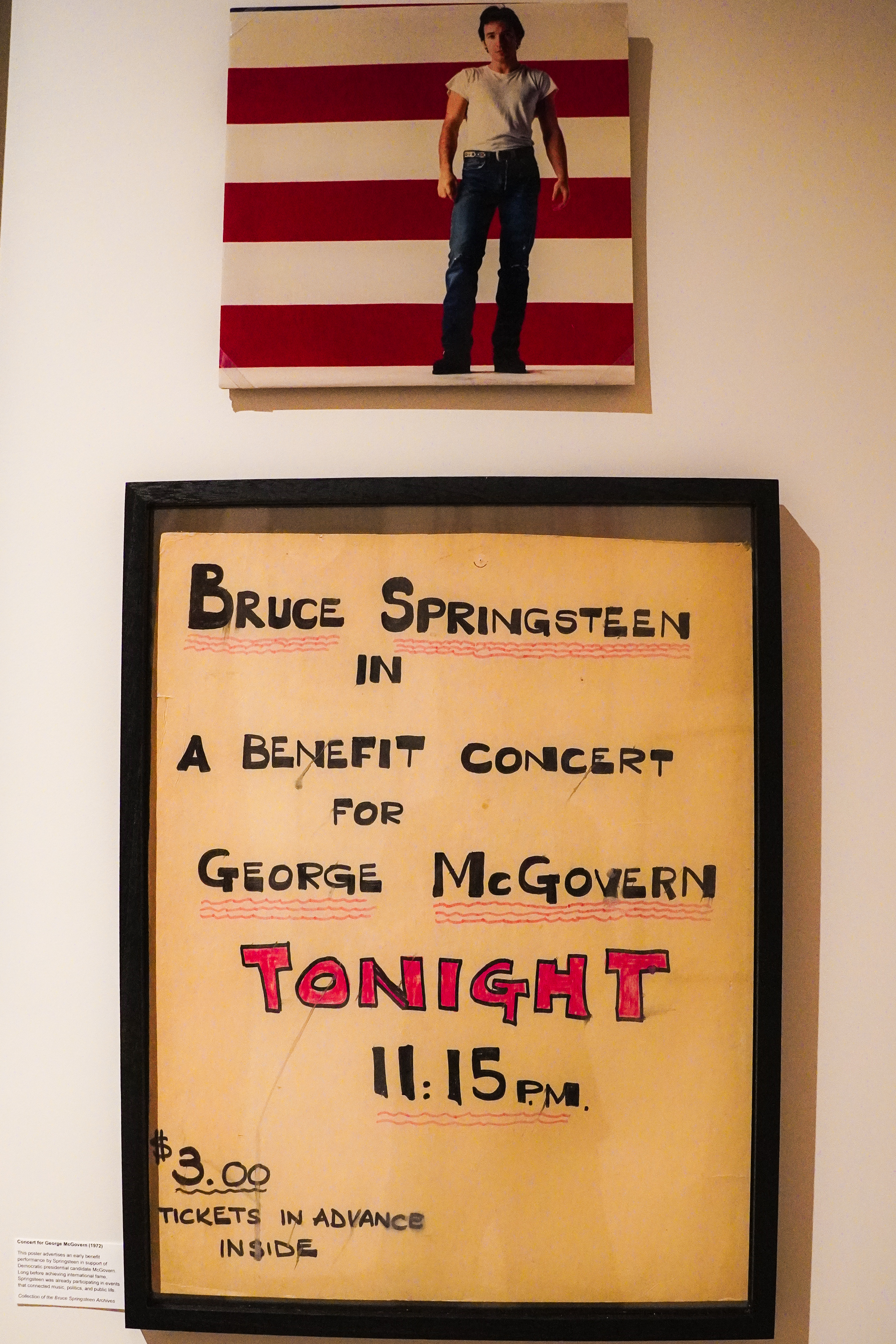
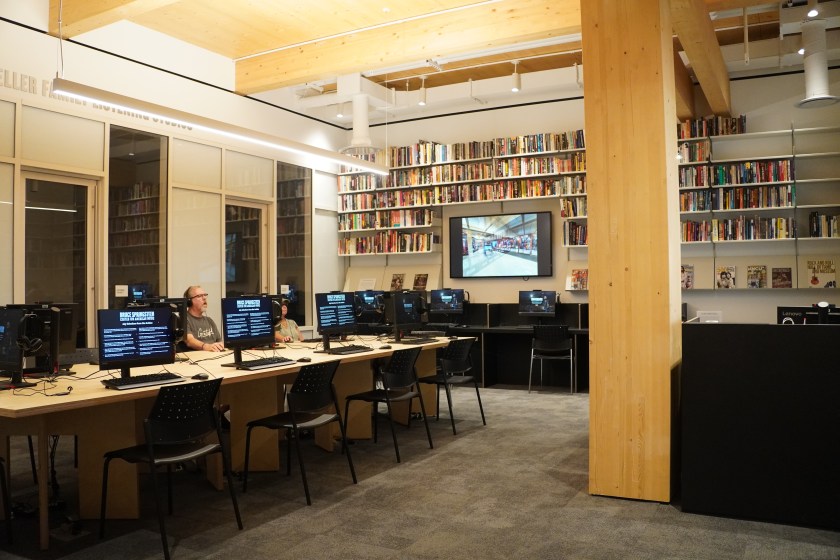
A small immersion theater room offers visitors an opportunity to experience the energy of being at a Bruce concert. Then there is the Archives room. Bruce has donated countless artifacts from his life, many of which are in storage rather than placed on display. These materials can be viewed digitally and researched for those studying his life and art. A limited number of visitors may explore the categorized documents to gain a better understanding of Bruce’s life and how it fits into the broader American music narrative.
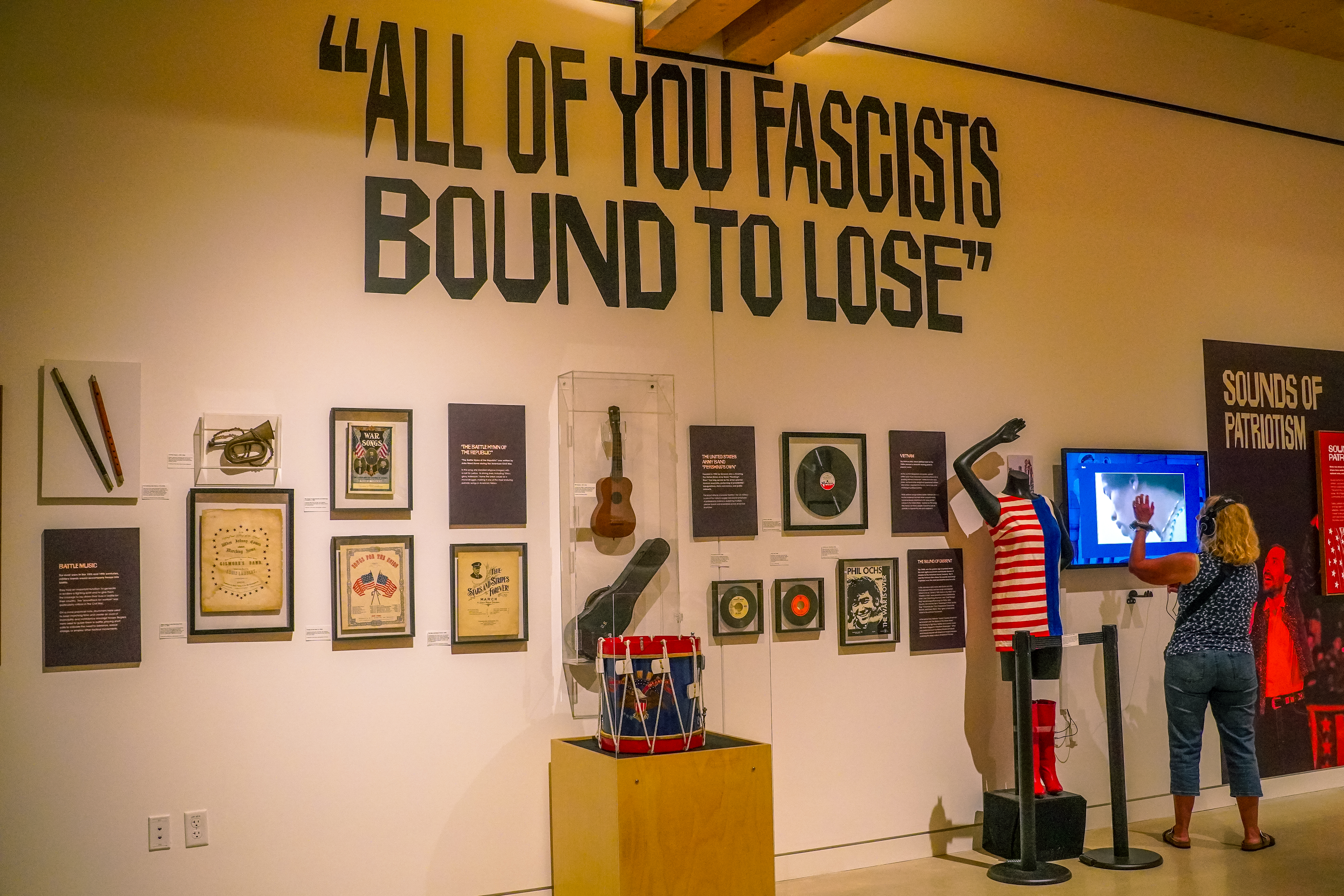
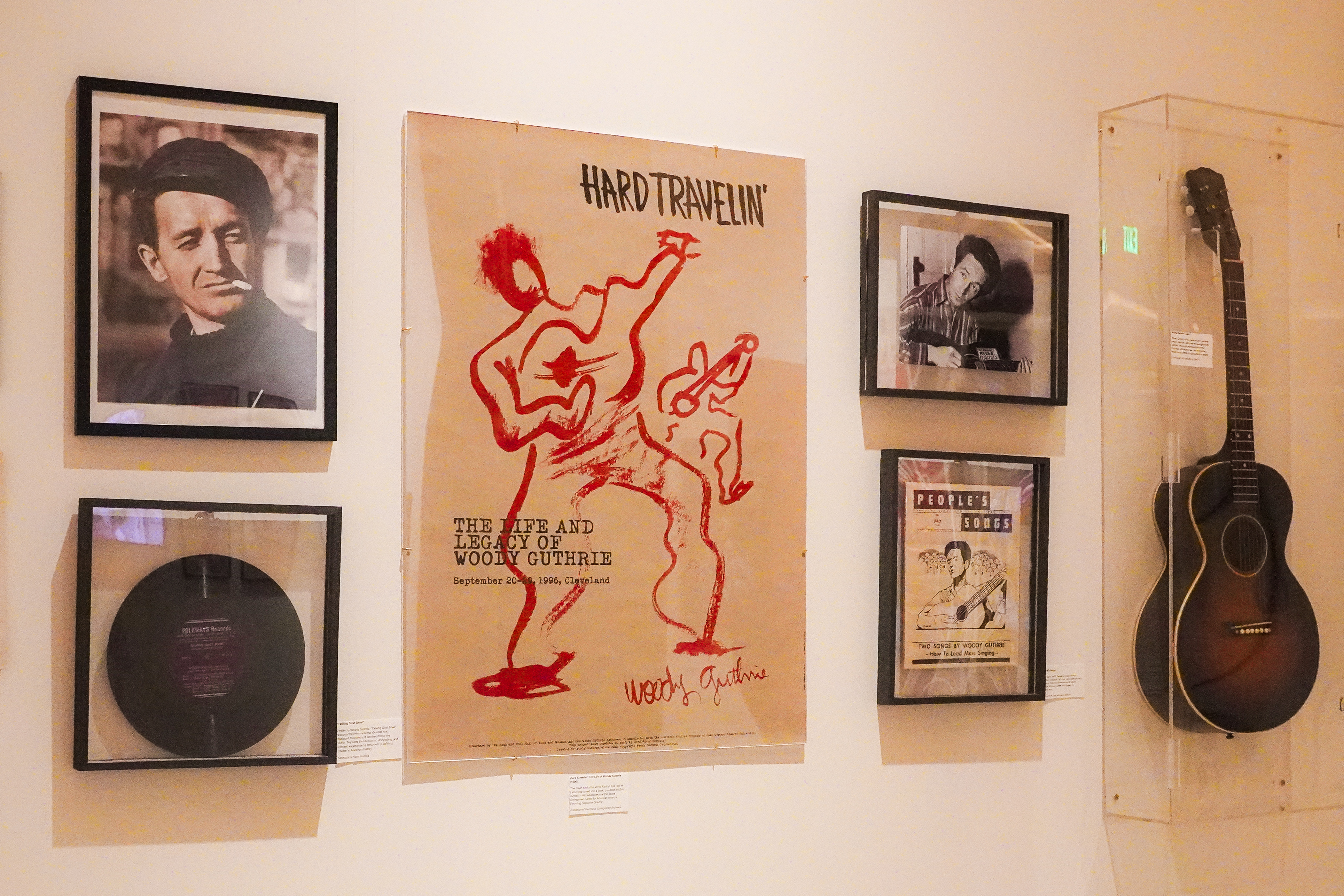
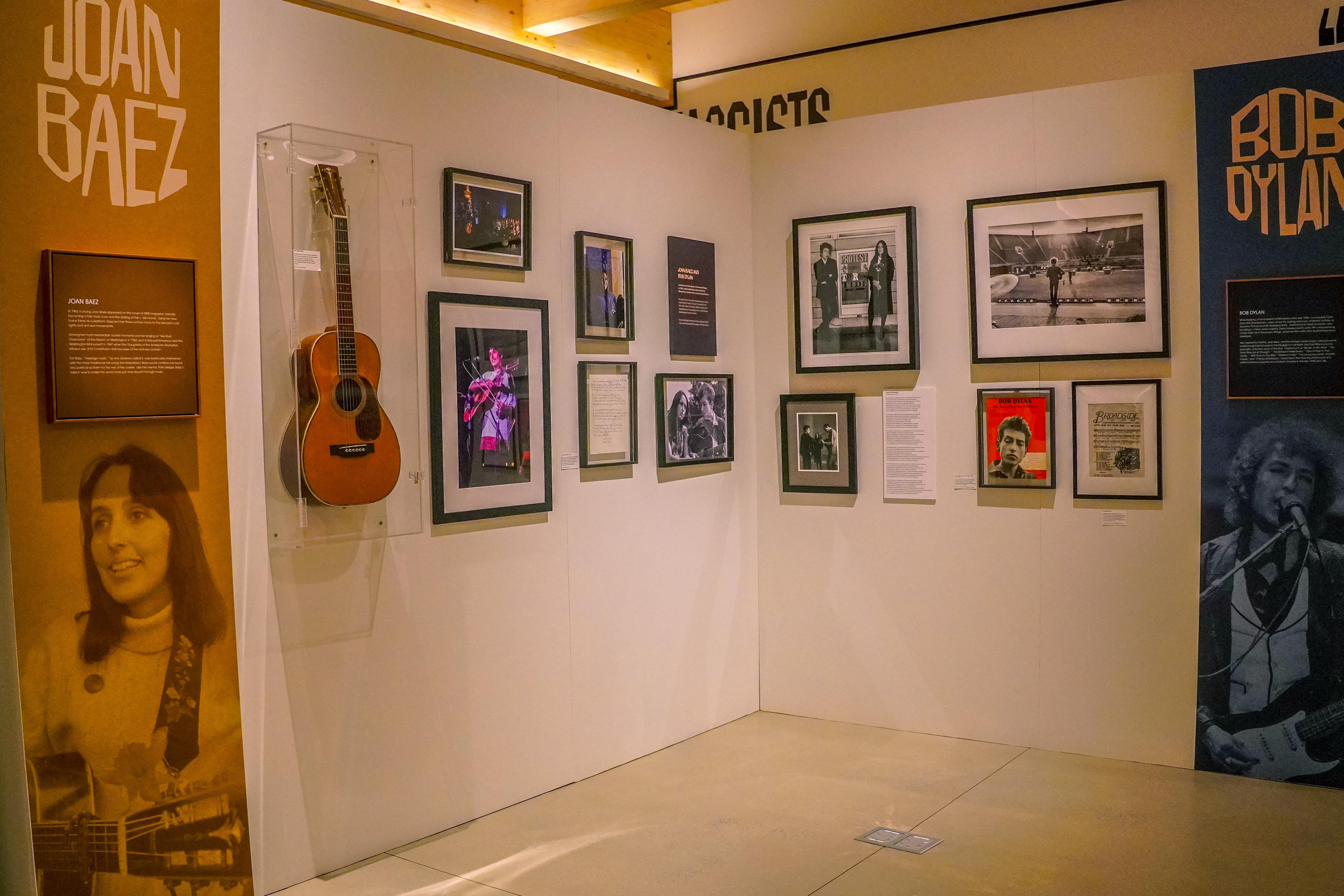
Bruce is well known for his concern and support of many causes. During the recent innocent deaths and protests against ICE in Minneapolis, Bruce once again made a strong statement of protest in his song, “The Streets of Minneapolis.” That dedication to the power of a protest song led to the Center’s first special exhibit – Chimes of Freedom: Protest, Patriotism and the Power of Song — which highlights how revolutionary songs ranging from “Yankee Doodle” to the civil rights to antiwar anthems of the 1960s to today’s protest songs influenced politics and popular culture.
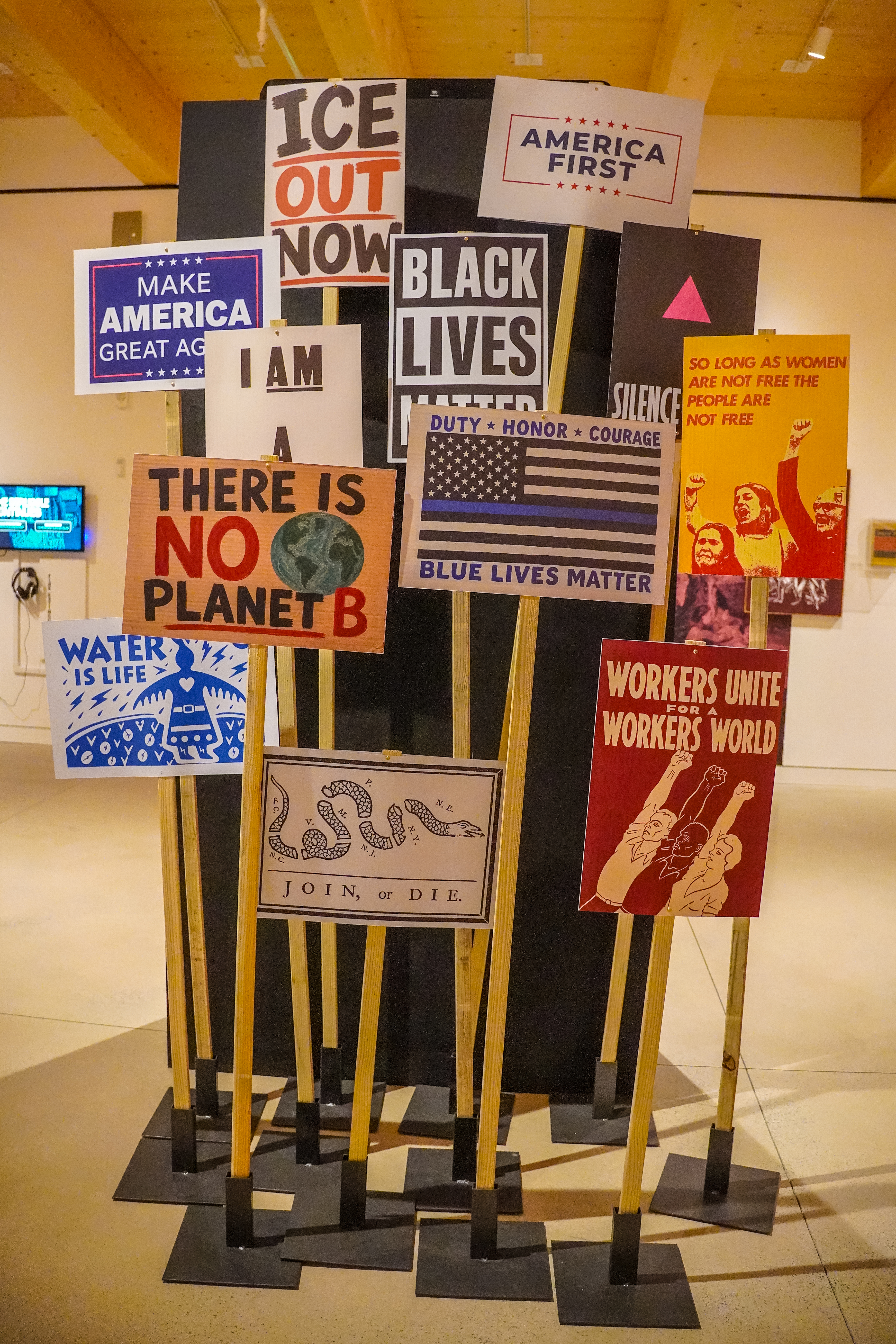
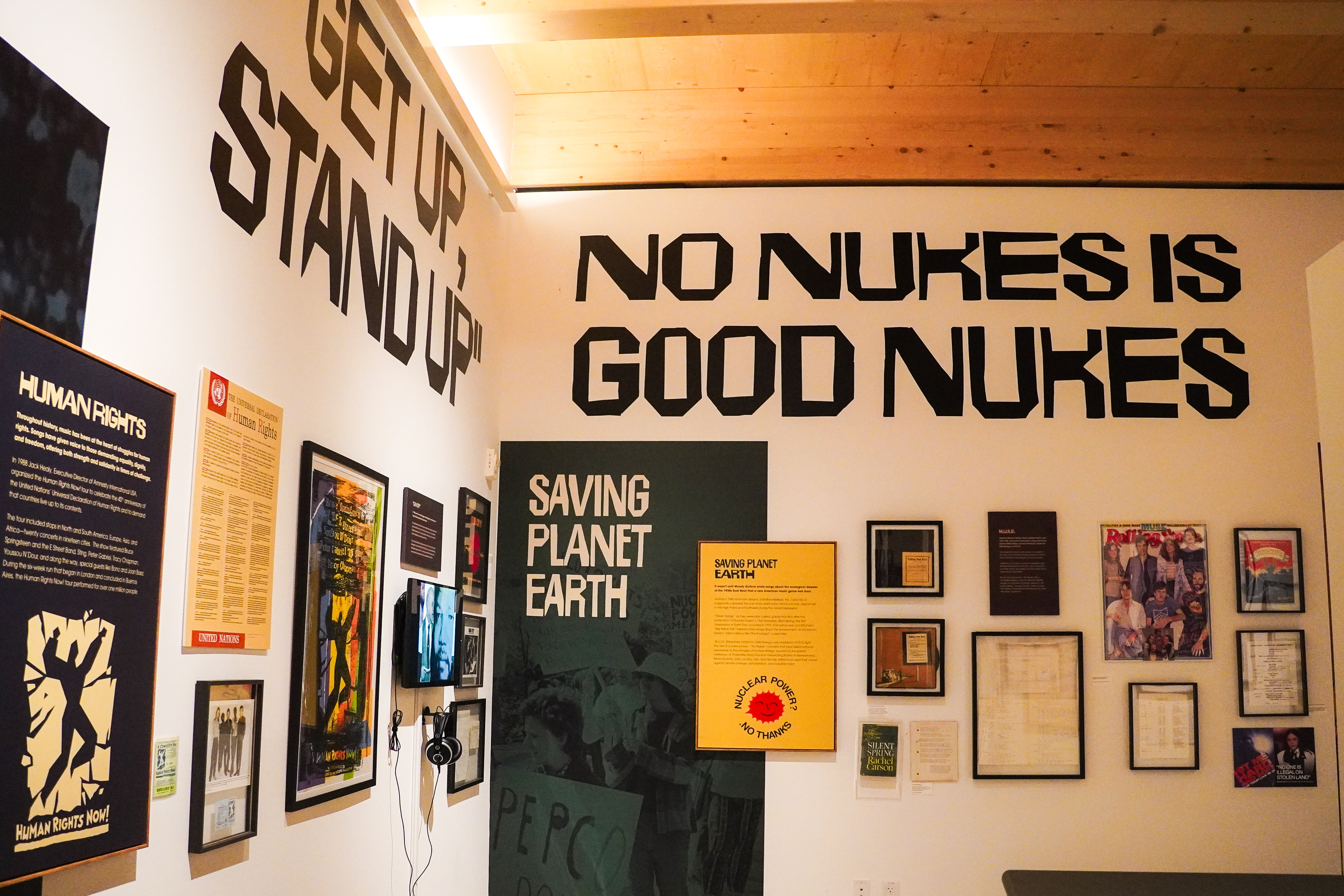
“I’ve written a lot of music that has political implications, and what I would call critically patriotic, which is really my definition of a patriot.”
Bruce Springsteen
Graduation Time
After a couple hours, we left the Center with both rekindled memories and new questions to ponder. American music is like a puzzle. The pieces may not seem to fit together, especially when there’s such different times, places, sounds and characters, but here they do.
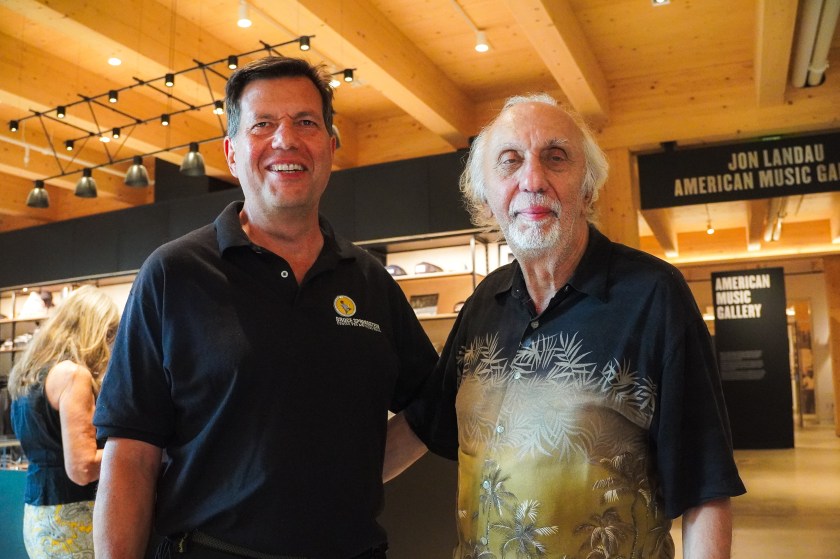
As we exited the Center – as luck or providence would have it – we found ourselves face-to-face with a familiar looking man headed in. He asked us, “So what did you think of the Center?” We told him it was a greater than expected experience, and we planned to return to spend more time there. On a whim, I asked him his name, and he replied “Bob Santelli, I’m the Director of the Center.” Wow, what a fitting end to our visit: we had met the Center’s founder and director himself who was especially warm and grateful for our visit.
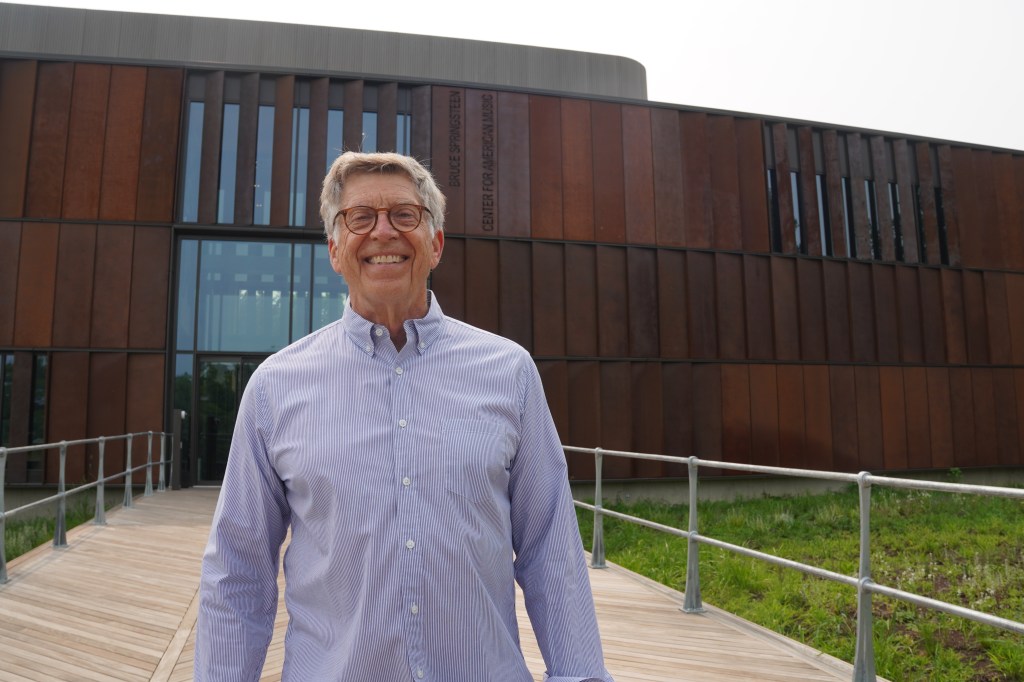
It seemed, at least for that moment, we became part of the American music legend.
Visitor Notes
Visitors should allow at least two hours for the visit and buy tickets online. Tickets are reasonably priced at $22 for adults, with discounts for seniors, children (7 to 17), and veterans. Children under 7, active military, and Monmouth University students can enter free.
Sources
- Bruce Springsteen Center for American Music – website for the Center. Learn more. Purchase tickets.
- Nick Corasaniti, “Bruce Springsteen Opens His Music Center, With Guitars” New York Times, June 11, 2026
- Sonja Anderson, “A Museum of American Music—Headlined by Bruce Springsteen—Opened in New Jersey With Instruments, Lyrics and Clothes From Rock Stars and Pop Legends” Smithsonian Magazine, June 15, 2026
- Min Chen, “How the Bruce Springsteen Center Is Telling the Story of American Music” Artnet, June 12, 2026
- “Hallowed Ground: Cultural Placemaking at the Bruce Springsteen Center for American Music” Cookfox Studio News, June 9, 2026
- PBS documentary – Finding America in Song. Maybe the best overall presentation of the purpose and overall reasons to visit the Center.