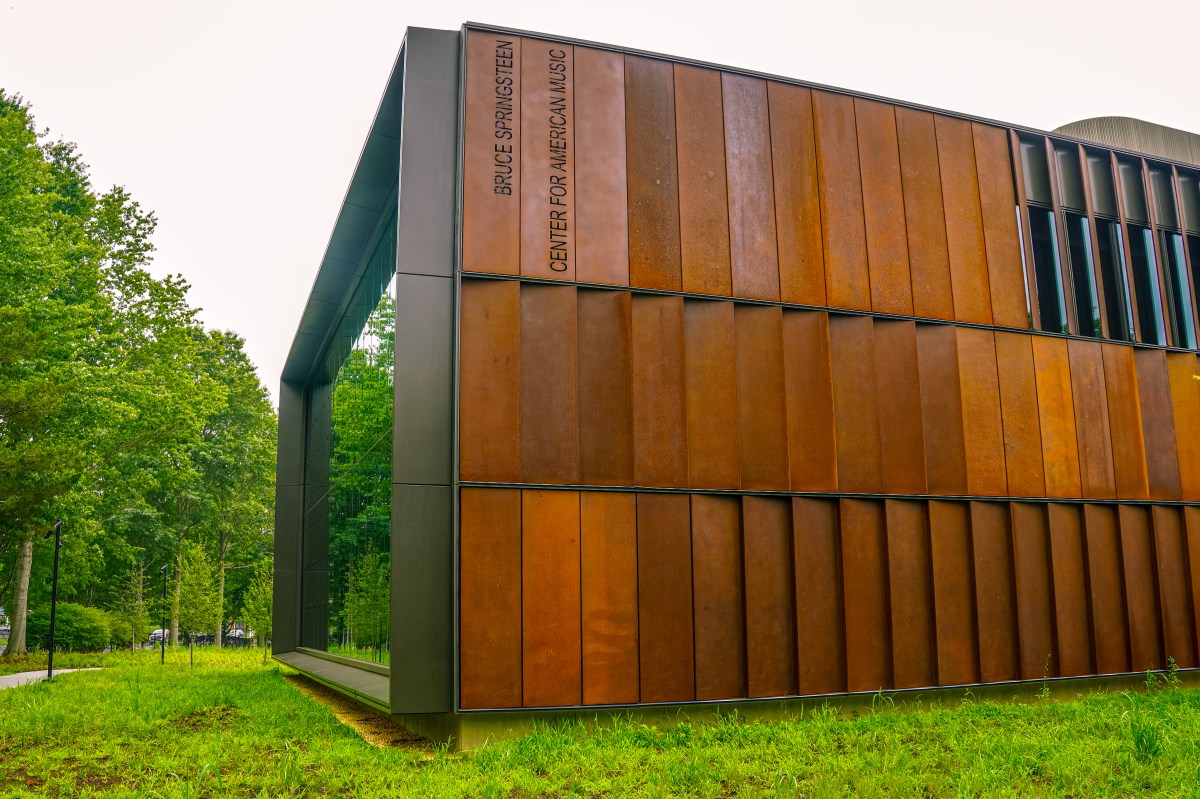
We visited a new building on campus to sing about. Bruce Springsteen has donated his archives to the public as part of the story of American music. And it here in New Jersey down the shore!
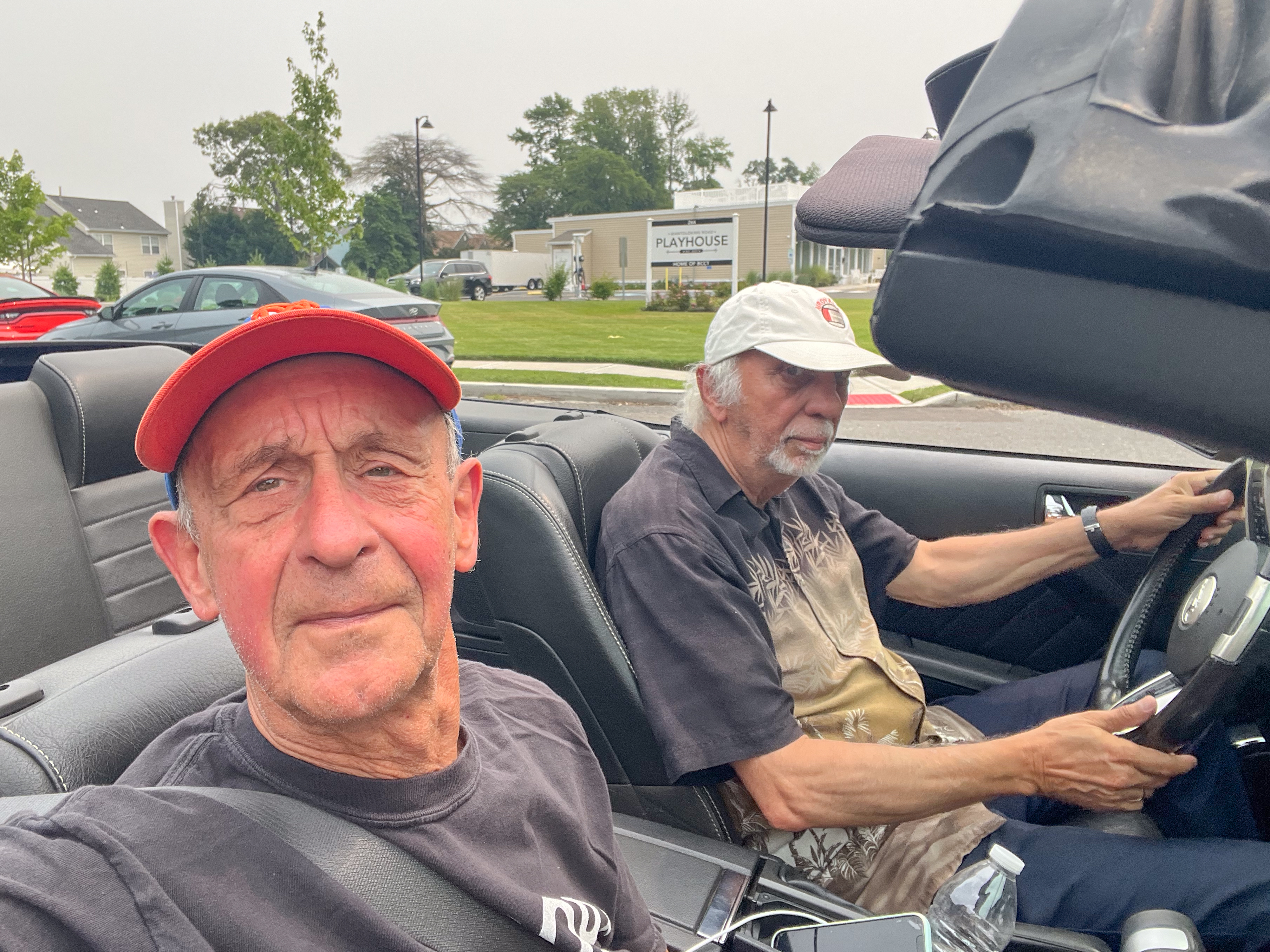
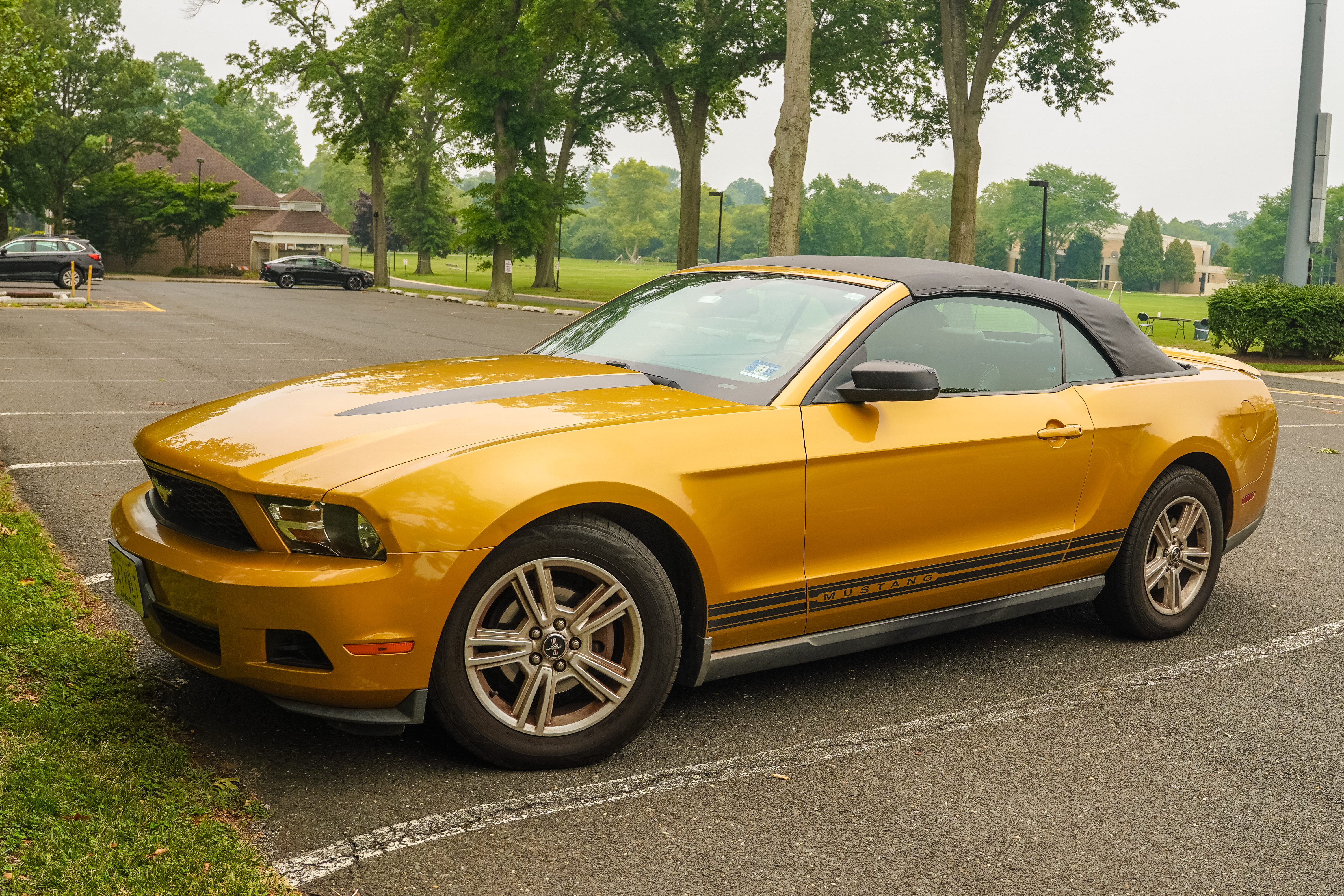
As the convertible top magically lifted and then disappeared behind us, the radio played loudly. My friend George Kachoogian and I were headed out in his 2010 Mustang gold convertible for our latest adventure. It seemed fitting for two old guys to drive a “hot car” to learn about Jersey lore and the popular music that’s been the soundtrack of our lives for many years.
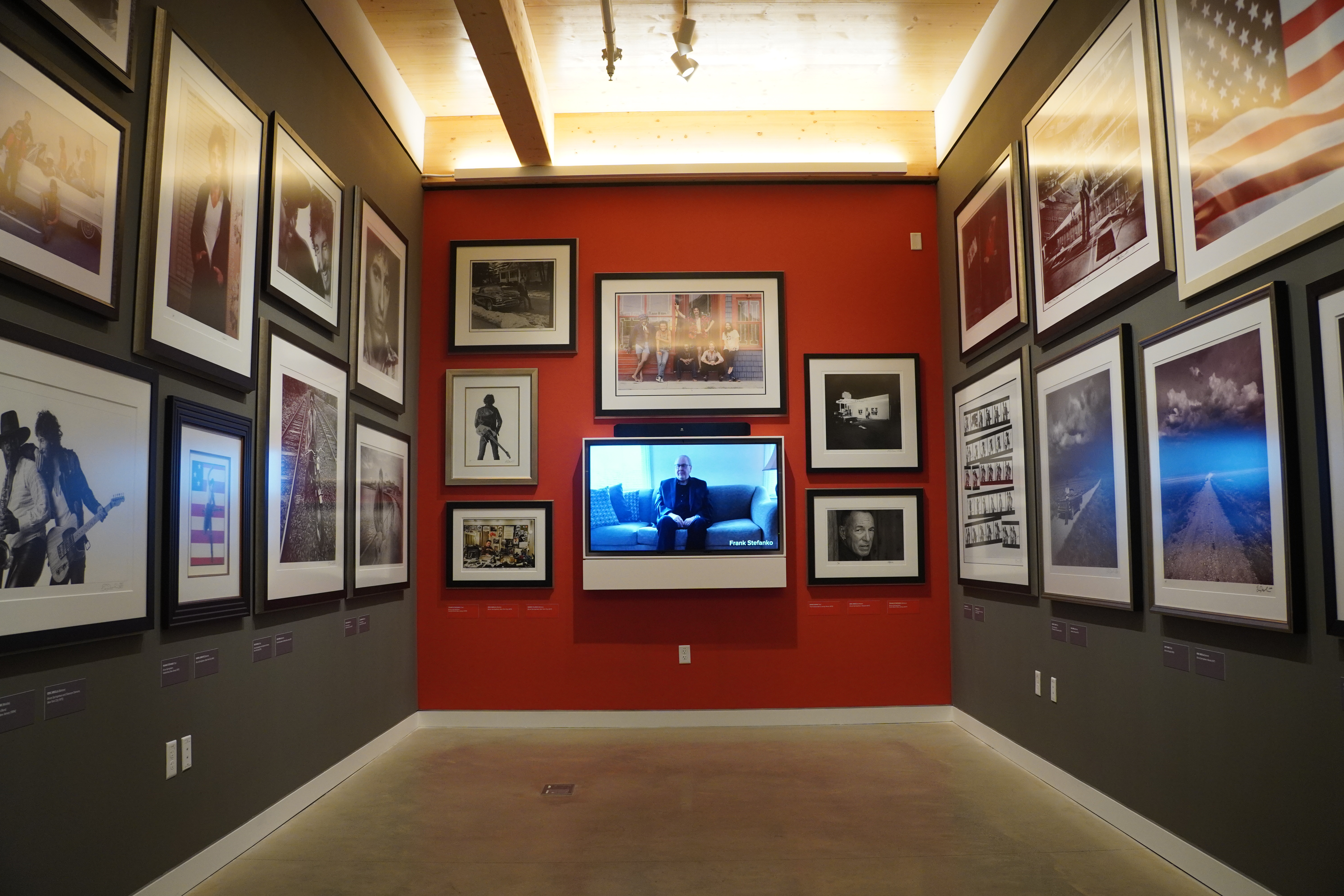
Our destination was the newly constructed Bruce Springsteen Archives Center for American Music (BSACAM) that opened on June 13, 2026 in West Long Branch, NJ. We were there to discover what made Bruce Springsteen and American music special. This time it was not about listening to particular songs or a concert, but the act of getting closer to the artists, the culture, and the relics that spurred this creativity.
The New Building on Campus
There’s no doubt that New Jersey helped shape Bruce Springsteen. Now, Bruce is giving back to the state by supporting a museum dedicated to the broader history of American music and his evolution as an artist.
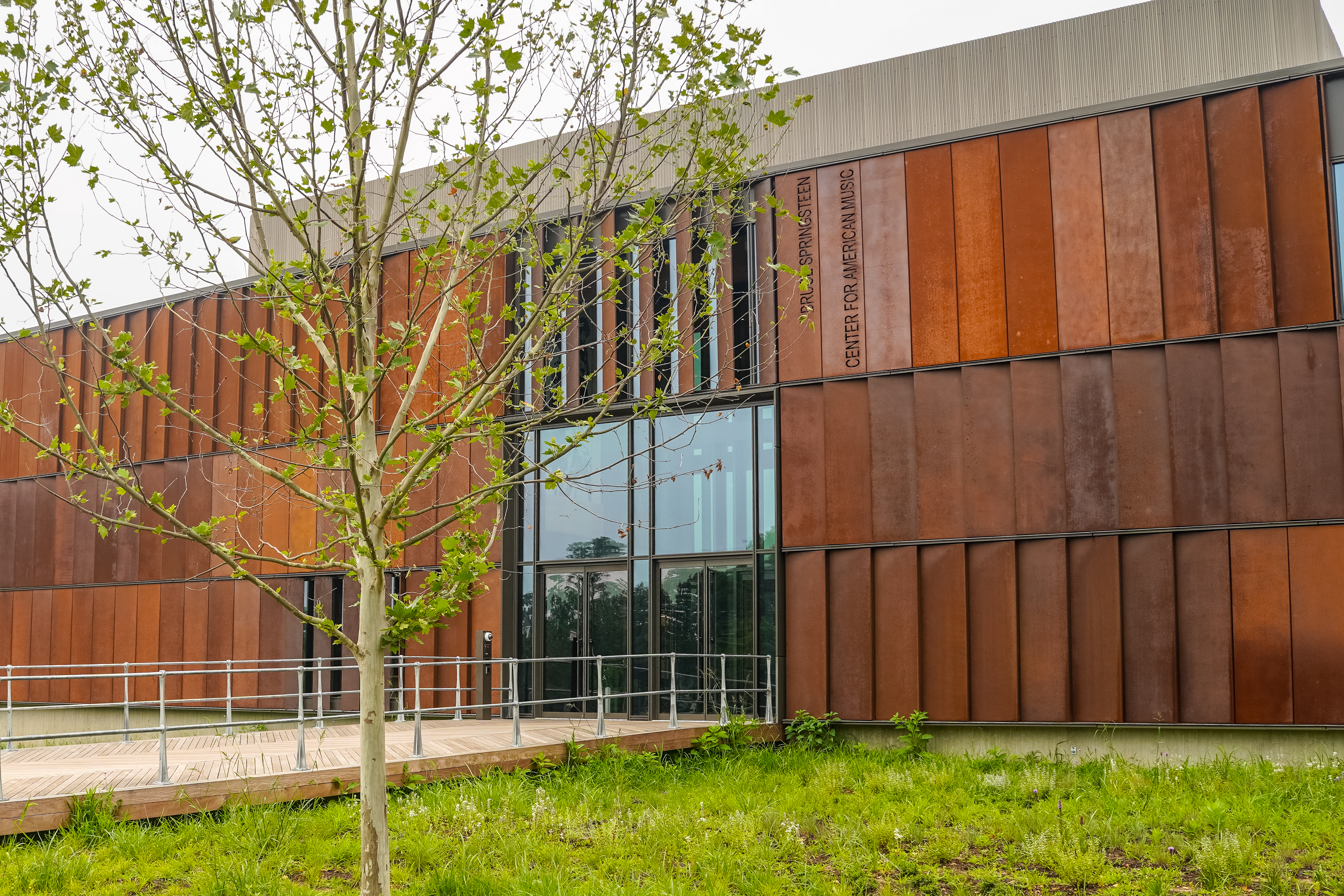
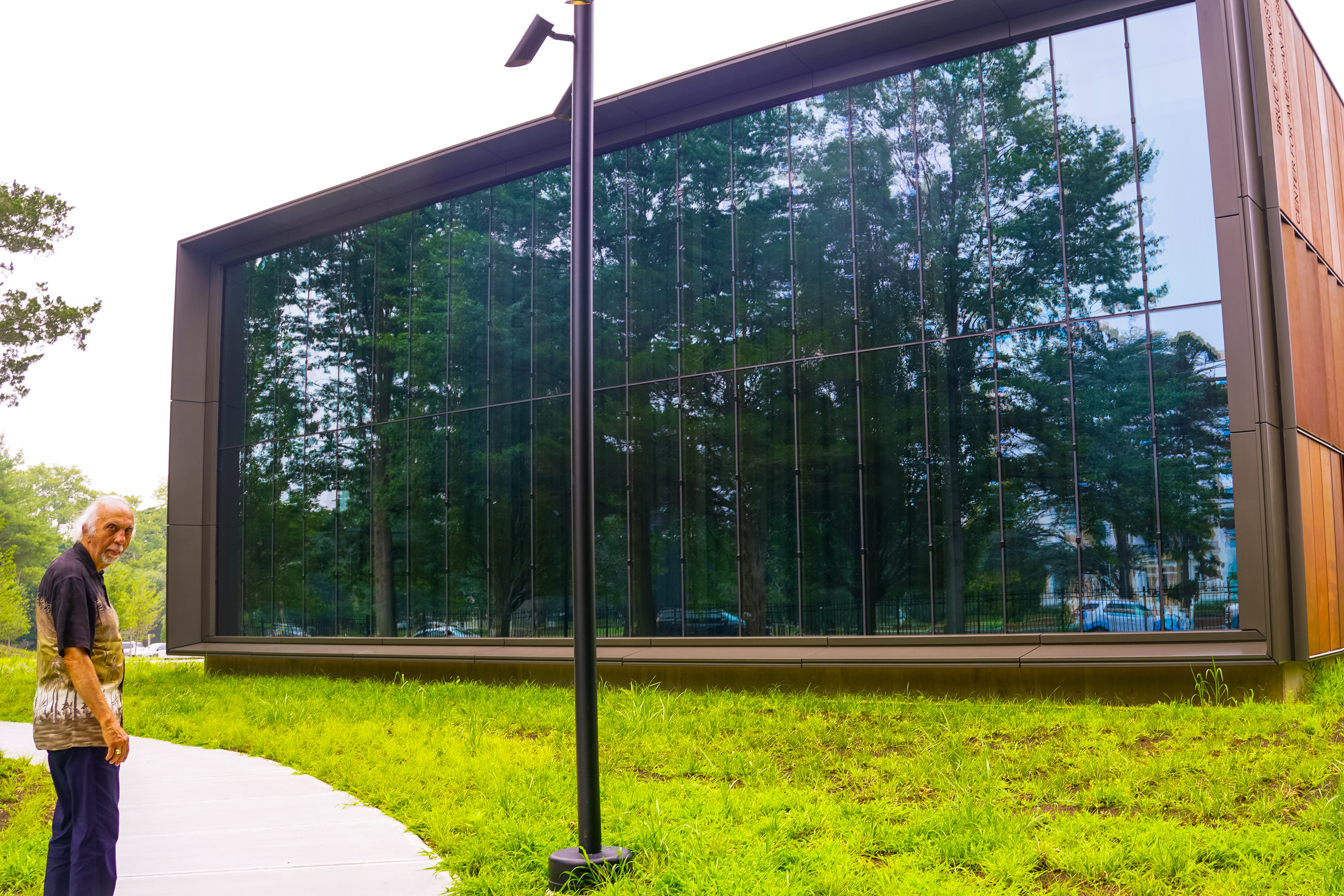
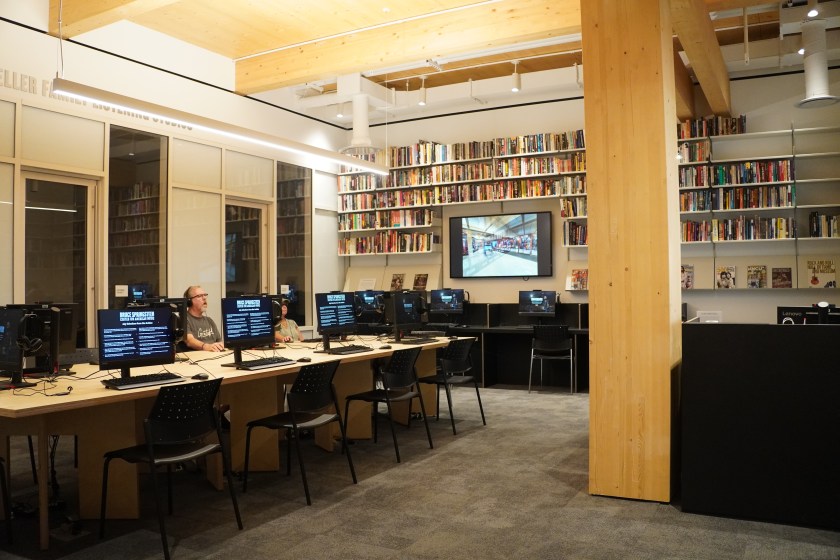
The $50 million 32,000-square-foot Center is housed in a striking, industrial-style building on the lush and stately campus of Monmouth University. The University hopes to integrate the Center into its curriculum and make its collections available as a research resource. The Center features exhibition galleries, archives, immersive interactive experiences, and a performance theater.
The origin story of the Center begins with a group of Bruce fans, who over many years, collected memorabilia and artifacts of Bruce. About nine years ago, largely through the efforts of Bob Santelli – a well-known NJ music industry author, promoter, and friend of Bruce – a nonprofit organization was created to develop an exhibit space on land provided by Monmouth University. While much of the content they had related to Springsteen, Bruce insisted that the Center not focus solely on him, but rather tell the broader story of American music.
“I’m a small link in a big chain. I’m the guy that came along and kind of picked up the flag. That’s the way it works. You run with it for a while, and you pass it on to the next guy. I think the center reflects that.”
Bruce Springsteen to the New York Times
This new, but rusty-steel looking building has a wide, welcoming entrance framed by low-lying plants. We learned later that it was intentionally designed to convey a Jersey-like factory surrounded by dune plants and approached by a boardwalk. In other words, it is classic Bruce style meant to honor his home state and the Jersey shore area that helped shape him.
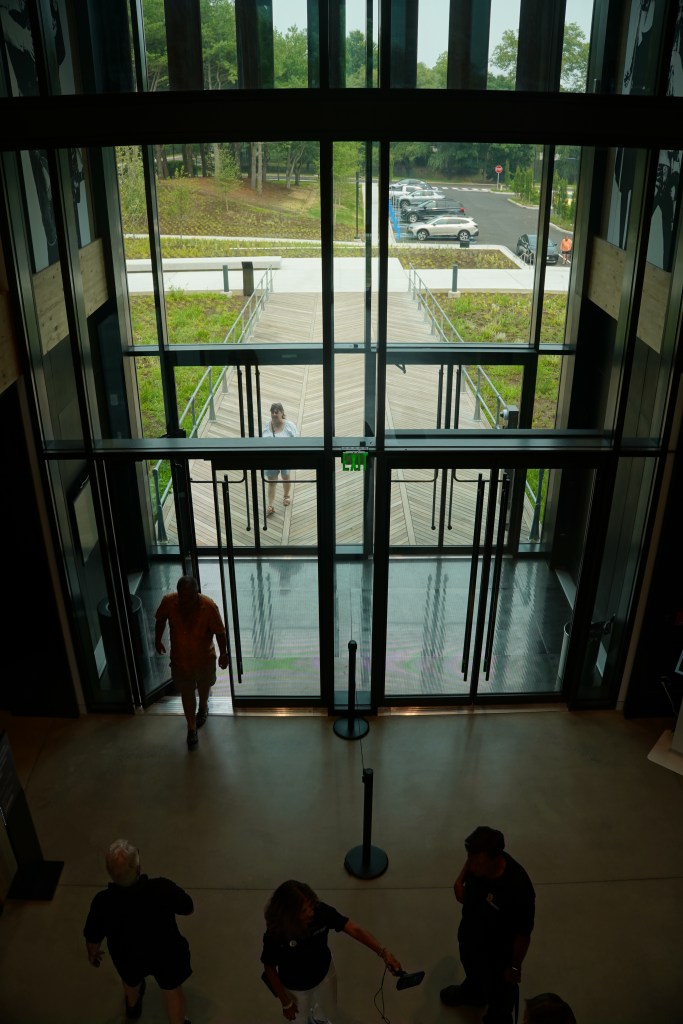
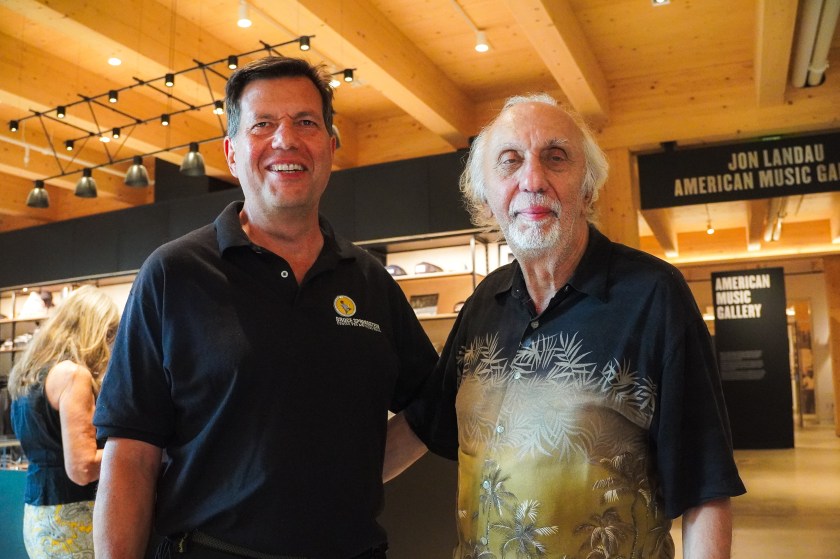
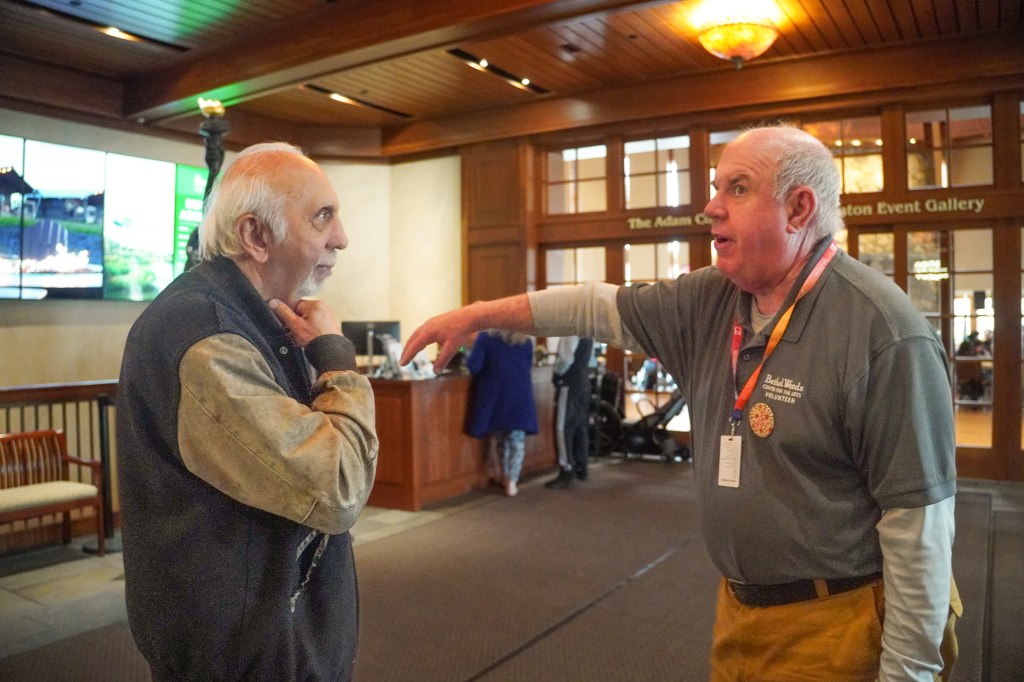
As we entered the large atrium, we were warmly greeted by a volunteer docent who provided basic information and recommended where to begin our building tour.
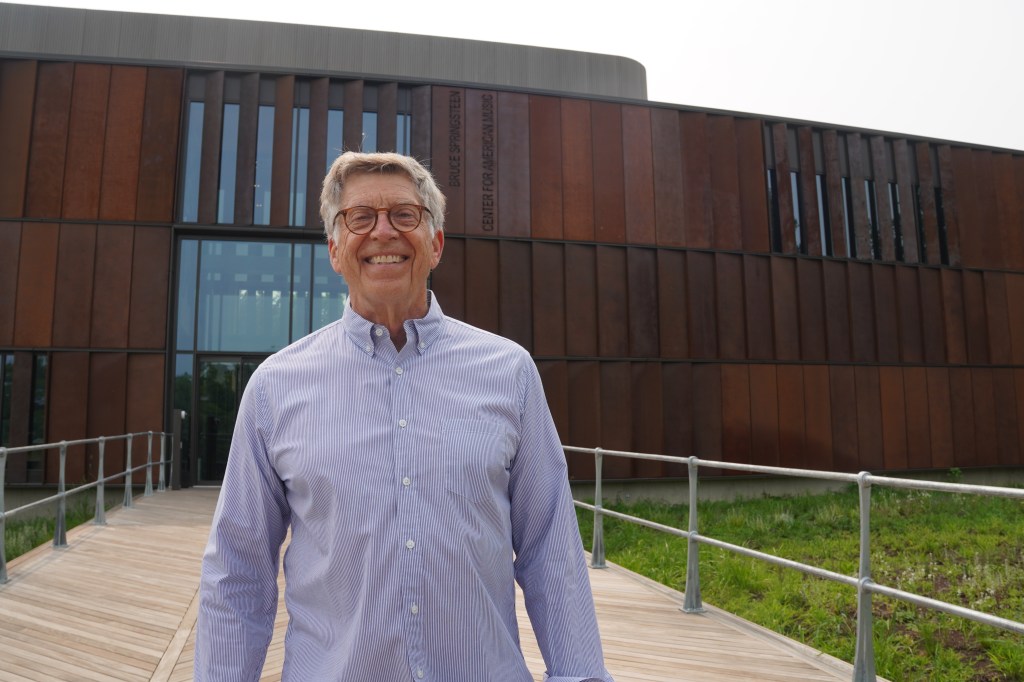
Our helpful docent and George
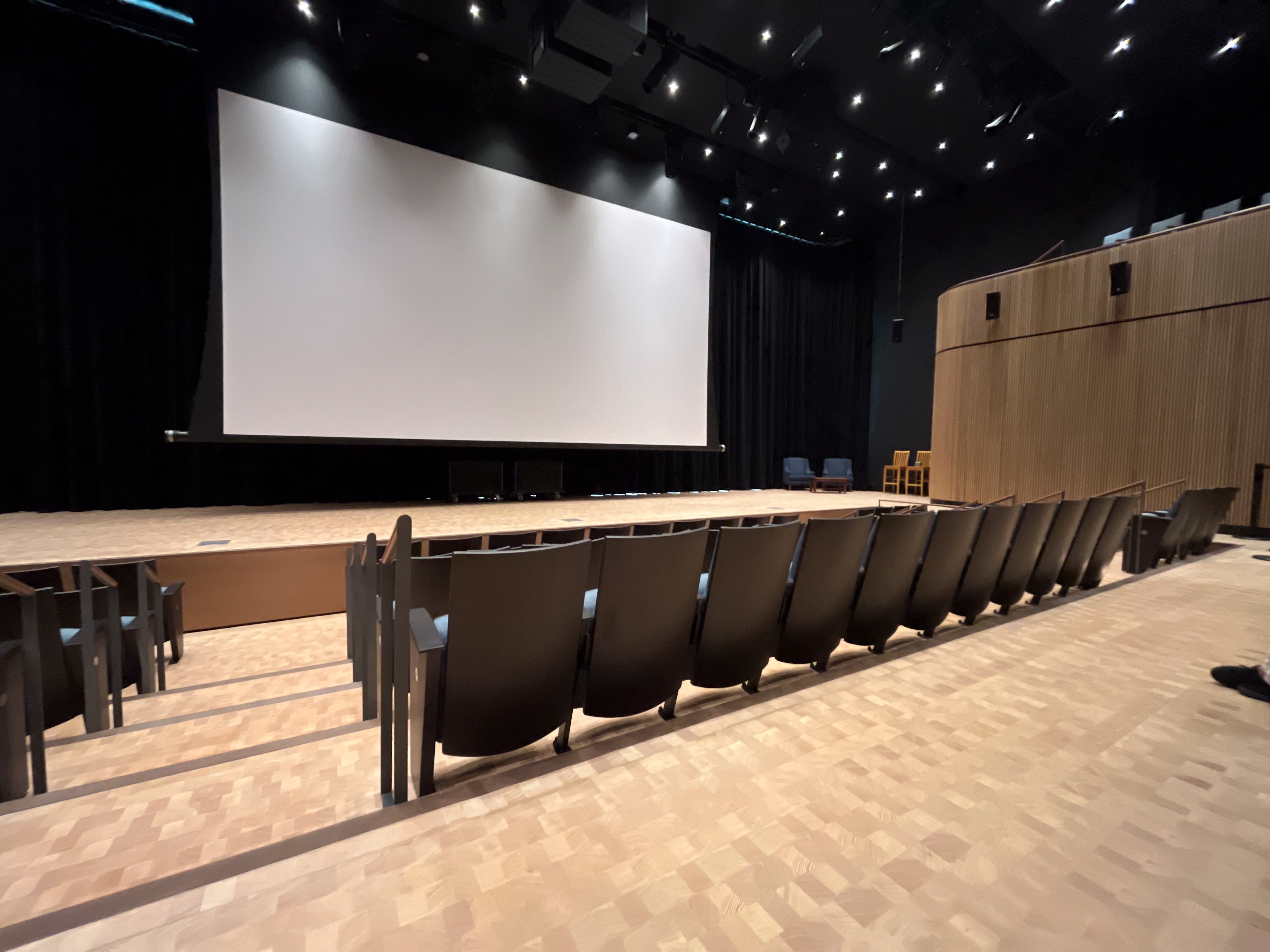
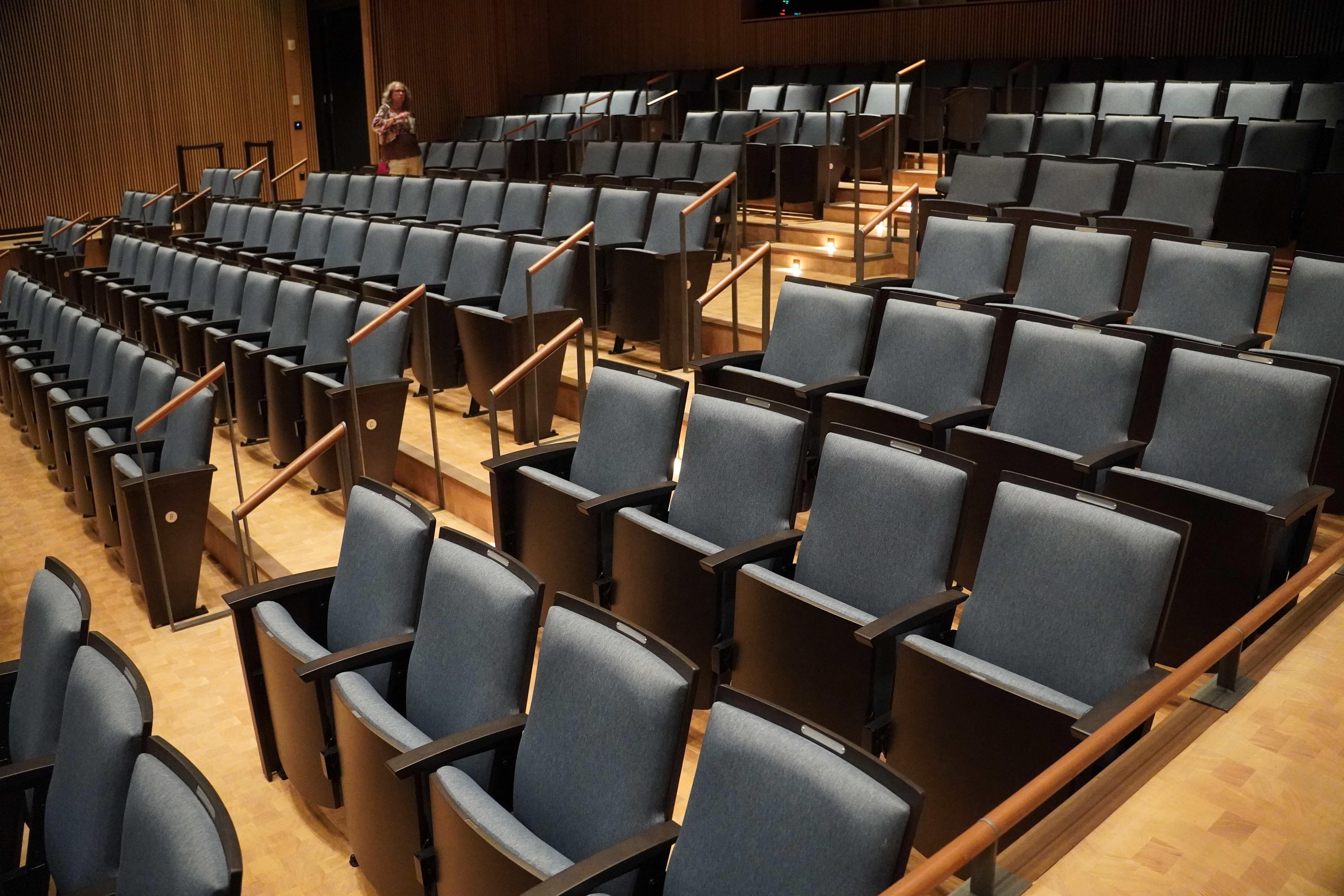
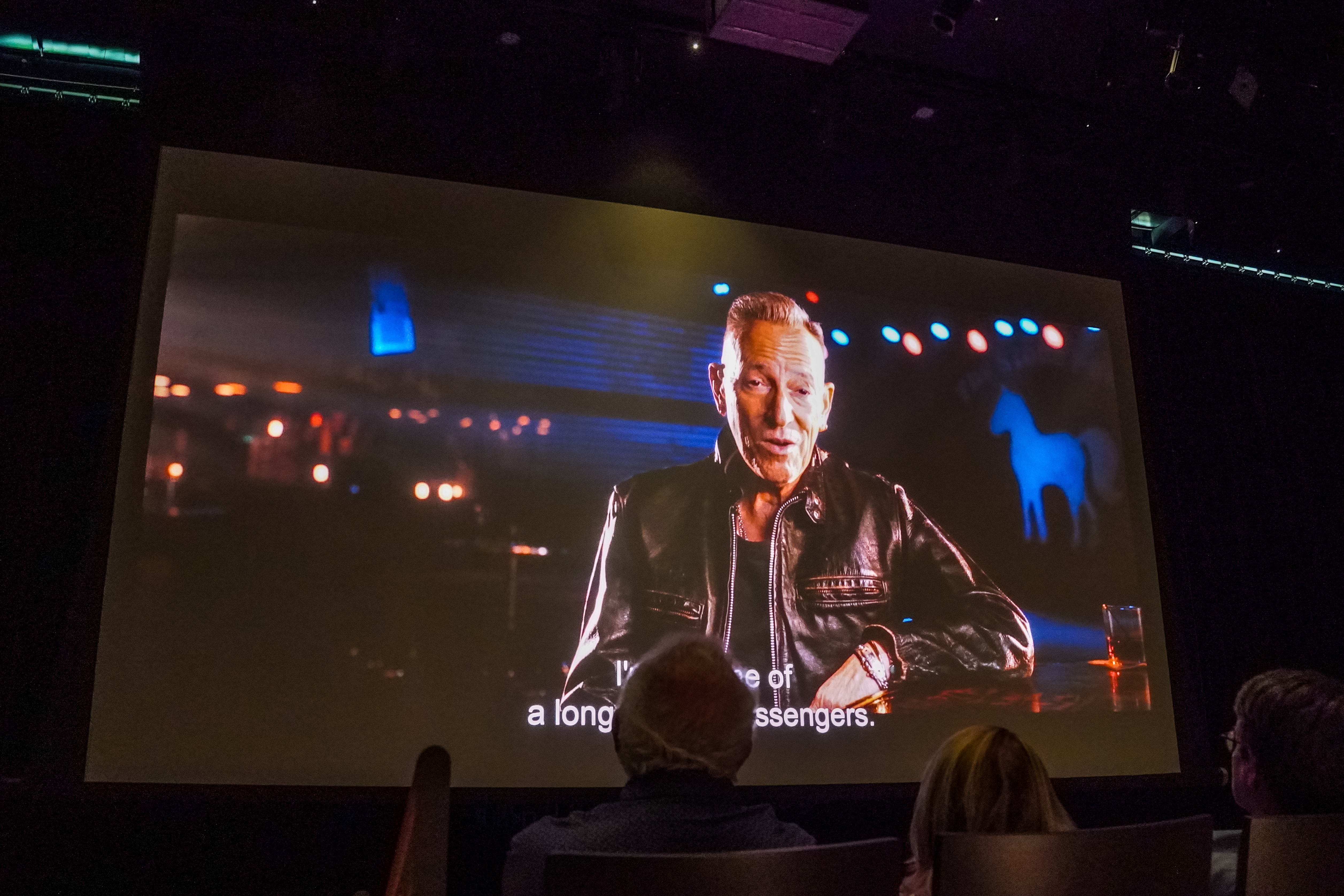
Based on the docent’s recommendation, we began in the theater watching the special 25-minute documentary by Thom Zimny called The Ties That Bind: Bruce Springsteen’s American Music Journey. The film places Springsteen’s career within the broader story of American music. It’s a high-quality film shown exclusively in the Center’s impressive 250-seat theater and is not available online.
First Floor – American Music
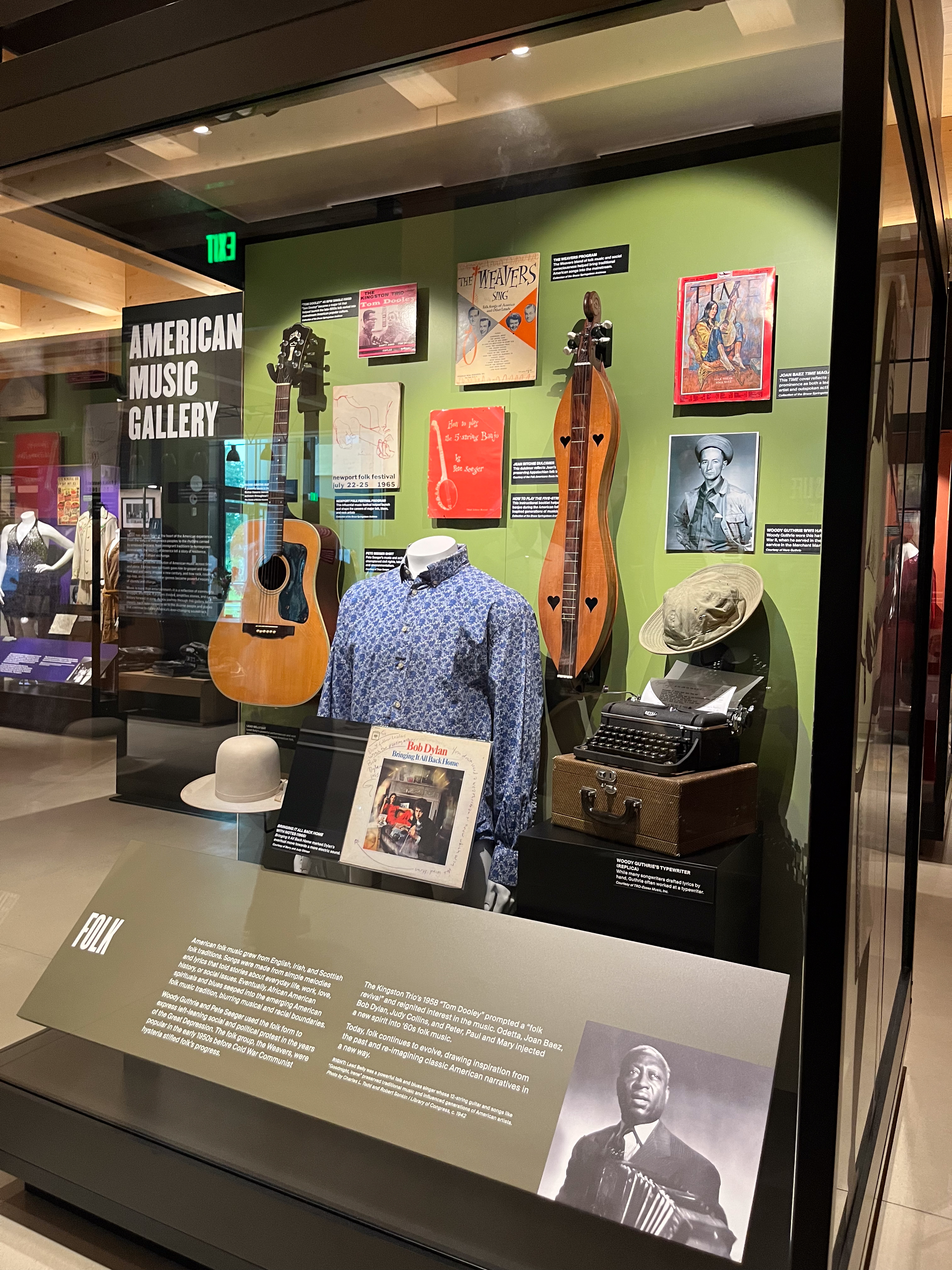
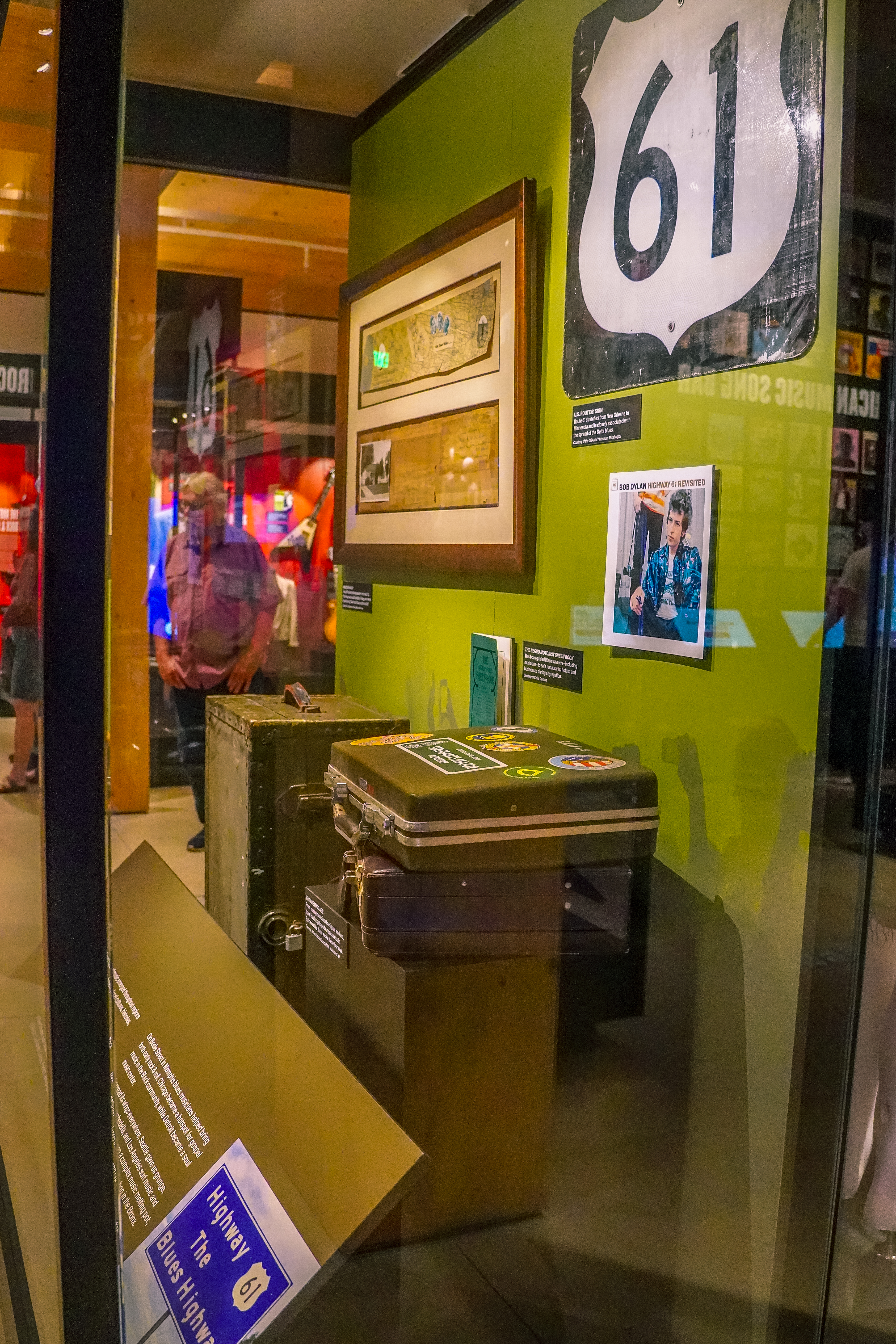
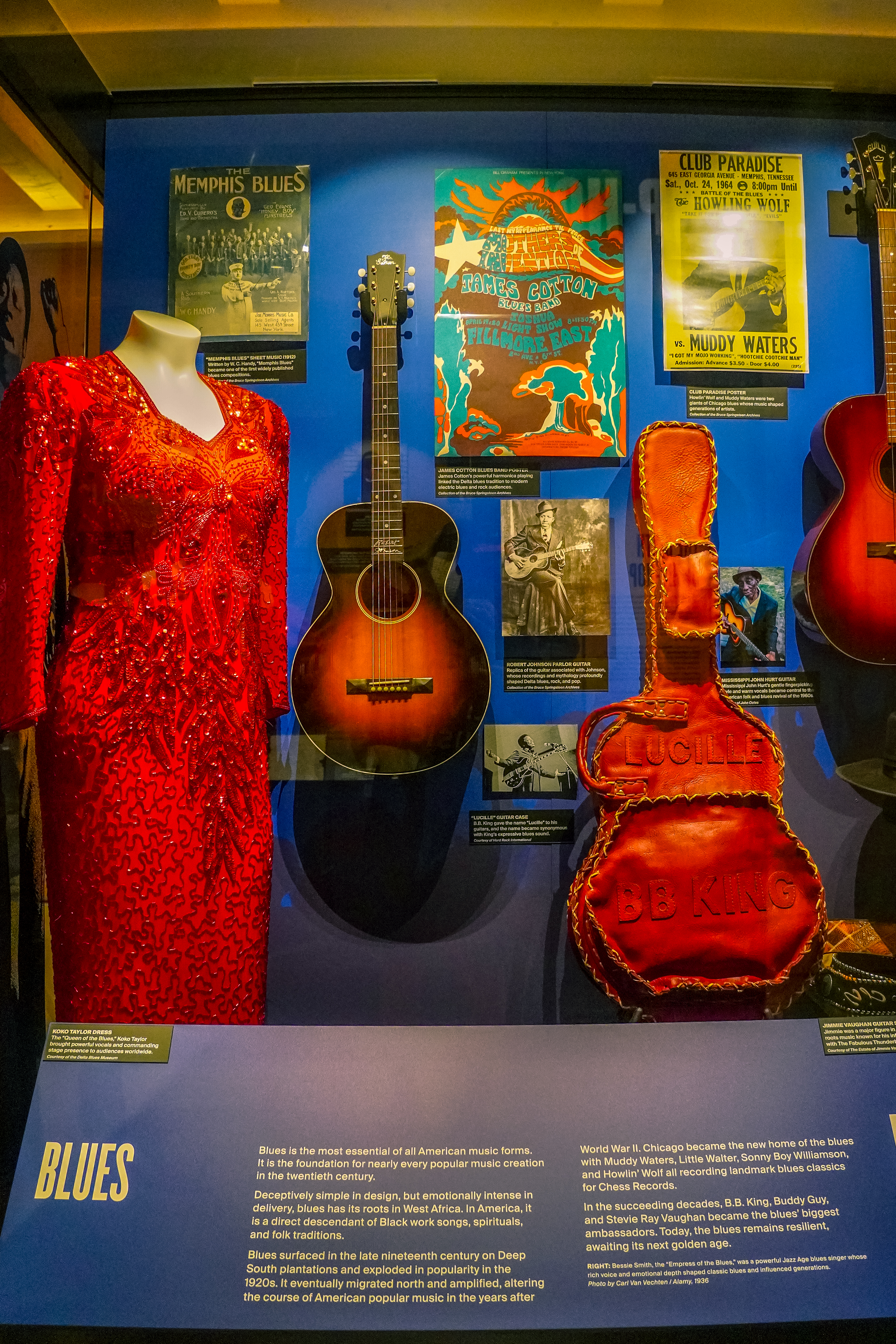
Perhaps the most absorbing and time-consuming area is the first floor, where exhibits display and tell the story of many musicians and songwriters across a wide range of genres. It demonstrates how different genres from country and blues to jazz and rock and roll—influenced one another.
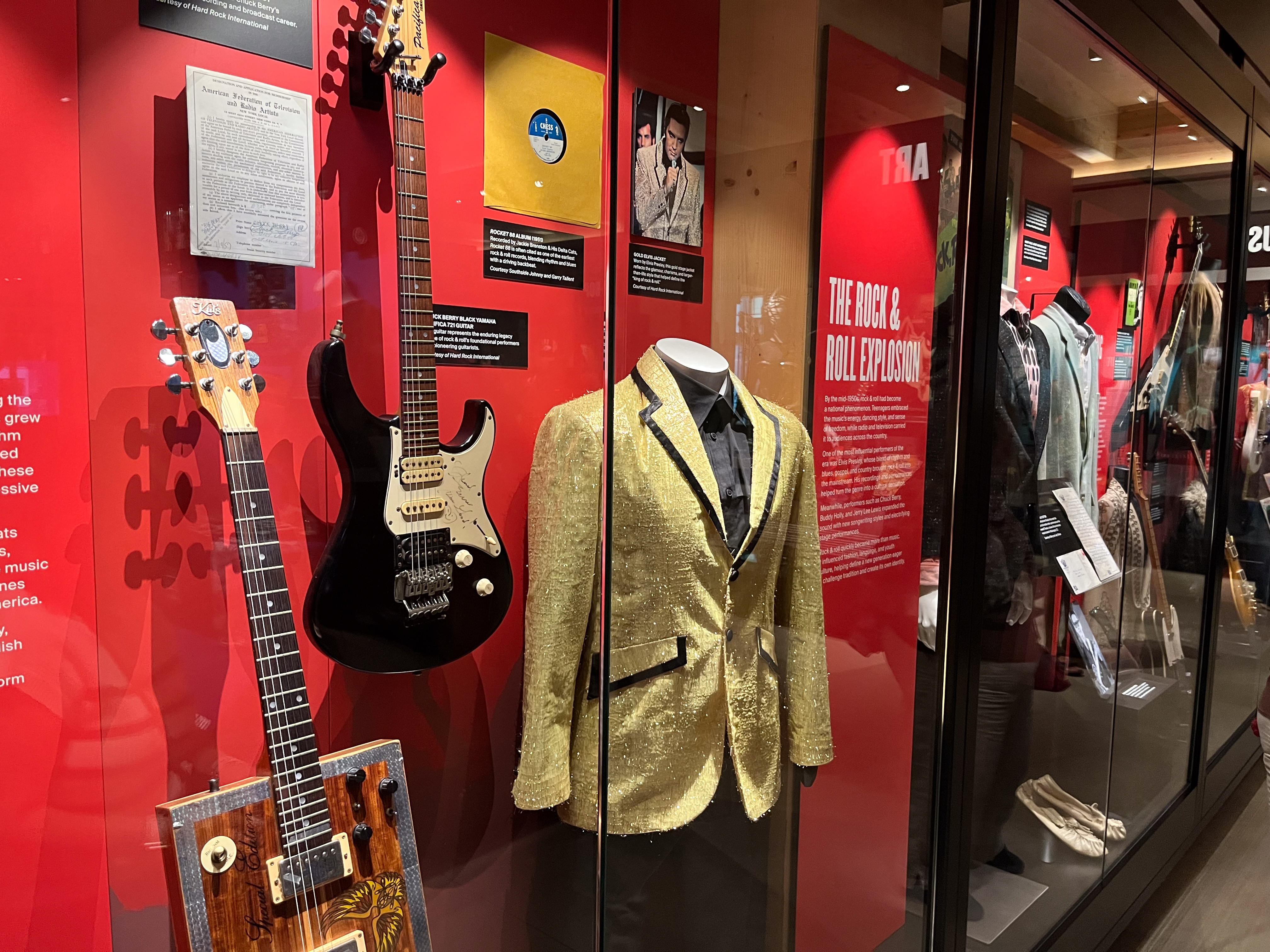
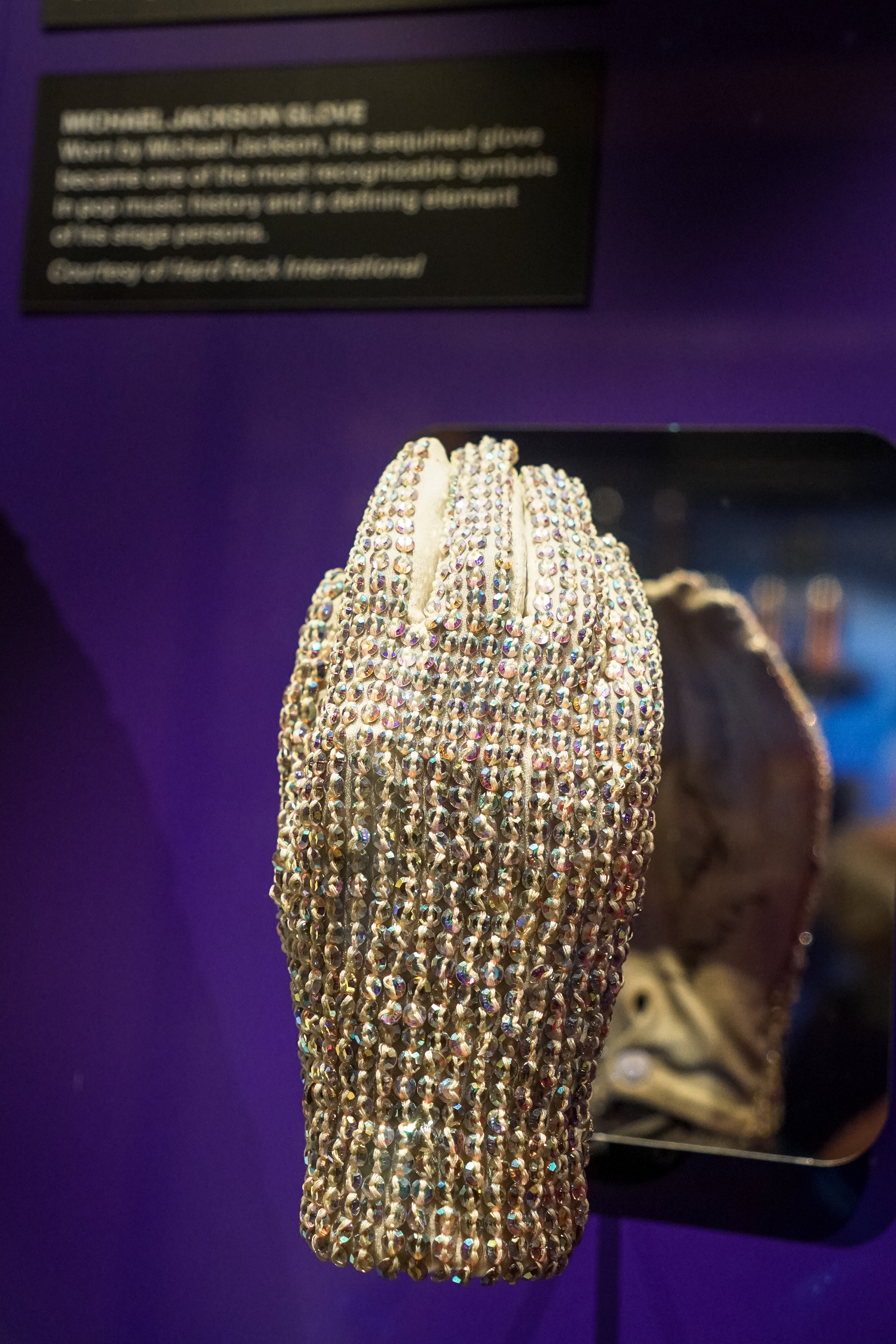
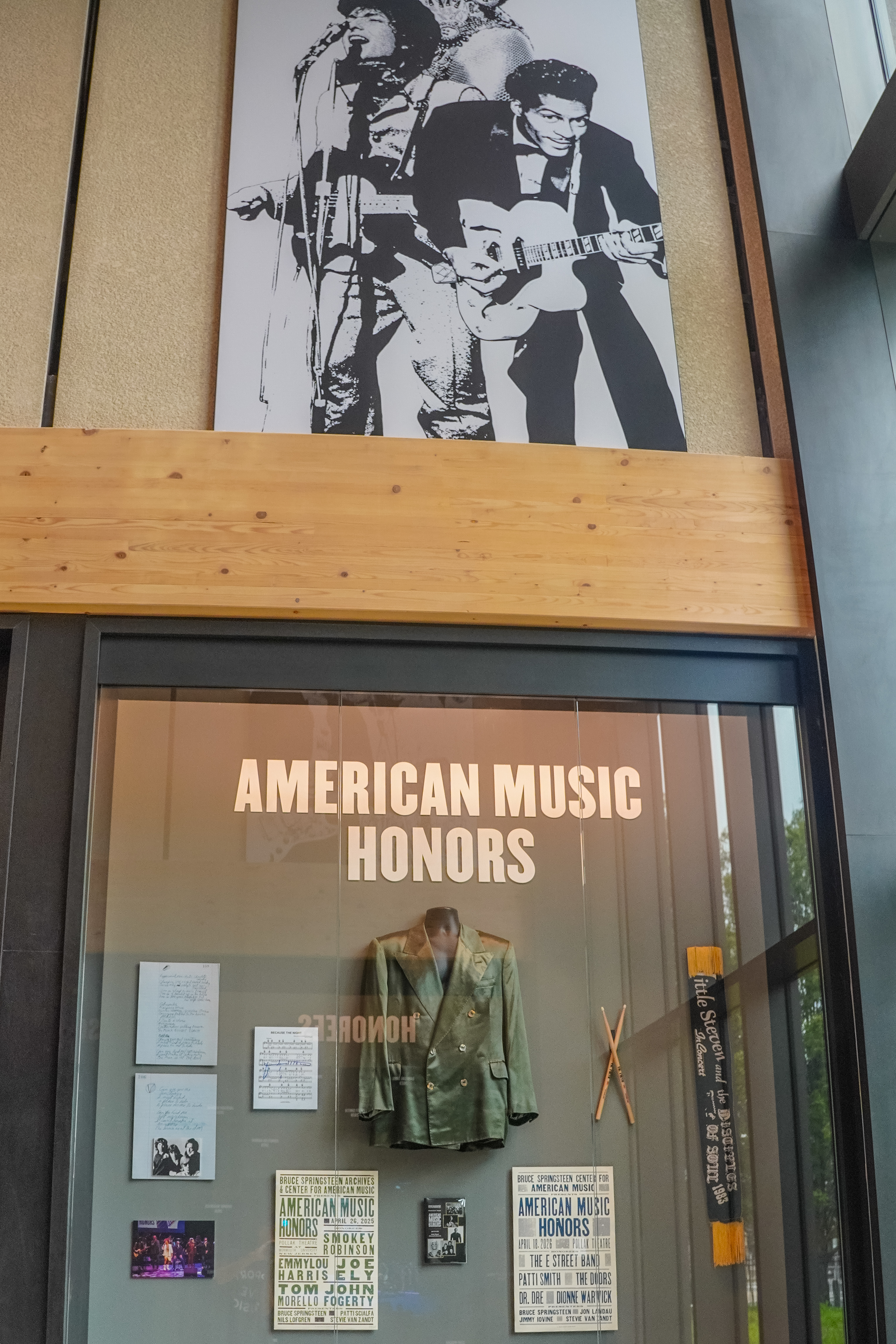
Display cases house artifacts, including Michael Jackson’s sequined glove, Louis Armstrong’s trumpet, John Coltrane’s sax, Ella Fitzgerald’s dress, Elvis’ jacket, Frank Sinatra’s shoes, a letter Buddy Holly wrote to his mom, a Lady Gaga costume, and more. Most of these items have been donated or are on loan to the museum, which will feature expanding and rotating collections representing many artists.
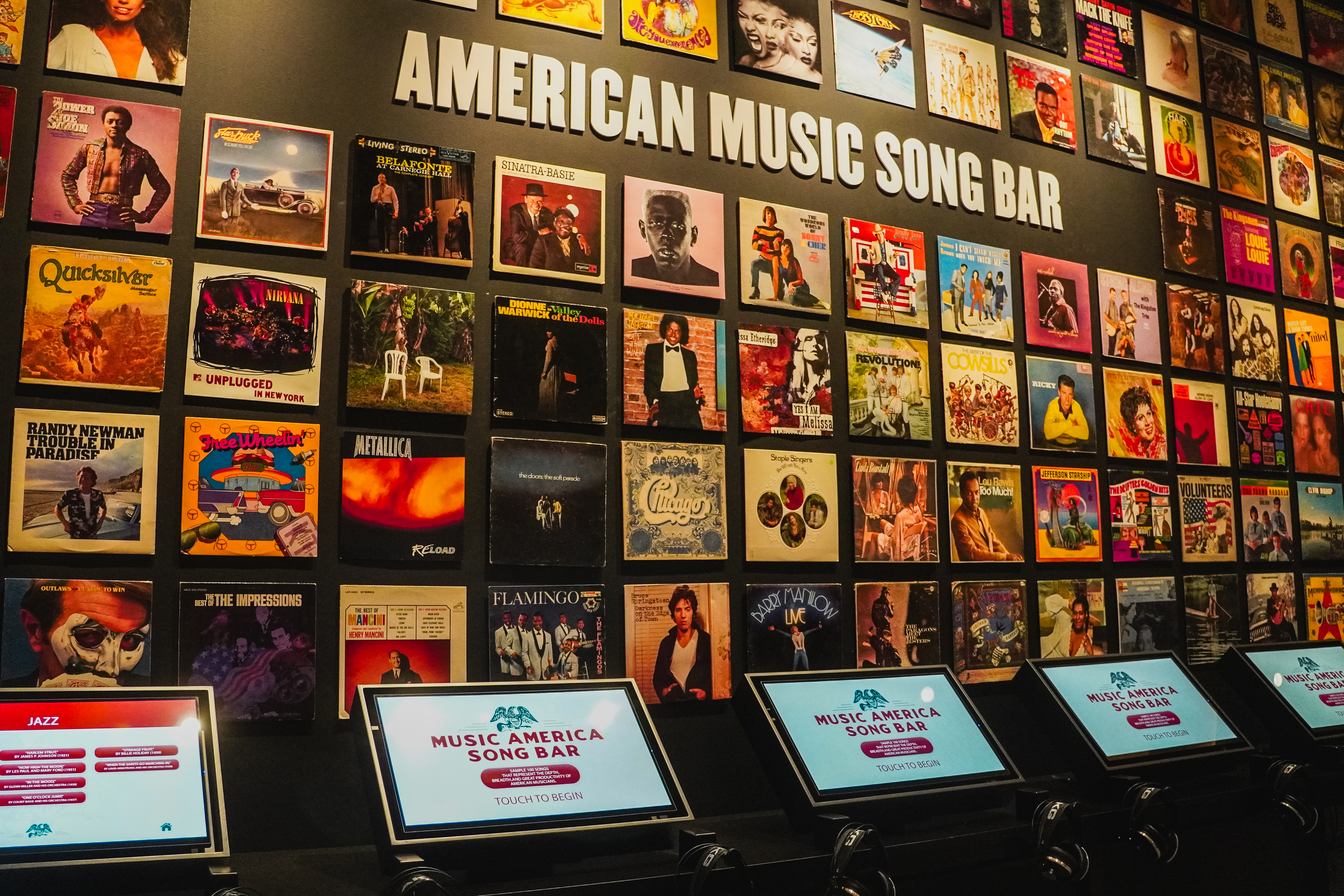
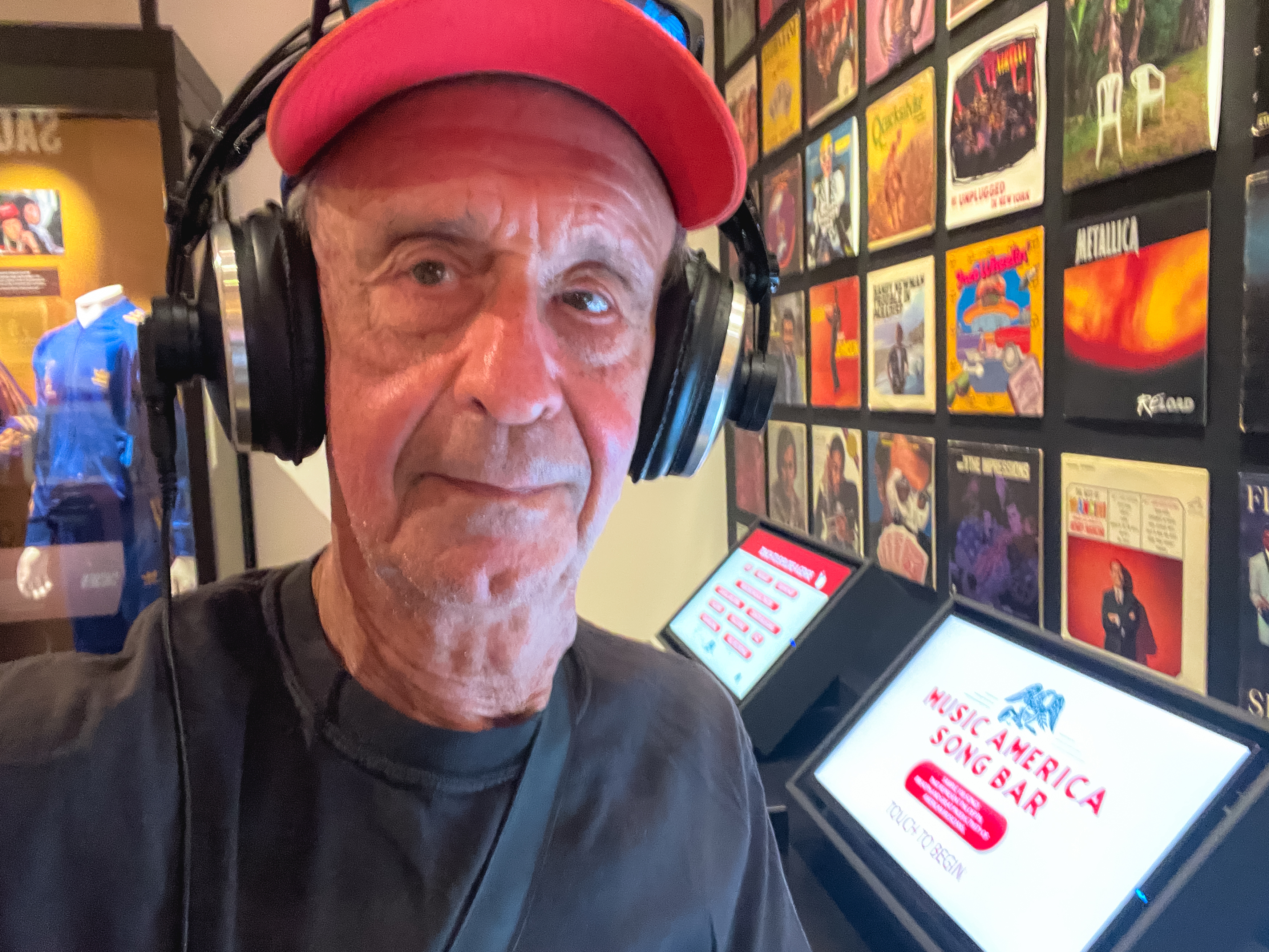
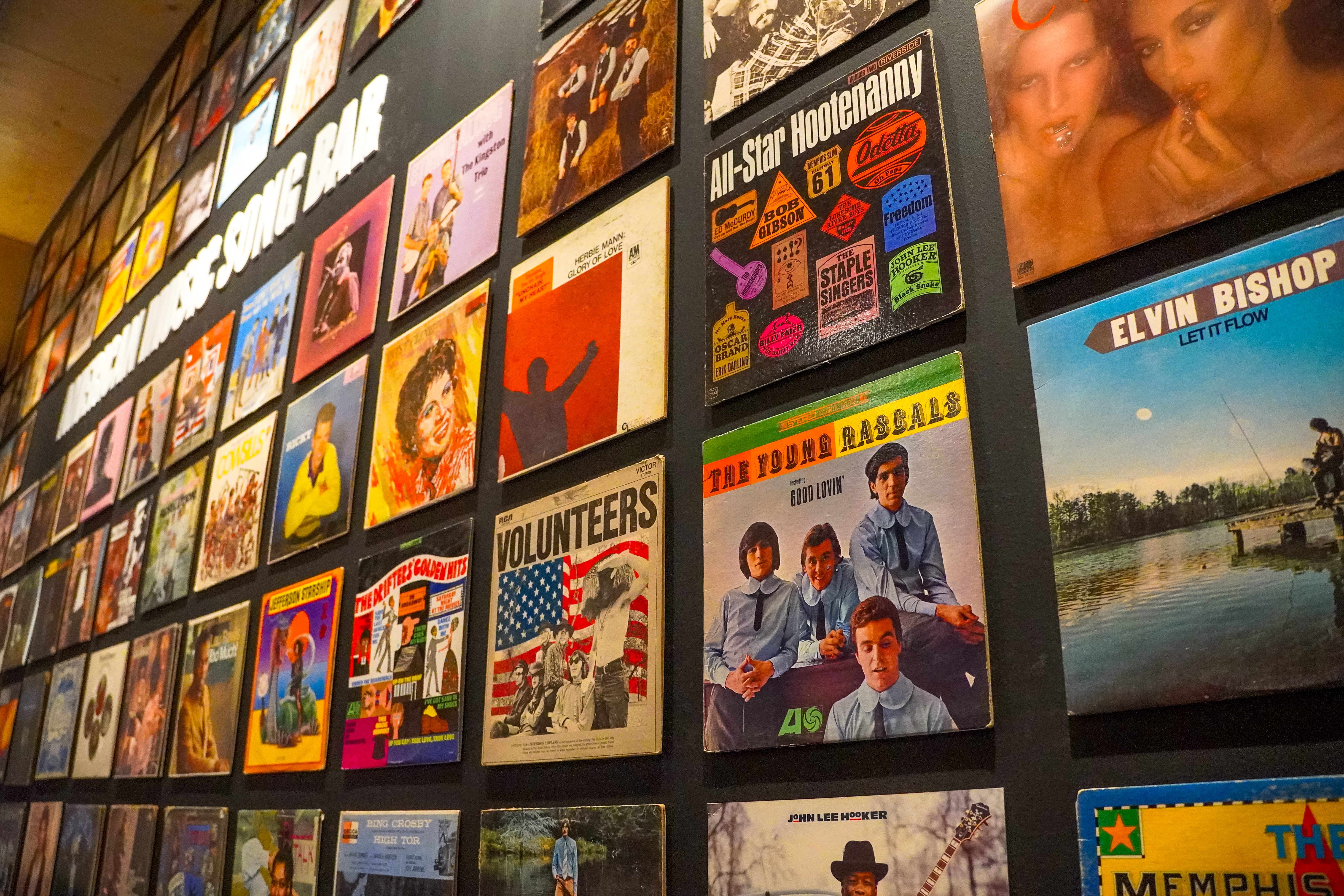
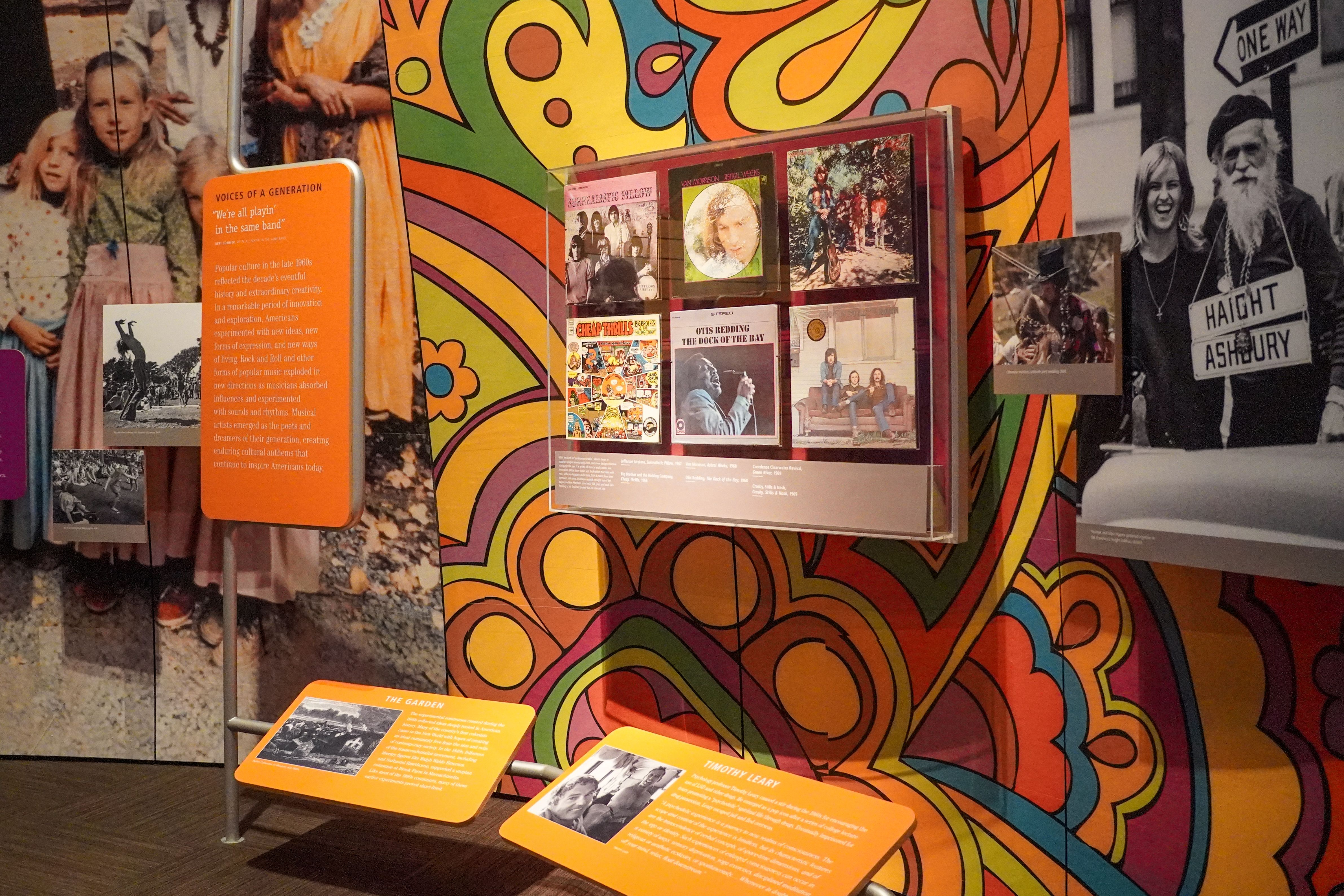
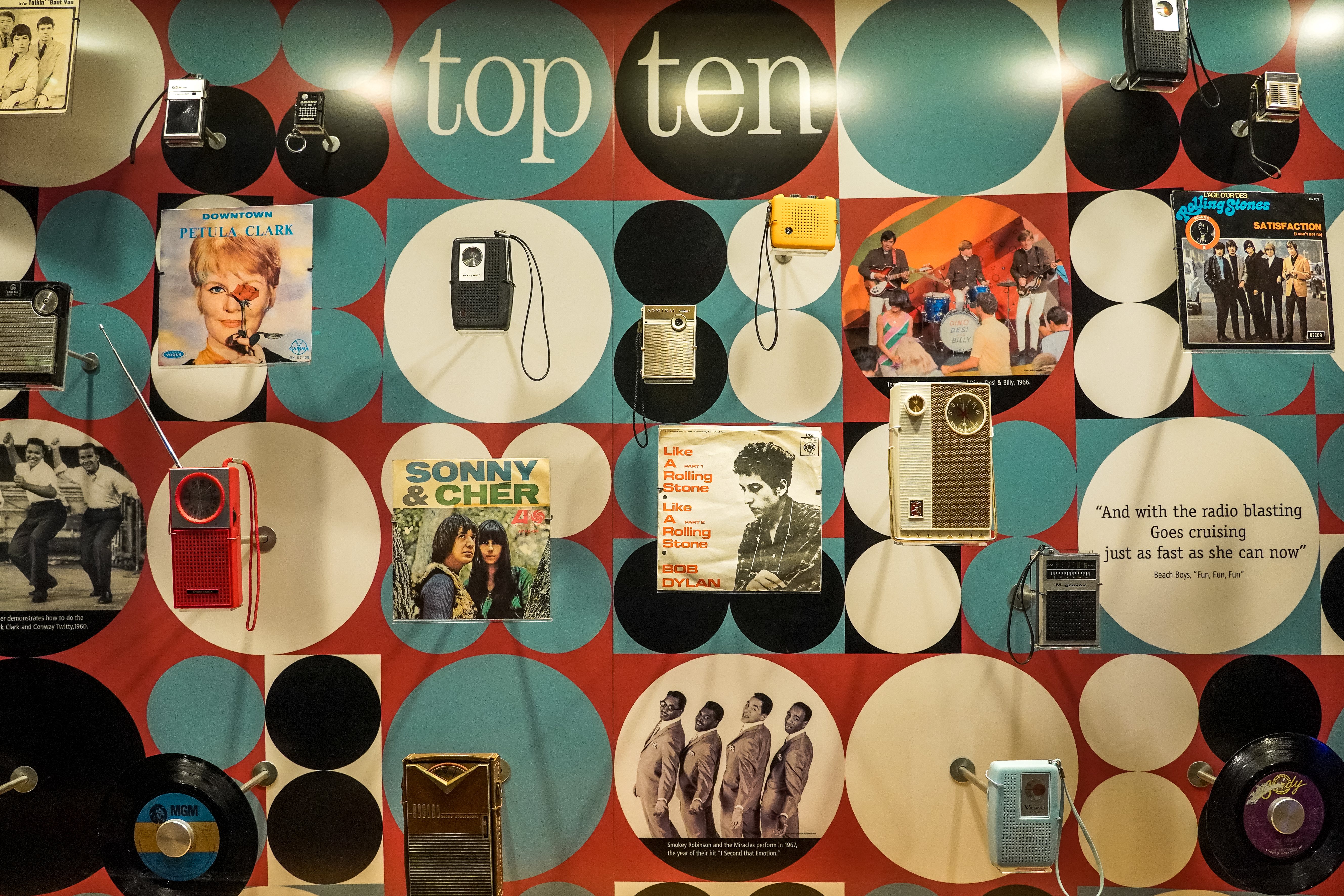
There is a large wall known as the American Music Sound Bar where visitors can listen to music by genre and learn where each style originated. It is a place to connect the dots, to trace and connect a certain sound to where it started and flourished. The display of album covers is especially captivating for anyone who remembers the great days of 78 LPs. Each one calls up memories of songs, groups and past glory days. You could easily spend hours here just exploring!
Second Floor – Bruce’s Career and Chimes of Freedom Exhibit
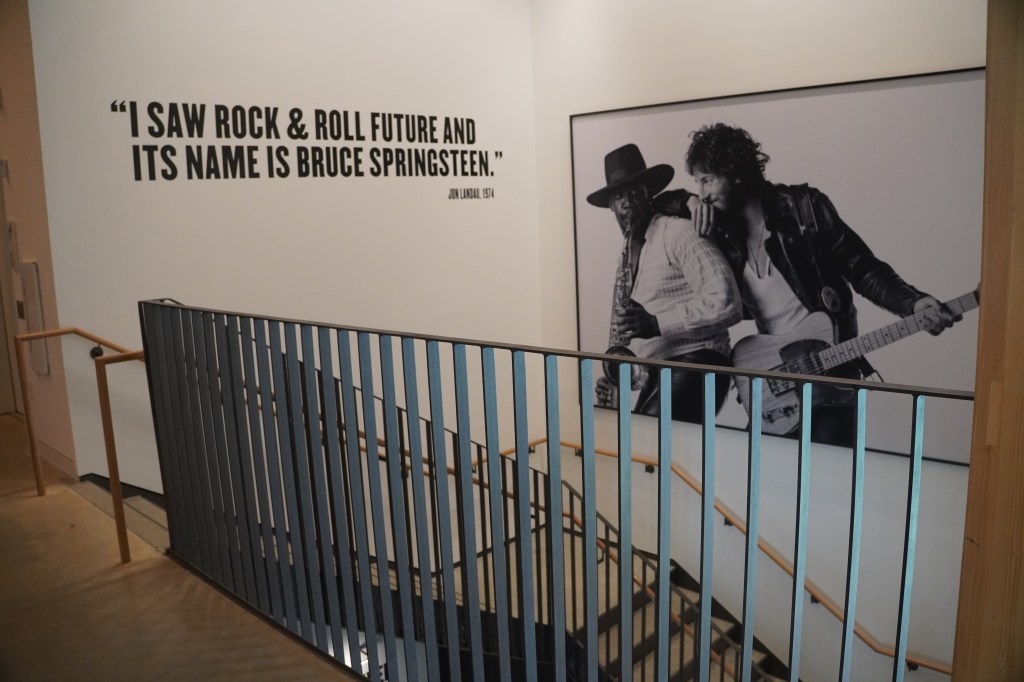
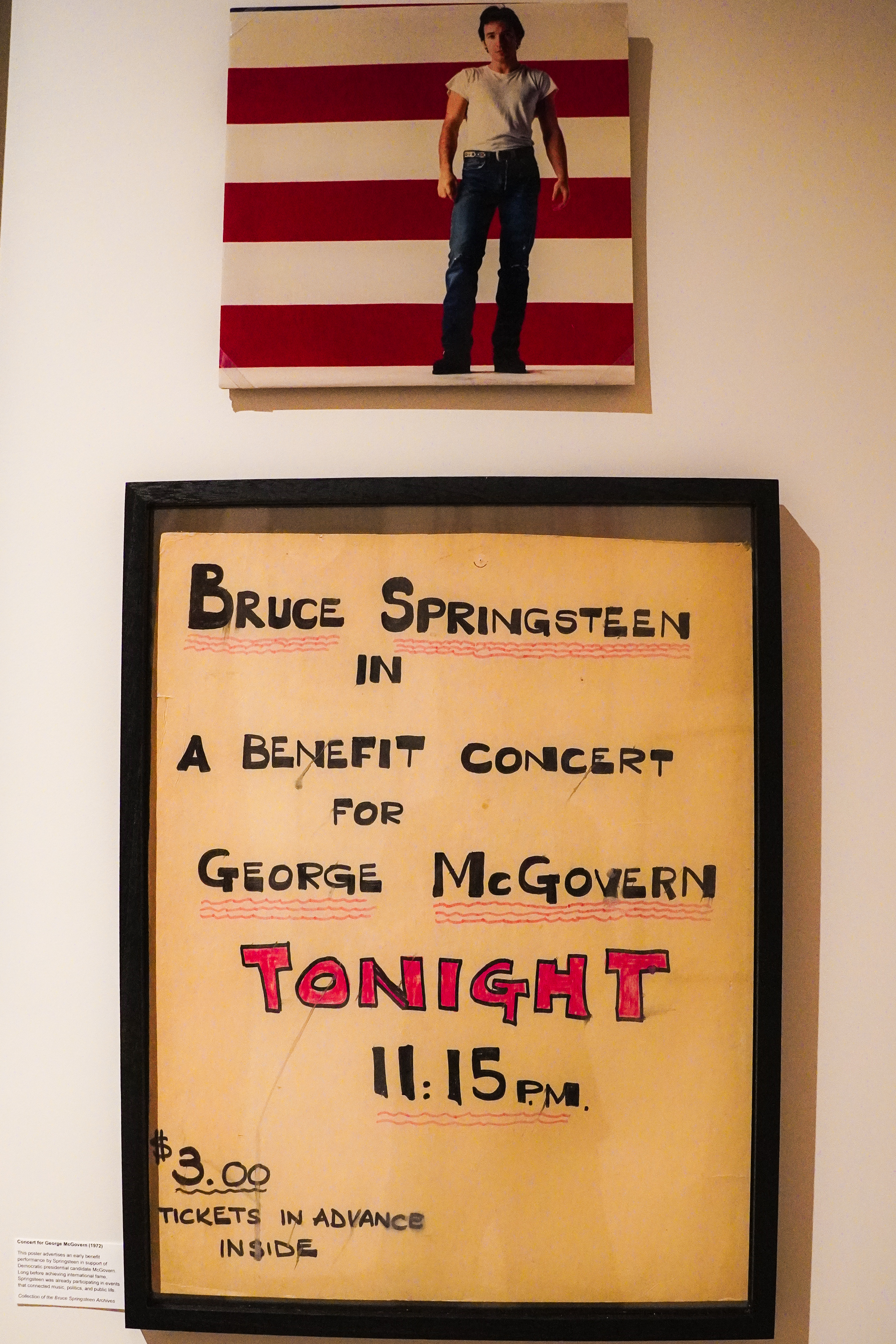
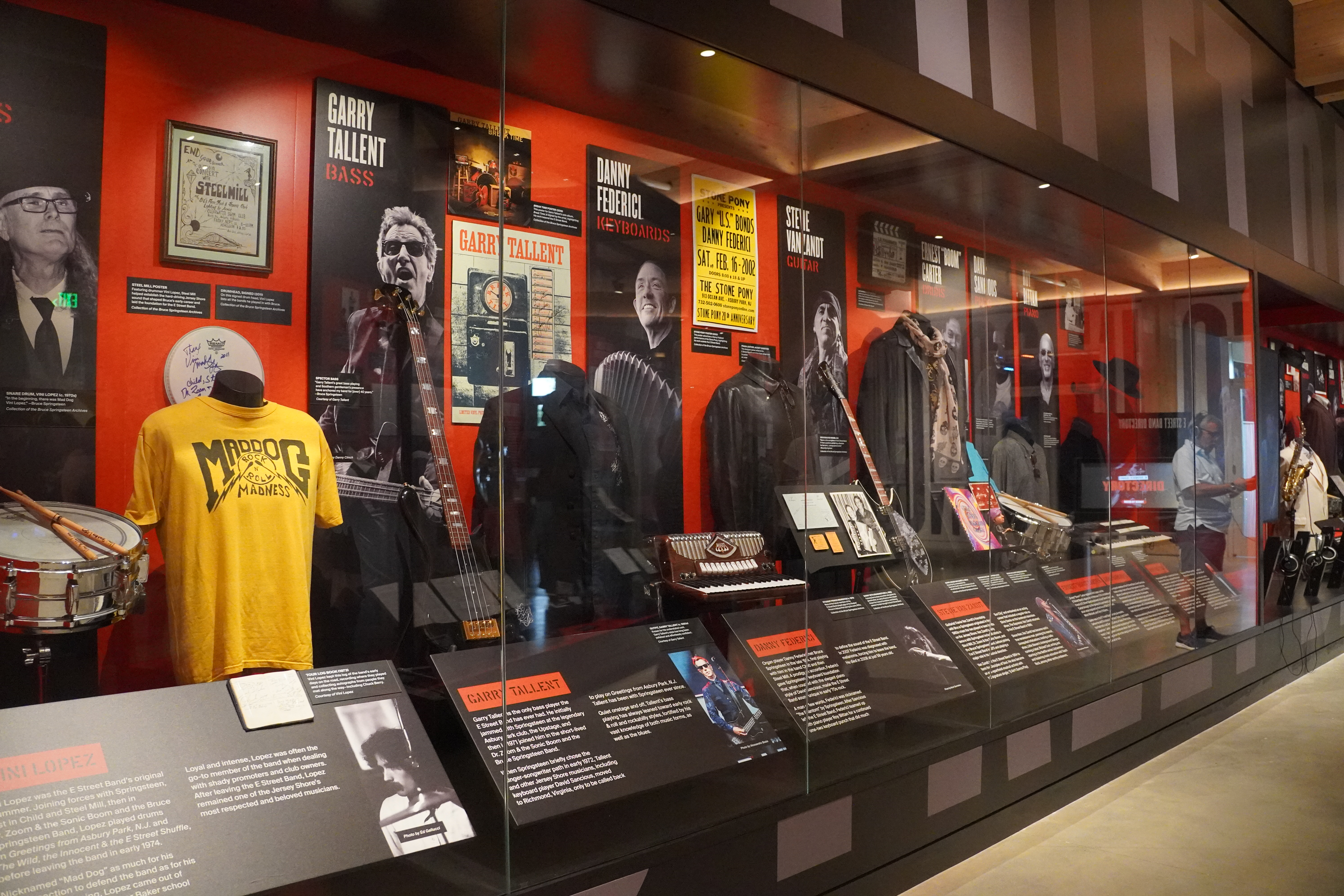
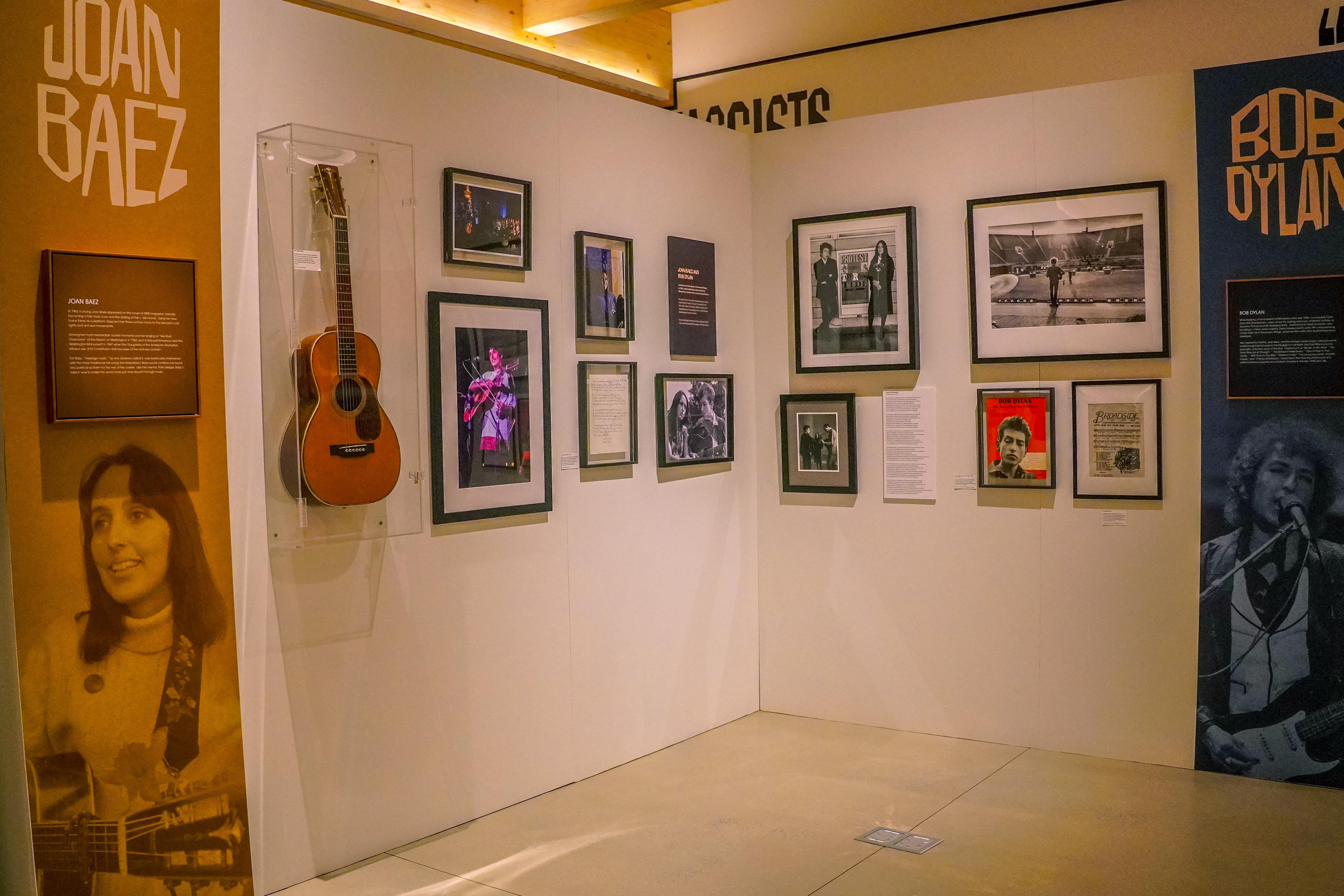
Bruce Springsteen’s career is traced through the decades, along with members of the E Street Band. The exhibits include original song drafts and many images captured by famous photographers. There is even a unique video projection that explores Springsteen’s self-education from reluctant to voracious reader, an evolution that helped shape his song writing and artistry.
A small immersion theater room offers visitors an opportunity to experience the energy of being at a Bruce concert. Then there is the Archives room. Bruce has donated countless artifacts from his life, many of which are in storage rather than placed on display. These materials can be viewed digitally and researched for those studying his life and art. A limited number of visitors may explore the categorized documents to gain a better understanding of Bruce’s life and how it fits into the broader American music narrative.
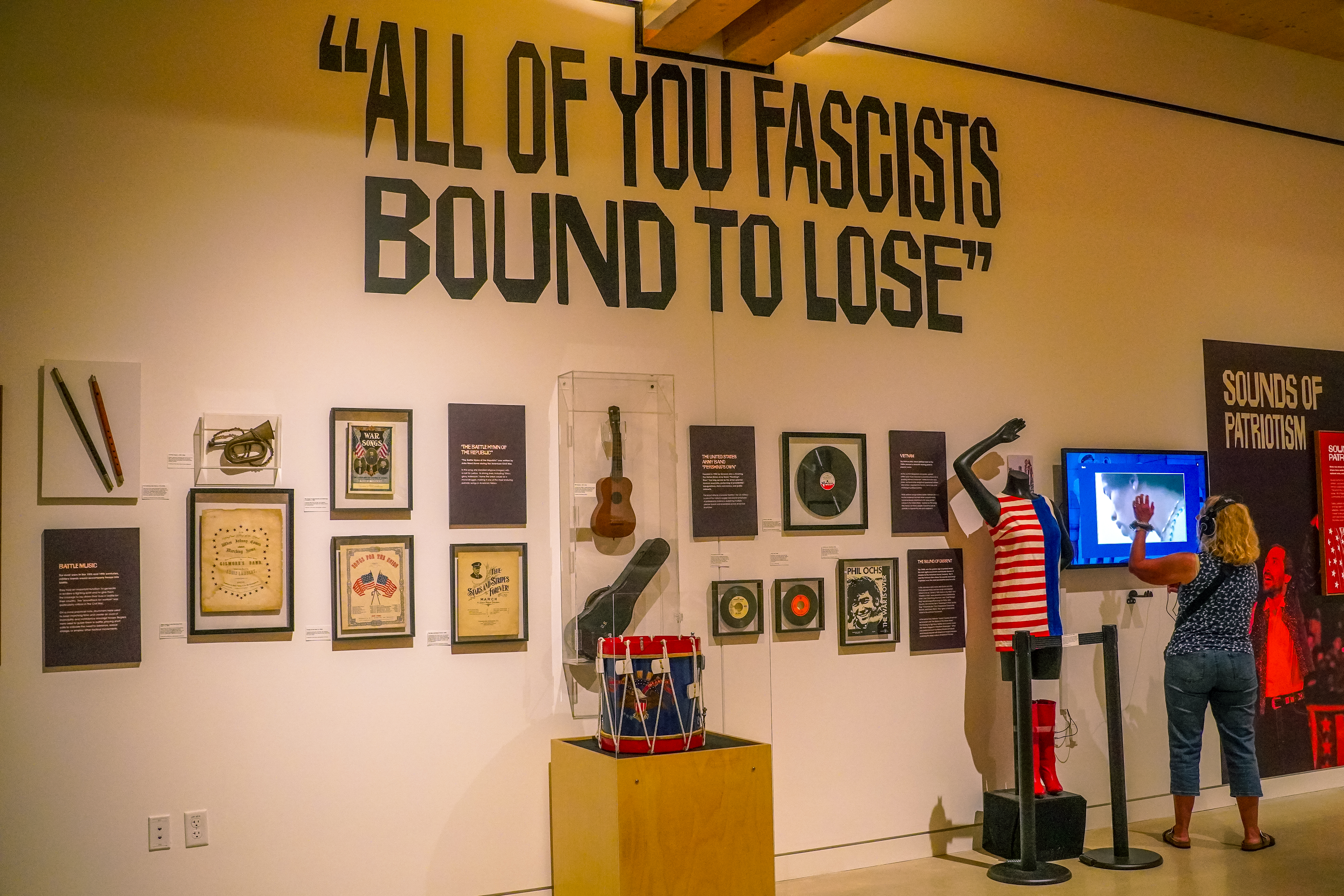
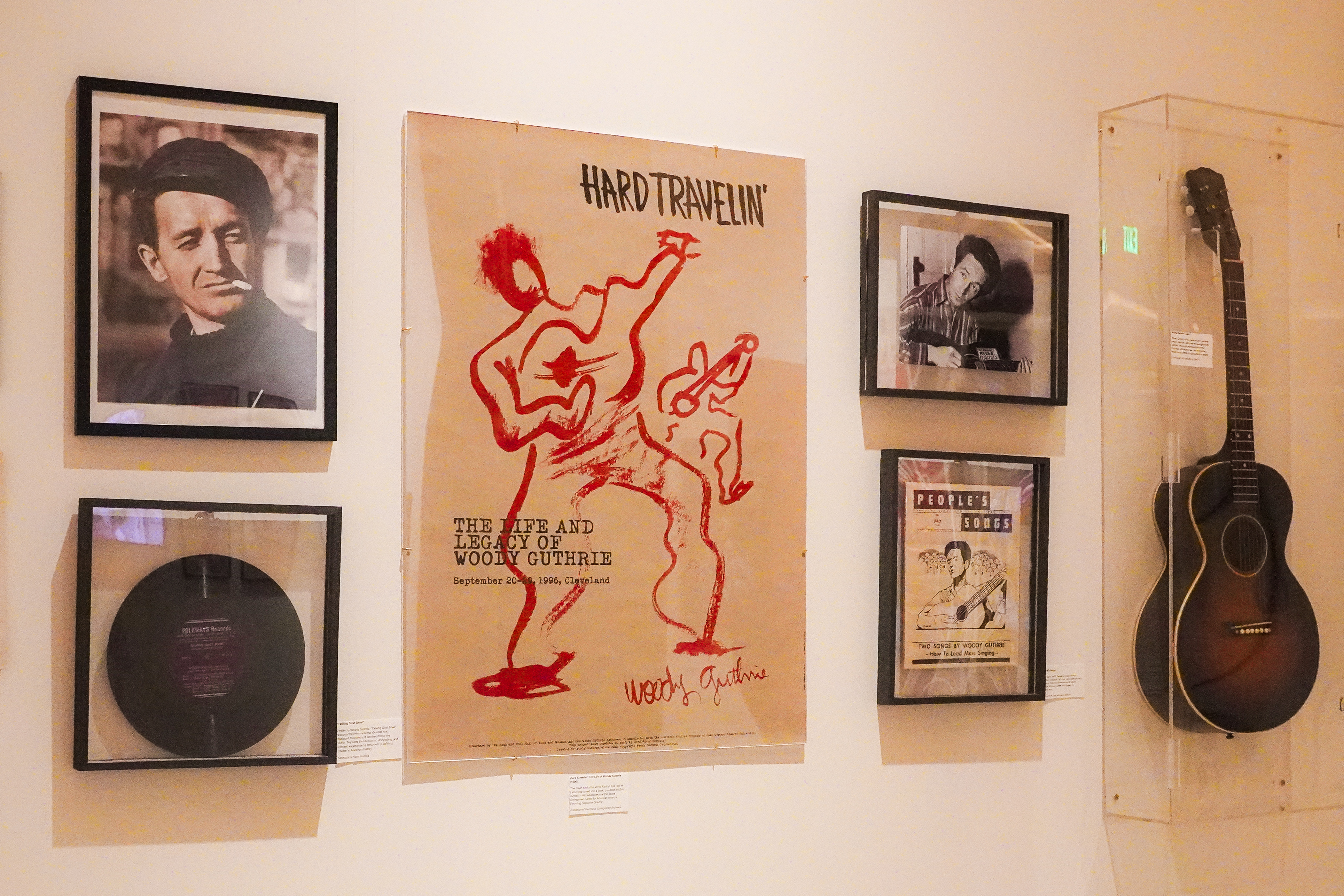
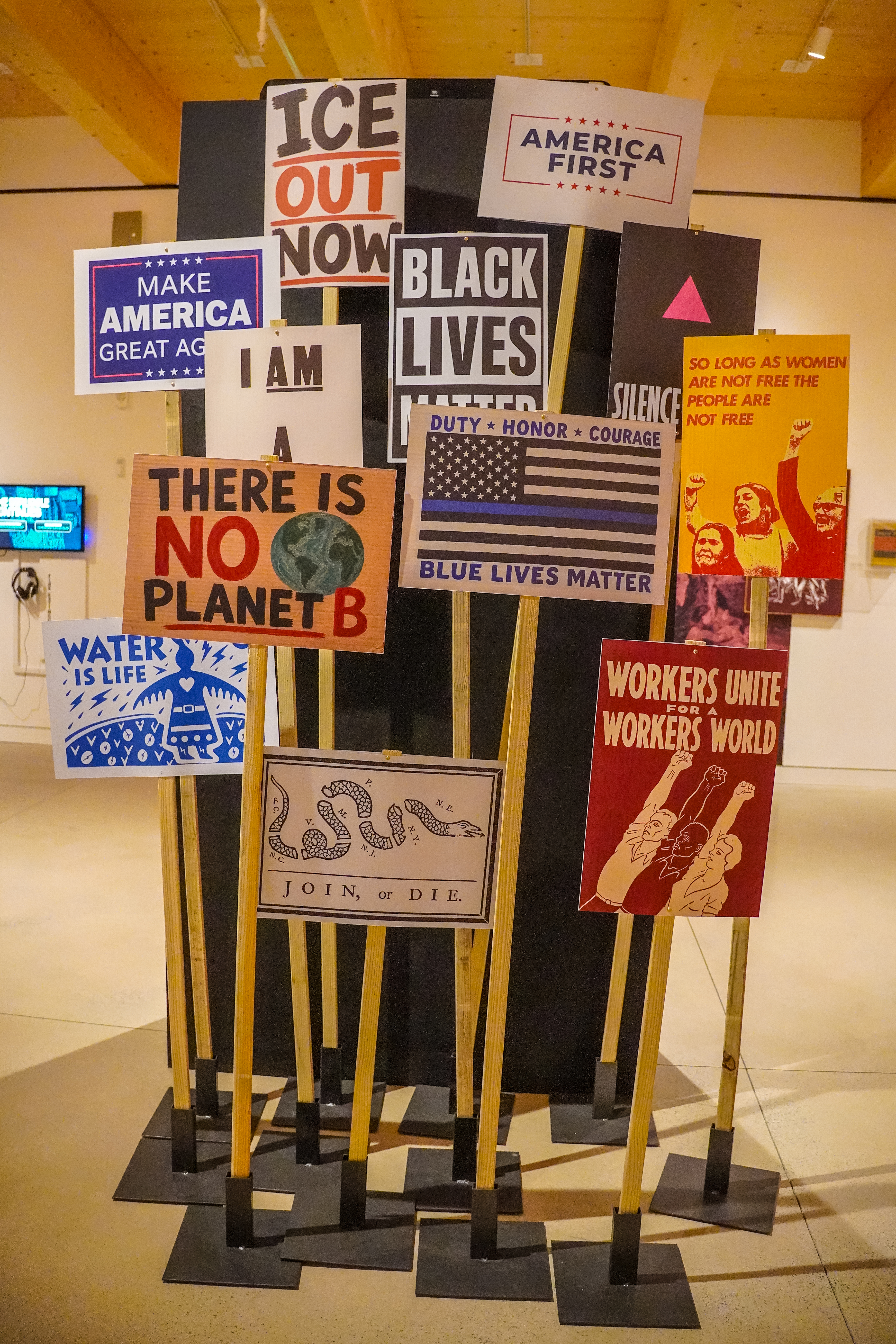
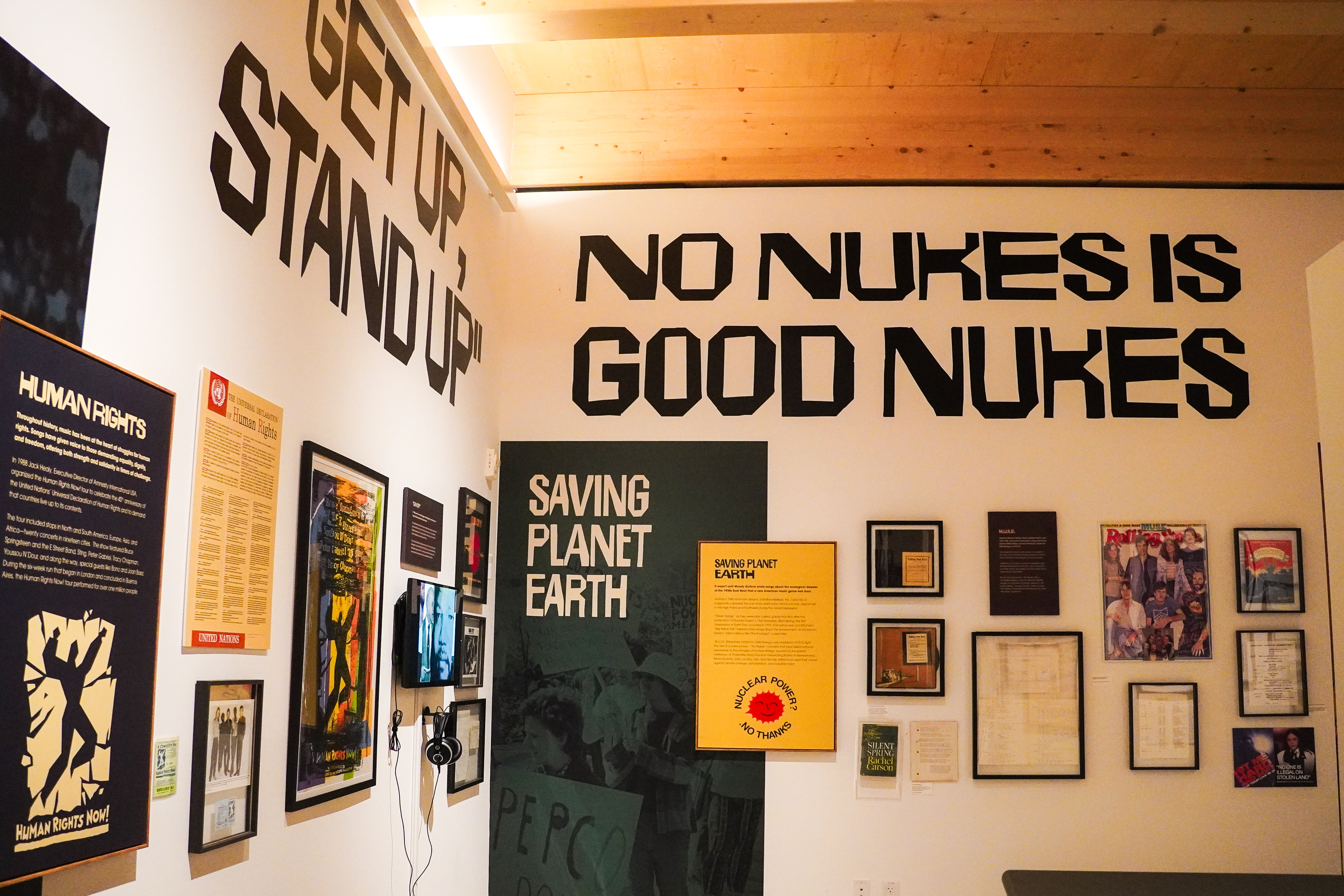
Bruce is well known for his concern and support of many causes. During the recent innocent deaths and protests against ICE in Minneapolis, Bruce once again made a strong statement of protest in his song, “The Streets of Minneapolis.” That dedication to the power of a protest song led to the Center’s first special exhibit – Chimes of Freedom: Protest, Patriotism and the Power of Song — which highlights how revolutionary songs ranging from “Yankee Doodle” to the civil rights to antiwar anthems of the 1960s to today’s protest songs influenced politics and popular culture.
“I’ve written a lot of music that has political implications, and what I would call critically patriotic, which is really my definition of a patriot.”
Bruce Springsteen
Graduation Time
After a couple hours, we left the Center with both rekindled memories and new questions to ponder. American music is like a puzzle. The pieces may not seem to fit together, especially when there’s such different times, places, sounds and characters, but here they do.
As we exited the Center – as luck or providence would have it – we found ourselves face-to-face with a familiar looking man headed in. He asked us, “So what did you think of the Center?” We told him it was a greater than expected experience, and we planned to return to spend more time there. On a whim, I asked him his name, and he replied “Bob Santelli, I’m the Director of the Center.” Wow, what a fitting end to our visit: we had met the Center’s founder and director himself who was especially warm and grateful for our visit.
It seemed, at least for that moment, we became part of the American music legend.
Visitor Notes
Visitors should allow at least two hours for the visit and buy tickets online. Tickets are reasonably priced at $22 for adults, with discounts for seniors, children (7 to 17), and veterans. Children under 7, active military, and Monmouth University students can enter free.
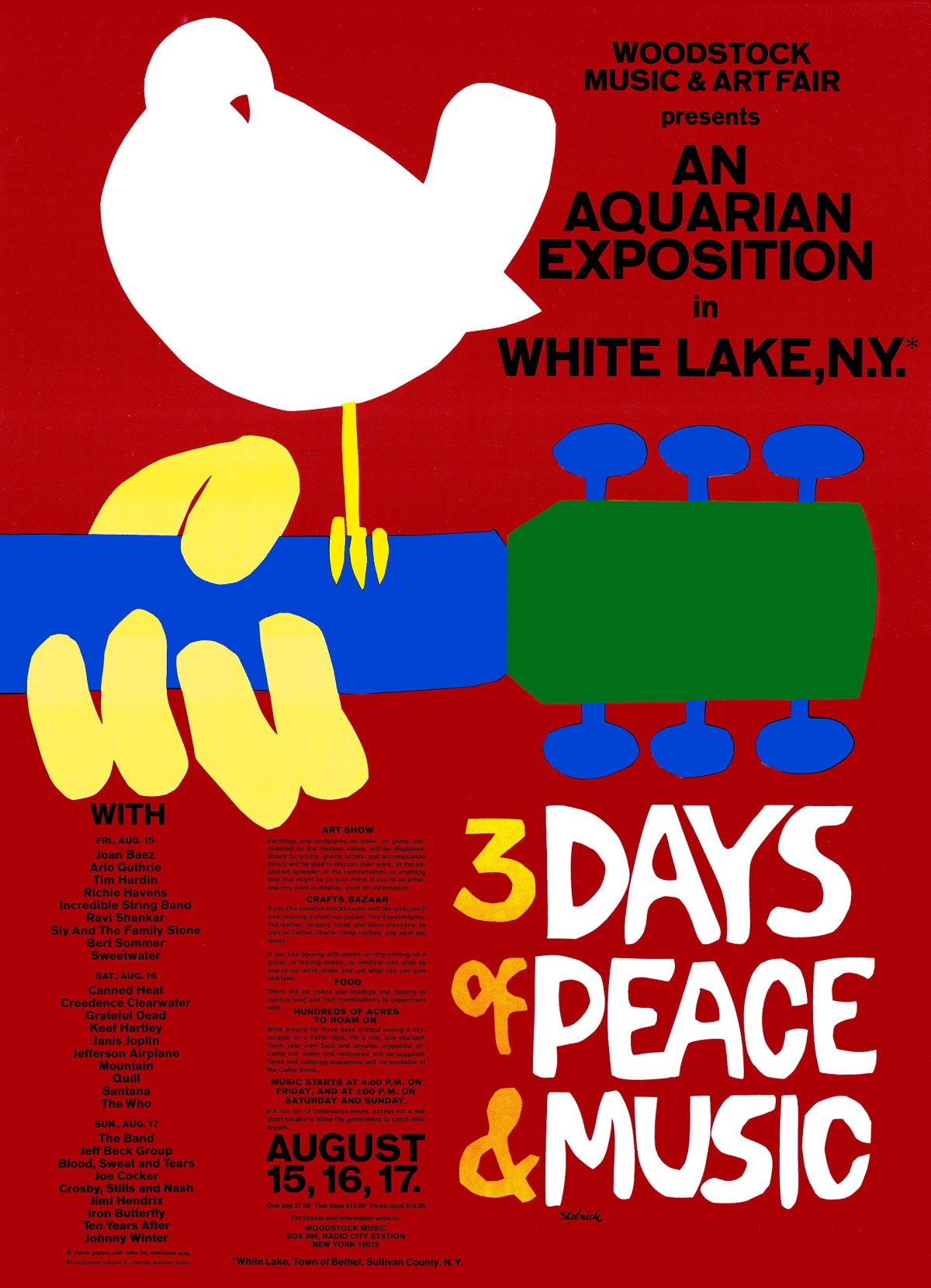
Here’s a summary of a recent visit to the site of the original Woodstock Music Festival to reimagine one of the most significant cultural moments in our lifetime. It was an opportunity to recall old memories and add new ones to the legend.
Even though I wasn’t there then, it felt like I was. Woodstock was the kind of event that is seared in your memory, even for those who only heard about what happened later. I’ll always wonder what it would have been like to be part of it.
Recently, I was with an old high school friend, George Kachoogian, who had managed to make it there. But, like so many, he had mostly forgotten everything that happened. We were here at Bethel Woods now to trace back four days, August (15-18), 1969. That was 57 years ago, but reminiscing about it made it seem like it was yesterday.
I’m going down to Yasgur’s Farm
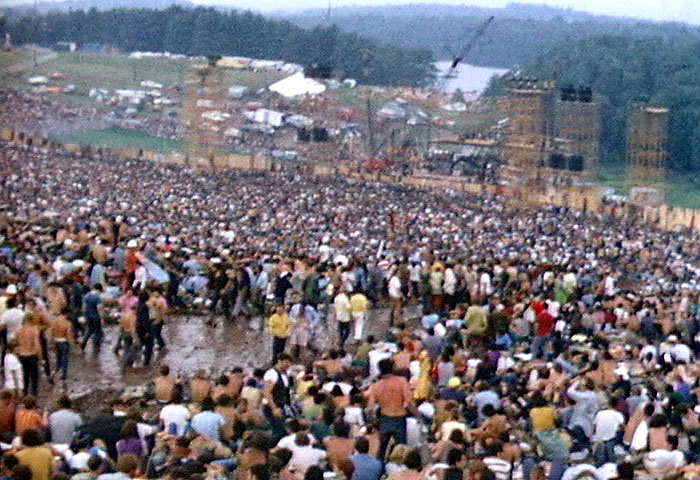
Woodstock crowd looking at stage Photo Source: Derek Redmond and Paul Campbell, Wikimedia Commons
Bethel Woods is the current name of the location where the actual Woodstock Music Festival took place. The story goes that the plan was originally set for an area near Woodstock, NY, but permits were cancelled. The promoters scrambled for a new venue and eventually found a willing landowner in Max Yasgur. His dairy farm in Bethel, NY, about an hour south, was within driving distance of New York City. Although there had been other outdoor concert events at the time, this was to be the biggest by far with 32 of the top acts spread over three days. Organically, word got out and spread like wildfire. To everyone’s surprise an estimated 400,000 to 500,000 showed up at the single largest musical event then and even today.
By the time we got to Woodstock
George called me that Friday in August 1969 with a surprise. Would I like to join him and his friends on a trip to this big concert that the DJs were talking about on FM radio? He had sent for tickets that never arrived, but decided to go anyway. I, unfortunately, had made other plans and turned down his offer.
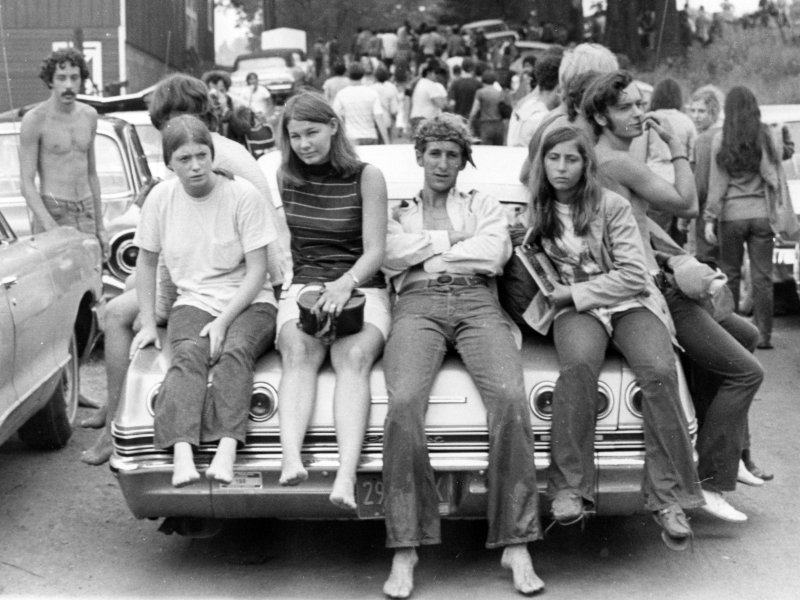
Word got out about incredible traffic jams and huge crowds that were storming the gates. It quickly seemed like no one actually paid to attend and everyone was welcome. I was left wondering if I really missed something special. We would not really know what happened until days later. At that time news traveled slowly with no mobile phones and little news coverage. Imagine trying to call home with just a few pay phone available for thousands.
Concert goers were forced to park their vehicles miles from the venue. Photo by Ric Manning via Wikimedia Commons
George and his friends became part of the traffic jam, abandoned their car and walked to the concert venue. They would pitch a tent somewhere nearby and camp there for the next couple days.
Back to the garden
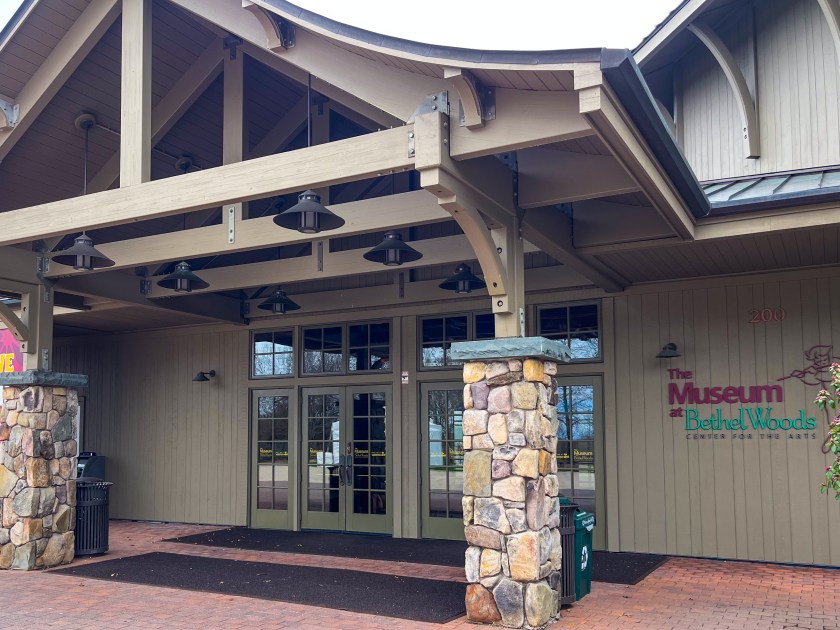
Today, we were here at the Museum at Bethel Woods, a shrine to Woodstock to explore. Maybe, we could even locate where George and his crew “crashed” for a couple days!
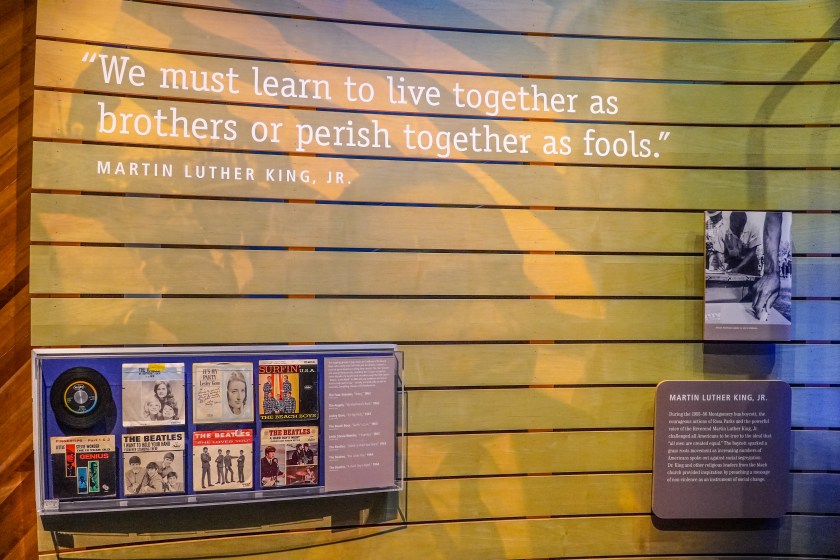
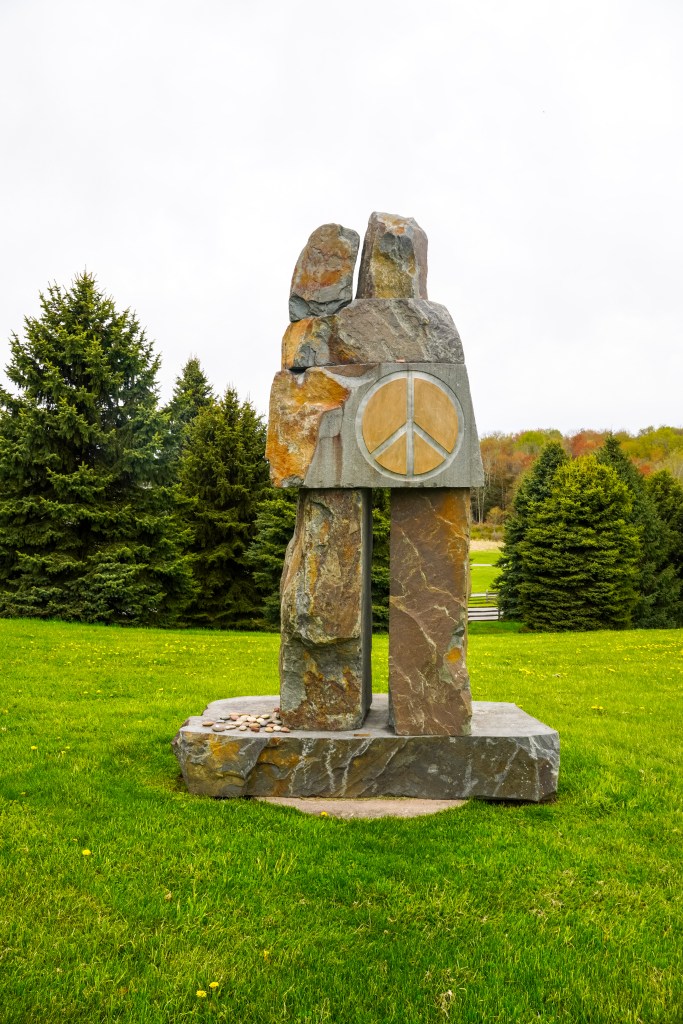
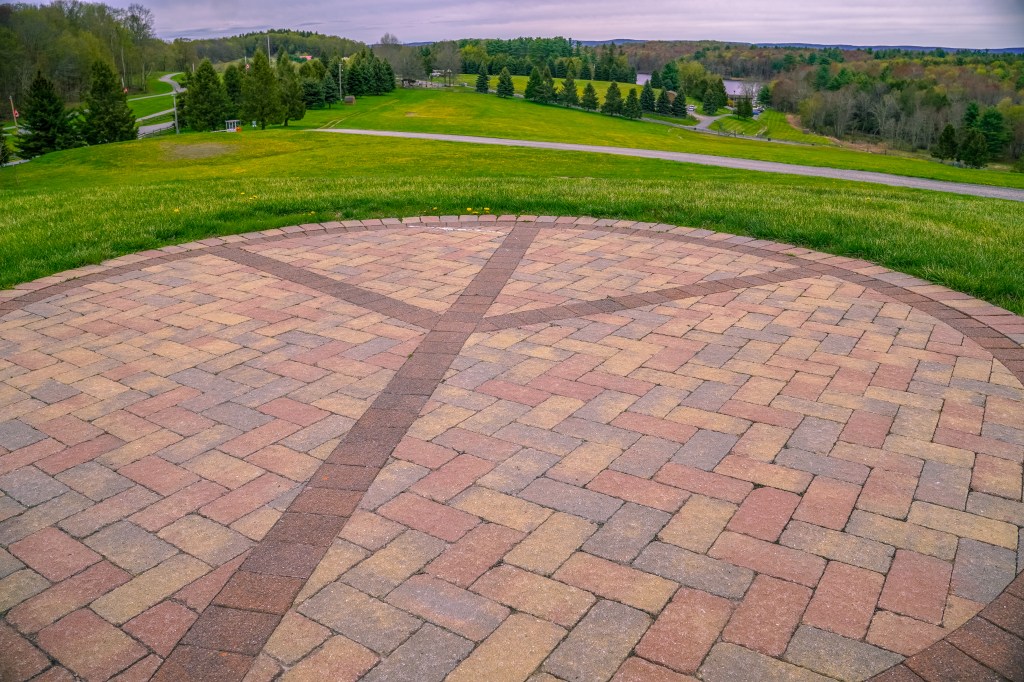
MLK quoteWoodstock MonumentEntrance to the MuseumStage area where concert took place
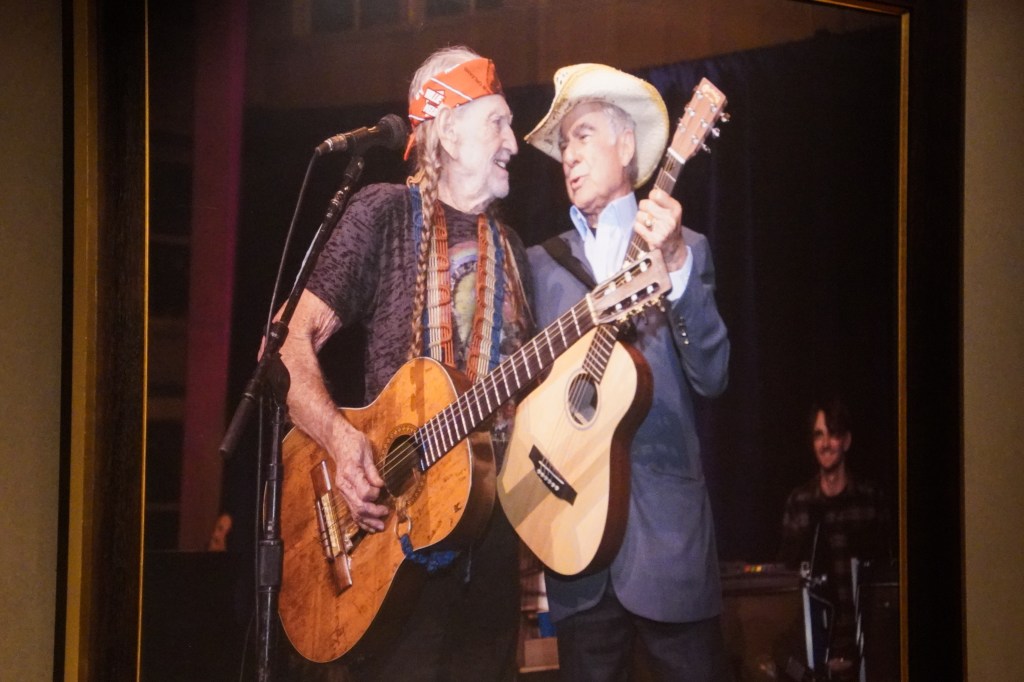
The museum and grounds of Bethel Woods represent a sacred memorial to a time and place that came to be thanks to one man, Alan Gerry. Gerry, a local resident of the area and founder of Cablevision, memorialized this event by purchasing 1,000 acres of land where the concert took place. His non-profit Bethel Woods Center for the Arts would continue to promote the spirit of the event in its museum and ongoing live events that benefit the local area.
Museum painting of Willie Nelson with Alan Gerry, visionary of Bethel Woods and founder of Cablevision.
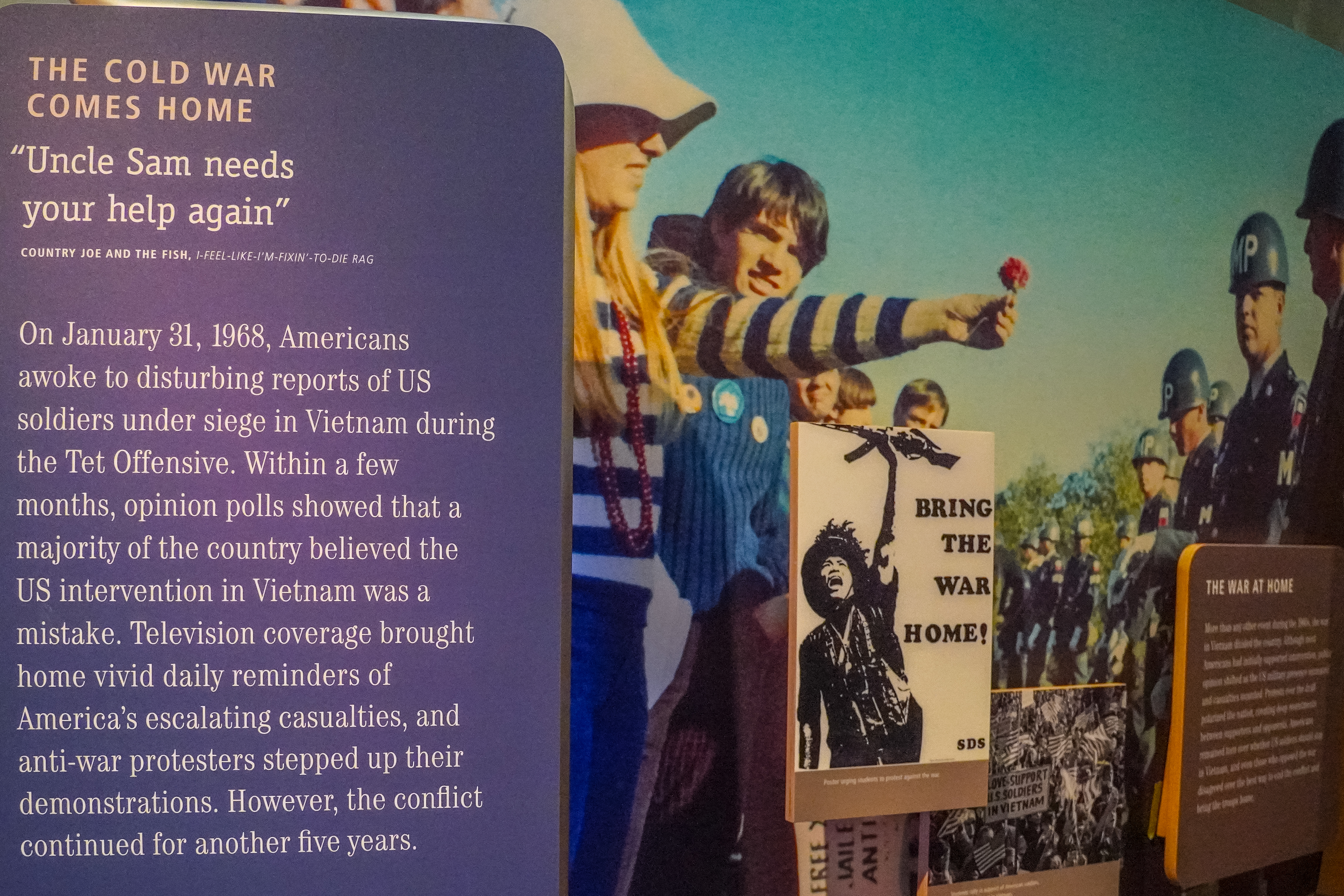
The museum has an exhibition area that leads the visitor through the time frame of the late 1960s. Woodstock did not happen without a major cultural shift which is hard to imagine today. Chief among the causes was our involvement in the Vietnam war, civil rights, the youth and women’s movements and, of course, the music. Little did we know it was to be the culmination of the new music and hippie lifestyle.
The exhibits brought back that feeling back then of a seismic change in almost everything all at once. But to our 19-year-old selves, the concert was mostly about the lure of sex, drugs, and rock and roll. Not that most of us lived out that desire or even knew what it was all about. We were strangers in a strange land.
And everywhere was a song and a celebration
The museum walls recall the incredible lineup of bands and unique peaceful spirit. The demand for this concert overcame the logistical planning and it became a friendly free-for-all. Never had as many popular bands played in one place. Everyone was there to enjoy the moment as much as possible, in spite of the overcrowding, medical emergencies, food shortage, and torrential rain that fell for half the event.
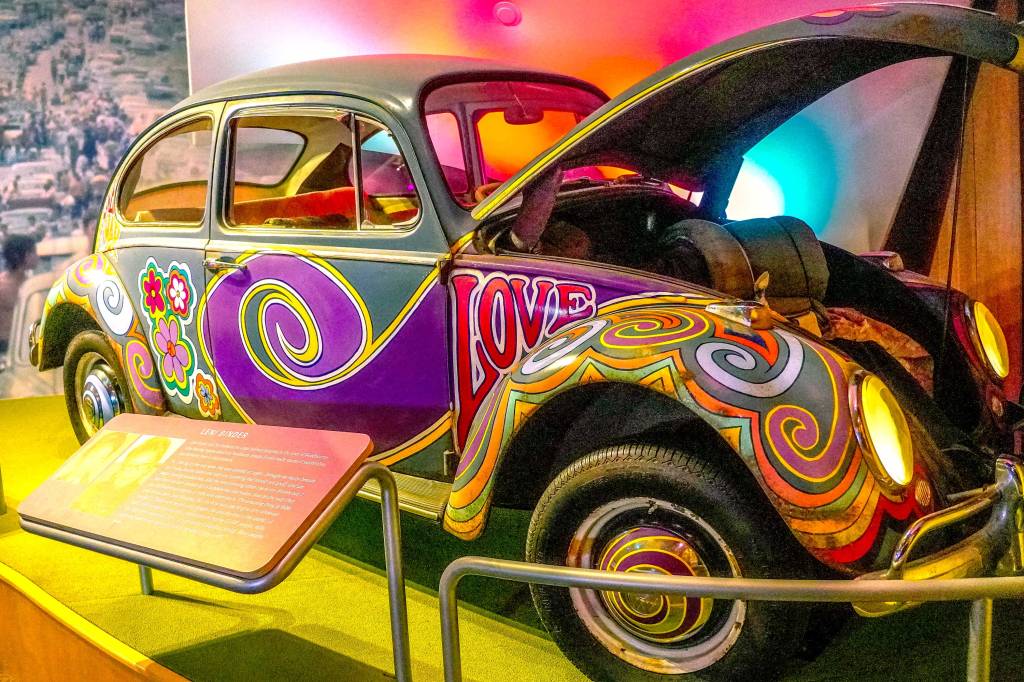
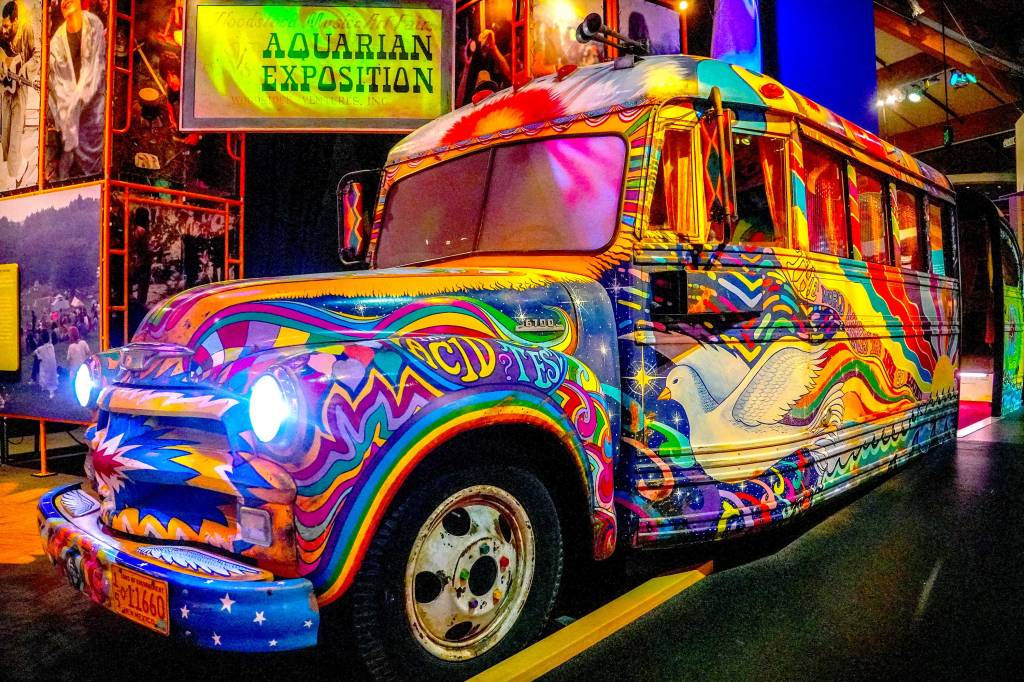
The museum exhibition has interactive panels that describe what it was like, including music, comments and the roar of the crowd. A “hippie” bus and a “love bug” Volkswagen Beetle help to quickly bring back those icons of the day. Clips from the movie Woodstock and other videos taken at the event show what it was like to be at a party of half a million people. Remarkably, only a small number of minor arrests occurred, and no violence was reported.
We mostly remember Woodstock for the music these days. There were so many unforgettable performances from top Rock and Roll bands of the day. Even if the Beatles, the Rolling Stones and Dylan were not there, the performances of Richie Havens, Santana, Joe Cocker, The Who, Janis Joplin and Jimi Hendrix, to name a few, are still legendary. Rain delays extended the planned three-day concert to Monday as Hendrix played unforgettably to the 50,000 that remained that morning.
And this he told me
When we left the exhibit area George asked a docent a few questions about the event and places he remembered – or thought he did. Our docent “Jimmy” was at the event in 1969 and encouraged George to share his memory with the museum’s online audio archive. Jimmy tipped us off to where George might have parked, camped and maybe had a few beers down the road a few miles. We headed to the next small town, White Lake, to see if George could resurrect some memories.
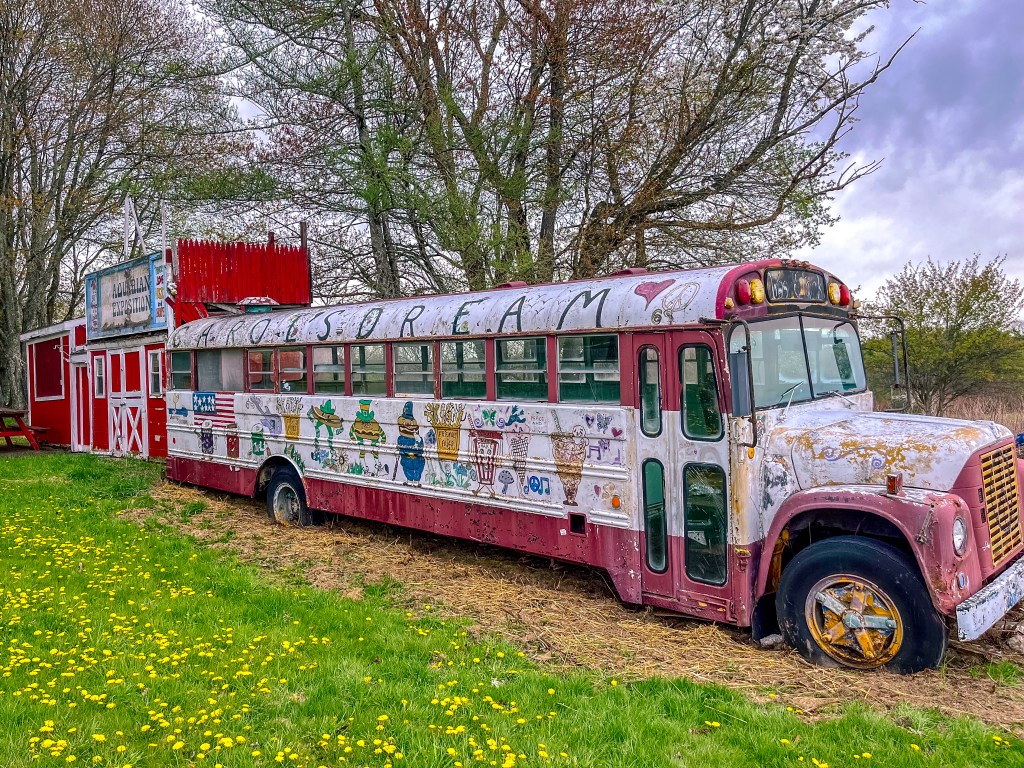
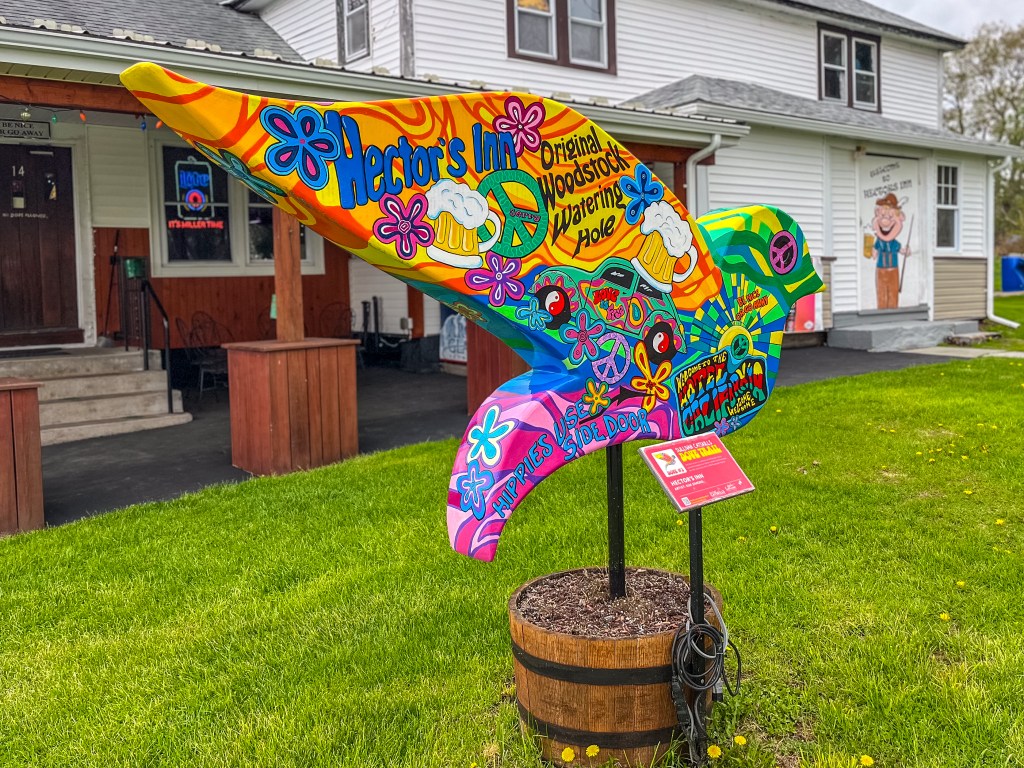
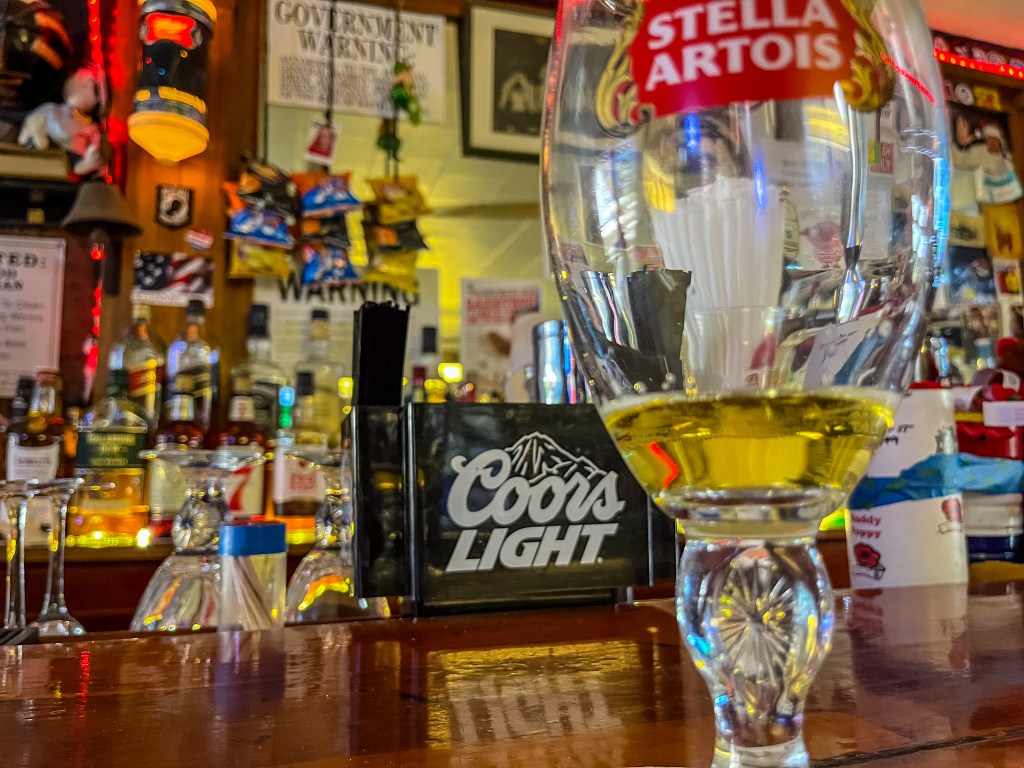
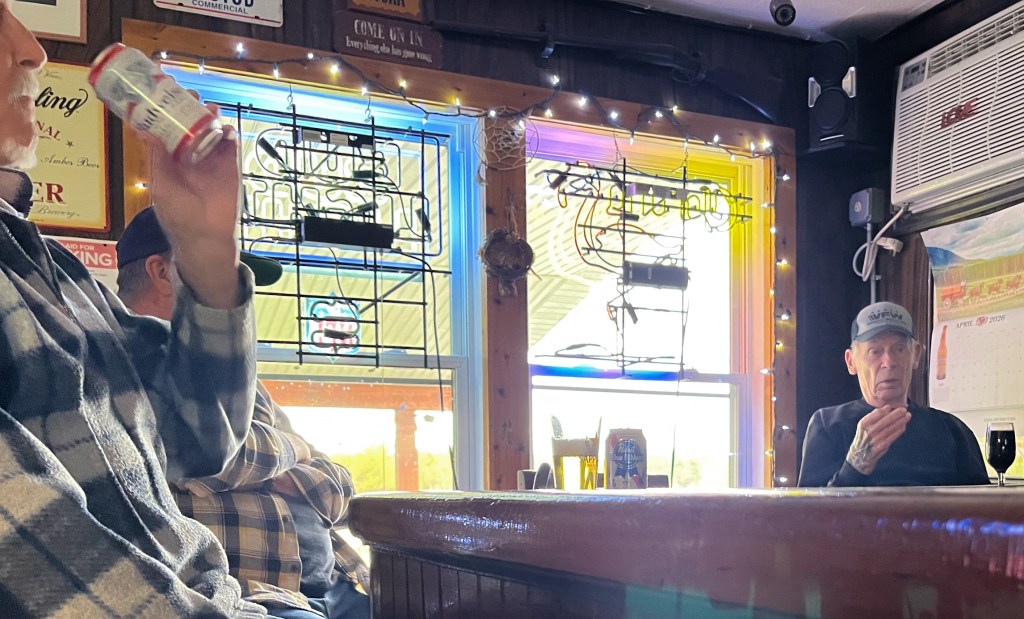
The road and the lake seemed familiar but not enough to recognize. Jimmy felt that the bar George mentioned must have been a nearby bar called Hector’s. So, after cruising the lake area we located this old bar (circa 1949) along Route 17B. This is an authentic dive bar that honors blue collar clients as well as its historical connection to Woodstock. It was a shot-and-beer kind of place with remnants of the hippie culture nearby in the form of a peace dove sign and an old hippie bus parked nearby.
We talked with our bartender and three locals nursing their beers at the bar about Woodstock days and our story. Our bartender said she had heard it all from her folks but she was only 3 years old (Embarrassing!) at the time. The wisened old-timer at the end of the bar spoke of the time he bought Melanie and Janis Joplin a beer right where we were sitting at the bar. I’m sure there have been hundreds of these memorable stories told here!
We are stardust, we are golden
Many of the local residents fought against Woodstock then and even later as the area developed into a tourist destination. Today, Bethel remains a remote village, too small to be a busy town, but too important in history to be forgotten. George had recalled some details and could at least relive that time, if only in small fragments. To me it was a trip down memory lane which jogged my memory as to who we were and what I missed.
It seems to me that in our currently divided world we could sure use another Woodstock! Or, some other peaceful, enjoyable and memorable event together, if only for a few days? It happened once. Maybe it could happen again.
Explore Woodstock Further
Visit
Bethel Woods Center for the Arts is located at the historic site of the 1969 Woodstock festival. It is committed to providing extraordinary experiences and access to the arts with a Pavilion, Event Gallery, creative learning Studios, award-winning Museum, and Campground. Visit the museum, grounds and take the Woodstock tour.
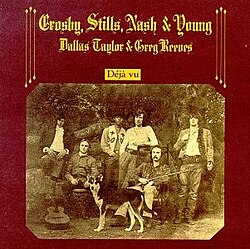
The popular song “Woodstock” written by Joni Mitchell and recorded by Crosby, Stills, Nash & Young appeared on their album Déjà Vu in March 1970. It seemed to encapsulate the event. Mitchell, who was unable to perform at the festival, was inspired to write the song after she heard about it from her then boyfriend Graham Nash. Play here.
Print
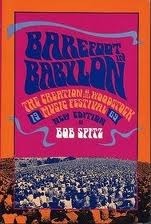
Barefoot in Babylon (book). The story of the creation of the Woodstock music festival was more complicated than the magical, peaceful portrait visitors recieved. Woodstock was as replete with scandal, graft, and corruption as it was with fellowship and high ideals. This book is considered one the best to understand the phenomenon.
Video
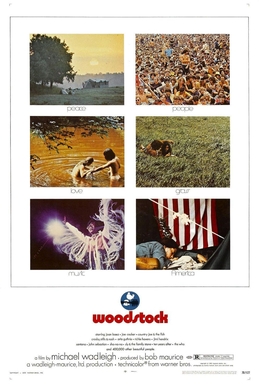
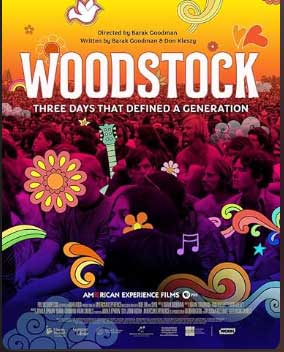
Woodstock (1970) is an American documentary film directed by Michael Wadleigh that chronicles the landmark 1969 Woodstock Music and Art Fair in Bethel, New York. This award-winning film helped popularize one of the greatest musical and cultural events of our lifetime.
As a teenager I witnessed Dylan perform his first electronic set after Newport. Little did I know the music, musicians and fans were to become the stuff of music legend.
Let me be upfront: I was there on August 28, 1965, but I remember little about it. What I do remember is that it was, and still is, the strangest concert I’ve ever attended.
So, I wondered, Is it possible to recall a vague memory that happened 60 years ago and make sense of it today? Could research reconnect sleeping neurons and help me understand what really happened on that one strange night?
Watching A Complete Unknown, the Bob Dylan biopic with a memorable performance by Timothée Chalamet, recently triggered that long dormant memory. The Forest Hills concert was Dylan’s next public appearance after being booed at Newport just a month earlier for daring to plug in and play electric. Up until then, he’d been the lone troubadour: acoustic guitar, harmonica, and words that shook a generation. But the winds of change were already blowing.
For many, Dylan’s transformation felt like betrayal. For me, that night was simply bewildering. I couldn’t make sense of what I saw — but six decades later, I crave to.
The Times They are a-Changin’
We sat in Forest Hills Tennis Stadium in Queens, New York among 15,000 fans filling the horseshoe-shaped arena built for tennis, not rock. Forest Hills was an ideal outdoor venue for a large audience drawn from the New York metropolitan area, including the important Greenwich Village folk scene. Acts like the Beatles, Rolling Stones, and Frank Sinatra had previously played there. In fact, Dylan had played there just a year before, appearing with Joan Baez.
At just 24, Dylan had already become the reluctant “spokesman of a generation.” His lyrics carried rebellion and poetry in equal measure — a mix of Woody Guthrie grit and James Dean defiance. America in 1965 gave him plenty to sing about: war, inequality, and political unrest.
Many think of Dylan as a protest activist. But he was never a joiner — he gave voice to movements without belonging to them. His songs were protest anthems, even when he refused the label “protest singer.”
“I’m not writing for any movement. I just write what I see.”
– Bob Dylan at interview with Studs Turkel (1963)
Yet the times and the sound were changing. Rock music, born in the 1950s, had exploded. By 1965, Dylan sensed it was time to evolve. He began to push both his music and his audience toward a new hybrid of protest and power, folk-rock.
Like a Rolling Stone
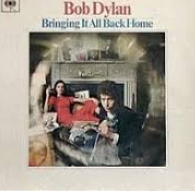
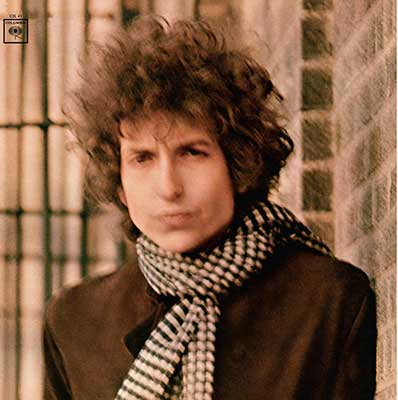
In March of 1965, Dylan released his fifth album Bringing It All Back Home. One side is solo acoustic; the other electric backed by a studio band. The album cover design and music were a clear sign to his fans that he was resetting his style.
Then came the single Like a Rolling Stone (listen) (lyrics) which was recorded in June and released July 20, 1965 before appearing on his next album. This was five days before his notorious appearance at the Newport Folk Festival (July 25, 1965).
The song quickly made the top radio charts even though it had an angry protest message, full use of electronic instruments, and was over six minutes long instead of the industry-standard three minutes. It violated all those norms while creating a popular bridge between folk lyrics and the infectious sound of rock music.
“The first time that I heard Bob Dylan I was in the car with my mother, and we were listening to, I think, maybe WMCA, and on came that snare shot that sounded like somebody kicked open the door to your mind, from ‘Like a Rolling Stone.’ And my mother, who was – she was no stiff with rock and roll, she liked the music, she listened – she sat there for a minute, she looked at me, and she said, ‘That guy can’t sing.’ But I knew she was wrong. I sat there, I didn’t say nothin’, but I knew that I was listening to the toughest voice that I had ever heard.”
– Bruce Springsteen
The afternoon before the concert my friend Mike Kennedy called to say he had extra tickets, thanks to his older brother Tom, a Columbia student who was tuned into the changing scene. Mike and I were just 17 years old, Jersey high-schoolers trying to be cool. We’d heard some Dylan, but didn’t yet get Dylan.
We definitely weren’t ready for what we were about to witness.
With No Direction Home
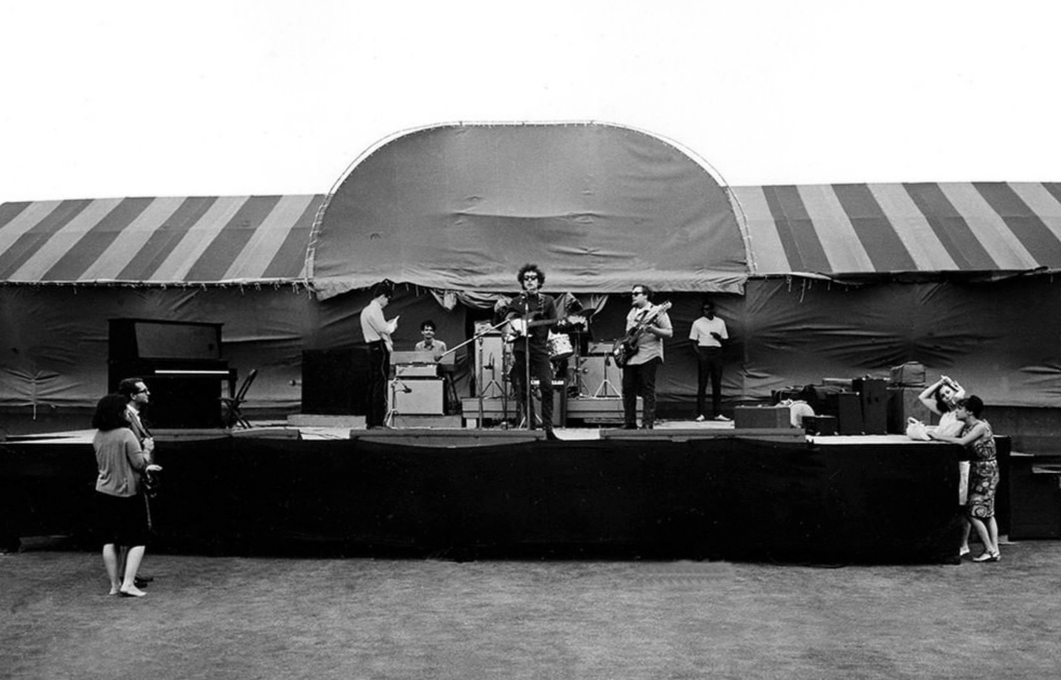
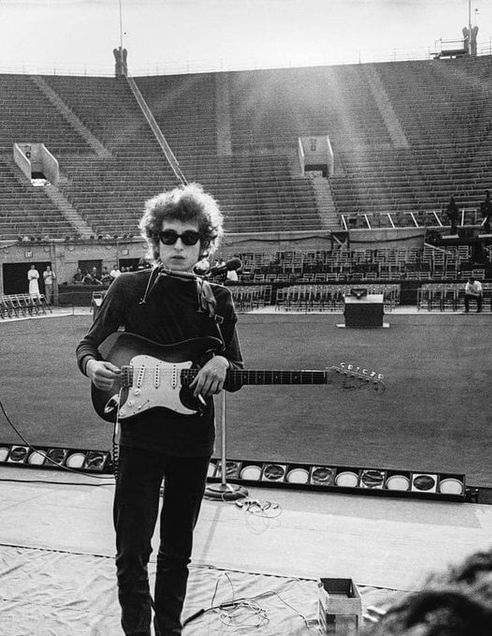
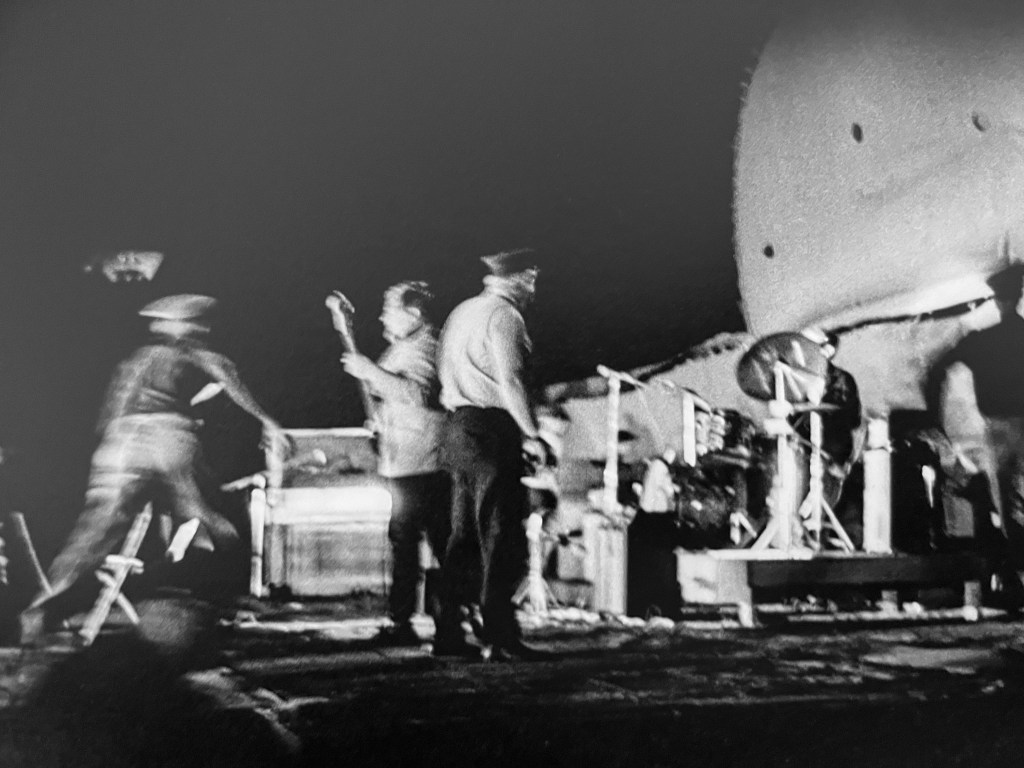
Sound check and rehearsal pre-show at Forest Hills.
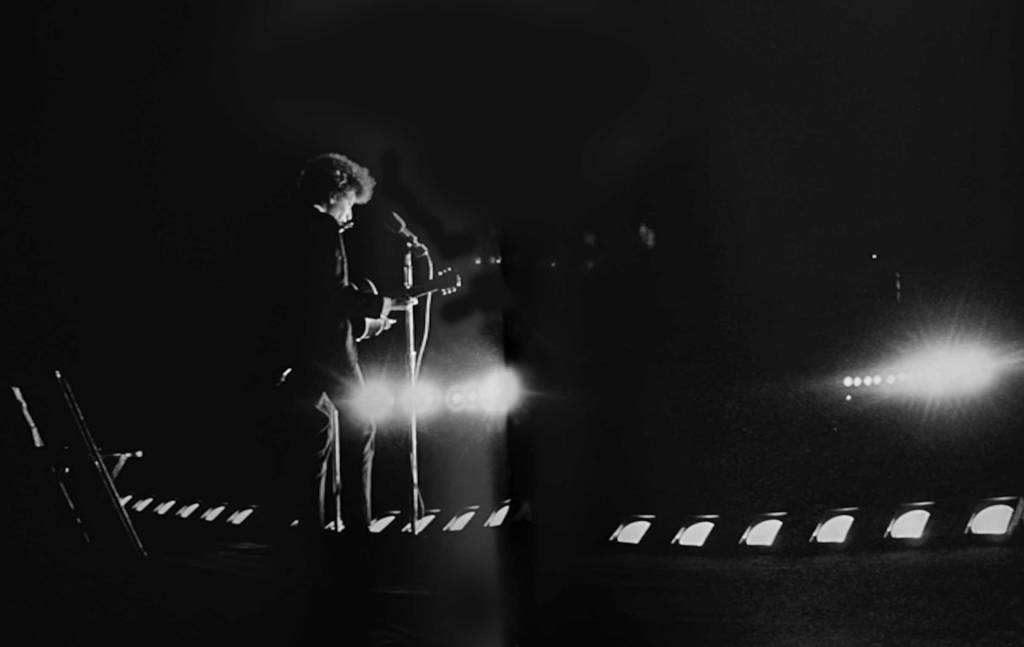
Dylan wanted the sound just right after technical problems at Newport. He knew this would be big raucous event and prepared the band or the mayhem that would follow.
On this unusual windy and cool August night, temperatures dropped from the 80s to the 50s and brought gusty winds. It was an omen of what was to come. We were sitting on bench seats in a steep upper deck of a very dark stadium. Everyone was focused on a single miasma of brilliant light shining on the platform stage where Dylan and his band would perform. You could immediately feel the nervous energy of the buzzing crowd in anticipation of Dylan’s appearance.
Everyone wondered: would Dylan go electric again, like at Newport?
He would — but only halfway. The plan: an acoustic set first; then an electric one.
But the tension was already in the air.
He Really Wasn’t Where Its At
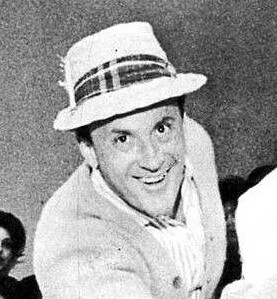
The concert opened oddly with “Murray the K” Kaufman, a popular Top-40 DJ, as emcee. Folk purists booed loudly. To them, Murray symbolized the commercial rock world they despised. It was a taste of things to come.
Click to listen to Murray the K’s intro to the concert
You Say You Never Compromise
The first half of the concert went smoothly. It was the acoustic set which everyone recognized and seemed to enjoy. That is to say Dylan performed solo with guitar and harmonica in his usual style. The 45-minute set including She Belongs to Me, To Ramona, Gates of Eden, Love Minus Zero/No Limit, Desolation Row, It’s All Over Now and closed with Mr. Tambourine Man. This set featured the public debut of the ten-minute long “Desolation Row,” which went over very well with the entire crowd who appreciated its clever caustic lyrics.
Click here to listen to the full Desolation Row recordingDylan playing solo acoustic guitar. Photo: Daniel Kramer
To Hang On Your Own
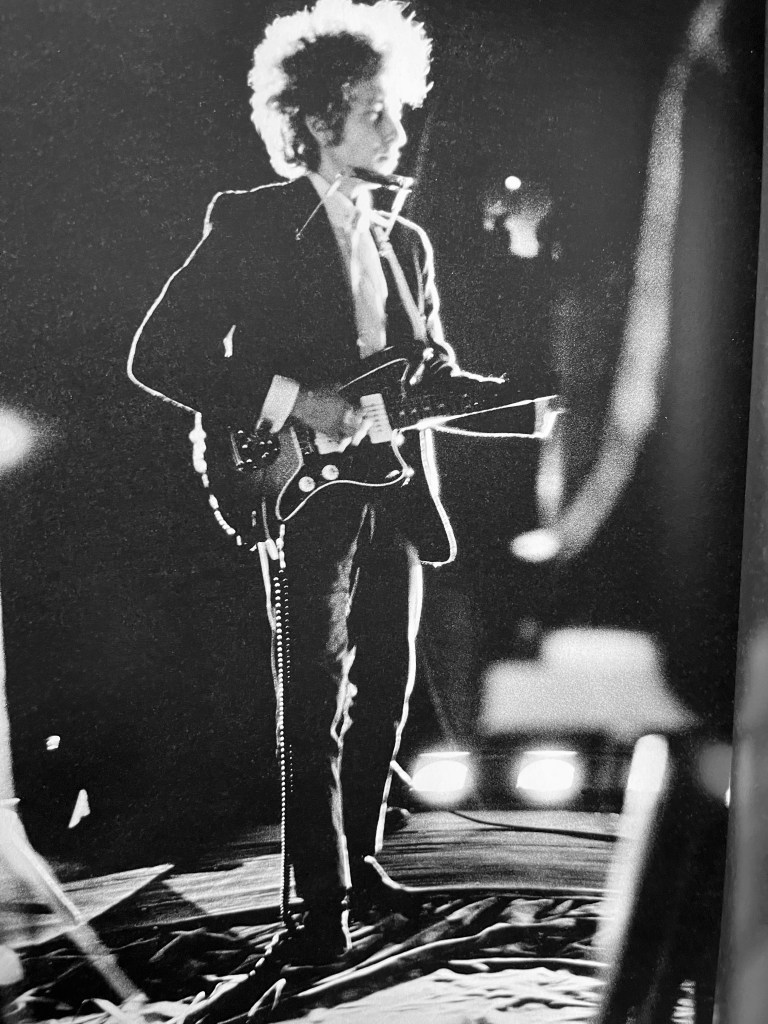
After a fifteen-minute break, everyone knew something big was coming. Dylan appeared accompanied by a band of four relatively unknown musicians at the time – Robbie Robertson (guitar), Levon Helm (drums), Al Kooper (organ) and Harvey Brooks (bass). Over the years they would create their own history in the world of rock and roll.
They launched into Tombstone Blues. The stadium erupted — not with joy, but outrage.
Click to listen to the raucous first minute of the electric setDylan’s band at Forest Hills – Photo: Daniel Kramer
“Due to the stage lighting, we couldn’t see the audience – only the deep green lawn in front of us. Since Dylan had gone electric a few weeks earlier at Newport, uncertainty about what would happen here – his first live performance since Newport – was running high. The audience was self-righteously hostile and they didn’t hide it.“
– Harvey Brooks (bass guitarist)
Boos, shouts, insults. “Scumbag!” someone yelled. Dylan shot back, “Aw, come on now.” That was followed by a chorus of “We want Dylan.”
Listen to the negative reactions to the “new” Bob Dylan
Dylan had already anticipated the negative reaction. According to Harvey Brooks Dylan warned the band, “I don’t know what it will be like out there. It’s going to be some kind of carnival, and I want you to all know that up front. So go out there and keep playing no matter how weird it gets!”
And weird it got. The crowd seemed to quiet a bit after a few songs. But as the set went on the audience grew restless. Half-way through the set, fans ran across the grass toward the stage only to be tackled by security guards. Al Kooper’s organ was knocked over and Levon Helm had to hold off a couple protesters charging his drum set. Objects were thrown at the stage. Still, Bob and the band played on!
Unruly crowd storming the stage – Photo: Daniel Kramer
The electric set included Tombstone Blues, I Don’t Believe You, From A Buick 6, Just Like Tom Thumb’s Blues, Maggie’s Farm, It Ain’t Me Babe, Ballad Of A Thin Man, and Like A Rolling Stone. When he got to Ballad of A Thin Man, Bob played the intro over and over again until the audience quieted down. The concert ended with Like a Rolling Stone and a dozen teens rushing the stage amid the sound of cheers, jeers, and a sing-along! When the song ended Dylan said, “Thank you very much,” and walked off the stage without an encore.
Listen to part of Like a Rolling Stone
The reaction at this concert, and others that followed for over a year, often resembled what started in Newport as a revolt of his fans. That second set clearly split the audience into fans and enemies of the new Dylan.
I didn’t understand the reasoning and hostility but realized that it must have been important enough to have Dylan rebel against his own musical style. I can’t say I enjoyed the concert as much as watching the emotions in the crowd.
“The electric band and the high voltage vocalizing raised the level of Mr. Dylan’s performance from the intimate introspective vein of the first half to a shouting, crackling intensity.“
Robert Shelton, NY Times, August 30, 1965
Dylan had played in a folk style for years, yet he appreciated the new rock sound. In fact, Dylan once said, “I just got tired of playing guitar by myself.” He felt he needed to draw other instruments and musicians into the process.
And Now You’re Gonna Have to Get Used to It
Other singers and rock groups such as the Byrds, Sonny and Cher, Barry McGuire, and the Rolling Stones either copied Dylan or carried their own anti-establishment and free-spirited messages in their songs. Dylan helped move the counter-culture movement that was already reaching a broader popular audience. Pure folk music continued with Pete Seeger, Joan Baez, and groups like Peter, Paul and Mary, and the Mamas and Papas, but would lose much of its momentum to a changing culture and sound. Music became more political, poetic, and electric, mirroring the headlines.
How Does It Feel?
One interesting observation of the concert was that Dylan, while upset at the performance in Newport, was exhilarated by the crowd at Forest Hills. According to band members Kooper and Brooks at a post-concert party, Dylan bounded across the room and hugged both of us. “It was fantastic, a real carnival.” He began to appreciate that fans were reacting to his music. He said to one woman who was said to not have enjoyed the set, “You should have booed me. You should have reacted. That’s what my music is all about.”
“I thought it was great, I really did. If I said anything else I’d be a liar.”
– Bob Dylan on the Forest Hills Concert – Interview by Nora Ephron & Susan Edmiston, summer 1965
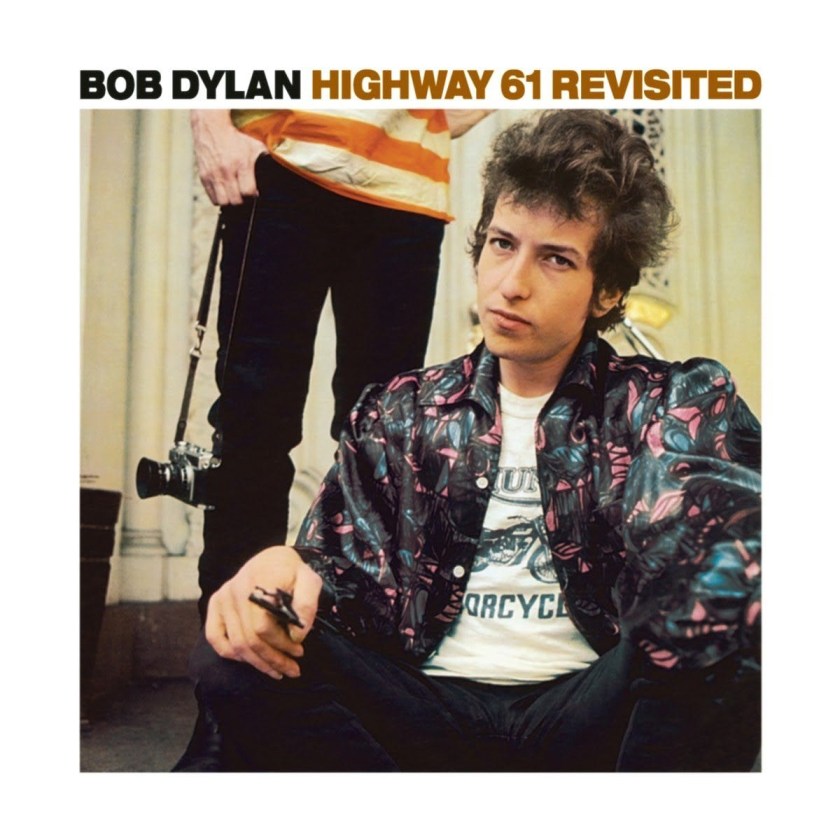
Two days after the Forest Hills concert, Dylan released Highway 61 Revisited, his first full rock album. Its title was a play on U.S. Highway 61, known as the “Blues Highway.” It contained his hit single, Like a Rolling Stone, and was a mixture of songs that tied folk-blues to rock, some of which he introduced at Forest Hills. The album was a success and is considered among the greatest albums of all time.
Dylan went on a worldwide concert tour for the next year with his own band playing a similar format of half folk – half rock format, and fan anger continued. There would be no turning back.
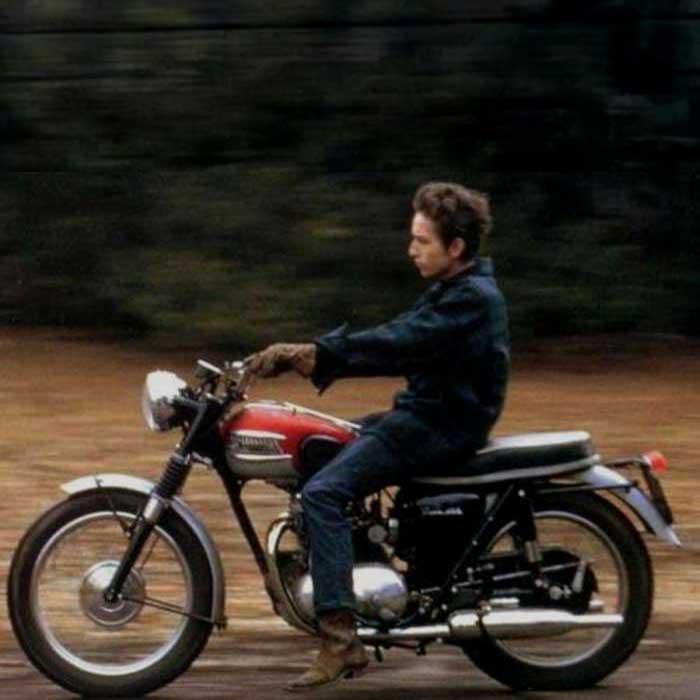
On July 29, 1966 he was seriously hurt in a motorcycle accident near his home in Woodstock, N.Y. Rumors surrounded him. Despite reports that he had serious neck vertebrate injuries, no hospital records were ever discovered. Some speculated that he had enough of the tour and wanted to retreat from the fame. He cancelled all tour dates and retreated out of public attention for the next year.
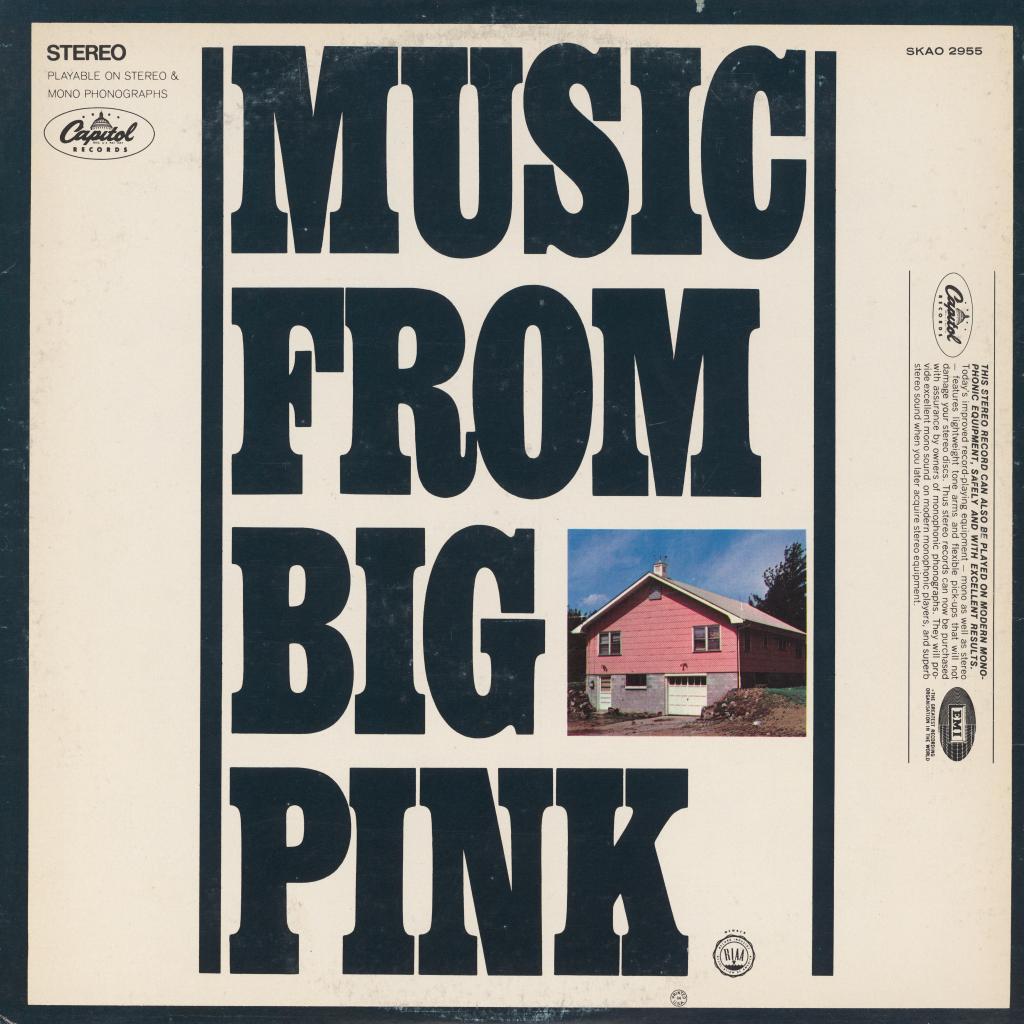
During that year off, he began to collaborate with his bandmates, formerly know as “The Hawks.” Meanwhile, they would release their own famous Music From Big Pinkalbum created at nearby Saugerties. That album would be hailed as a masterpiece and launch their successful career as “The Band.”
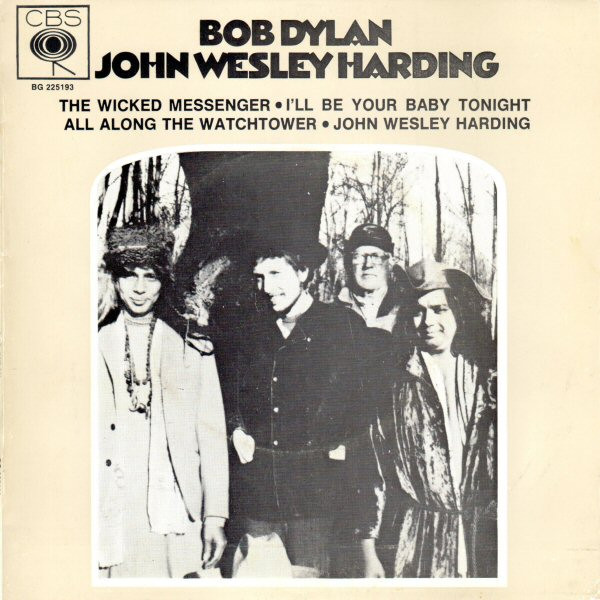
During his recuperation Dylan would work on music that would evolve into his eighth album, John Wesley Harding (December 27, 1967)- which had a distinct country and blues sound and included a new big hit I’ll be Your Baby Tonight. Once again, proving his musical style was always changing.
His style and audience had changed. In fact, throughout his long career to this day, he would constantly change his music, the way it is played, and his interests. Change has always been his one reliable constant.
Afterword
That night in Forest Hills was my first Dylan concert. I’ve seen him a few times since, always curious what he’ll sound like next. My search for reviews and recollections led me into a tangle of lore — Murray the K, Al Kooper, Harvey Brooks, Albert Grossman, Daniel Kramer, Tony Mart, and “The Band.”
No video exists of that concert; only a rough bootleg recording survives. But after revisiting it through memory and research, I realize how lucky I was — to have been there when music, and culture itself, shifted gears.
I may be too old now to recall every detail, but not too old to appreciate it anew.
Long live Dylan — and the memories he still manufactures.
Bonus Tracks
Harvey Brooks Remembers
Harvey Brooks played bass during that electric second set at the Forest Hills. He vividly remembers how strange the night was. Brooks was a renown studio bass player and played on the Highway 61 Revisited and Blonde and Blonde albums. He was asked by Dylan’s manager, Albert Grossman to play on tour for two concerts one at Forest Hills and the other the Hollywood Bowl. He would be replaced by Rick Danko of The Hawks (which would become The Band) for the rest of Dylan’s worldwide tour.
Harvey Brooks (bassist) discusses his memory of playing Dylan’s Forest Hills Concert August. 28, 1965
Al Kooper On His Most Famous Organ Riff
Studio musician Al Kooper played organ at Forest Hills behind Dylan. But the story behind how he got involved is an interesting combination of luck and one brilliant organ riff when recording Like a Rolling Stone . Kooper went on to a successful career as songwriter, record producer, and musician. He played behind many famous musical recordings and founded the group Blood, Sweat and Tears. Kooper was replaced in Dylan’s band after two concerts by Garth Hudson of The Hawks (which would become The Band).
Al Kooper discusses his accidentally famous organ playing on Like a Rolling Stone
Daniel Kramer on Photographing Bob Dylan
On August 27, 1964, the young aspiring photographer Daniel Kramer made a pilgrimage to Woodstock, NY to propose to act as personal photographer for Bob Dylan. Dylan agreed and Kramer went on to produce some of the most iconic and beautiful images of Dylan in his heyday – for exactly one year and a day. Those included album covers, time with friends and concerts such as Forest Hills. Here he shares some of his thoughts on that one-year assignment that brought him fame and added to Dylan’s legend.
Kramer’s opus “Bob Dylan: A Year and a Day” is a great story and source of beautiful images of Dylan in his heyday 1964-1965. This should be on the book shelf of every true Dylan fan. More on Kramer’s work.
Sources
Books
Elijah Wald, Dylan Goes Electric: Newport, Seeger, Dylan and the Night That Split the Sixties. Harper Collins, NY, 2015
Robbie Robertson, Testimony, Penguin Random House, NY, 2016
Levon Helm, This Wheel’s On Fire, William Morrow and Company, NY, 1993
Bob Dylan Press Conference, KQED Studios, San Francisco, CA, December 3rd, 1965 Transcript of a long interview with Dylan during the folk-electric tour with some insight on his music and showing how he always befuddles interviewers. https://dylanstubs.com/extras/1965.pdf
Nora Ephron & Susan Edmiston, Don’t Look Back — Bob Dylan Speaks, New York Herald Tribune Sunday Magazine, New York, June 6, 1965 Transcript of a long interview in the transition period to electric. Famous for Dylan responding to a question if he was a poet, “Oh, I think of myself more as a song and dance man.” https://www.interferenza.net/bcs/interw/65-aug.htm
Thomas Meehan, Public Writer No, 1?, New York Times, December 12, 1965 Meehand discusses the question of Dylan being a true poet for the generation.
Robert Shelton, Dylan Conquers Unruly Audience, New York Times, August 30, 1965 Shelton offers a positive review of the Forest Hills concert in spite of the negative reactions.
Dave Moberg, The Folk and the Rock, Newsweek Magazine, September 20, 1963 Discussion of the new folk-rock movement created by Dylan
Bob Dylan – The Forest Hills Concert (Swingin’ Pig Remaster) [Aug 28, 1965] This is the only audio copy of the original concert. It’s a rough unprofessional recording but covers most of the concert. Click here to listen
Documentaries
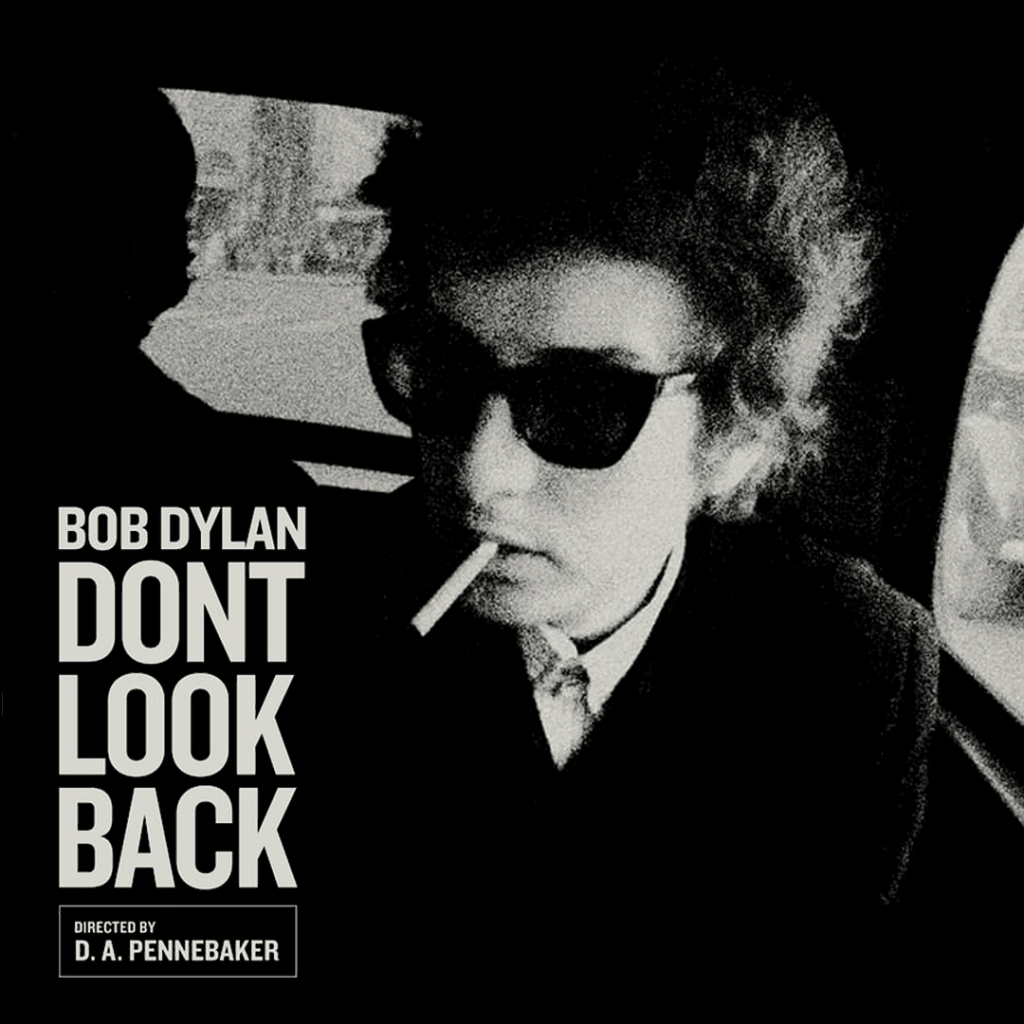
Dont Look Back, 1967 Director: D. A. Pennebaker The definitive Dylan documentary — raw, handheld, and intimate. Dylan’s 1965 U.K tour. Captures him just as he’s leaving folk behind for rock. Led to the behind-the-scenes documentary format in film. Watch options.
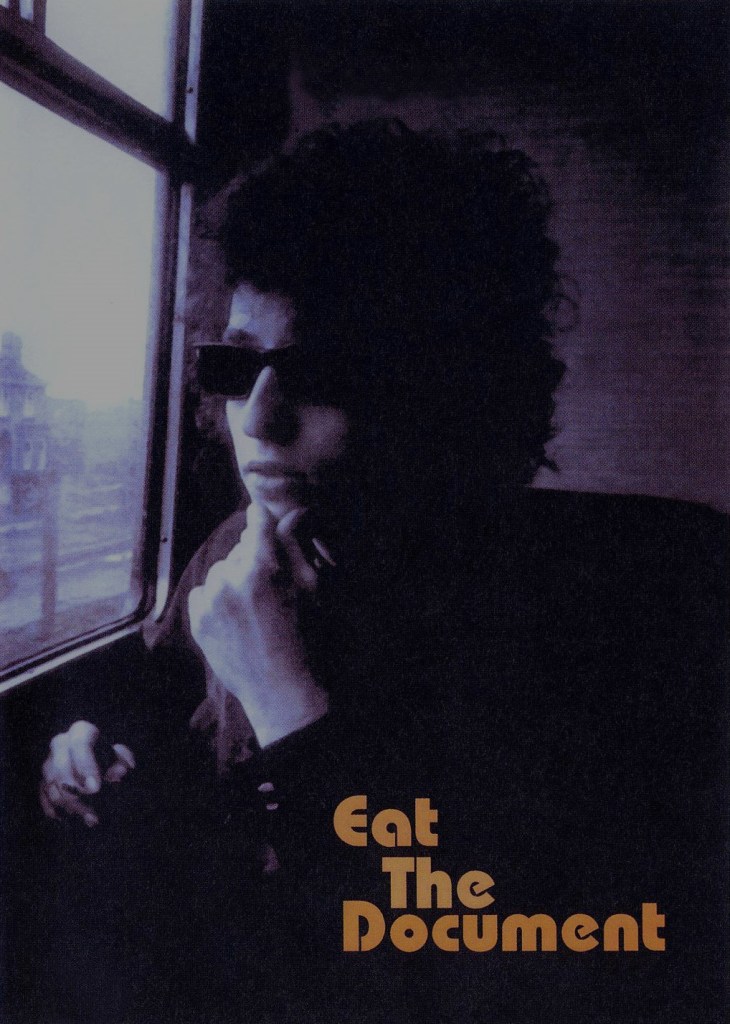
Eat the Document, 1972 Directed by: Bob Dylan & D. A. Pennebaker Dylan’s 1966 European tour with The Hawks (later The Band) This film shows Dylan’s onstage electricity and offstage exhaustion during his chaotic “electric” phase. Watch options.
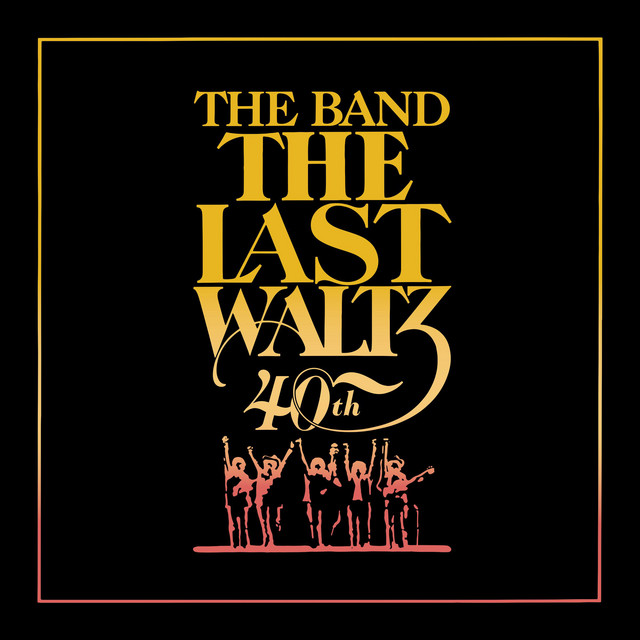
The Last Waltz, 1978 Director: Martin Scorsese The Band’s final concert and one of rock’s greatest films. Dylan appears near the end — his tribute to having been backed up by these performers on his 1966 tour. Other famous musicians including Neil Young, Joni Mitchell, and Eric Clapton join in. Watch options.
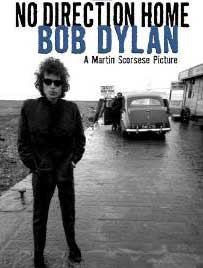
No Direction Home, 2005 Director: Martin Scorsese Film produced with Dylan’s cooperation focusing on Dylan’s early years, 1961–1966. Includes archival footage from Newport Folk Festival and 1966 World Tour showing his evolution from folk hero to rock revolutionary. Watch options.
Has your musical tastes changed over the years? Mine has been a slow transition that has only broadened my interest. Maybe Beyonce is trying to tell us something?
I’m adding this preface to my original post from March 2024 triggered by a Raul Malo concert at a small theatre in Newton, NJ. I recently learned that Raul had passed away last Monday, December 8, 2025, at age 60 after fighting a two-year battle with cancer. He was a unique talent that bridged musical genres. I’m thankful that I had the chance to attend one of his unforgettable performances. Here’s what Raul said of his medical challenge:
“In these past months, I’ve had to fight battles I’ve never imagined,” his note concluded. “But on the hardest of days, music remained my companion. Your letters, your stories of how a song helped you through loss, heartbreak, joy, those became our songs. You all carried me more than you know… Thank you for giving my voice a place to live, even when my body cannot be the one delivering it.”
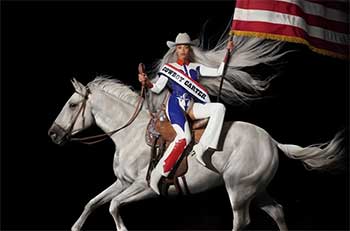
Little did I realize that Beyoncé and I may have something in common. Beyoncé has just released her genre-bending album “Cowboy Carter.” It features collaborations with Country music legends like Dolly Parton and Willie Nelson. It’s her latest evolution. And, it seems my musical tastes have changed too. Sad to say it has nothing to do with her, although we may be on the same track.
Cover of Beyoncé’s “Cowboy Carter” Album
Maybe it’s a product of getting older, or a mash of all the music I’ve come to like over the years. While I always have preferred rock or folk, I think my ear is bending a bit more toward progressive country, American Songbook classics and even the right Latin beat.
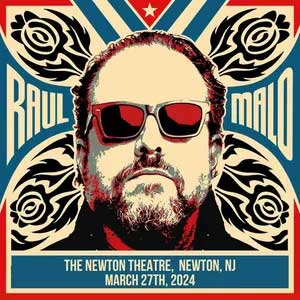
A few days ago, Mary Ann and I caught a famed singer, songwriter and musician at the Newton Theatre. Lately, I’ve been playing Raul Malo and his Grammy Award-winning band the Mavericks on my Spotify lists and noticed that we both were listening to the same music. Just a week ago Mary Ann found Raul had a one-night gig in NJ which gave us a rare opportunity to watch and listen to him perform.
You may remember the Mavericks for a few past popular hits but they have a strong following with a sound that always has been hard to categorize. Terms used start with progressive country, rockabilly, Tex-Mex, Americana, Cuban ballads, jazz and blues but Malo’s preferences are even broader than that. Raul Malo is the an American born singer with Cuban ancestry who has has a reputation as one of the most beautiful full baritone voices in music today. He also is a guitar virtuoso and plays numerous instruments. He’s that famous singer you probably never heard of.
Currently he is on a solo tour away from the Mavericks at smaller venues like the Newton Theatre which suits his talents perfectly.
The Newton Theatre
The town of Newton is about a 45-minute drive from Morristown and in a remote part of Northwest NJ. It’s the kind of place that’s easy to forget. Once a bustling town a century ago, it conjures up a nostalgic vision of an old western town which now seems charming with old storefronts and quiet narrow streets. And, it has restored its 1926 605-seat theater into an intimate performance space and occasional movie theater again with the help of SkyPAC, the local arts supporting organization. Maybe, this was the perfect place for tonight’s music.
It was a dark, wet and dreary Wednesday night so we hesitated for a moment before we decided to make the long schlep, having already purchased the tickets. The show started with the soothing sound of Seth Walker, a former Mavericks musician, playing upbeat and easy original tunes with a sound similar to Jack Johnson. It was a nice intro to what was to come.
The house was full of excited fans waiting as Raul came out around 8:30. Mary Ann and I looked around to judge the audience as we (seniors) often do these days. It was mostly gray-haired, pony-tailed or long-haired adults. For a typical “Country” concert it might be easy to conclude which way politically the audience leaned but we guessed this could be a rare situation with equal sides and in no mood to bicker. Raul is an actively progressive guy but never mixes politics with his gigs.
He dressed plain and casual on a spare stage with one stool and a single snare drum set, it seemed almost too little to deliver what was expected. This crowd called out to hear their favorites. But he just said, “Look there’s no play list, you may not hear songs you expect. I’m just going to play what I feel like tonight.” Luckily, we were all okay with that.
He started out with two ballads so Cuban that you felt transported to a cigar-smoked cafe in Havana. Then he changed to old classic songs of love and longing from Elvis to Sinatra to Nelson to Orbison. He mixed his material carefully in the playlist. His musical knowledge and taste is only matched by his perfect guitar playing and vocals.
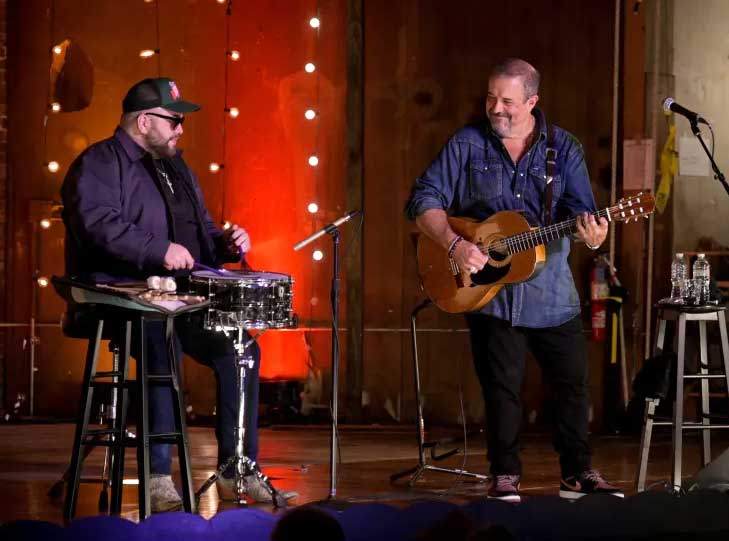
Dino and Raul Malo (photo by Jack Casey/What’sUp Newp)
Dino, his eldest son, joined him half-way through the set picking up the pace by playing smooth percussion. Together they performed maybe the best song all night, Neil Young’s “Harvest Moon.” Raul closed with what he noted was one of his top three songs of all time – Hoagy Carmichael’s “Stardust” which was in a category of its own. This may have been one of the most “intimate” sounding concerts I have ever attended.
Maybe music genres are blurring, are just too numerous to appreciate or you just outgrow them. Today, I’m looking for a performer to deliver the right mix. Perfect sounding music that speaks of everyday life, love and longing. Music that I can relate to at this time of my life. “Country” or some other category? No category seems right for my evolved musical taste. Has your musical tastes changed over the years too?
Here’s a taste of Raul Malo and his band The Mavericks:
Raul Malo, The Mavericks – Havana’s Midnight (Official Video)
Here’s one of my favorite cover songs sung by Raul Malo:
Some memories of people are etched in our minds. Some of places. And, some memories have both.
It was a rainy day, exactly as forecast. I enjoyed sleeping late that morning at my airbnb in Lee, Massachusetts. I had decided that after 10 days on the road and only 3 more to go to complete my Reunion Tour, it would be wise to avoid riding my bike through the light, steady rain.
25 Housatonic Street is conveniently located near the town center and is large enough for to host at least a few guests in some old period rooms as well as accommodate the owner’s family and grandkids on an occasional visit. Definitely not a motel. It was, as they claimed in the airbnb listing, “Comfortable Living in 1870’s House”.
Trivets from the three states that meant the most to me appeared on the table. A good sign, indeed.
I was sitting alone in a shared guest area that offered coffee, food, and information. There were obviously lots of memories made and shared in this home. The creaky floors and the numerous tsotchkes here seemed to prove that beyond a doubt. But people make memories and I was fortunate to meet a few.
This house keeps lots of memories frozen in time.
New-Age Kathy
I had met Kathy yesterday when I arrived. She was also a guest for the upcoming week, here for the Women’s Week program at Kripalu in nearby Stockbridge. It is the largest yoga retreat in North America. Her upbeat conversation reflected my understanding that this area of the Berkshires is known for its new-age thinking. She had come to gain a new enlightenment, become an instructor and to meet up with other yoga friends. Later, she said the program was everything she expected and more.
Biker Debbie
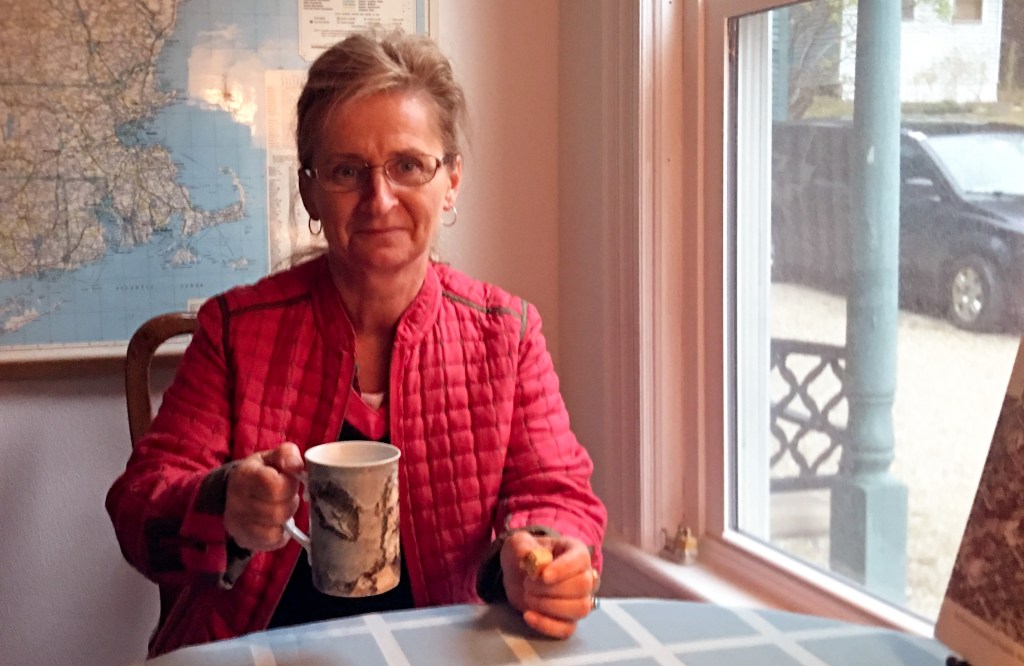
Later that day I met Dave and Debbie, who were my thoughtful and friendly hosts. Debbie was probably near my age and had been a competitive cyclist who also organized mountain biking races in the Kingdom Trails Burke Mountain area for several years – where I had visited a few days ago. It was obvious she had lots of old memories of those past glory days. Now, she and her husband still ride on tamer local trails and enjoyed walking. Funny, how easily it can be to relate to memories from people we might not have otherwise met.
Nurse Elizabeth
Sharing coffee and stories with Elizabeth, an inspiration of hard work and persistence.
But, that rainy morning I also met Elizabeth who was a regular boarder here and not your usual airbnb guest. After a friendly greeting I noticed she had a slight European accent. She began to explain she actually lived here 3 days a week to accommodate her job as an emergency room registered nurse in a Pittsfield hospital. Obviously, being an EMT nurse requires a certain type of individual.
You probably know that nurses are in high demand these days but their salaries do not necessarily reflect that. Apparently, Massachusetts hospitals pay much better than upstate New York. Elizabeth’s home is about 25 miles west of Albany so rather than travel 80 miles each way for 3 days, she stays here. This way she can have 4 days off to take care of her home and farm animals.
It turns out Elizabeth was born in Poland in an area known as Galacia that is the same area where my ancestors are from. Yet, her family began their American odyssey first in Bayonne, New Jersey, as many Poles did over the last century. Her family was able to begin immigration in the 1940’s after the war when sympathetic Polish troops allowed Poles to cross the border into Austria despite a Russian blockade. Later, the border closed and the family was denied entry until Glasnost occurred in Russia.
As was the custom of the time and place in Poland, Elizabeth married a neighbor in what might be called a pre-arranged marriage which she fought. Eventually, Elizabeth immigrated and worked through marital difficulties, earned here RN degree and raised three daughters (all now in their 20’s) that are doing very well, including one who is a pre-med student. Her’s is a story of a successful persistent immigrant and of one woman’s strength. I could not help but feel her story is not over yet and wondered what memories were ahead for her.
Lasting Memories
Nearly a week after my stay in Lee, I found myself on a weekend away in the Hamptons with my wife, kids, their spouses and the grandkids. It was to celebrate my wife Mary Ann’s 70th birthday. Yes, we were making our own memories too. Accidentally, a moment came a few days ago that brought a flood of memories back from that day in Lee, MA.
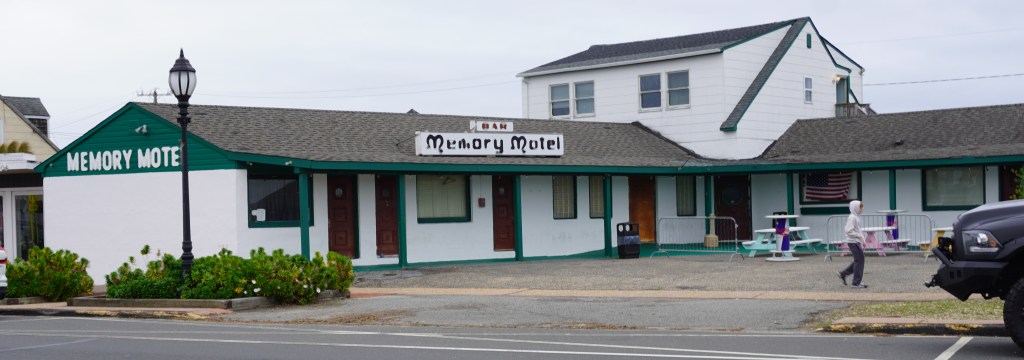
The Memory Motel still creates memories-Montauk Bar/Motel made famous by the Rolling Stones
In 1975 Mick Jagger was escaping a busy schedule of North American shows and a productive period of new music. Mick and Kieth Richards escaped to Andy Warhol‘s Montauk vacation home for a break. During that stay, Mick had a fling with a strong-willed woman. They would later name her as Hannah in a song he and Kieth wrote called the Memory Motel. (lyrics here) Some consider it one of their longest anb best ballads.
It’s speculation that the basis of the song then was Carly Simon, who Mick had a relationship with (Of course, it’s no secret that Carly got back at Mick with her hit single “You’re So Vane“). But the famous photographer Annie Leibovitz was also know as Hannah. So, let’s just say Memory Motel it was about remarkable women.
As we traveled through Montauk, we passed the actual Memory Motel. I did a double-take remembering the name but not realizing its history at the time. Apparently, there’s still a dive bar and beat up motel that lives on as a monument to memories past and those that can still be created.
Just like my stay at 25 Housatonic, some memories are just burned-in and will never leave. Rightly so. Chief among them are hard-headed women that make a difference and special places that we never forget.
I spent two totally enjoyable days with my friend Mike Kennedy and his wife Kristen in Barnet VT, which is in the Harvey Lake area – in the northeast section of Vermont also known as The Northeast Kingdom. Here’s some of the highlights of my first day visiting this special place.
The beauty of having a friend in a far-away place is that you have a built-in desire (maybe a need) to get there someday. I often thought that a visit to see my old high school friend Mike Kennedy might not happen. Afterall, Vermont is an out-of-the-way place. Its on the way to nowhere. Whereas New Jersey always seems to be in the middle of everywhere. Mike had visited my area several times in the past few years.
With the dual personal opportunities of retirement and long distance bike riding, the idea of me visiting Mike seemed to make a lot of sense. And, if not now while I still am healthy and have the time, then when?
Welcome to Vermont
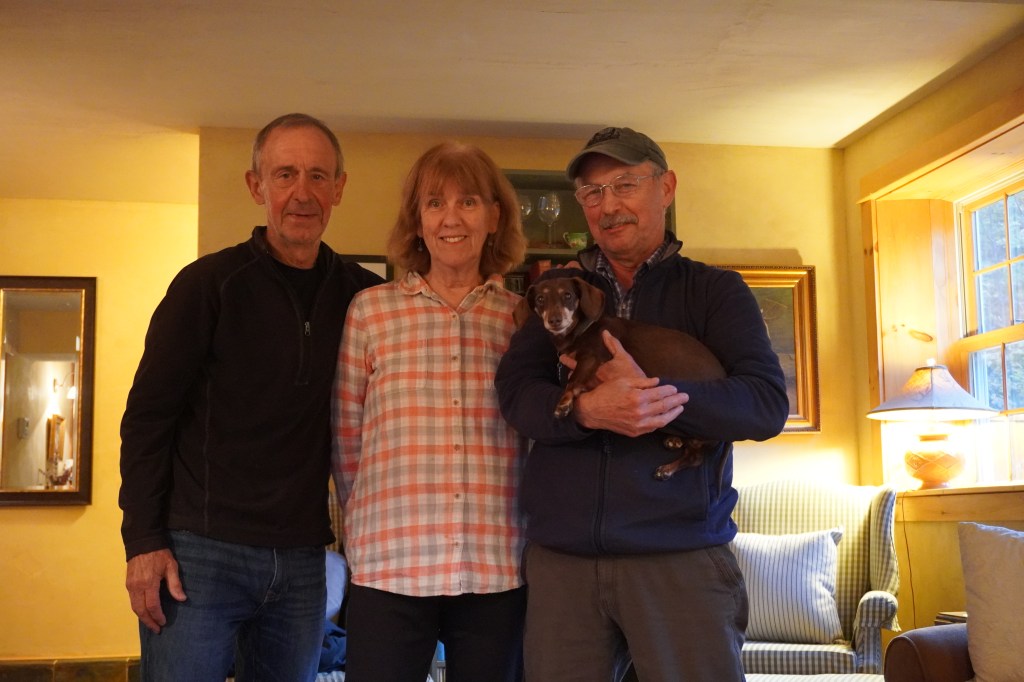
Mike and Kristen are very kind and open people who easily welcomed me to their home. It was an open-ended plan to just crash there for two days. I arrived the evening of October 1 in pretty bad shape from my long 96-mile ride from Burlington across the state and was looking forward to some recovery and company. My objective was to get to know the area and how life was in the part of the country.
Me with Kristen, MIke and Quokka (aka beloved dog)
Building Takes Craft and Sweat
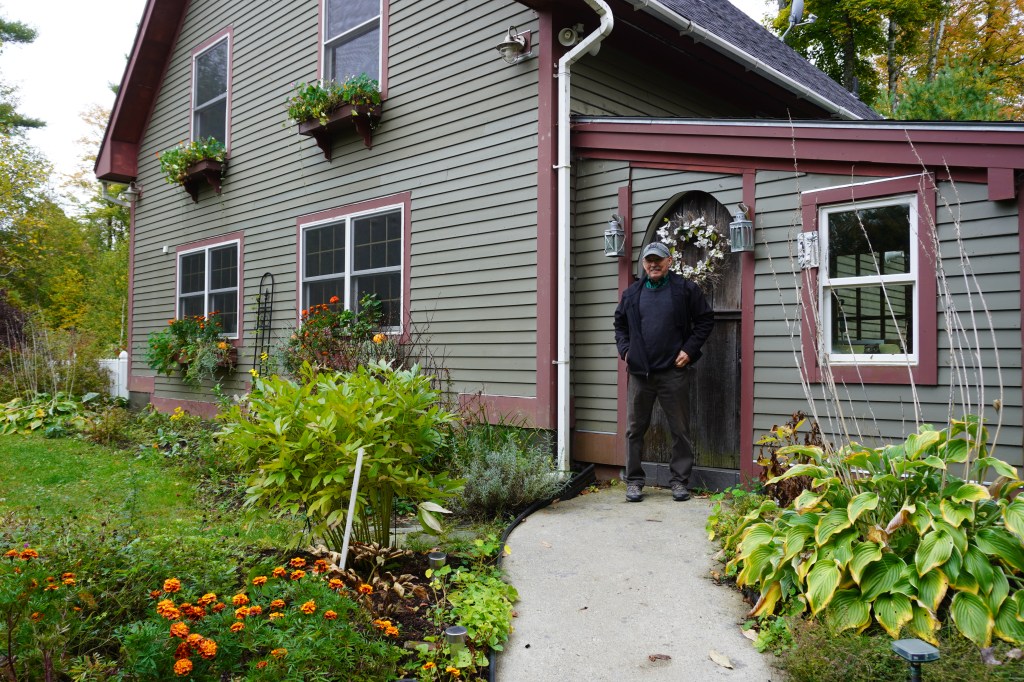
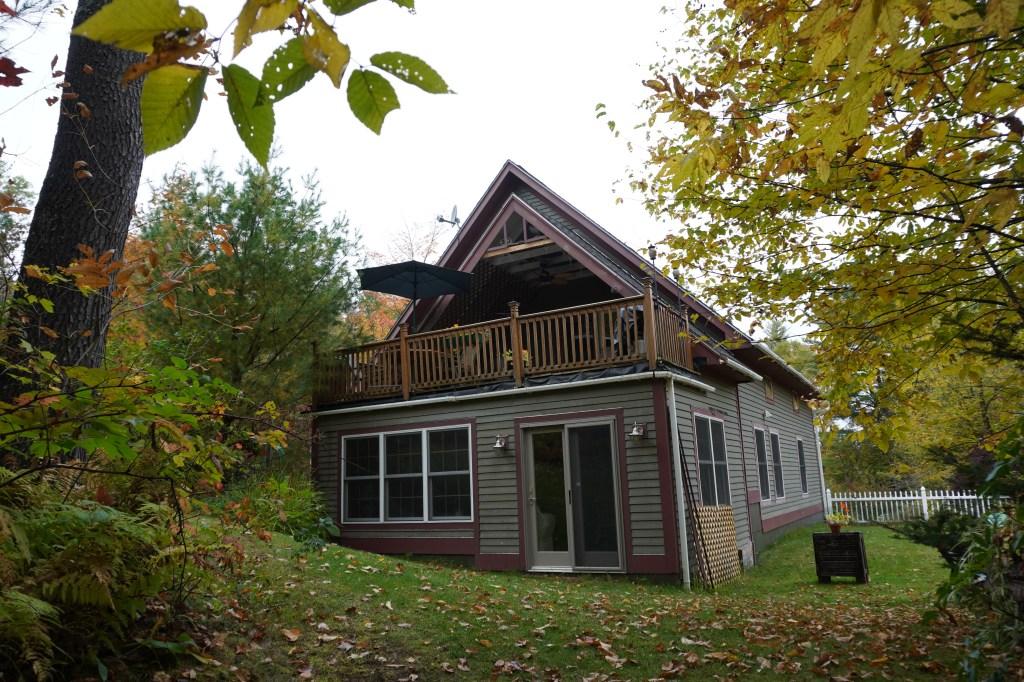
First, a little background on his place. I believe it was about 15 years ago while living in the area, they bought the property with the idea of building a house. To most people, that would mean getting contractors to do the whole thing. But up here it’s often considering first what can be done on your own.
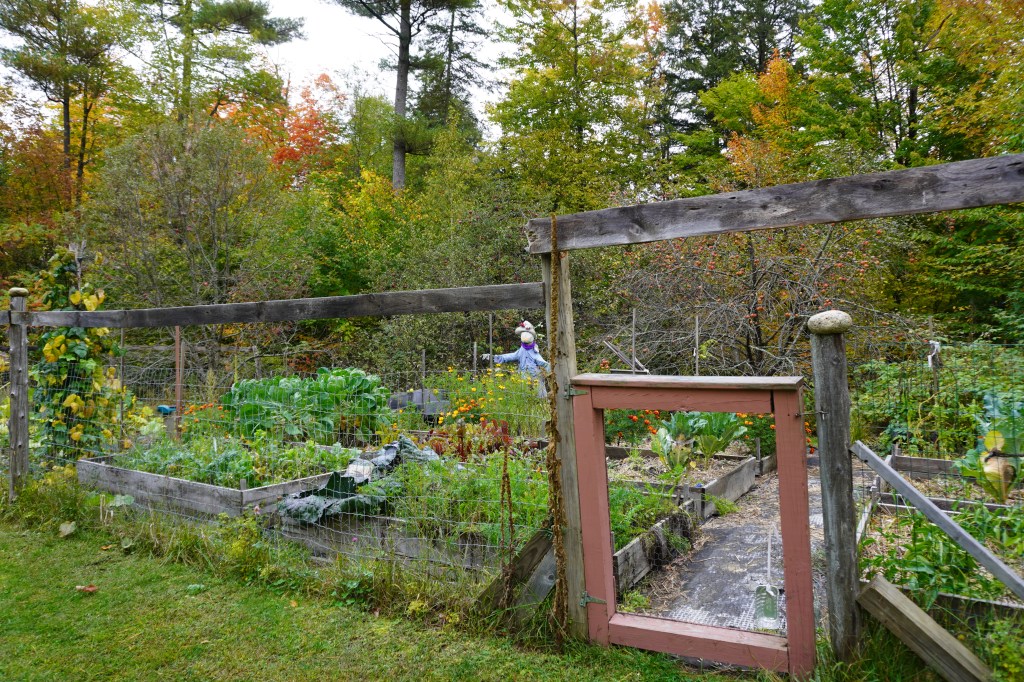
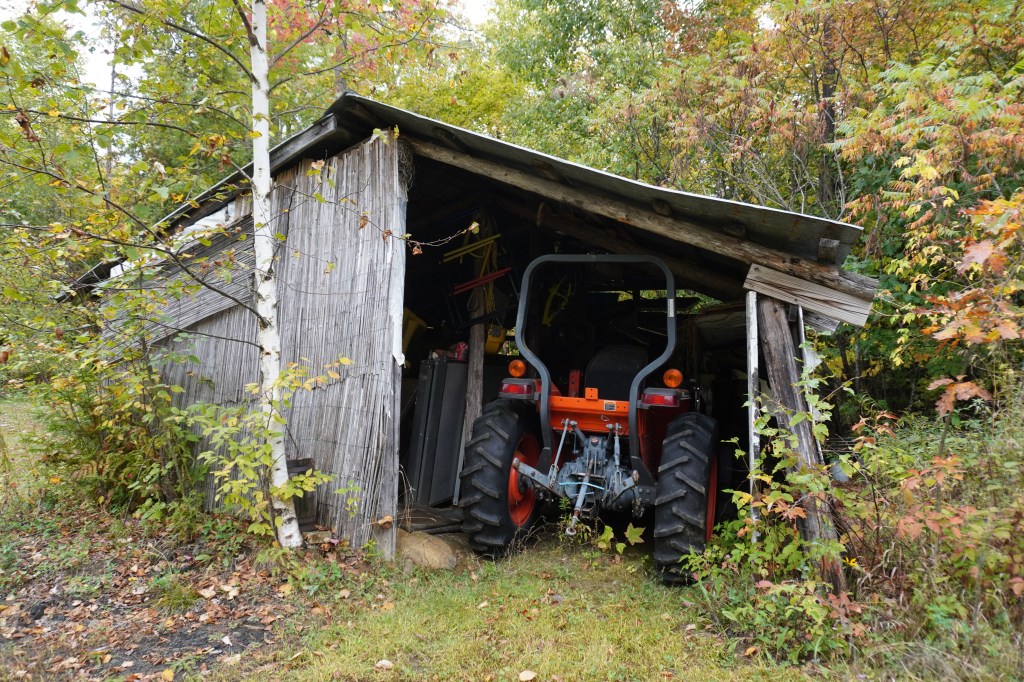
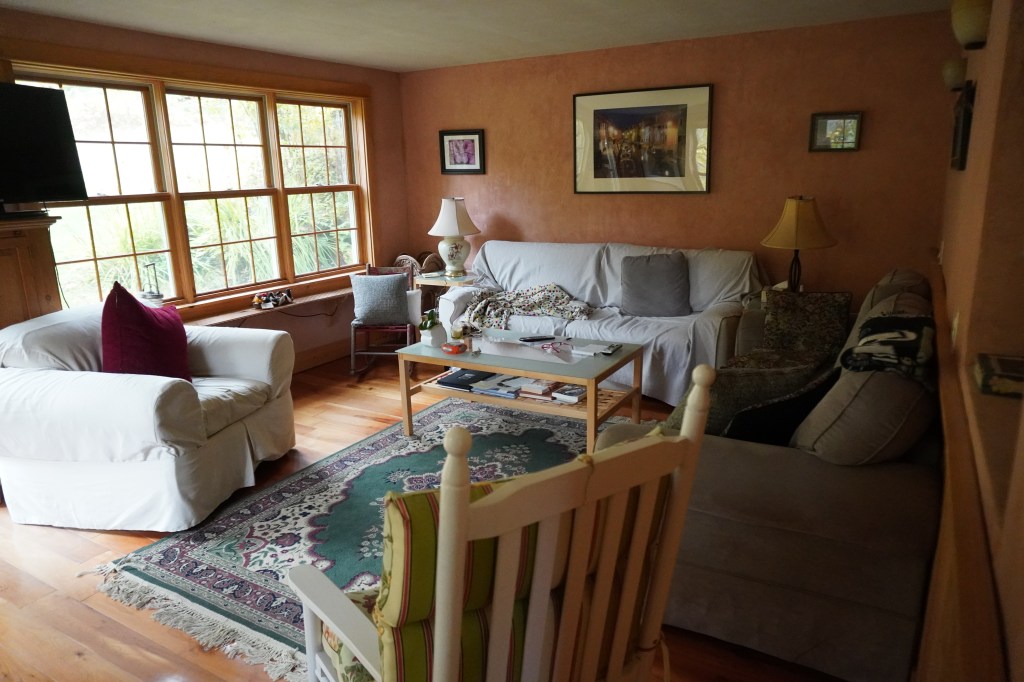
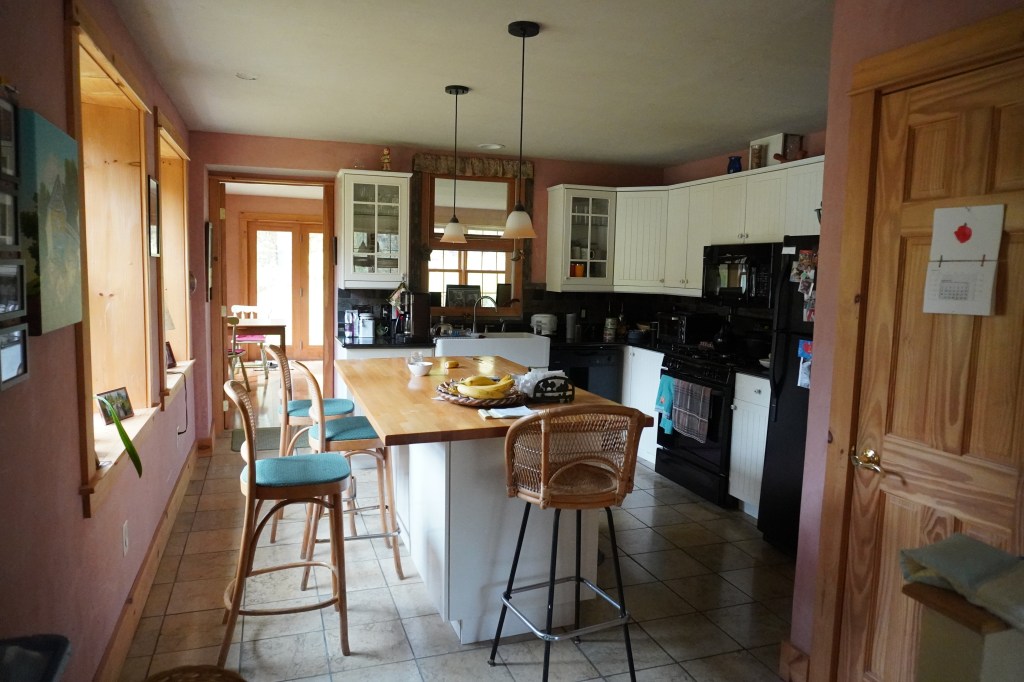
They decided to clear the land, set up temporary shelter and built a house that would surpass most contractors. This house is tightly insulated, has double-thick walls and has a floor heating system, all of which Mike either designed, contracted or installed himself. More work, pain and inconvenience than anyone could imagine. But it’s their effort and sacrifice that made it happen.
Off to the Lake
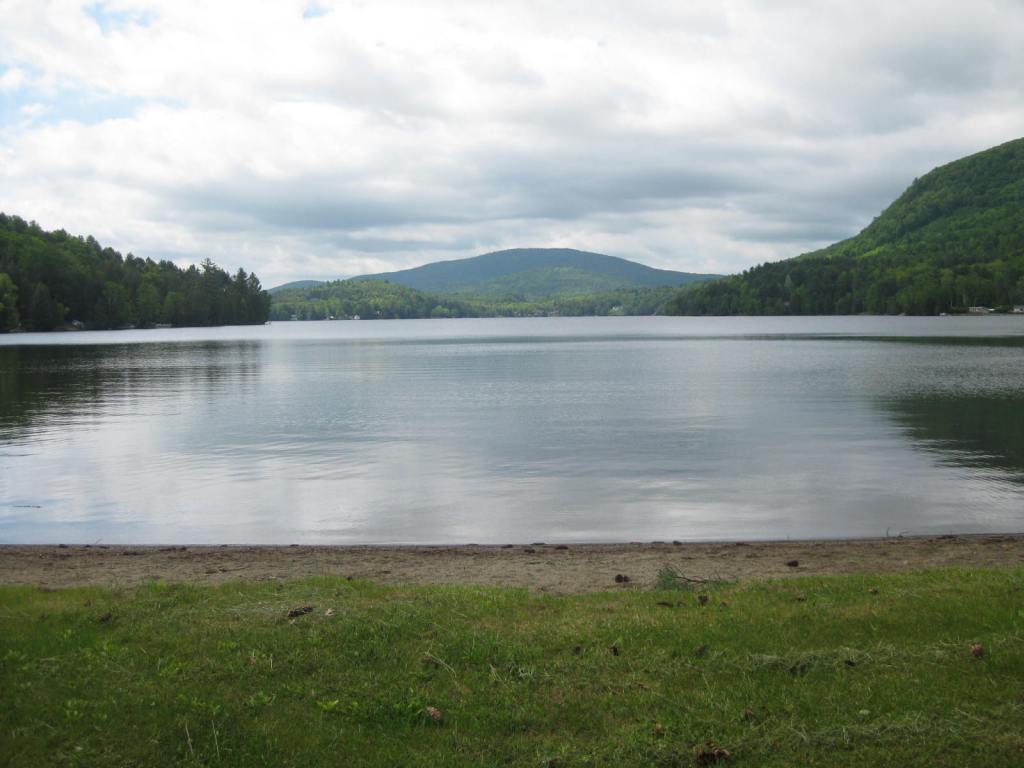
Mike amd I started my first day there kayaking on Harvey Lake, which is only a few hundred feet from his house. It’s a beautiful vacation area for many who have large lakefront homes. But the area is remote enough that you still cannot get a cell signal.
Today it seemed nearly deserted. We rowed around the lake and looked for loons who spend a great deal of their time under water catching fish and occasionally popping up, honking or flying away. One of Harvey Lake’s claim to fame is it is where Jaques Cousteau made his first dive in deep water that inspired his career.
Harvey Lake – deep and almost famous
Land of The Rich & Famous
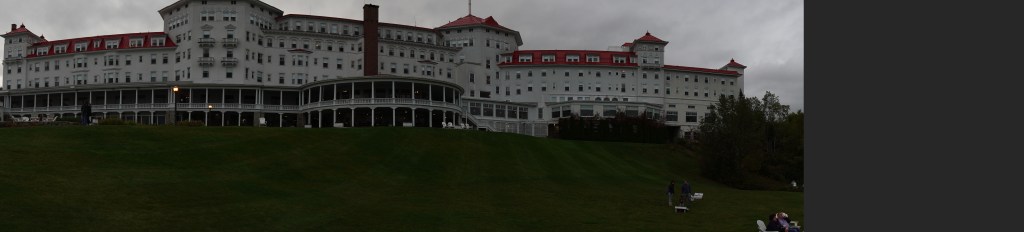
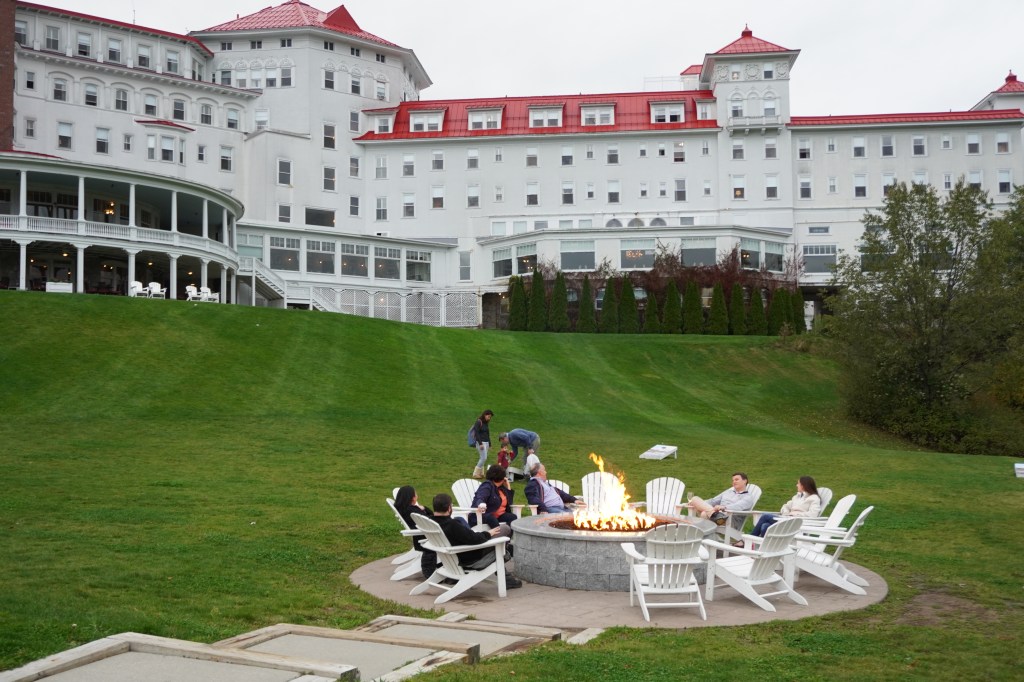
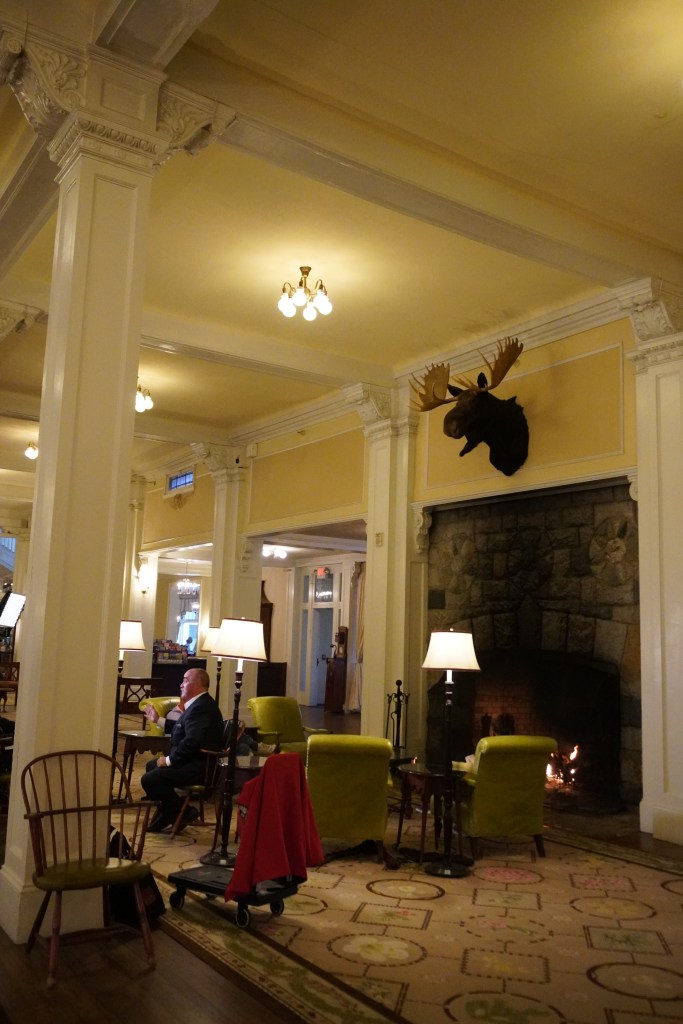
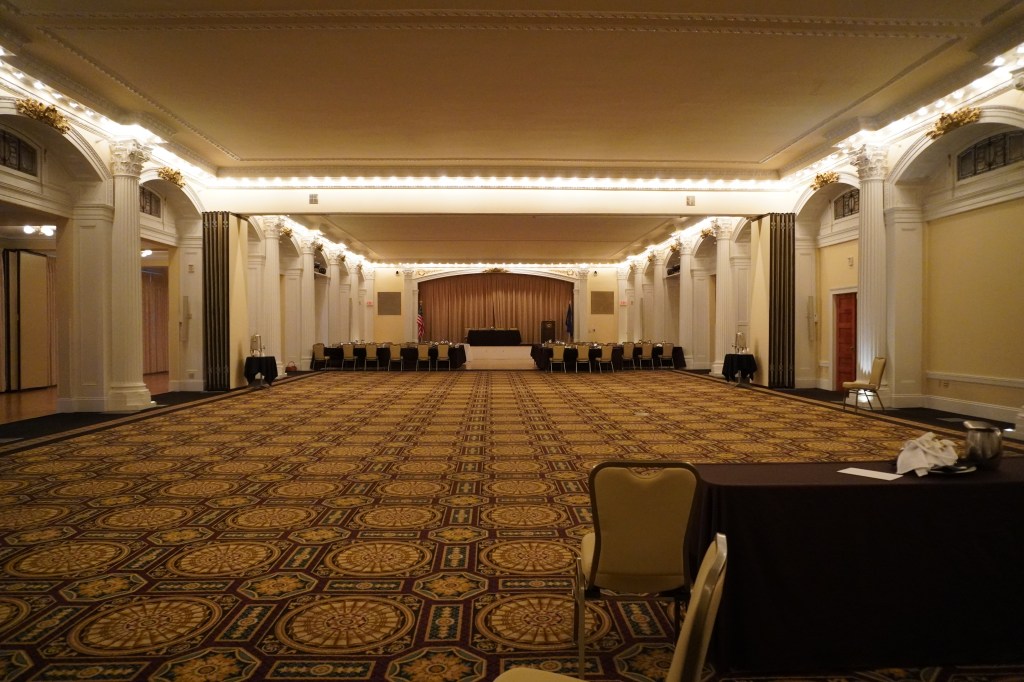
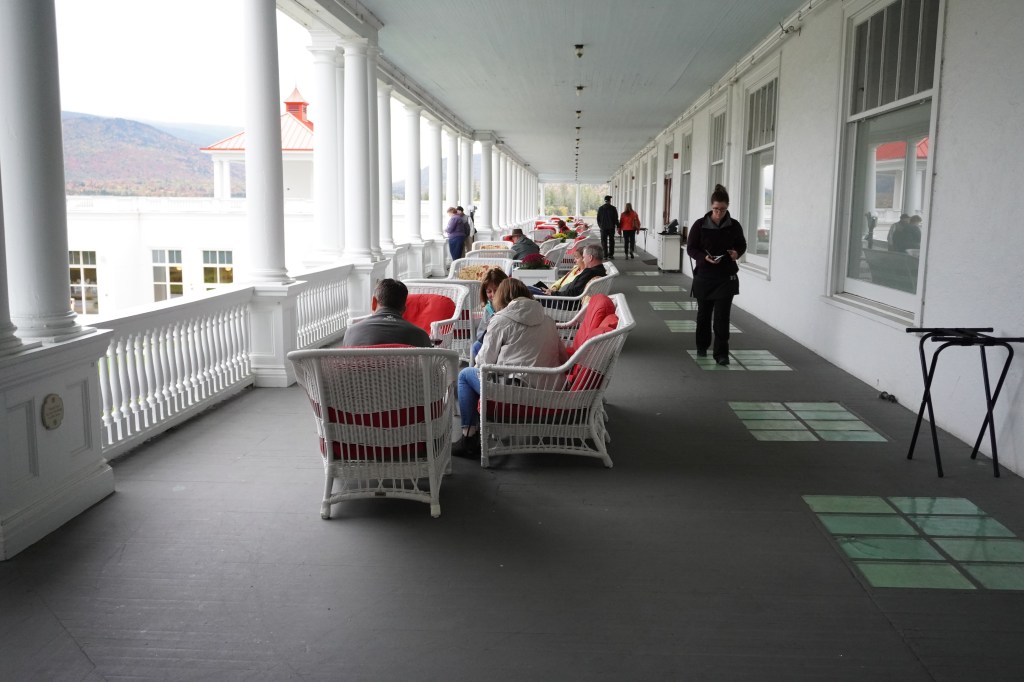
After lunch, Mike and I took a ride to the Mount Washington Hotel in nearby New Hampshire to visit this grand hotel and admire the views.
The Mt. Washington Hotel is consider one of “grand hotels” of the area harkening back to the guilded age where the monied class would spend summers with nature and the priveledged. It is also famed for the Bretton Woods meeting that started the InternationaI Monetary Fund (IMF). It is a unique historical site that seems beautiful but out of place in such a raw environent.
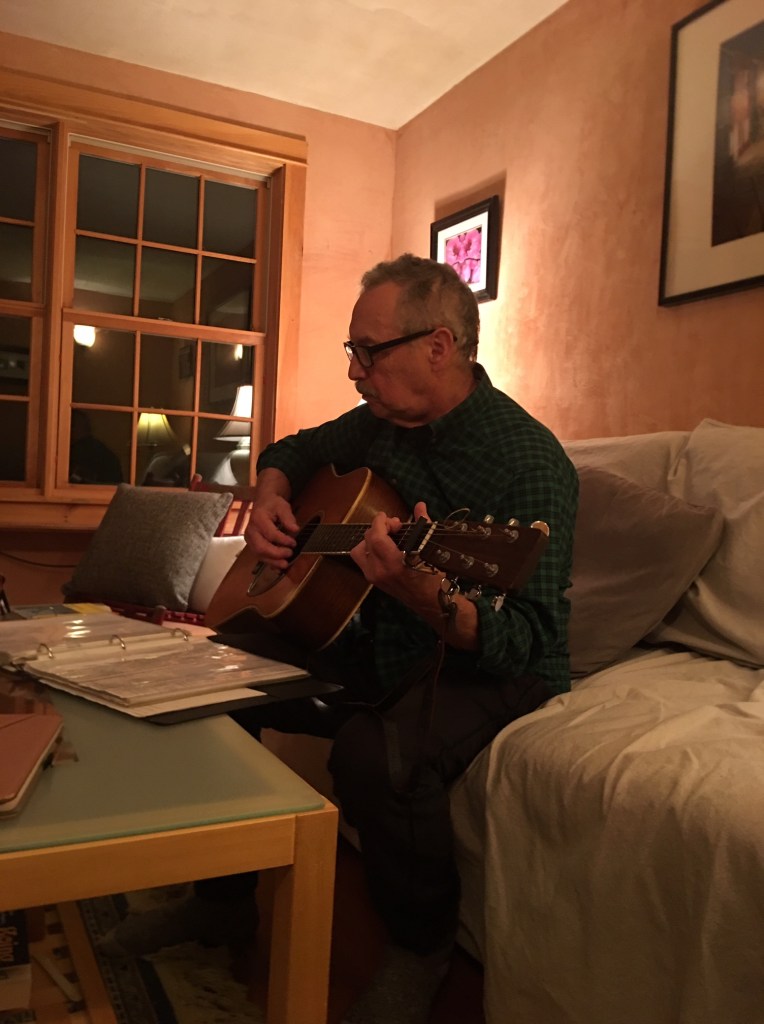
Mike has had a fairly regular gig a few times a year playing his Americana music and storytelling there. It would seem a bit offbeat for this kind of place, but this too is a strange blend of basic Vermont living combined with an upper class lifestyle. This day the top of Mt. Washington (supposedly once marked as having the highest speed wind on the planet) was covered with clouds. Still the White Mountains were beyond impressive.
Tonight’s Show
Going back to Mike’s place in Barnet we bought some prepared food and planned to spend the night catching up and listening to music.
Mike is a born performer with a love of all sorts of music but particularly a folkish blend of old folk ballads, bluegrass, countryish songs with lyrics that tell a story. I’d say somewhere between Woodie Gutherie and Wilco.
Mike dubbed the music he favors as “Americana”. Sometimes it’s music with a message and sometimes music with strange old instruments. He talks of legendary local musicians, special venues and times of simply great music. And, I’ve found that same love and respect of music wherever I have gone in Vermont. Maybe its a holdover from those old hippie days that the rest of us have forgotten.
After a few outstanding local craft beers and a lot of singing we called it a night. Tomorrow was another day in the Kingdom.
For me, Vermont holds on to the past but cares about the future. My stay in Vermont reminded me of what’s important. There’s beauty in this struggle with nature.
A stay in North Philadelphia turns into a visit with John Coltrane.
It’s always a special treat when serendipity pays a visit. Even more so when there’s music involved.
Exploring North Philly Neighborhoods
I needed to drive to Philadelphia and get an overnight place to stay this past Friday night. Having had some interesting, and mostly rewarding, experiences using Airbnb.com, I searched for a place near Fairmount Park where most of our FreeWalkers’ Philadelphia Marathon Walk would be taking place early Saturday morning. Using Google Maps and Airbnb reviews, I found a place in Brewerytown, a section of North Philly I knew nothing about.
The Airbnb photos and reviews were good for a simple, private room on N 32nd St. and plenty of parking. Best of all the cost was only $50 for the night! But, reading into the listing and reviews there appeared to be two items to reconcile. What was this section of town like? And, what did the possibility of hearing CSX trains at night mean? No reviewer seemed particularly put out by either.
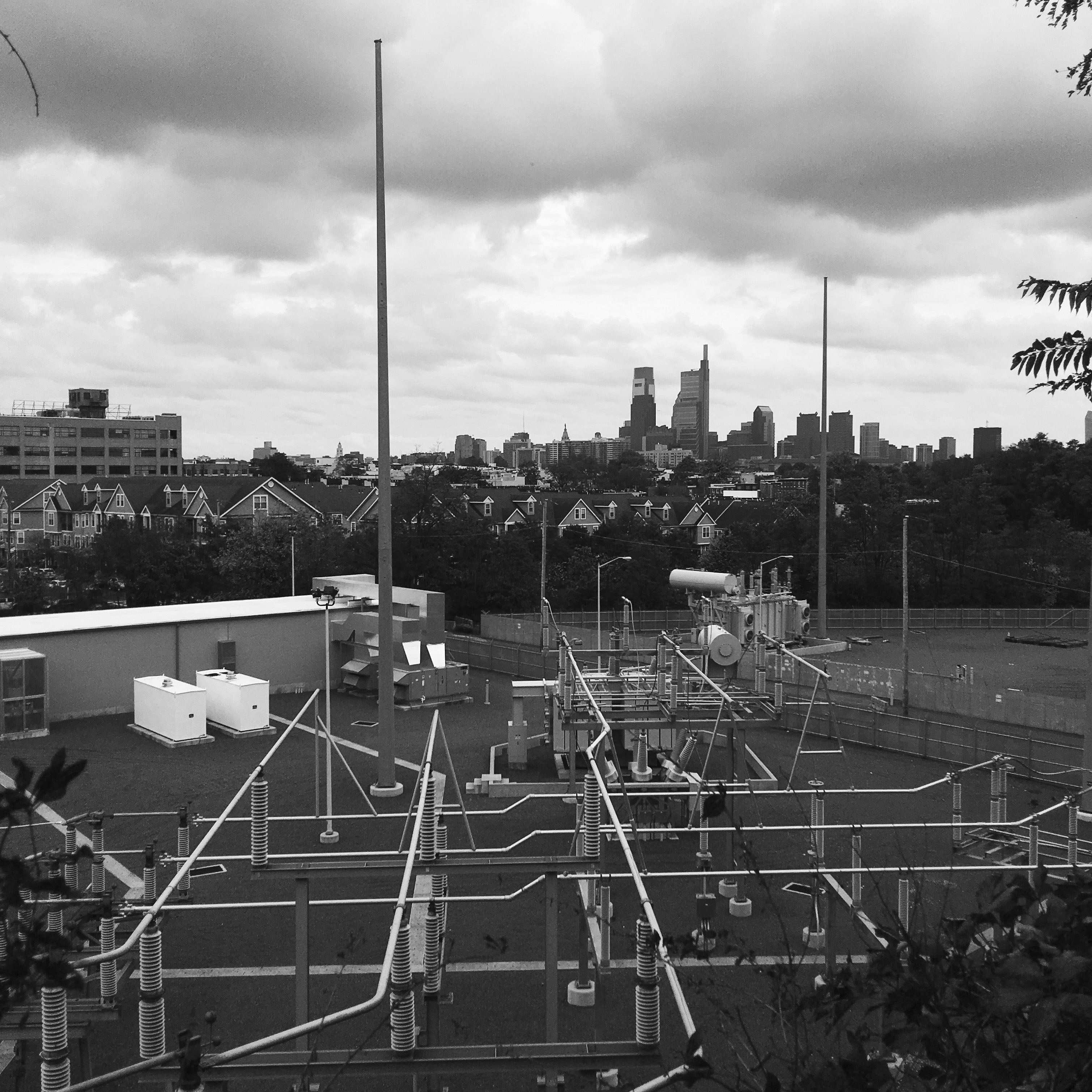
Overlooking power plant and tracks, Brewerytown is in the middle city skyline in the background.
Using Google Maps, locating the place was easy and close to the highway. You could see signs that this was a distressed section of town, but also signs of new building among old industry. As you might have guessed, this section of town had been home to dozens of breweries in the past due to its proximity to the Schuylkill River and the German population. Today only one exists – Crime and Punishment Brewing which I unfortunately did not get a chance to visit.
The neighborhood seemed similar to the gentrification I saw recently in Brooklyn. My place was a small front room of a new townhouse close to the street, clean and sparse with all the amenities available. The owner, Tyler, was a young friendly guy and highly rated by Airbnb.
Part of my interest in any Airbnb stay is to explore the area once I get checked in. You could see that this might be a challenge because its a mixed use area with old and new residential as well as industry and converted loft space. Parts looked cool. Parts looked threatening. Using Google Maps again, I decided to take a walk. Fairmont Park was close by. And, then I saw a map bubble for The John Coltrane House. Whoa, I had no idea he was from Philadelphia but I needed to know more.
Finding John Coltrane’s House
That CSX train’s tracks literally separated Brewerytown from another part of North Philadelphia across Girard Avenue and just a few blocks away on 33rd St. Even though this was adjacent to the park, it was literally “on the other side of the tracks” and looked badly neglected. Still there were signs for and about John Coltrane there, beckoning me to find out more. I continued walking to see what tribute was there to honor the great jazz legend.
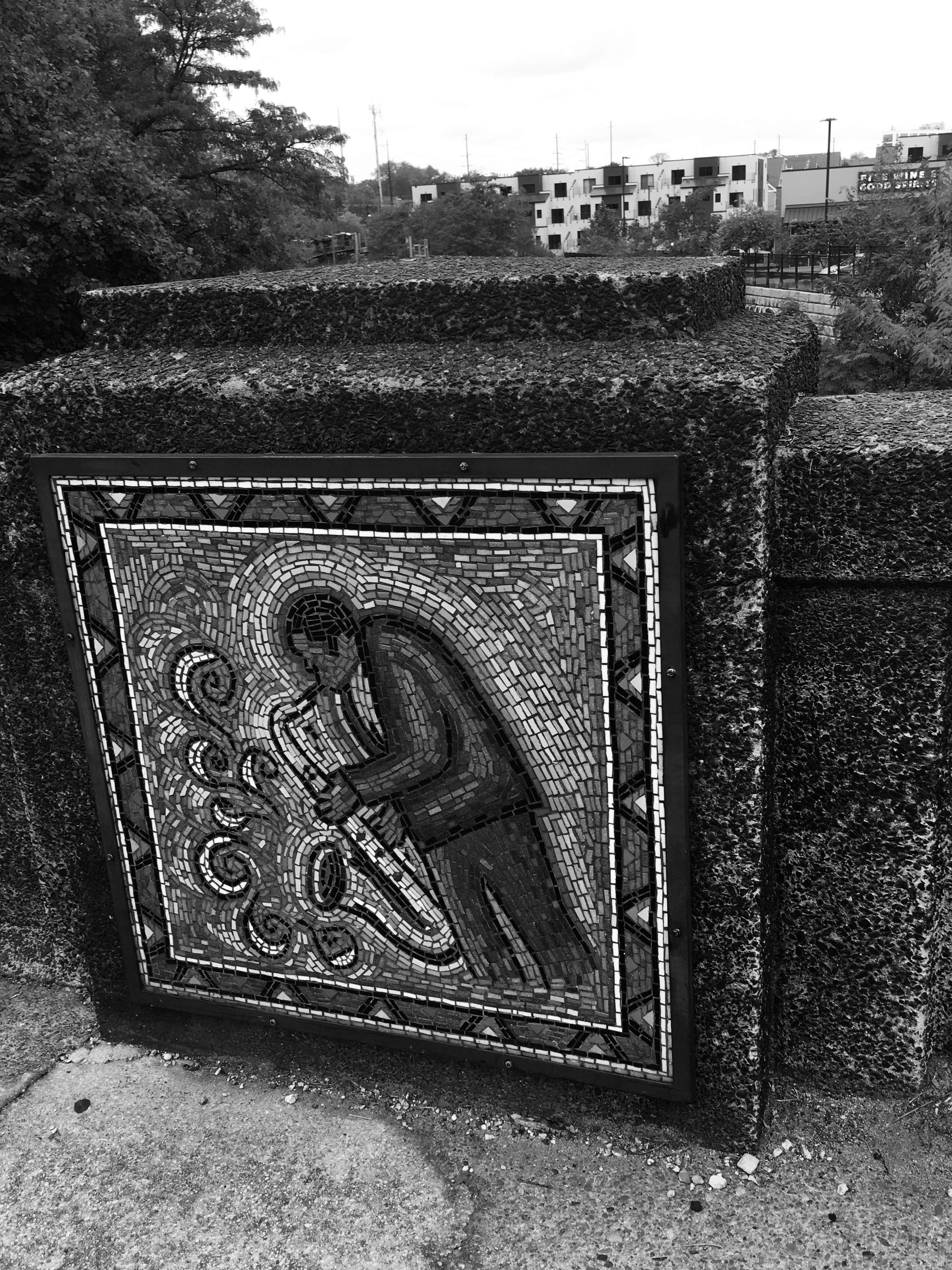
I walked about a mile to an old section of row houses needing repair and saw the home and a marker outside. It read “The John Coltrane House” which is designated as a national monument. This place was formidable for his career where he developed his unique style and worked for a time with Miles Davis. The monument on the street did not reflect the place and the place did not reflect the monument.
During the years (1952-58) that Coltrane lived on N. 33 Street, the house was often referred to as Trane’s House by many Philadelphians who were part of the jazz scene and by local fans that frequented the live music bars and clubs… (stories that) Coltrane played his horn on the front porch and in the park across the street are still told by old timers in the neighborhood.
It would appear there was an effort to renew and revitalize the place in 2012. What happened afterwards? Was it a lack of money or organization?
Coltrane had his bout with drugs and alcohol and moved to New York for his final years. He had recovered from his addictions and produced some of his best works inspired by a spiritual recognition before he died at the age of 40 due to liver failure. Some speculate it was from Hepatitis due to his earlier addictions.
It’s All About the Music
You may not be a jazz enthusiast or musician but I challenge anyone who has ever heard a riff by Coltrane to ever forget it. There is something otherworldly about his tenor sax that experts agree was unique and even spiritual. Here’s a sample of “In a Sentimental Mood” with Duke Ellington.
Let me say that I’m not a jazz expert but more a casual fan. There is something that’s palpably different with a saxophone, especially one so sweet and longing as “Trane” played. Coltrane died much too young but the legend lives on. How lucky am I to just step into the legend? It even forced me to review and learn about his life and music for this piece. I began thinking the old building may not make it but at least his music will.
The Legacy: A Love Supreme
Of course, there is one piece that even transcends all his other great work and that is “A Love Supreme“, considered to be among the best jazz music ever recorded. Coltrane’s music was so profound that a church was created as Saint John Coltrane African Orthodox Church in San Francisco that mixes African Orthodox liturgy with Coltrane’s quotes and a heavy dose of his music.
You can learn more about the making of a “A Love Supreme” and the special jazz talent he worked with at the time here with this NPR piece.














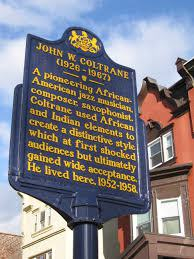 I walked about a mile to an old section of row houses needing repair and saw the home and a marker outside. It read “The John Coltrane House” which is designated as a national monument. This place was formidable for his career where he developed his unique style and worked for a time with Miles Davis. The monument on the street did not reflect the place and the place did not reflect the monument.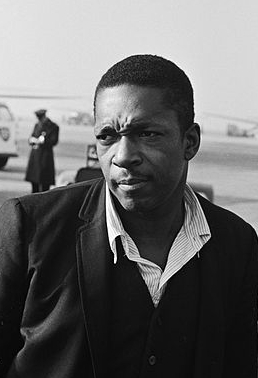
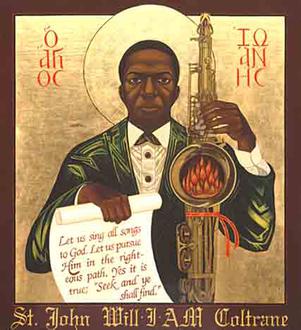 Of course, there is one piece that even transcends all his other great work and that is “A Love Supreme“, considered to be among the best jazz music ever recorded. Coltrane’s music was so profound that a church was created as