Manufacturing Memory: Dylan @ Forest Hills 1965

As a teenager I witnessed Dylan perform his first electronic set after Newport. Little did I know the music, musicians and fans were to become the stuff of music legend.

So, I wondered, Is it possible to recall a vague memory that happened 60 years ago and make sense of it today? Could research reconnect sleeping neurons and help me understand what really happened on that one strange night? 

Watching A Complete Unknown, the Bob Dylan biopic with a memorable performance by Timothée Chalamet, recently triggered that long dormant memory. The Forest Hills concert was Dylan’s next public appearance after being booed at Newport just a month earlier for daring to plug in and play electric. Up until then, he’d been the lone troubadour: acoustic guitar, harmonica, and words that shook a generation. But the winds of change were already blowing.

For many, Dylan’s transformation felt like betrayal. For me, that night was simply bewildering. I couldn’t make sense of what I saw — but six decades later, I crave to.


The Times They are a-Changin’

We sat in Forest Hills Tennis Stadium in Queens, New York among 15,000 fans filling the horseshoe-shaped arena built for tennis, not rock. Forest Hills was an ideal outdoor venue for a large audience drawn from the New York metropolitan area, including the important Greenwich Village folk scene. Acts like the Beatles, Rolling Stones, and Frank Sinatra had previously played there. In fact, Dylan had played there just a year before, appearing with Joan Baez.

Older photo of tennis match at Forest Hills Stadium

At just 24, Dylan had already become the reluctant “spokesman of a generation.” His lyrics carried rebellion and poetry in equal measure — a mix of Woody Guthrie grit and James Dean defiance. America in 1965 gave him plenty to sing about: war, inequality, and political unrest.

Many think of Dylan as a protest activist. But he was never a joiner — he gave voice to movements without belonging to them. His songs were protest anthems, even when he refused the label “protest singer.”

Yet the times and the sound were changing. Rock music, born in the 1950s, had exploded. By 1965, Dylan sensed it was time to evolve. He began to push both his music and his audience toward a new hybrid of protest and power, folk-rock.

Like a Rolling Stone
Dylan's Bringing It All Back Home Album cover

In March of 1965, Dylan released his fifth album Bringing It All Back Home. One side is solo acoustic; the other electric backed by a studio band. The album cover design and music were a clear sign to his fans that he was resetting his style.

Then came the single Like a Rolling Stone (listen) (lyrics) which was recorded in June and released July 20, 1965 before appearing on his next album. This was five days before his notorious appearance at the Newport Folk Festival (July 25, 1965).

Like a Rolling Stone - 45 RPM record label

The song quickly made the top radio charts even though it had an angry protest message, full use of electronic instruments, and was over six minutes long instead of the industry-standard three minutes. It violated all those norms while creating a popular bridge between folk lyrics and the infectious sound of rock music. 

The afternoon before the concert my friend Mike Kennedy called to say he had extra tickets, thanks to his older brother Tom, a Columbia student who was tuned into the changing scene. Mike and I were just 17 years old, Jersey high-schoolers trying to be cool. We’d heard some Dylan, but didn’t yet get Dylan.

We definitely weren’t ready for what we were about to witness.


With No Direction Home

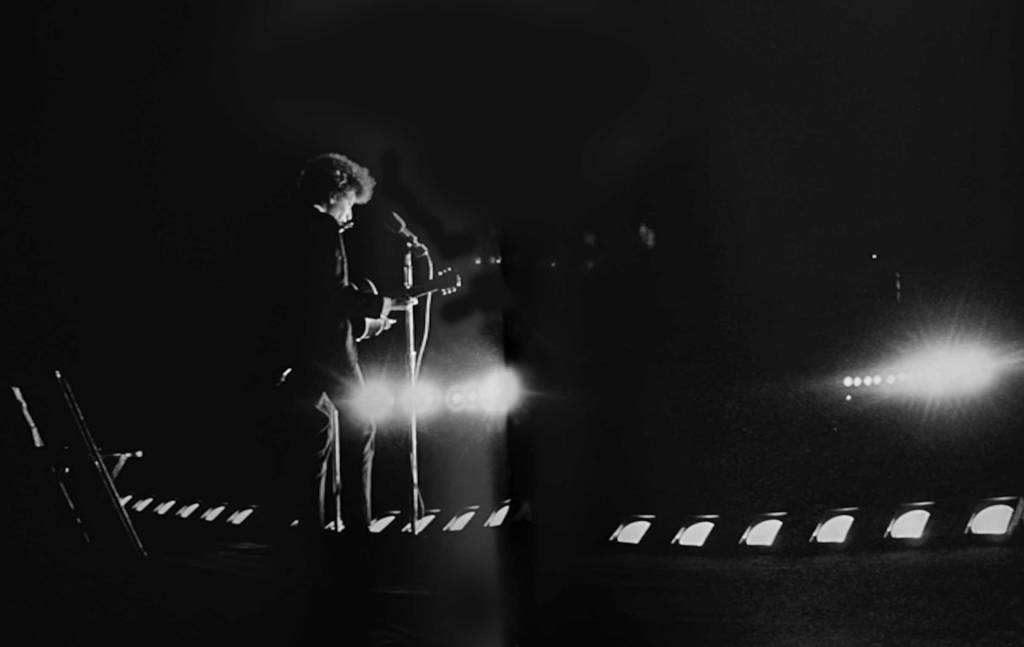
On this unusual windy and cool August night, temperatures dropped from the 80s to the 50s and brought gusty winds. It was an omen of what was to come. We were sitting on bench seats in a steep upper deck of a very dark stadium. Everyone was focused on a single miasma of brilliant light shining on the platform stage where Dylan and his band would perform. You could immediately feel the nervous energy of the buzzing crowd in anticipation of Dylan’s appearance.  

Everyone wondered: would Dylan go electric again, like at Newport?

He would — but only halfway. The plan: an acoustic set first; then an electric one.

But the tension was already in the air.

He Really Wasn’t Where Its At
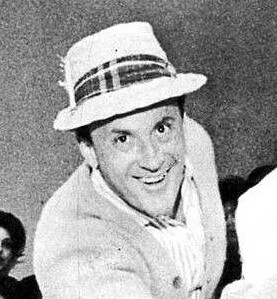
Photo of Murray Kaufman

The concert opened oddly with “Murray the K” Kaufman, a popular Top-40 DJ, as emcee. Folk purists booed loudly. To them, Murray symbolized the commercial rock world they despised. It was a taste of things to come.

Click to listen to Murray the K’s intro to the concert

You Say You Never Compromise

The first half of the concert went smoothly. It was the acoustic set which everyone recognized and seemed to enjoy. That is to say Dylan performed solo with guitar and harmonica in his usual style. The 45-minute set including She Belongs to Me, To Ramona, Gates of Eden, Love Minus Zero/No Limit, Desolation Row, It’s All Over Now and closed with Mr. Tambourine Man. This set featured the public debut of the ten-minute long “Desolation Row,” which went over very well with the entire crowd who appreciated its clever caustic lyrics

Click here to listen to the full Desolation Row recording
Dylan playing the first set solo on 
acoustic guitar at Forest Hills
Dylan playing solo acoustic guitar. Photo: Daniel Kramer

To Hang On Your Own

After a fifteen-minute break, everyone knew something big was coming. Dylan appeared accompanied by a band of four relatively unknown musicians at the time – Robbie Robertson (guitar), Levon Helm (drums), Al Kooper (organ) and Harvey Brooks (bass). Over the years they would create their own history in the world of rock and roll.

They launched into Tombstone Blues. The stadium erupted — not with joy, but outrage.

Click to listen to the raucous first minute of the electric set
Dylan’s band at Forest HillsPhoto: Daniel Kramer

Boos, shouts, insults. “Scumbag!” someone yelled. Dylan shot back, “Aw, come on now.” That was followed by a chorus of “We want Dylan.”

Listen to the negative reactions to the “new” Bob Dylan

Dylan had already anticipated the negative reaction. According to Harvey Brooks Dylan warned the band, “I don’t know what it will be like out there. It’s going to be some kind of carnival, and I want you to all know that up front. So go out there and keep playing no matter how weird it gets!”

And weird it got. The crowd seemed to quiet a bit after a few songs. But as the set went on the audience grew restless. Half-way through the set, fans ran across the grass toward the stage only to be tackled by security guards. Al Kooper’s organ was knocked over and Levon Helm had to hold off a couple protesters charging his drum set. Objects were thrown at the stage. Still, Bob and the band played on!
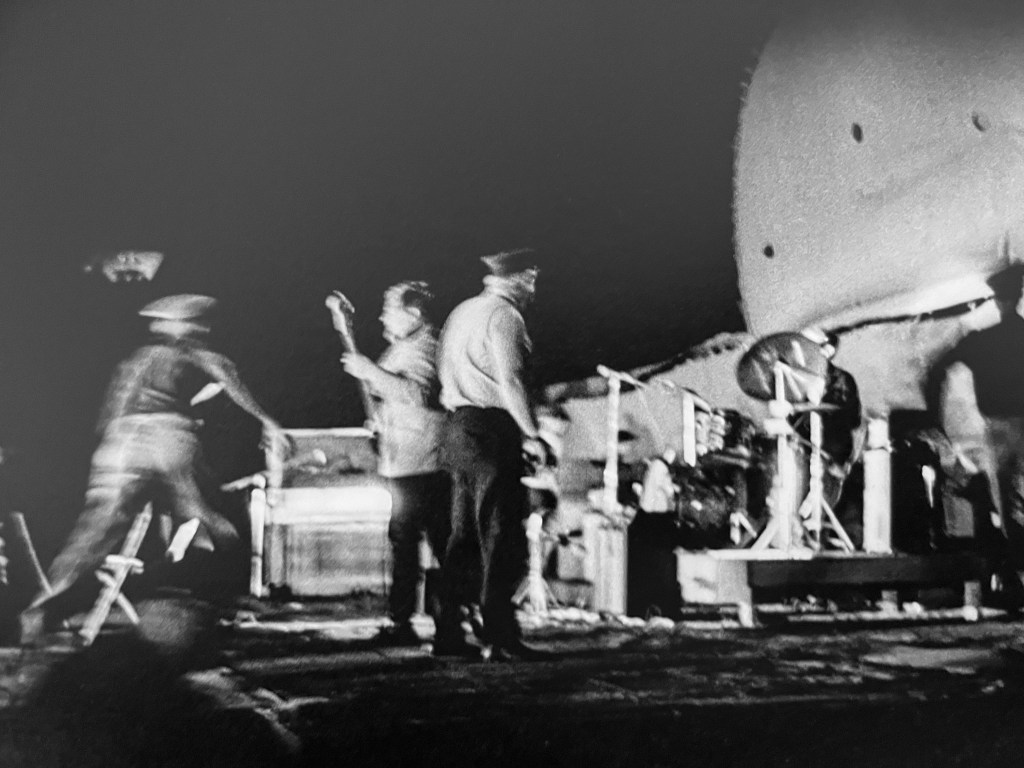
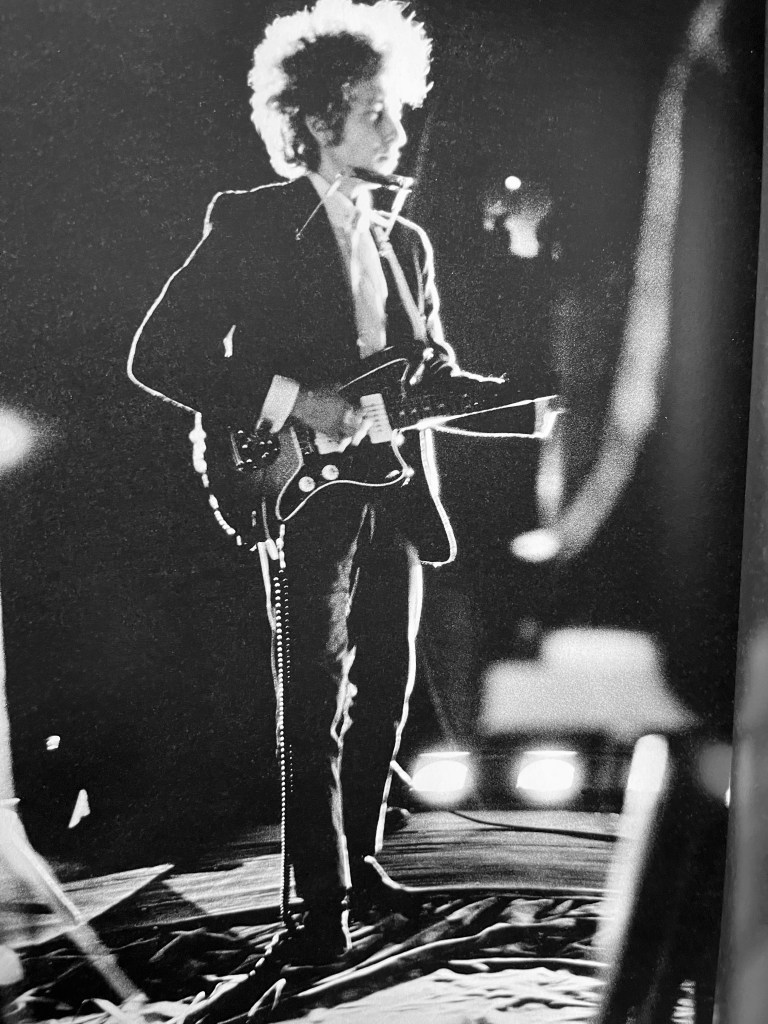
Unruly crowd storming the stagePhoto: Daniel Kramer
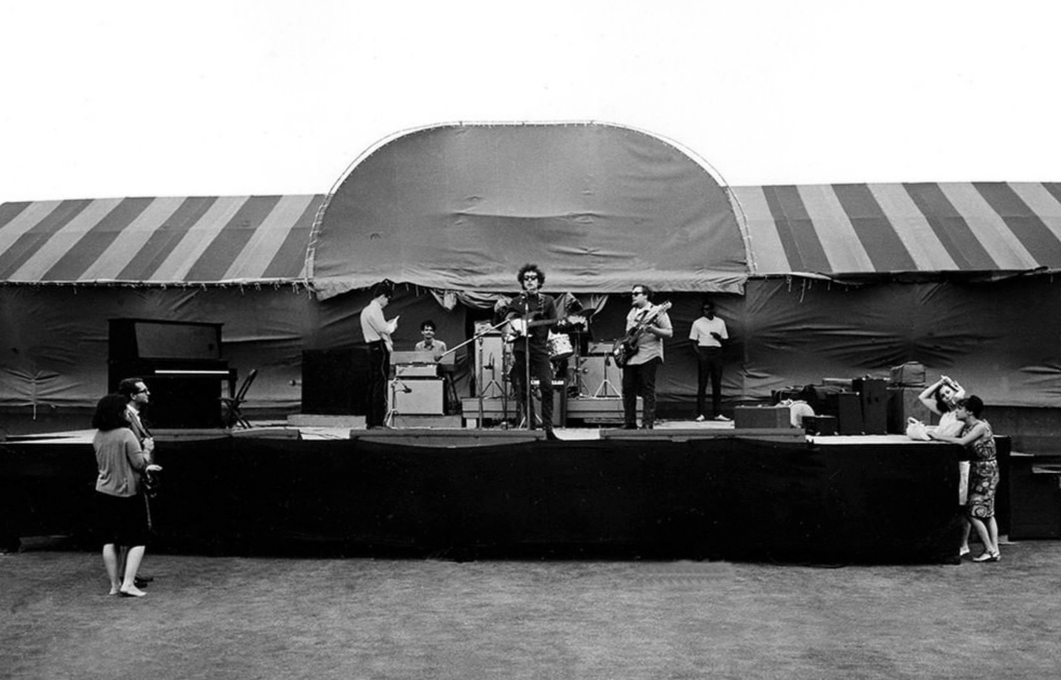
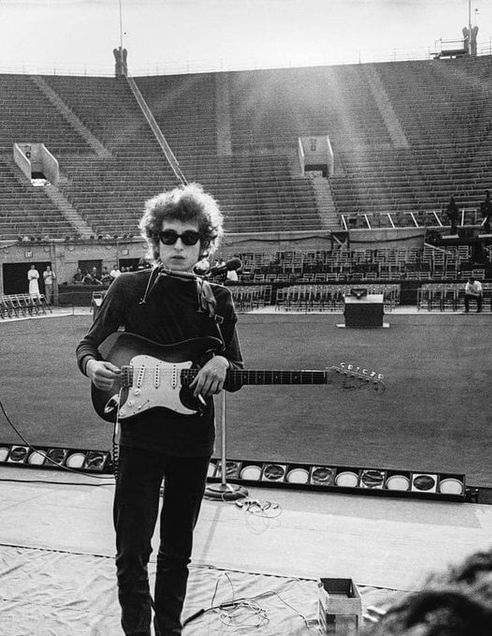
Prep for Concert at Forest Hills Stadium - Photo - Daniel Kramer

The electric set included Tombstone Blues, I Don’t Believe You, From A Buick 6, Just Like Tom Thumb’s Blues, Maggie’s Farm, It Ain’t Me Babe, Ballad Of A Thin Man, and Like A Rolling Stone. When he got to Ballad of A Thin Man, Bob played the intro over and over again until the audience quieted down. The concert ended with Like a Rolling Stone and a dozen teens rushing the stage amid the sound of cheers, jeers, and a sing-along! When the song ended Dylan said, “Thank you very much,” and walked off the stage without an encore.

Listen to part of Like a Rolling Stone

The reaction at this concert, and others that followed for over a year, often resembled what started in Newport as a revolt of his fans. That second set clearly split the audience into fans and enemies of the new Dylan.

I didn’t understand the reasoning and hostility but realized that it must have been important enough to have Dylan rebel against his own musical style. I can’t say I enjoyed the concert as much as watching the emotions in the crowd.

Dylan had played in a folk style for years, yet he appreciated the new rock sound. In fact, Dylan once said, “I just got tired of playing guitar by myself.” He felt he needed to draw other instruments and musicians into the process.

And Now You’re Gonna Have to Get Used to It

Other singers and rock groups such as the Byrds, Sonny and Cher, Barry McGuire, and the Rolling Stones either copied Dylan or carried their own anti-establishment and free-spirited messages in their songs. Dylan helped move the counter-culture movement that was already reaching a broader popular audience. Pure folk music continued with Pete Seeger, Joan Baez, and groups like Peter, Paul and Mary, and the Mamas and Papas, but would lose much of its momentum to a changing culture and sound. Music became more political, poetic, and electric, mirroring the headlines. 

How Does It Feel?

One interesting observation of the concert was that Dylan, while upset at the performance in Newport, was exhilarated by the crowd at Forest Hills. According to band members Kooper and Brooks at a post-concert party, Dylan bounded across the room and hugged both of us. “It was fantastic, a real carnival.” He began to appreciate that fans were reacting to his music. He said to one woman who was said to not have enjoyed the set, “You should have booed me. You should have reacted. That’s what my music is all about.”

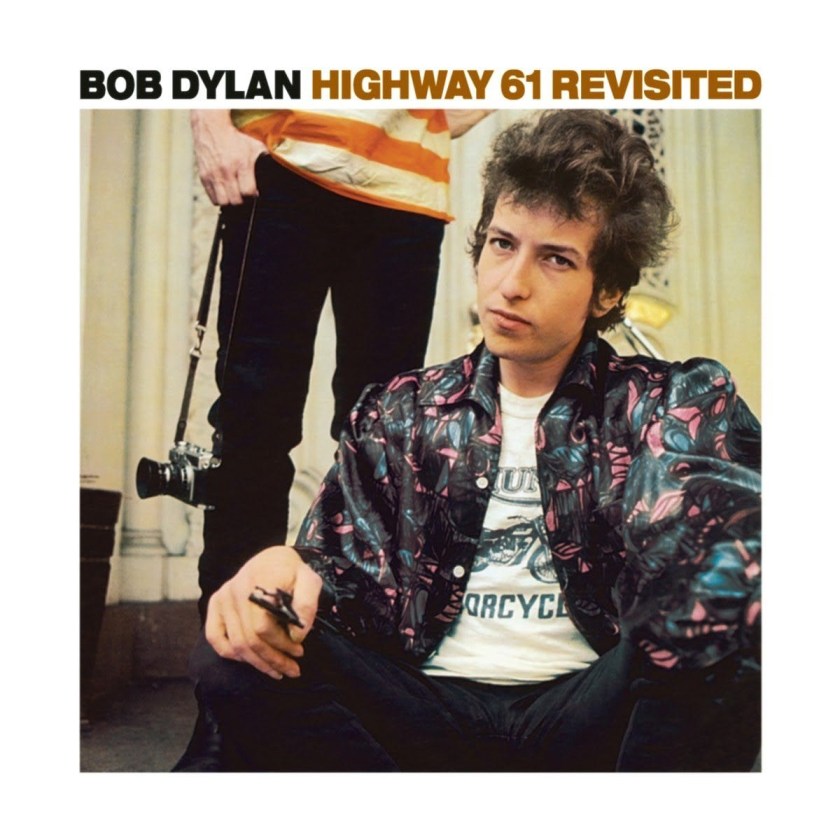
Album cover for Highway 61 Revisited

Two days after the Forest Hills concert, Dylan released Highway 61 Revisited, his first full rock album.  Its title was a play on U.S. Highway 61, known as the “Blues Highway.” It contained his hit single, Like a Rolling Stone, and was a mixture of songs that tied folk-blues to rock, some of which he introduced at Forest Hills. The album was a success and is considered among the greatest albums of all time.

Dylan went on a worldwide concert tour for the next year with his own band playing a similar format of half folk – half rock format, and fan anger continued. There would be no turning back.

Impressed by Robbie Robertson and Levon Helm at Forest Hills, Dylan soon brought in their bandmates — Rick Danko, Garth Hudson, and Richard Manuel — formerly of Ronnie Hawkins’ group, Levon and The Hawks. Together they would tour the world, then retreat to Woodstock to become The Band and record Music From Big Pink — one of the era’s masterpieces..


Epilogue
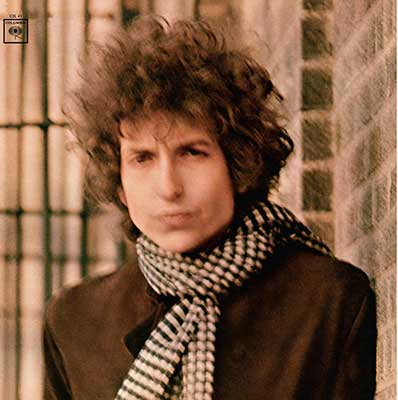
Album cover for Blonde on Blonde

Dylan’s folk-electric rock period would end abruptly in mid-year 1966 after he had released his seventh album Blonde on Blonde (June 1966), a highly creative double album. Some say this was maybe his most creative period with hits like “Rainy Day Women #12 & 35,” “I Want You,” “Just Like a Woman,” and “Visions of Johanna“.
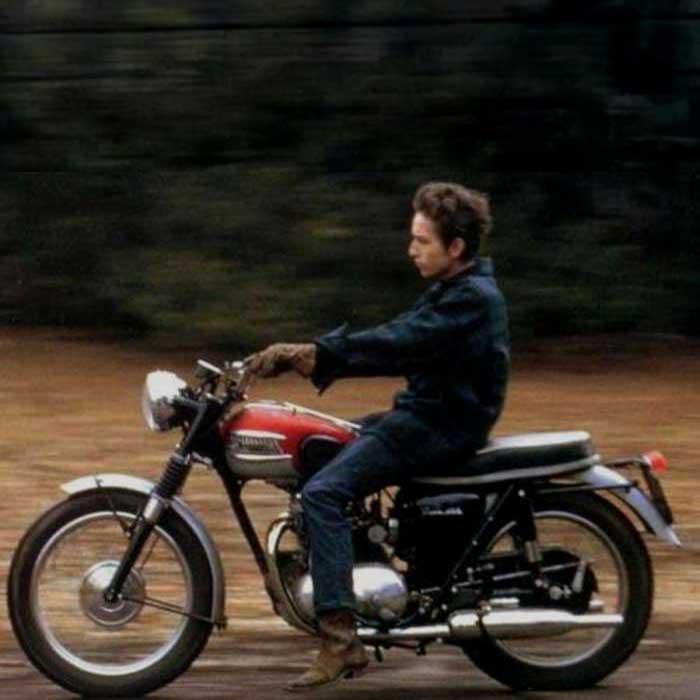
Dylan on Motorcyle

On July 29, 1966 he was seriously hurt in a motorcycle accident near his home in Woodstock, N.Y. Rumors surrounded him. Despite reports that he had serious neck vertebrate injuries, no hospital records were ever discovered. Some speculated that he had enough of the tour and wanted to retreat from the fame. He cancelled all tour dates and retreated out of public attention for the next year.
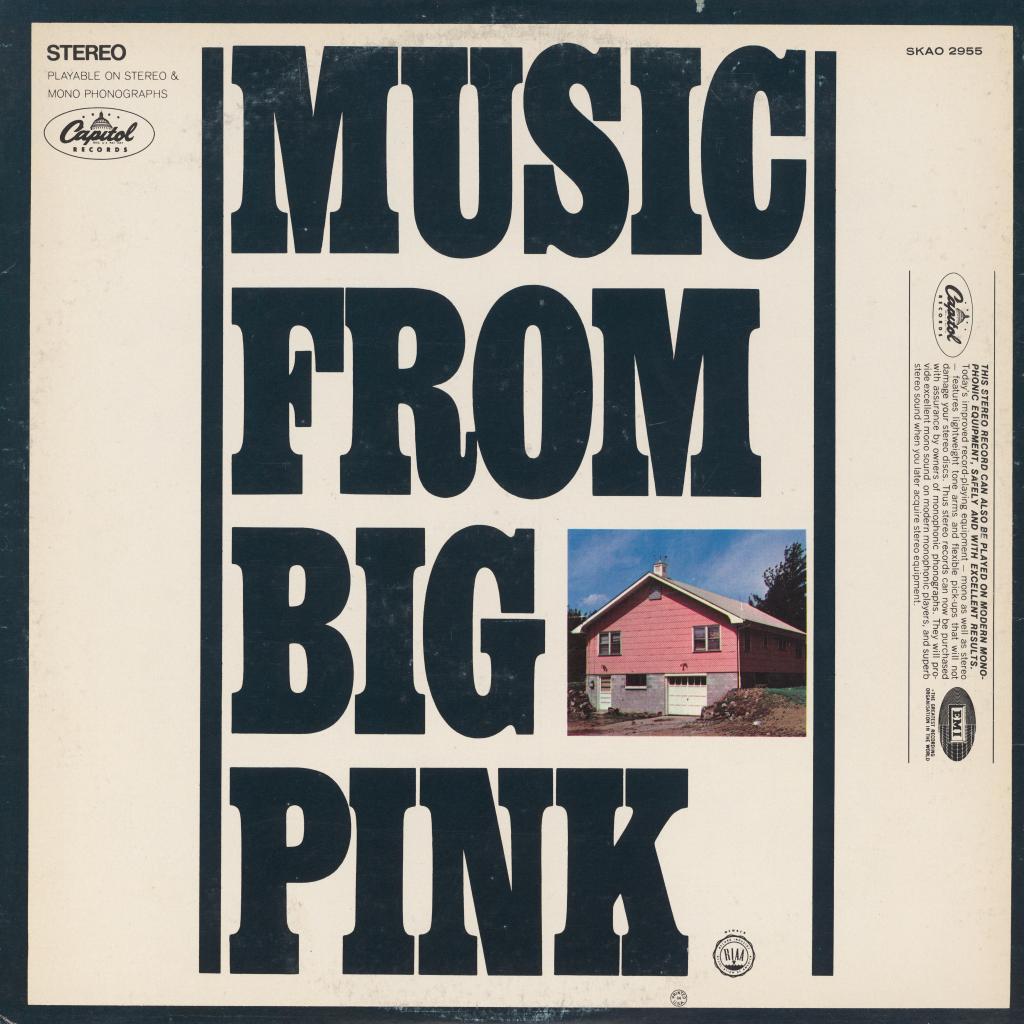
Album cover for Music from Big Pink

During that year off, he began to collaborate with his bandmates, formerly know as “The Hawks.” Meanwhile, they would release their own famous Music From Big Pink album created at nearby Saugerties. That album would be hailed as a masterpiece and launch their successful career as “The Band.”
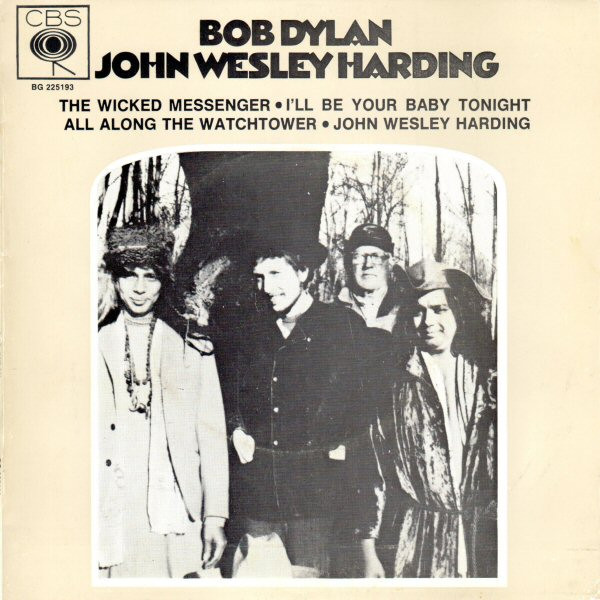
Album cover for John Wesley Harding

During his recuperation Dylan would work on music that would evolve into his eighth album, John Wesley Harding (December 27, 1967)- which had a distinct country and blues sound and included a new big hit I’ll be Your Baby Tonight. Once again, proving his musical style was always changing.

His style and audience had changed. In fact, throughout his long career to this day, he would constantly change his music, the way it is played, and his interests. Change has always been his one reliable constant.


Afterword

That night in Forest Hills was my first Dylan concert. I’ve seen him a few times since, always curious what he’ll sound like next. My search for reviews and recollections led me into a tangle of lore — Murray the K, Al Kooper, Harvey Brooks, Albert Grossman, Daniel Kramer, Tony Mart, and “The Band.”

No video exists of that concert; only a rough bootleg recording survives. But after revisiting it through memory and research, I realize how lucky I was — to have been there when music, and culture itself, shifted gears.

I may be too old now to recall every detail, but not too old to appreciate it anew.

Long live Dylan — and the memories he still manufactures.


Bonus Tracks

Harvey Brooks Remembers

Harvey Brooks played bass during that electric second set at the Forest Hills. He vividly remembers how strange the night was. Brooks was a renown studio bass player and played on the Highway 61 Revisited and Blonde and Blonde albums. He was asked by Dylan’s manager, Albert Grossman to play on tour for two concerts one at Forest Hills and the other the Hollywood Bowl. He would be replaced by Rick Danko of The Hawks (which would become The Band) for the rest of Dylan’s worldwide tour.

Harvey Brooks (bassist) discusses his memory of playing Dylan’s Forest Hills Concert August. 28, 1965
Al Kooper On His Most Famous Organ Riff

Studio musician Al Kooper played organ at Forest Hills behind Dylan. But the story behind how he got involved is an interesting combination of luck and one brilliant organ riff when recording Like a Rolling Stone . Kooper went on to a successful career as songwriter, record producer, and musician. He played behind many famous musical recordings and founded the group Blood, Sweat and Tears. Kooper was replaced in Dylan’s band after two concerts by Garth Hudson of The Hawks (which would become The Band).

Al Kooper discusses his accidentally famous organ playing on Like a Rolling Stone
Daniel Kramer on Photographing Bob Dylan

On August 27, 1964, the young aspiring photographer Daniel Kramer made a pilgrimage to Woodstock, NY to propose to act as personal photographer for Bob Dylan. Dylan agreed and Kramer went on to produce some of the most iconic and beautiful images of Dylan in his heyday – for exactly one year and a day. Those included album covers, time with friends and concerts such as Forest Hills. Here he shares some of his thoughts on that one-year assignment that brought him fame and added to Dylan’s legend.

DAniel Kramer's - A Year and a Day - book cover

Kramer’s opus “Bob Dylan: A Year and a Day” is a great story and source of beautiful images of Dylan in his heyday 1964-1965. This should be on the book shelf of every true Dylan fan. More on Kramer’s work.


Sources

Books

Articles

Media

Audio Recordings

Bob Dylan – The Forest Hills Concert (Swingin’ Pig Remaster) [Aug 28, 1965]
This is the only audio copy of the original concert. It’s a rough unprofessional recording but covers most of the concert.
Click here to listen

Documentaries
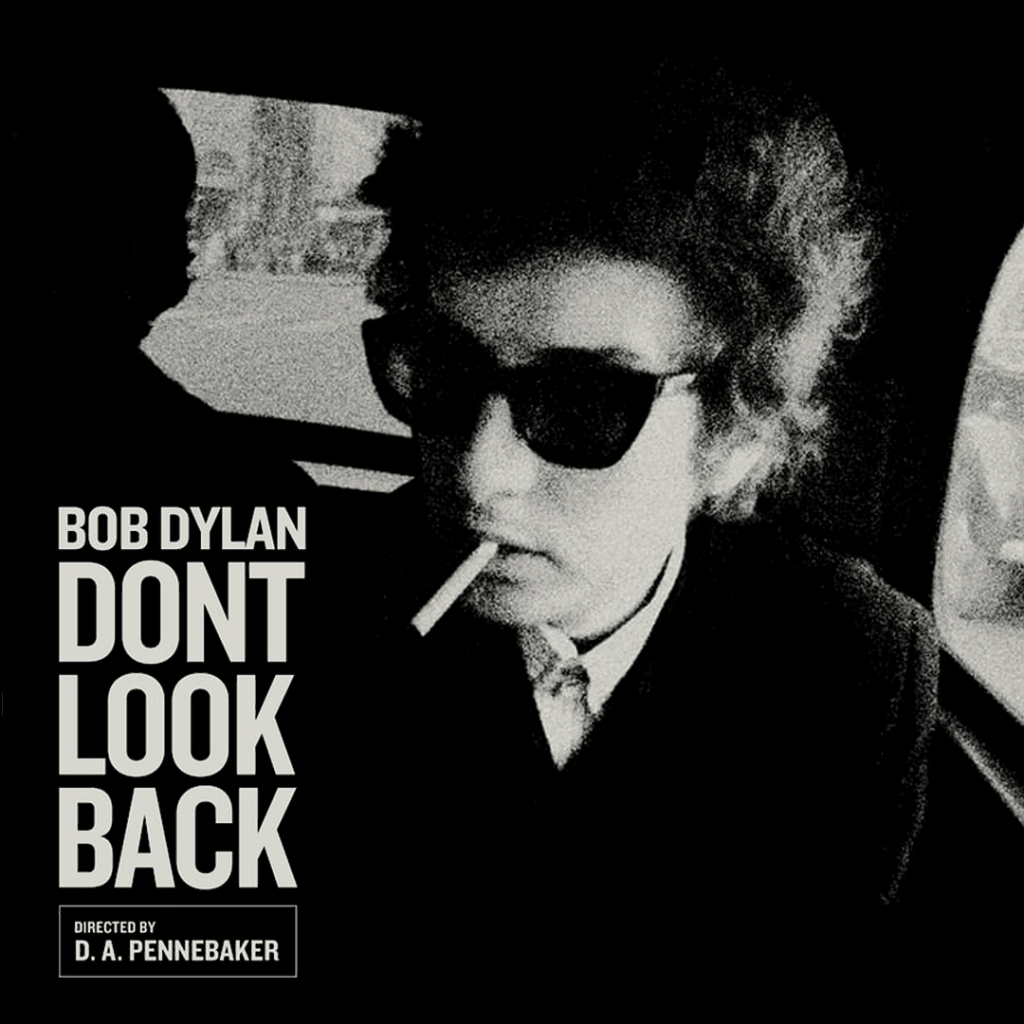
Dont Look Back cover

Dont Look Back, 1967
Director: D. A. Pennebaker
The definitive Dylan documentary — raw, handheld, and intimate. Dylan’s 1965 U.K tour. Captures him just as he’s leaving folk behind for rock. Led to the behind-the-scenes documentary format in film.
Watch options.
Eat the Document cover

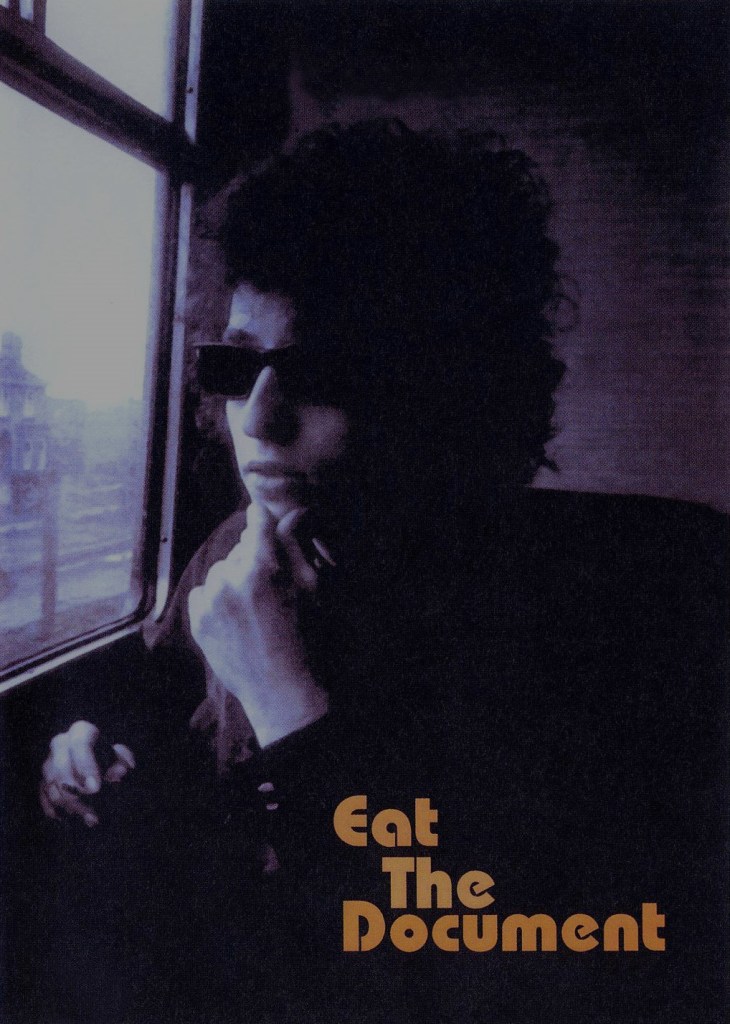
Eat the Document, 1972
Directed by: Bob Dylan & D. A. Pennebaker
Dylan’s 1966 European tour with The Hawks (later The Band) This film shows Dylan’s onstage electricity and offstage exhaustion during his chaotic “electric” phase.
Watch options.
Last Waltz cover

The Last Waltz, 1978
Director: Martin Scorsese
The Band’s final concert and one of rock’s greatest films. Dylan appears near the end — his tribute to having been backed up by these performers on his 1966 tour. Other famous musicians including Neil Young, Joni Mitchell, and Eric Clapton join in.
Watch options.
No Direction Home cover

No Direction Home, 2005
Director: Martin Scorsese
Film produced with Dylan’s cooperation focusing on Dylan’s early years, 1961–1966. Includes archival footage from Newport Folk Festival and 1966 World Tour showing his evolution from folk hero to rock revolutionary.
Watch options.

Catching Beatlemania

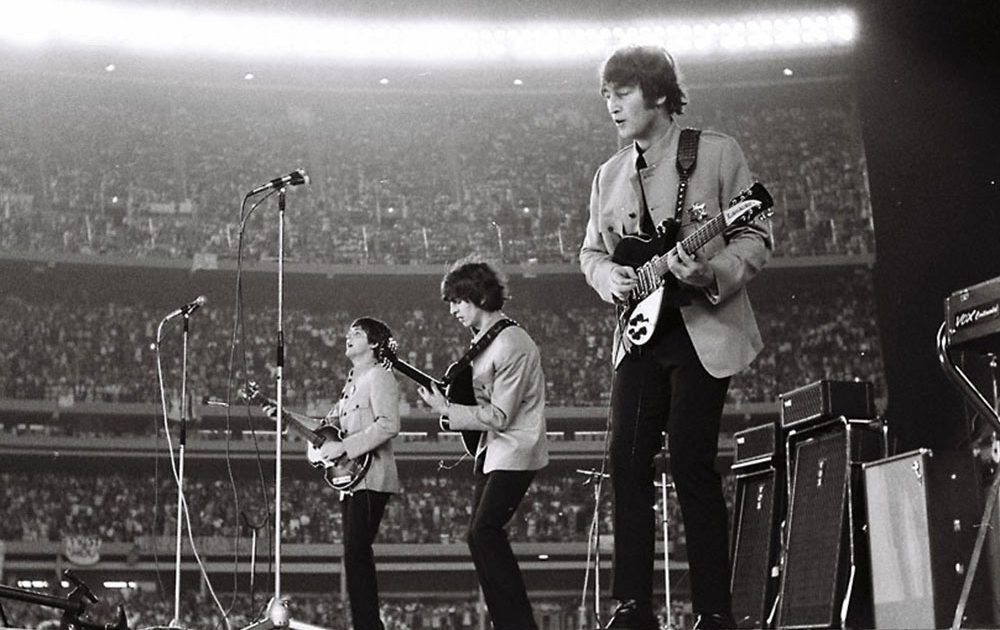
What was it like to be at the new Shea Stadium on August 15, 1965 to see the Beatles? Proof that serendipity happens every so often.

This is a TV video screen capture of the August 15, 2025 CBS News segment.
Note there is a slight window glare top middle part of screen.
There are not many moments in life where you find yourself witnessing and participating in a significant historical event. You know it even then because there has never been anything like it before. You are gobsmacked with what you see, hear and feel. And, to top it off, all this happens accidentally by a fortunate set of circumstances.

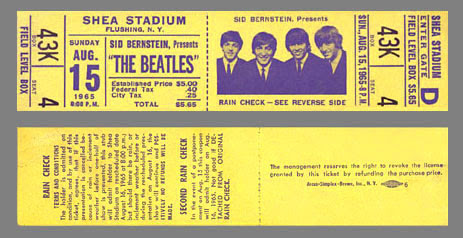
It was on August 15, 1965 that the Beatles were scheduled to play Shea Stadium in Flushing Meadows, New York. My sisters Chris and Barbara and their friend Gail were rabid Beatle fans and they made sure they had their tickets as well as their white go-go boots ready. These were the days when large concerts were rare. This one would be their second tour of the U.S. but the first-ever “stadium concert” and the largest concert crowd (55,600) at any concert at that time.

Strangers in a Strange Land

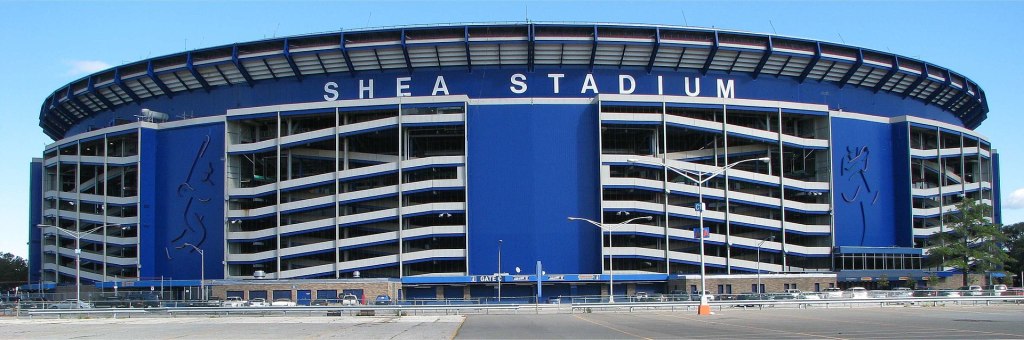
Shea was completed only a year before and as the latest project promoted by Robert Moses, the famed New York City planner, to develop the Queens area. It was located in Flushing Meadows next to the grounds of the World’s Fair of 1964-65 in Corona Park.

Most of us had visited the World’s Fair the year before and marveled at exhibitions. It was a fascinating look at the future and and offered a taste of other countries. I still remember the Lowenbräu beer pavilion where we could drink beer freely, just like being in Bavaria, even though we were underaged and about as naive as we could be about the rest of the world. It seemed like we were moving into the future and becoming part of a bigger world.
1964-65 New York City World’s Fair

Accepting the Mission

In the original plan, my dad was supposed to drive my sisters to and from Shea since they were young teens not old enough to drive. Well, it turned out my buddy Mike Hayser and I were hanging around my house that hazy 80-degree Sunday with nothing particular to do so we volunteered to take them instead. Why my father allowed us to drive I’ll never know but probably the long ride and the need to wait for them were factors. And, it was, after all, the 1960’s and there was a certain freedom and permission that’s hard to reconcile with today’s helicopter parenting.

We didn’t even think about how crazy this could be with thousands of screaming fans. But we sensed that there would be lots of girls and a great adventure awaiting. Little did we know we would be driving directly into history.

At 17 years old I considered my six months of experience enough to tackle the big-game driving in New York City’s traffic and its strange mysterious boroughs. Shea was then a big new and bold stadium. It was built to last for the New York Mets franchise, which started only a few years before. Both the stadium and the team represented new hope for us bitter and abandoned ex-Brooklyn Dodger fans.

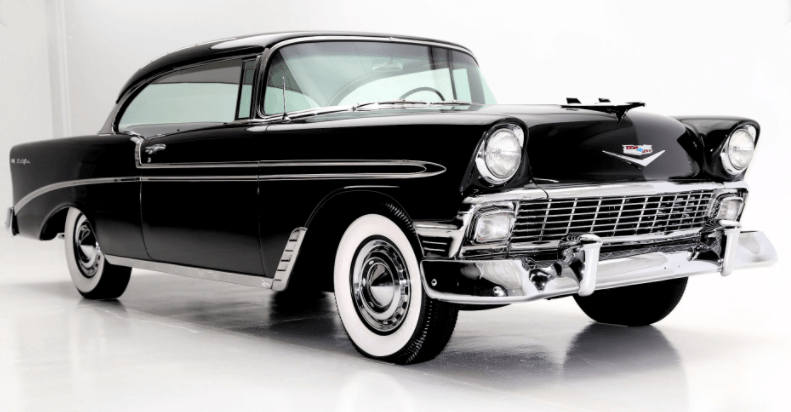
1956 Chevrolet Bel Air

The Way to Shea

This was my longest and most challenging drive with my hand-painted blue 56’ Chevy. Living in Roselle, the best way to get to Shea was to take the Goethals Bridge from Elizabeth to Staten Island and drive across the new and mammoth Verrazano-Narrows Bridge (which was another Robert Moses project.). The bridge had just opened in January 1964 and was an instant success allowing traffic to Brooklyn, Queens and Long Island via the Belt and Grand Central Parkways. To us on the Jersey side, these were legendary roads where we were warned daily of horrendous traffic conditions on the radio and assumed only brave and crazy drivers dare go. So, why not try?

Verrazano-Narrows Bridge led to a new world

The only way to get somewhere far away in those days was to rely on old-fashioned, artfully folded paper maps. Every car had dozens of maps in the glove compartment which were free to grab at any gas station. We relied on maps, intuition and signs (if they were still there) to find where we were going. So, we grabbed a map of New York and headed out like modern explorers to find Shea Stadium and experience the wild urban frontier.

Going with the Flow

As we approached Shea the traffic became heavy and led to a stop. A tremendous crowd was moving toward the stadium so we decided to find a parking spot along the road and walk to the stadium, even though our mission was to deliver my sisters and kill some time exploring the area – later to pick them up somehow. My sisters found the gates where ticket holders entered moving rapidly. Mike and I realized at this point that the action was inside the stadium and our best move would be to try and get in.

A $5.65 Box Seat Ticket to Ride

We studied the situation and realized that this was a sellout and there no tickets (Box seats cost $5.65 apiece!) to be bought and the security staff seemed only half-interested in checking tickets. So, we approached a guard to tell the story of our good deed of taking my sisters to the concert; only to be left outside waiting. Let’s just say on that day everyone was in a good mood. They turned away as we freely walked into the most important concert of our lives, without a ticket.

The Beatles had only broken into the U.S. market a couple years ago but by now they were known worldwide having created over a half-dozen albums and two films. This was the beginning of their North America tour having just released their album and film “Help!” less than two weeks ago and had appeared on the Ed Sullivan show the night before.

Experiencing Pandemonium

From dugout to stage

Pop concerts were not that common and were not believed to be big revenue generators. All that changed at Shea. The concert at Shea Stadium set a world record for attendance and gross revenue. The Beatles got $160,000 of the $304,000 box office sales and proved that there was money and other benefits in staging large concerts.

Lead off acts included Brenda Holloway, King Curtis, Sounds Incorporated, Killer Joe Piro and The Discothèque Dancers, The Young Rascals and Cannibal & the Headhunters. Hosts included Murray the K and Cousin Brucie Morrow. Television host Ed Sullivan introduced the band when they took the stage: “Now, ladies and gentlemen, honored by their country, decorated by their Queen, and loved here in America, here are The Beatles!”

The concert was ahead of the audio technology at the time and could not properly project the music in the massive stadium. Powerful stage amplifiers couldn’t play louder than the screaming crowd. Even the stadium’s P.A. system, normally used by baseball announcers, was also employed to help project the band’s sound. But, the roar of the crowd could be heard throughout their appearance.

Thousands of fans like these

Once the Beatles started playing, it didn’t matter where your tickets were or if you had one. Everyone spilled into the lower levels and stood for the entire concert in awe of the band and the crowd of frenzied fans. They continued to play 12 songs lasting about an hour. We had traveled two hours, witnessed the largest crowd we had ever seen, managed to crash the gate and listen to some great music. But, nothing compared to the electric reaction of this huge crowd. Girls were out of control and screaming everywhere. I remember getting goosebumps by just witnessing the joy and excitement that was beyond our imagination. It was obvious that Beatles were having as great a time as their audience.

Playing to the ecstatic noisy crowd

After the concert fans stormed the field and we made our way out. I’m still not sure how we found my sisters in that crowd of over 55,000. I don’t remember a thing about the ride home but I’m sure we basked in the good vibes of the event knowing that we were there for a very special event with memories that will last a lifetime.

The Concert at Shea in the Beatles’ Words…

“I think we just went a bit hysterical that night; we couldn’t believe where we were and what was going on, we couldn’t hear a bloody thing and we thought ‘This isn’t very good, but it’s going down great.’ The hysteria started to kick in. That was a great one.”

Paul McCartney, Back To The World tour book

“Once you know you’ve filled a place that size, it’s magic; just walls of people. Half the fun was being involved in this gigantic event ourselves.”

Paul McCartney, The Beatles Bible

“What I remember most about the concert was that we were so far away from the audience. . . And screaming had become the thing to do. . . Everybody screamed. If you look at the footage, you can see how we reacted to the place. It was very big and very strange.”

Ringo Starr, The Beatles Anthology

“At Shea Stadium, I saw the top of the mountain.”

John Lennon, recalling the show in 1970 in a TV interview

Epilogue

It’s interesting to note that at the time of the concert the Watts Los Angeles riots were taking place with the black community angry about the police brutality and civil rights. Meanwhile, President Johnson signed the Voting Act of 1965 that very afternoon establishing new laws that were meant to provide free and fair elections forever.

The mighty Shea was demolished forty seven years later replaced by Citi Field, but the same roads and bridges remain. The Beatles were only in their 20s and at the height of their careers in 1965 but played their last concert together in 1970, just five years later. That last concert and the Beatles legend is still being explored with the release of the new Peter Jackson/Disney+ retrospective on the Beatles last project together, the making of “Get Back.”

History, it seems, is never written in stone and just takes time to understand and appreciate.

The Beatles at Shea Stadium Video

The following video was purchased years ago online and represents a rough cut of the original special recording which appeared on British and American TV as a special. It is approximately 52 minutes long.

Video of the August 15,1965 Concert at Shea

The Family Dragnet

Here’s how we became genealogical detectives in Poland as we hunted for clues to our family history.

If the word “Dragnet” means something to you, my guess is you remember Sargent Friday saying “Just the facts, ma’am.” on the old popular TV show. Or the 1960’s comedy movie version of that show with Dan Ackroyd and Tom Hanks. Either way it was about how detectives solved crime (mysteries). It seemed they had odd and funny ways of discovering facts when they interviewed suspects or witnesses.

Dragnet Theme

Now, we were on the ultimate dragnet for any clue to our family history. Facts mattered. Leads needed to be followed. We were on a missing persons investigation in Poland.

Near the top of my personal mysteries is how we got here. Ultimately, we all come from the same relatives. But the road that was taken by each of our ancestors made us who we are today. Sometimes, it was a voyage to leave their country and family. Other times it was to stay and make the most of the life they had, even if it was harsh at times. Whatever path was taken, family connections remained strong in most situations.
Where This Investigation Begins

About 10 years ago, Krystyna Onacki, a distant cousin from Poland discovered our Kiczek family. A Polish citizen at the time, she met and later married John Onacki a U.S. citizen when he was studying abroad in Poland. They moved to Roselle, N.J., coincidentally, the same town in which I grew up. Our family connection was through her mom who was a descendant of Josef Kiczek, my great grandfather.

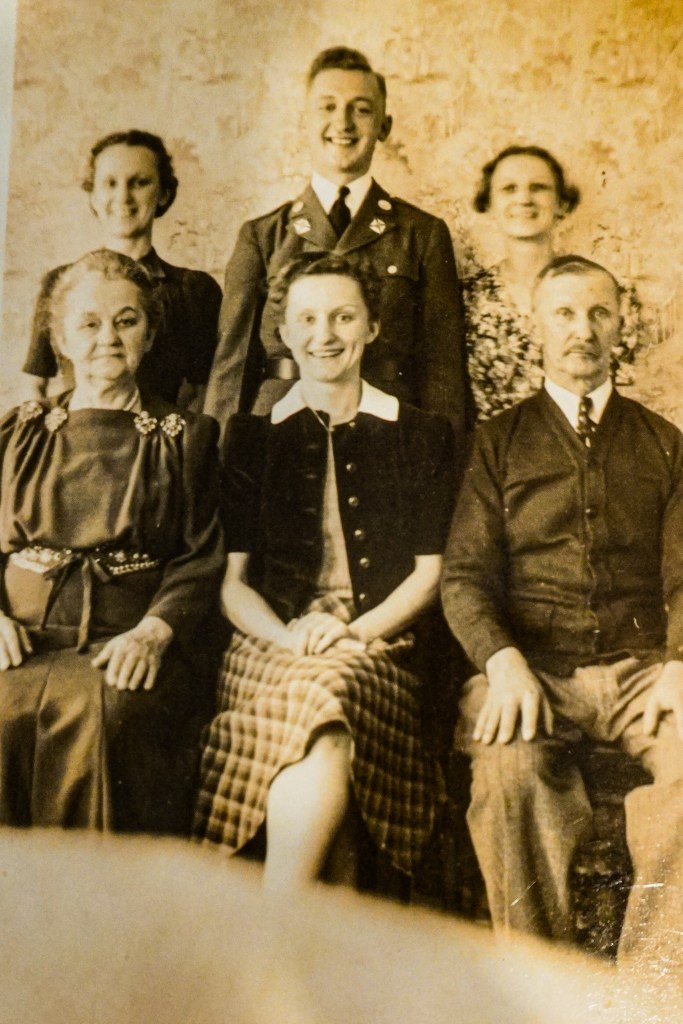
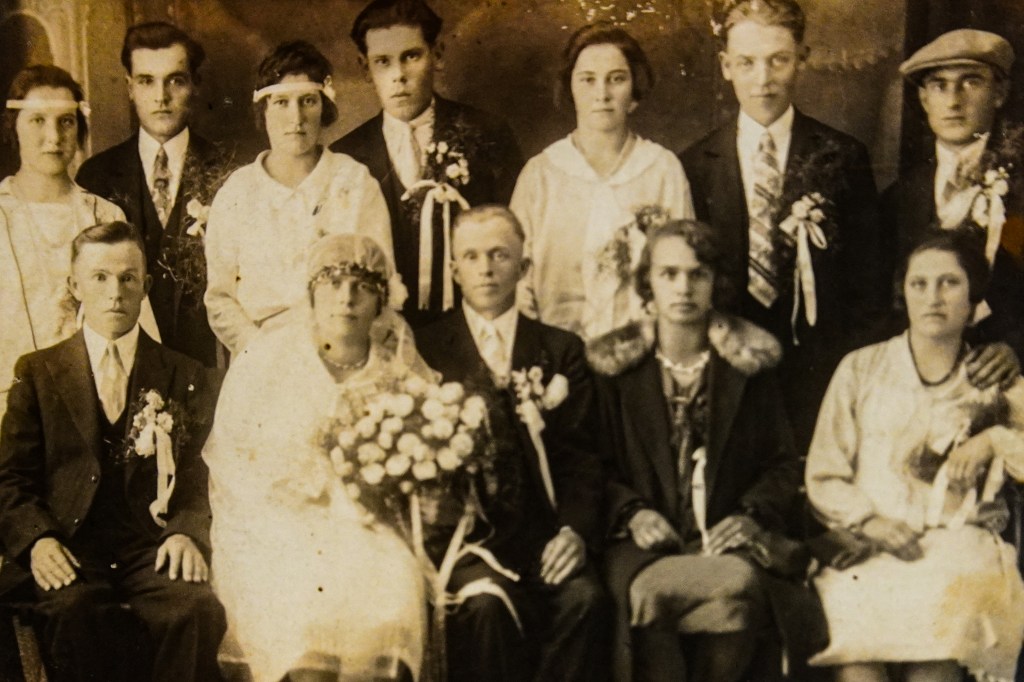
Little did I know then that Josef had a second wife after his first passed away which created a second branch of the Kiczek family. Just 10 years ago, I had little knowledge of who my grandfather was, let alone my great grandfather. And, my parents and their siblings had passed away years before so it seemed we had no one left to ask, until Krystyna found us.

Large families were desirable back then to help work the land, provide financial support and to replace those children that would die young. For our side of the Kiczek family, my grandfather would immigrate to the U.S., and have nine children. My father’s siblings included one brother who became a priest and three sisters who would live their lives as cloistered nuns. To most Polish families this might have been the ultimate career choice and source of family pride. It was also seen as a way to increase their blessings by bringing the family closer to the Catholic Church. 

Covid Creates a Time Warp

My oldest son, Ethan Kiczek, met the Onacki’s and understood the family connections better than I. Ethan has an engineering degree and has worked in technology his entire career, appreciating the complexity of large scale projects. In 2020, tied down by the pandemic and working remotely, he became absorbed in discovering more details about the family.

Often a search leads to a clue about another relative or the nature of a relationship. This usually needs to be verified. There’s digital sources, like ancestry.com and there are analog sources, like a town’s records of births, deaths and marriages or even finding tombstones. 

While it’s possible that a birth record can appear as a digital image, more often than not it simply needs to be found in a physical registry of births, deaths and marriages. This is especially true for older records. In Poland. registry books are often located in the town where the family lived – or in the registry of the local church where they prayed. All this would take time and concentration, which with Covid, we all had plenty of.

Ethan searched a few databases like the Mormon’s FamilySearch and Facebook’s genealogy groups to discover what sources could help and how to get more information, if the data was not available online. This led to outsourcing a remote genealogical researcher in Poland, Lucjan Cichocki, who could actually go to local Polish towns to search registries to validate and discover family connections. Lucjan became our Sargent Friday. But, that led us to considering getting involved in this Polish dragnet too.

Going Back in Time

Ethan discovered, with the help of Lucjan, the towns where our family lived and even traced some ancestors to the 1700’s. But to dig deeper, we would need to view the registry records. Those records also state some other related information like the birth date, name of parents, religion and towns they came from. Ethan began to construct a large family tree that opened up our imagination as to who were our ancestors and how we were related.

PK’s Family Ancestors to Investigate

In 2022, we began to plan for a trip to Poland to discover our relatives – assuming we could find them and they would talk to us. But it was then that the Ukrainian-Russian war started. The area where our family was from was only about 50 miles from the Polish-Ukraine border. At that point we had no idea if the war would spill over to Poland. Poland’s borders have been moved often and the area we were planning on visiting was once even considered part of Ukraine. So, we postponed the trip for safety reasons. But the dragnet research continued.
Our Case History

Plans were set in late 2023 to visit the following year all the towns where my family seemed to have originated or once lived. Ethan’s mom, Judy’s (Dolac) mom had a clear connection to a town in the same region too. So, Ethan worked with a special touring company called PolishOrigins and created a custom tour that would take us to most places we had confirmed had a family connection. We hoped to visit those places, hopefully discover more connections and perhaps meet some relatives!

We spent four days investigating our ancestors in Poland, mixed with some interesting sightseeing along the way. Here’s a brief case history of what actually occurred during our investigation part of the trip:

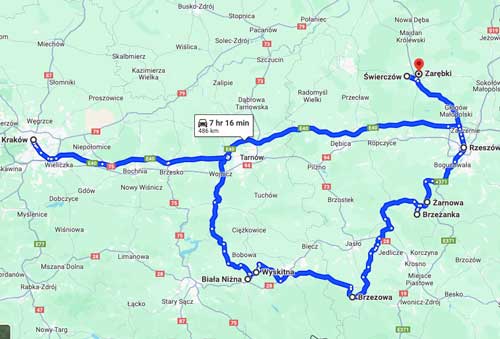
Our Ancestry Tour Route from Rzeszòw to Kraków
Tuesday, June 11, 2024

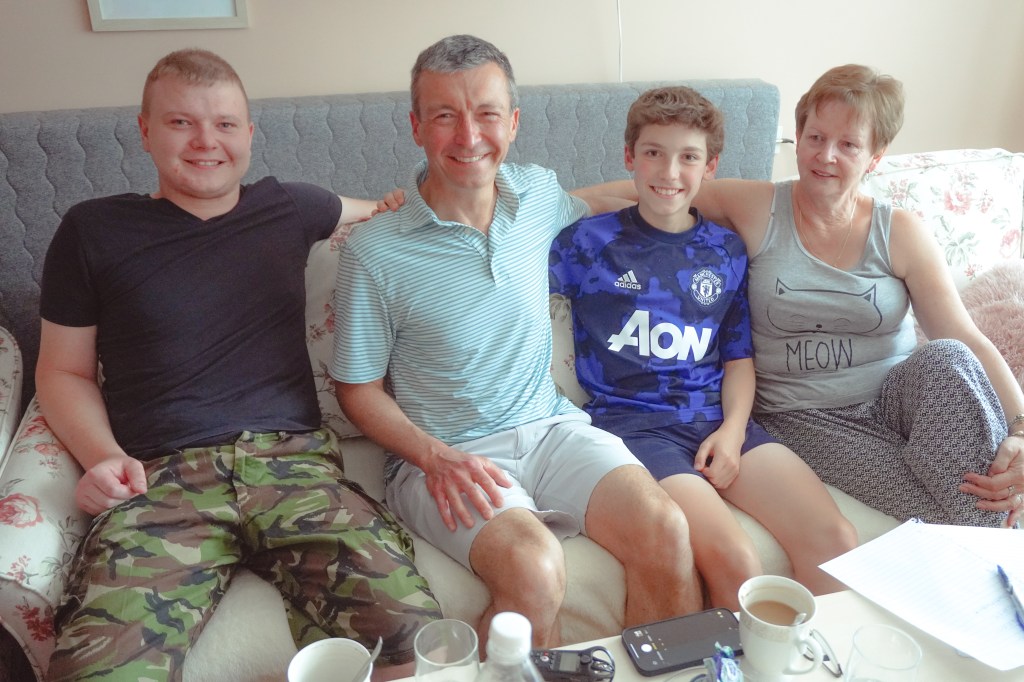
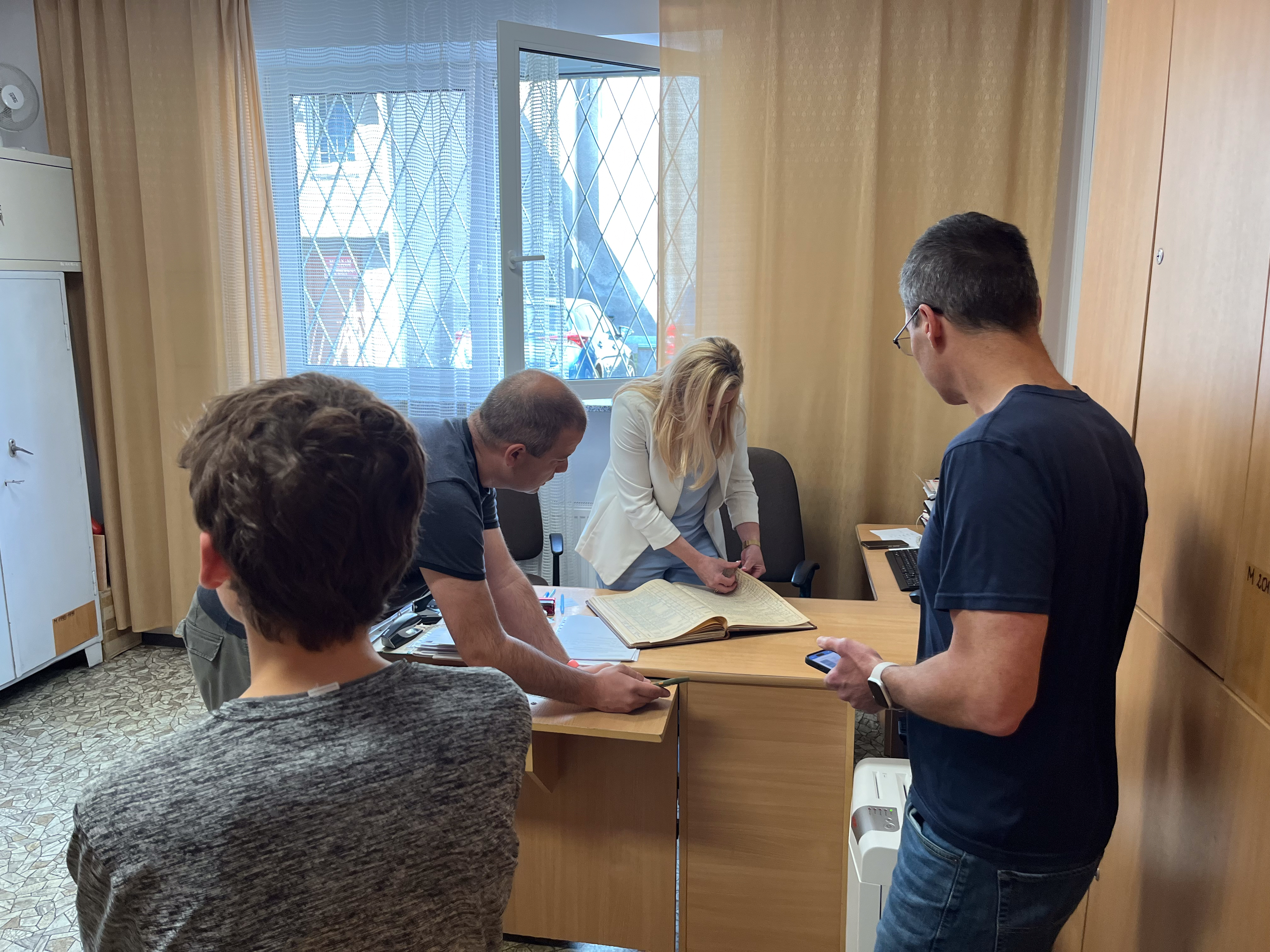
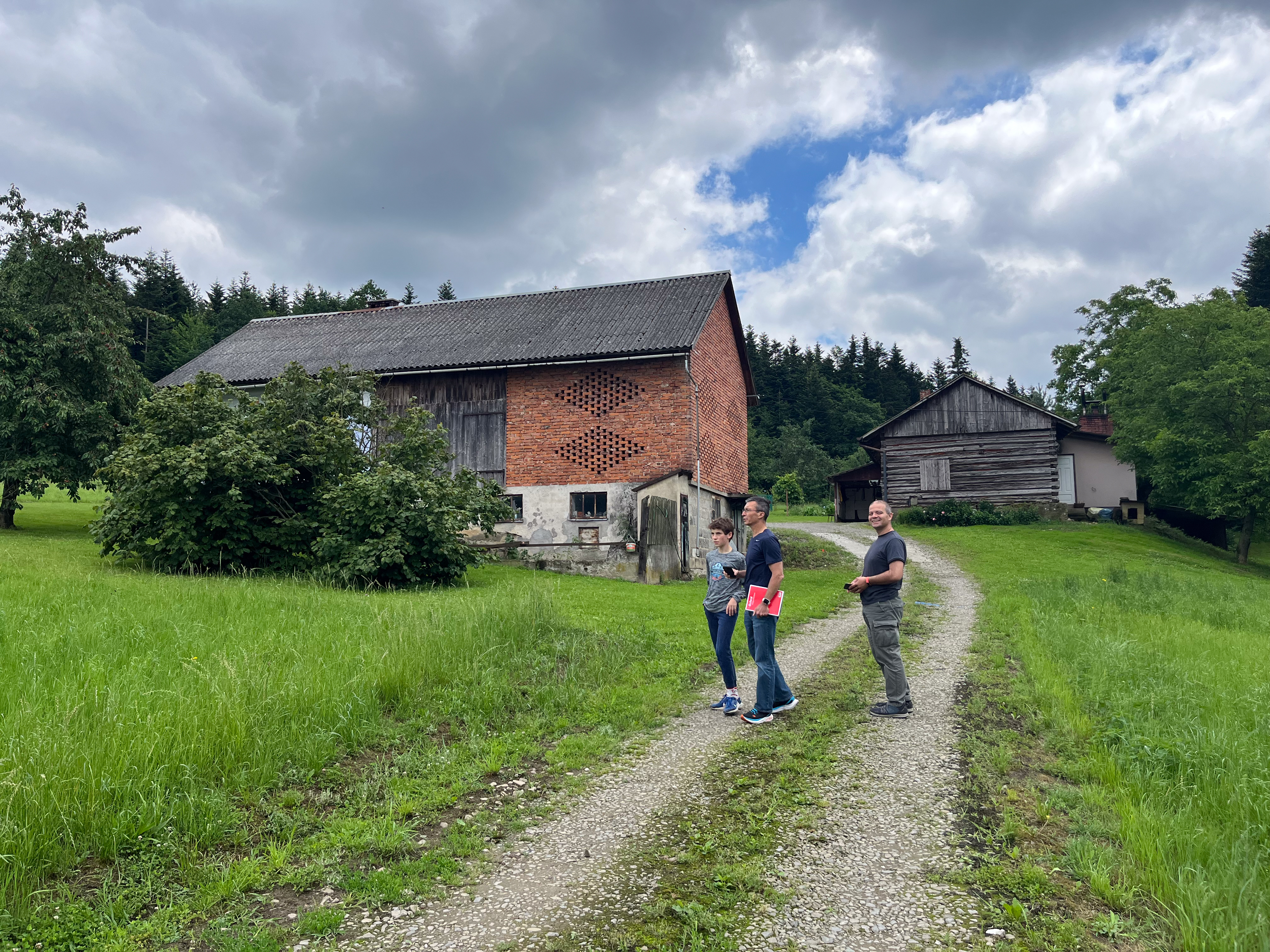
Świerczów – About 20 miles north of Rzeszów, our starting base, we sought family connections to the Stobierki’s (Ethan’s grandmother on his mother’s side). We had an address to go to from previous research. Found a distant cousin Halina Knipa and son Bartek. They share a great great grandfather Michal Stobierski with Ethan. We visited the town hall for records, the old family farm where his grandparents lived and a local cemetery. We exchanged emails for future follow-up. See the earlier post for more details on this visit.

Bartek, Ethan, Ethan Luke, Helina

Wednesday, June 12, 2024 – morning

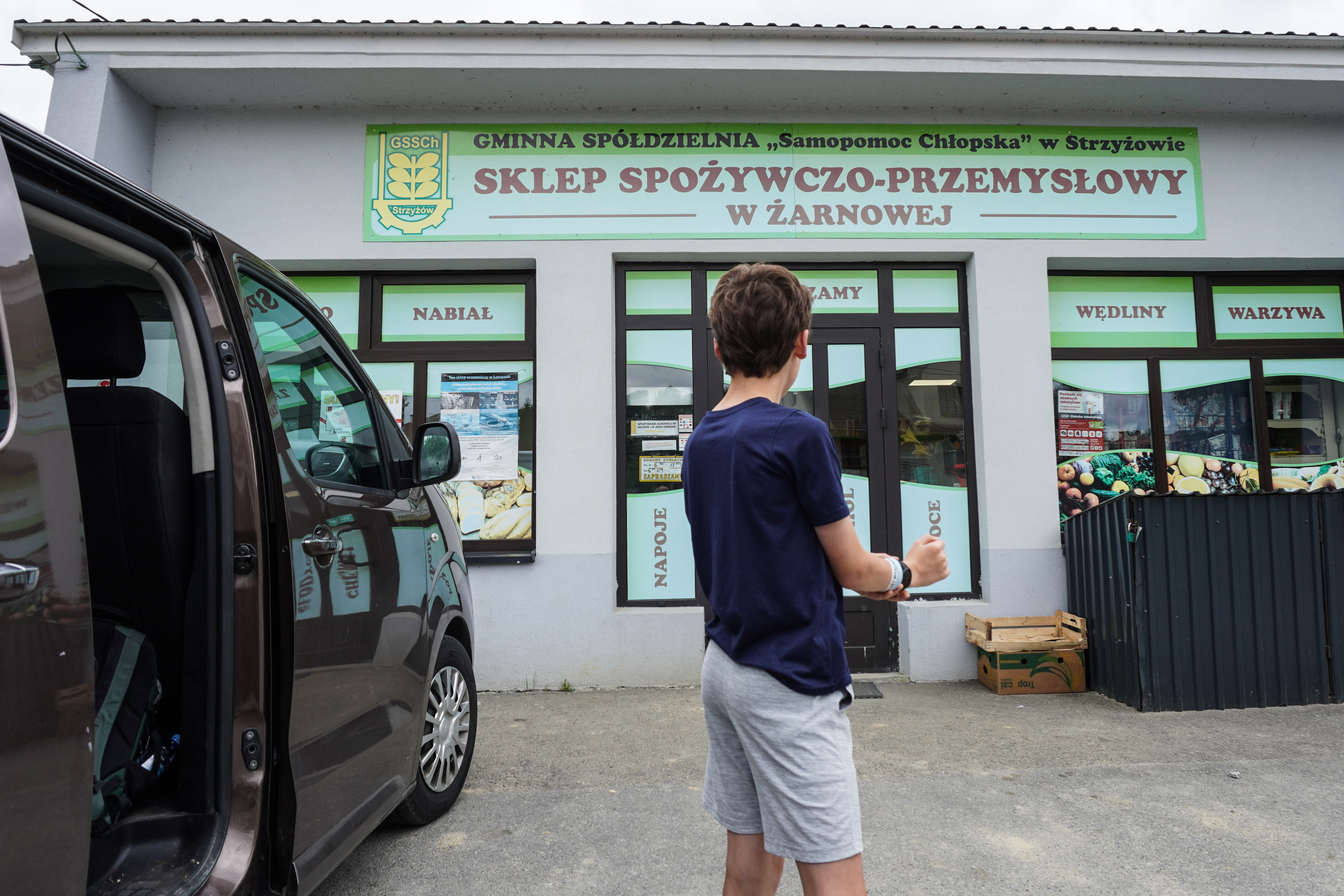
Żarnowa – In search of Sliwinska family (or possibly Sliwinski). Marriage records showed that great grandmother Marianna Sliwinska (born 1847) had married Josef Kiczek (born 1827) and was originally from this town, about 20 miles south of Rzeszów. We had a possible address or location but it seemed wrong. We went to the nearby convenience store to ask around if anybody knew a Sliwinska family and followed a lead to an address that might be a descendant. No one was home but a neighbor corroborated that there might be a connection. They called the possible relative and we promised to send a letter explain our relationship. Low odds on connecting here, but maybe they will respond.

Wednesday, June 12, 2024 – afternoon

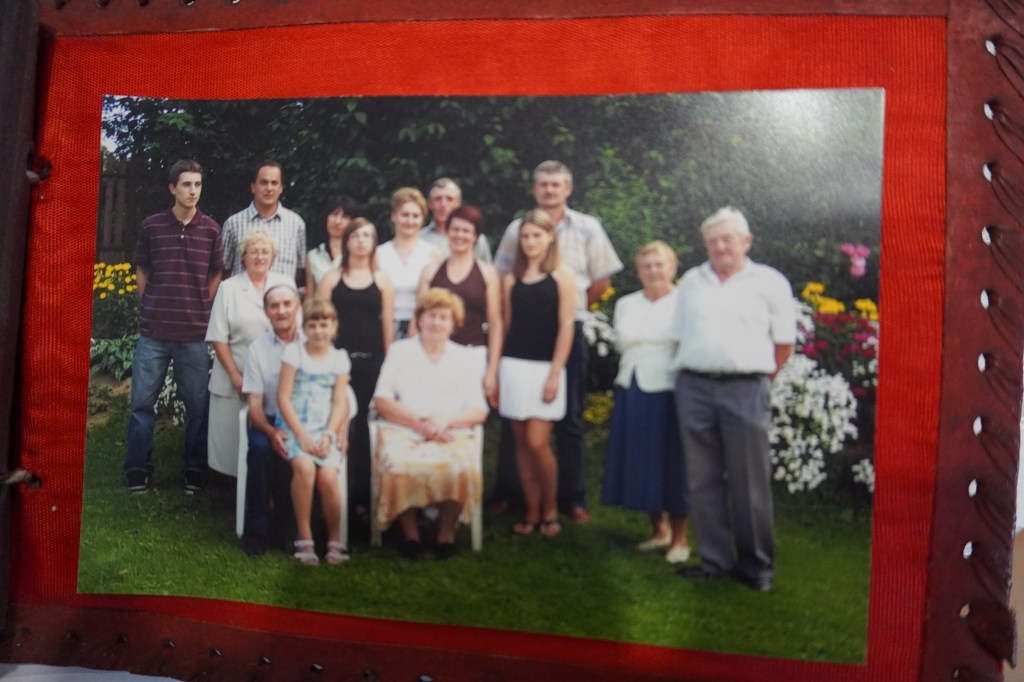
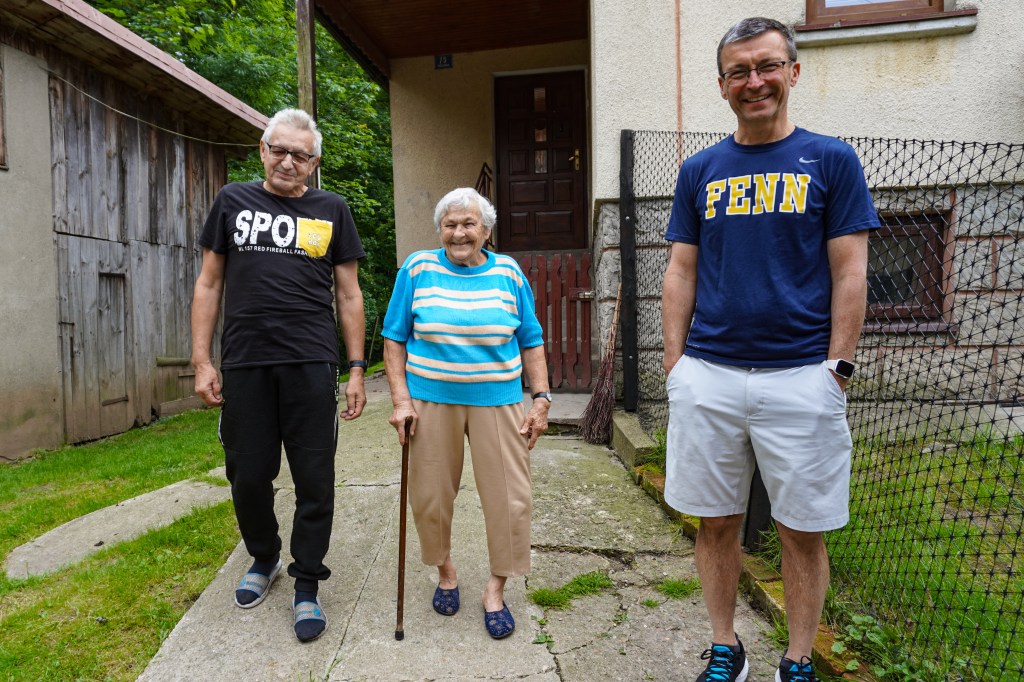
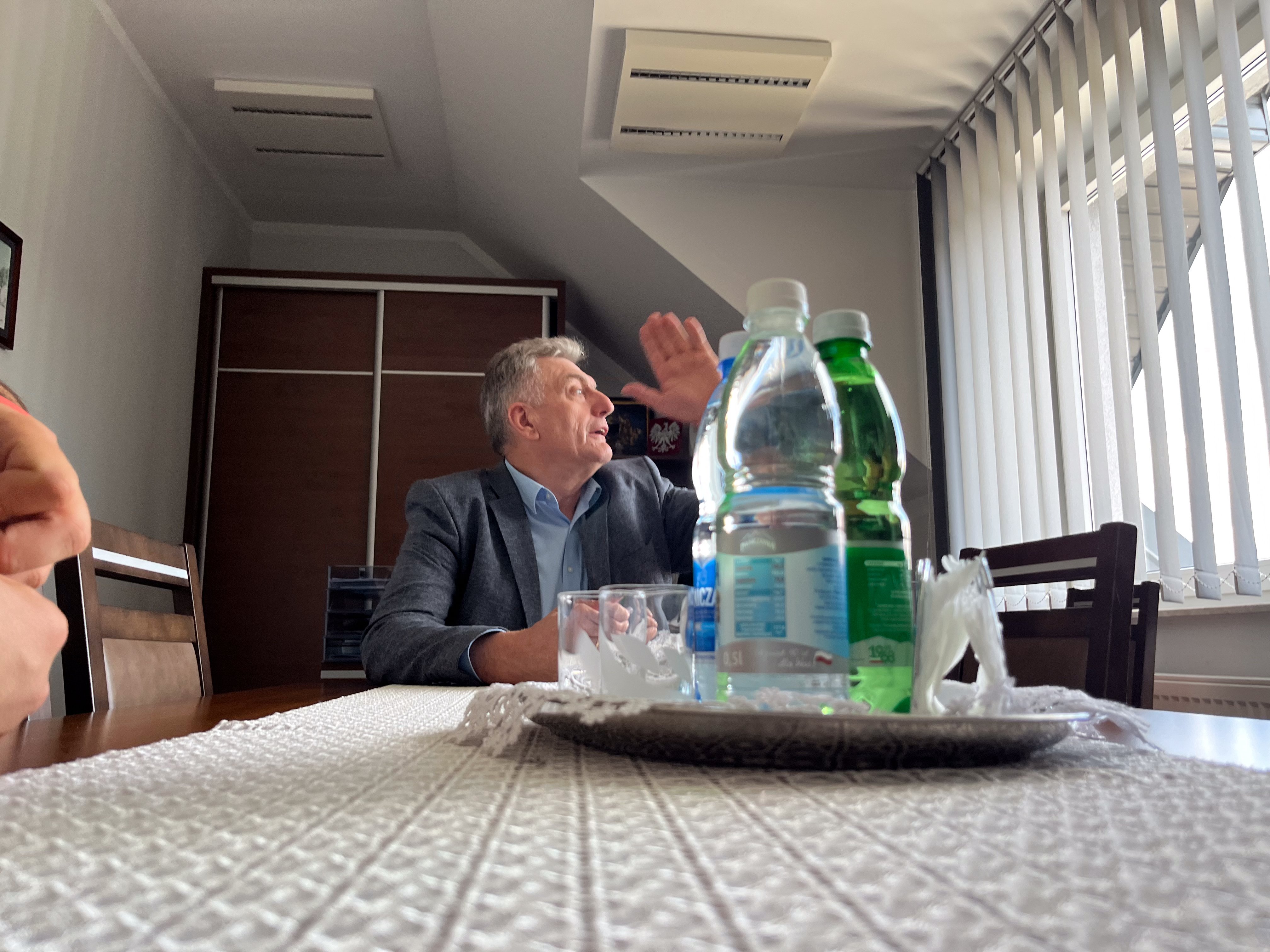
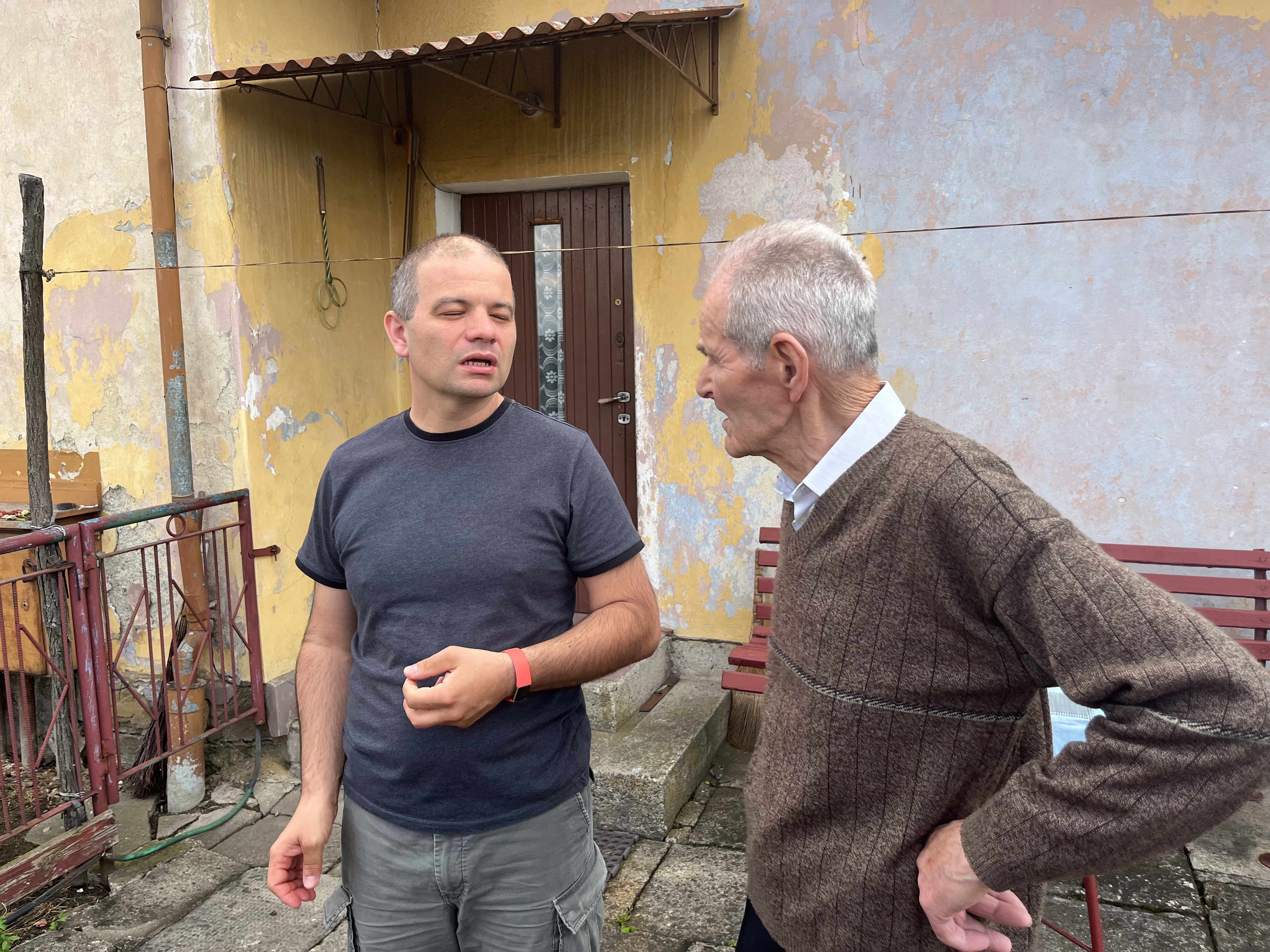
Brzeżanka – a neighboring town to Żarnowa, we had our best clues and even arranged a meeting with Bogumila and Zdzislaw Furtek. Bogumila is a sister of Krystyna Onacki, our cousin who helped start this whole investigation back in the states. This was pay-dirt for us.
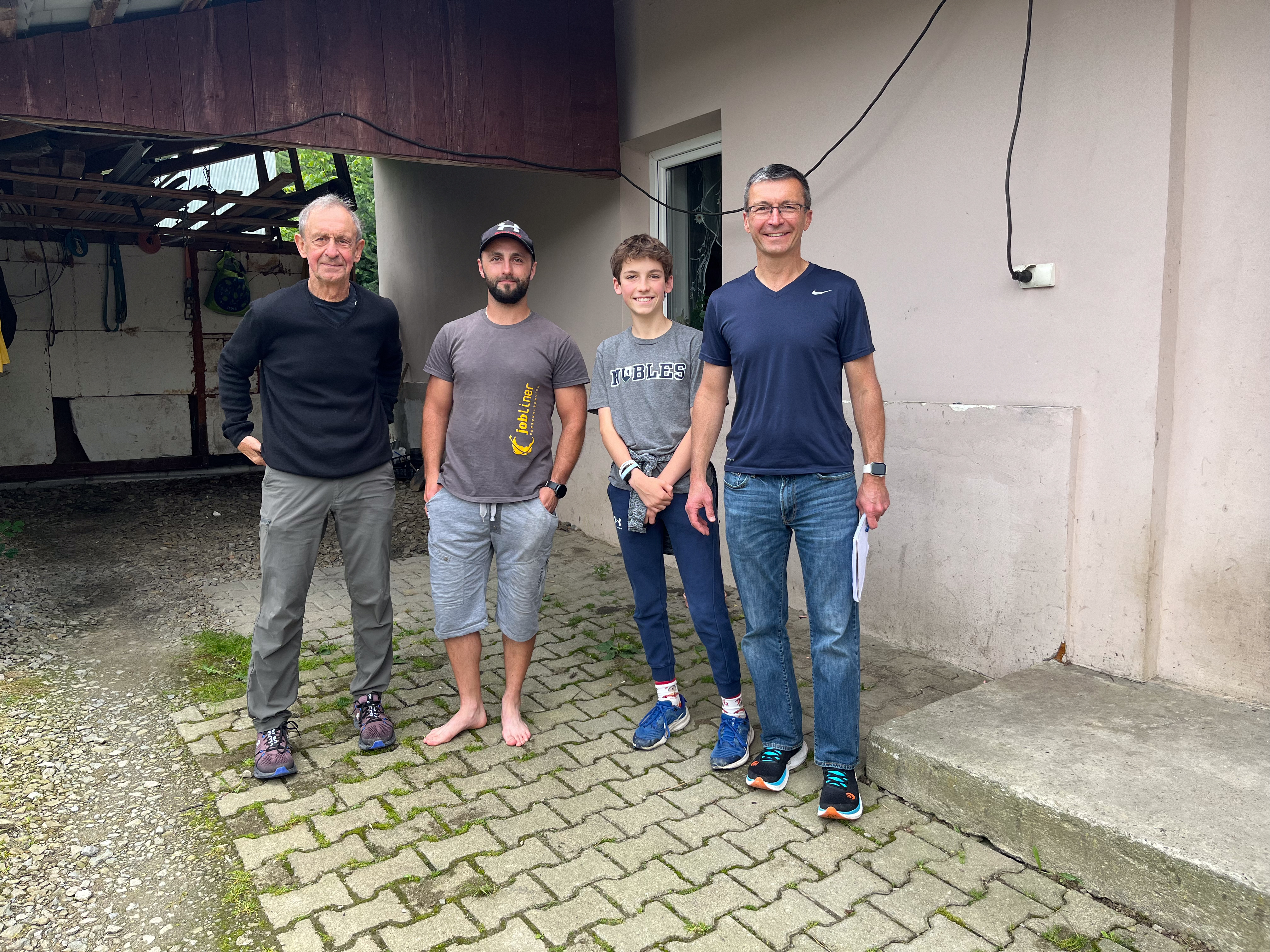
We now had a direct connection from the other branch of the Kiczek family. Antoni Kiczek was a half-brother of my great grandfather, Josef Kiczek. His descendants included Bogumila and Krystyna. It seemed Josef married once had eight children and married again having four more. Not so uncommon back then. One of Antoni’s sons was our familiar “Uncle Joe”(Joseph Kiczek) as he became the messenger between the U.S. and Poland Kiczek families. We just never realized what the exact family relationship was.

This was the highlight of our trip from a social and genealogical point of view and the main objective. We met a distant but direct relative, had a warm inviting visit, saw where my great grandfather and some of his descendants lived and tilled the land, even until today. We ate together, exchanged gifts and promised to keep in touch. We had an open ended welcome to come back. More than that, we discovered the land where our ancestors lived and worked was a beautiful peaceful place. See the earlier post for more details on this visit.

Thursday, June 13, 2024 – morning

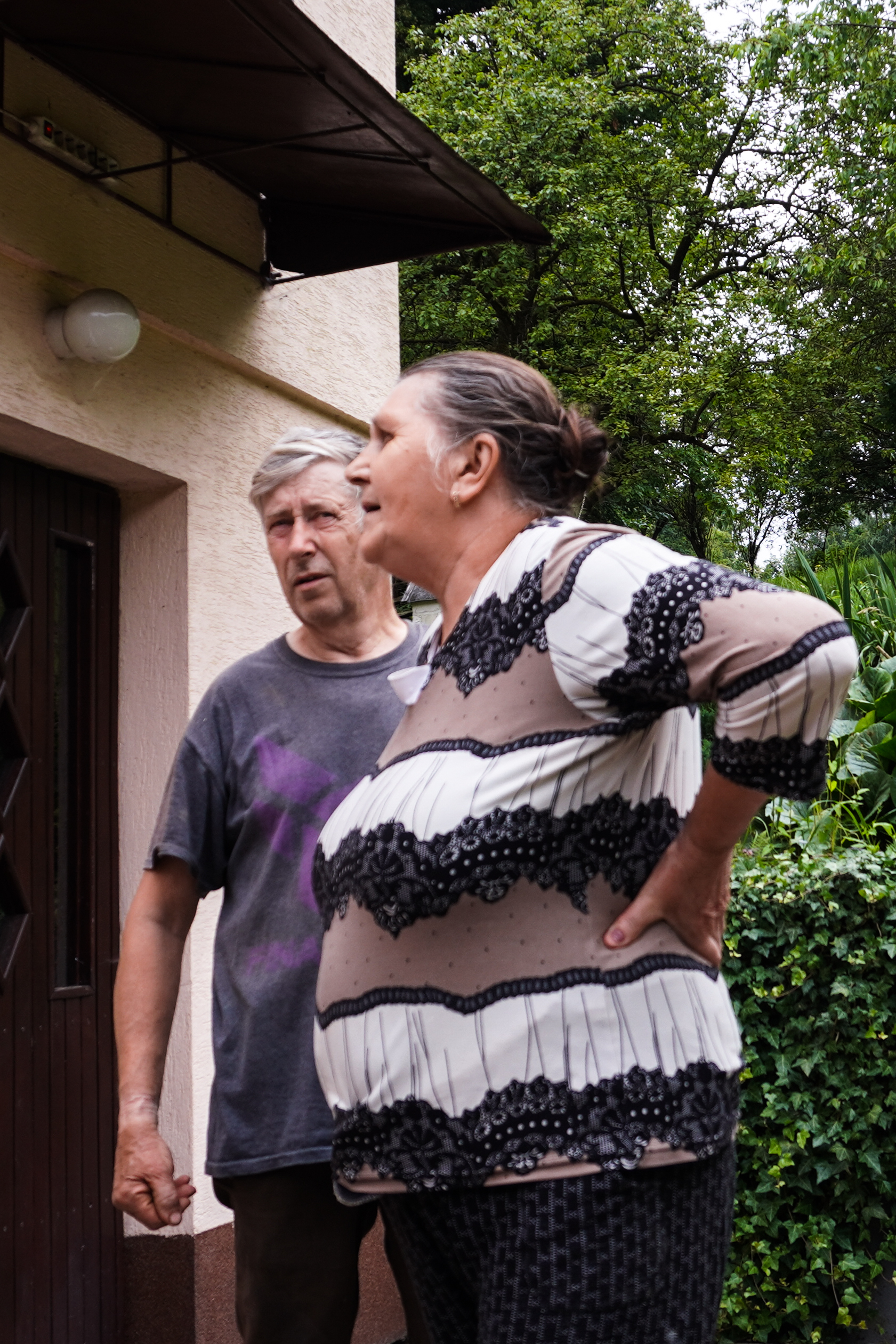
Brzezowa – Our investigation moves on as we travel 30 miles southwest toward the foothills of the Carpathian Mountains and closer to the Slovakian border. There we searched for traces of my paternal grandmother’s (maiden name Katarzyna Kuchnika) family. After visiting the town hall records we found a possible relative’s address. We went to a cemetery and the home of to a a Kuchnika descendant and her son but they did not seem terribly interested in relating anything to us. We made the connection but in this case there wasn’t much interest in continuing communication.

Friday, June 14, 2024 – morning

Grybow/w – We travel west another 10 miles in search of my maternal grandfather’s ( Kmak) family. We started in Grybow, the area where we had a record of his family. We went to the local town hall to explore records. We found a clue that Kmak’s were still in town and a relative might be living nearby. We visited Richard and discovered another lead to a younger generation relative. For our last investigation we went to a local farm and met Kamil Radzik, 28 years old, our youngest relative we met. He offered his email and promised to connect.

Friday, June 14, 2024 – afternoon

Bobowa – Our last investigation started in the local town hall. Through Lucjan’s charm and two very conscientious staffers we spent over an hour pouring through records to find my maternal grandfather’s family.

Case Closed?

Four days of investigation had ended. With the help of Lucjan as our translator and charmer, we had managed to discover new facts, meet family members and potentially open up further communications. Eventually, Lucjan mentioned that he was interested in police detective work, his skills fit perfectly for that job.

More than that, we had a real feeling of what it was like living in Poland. It is truly a beautiful country, not unlike America. There are small quaint towns, small shops, even American fast food (e.g., McDonald’s) and town halls with vital records. Beyond that there is a huge landscape of open fields and undulating mountains. It changed my perspective about who are ancestors were and where they were from and why many chose not to leave.

I couldn’t stop myself from thinking of one of my favorite Elvis Costello songs that seem to relate to us being amateur detectives, if only for a while and in a friendlier way. The following video has nothing to do with genealogy, but it too is a great mysterious song and video about being a detective….

Elvis Costello: Watching the Detectives

My Musical Evolution

Has your musical tastes changed over the years? Mine has been a slow transition that has only broadened my interest. Maybe Beyonce is trying to tell us something?


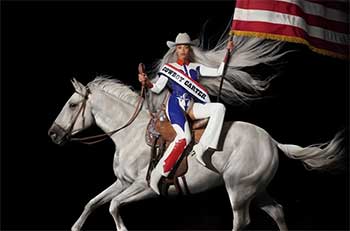
Little did I realize that Beyoncé and I may have something in common. Beyoncé has just released her genre-bending album “Cowboy Carter.” It features collaborations with Country music legends like Dolly Parton and Willie Nelson. It’s her latest evolution. And, it seems my musical tastes have changed too. Sad to say it has nothing to do with her, although we may be on the same track.

Cover of Beyoncé’s “Cowboy Carter” Album

Maybe it’s a product of getting older, or a mash of all the music I’ve come to like over the years. While I always have preferred rock or folk, I think my ear is bending a bit more toward progressive country, American Songbook classics and even the right Latin beat.

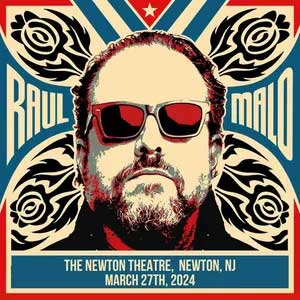
A few days ago, Mary Ann and I caught a famed singer, songwriter and musician at the Newton Theatre. Lately, I’ve been playing Raul Malo and his Grammy Award-winning band the Mavericks on my Spotify lists and noticed that we both were listening to the same music. Just a week ago Mary Ann found Raul had a one-night gig in NJ which gave us a rare opportunity to watch and listen to him perform.

You may remember the Mavericks for a few past popular hits but they have a strong following with a sound that always has been hard to categorize. Terms used start with progressive country, rockabilly, Tex-Mex, Americana, Cuban ballads, jazz and blues but Malo’s preferences are even broader than that. Raul Malo is the an American born singer with Cuban ancestry who has has a reputation as one of the most beautiful full baritone voices in music today. He also is a guitar virtuoso and plays numerous instruments. He’s that famous singer you probably never heard of.

Currently he is on a solo tour away from the Mavericks at smaller venues like the Newton Theatre which suits his talents perfectly.

Newton Theater
The Newton Theatre

The town of Newton is about a 45-minute drive from Morristown and in a remote part of Northwest NJ. It’s the kind of place that’s easy to forget.  Once a bustling town a century ago, it conjures up a nostalgic vision of an old western town which now seems charming with old storefronts and quiet narrow streets. And, it has restored its 1926 605-seat theater into an intimate performance space and occasional movie theater again with the help of SkyPAC, the local arts supporting organization. Maybe, this was the perfect place for tonight’s music.

It was a dark, wet and dreary Wednesday night so we hesitated for a moment before we decided to make the long schlep, having already purchased the tickets. The show started with the soothing sound of Seth Walker, a former Mavericks musician, playing upbeat and easy original tunes with a sound similar to Jack Johnson. It was a nice intro to what was to come.

The house was full of excited fans waiting as Raul came out around 8:30. Mary Ann and I looked around to judge the audience as we (seniors) often do these days. It was mostly gray-haired, pony-tailed or long-haired adults. For a typical “Country” concert it might be easy to conclude which way politically the audience leaned but we guessed this could be a rare situation with equal sides and in no mood to bicker. Raul is an actively progressive guy but never mixes politics with his gigs.

He dressed plain and casual on a spare stage with one stool and a single snare drum set, it seemed almost too little to deliver what was expected. This crowd called out to hear their favorites. But he just said, “Look there’s no play list, you may not hear songs you expect. I’m just going to play what I feel like tonight.” Luckily, we were all okay with that.

He started out with two ballads so Cuban that you felt transported to a cigar-smoked cafe in Havana. Then he changed to old classic songs of love and longing from Elvis to Sinatra to Nelson to Orbison. He mixed his material carefully in the playlist. His musical knowledge and taste is only matched by his perfect guitar playing and vocals.

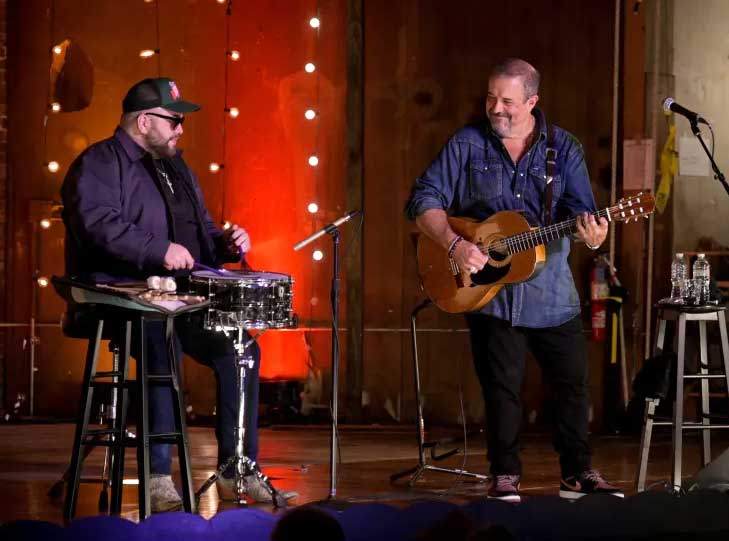
Dino and Raul Malo (photo by Jack Casey/What’sUp Newp)

Dino, his eldest son, joined him half-way through the set picking up the pace by playing smooth percussion. Together they performed maybe the best song all night, Neil Young’s “Harvest Moon.” Raul closed with what he noted was one of his top three songs of all time – Hoagy Carmichael’s “Stardust” which was in a category of its own. This may have been one of the most “intimate” sounding concerts I have ever attended.

Maybe music genres are blurring, are just too numerous to appreciate or you just outgrow them. Today, I’m looking for a performer to deliver the right mix. Perfect sounding music that speaks of everyday life, love and longing. Music that I can relate to at this time of my life. “Country” or some other category? No category seems right for my evolved musical taste.  Has your musical tastes changed over the years too?

Here’s a taste of Raul Malo and his band The Mavericks:

Raul Malo, The Mavericks – Havana’s Midnight (Official Video)

Here’s one of my favorite cover songs sung by Raul Malo:

Raul Malo sings Blue Bayou

Discovering Alice in Wonderland

How I fell into a rabbit hole and ended up in the mid-1960’s

On the 10th day of my New England Reunion Bike Tour, I was waiting out the rain in Lee, Massachusetts. I set out for my last meal in town before I was to leave the next morning. This area is known for its history and its embrace of mystery and new-age trends. Here’s what happens when my course collides with local forces.

The Salmon Run Fish House. It sounded out of place here in Western Massachusetts. Sometimes all you want, and really need, is something good to eat and the Yelp reviews were good. But, there was more than food to be found here. It was a rabbit hole of sorts taking me on a journey back to a different time.

Being a Bar Fly

I was kind of stuck in Lee, MA on that rainy evening so I did not mind settling into a comfortable place for a couple hours. The Salmon Run Fish House restaurant was an old, narrow, dated place with paneled walls, maybe a dozen booths and a small bar. The waitress strongly suggested I might want to take a seat at the bar since booths were reserved and they would be occupied soon (Got it! I’m sure they did not want one person in a booth). Or, maybe it was just fate to sit at the bar that night.

A couple sat at the bar near me and we began a conversation about local craft beers. I recommended the beer I was drinking called Two Roads: Road 2 Ruin. It’s a mighty good double IPA brewed in Stratford CT. Their marketing tag “The Road Less Traveled” seemed like the perfect motto for my adventure.

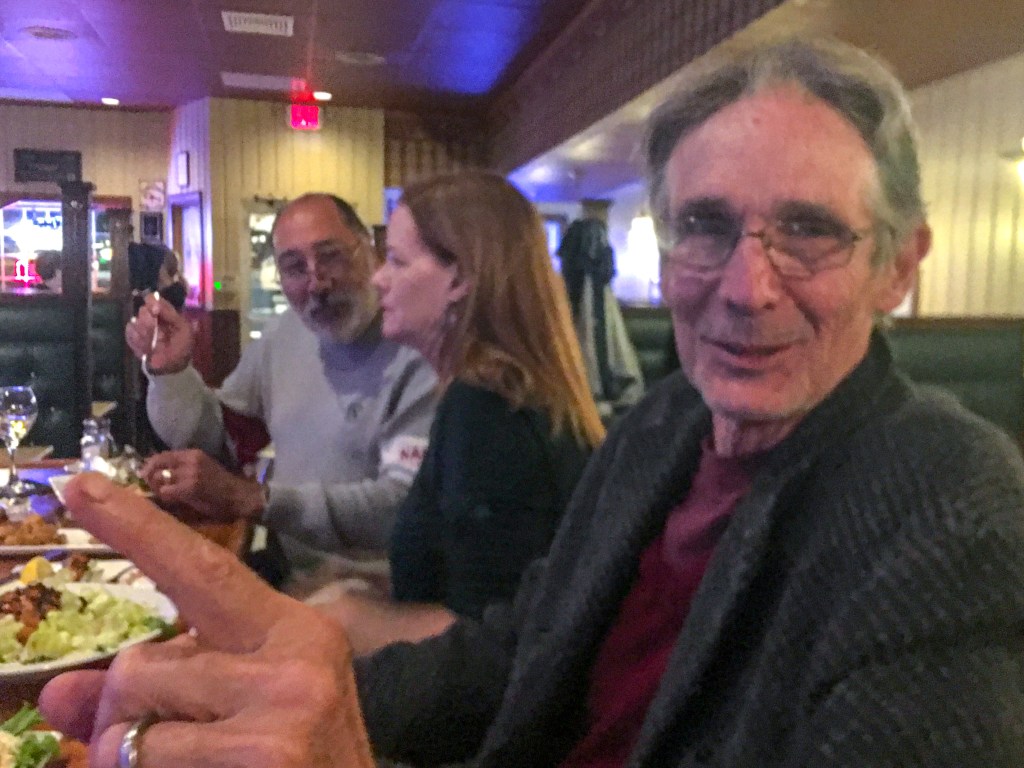
My new bar new friend, Bill Russell, was a pleasant, seasoned guy, 73 years old with an attractive wife. Although they now live in Lenox, he likes to come to this place for the food and atmosphere. He’s retired now but has a couple of unique interests and a memorable past.

My new found legendary friend, Bill Russell was part of the mid-1960’s scene in Stockbridge.

Where it All Began

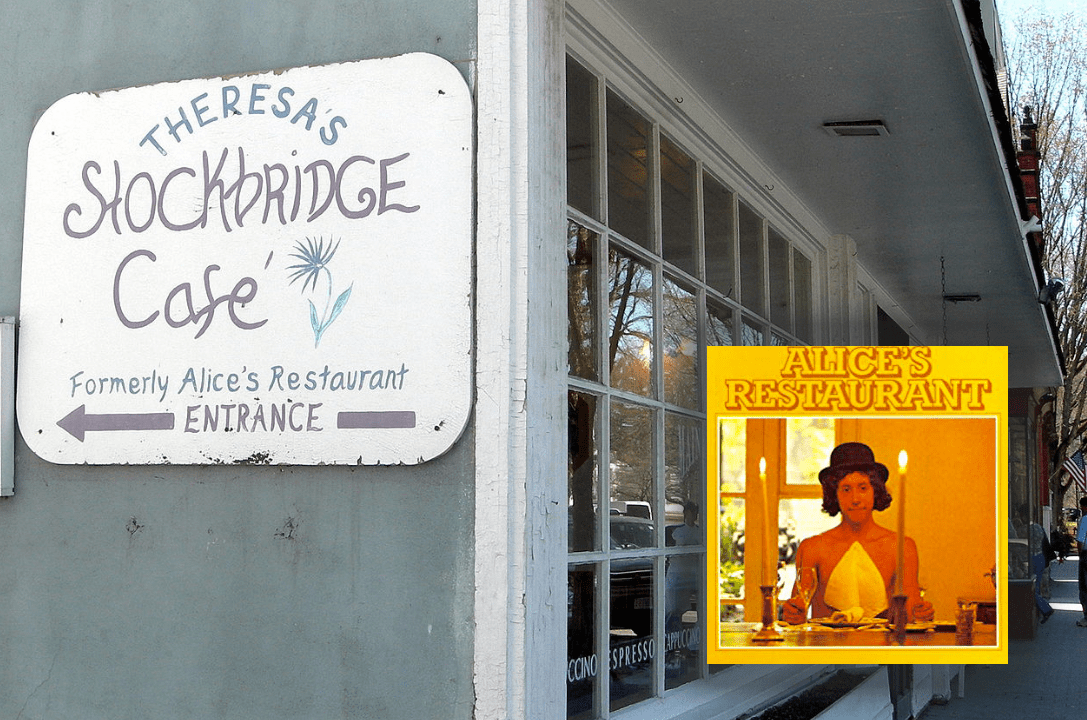
Bill used to live in nearby Stockbridge, a fairly famous artsy destination in the Berkshires. At least one reason for its recognition is that it was the scene for Arlo Guthrie‘s famous song and story telling adventure called Alice’s Restaurant (actually titled Alice’s Restaurant Massacree).

It turns out there once was a restaurant called The Back Room owned by Alice Brock and her husband Ray Brock in Stockbridge. The 18-minute song and 111-minute movie made from it are largely based on actual events outside of the restaurant and Bill Russell was part of that whole scene.

Bill grew up in Delaware but was sent by his parents as a teenager to the Stockbridge School in 1964 because of behavioral issues. It was a coincidence of time and place that Alice and Ray re-located to the the area from New York City. She became the school librarian and Ray taught shop at the school. Ray was an eclectic charismatic character who was an architect and talented woodworker. He quickly became an outspoken leader of an anti-establishment community which drew students from the school, including Bill and Arlo Guthrie. This was a turbulent time of radical social change, drugs and the Vietnam War.

Cooking Up Alice’s Restaurant

The story of “Alice’s Restaurant” is about a memorable Thanksgiving dinner in 1965 when Alice and Ray invited everyone they knew to a big feast in their newly bought deconsecrated church in Great Barrington which they converted to a commune-like place for young students and bohemian friends to meet, to discuss ideas and to party.

Arlo and friend Richard Robbins decided to help clean up after the Thanksgiving meal and headed to the town dump after dinner to cart off garbage. But the dump was closed. They unloaded the garbage where they should not have and are eventually caught and fined in an overly dramatic police arrest. Later the next year, Arlo was called up for his Vietnam-era draft physical in New York City. Much to his surprise he was re-classified. He had dodged the draft – not because of behavioral or physical issues – but because he had been arrested for littering!

Ironically, Arlo’s dad, famed folksinger Woody Guthrie, was on his deathbed at the time suffering from Huntington’s Disease, a rare genetic disease that Arlo inherited but was fortunate not to suffer from.

A Legend is Born

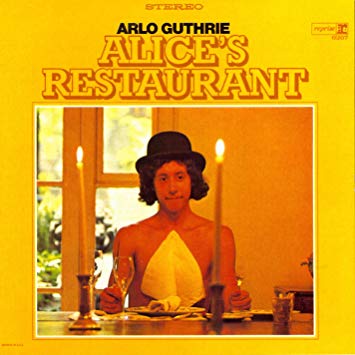
Bill was one among the dozens that attended that fateful 1965 Thanksgiving Dinner. Alice opened a real restaurant in Stockbridge afterwards which was a brief success before she became fed up with the business and with Ray. They split up a couple years later. Arlo Guthrie wrote Alice’s Restaurant as more a storytelling than a song. But it was to become a perfect humorous symbol of the times.

Album cover of 1969 recording of Alice’s Restaurant.

A movie deal followed the song’s success. It was not one of famed director Arthur Penn‘s greatest films. The movie was shot in the Stockbridge area and expanded the story with added fiction but it could not save it from a poor script and mediocre acting. Many of the original friends of Alice and Ray got walk-on parts, including Bill Russell.

Bill Russell ended up living in a room near the restaurant in Stockbridge and got to know Alice well. He learned the craft of woodworking and ended up moving to New York City where he bought a shop at a time and place when it was affordable. He lived there for 25 years but eventually came back to Stockbridge. He continues to live off the income from properties including his NYC building which once was his workshop.

When Bill and I parted company that night he told me he would be heading to Provincetown on Thanksgiving Day, as he has for many years. Alice Brock is still carrying on their tradition by hosting a dinner for her close friends, including Bill.

Down the Rabbit Hole

Bill was like the Mad Hatter in Alice In Wonderland. He showed me the rabbit hole and I could not help but go in.

I learned Alice opened and closed several restaurants, wrote a few cookbooks and a biography called “My Life As a Restaurant“. Still, she’s always had a love/hate relationship with running a restaurant. She preferred a creative free-form style of cooking. Here’s an audio recipe for Salt and Pepper Soup recorded at NPR.

NPR This I Believe – Alice Brock on her philosophy of life and cooking.

Today, Alice Brock (alicebrock.com) lives in Provincetown, MA and sells beach stones (painted stones meant to be hidden in strategic places) and other personal artwork through her website. Her former husband, Ray Brock, passed away in 1979. The deconsecrated church in Great Barrington was bought by Arlo Guthrie and is now the Guthrie Center at Old Trinity Church. where people people of all religions are welcome, musical events still occur and a large, open Thanksgiving dinner is served each year.

After googling the incident, characters and times, I viewed the movie Alice’s Restaurant on a library DVD. It brought back old memories including the strange times we lived through in the 60’s, including my own draft physical in Newark, New Jersey about that same year.

Arlo Guthrie has continued his tradition of touring and singing Alice’s Restaurant for 52 years (see current schedule). This year 2019 is said to be his last year culminating with his last show at Carnegie Hall on Saturday, November 30th.

Its fair to say that listening to this song has become an American tradition for many of us – linked with Thanksgiving, story-telling humor, questioning authority and an ability to laugh at the absurdities of life. To me it’s become as timeless and strange as Alice in Wonderland.

Original recording of Alice’s Restaurant

Heart of Gold Revisited

A great concert for the ages. Neil Young at the Ryman Auditorium.

We’re taking a slight “detour” here from my Reunion Tour bike trip blogging to comment on and recommend a movie that brought home some of my personal feelings as of late. It’s one of the best concert movies I have ever seen.

Striking Gold

undefinedOccasionally, out of the blue, something appears as a selection on one of my 60+ streaming TV channels that really, really is worth watching. That happened last night when I selected from Kanopy the 2006 Neil Young: Heart of Gold documentary directed by Jonathan Demme. Its themes, music and point in Neil’s life tie right into my 13-day, 500+mile bike tour I completed last week. The message sent to me was clear – others pass this way too.

This is the thoughtful and everyman Neil Young performing songs for the first time from his Prairie Wind album which was critically acclaimed and nominated for 2 Grammys. It was a different turn toward an Americana sound somewhat like country, bluegrass and folk ballads. It reminded me of the music I heard in Vermont that just tell simple stories well. I loved the album at the time but had totally forgotten about it. This is the same Neil Young who once sang, “It’s better to burn out than fade away.”

You’re Never too Young

Young wrote most of the songs after his father’s death a few months before. At the time, he was diagnosed with a treatable brain aneurysm. Yet, he opened a tour of the album at the famed 2,600-seat Ryman Auditorium in Nashville, the shrine and home of the original Grand Ole Opry. At the time he was all too aware of the fragility of life.

The songs are about growing up in Alberta, his father, his daughter, his god, and even his guitar. It’s a beautiful positive ode to the basic important things in life. While I’m not a country music fan, the emotional connection that a good country song brings is in this music, in spades.

Young is reverent to all the places, old times and everyone he has known. The heartfelt lyrics and sound are true and played to perfection with great musicians, including Emmy Lou Harris and with artistic and minimalist filming. Neil never looked more like the musical genius he is than in this work.

If you’ve read other posts on my blog myplanc.blog, you know its about getting older and in appreciating and discovering joy in everyday things. This documentary did just that for me and helped me bask a bit longer in the good vibes I got from visiting some old friends – and having the unforgettable opportunity to reminisce about good old times.

One of These Days – one of my favorite songs on Prairie Wind in harmony with my Reunion Tour.

Memory Motel

Some memories of people are etched in our minds. Some of places. And, some memories have both.

It was a rainy day, exactly as forecast. I enjoyed sleeping late that morning at my airbnb in Lee, Massachusetts. I had decided that after 10 days on the road and only 3 more to go to complete my Reunion Tour, it would be wise to avoid riding my bike through the light, steady rain.

25 Housatonic Street is conveniently located near the town center and is large enough for to host at least a few guests in some old period rooms as well as accommodate the owner’s family and grandkids on an occasional visit. Definitely not a motel. It was, as they claimed in the airbnb listing, “Comfortable Living in 1870’s House”.

Trivets from the three states that meant the most to me appeared on the table. A good sign, indeed.

I was sitting alone in a shared guest area that offered coffee, food, and information. There were obviously lots of memories made and shared in this home. The creaky floors and the numerous tsotchkes here seemed to prove that beyond a doubt. But people make memories and I was fortunate to meet a few.

This house keeps lots of memories frozen in time.

New-Age Kathy

I had met Kathy yesterday when I arrived. She was also a guest for the upcoming week, here for the Women’s Week program at Kripalu in nearby Stockbridge. It is the largest yoga retreat in North America. Her upbeat conversation reflected my understanding that this area of the Berkshires is known for its new-age thinking. She had come to gain a new enlightenment, become an instructor and to meet up with other yoga friends. Later, she said the program was everything she expected and more.

Biker Debbie

Later that day I met Dave and Debbie, who were my thoughtful and friendly hosts. Debbie was probably near my age and had been a competitive cyclist who also organized mountain biking races in the Kingdom Trails Burke Mountain area for several years – where I had visited a few days ago. It was obvious she had lots of old memories of those past glory days. Now, she and her husband still ride on tamer local trails and enjoyed walking. Funny, how easily it can be to relate to memories from people we might not have otherwise met.

Nurse Elizabeth

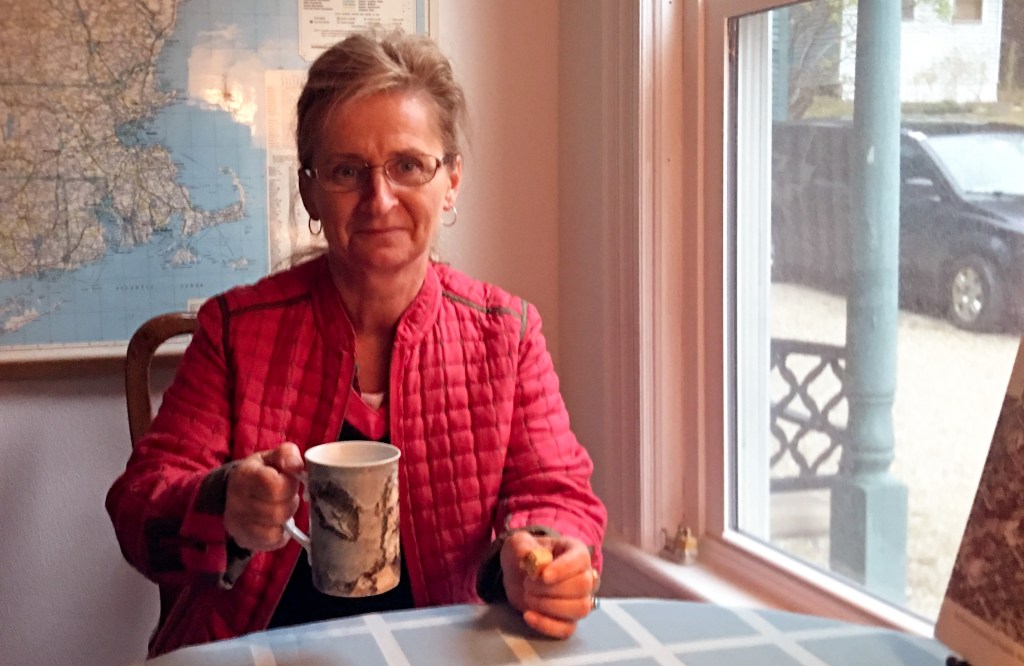
Sharing coffee and stories with Elizabeth, an inspiration of hard work and persistence.

But, that rainy morning I also met Elizabeth who was a regular boarder here and not your usual airbnb guest. After a friendly greeting I noticed she had a slight European accent. She began to explain she actually lived here 3 days a week to accommodate her job as an emergency room registered nurse in a Pittsfield hospital. Obviously, being an EMT nurse requires a certain type of individual.

You probably know that nurses are in high demand these days but their salaries do not necessarily reflect that. Apparently, Massachusetts hospitals pay much better than upstate New York. Elizabeth’s home is about 25 miles west of Albany so rather than travel 80 miles each way for 3 days, she stays here. This way she can have 4 days off to take care of her home and farm animals.

It turns out Elizabeth was born in Poland in an area known as Galacia that is the same area where my ancestors are from. Yet, her family began their American odyssey first in Bayonne, New Jersey, as many Poles did over the last century. Her family was able to begin immigration in the 1940’s after the war when sympathetic Polish troops allowed Poles to cross the border into Austria despite a Russian blockade. Later, the border closed and the family was denied entry until Glasnost occurred in Russia.

As was the custom of the time and place in Poland, Elizabeth married a neighbor in what might be called a pre-arranged marriage which she fought. Eventually, Elizabeth immigrated and worked through marital difficulties, earned here RN degree and raised three daughters (all now in their 20’s) that are doing very well, including one who is a pre-med student. Her’s is a story of a successful persistent immigrant and of one woman’s strength. I could not help but feel her story is not over yet and wondered what memories were ahead for her.

Lasting Memories

Nearly a week after my stay in Lee, I found myself on a weekend away in the Hamptons with my wife, kids, their spouses and the grandkids. It was to celebrate my wife Mary Ann’s 70th birthday. Yes, we were making our own memories too. Accidentally, a moment came a few days ago that brought a flood of memories back from that day in Lee, MA.

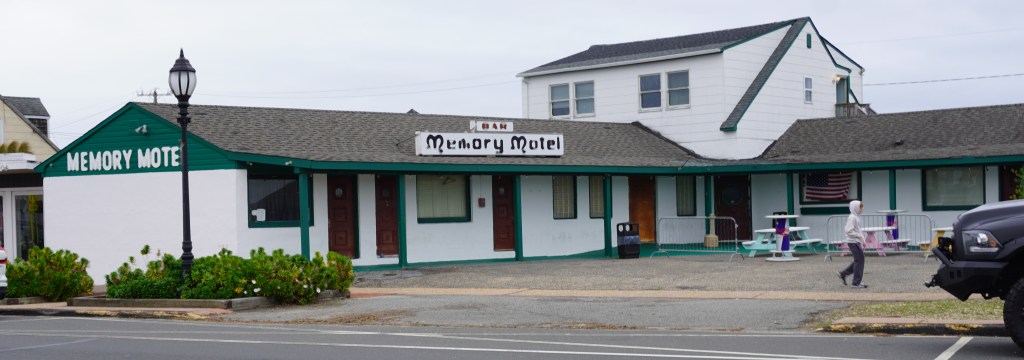
The Memory Motel still creates memories-Montauk Bar/Motel made famous by the Rolling Stones

In 1975 Mick Jagger was escaping a busy schedule of North American shows and a productive period of new music. Mick and Kieth Richards escaped to Andy Warhol‘s Montauk vacation home for a break. During that stay, Mick had a fling with a strong-willed woman. They would later name her as Hannah in a song he and Kieth wrote called the Memory Motel. (lyrics here) Some consider it one of their longest anb best ballads.

It’s speculation that the basis of the song then was Carly Simon, who Mick had a relationship with (Of course, it’s no secret that Carly got back at Mick with her hit single “You’re So Vane“). But the famous photographer Annie Leibovitz was also know as Hannah. So, let’s just say Memory Motel it was about remarkable women.

As we traveled through Montauk, we passed the actual Memory Motel. I did a double-take remembering the name but not realizing its history at the time. Apparently, there’s still a dive bar and beat up motel that lives on as a monument to memories past and those that can still be created.

Just like my stay at 25 Housatonic, some memories are just burned-in and will never leave. Rightly so. Chief among them are hard-headed women that make a difference and special places that we never forget.