
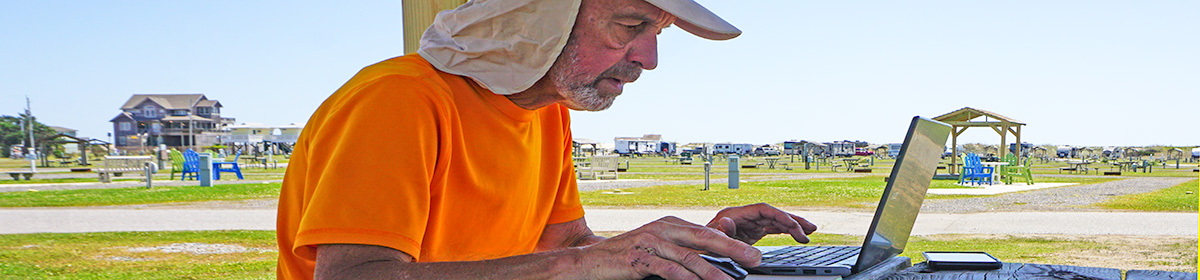

If the word “Dragnet” means something to you, my guess is you remember Sargent Friday saying “Just the facts, ma’am.” on the old popular TV show. Or the 1960’s comedy movie version of that show with Dan Ackroyd and Tom Hanks. Either way it was about how detectives solved crime (mysteries). It seemed they had odd and funny ways of discovering facts when they interviewed suspects or witnesses.
Now, we were on the ultimate dragnet for any clue to our family history. Facts mattered. Leads needed to be followed. We were on a missing persons investigation in Poland.
Near the top of my personal mysteries is how we got here. Ultimately, we all come from the same relatives. But the road that was taken by each of our ancestors made us who we are today. Sometimes, it was a voyage to leave their country and family. Other times it was to stay and make the most of the life they had, even if it was harsh at times. Whatever path was taken, family connections remained strong in most situations.
Where This Investigation Begins
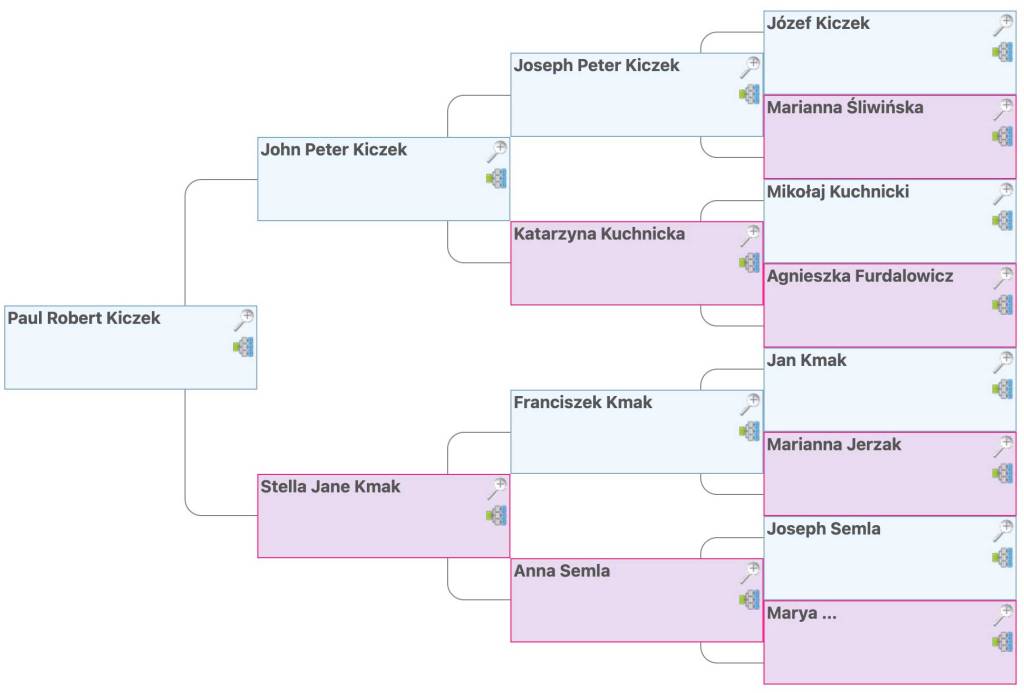
About 10 years ago, Krystyna Onacki, a distant cousin from Poland discovered our Kiczek family. A Polish citizen at the time, she met and later married John Onacki a U.S. citizen when he was studying abroad in Poland. They moved to Roselle, N.J., coincidentally, the same town in which I grew up. Our family connection was through her mom who was a descendant of Josef Kiczek, my great grandfather.
Little did I know then that Josef had a second wife after his first passed away which created a second branch of the Kiczek family. Just 10 years ago, I had little knowledge of who my grandfather was, let alone my great grandfather. And, my parents and their siblings had passed away years before so it seemed we had no one left to ask, until Krystyna found us.
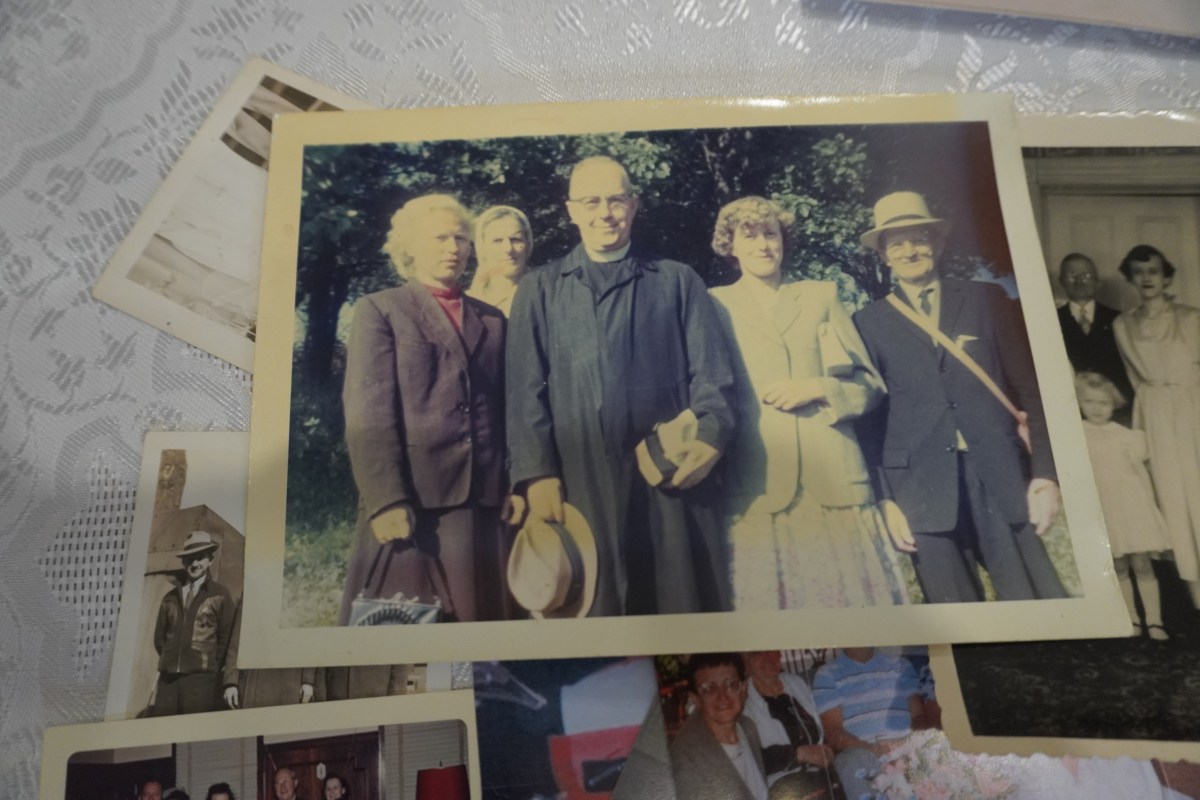
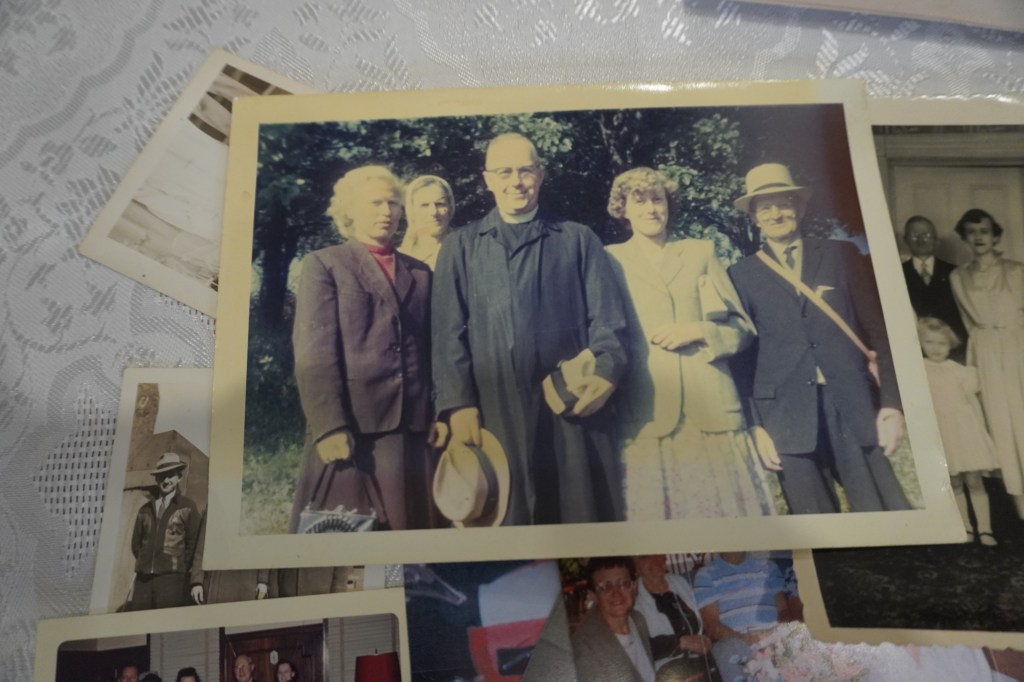
Large families were desirable back then to help work the land, provide financial support and to replace those children that would die young. For our side of the Kiczek family, my grandfather would immigrate to the U.S., and have nine children. My father’s siblings included one brother who became a priest and three sisters who would live their lives as cloistered nuns. To most Polish families this might have been the ultimate career choice and source of family pride. It was also seen as a way to increase their blessings by bringing the family closer to the Catholic Church.
Covid Creates a Time Warp
My oldest son, Ethan Kiczek, met the Onacki’s and understood the family connections better than I. Ethan has an engineering degree and has worked in technology his entire career, appreciating the complexity of large scale projects. In 2020, tied down by the pandemic and working remotely, he became absorbed in discovering more details about the family.
Often a search leads to a clue about another relative or the nature of a relationship. This usually needs to be verified. There’s digital sources, like ancestry.com and there are analog sources, like a town’s records of births, deaths and marriages or even finding tombstones.
While it’s possible that a birth record can appear as a digital image, more often than not it simply needs to be found in a physical registry of births, deaths and marriages. This is especially true for older records. In Poland. registry books are often located in the town where the family lived – or in the registry of the local church where they prayed. All this would take time and concentration, which with Covid, we all had plenty of.
Ethan searched a few databases like the Mormon’s FamilySearch and Facebook’s genealogy groups to discover what sources could help and how to get more information, if the data was not available online. This led to outsourcing a remote genealogical researcher in Poland, Lucjan Cichocki, who could actually go to local Polish towns to search registries to validate and discover family connections. Lucjan became our Sargent Friday. But, that led us to considering getting involved in this Polish dragnet too.
Going Back in Time
Ethan discovered, with the help of Lucjan, the towns where our family lived and even traced some ancestors to the 1700’s. But to dig deeper, we would need to view the registry records. Those records also state some other related information like the birth date, name of parents, religion and towns they came from. Ethan began to construct a large family tree that opened up our imagination as to who were our ancestors and how we were related.
In 2022, we began to plan for a trip to Poland to discover our relatives – assuming we could find them and they would talk to us. But it was then that the Ukrainian-Russian war started. The area where our family was from was only about 50 miles from the Polish-Ukraine border. At that point we had no idea if the war would spill over to Poland. Poland’s borders have been moved often and the area we were planning on visiting was once even considered part of Ukraine. So, we postponed the trip for safety reasons. But the dragnet research continued.
Our Case History
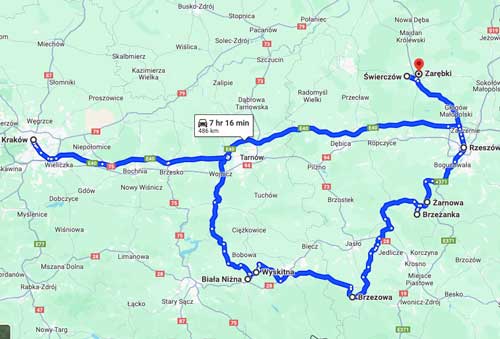
Plans were set in late 2023 to visit the following year all the towns where my family seemed to have originated or once lived. Ethan’s mom, Judy’s (Dolac) mom had a clear connection to a town in the same region too. So, Ethan worked with a special touring company called PolishOrigins and created a custom tour that would take us to most places we had confirmed had a family connection. We hoped to visit those places, hopefully discover more connections and perhaps meet some relatives!
We spent four days investigating our ancestors in Poland, mixed with some interesting sightseeing along the way. Here’s a brief case history of what actually occurred during our investigation part of the trip:
Tuesday, June 11, 2024
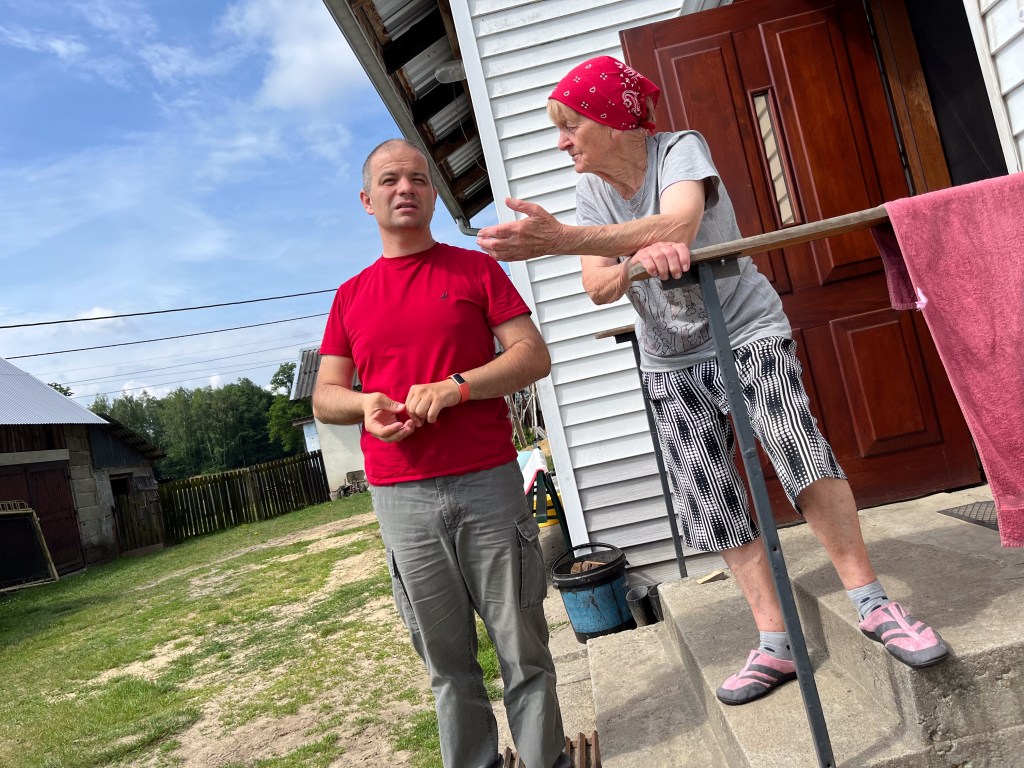
Świerczów – About 20 miles north of Rzeszów, our starting base, we sought family connections to the Stobierki’s (Ethan’s grandmother on his mother’s side). We had an address to go to from previous research. Found a distant cousin Halina Knipa and son Bartek. They share a great great grandfather Michal Stobierski with Ethan. We visited the town hall for records, the old family farm where his grandparents lived and a local cemetery. We exchanged emails for future follow-up. See the earlier post for more details on this visit.
Wednesday, June 12, 2024 – morning
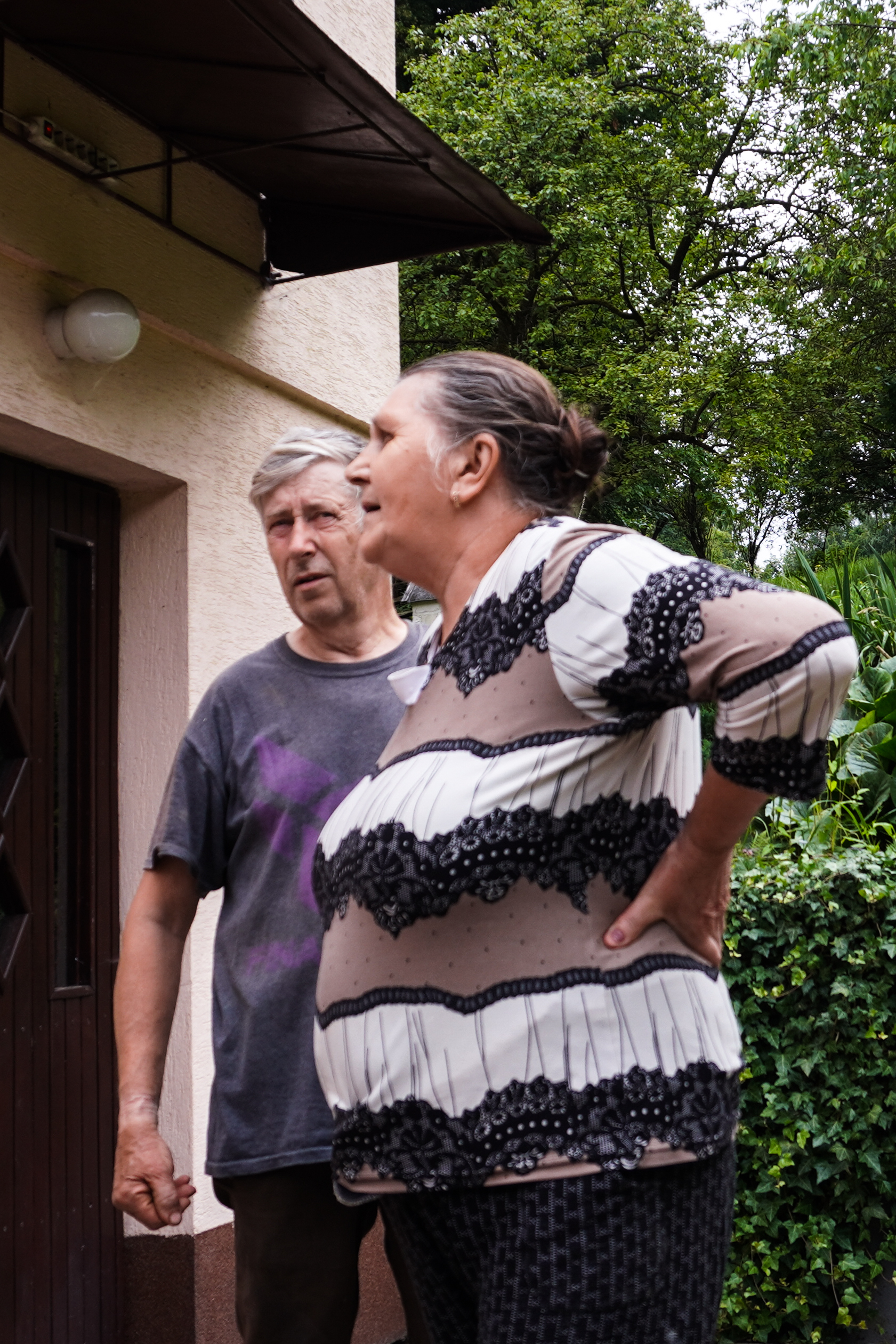
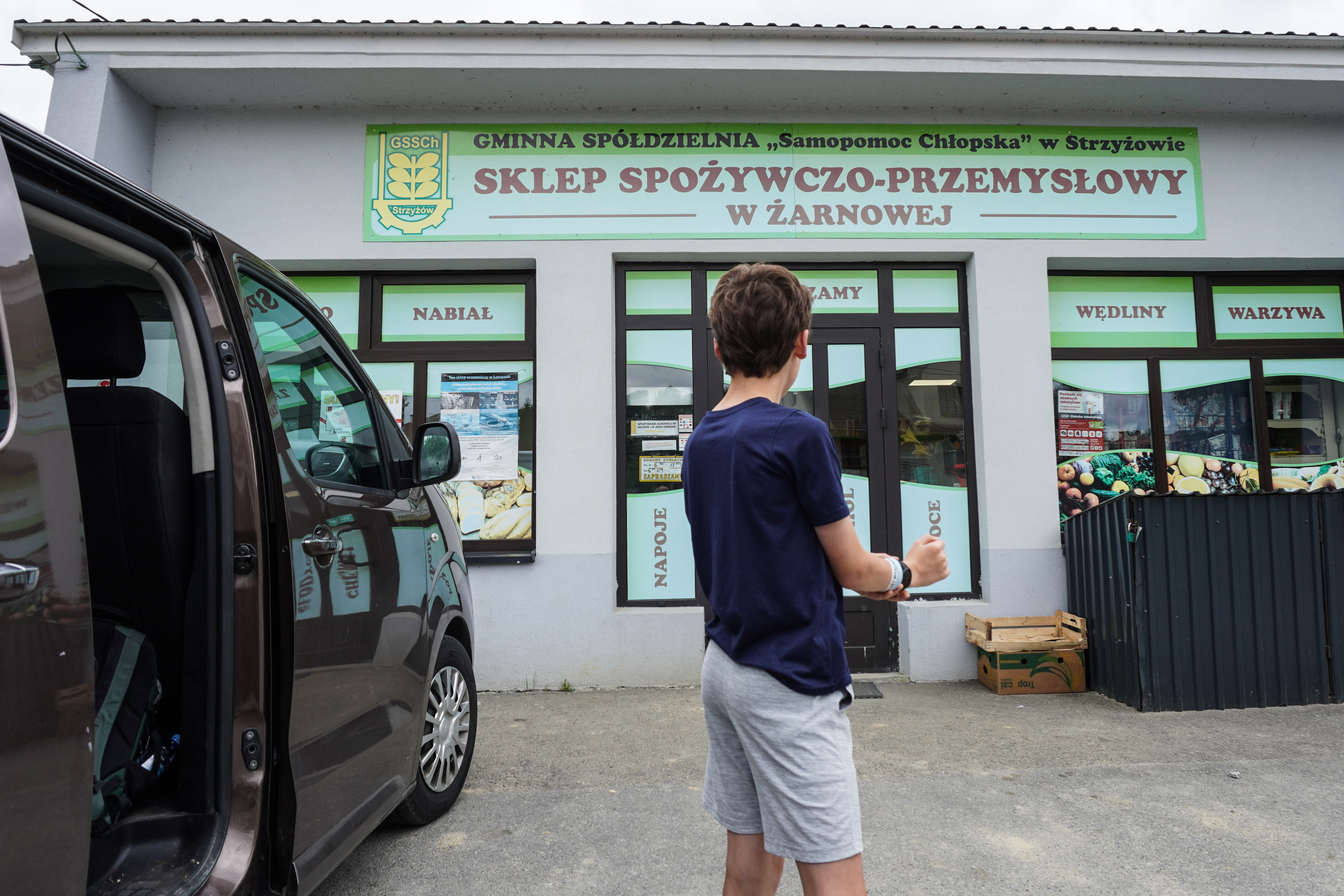
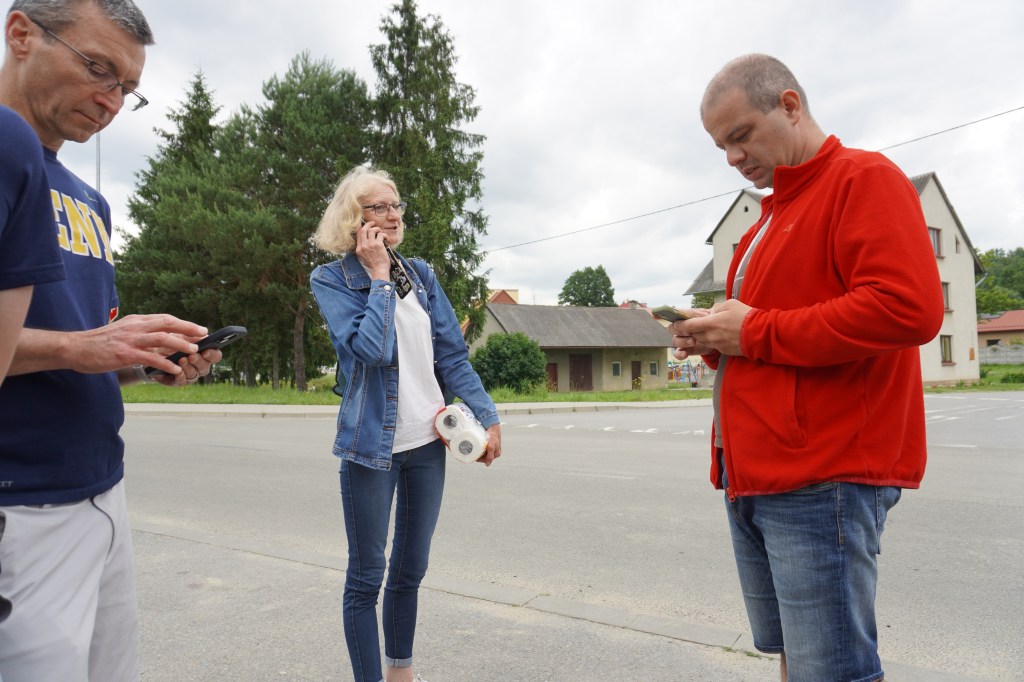
Żarnowa – In search of Sliwinska family (or possibly Sliwinski). Marriage records showed that great grandmother Marianna Sliwinska (born 1847) had married Josef Kiczek (born 1827) and was originally from this town, about 20 miles south of Rzeszów. We had a possible address or location but it seemed wrong. We went to the nearby convenience store to ask around if anybody knew a Sliwinska family and followed a lead to an address that might be a descendant. No one was home but a neighbor corroborated that there might be a connection. They called the possible relative and we promised to send a letter explain our relationship. Low odds on connecting here, but maybe they will respond.

Wednesday, June 12, 2024 – afternoon
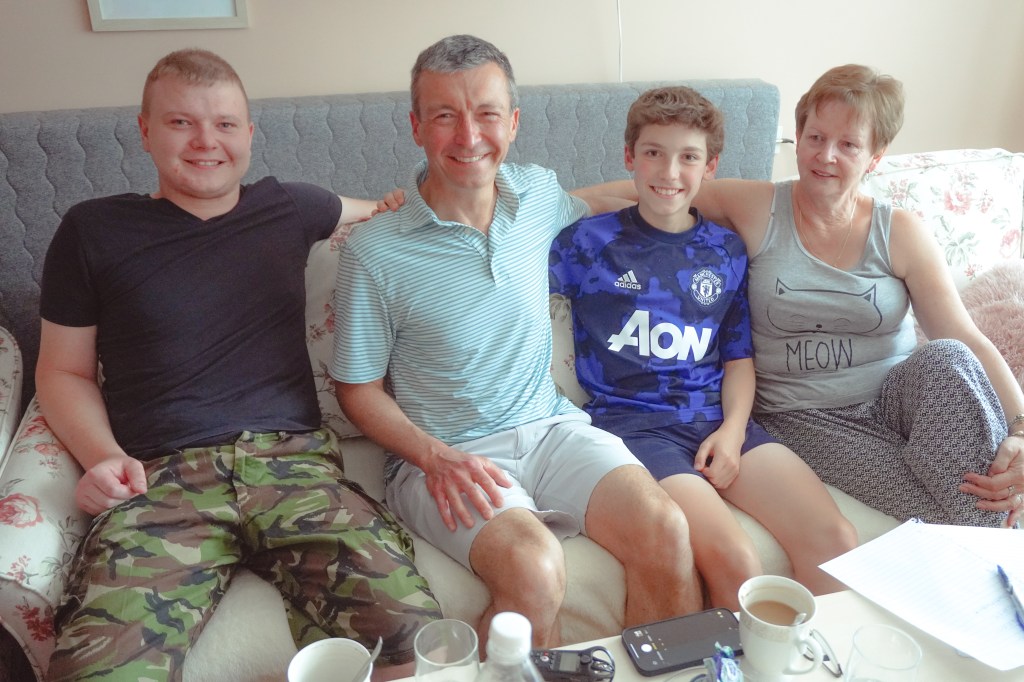
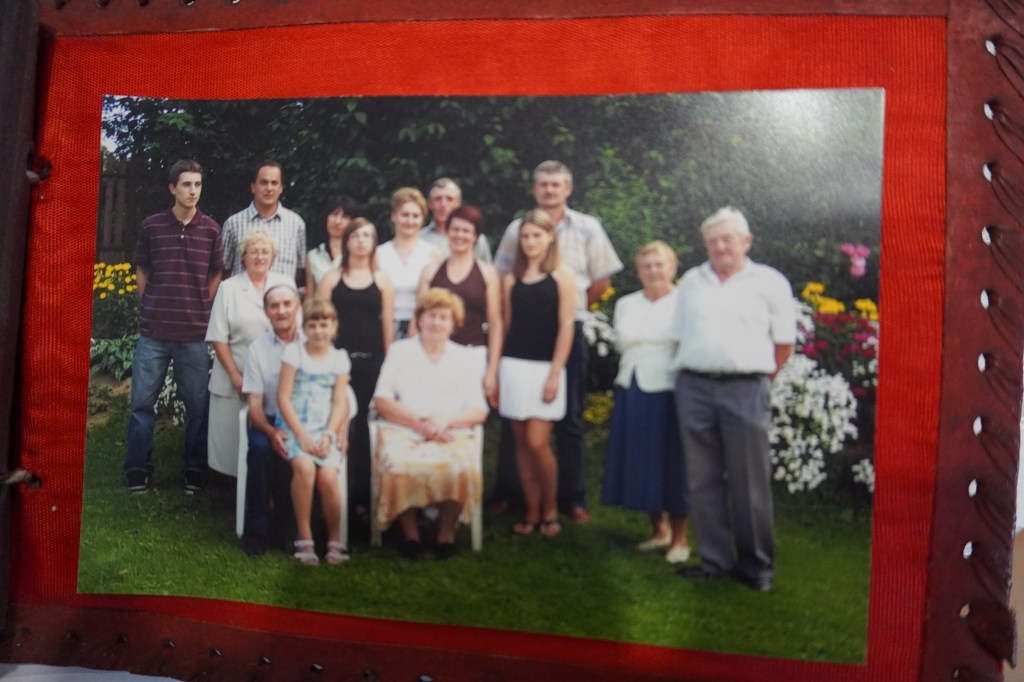
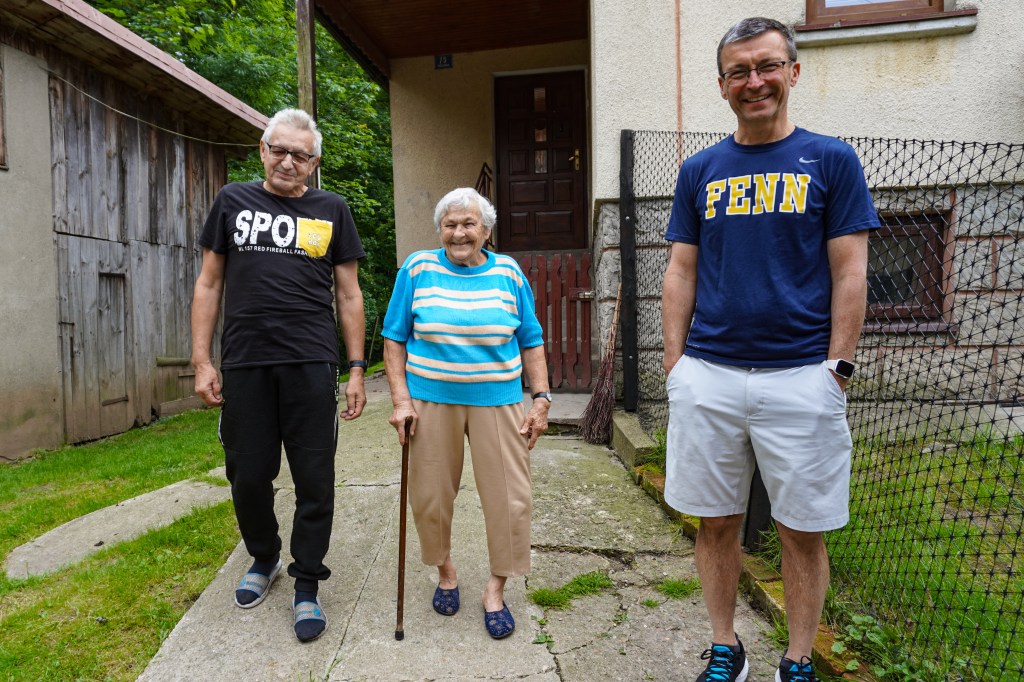
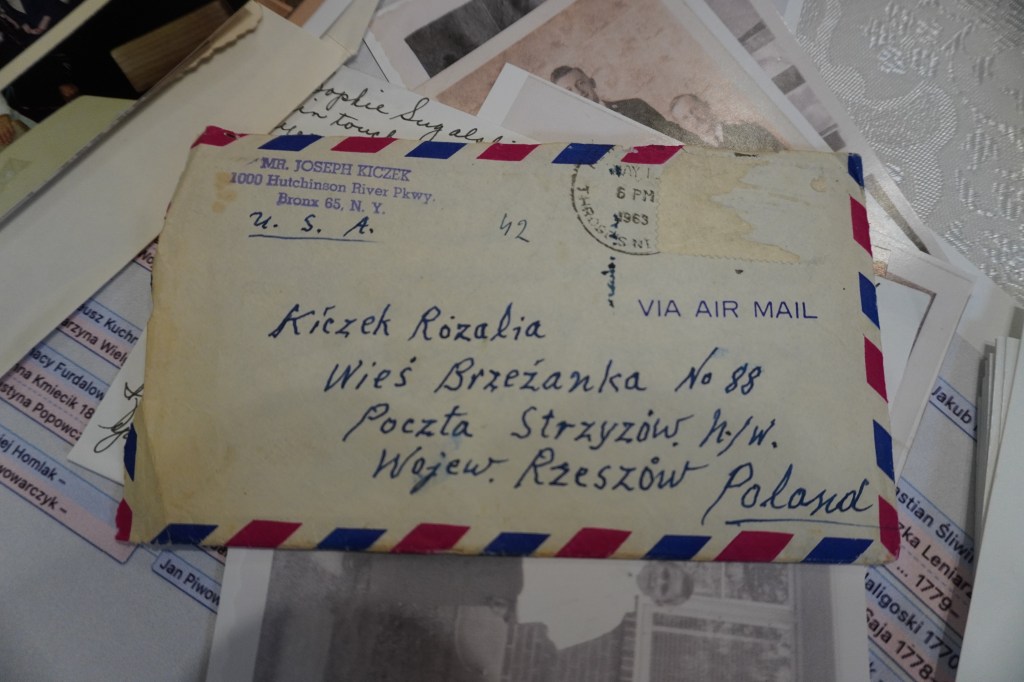
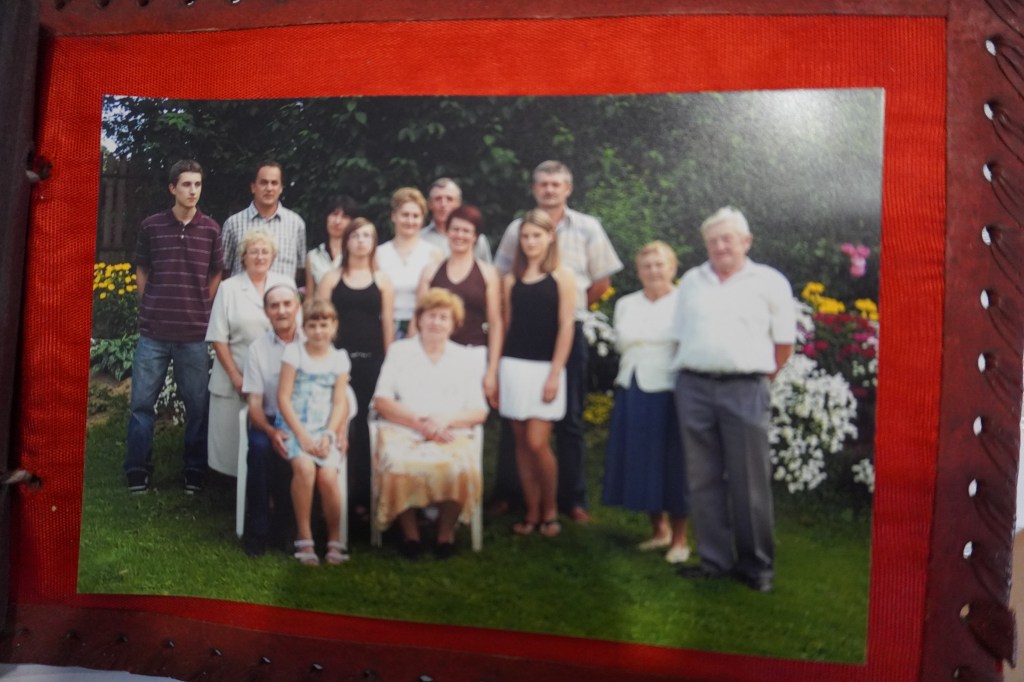
Brzeżanka – a neighboring town to Żarnowa, we had our best clues and even arranged a meeting with Bogumila and Zdzislaw Furtek. Bogumila is a sister of Krystyna Onacki, our cousin who helped start this whole investigation back in the states. This was pay-dirt for us.
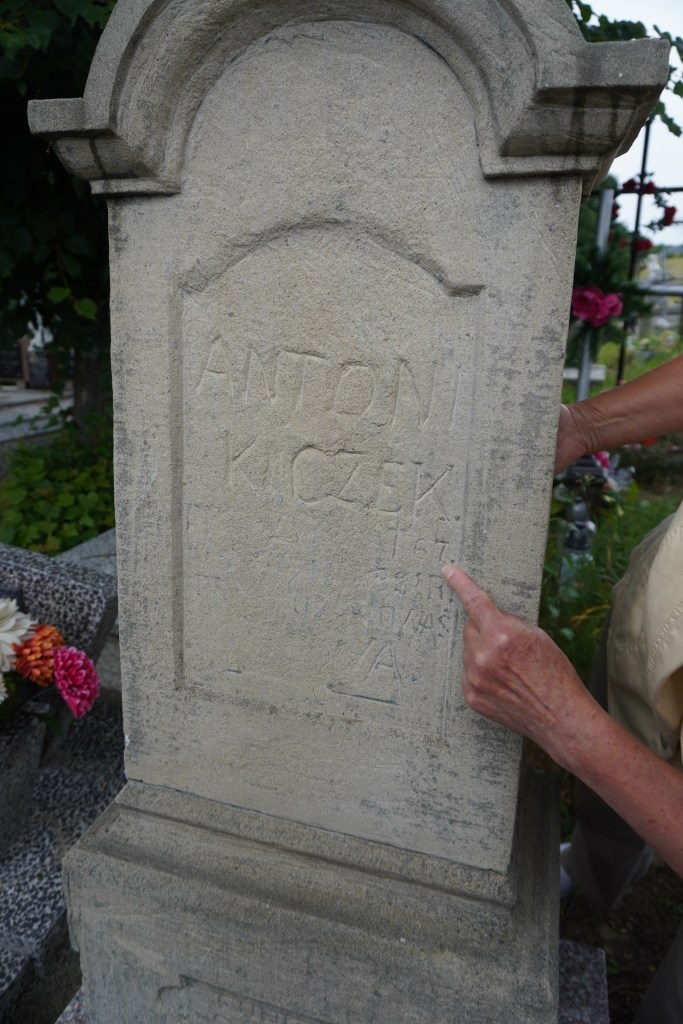
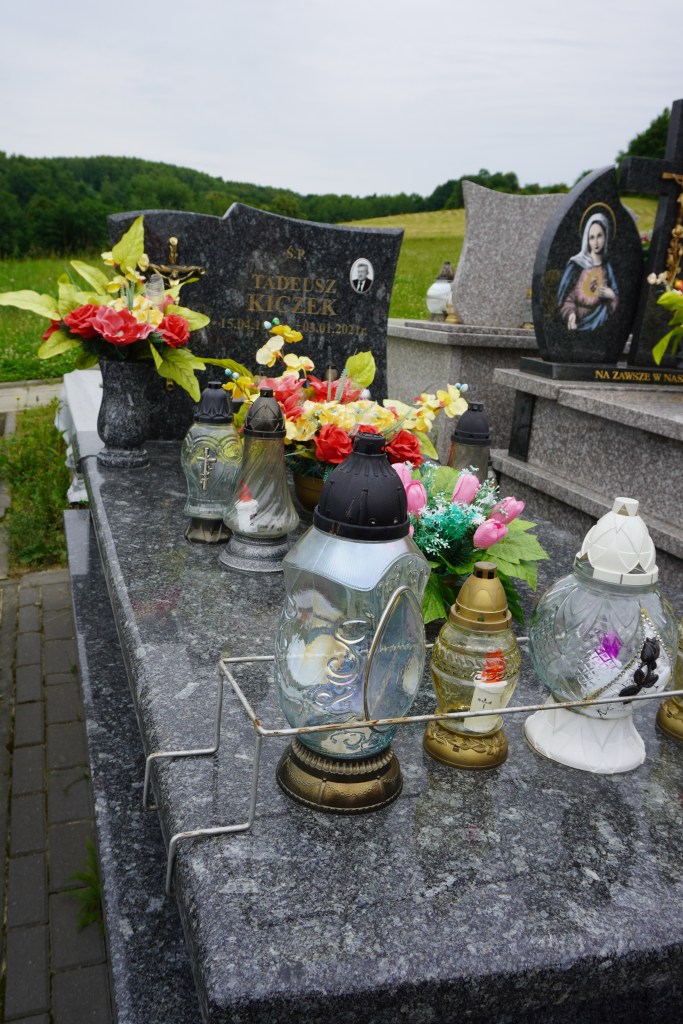
We now had a direct connection from the other branch of the Kiczek family. Antoni Kiczek was a half-brother of my great grandfather, Josef Kiczek. His descendants included Bogumila and Krystyna. It seemed Josef married once had eight children and married again having four more. Not so uncommon back then. One of Antoni’s sons was our familiar “Uncle Joe”(Joseph Kiczek) as he became the messenger between the U.S. and Poland Kiczek families. We just never realized what the exact family relationship was.
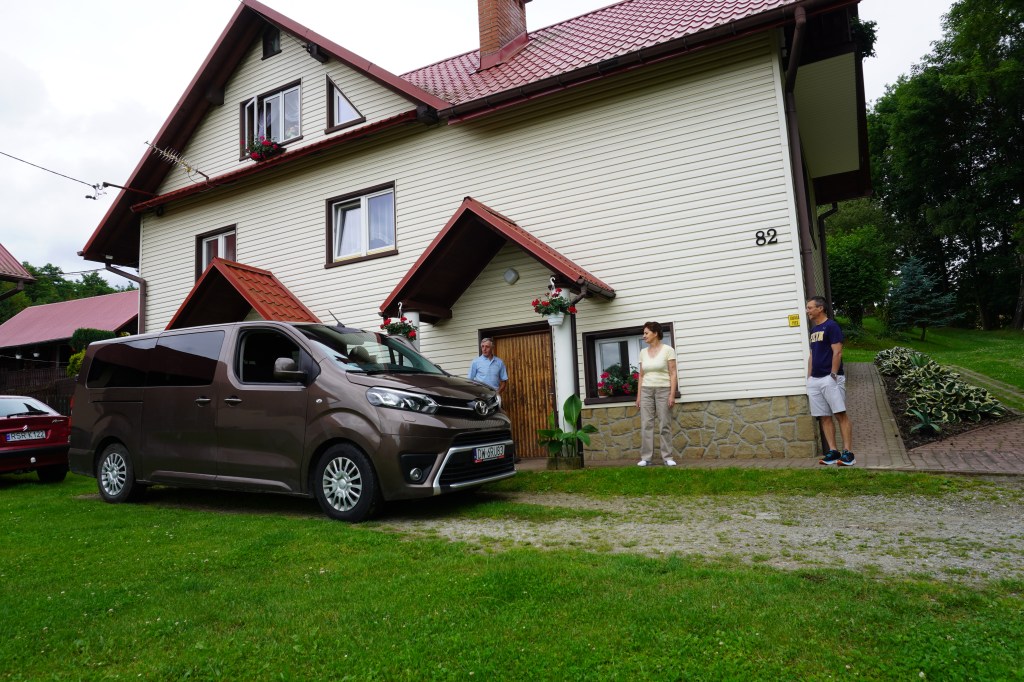
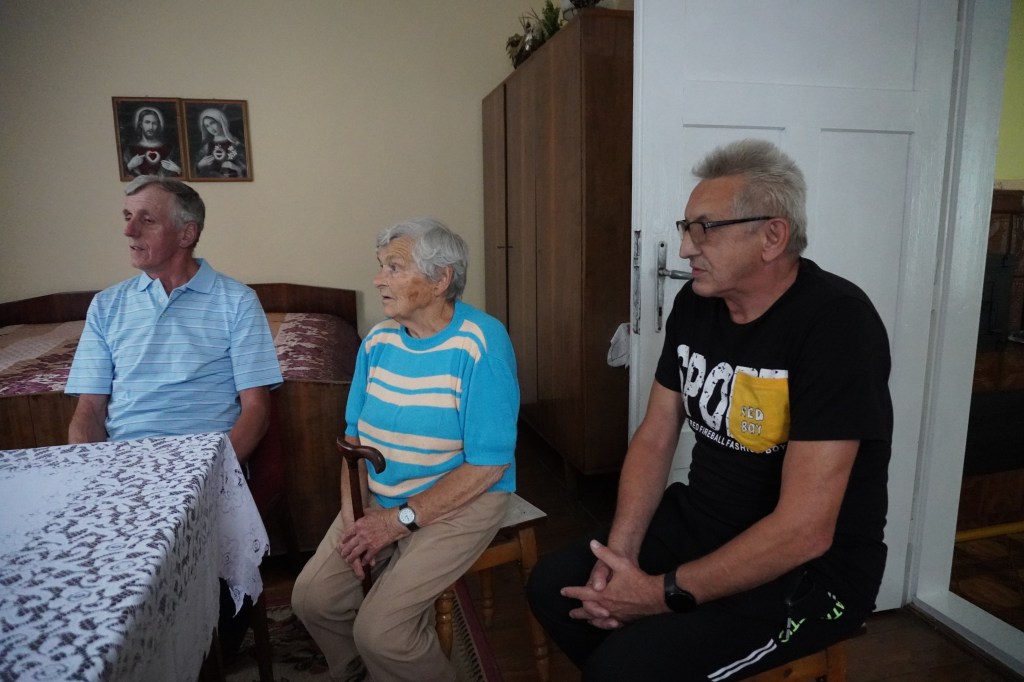
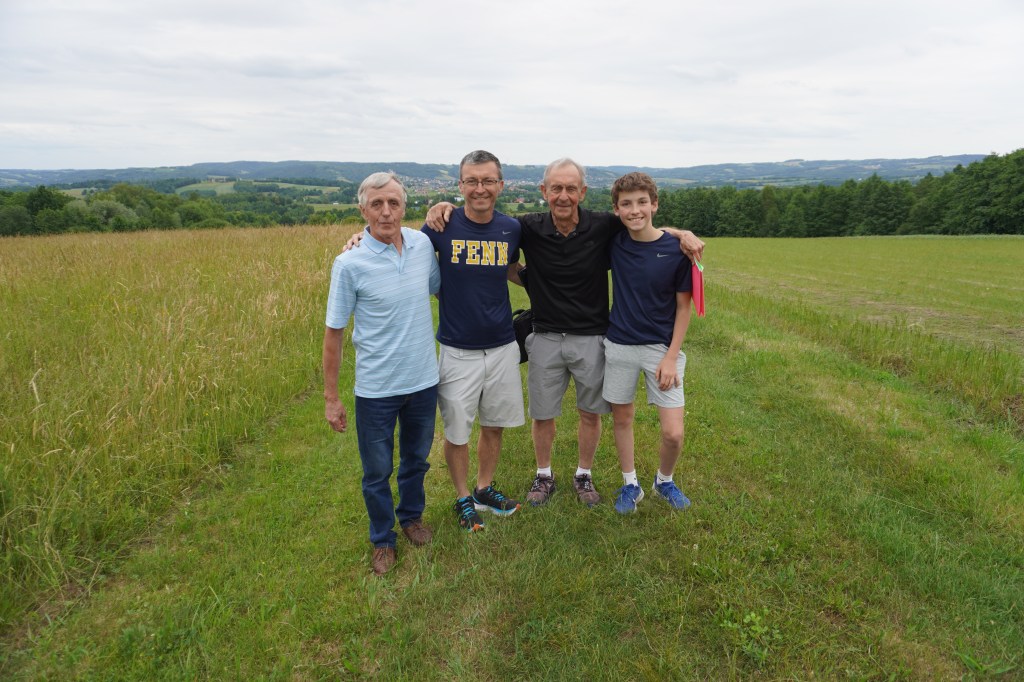
This was the highlight of our trip from a social and genealogical point of view and the main objective. We met a distant but direct relative, had a warm inviting visit, saw where my great grandfather and some of his descendants lived and tilled the land, even until today. We ate together, exchanged gifts and promised to keep in touch. We had an open ended welcome to come back. More than that, we discovered the land where our ancestors lived and worked was a beautiful peaceful place. See the earlier post for more details on this visit.




Thursday, June 13, 2024 – morning
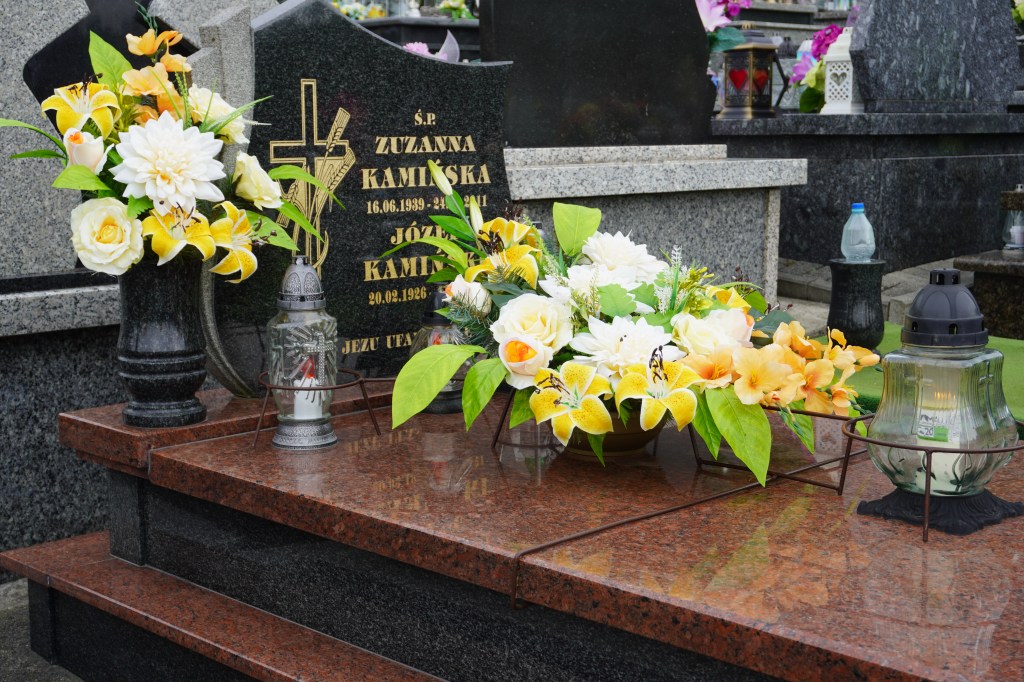
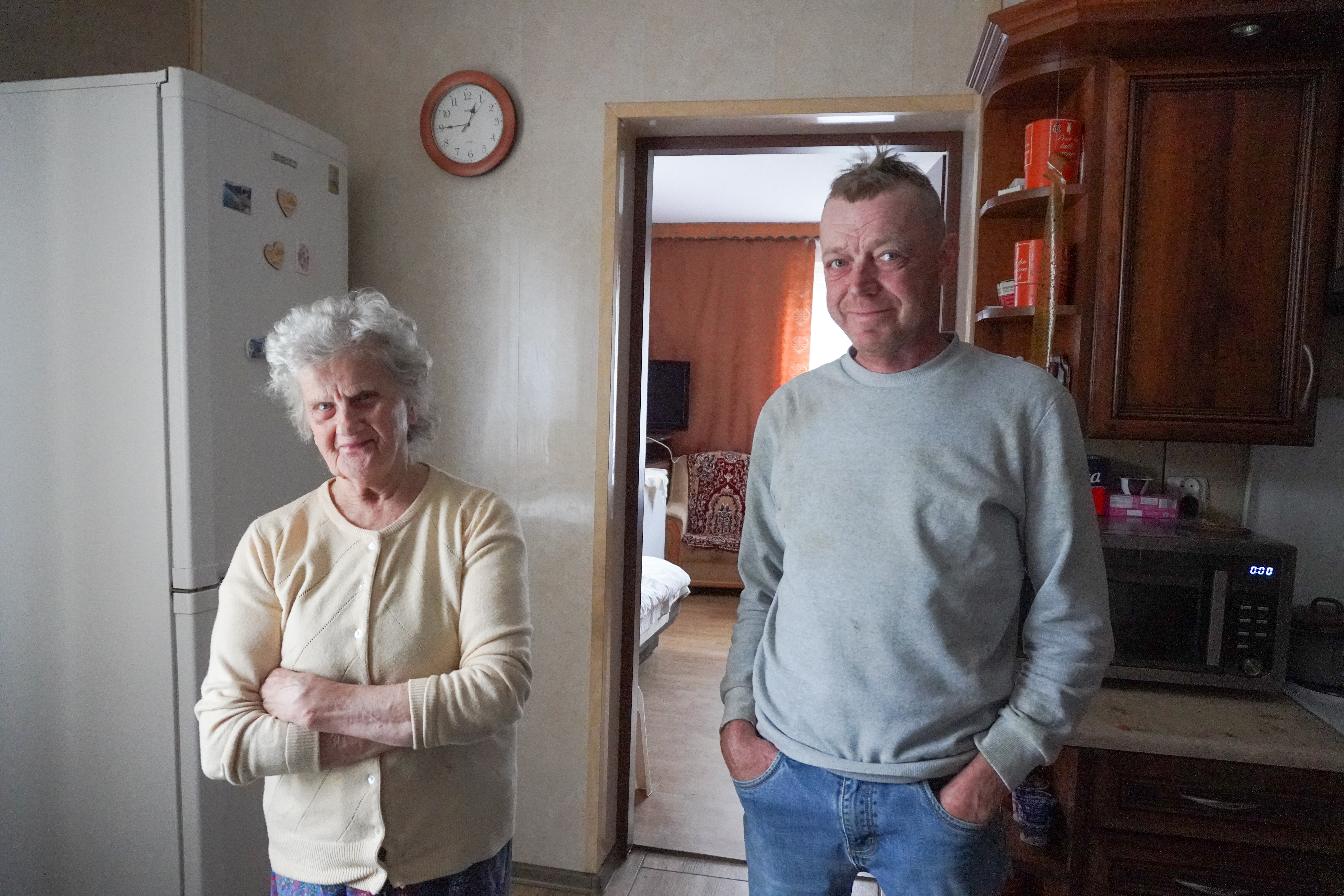
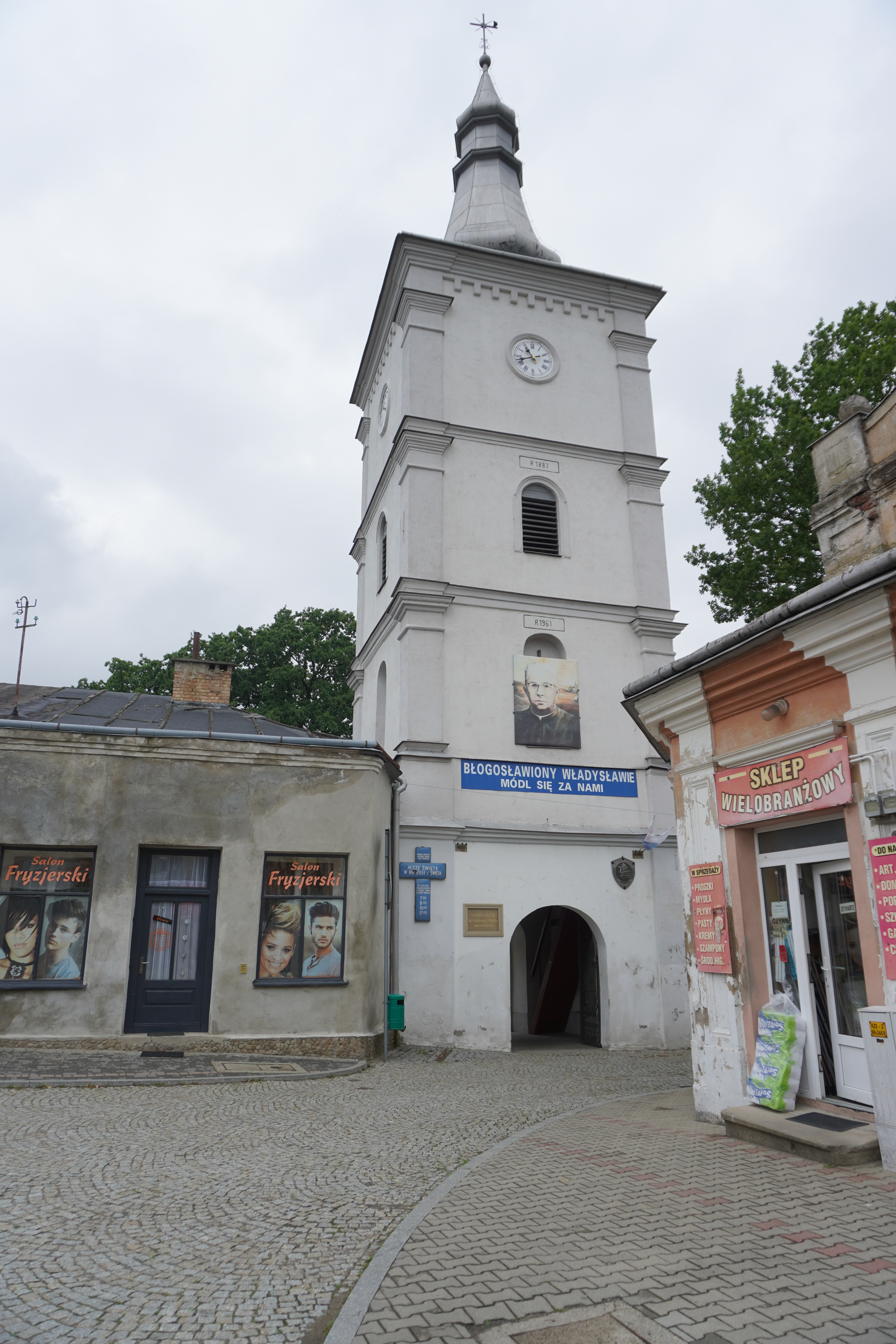
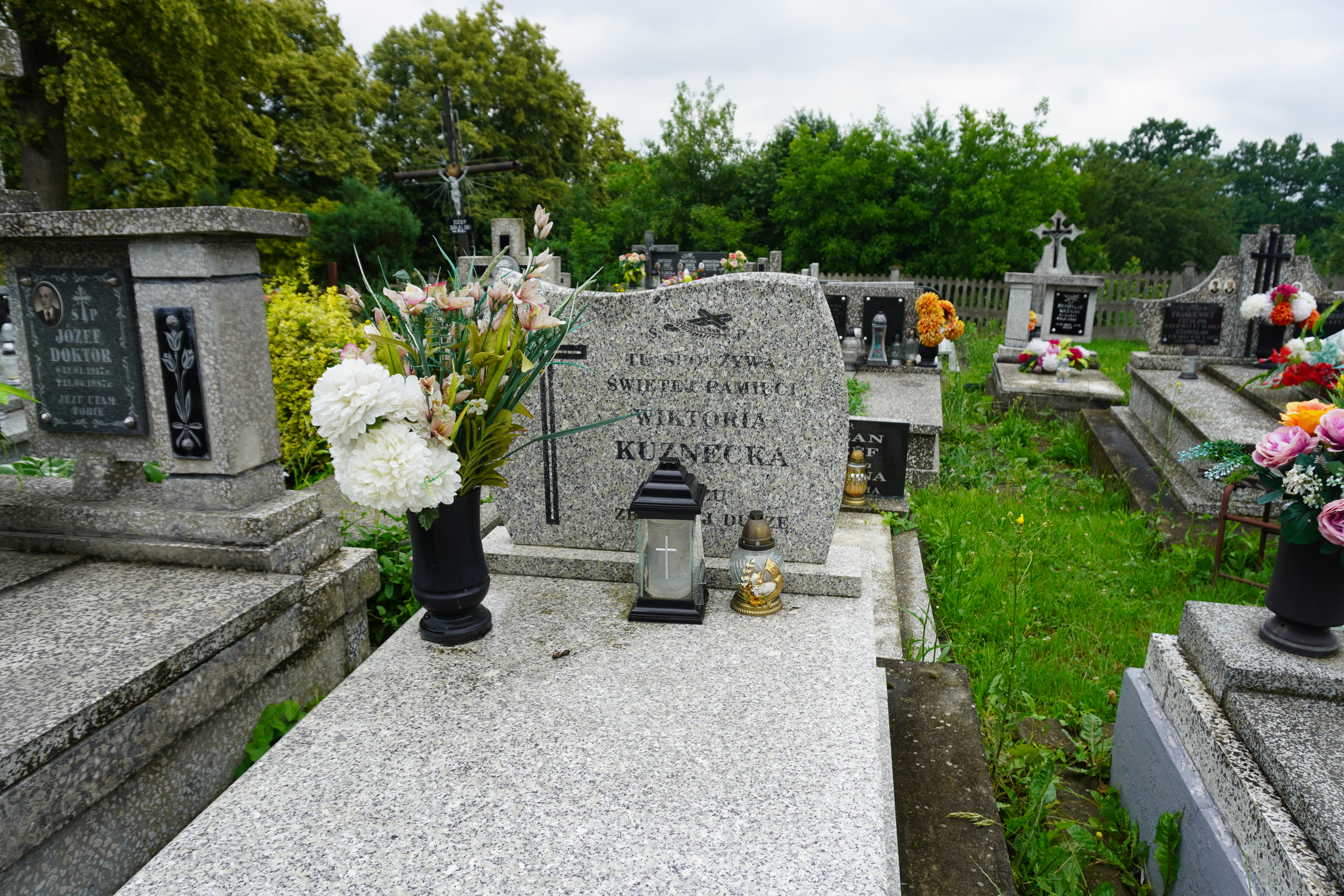
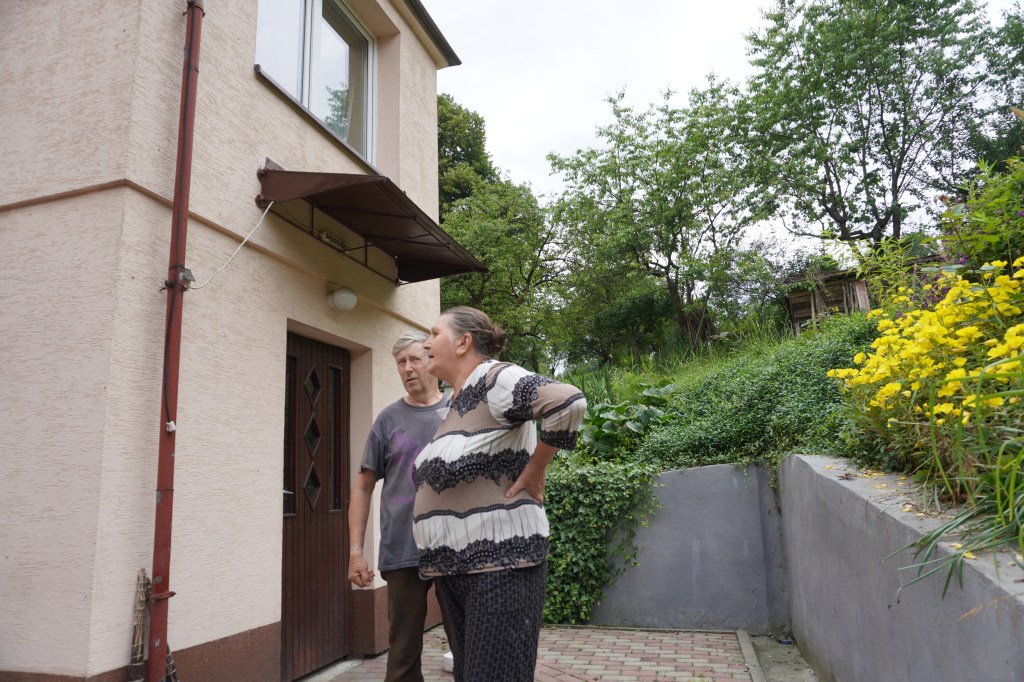
Brzezowa – Our investigation moves on as we travel 30 miles southwest toward the foothills of the Carpathian Mountains and closer to the Slovakian border. There we searched for traces of my paternal grandmother’s (maiden name Katarzyna Kuchnika) family. After visiting the town hall records we found a possible relative’s address. We went to a cemetery and the home of to a a Kuchnika descendant and her son but they did not seem terribly interested in relating anything to us. We made the connection but in this case there wasn’t much interest in continuing communication.
Friday, June 14, 2024 – morning
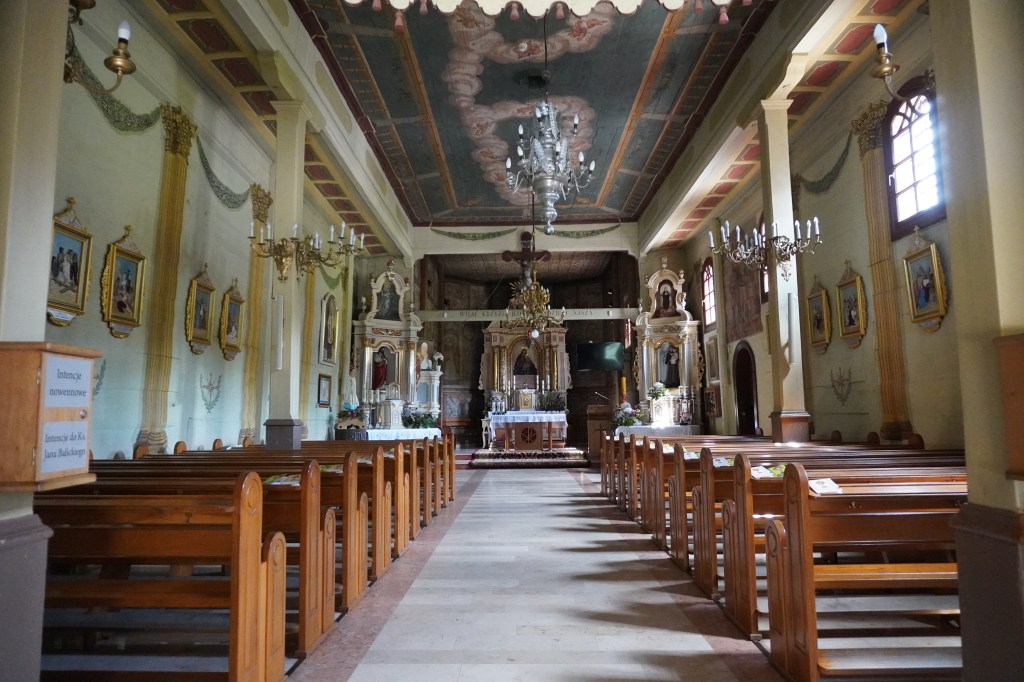
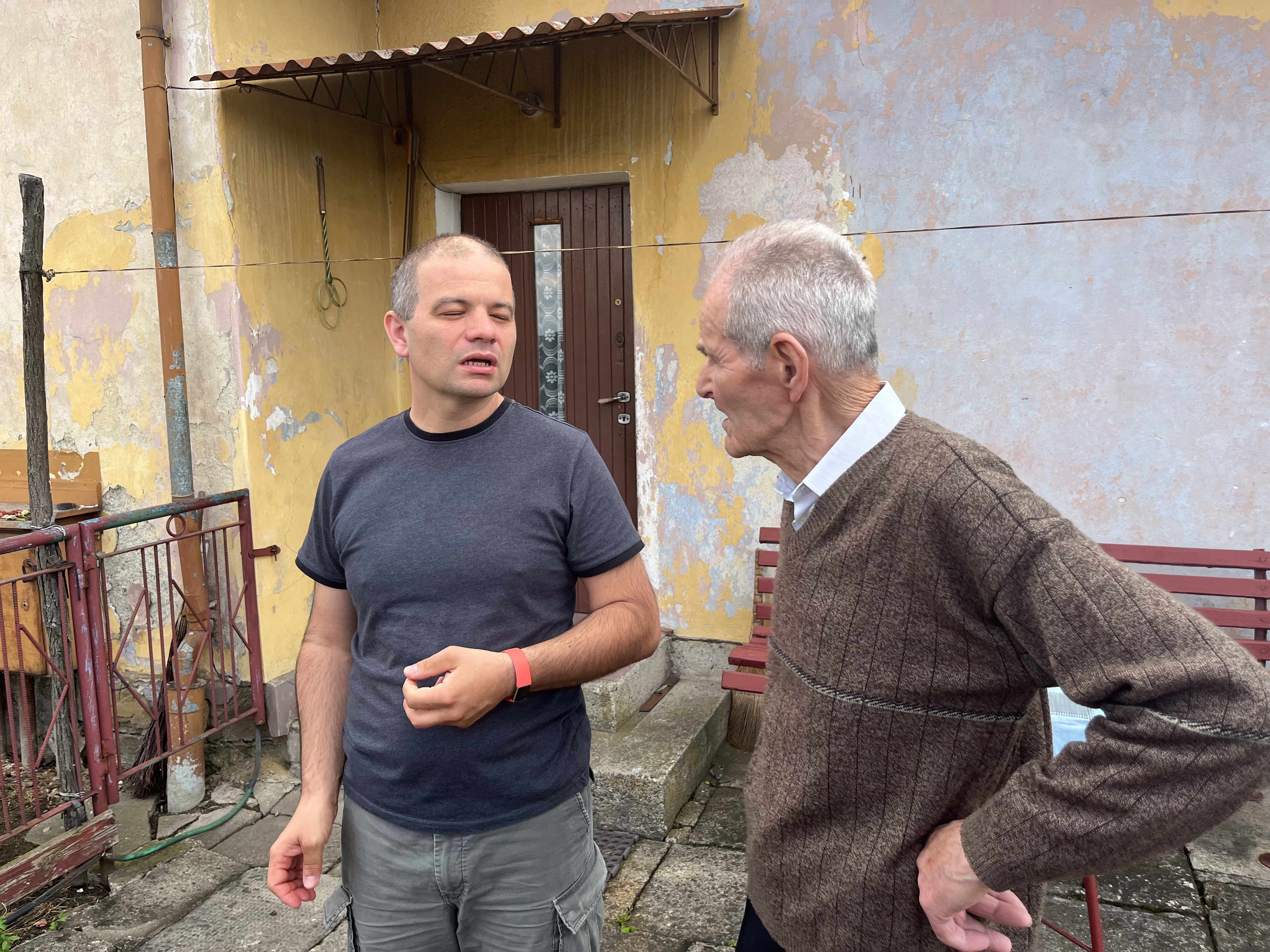
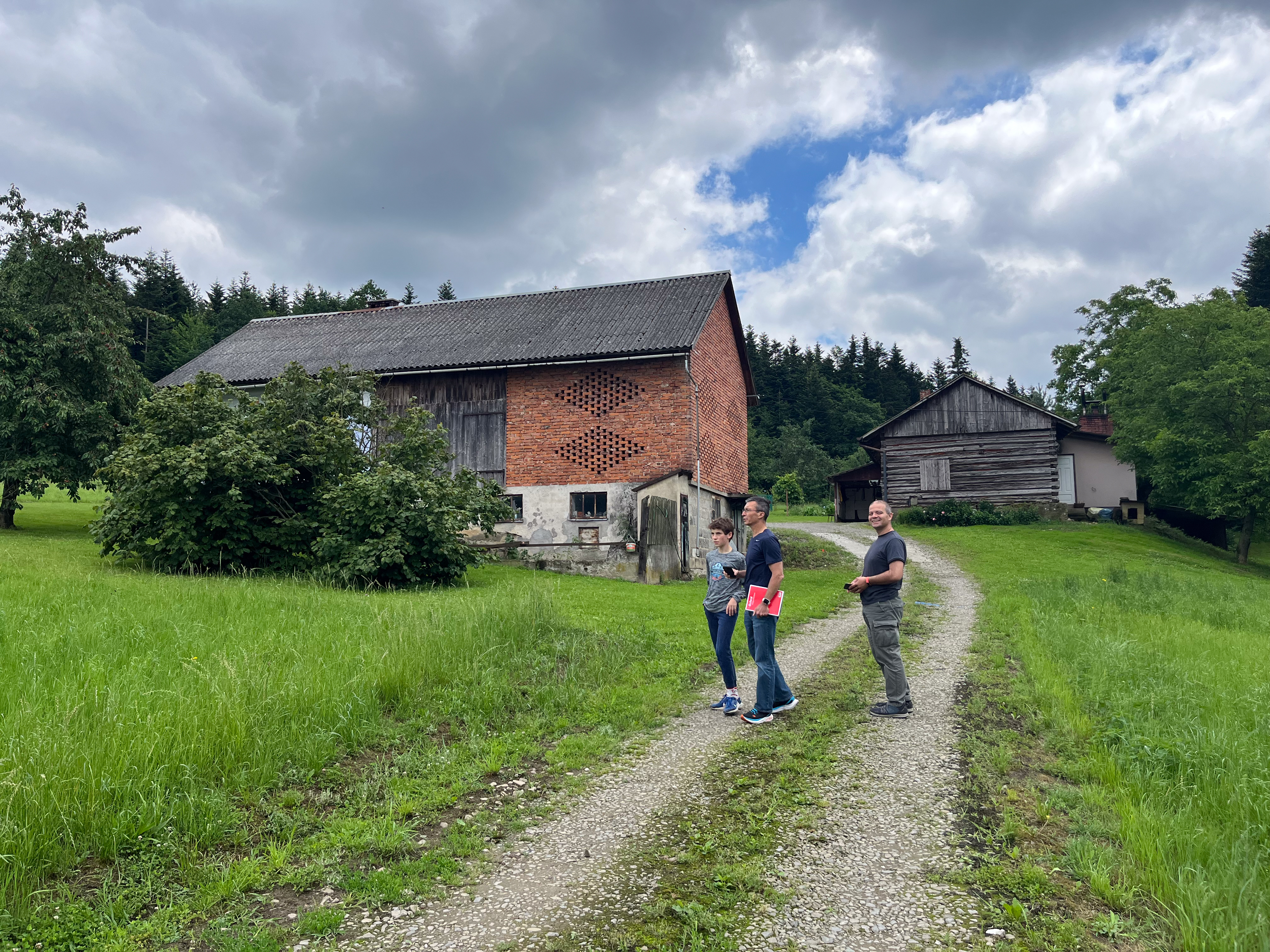
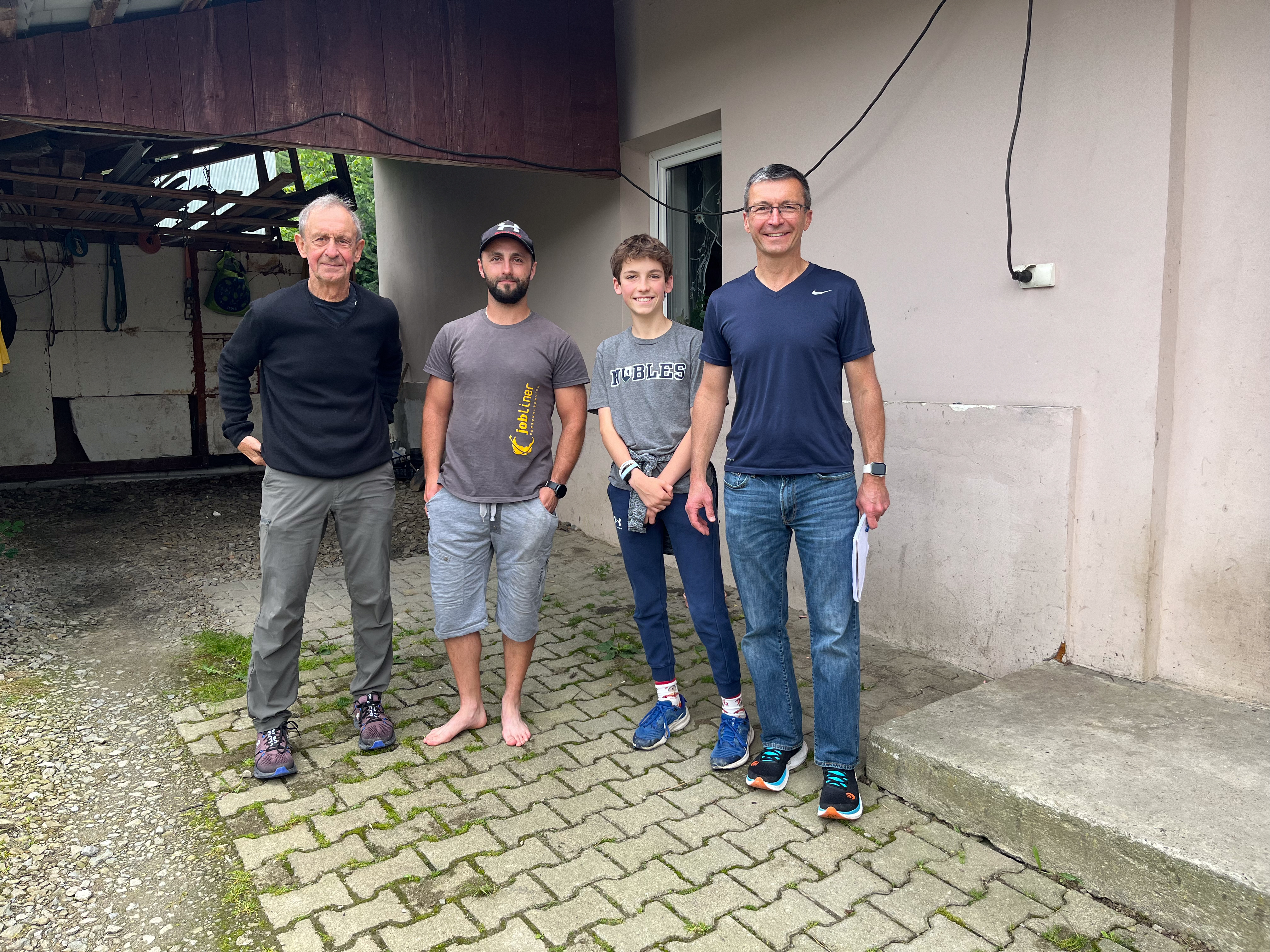
Grybow/w – We travel west another 10 miles in search of my maternal grandfather’s ( Kmak) family. We started in Grybow, the area where we had a record of his family. We went to the local town hall to explore records. We found a clue that Kmak’s were still in town and a relative might be living nearby. We visited Richard and discovered another lead to a younger generation relative. For our last investigation we went to a local farm and met Kamil Radzik, 28 years old, our youngest relative we met. He offered his email and promised to connect.


Friday, June 14, 2024 – afternoon
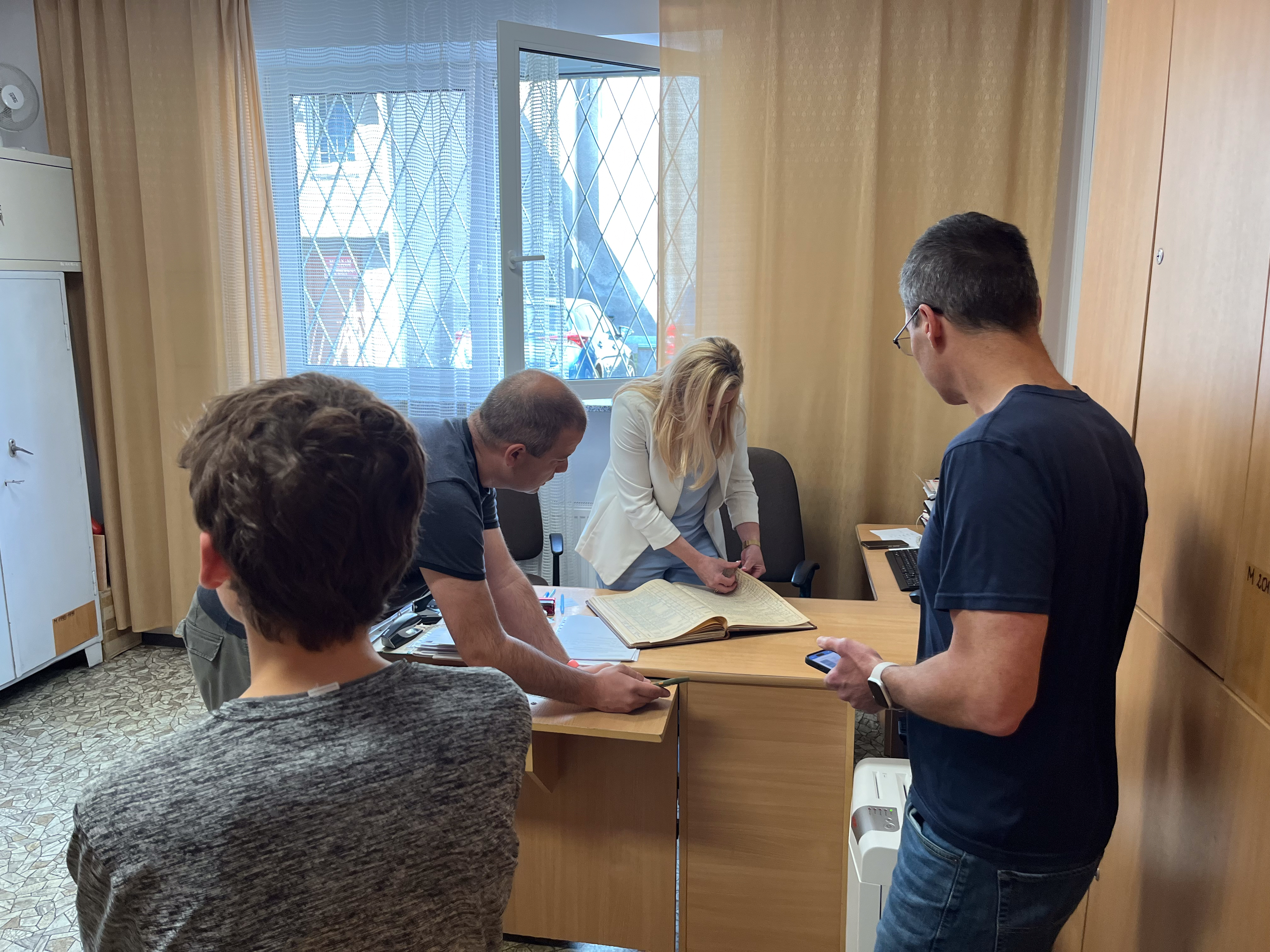
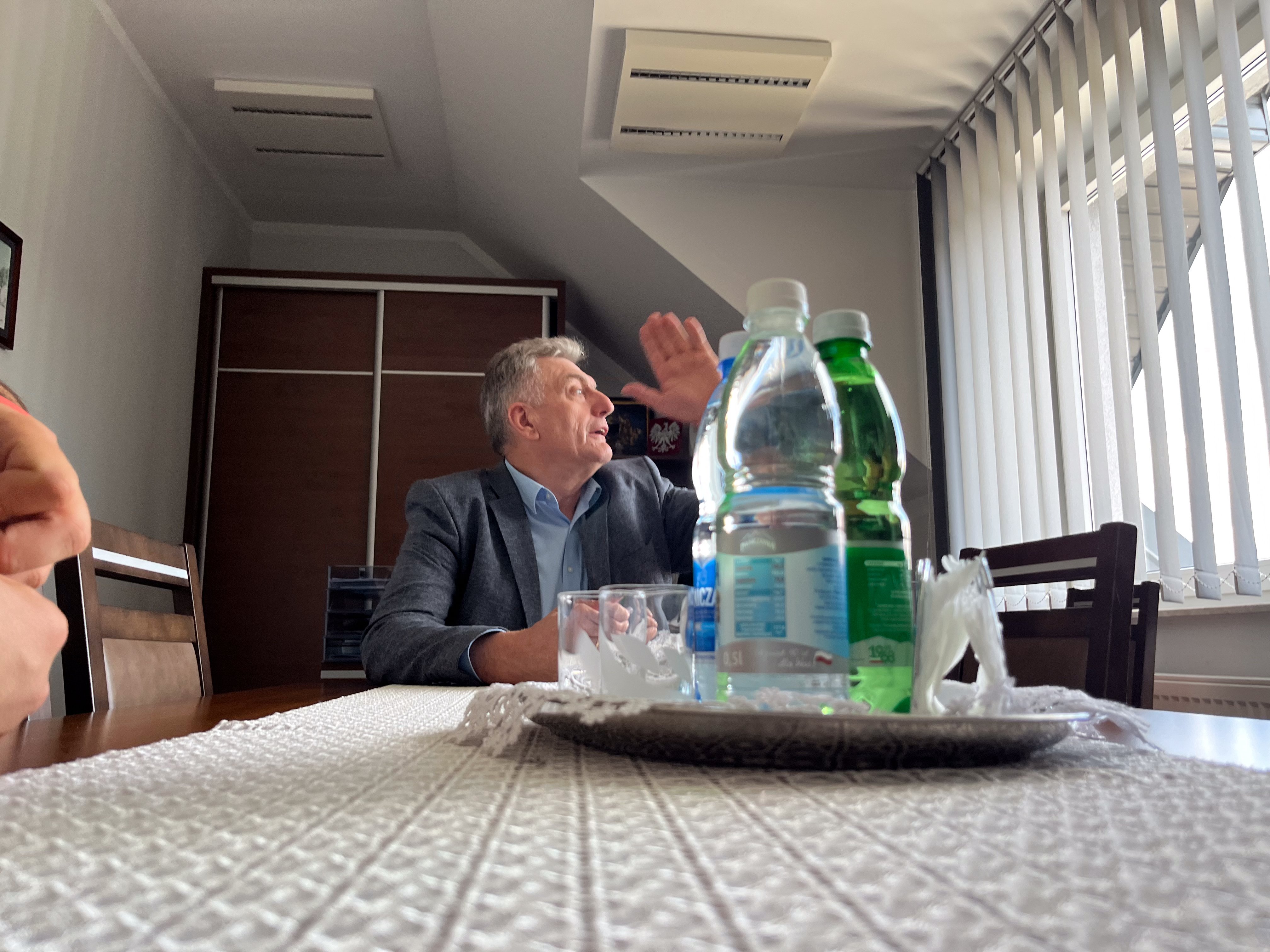
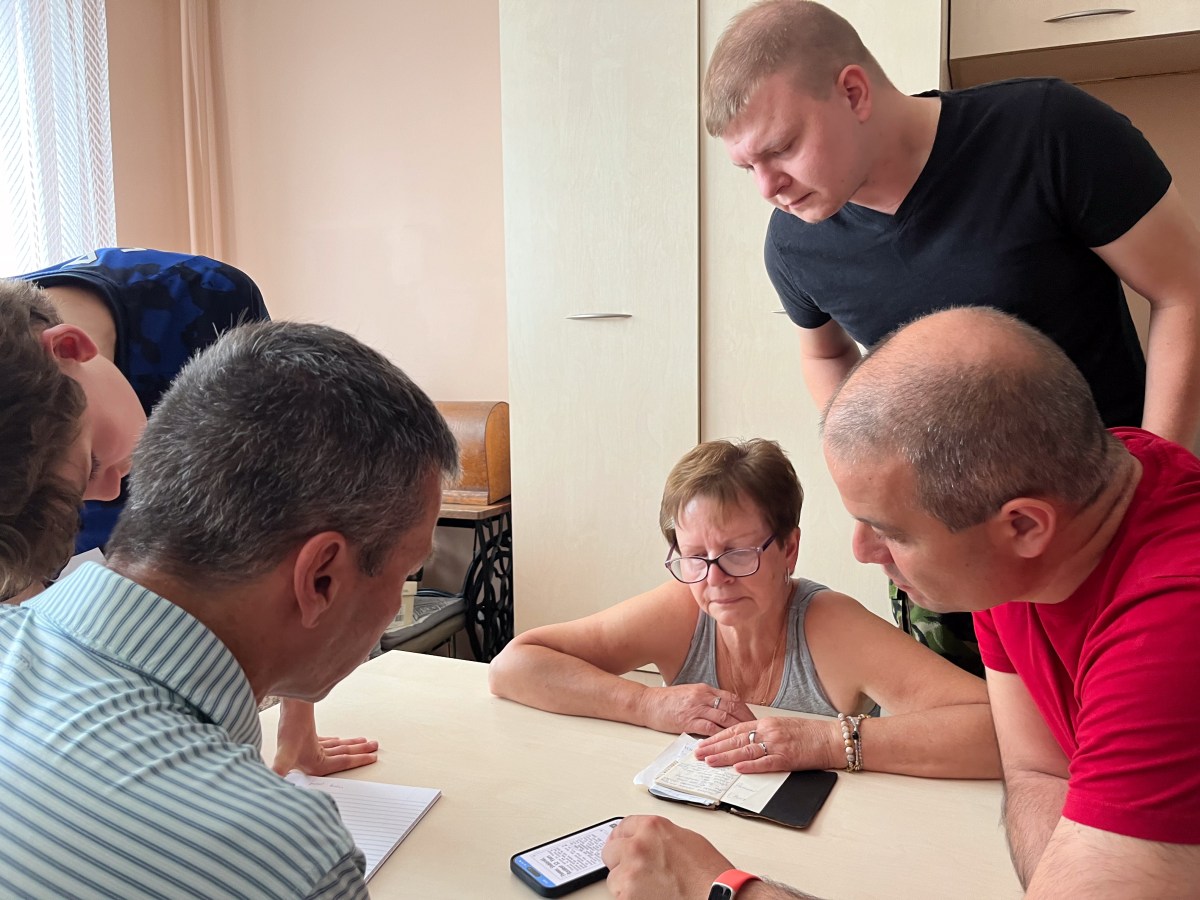
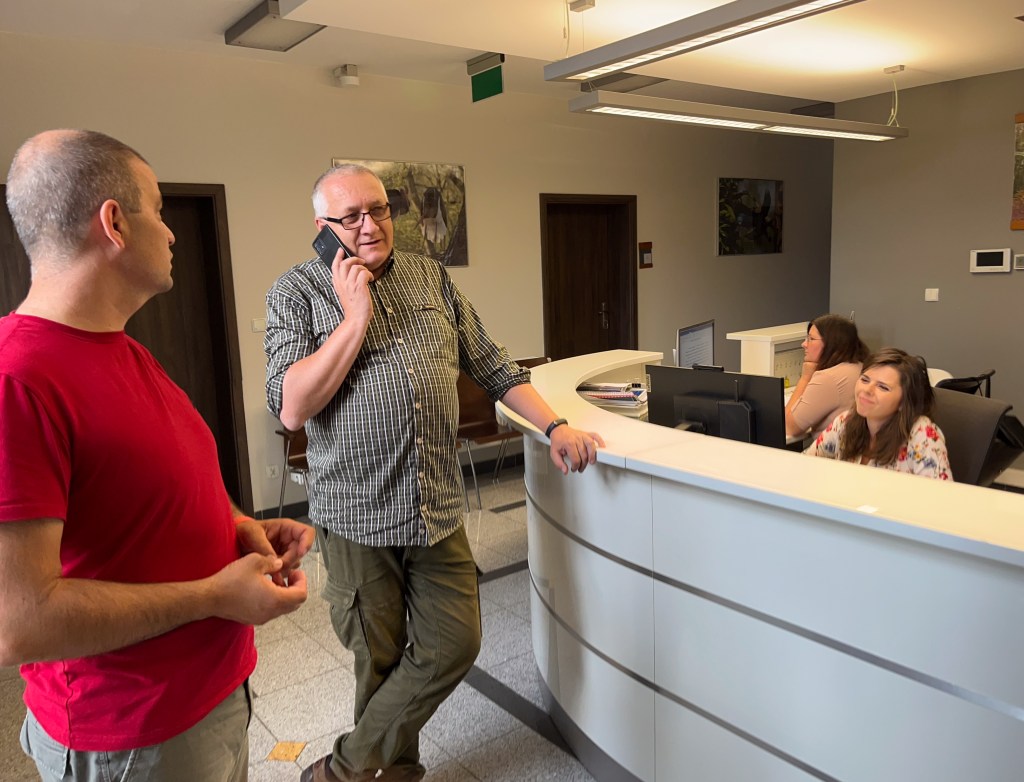
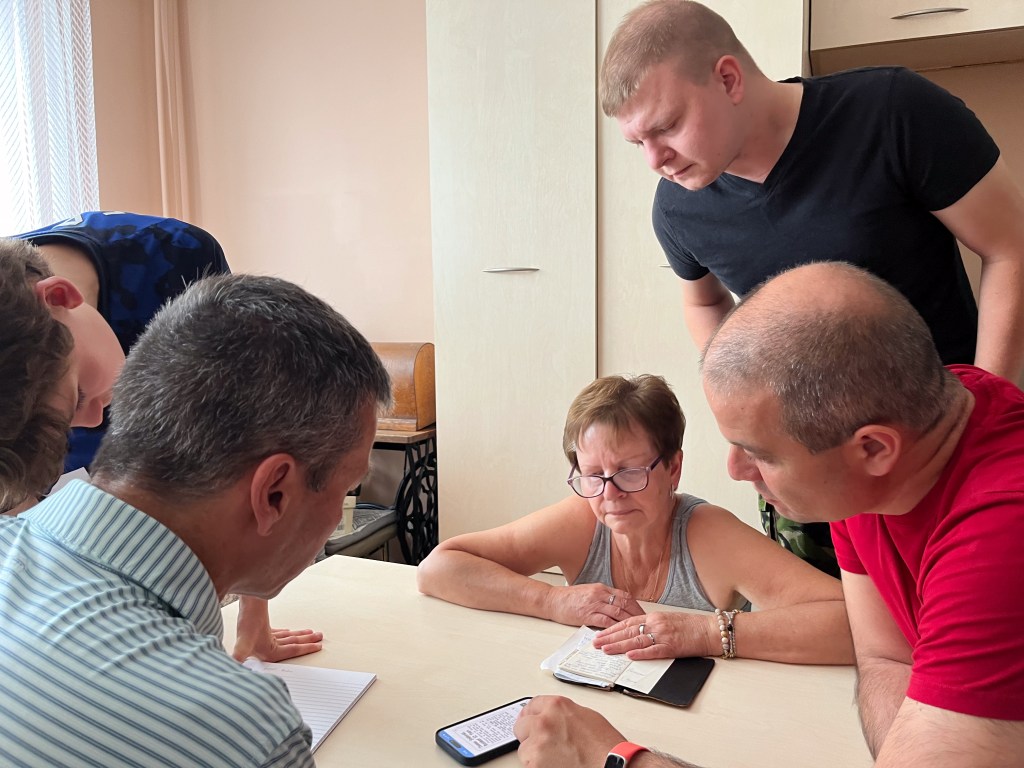
Bobowa – Our last investigation started in the local town hall. Through Lucjan’s charm and two very conscientious staffers we spent over an hour pouring through records to find my maternal grandfather’s family.

Case Closed?
Four days of investigation had ended. With the help of Lucjan as our translator and charmer, we had managed to discover new facts, meet family members and potentially open up further communications. Eventually, Lucjan mentioned that he was interested in police detective work, his skills fit perfectly for that job.
More than that, we had a real feeling of what it was like living in Poland. It is truly a beautiful country, not unlike America. There are small quaint towns, small shops, even American fast food (e.g., McDonald’s) and town halls with vital records. Beyond that there is a huge landscape of open fields and undulating mountains. It changed my perspective about who are ancestors were and where they were from and why many chose not to leave.
I couldn’t stop myself from thinking of one of my favorite Elvis Costello songs that seem to relate to us being amateur detectives, if only for a while and in a friendlier way. The following video has nothing to do with genealogy, but it too is a great mysterious song and video about being a detective….





 My Plan C