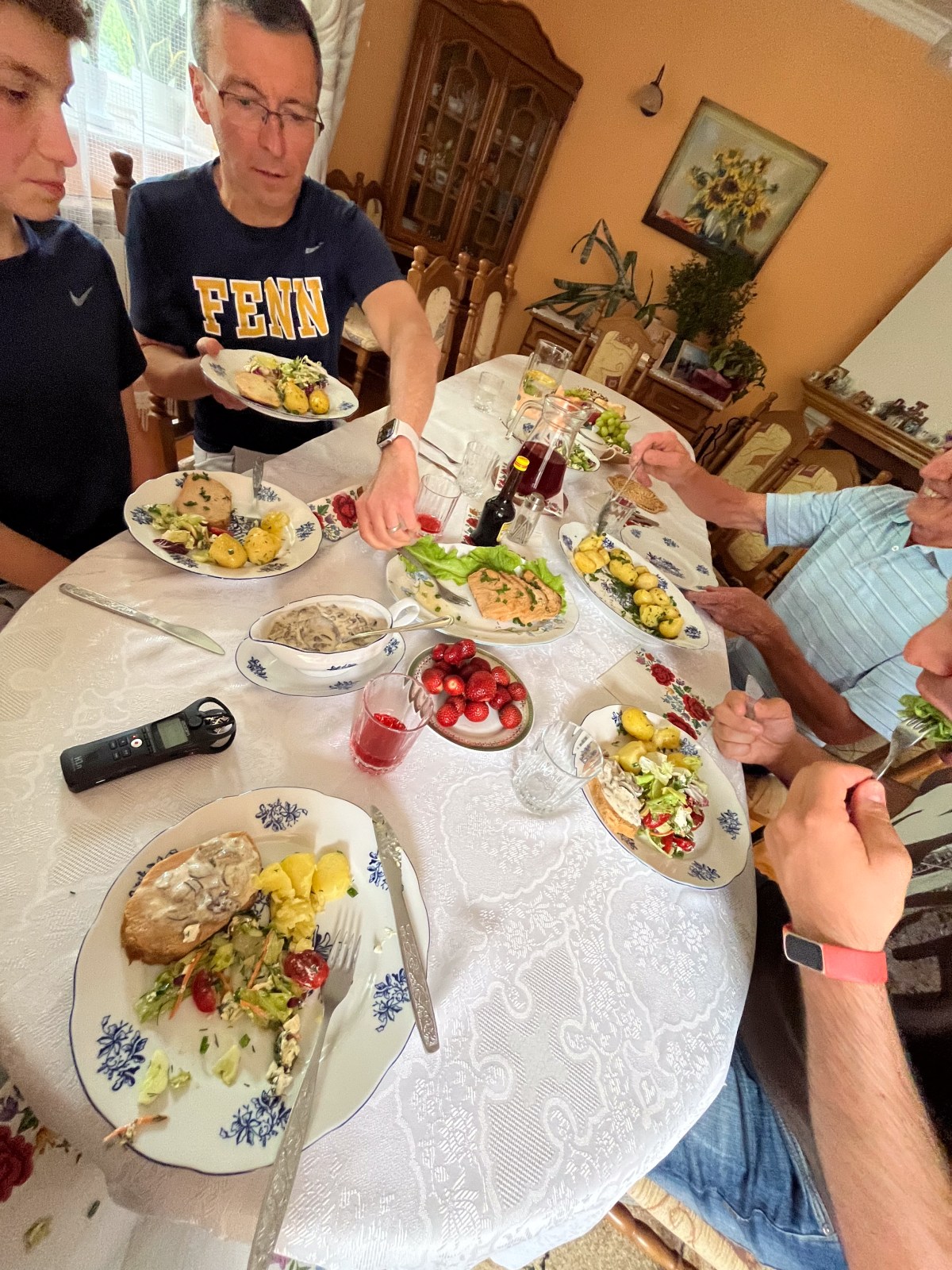
Eating Polish

Eating our way through eight days of genealogical touring in southeastern Poland. Searching for relatives brings back old memories of a different kind.

I didn’t go on my recent trip to Poland for the food, although I probably should have given it more consideration. Our mission was to discover family ties, but we soon realized that food is a major link to our past and remains a proud tradition for all Poles.

I’m a child of second-generation Polish parents who turn out to be from families that once lived in roughly the same southeastern region of Poland, about an hour’s drive from the Ukrainian border. While my father and mother were both born in the U.S., their parents came from Poland around the turn of the century. My parents never had the opportunity to visit the old country.

My mom learned to cook from her mom, our “babci(grandmother in Polish). That’s how most Polish dishes were passed down in the family, a tradition likely still true for many immigrant families. While Polish dishes were not regularly scheduled unless it was a holiday, we probably ate Polish food at least once every week or two. Those hearty dishes were different from what our friends and neighbors ate. Little did we know that we would come to miss that food and wonder what else we were missing from our heritage.

For the last 45 years, I’ve been lucky enough to be married to a notable Italian chef, Mary Ann, who reigns over our kitchen. Mary Ann learned most of her important cooking skills from her “nonna(grandmother in Italian), and so it goes. I would never argue which country’s cuisine is best, but occasionally she will cook something Polish, like kielbasa or pierogies. It’s been decades since my mom passed, but recently I got to go full “Polish” again during my visit to our country of origin.

During our week-long stay, except for an afternoon dinner at our relatives’ home, we ate fast food for lunch and full dinners in the evenings. Polish food options were everywhere, but there were also American and international cuisine choices. Payment and tipping were similar to anywhere in Europe today—quick and painless using a credit card or smartphone. Most credit card companies automatically convert the currency at a favorable rate. Tipping is minimal; 10% is advised for exceptional service but not necessary. Being American, we tipped more.

Poland uses the zloty for its currency, not the Euro. The good news is that the zloty is trading at about $0.25 to the $1 (U.S.). Even more importantly, everything seemed cheaper, and food seemed half the cost in Poland compared to the U.S.

A Traveler’s Breakfast

If you have traveled to Europe, you know breakfast offerings are similar in places you stay and are usually free at your hotel. The hospitality in Poland is no different. Hotels offer a full-choice free breakfast buffet with pastries, fruit, meats, yogurt, eggs, etc., along with juice, tea, and coffee. Coffee, of course, is mostly served in smaller, fancier ways like espresso or cappuccino. A large cup of “American” coffee is almost unheard of, except where Starbucks has landed in the bigger cities. All of our hotels seemed to use the same self-serve, high-end coffee machine that offered a choice of any type as long as it fit into an 8-ounce cup or smaller. Coffee limitations aside, breakfast buffets are a great standard solution to start your day. It’s even possible to grab some breakfast items “to go” and save them for lunch on the road or later as a snack.

Eating on the Road

Since we were traveling on the road most of the days during the week, we would find a place to eat a sandwich, slice of pizza, dish of pierogies, or better yet, look for a McDonald’s (young Ethan Luke’s preference). It’s commonly believed that McDonald’s food tastes better here because they use local sourcing for burgers, chicken, and dairy products.
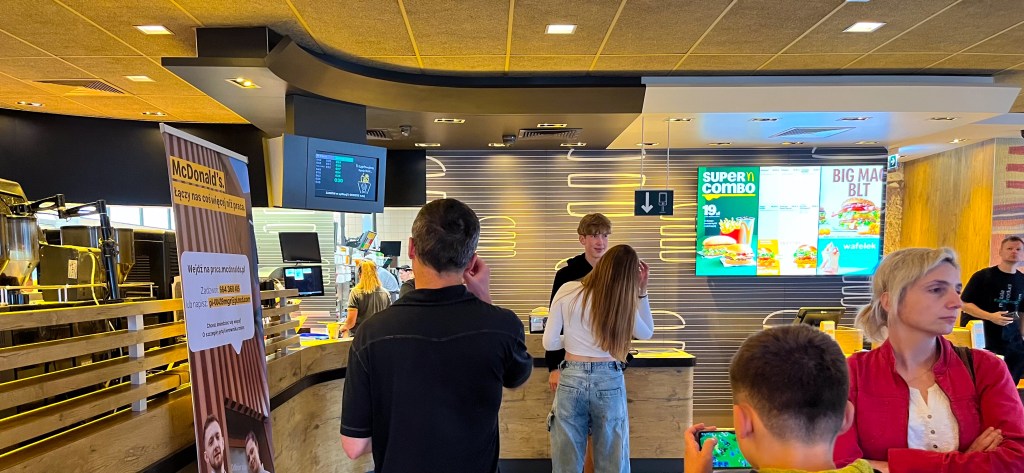
Inside McDonald’s in Poland

These are ultra-modern McDonald’s with the familiar menu kiosk (English translations available), but with small differences in the style of burgers, chicken, and wraps with special sauces. Probably the most popular (the one our 14-year-old Ethan Luke preferred) was the WieśMac or Country Mac, a variation of the Big Mac but with a mustard-horseradish sauce—only available in Poland.

At least the vegetarian wrap and Polish sausage sandwich seemed different. Of course, as in the states, you can order online, use a credit card, or pay by phone app. No need for cash. That was true almost everywhere we went.

Playing the Food Guessing Game

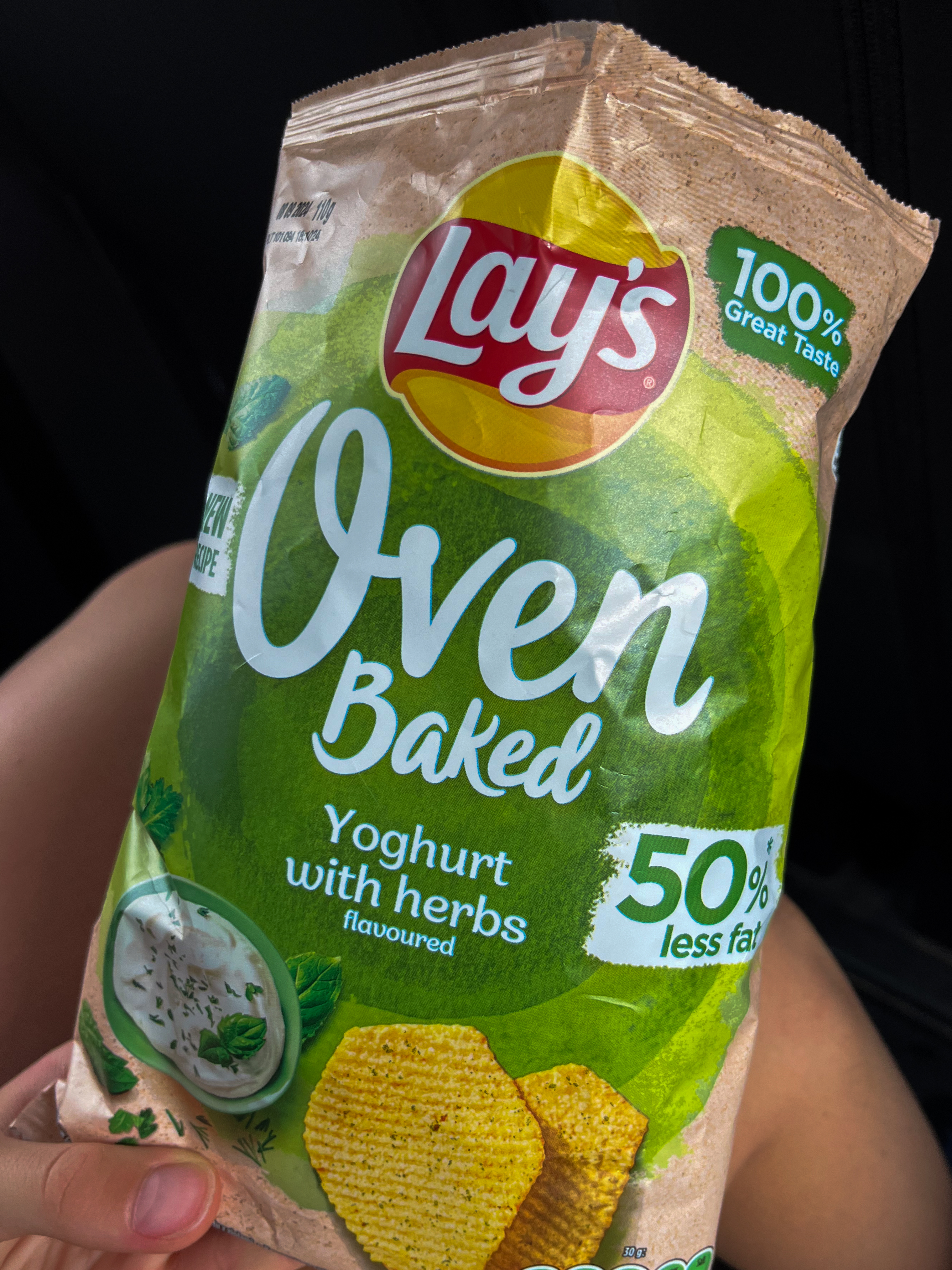
My teenage grandson was incredibly patient over the five days and 300 miles of travel. But he gradually became obsessed with Polish products on sale at local convenience stores like chips, candy, and drinks. It became a game to seek out different products, sometimes using Google Translate to figure out what the product was. Some were variations of familiar products or branded with popular Euro stars, like Lionel Messi. Others were just something we had never seen before, like different flavors of chips or thick nectar fruit drinks.
How to Manage a Food Allergy

Ethan Luke has a nut allergy, so he has to be careful what he eats. Ethan had a very useful card with him that explained the allergy condition and foods he must avoid, including those that might have been in contact with nuts. It was in English on one side and Polish on the other.

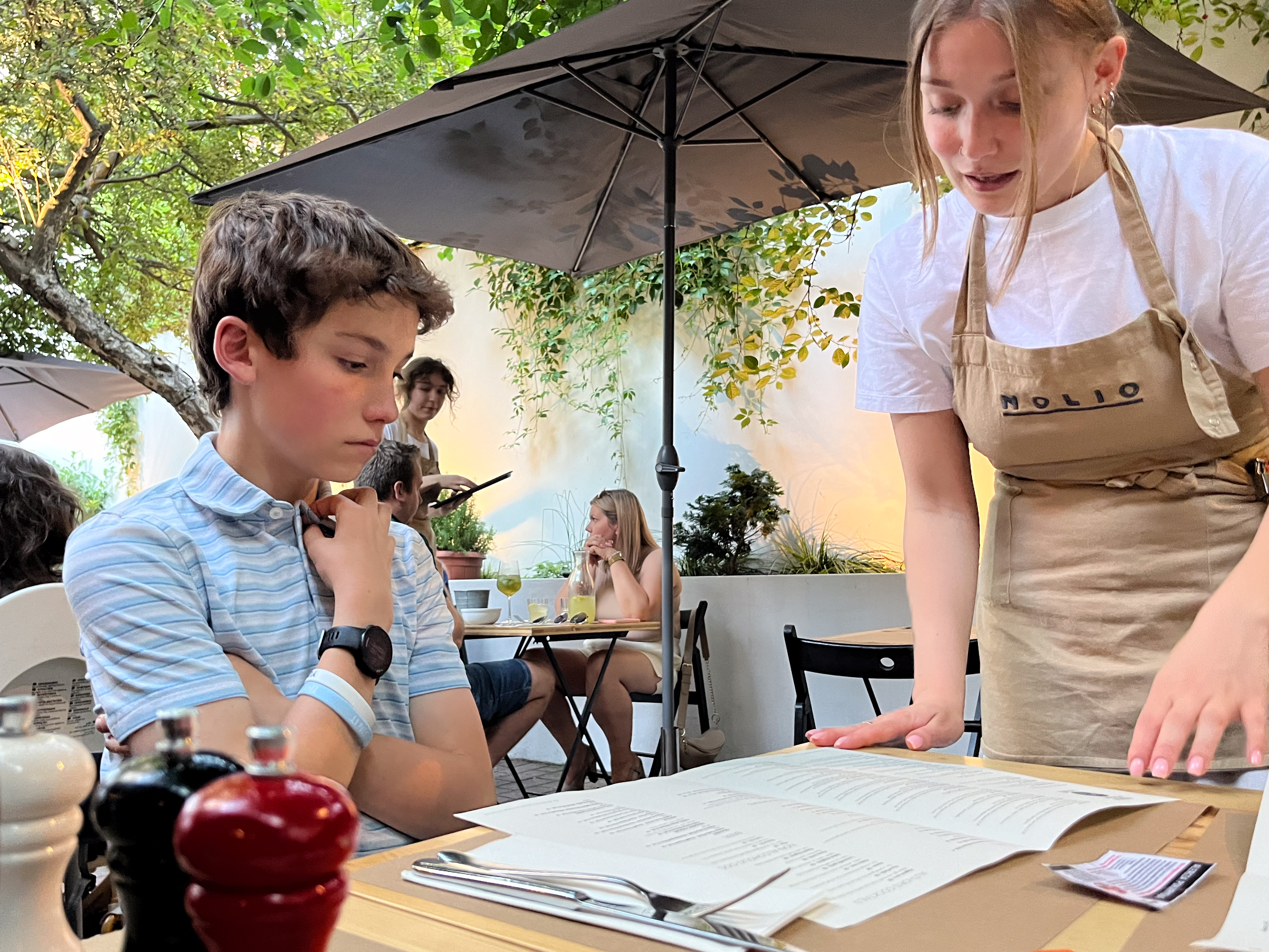
So, he would present the card as he ordered. It seemed to work well. (Purchase online at Equal Eats) And, we enjoyed seeing him navigate what to order with the waitresses! Everywhere we went, the wait staff seemed eager to accommodate Ethan Luke and point out dishes that would be off-limits.

What’s for Dinner?

Dinnertime was where we got to really enjoy the cuisine of Poland. Our dinners were mostly at our hotels, which were all excellent. Most restaurants served traditional Polish and other international dishes. Ethan and I were looking forward to tasting and remembering old family dishes. For young Ethan Luke, this was an adventure in travel, language, and eating something new. He settled mostly on pierogies for dinner and became our pierogi expert by the end of the week.

Pierogi is King
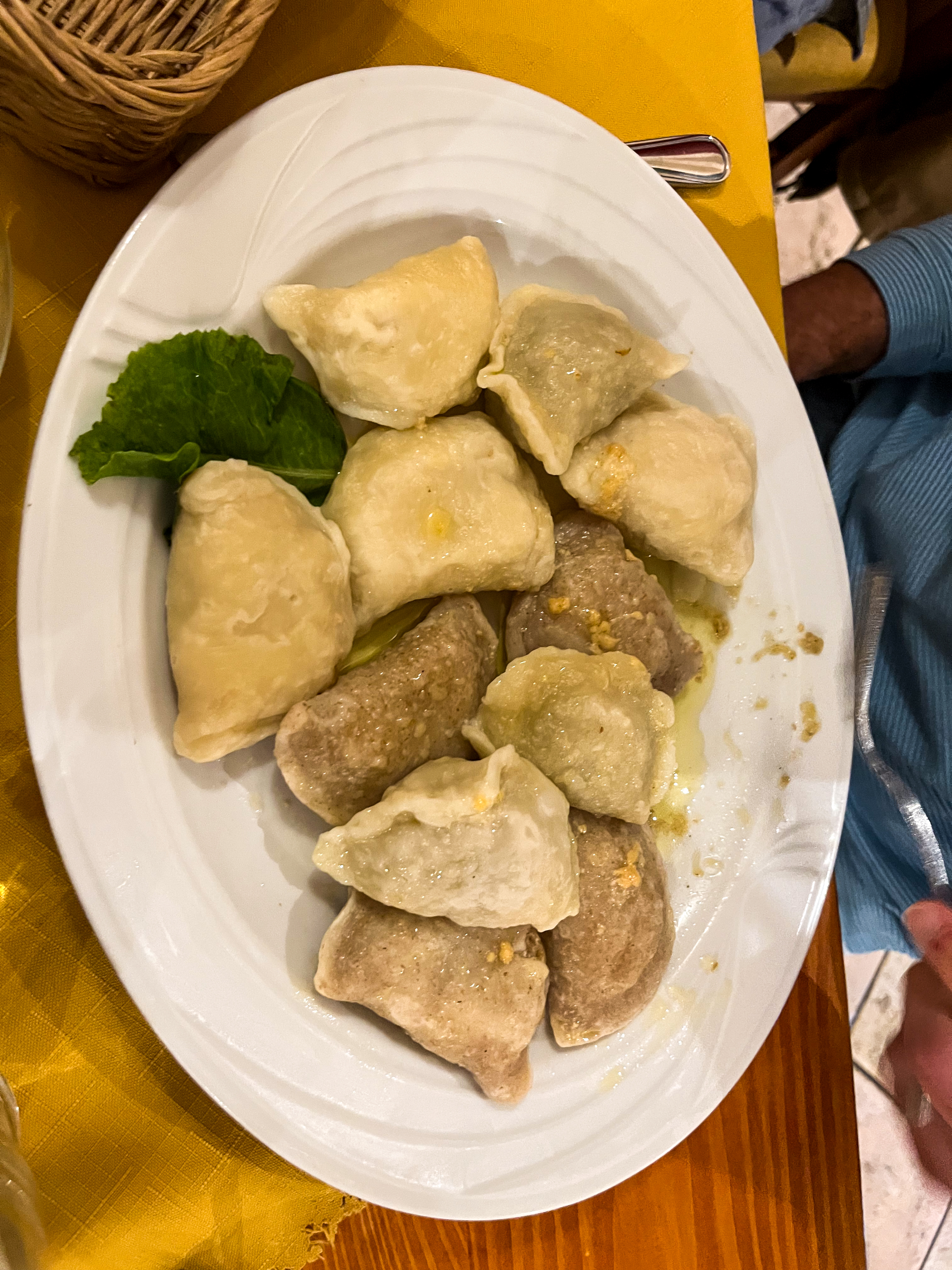
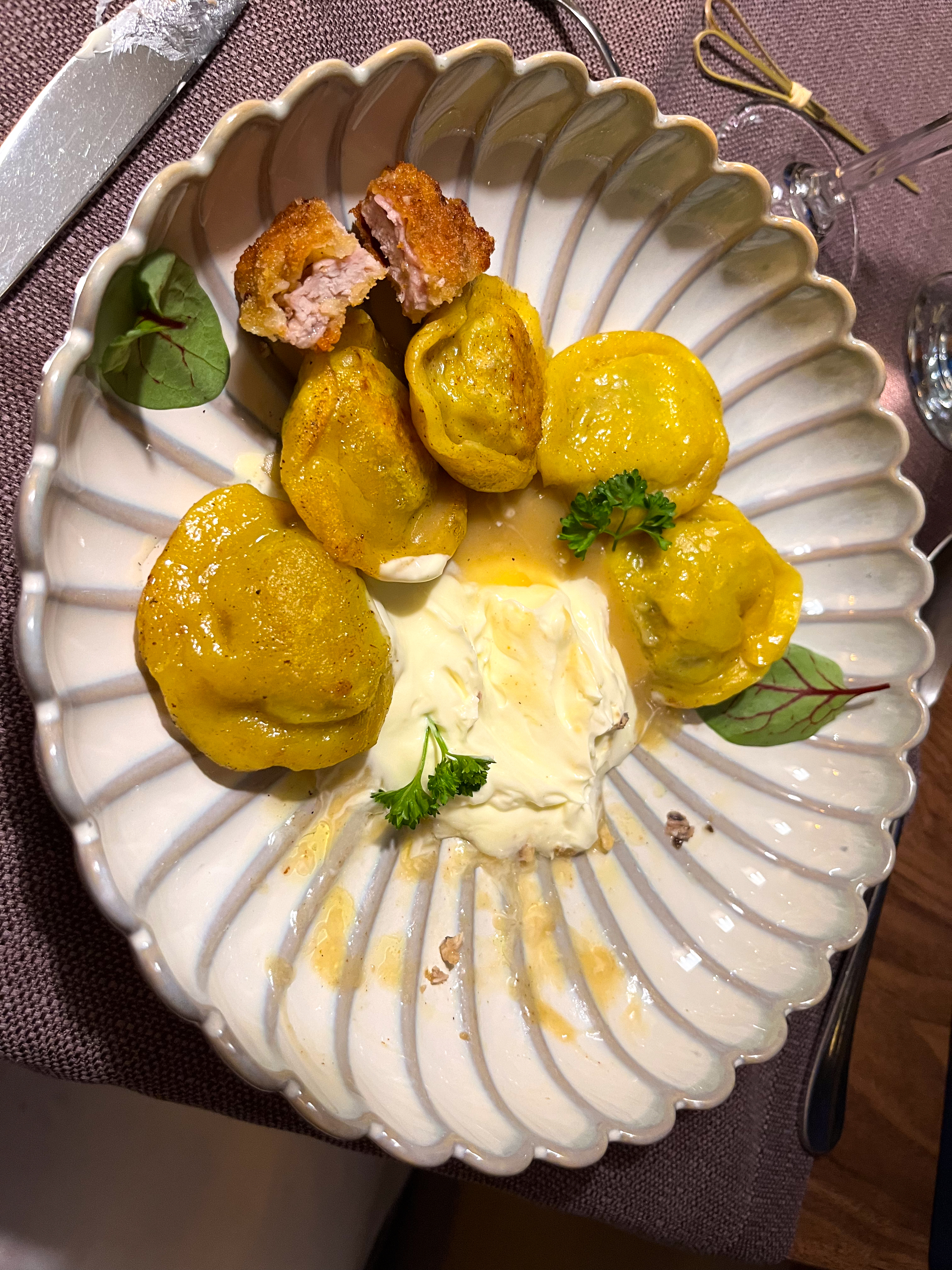
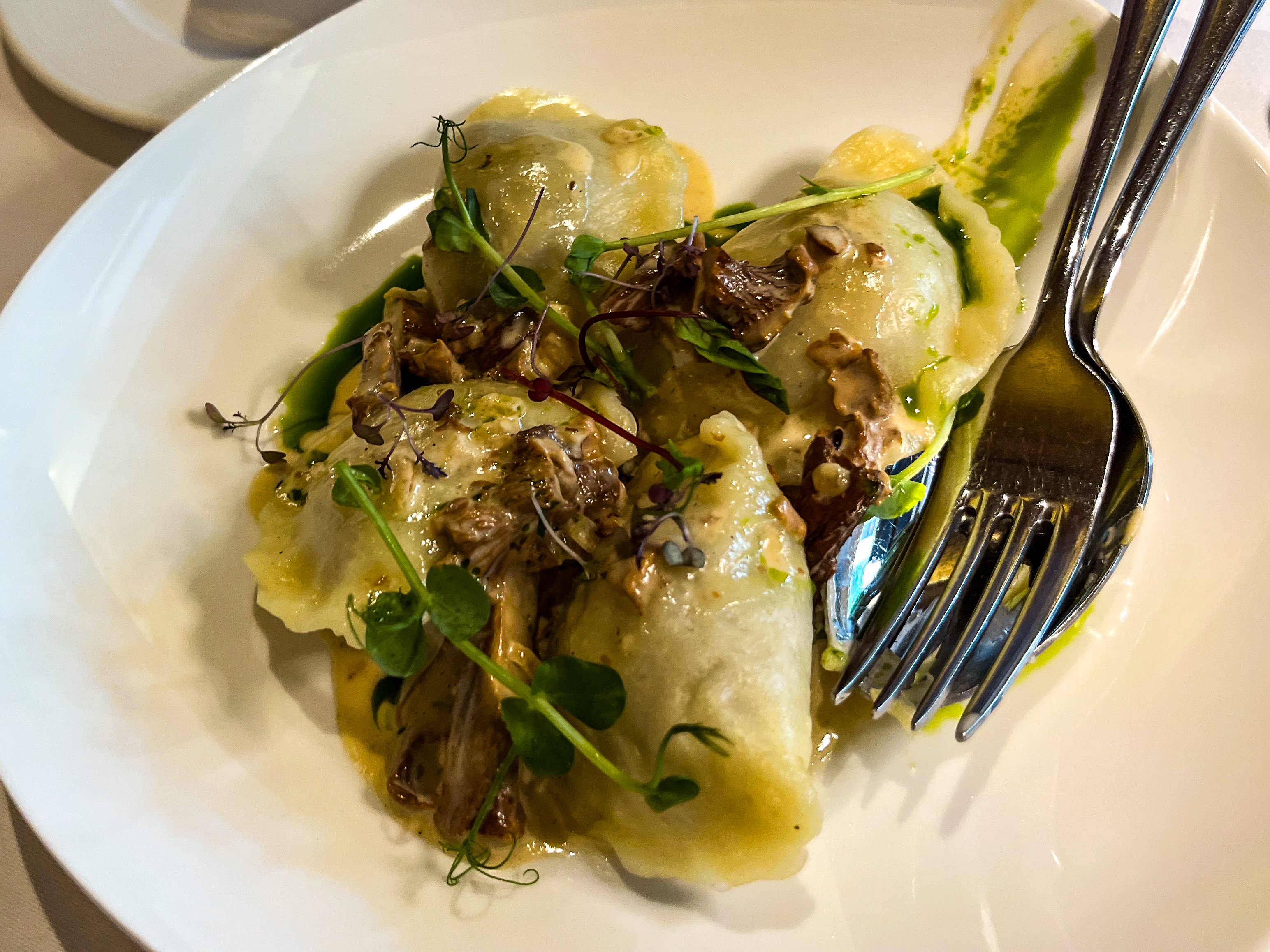
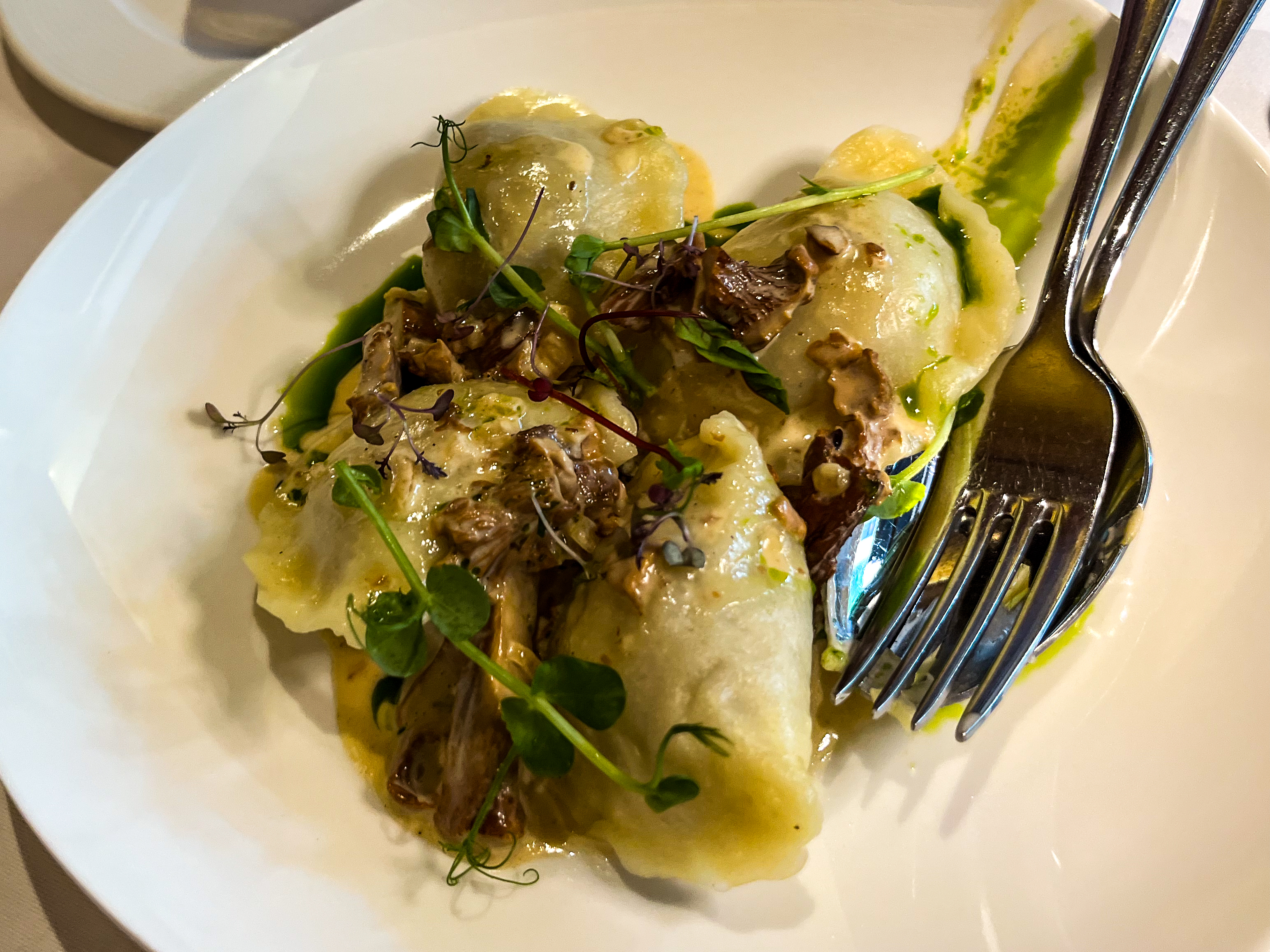
Pierogies are considered a staple in Poland and can be found almost everywhere. Pierogies are stuffed dumplings usually filled with either meat or vegetables in a buttery garlic and onion sauce, served with sour cream on the side. Absolutely delicious in any flavor.

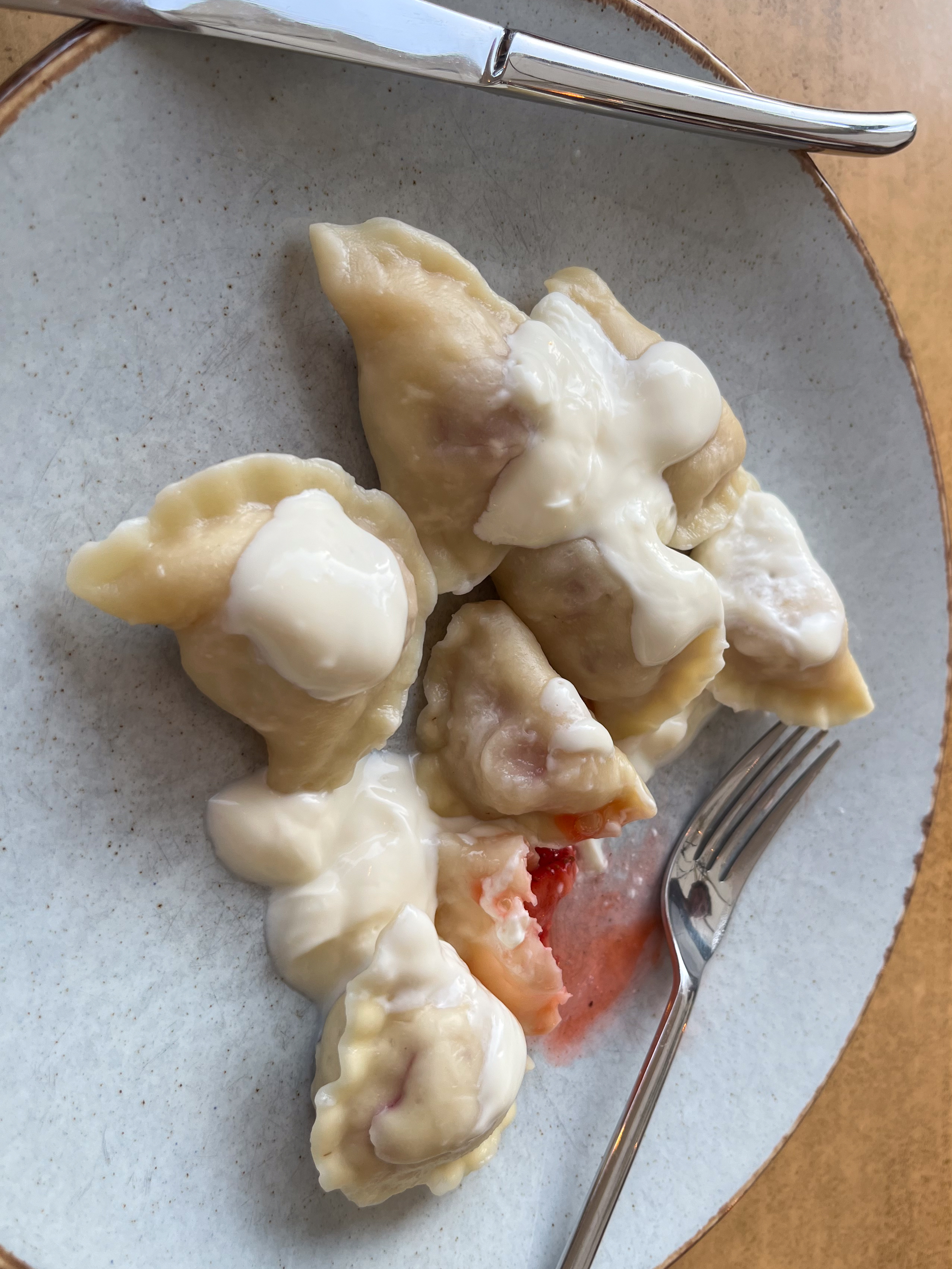
However, there were many more variations in almost every restaurant. In addition to the standards—cheese, meat, mushroom, potato, and sauerkraut—we tried pierogies filled with veal, buckwheat, and strawberries. With such choices available and a lighter texture than ravioli, they are considered the most popular national dish. But it seemed like every place we went had its own favorite way of offering pierogis!

Playing the Oldies but Goodies

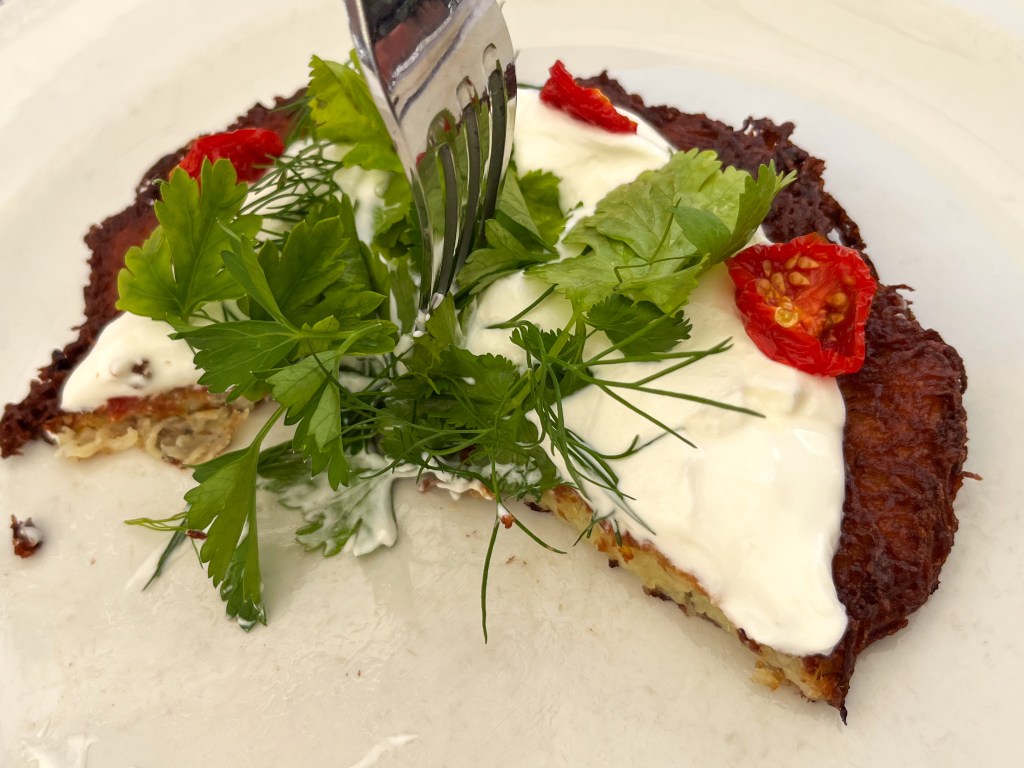
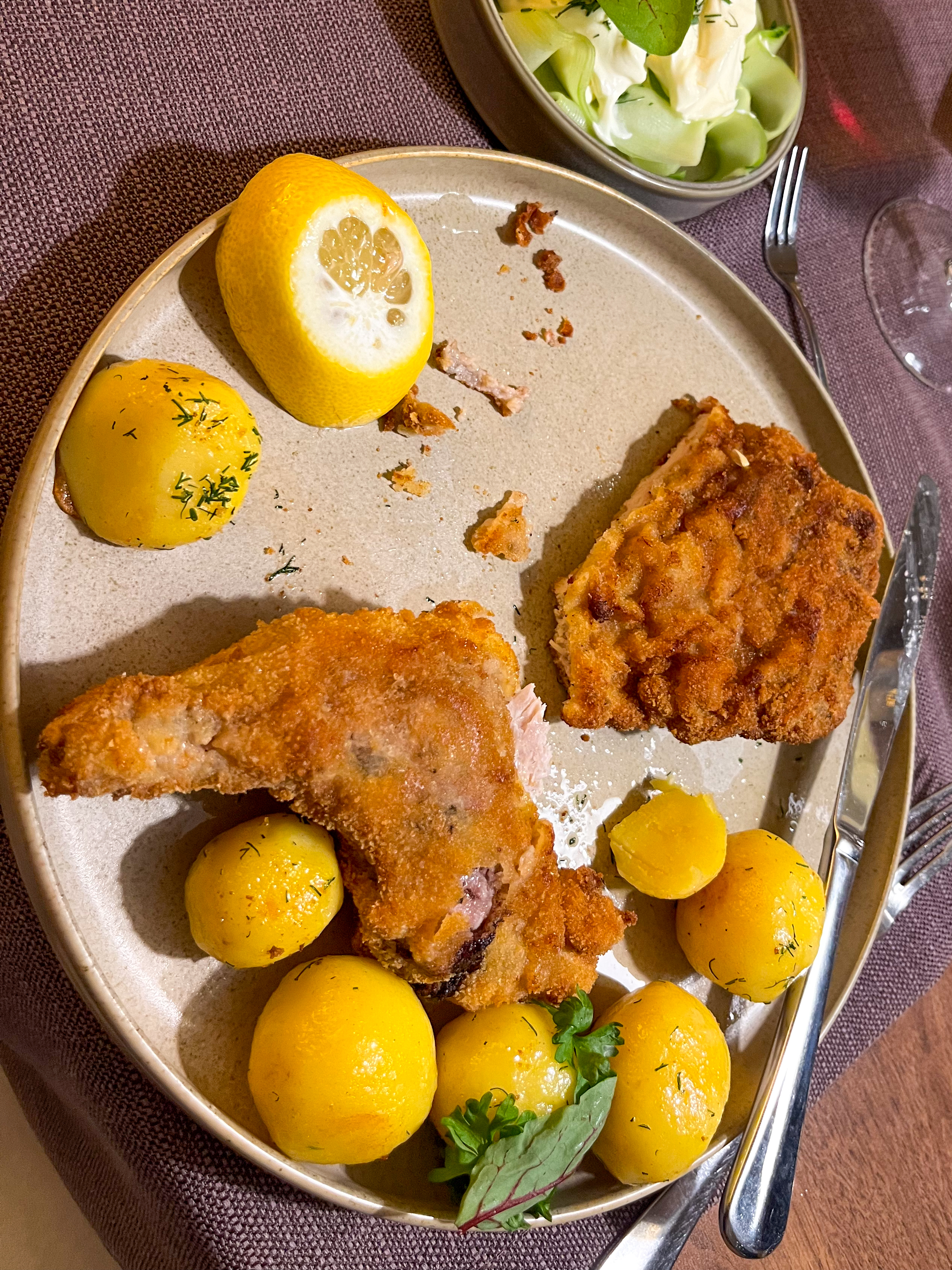
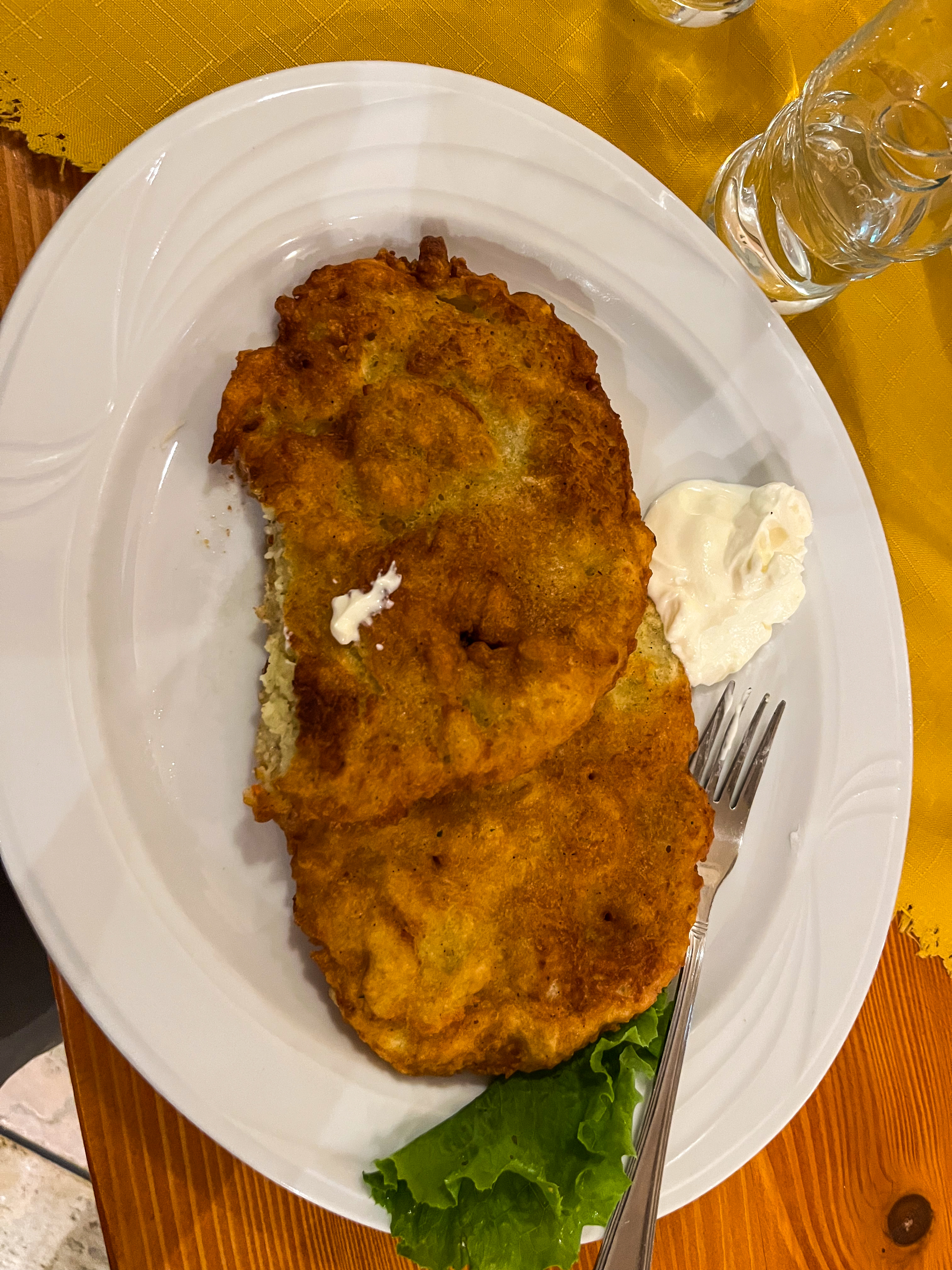
I hadn’t been thinking much about old Polish dishes I hadn’t tried in years until they started appearing on the menu. Fried breaded pork chops were a personal past favorite that I got to enjoy our first night at the Grand Hotel restaurant in Rzeszów. Memories of potato pancakes (placki) with sour cream came back as I ordered them for dinner at the Bartna Chata Restaurant at the bee farm Sądecki Bartnik. We were “buzzing” about the place for days.
I’m pretty sure it was because there was so much else to try, and kielbasa is so well known, that we never ordered it during our entire stay. The one dish I sought out but was not on the menu when I wanted it was gołąbki, cabbage rolls stuffed with a mixture of rice and beef and served in a thin tomato sauce. It’s a common dish, less likely to be seen on a fancy menu. I still have fond memories of helping my mom make those by rolling together the chopped beef, rice, egg, breadcrumbs, and onions into those cooked leaves of cabbage. We would grab small chunks of the filling and eat the filling raw!

Different Eating Habits

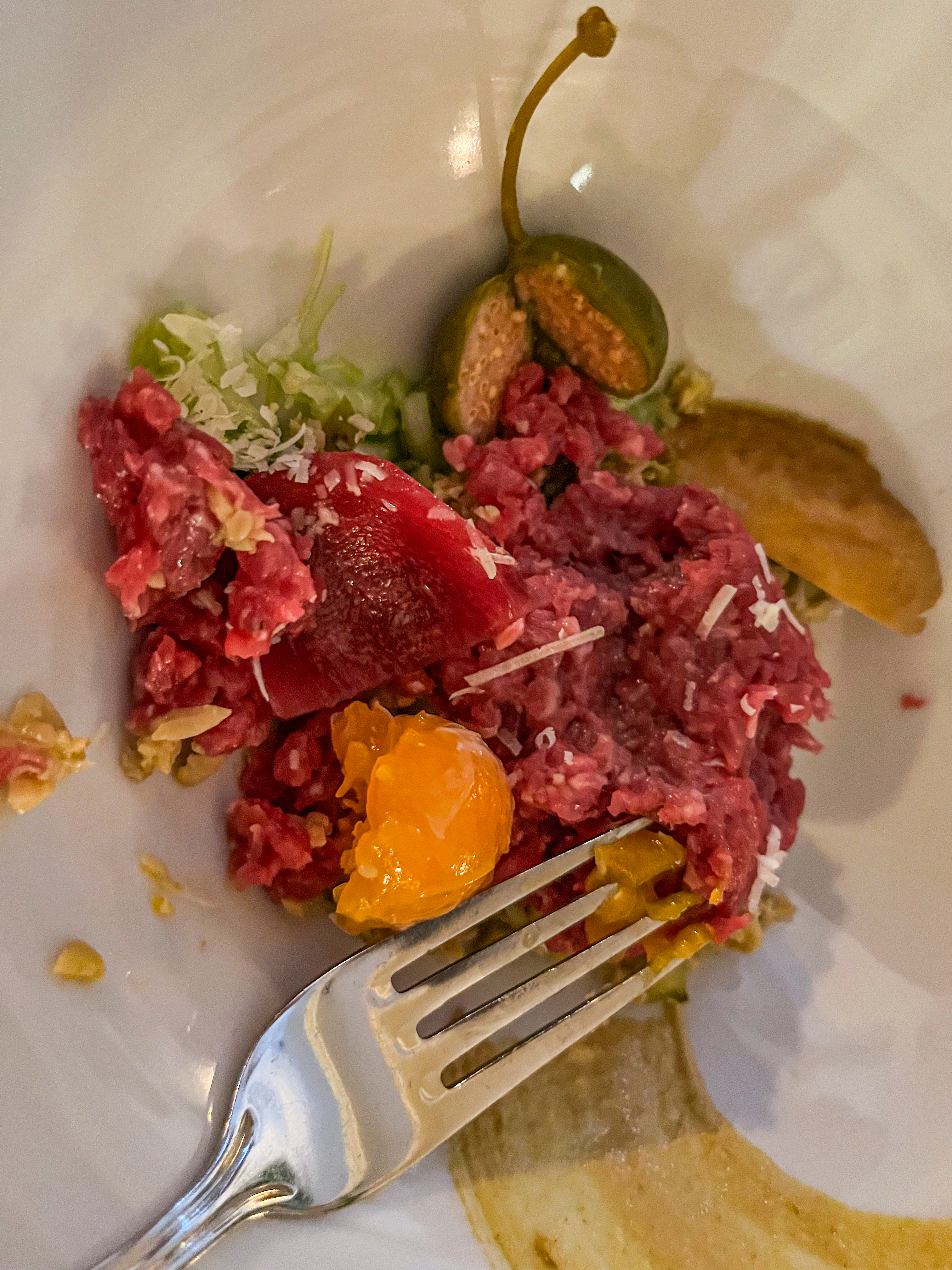
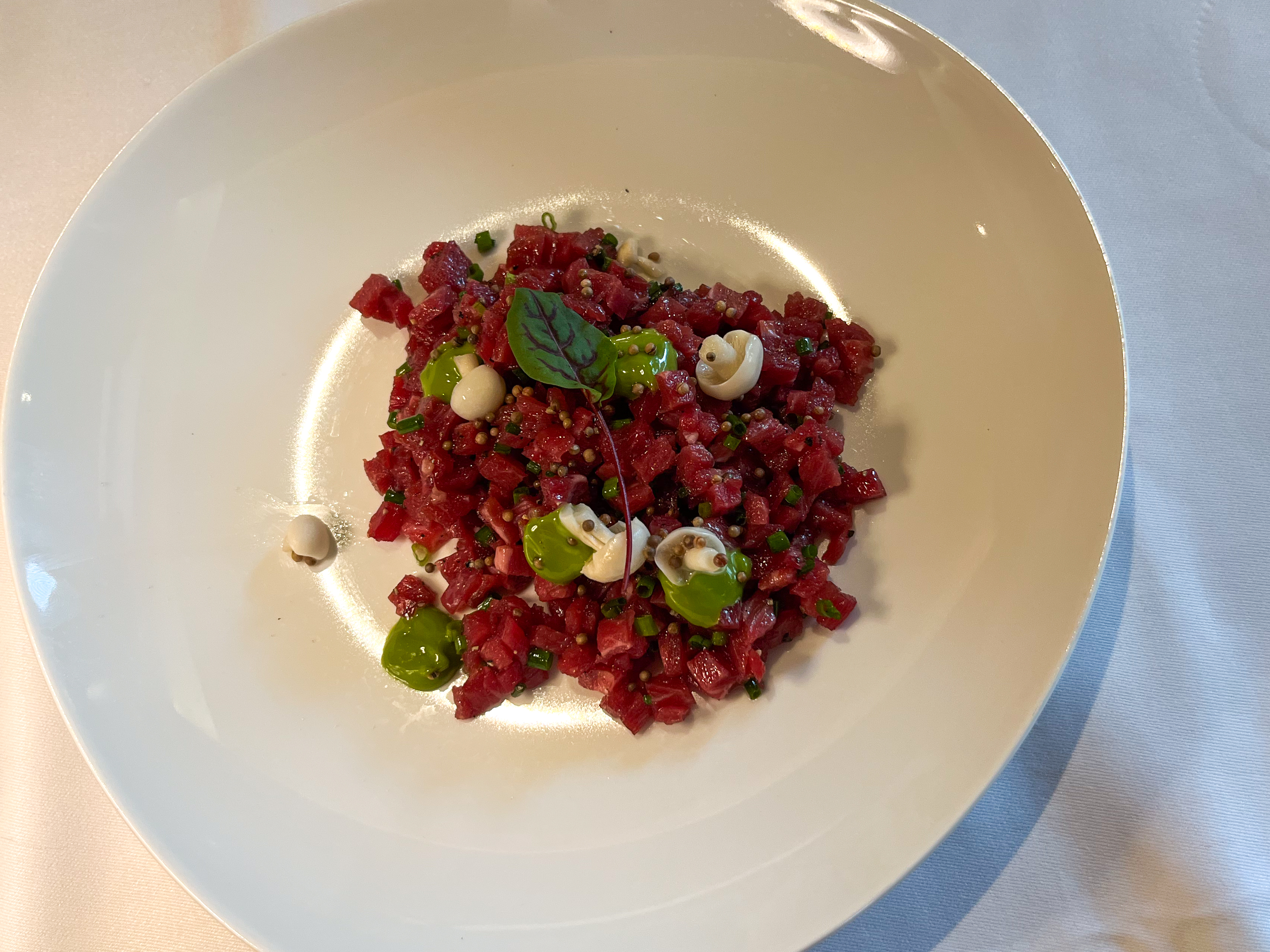
Speaking of eating raw meat, all the dinner restaurants we ate at offered steak tartare as an appetizer. Ethan and I ordered it several times and thought the taste was amazing. I’m not sure what the current food handling laws are in Poland, but the food is not highly industrialized and considered safe even raw. I’m pretty sure this is a “rare” dish in the U.S., in a different way.
Another country favorite is soup as an appetizer. My impression was that most restaurants expected you to order an appetizer, and there was always a variety of soups to choose from. Żurek, a sour rye soup, is often seen on the menu. Probably the most popular is borscht (aka barszcz), a clear beet soup with a sour finish from added lemon and/or vinegar with Polish mushrooms. I wish I had tried it, but it seemed there was always something else to try instead. I went for the cream of asparagus soup our first night, and it was outrageously good.
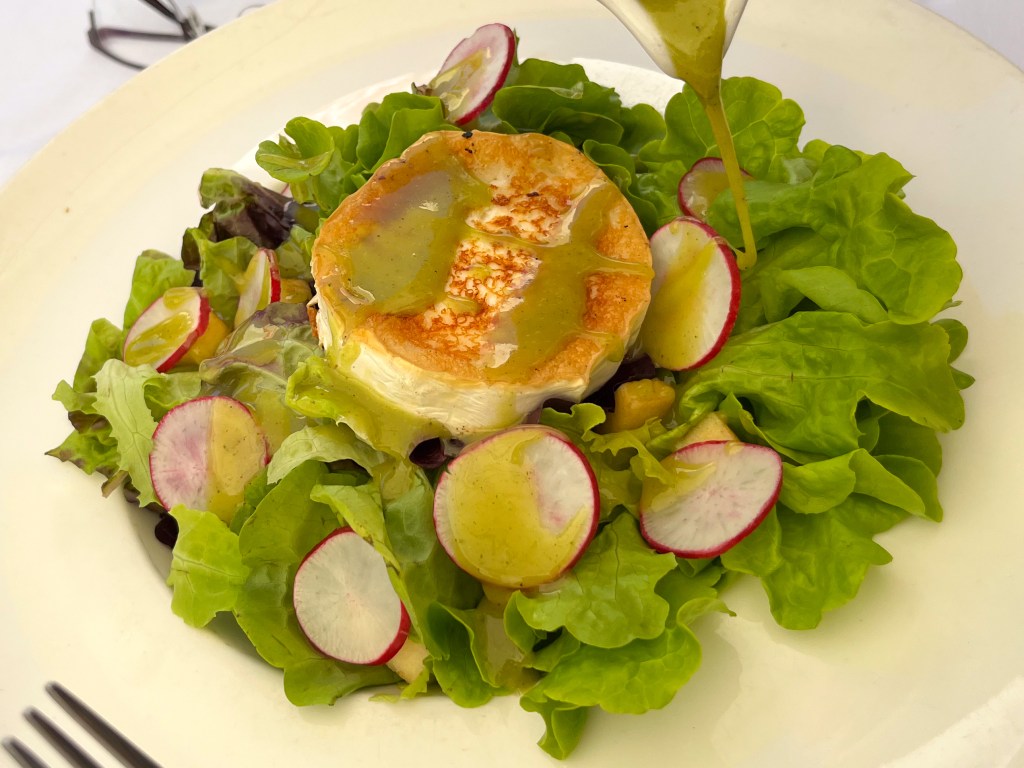
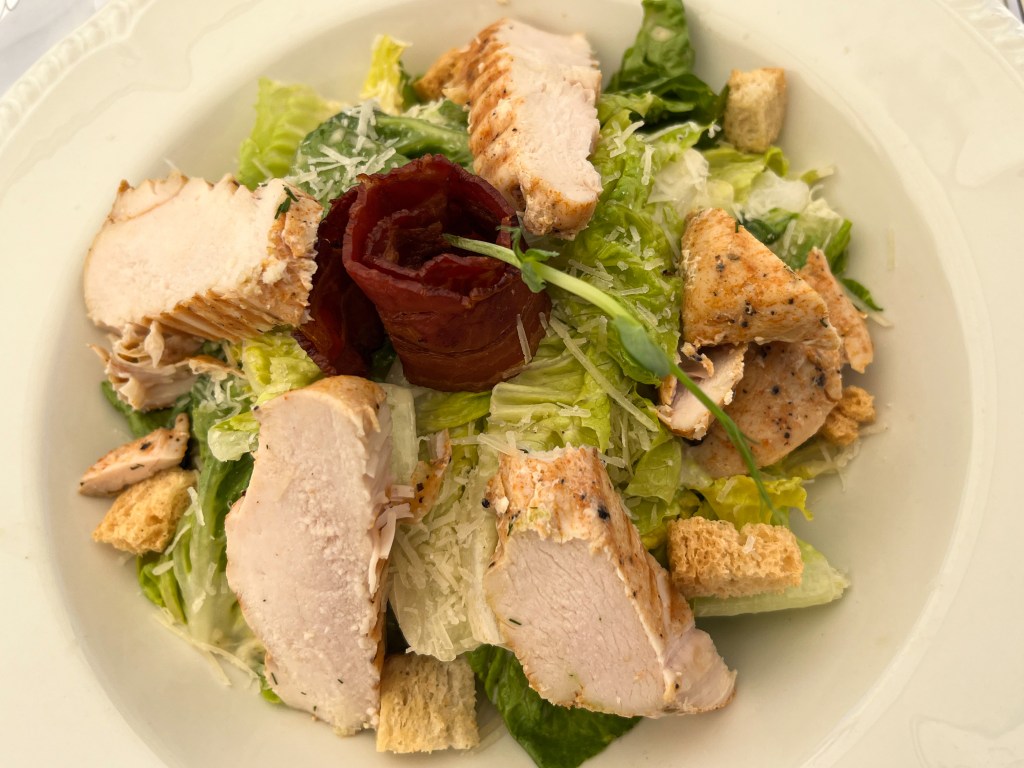
Of course, our visit would not have been complete without sampling the wide variety of international food in Krakow. We got to try Jewish and Middle Eastern dishes and one of the best pizzas I ever had in Kazimierz, the old Jewish section of town, where practically every type of food could be found.

Memorable Polish Dining
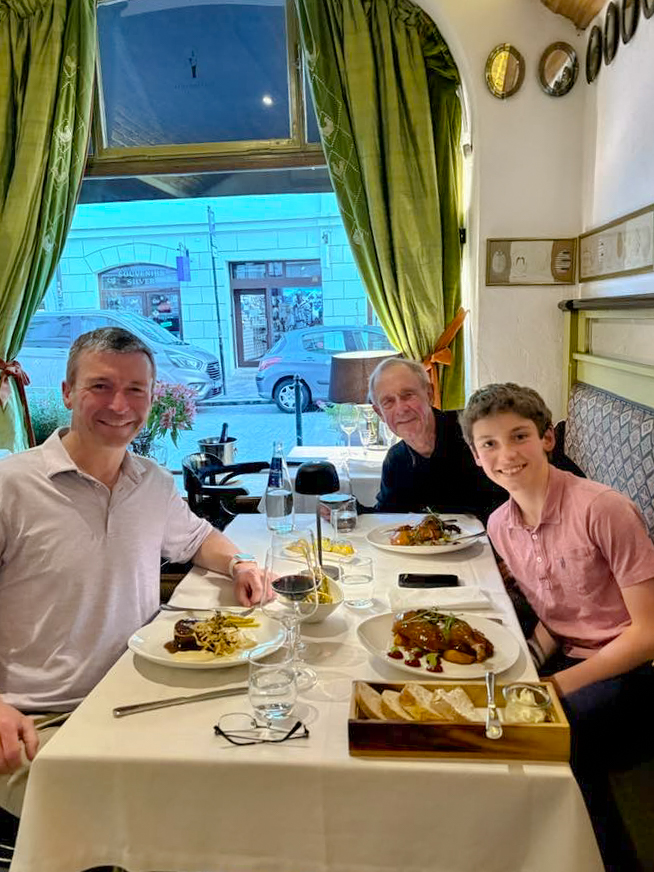
Dinner @ Kogel Mogel in Krakow

For our last night out, we ate at Kogel Mogel, a Michelin-starred restaurant in the old section of Kraków. Amanda, Ethan’s wife, treated us (remotely) to a Father’s Day dinner for the three of us at one of the best restaurants in town. I had the roasted duck, the house specialty, which was amazing, as were all the other dishes we tasted there.

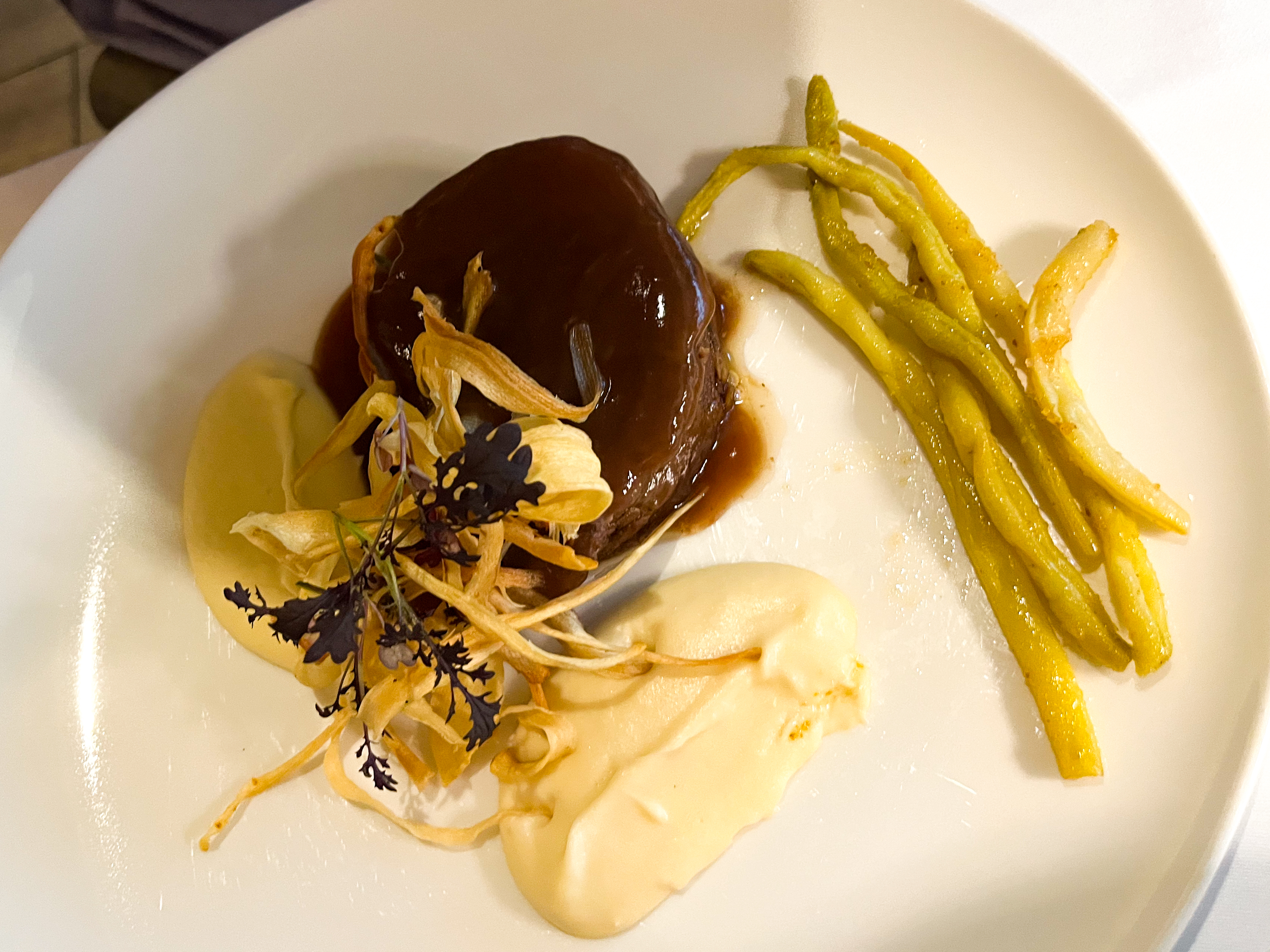
No doubt, the highlight of our culinary experience was to take place mid-week at our cousin’s home. We got to enjoy a surprise homemade afternoon dinner at the home of Bogumilia and Zdzislaw Furtek in Brzezanka. Bogumilia is a sister of cousin Krystyna Onacki, who had helped plan the visit to the place where our related family was born.
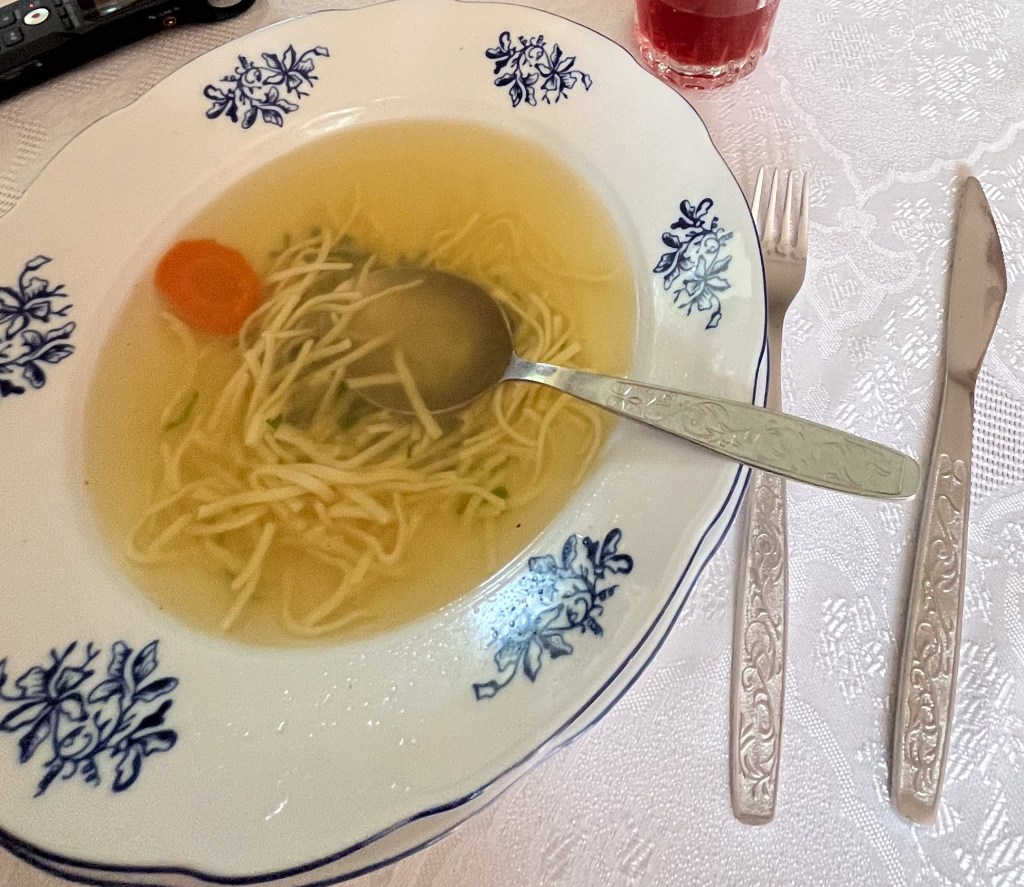
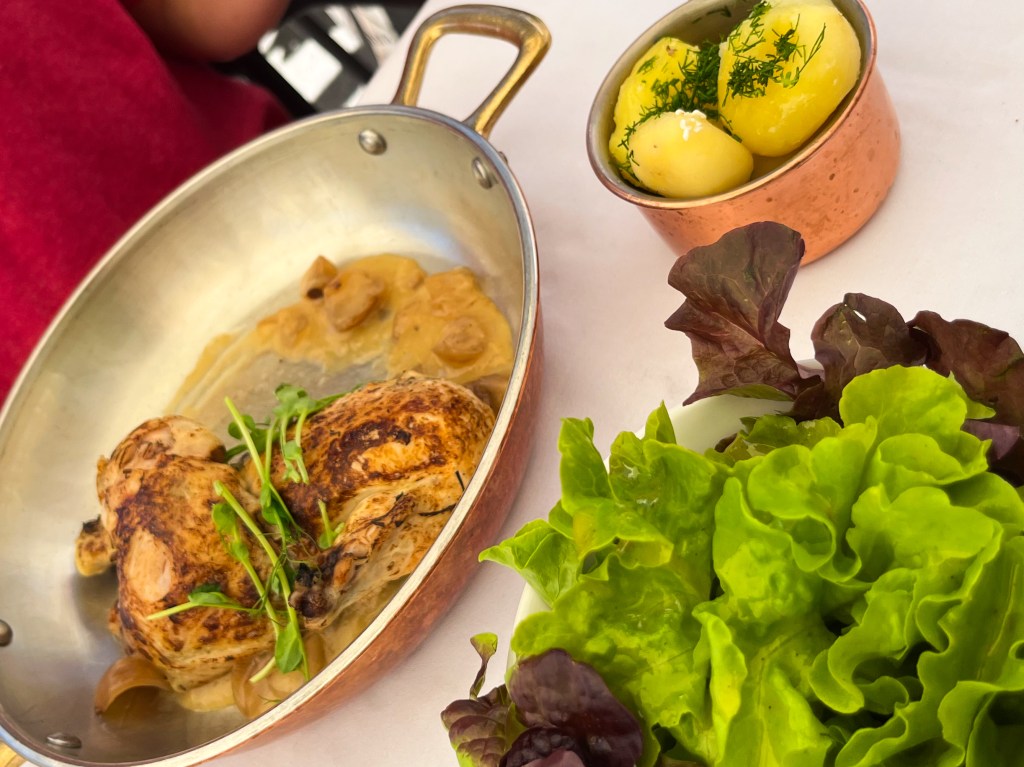
We had a chicken consume soup followed by a roast pork dinner with mushroom gravy, dill potatoes, and fresh salad – all sourced directly from their farm. 

Memories for Dessert

It’s funny how food often so basic that we take it for granted. What helped make this trip so special is that it brought back a flood of fond memories while opening up a new horizon of taste to explore. We did not get to try many of my old favorites and some new ones like the street food of Krakow and the famous filled Paczki donut. 

Food may not be the top reason to come back but it will be another major reason to revisit the friendly people and delicious cuisine of Poland.

Smacznego!

4o

The Family Dragnet

Here’s how we became genealogical detectives in Poland as we hunted for clues to our family history.
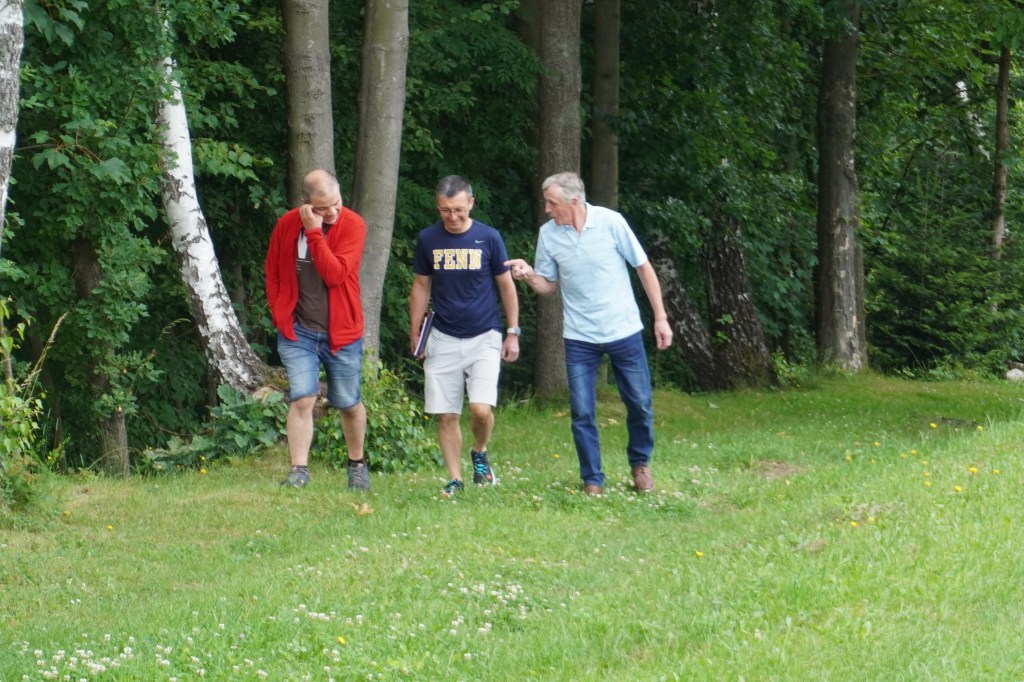
If the word “Dragnet” means something to you, my guess is you remember Sargent Friday saying “Just the facts, ma’am.” on the old popular TV show. Or the 1960’s comedy movie version of that show with Dan Ackroyd and Tom Hanks. Either way it was about how detectives solved crime (mysteries). It seemed they had odd and funny ways of discovering facts when they interviewed suspects or witnesses.

Dragnet Theme

Now, we were on the ultimate dragnet for any clue to our family history. Facts mattered. Leads needed to be followed. We were on a missing persons investigation in Poland.

Near the top of my personal mysteries is how we got here. Ultimately, we all come from the same relatives. But the road that was taken by each of our ancestors made us who we are today. Sometimes, it was a voyage to leave their country and family. Other times it was to stay and make the most of the life they had, even if it was harsh at times. Whatever path was taken, family connections remained strong in most situations.

Where This Investigation Begins

About 10 years ago, Krystyna Onacki, a distant cousin from Poland discovered our Kiczek family. A Polish citizen at the time, she met and later married John Onacki a U.S. citizen when he was studying abroad in Poland. They moved to Roselle, N.J., coincidentally, the same town in which I grew up. Our family connection was through her mom who was a descendant of Josef Kiczek, my great grandfather.

Little did I know then that Josef had a second wife after his first passed away which created a second branch of the Kiczek family. Just 10 years ago, I had little knowledge of who my grandfather was, let alone my great grandfather. And, my parents and their siblings had passed away years before so it seemed we had no one left to ask, until Krystyna found us.

Large families were desirable back then to help work the land, provide financial support and to replace those children that would die young. For our side of the Kiczek family, my grandfather would immigrate to the U.S., and have nine children. My father’s siblings included one brother who became a priest and three sisters who would live their lives as cloistered nuns. To most Polish families this might have been the ultimate career choice and source of family pride. It was also seen as a way to increase their blessings by bringing the family closer to the Catholic Church. 

Covid Creates a Time Warp

My oldest son, Ethan Kiczek, met the Onacki’s and understood the family connections better than I. Ethan has an engineering degree and has worked in technology his entire career, appreciating the complexity of large scale projects. In 2020, tied down by the pandemic and working remotely, he became absorbed in discovering more details about the family.

Often a search leads to a clue about another relative or the nature of a relationship. This usually needs to be verified. There’s digital sources, like ancestry.com and there are analog sources, like a town’s records of births, deaths and marriages or even finding tombstones. 

While it’s possible that a birth record can appear as a digital image, more often than not it simply needs to be found in a physical registry of births, deaths and marriages. This is especially true for older records. In Poland. registry books are often located in the town where the family lived – or in the registry of the local church where they prayed. All this would take time and concentration, which with Covid, we all had plenty of.

Ethan searched a few databases like the Mormon’s FamilySearch and Facebook’s genealogy groups to discover what sources could help and how to get more information, if the data was not available online. This led to outsourcing a remote genealogical researcher in Poland, Lucjan Cichocki, who could actually go to local Polish towns to search registries to validate and discover family connections. Lucjan became our Sargent Friday. But, that led us to considering getting involved in this Polish dragnet too.

Going Back in Time

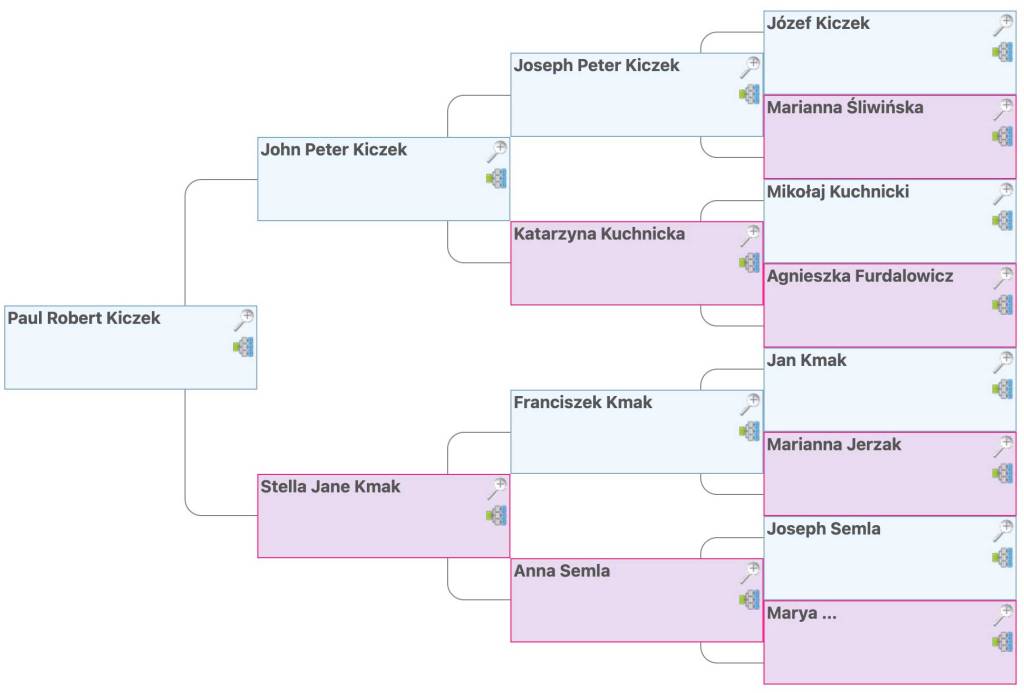
Ethan discovered, with the help of Lucjan, the towns where our family lived and even traced some ancestors to the 1700’s. But to dig deeper, we would need to view the registry records. Those records also state some other related information like the birth date, name of parents, religion and towns they came from. Ethan began to construct a large family tree that opened up our imagination as to who were our ancestors and how we were related.

PK’s Family Ancestors to Investigate

In 2022, we began to plan for a trip to Poland to discover our relatives – assuming we could find them and they would talk to us. But it was then that the Ukrainian-Russian war started. The area where our family was from was only about 50 miles from the Polish-Ukraine border. At that point we had no idea if the war would spill over to Poland. Poland’s borders have been moved often and the area we were planning on visiting was once even considered part of Ukraine. So, we postponed the trip for safety reasons. But the dragnet research continued.

Our Case History

Plans were set in late 2023 to visit the following year all the towns where my family seemed to have originated or once lived. Ethan’s mom, Judy’s (Dolac) mom had a clear connection to a town in the same region too. So, Ethan worked with a special touring company called PolishOrigins and created a custom tour that would take us to most places we had confirmed had a family connection. We hoped to visit those places, hopefully discover more connections and perhaps meet some relatives!

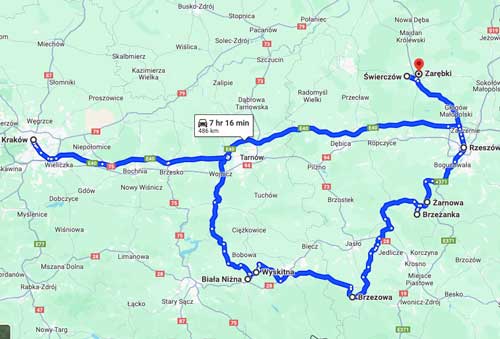
We spent four days investigating our ancestors in Poland, mixed with some interesting sightseeing along the way. Here’s a brief case history of what actually occurred during our investigation part of the trip:

Our Ancestry Tour Route from Rzeszòw to Kraków
Tuesday, June 11, 2024

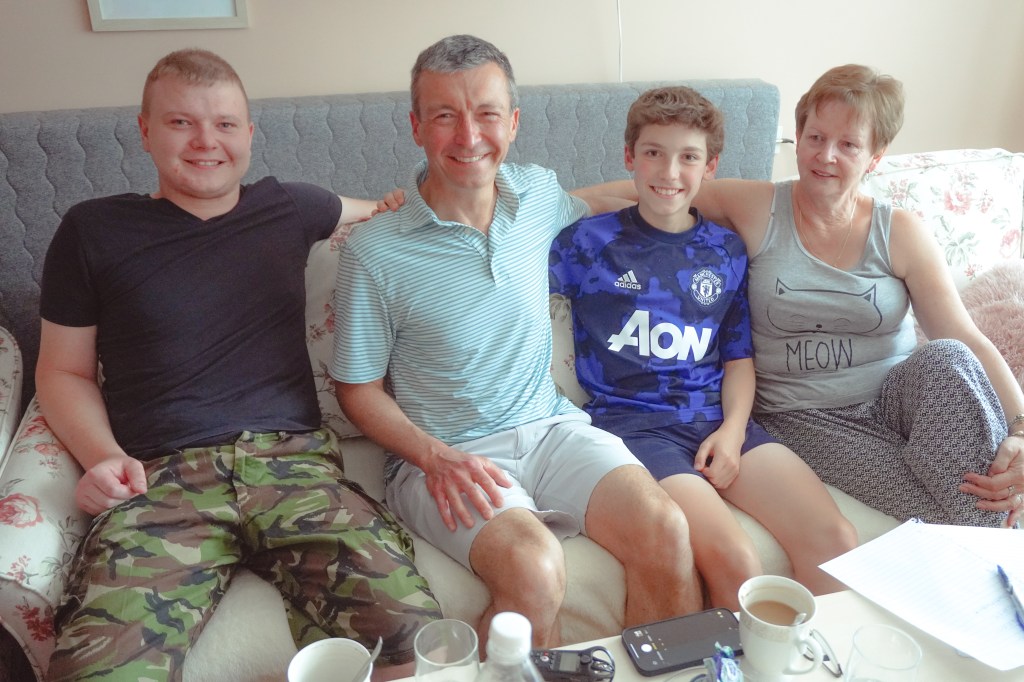
Świerczów – About 20 miles north of Rzeszów, our starting base, we sought family connections to the Stobierki’s (Ethan’s grandmother on his mother’s side). We had an address to go to from previous research. Found a distant cousin Halina Knipa and son Bartek. They share a great great grandfather Michal Stobierski with Ethan. We visited the town hall for records, the old family farm where his grandparents lived and a local cemetery. We exchanged emails for future follow-up. See the earlier post for more details on this visit.

Bartek, Ethan, Ethan Luke, Helina

Wednesday, June 12, 2024 – morning

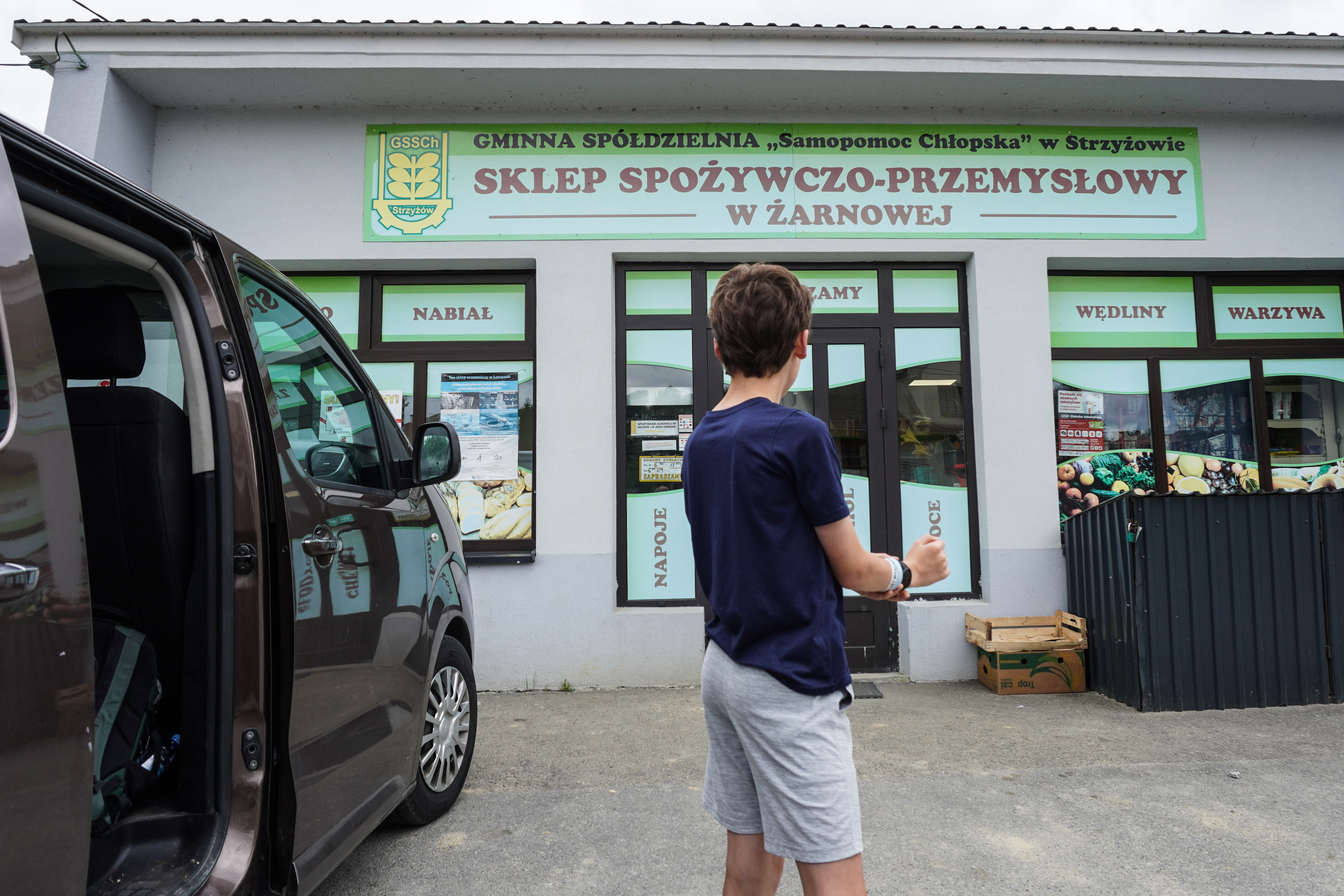
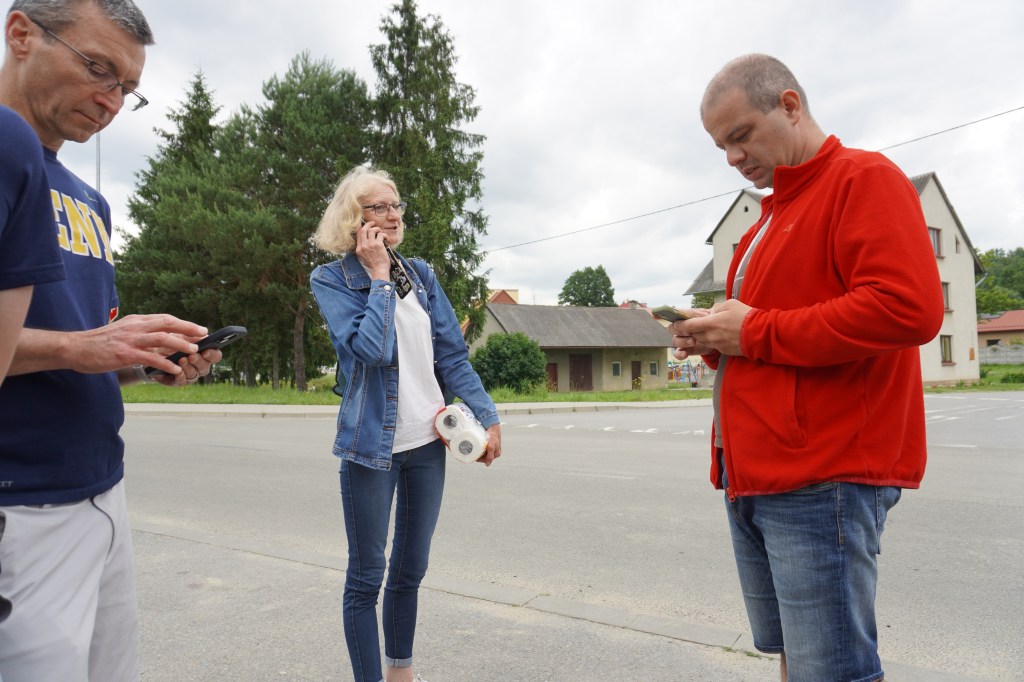
Żarnowa – In search of Sliwinska family (or possibly Sliwinski). Marriage records showed that great grandmother Marianna Sliwinska (born 1847) had married Josef Kiczek (born 1827) and was originally from this town, about 20 miles south of Rzeszów. We had a possible address or location but it seemed wrong. We went to the nearby convenience store to ask around if anybody knew a Sliwinska family and followed a lead to an address that might be a descendant. No one was home but a neighbor corroborated that there might be a connection. They called the possible relative and we promised to send a letter explain our relationship. Low odds on connecting here, but maybe they will respond.

Wednesday, June 12, 2024 – afternoon

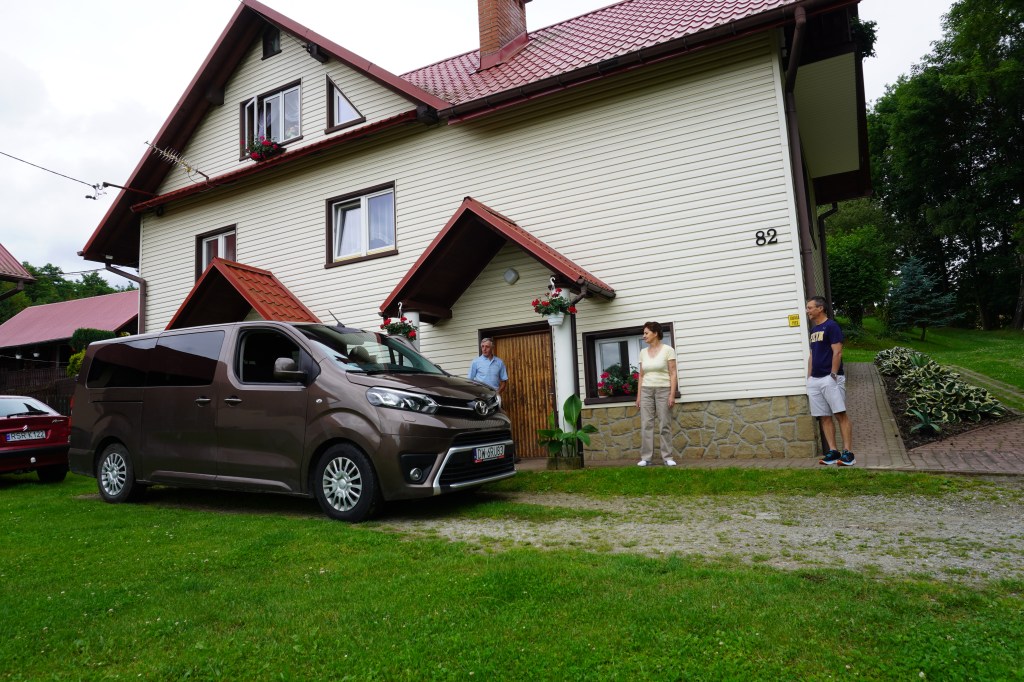
Brzeżanka – a neighboring town to Żarnowa, we had our best clues and even arranged a meeting with Bogumila and Zdzislaw Furtek. Bogumila is a sister of Krystyna Onacki, our cousin who helped start this whole investigation back in the states. This was pay-dirt for us.

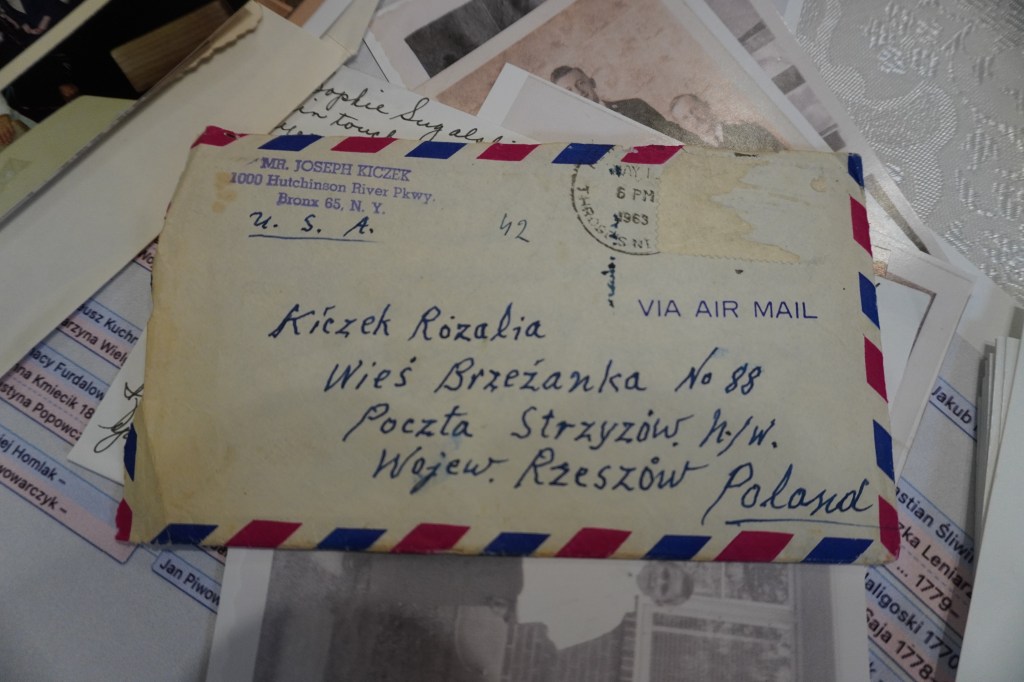
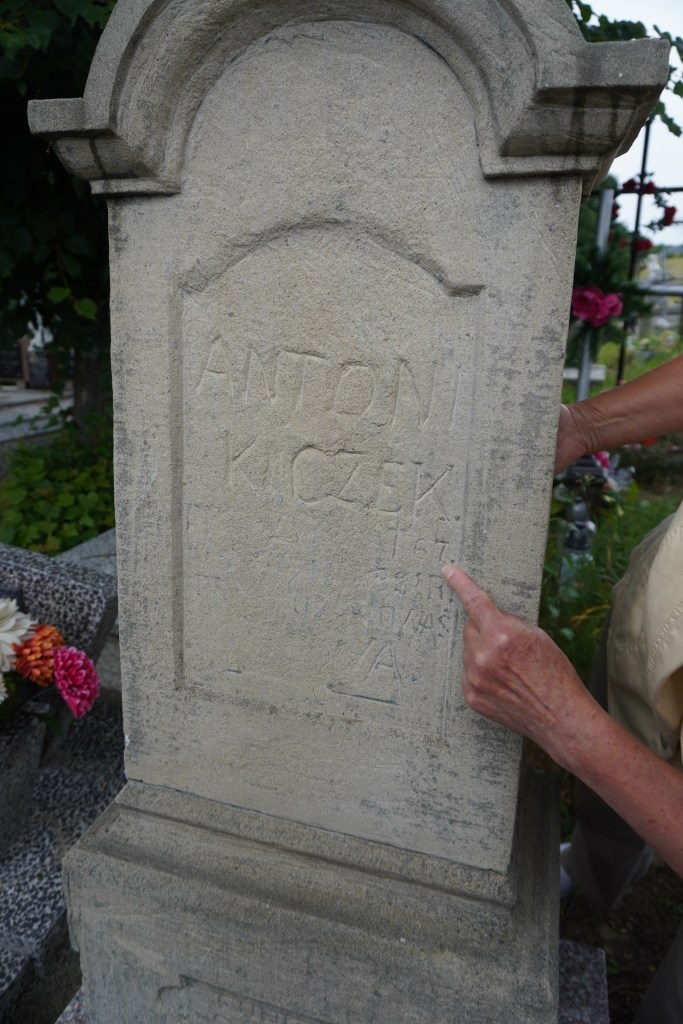
We now had a direct connection from the other branch of the Kiczek family. Antoni Kiczek was a half-brother of my great grandfather, Josef Kiczek. His descendants included Bogumila and Krystyna. It seemed Josef married once had eight children and married again having four more. Not so uncommon back then. One of Antoni’s sons was our familiar “Uncle Joe”(Joseph Kiczek) as he became the messenger between the U.S. and Poland Kiczek families. We just never realized what the exact family relationship was.

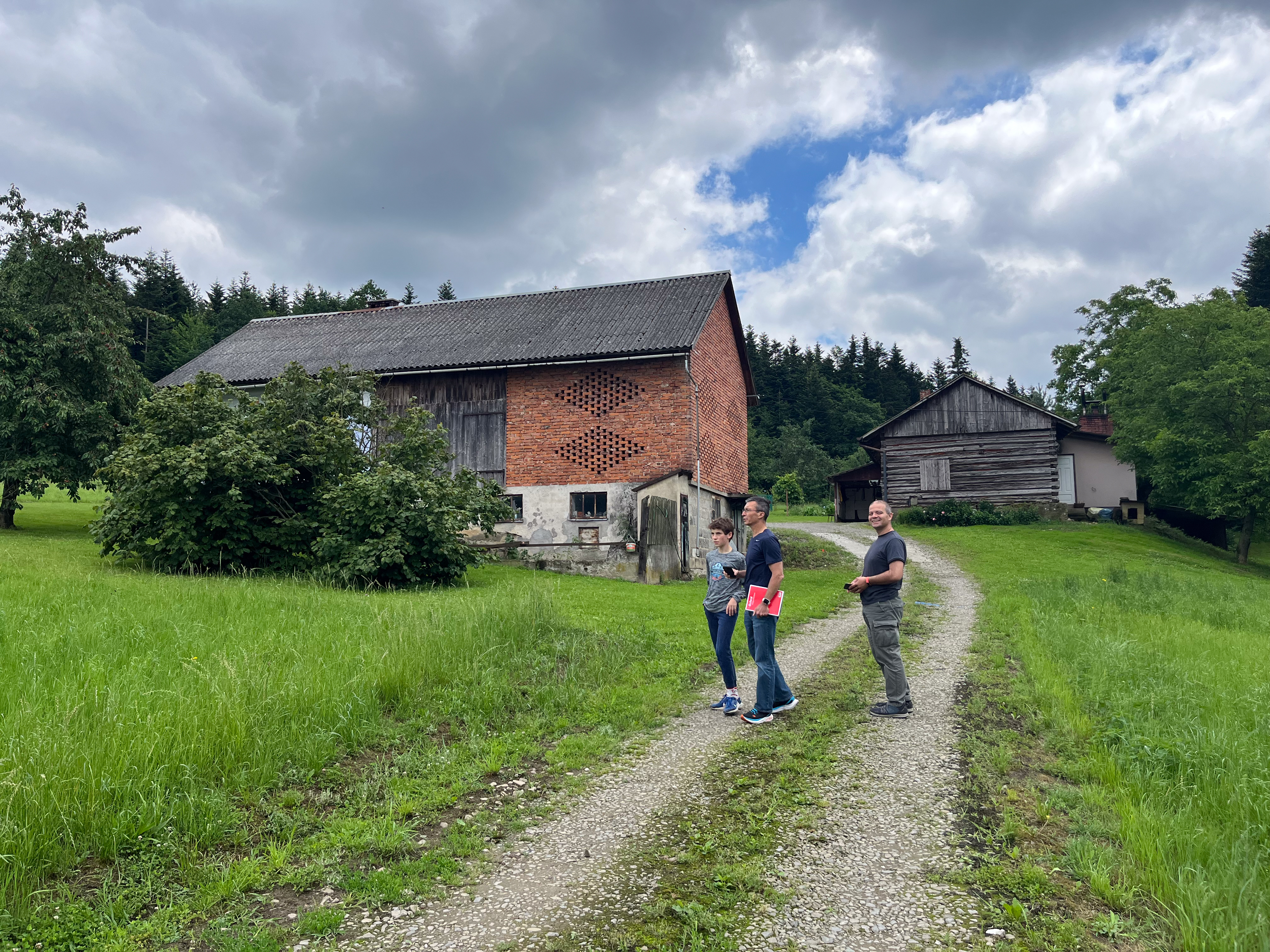
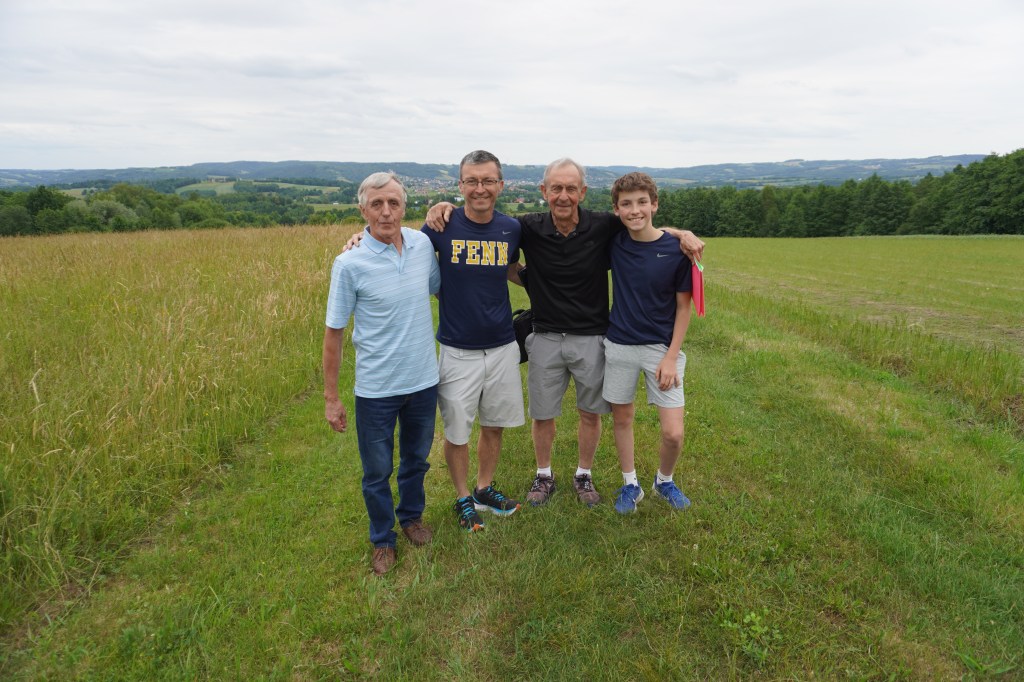
This was the highlight of our trip from a social and genealogical point of view and the main objective. We met a distant but direct relative, had a warm inviting visit, saw where my great grandfather and some of his descendants lived and tilled the land, even until today. We ate together, exchanged gifts and promised to keep in touch. We had an open ended welcome to come back. More than that, we discovered the land where our ancestors lived and worked was a beautiful peaceful place. See the earlier post for more details on this visit.

Thursday, June 13, 2024 – morning

Brzezowa – Our investigation moves on as we travel 30 miles southwest toward the foothills of the Carpathian Mountains and closer to the Slovakian border. There we searched for traces of my paternal grandmother’s (maiden name Katarzyna Kuchnika) family. After visiting the town hall records we found a possible relative’s address. We went to a cemetery and the home of to a a Kuchnika descendant and her son but they did not seem terribly interested in relating anything to us. We made the connection but in this case there wasn’t much interest in continuing communication.

Friday, June 14, 2024 – morning

Grybow/w – We travel west another 10 miles in search of my maternal grandfather’s ( Kmak) family. We started in Grybow, the area where we had a record of his family. We went to the local town hall to explore records. We found a clue that Kmak’s were still in town and a relative might be living nearby. We visited Richard and discovered another lead to a younger generation relative. For our last investigation we went to a local farm and met Kamil Radzik, 28 years old, our youngest relative we met. He offered his email and promised to connect.

Friday, June 14, 2024 – afternoon

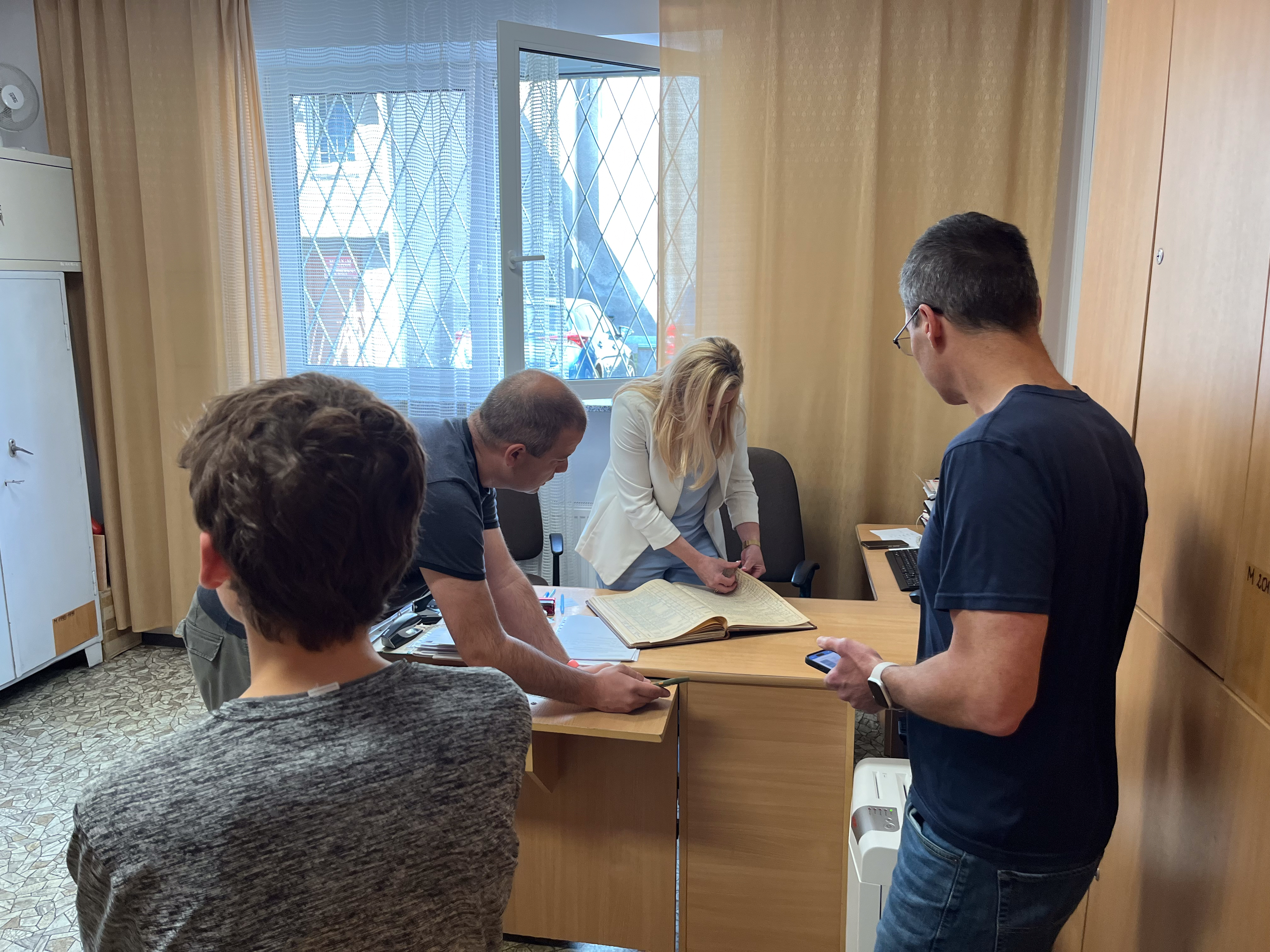
Bobowa – Our last investigation started in the local town hall. Through Lucjan’s charm and two very conscientious staffers we spent over an hour pouring through records to find my maternal grandfather’s family.

Case Closed?

Four days of investigation had ended. With the help of Lucjan as our translator and charmer, we had managed to discover new facts, meet family members and potentially open up further communications. Eventually, Lucjan mentioned that he was interested in police detective work, his skills fit perfectly for that job.

More than that, we had a real feeling of what it was like living in Poland. It is truly a beautiful country, not unlike America. There are small quaint towns, small shops, even American fast food (e.g., McDonald’s) and town halls with vital records. Beyond that there is a huge landscape of open fields and undulating mountains. It changed my perspective about who are ancestors were and where they were from and why many chose not to leave.

I couldn’t stop myself from thinking of one of my favorite Elvis Costello songs that seem to relate to us being amateur detectives, if only for a while and in a friendlier way. The following video has nothing to do with genealogy, but it too is a great mysterious song and video about being a detective….

Elvis Costello: Watching the Detectives

Discovering Relative Gold

Day two on the road looking for relatives and we uncover some of the mysteries of the family.

It’s day two of actual relative hunting. Our first objective was to find a Slawinska family relative which was the maiden name of my paternal grandmother, Marianna Kiczek. We knew she was born in 1847 in Poland through a marriage record which showed she was from a small village area called Źaranowa, about 40 miles south of Rzeszów, where we had stayed the last two days. The terrain became more hilly and rural the further we traveled.

Convenience Store Clues

We did not have a specific address so our guide Lucjan suggested we stop and ask at a convenience store if anyone knew of a Slawinska family. To him this was a logical professional move. To us it was more like following a detective trying to track a criminal.

While the store clerk was not able to help, we stumbled upon a nice looking, fit older woman outside the rough-looking store who said she knew of a family that might have had a family connection with the Slawinska’s and could be related. We volunteered to drive her to her home a couple miles away. Like amateur detectives ourselves, we deduced this was how she kept in shape, walking up and down these hills these steep hills would be tough for any of us.

No one seemed to be home at the possible family house but a next-door neighbor took our email address and promised to pass on our interest. We had made a loose connection but could not be sure if our detective work would pay off. Now, we began to realize this could be a slow process and may turn up as a dead end. On the other hand, luck might be on our side and practically everyone we met seemed eager to help.

There’s Gold in These Hills

Our second goal for the day was actually a planned visit to Bogumila and Zdzislaw Furtek. Bogumila is the sister of Krystyna Onacki, my distant cousin who had discovered our family connection many years ago. We share the same great grandfather but have different great grandmothers.

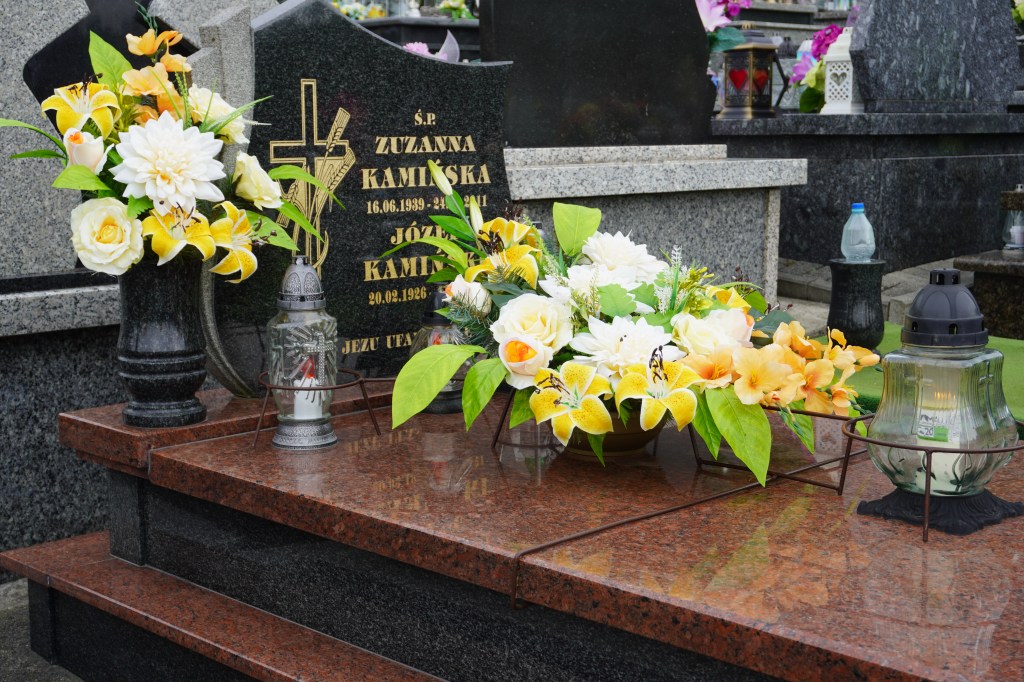
Josef Kiczek married Zofia Kielar and had three children before she passed away, one of which was Zusanna. Zuzanna married Victor Kaminska and had three children of her own, among them was Bogumila and Krystyna. Josef remarried Marianna Slawinska after Zofia’s death and had three more children, one of which was Joseph Kiczek, my paternal grandfather. Whew!

Krystyna and her husband John Onacki currently live in Roselle, NJ and are extremely warm people that embrace our shared Kiczek family connection. We have kept in touch over the years but this trip was an ideal way to share in our family heritage since much of her family still either lived in Poland or maintained connections there. This was a perfect time to actually meet and understand more about our family. And, Bogumila was the perfect personal connection to make it happen. While Krystyna could not join us physically she set up our meeting with Bogumila at her home in Breźanka just a few miles away from Źaranowa.

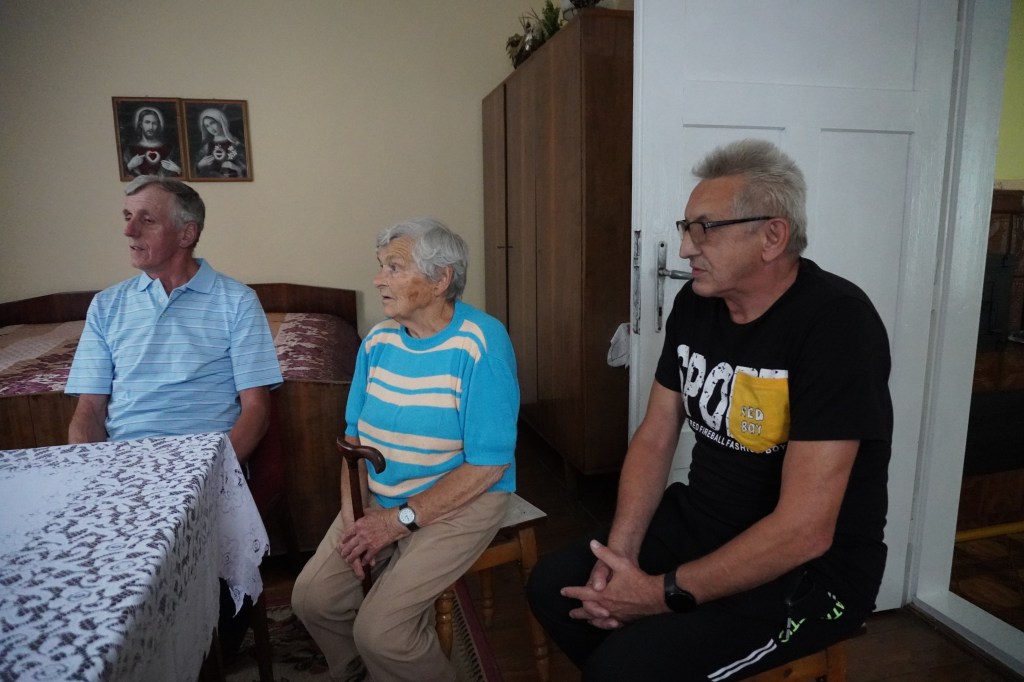
You could see both a physical and personal connection between the sisters. While Krystyna is younger they both have a warm beauty and personality. Bogumila and her husband, Zdzislaw, invited us into her home in the dining room and immediately talked about the family with Lucjan acting as our translator.

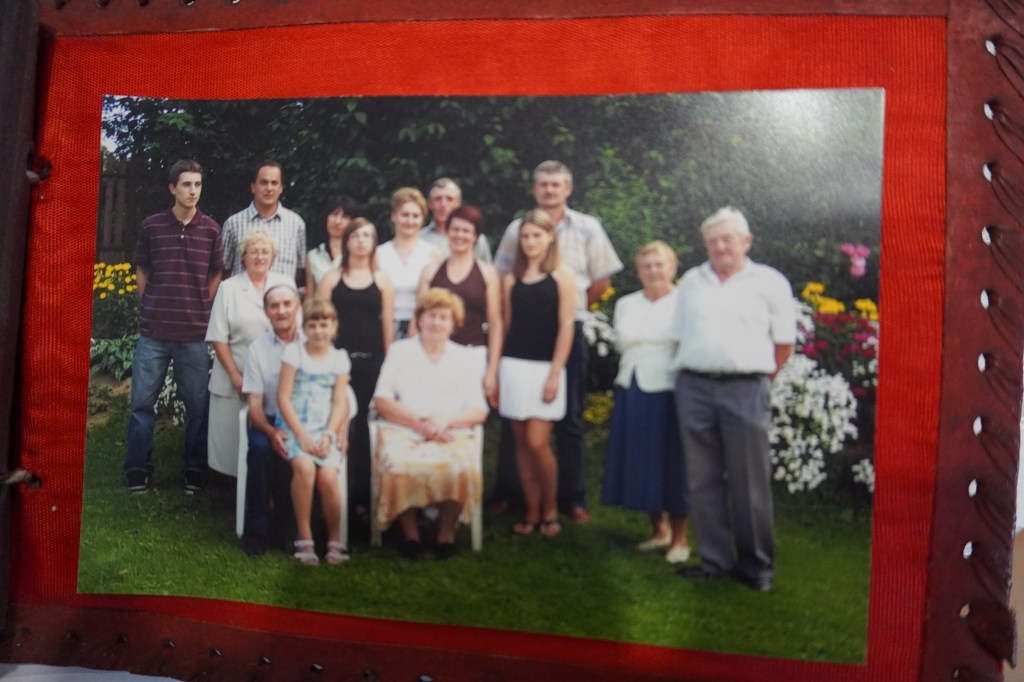
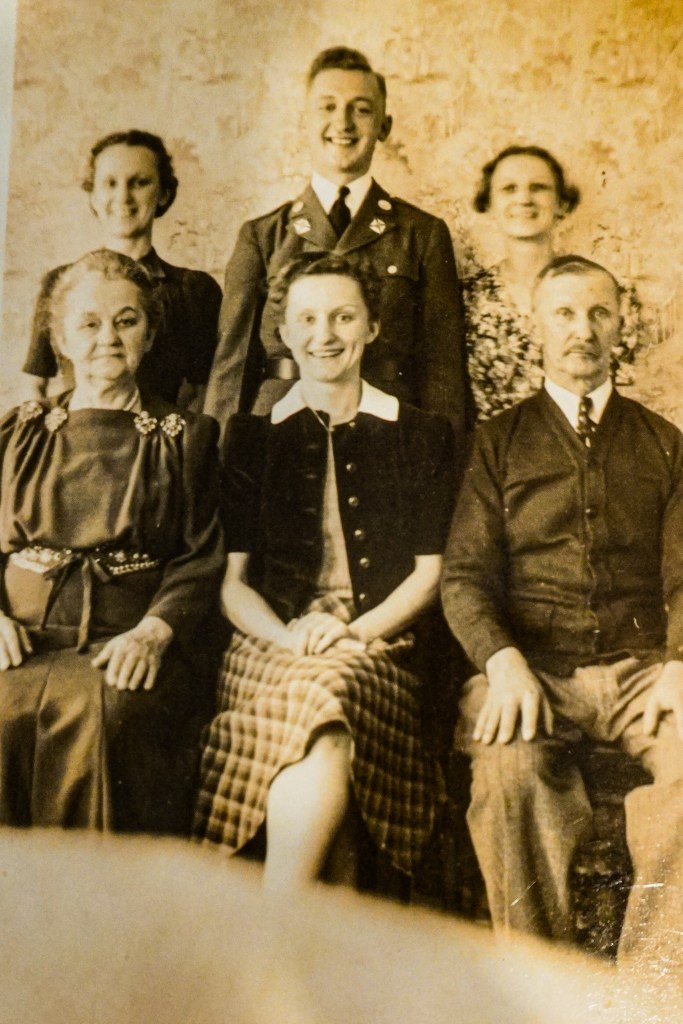
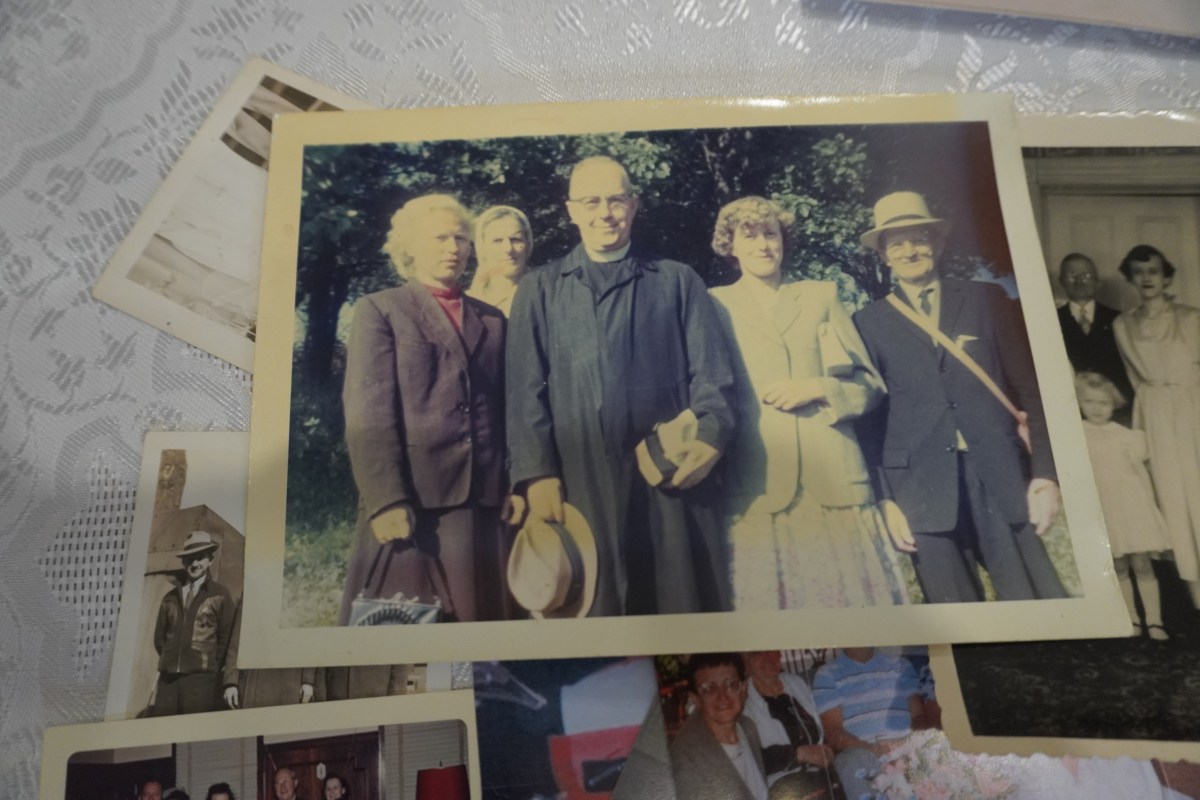
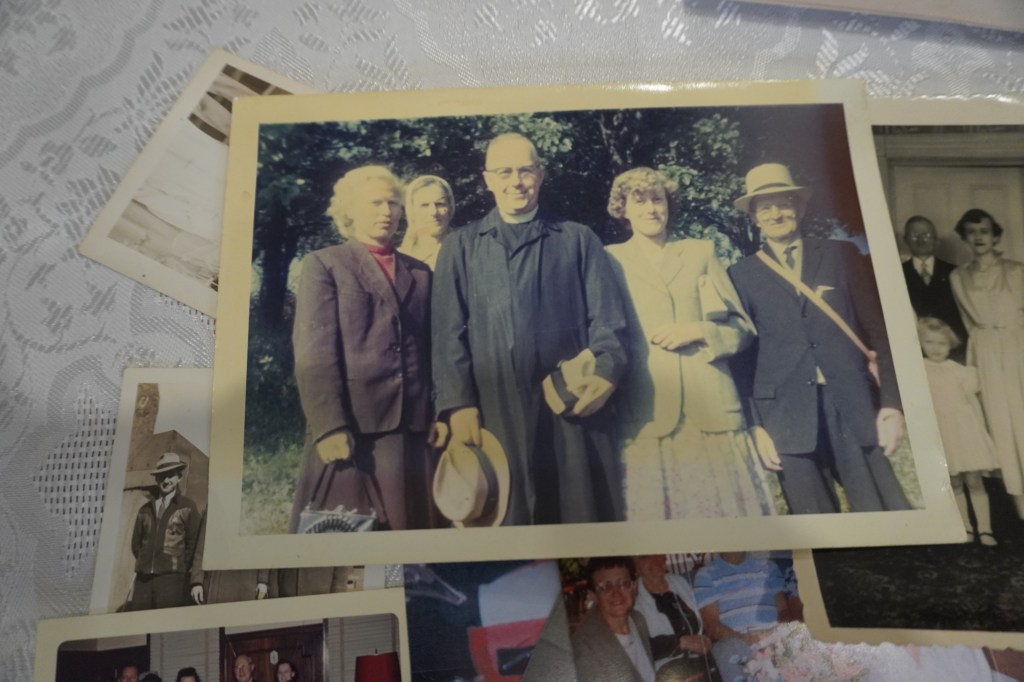
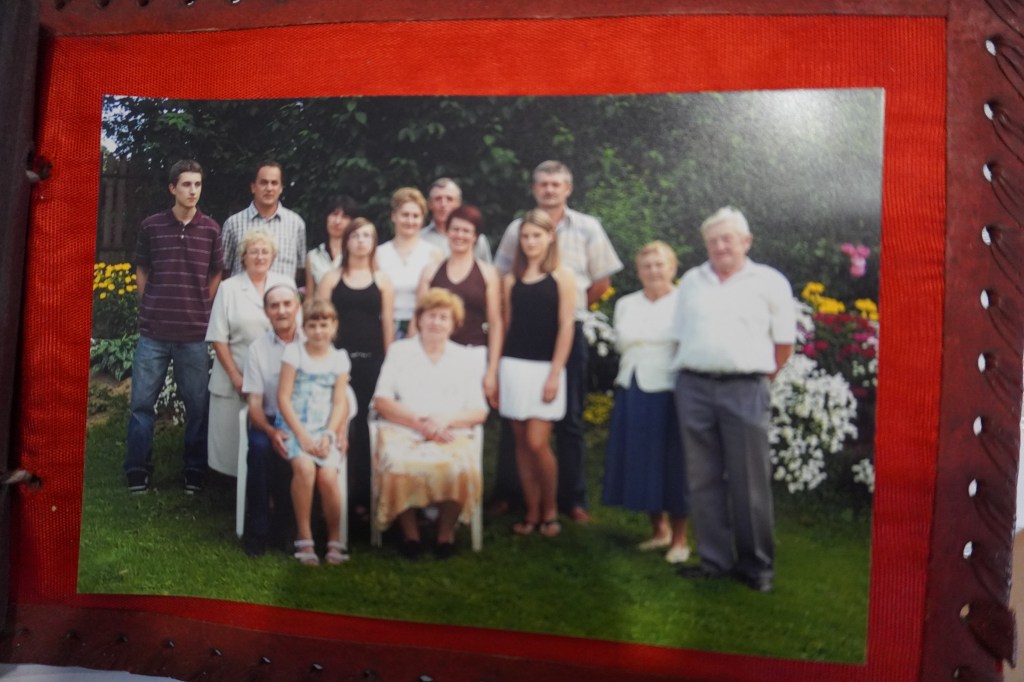
It seemed awkward at first but we quickly grew accustomed to the dialog. Next, she brought out several photo albums with old and new family pictures. I, in turn, had brought some of our old and new family pictures to share. We laughed when we realized that we both actually had a few of the same photos.

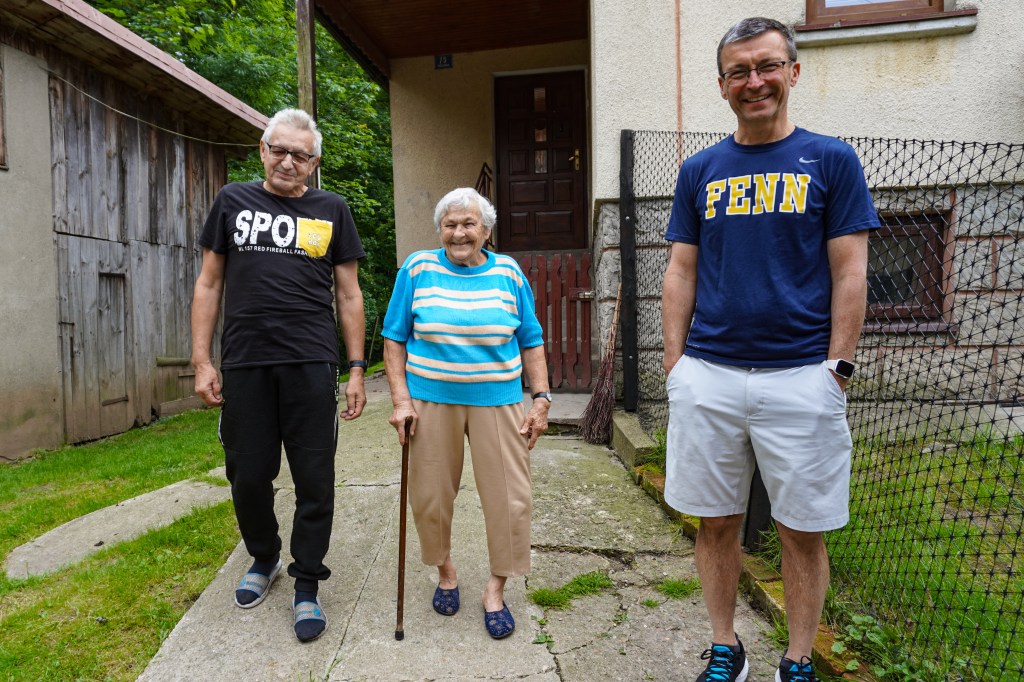
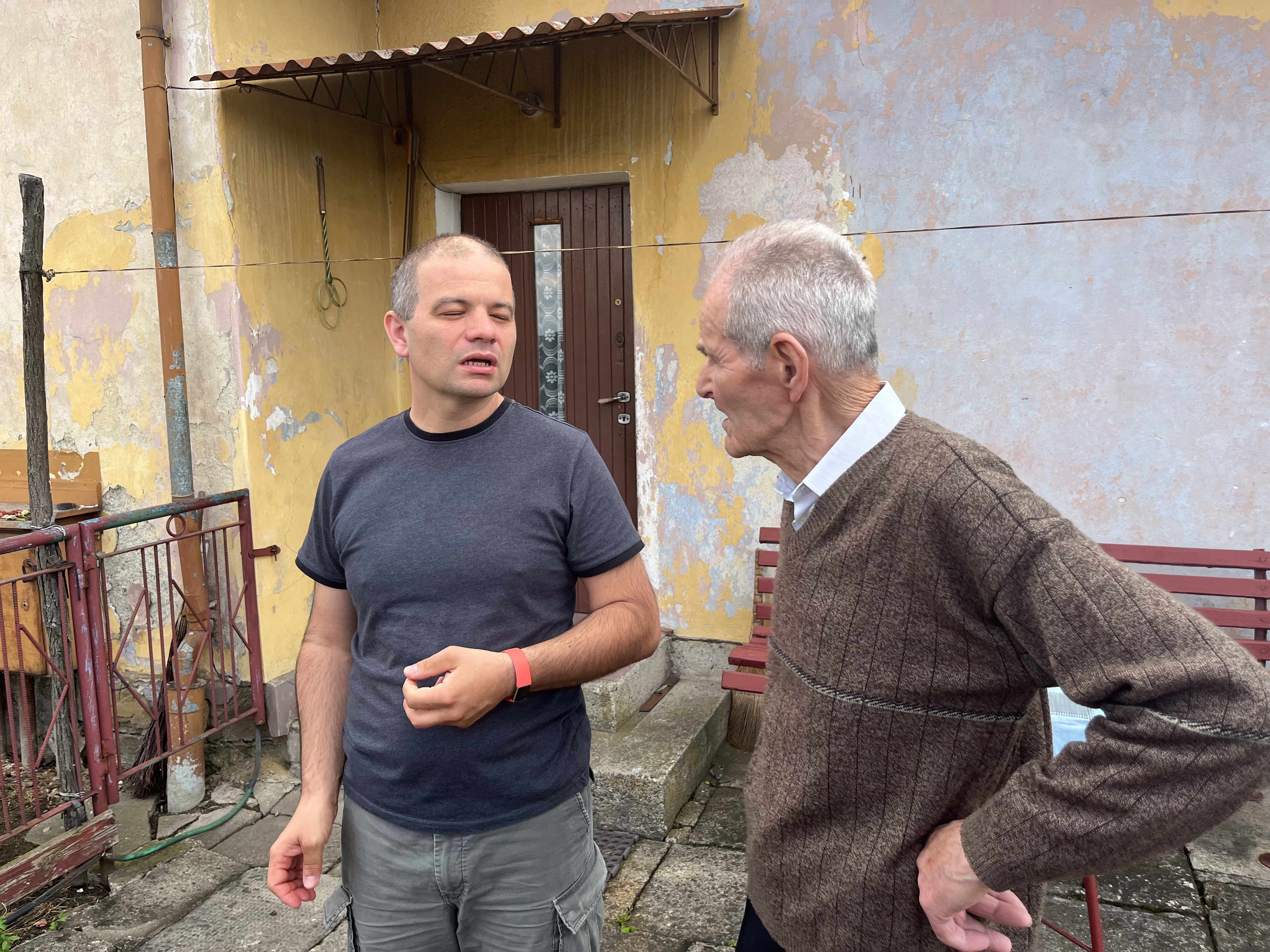
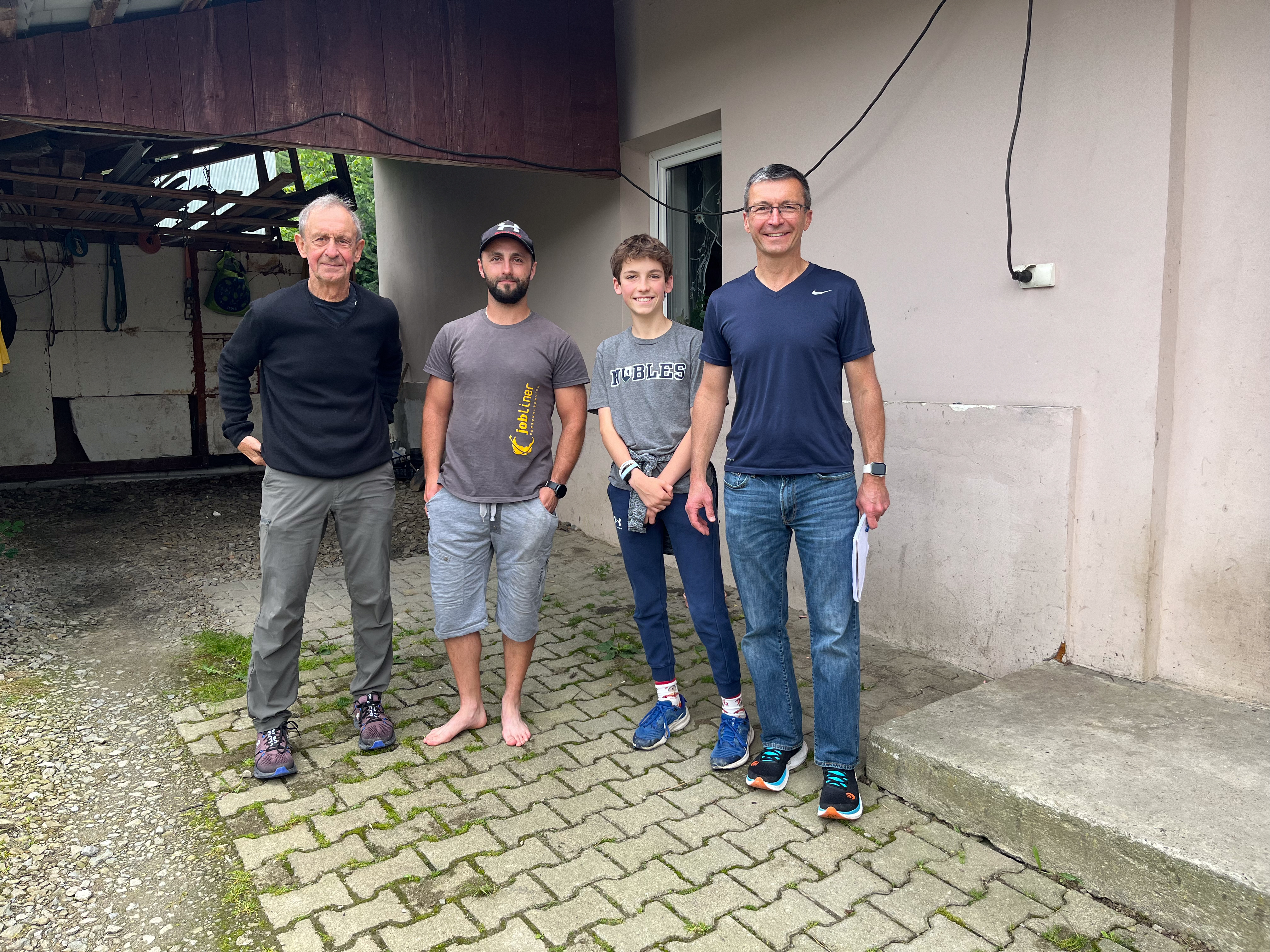
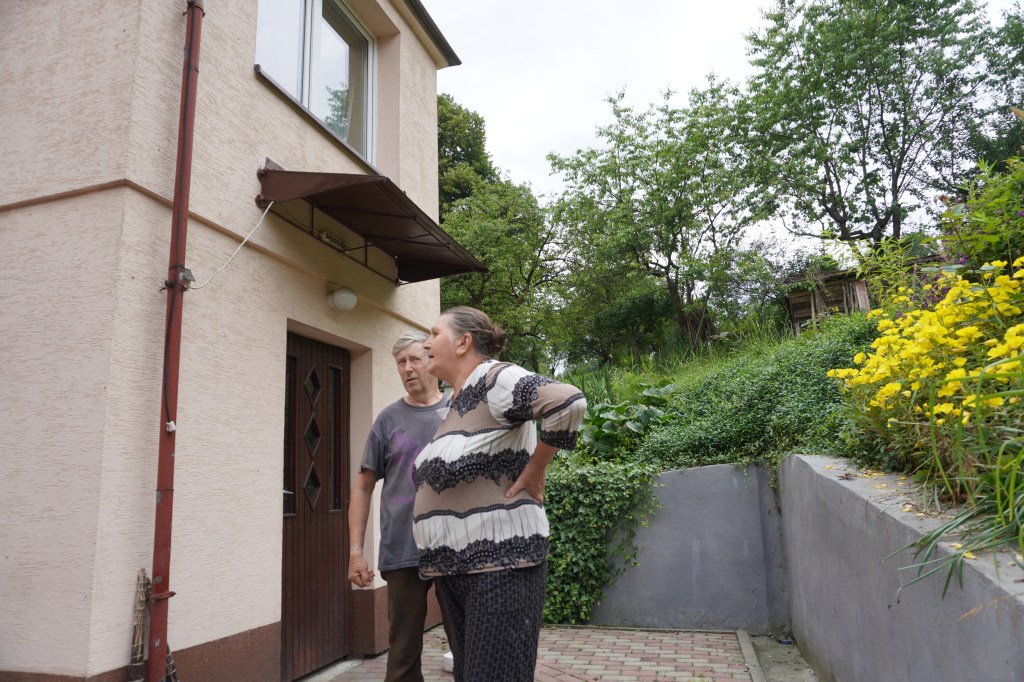
Bogumila planned lunch with us and a visit to the land and house where our common great grandfather Josef had lived. There was a new owner now and the place had been renovated many times over the years. An older woman and her nephew lived there now. Her husband had passed away and her nephew had come to take care of her. They graciously invited us in for coffee and cake as we spoke about old times there. You can’t seem to escape hospitality here!

We eventually returned to Bogumila’s home where a full lunch of Polish food including soup, salad, roast pork and dessert awaited us. After lunch we took a walk around her property, a large tract of land which they continue to farm part-time.The house and farm are situation on beautiful rolling countryside hills broken occasionally by patches of forest. It reminded me of those alive hills in the Sound of Music.

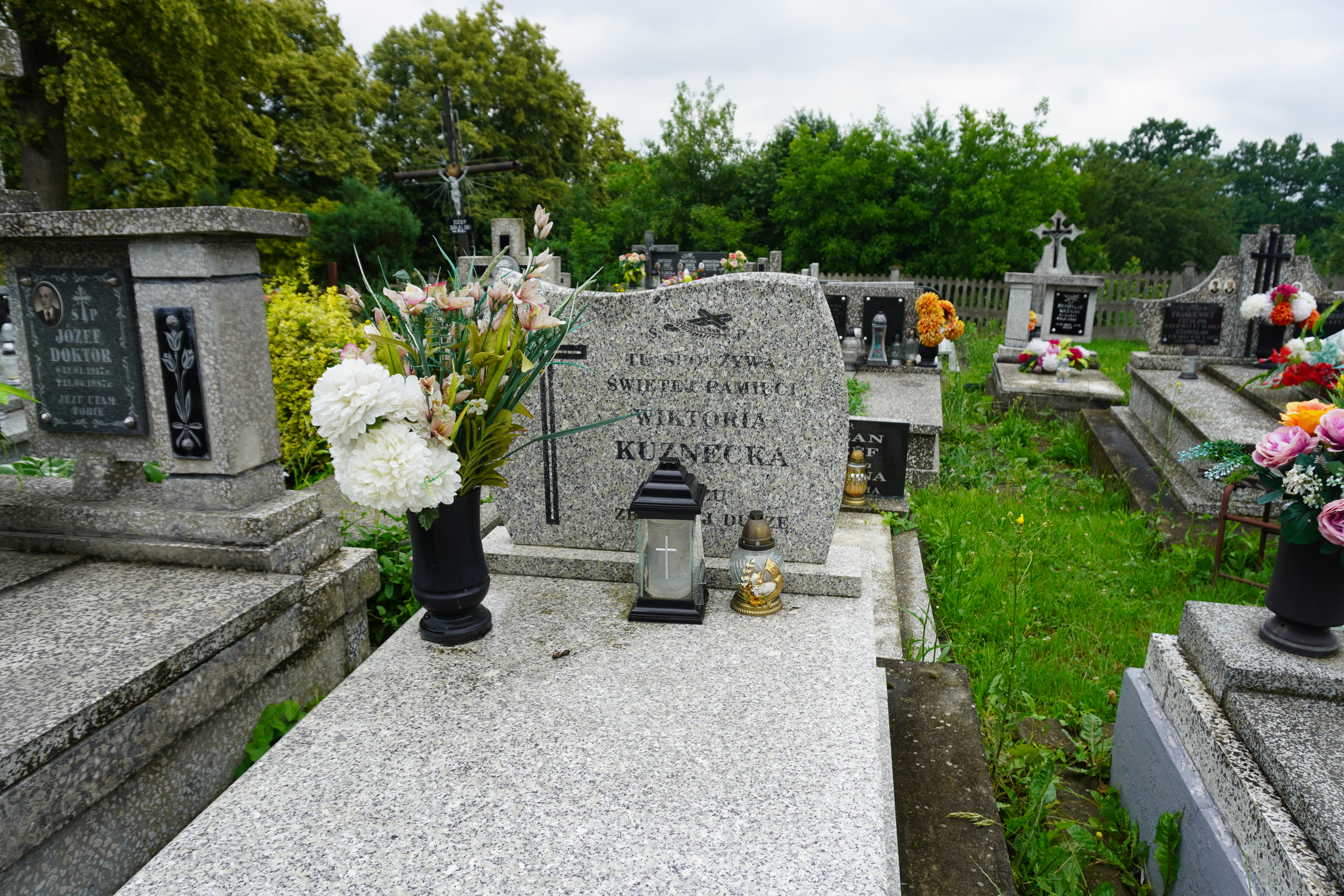
Late in the afternoon we exchanged gifts and goodbyes. But that was not before calling Krystyna in Roselle and telling her all about our adventure. Finally, we agreed to go with Bogumila and Zdzislaw to visit the local church and cemetery to see the graves of many in the family.

The Legend of Uncle Joe

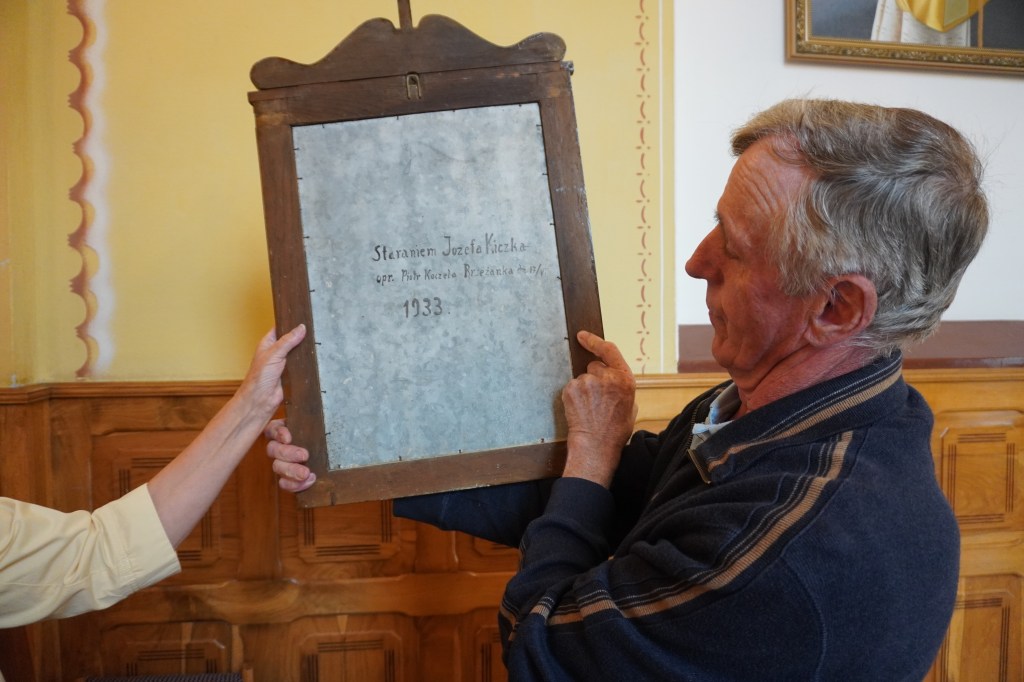
My father had a close cousin Joe who was always a mystery to me growing up. He was the physical connection to the old country, living in Bayonne and working for a school for the deaf in New York City. He was a sharp dresser and a very buttoned-up character who had a worldly view traveling frequently between the U.S. and Poland and having us help our distant family in Poland in many ways. Joe also was responsible for helping to build the neighborhood church, earning him such respect that he still seeems to have earned sainthood here in the town of Breźanka.

Cemetary Life

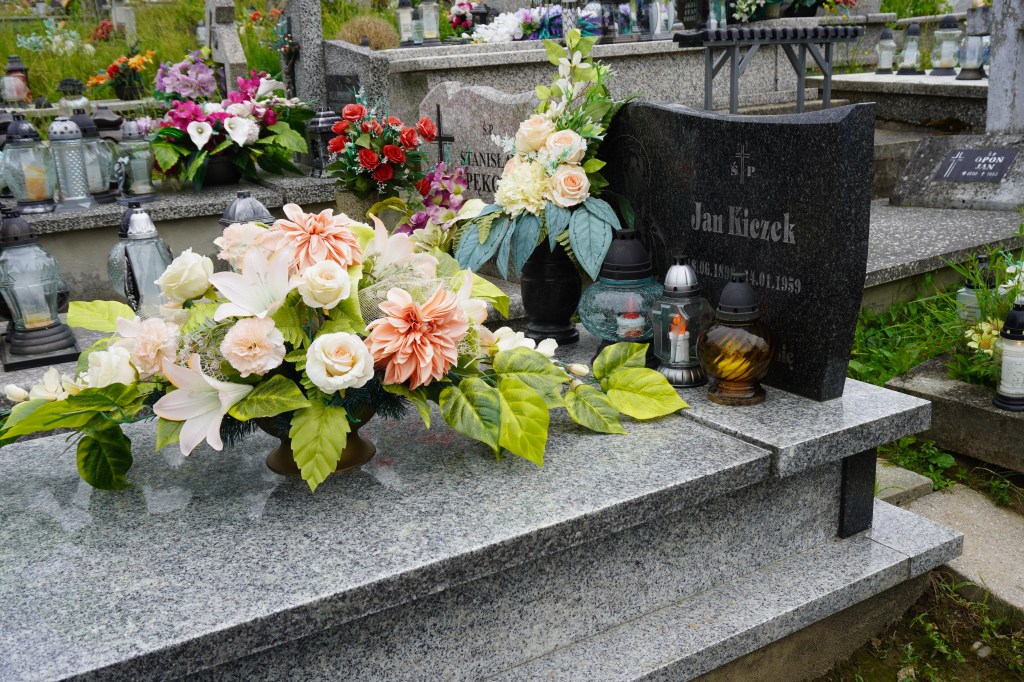
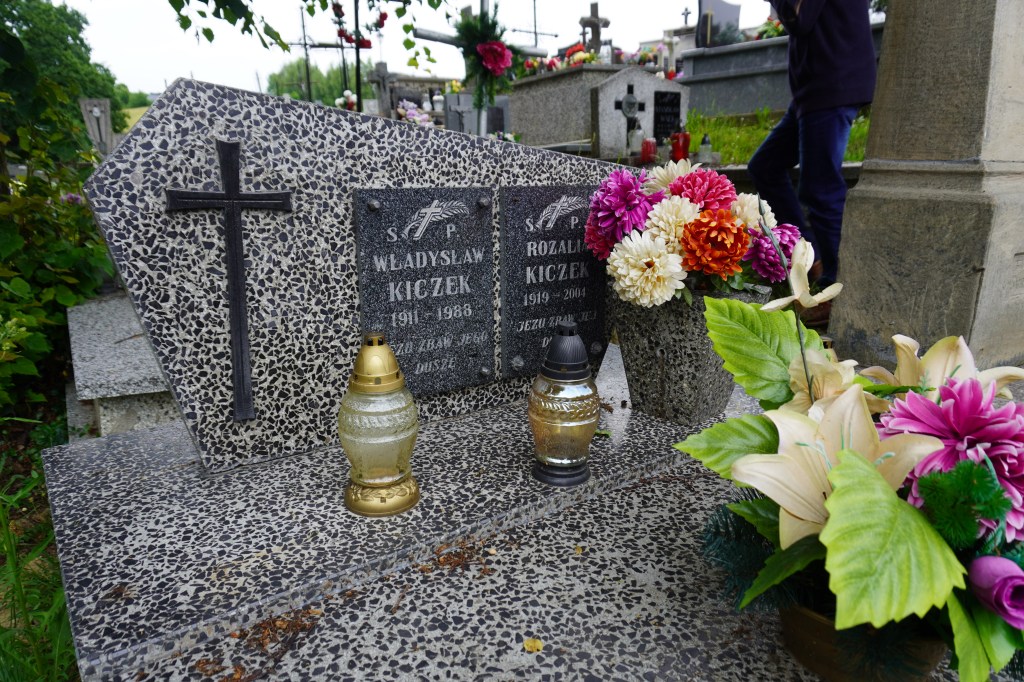
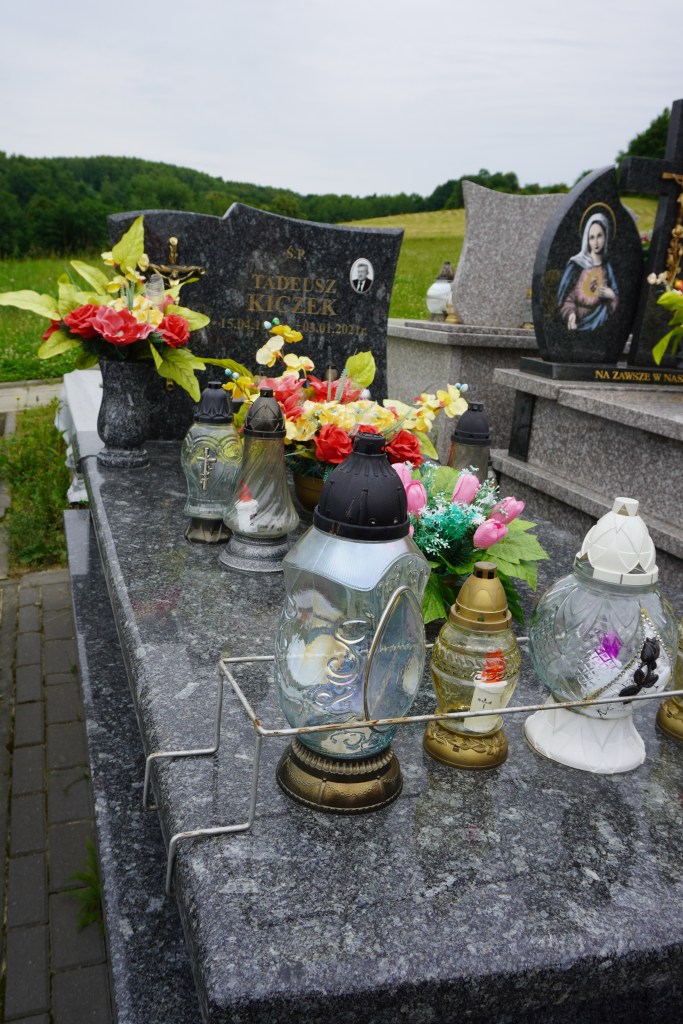
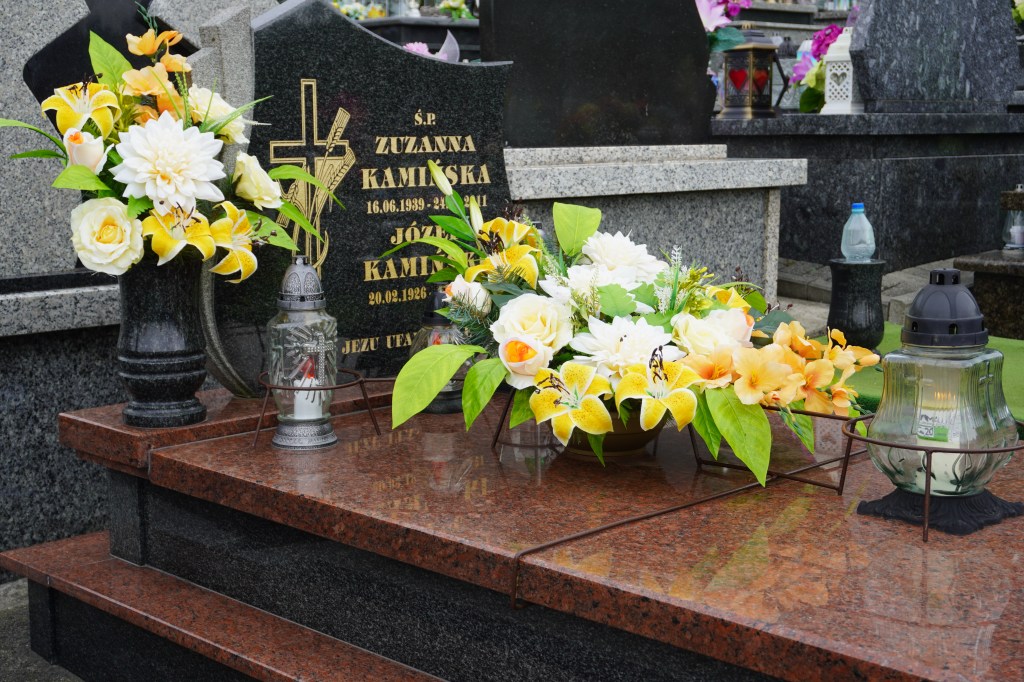
The Poles have a special reverence for the dead and for past generations which we seem to have lost here in the U.S. It’s the final evidence of lives lived and gone. And, maybe reminding us that we’ll all be gone too someday. Nothing lasts forever but memories can linger for generations.

A Review of The Road to San Donato

I recommend this book to my cycling friends and every father and son that I know. It’s a story of fathers and sons, a cycling adventure and the importance of family and community. Besides that, it’s a fun and fast read!


The Road to San Donato: Fathers, Sons, and Cycling Across ItalyThe Road to San Donato: Fathers, Sons, and Cycling Across Italy by Robert Cocuzzo
My rating: 5 of 5 stars

If life is a journey, then the best moments happen when we have the courage to take a different route. This is a story of a coming of age for three men. The author, Rob, convinces his dad, Stephen, to join him on a discovery bike trip through Italy with the goal of visiting their ancestral village, San Donato. Rob’s grandfather (“Papa”) is seriously ill and is near the end of his life. While Papa was part of a first born generation in the U.S., many of the people that settled in their Brighton neighborhood had come from the same village. Rob concocts the idea of a bike trip to understand Papa’s family background and vicariously provide a trip for Papa before it is too late.

While Rob seems to have a good relationship with dad, it’s obvious that Stephen is not your average father. He’s extremely independent, has obsessive habits and tends to love wild challenges, even at the age of 64. He also manages to commute to work on a “fixie”, which is a sure mark that he is already a badass cyclist. The image we get is of an aged-out hippie that is true to his core of beliefs who is a great father, but is not fully understood by Rob. With Papa slipping away and dad becoming a senior citizen, Rob sees the serendipity of the moment to enlist his father as his companion on a 500 mile trip from Florence to San Donato. As Rob says to Stephen, “We’ll go for Papa.”

While the experiences in the towns along the way are brief and somewhat interesting the real benefit is in overcoming the physical and mental challenges along the way. Once at San Donato, the revealing of the family history and the gracious hospitality there is an unexpected reward. Within a few days in the village, they have a change of perspective and a different appreciation for the importance of history and our ancestry. The village has a surprise story of courage and community during the days of Fascism that brings wonder and pride to both father and son.

I’ve taken a couple long distance bike rides over the past few years. Riding with others can be difficult because of the push and pull of each rider’s skills and conditioning. But, the reward is to discover more about that person, share your own personal story and to motivate each other. There can be no better pairing than father and son to benefit from this opportunity. Any son or father naturally looks back at the mystery of each other and desires at some point to know and understand more – even though that always has its limits. Each fact we discover inevitably reveals something about ourselves too.

The author has a casual style of writing which exposes a mixture of personal feelings and humor which makes for an easy and enjoyable read. The pace of the book and its subject matter is fast and complete as it goes from the start of the idea of the trip to its final conclusion and slightly beyond leaving a very satisfying ending.

View all my reviews

Walking with Walt

Learning life lessons from the Ambassador of Forbidden Drive.

It’s not uncommon to meet people along a trail when you are on a walk.  My theory is that there are almost always interesting people there to meet, if you care to engage. Walkers are not alike but we all understand the benefit of a good long walk.

Colleen and Me
Colleen and Me

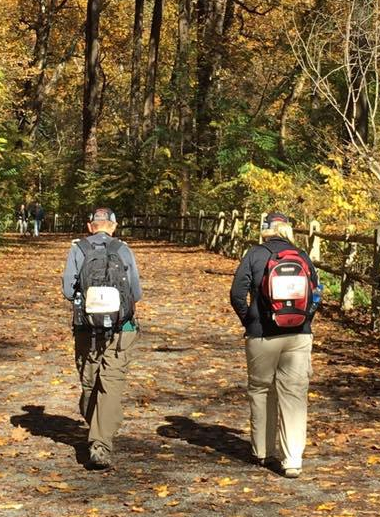
Fellow FreeWalker, Colleen Griglock, and I, along with a couple dozen other FreeWalkers and EverWalk members were strolling a drop-dead gorgeous trail on a beautiful Fall day this past Saturday. It was  the last few miles of the FreeWalkers (13.1 half) Marathon Walk on the outskirts of Philadelphia.

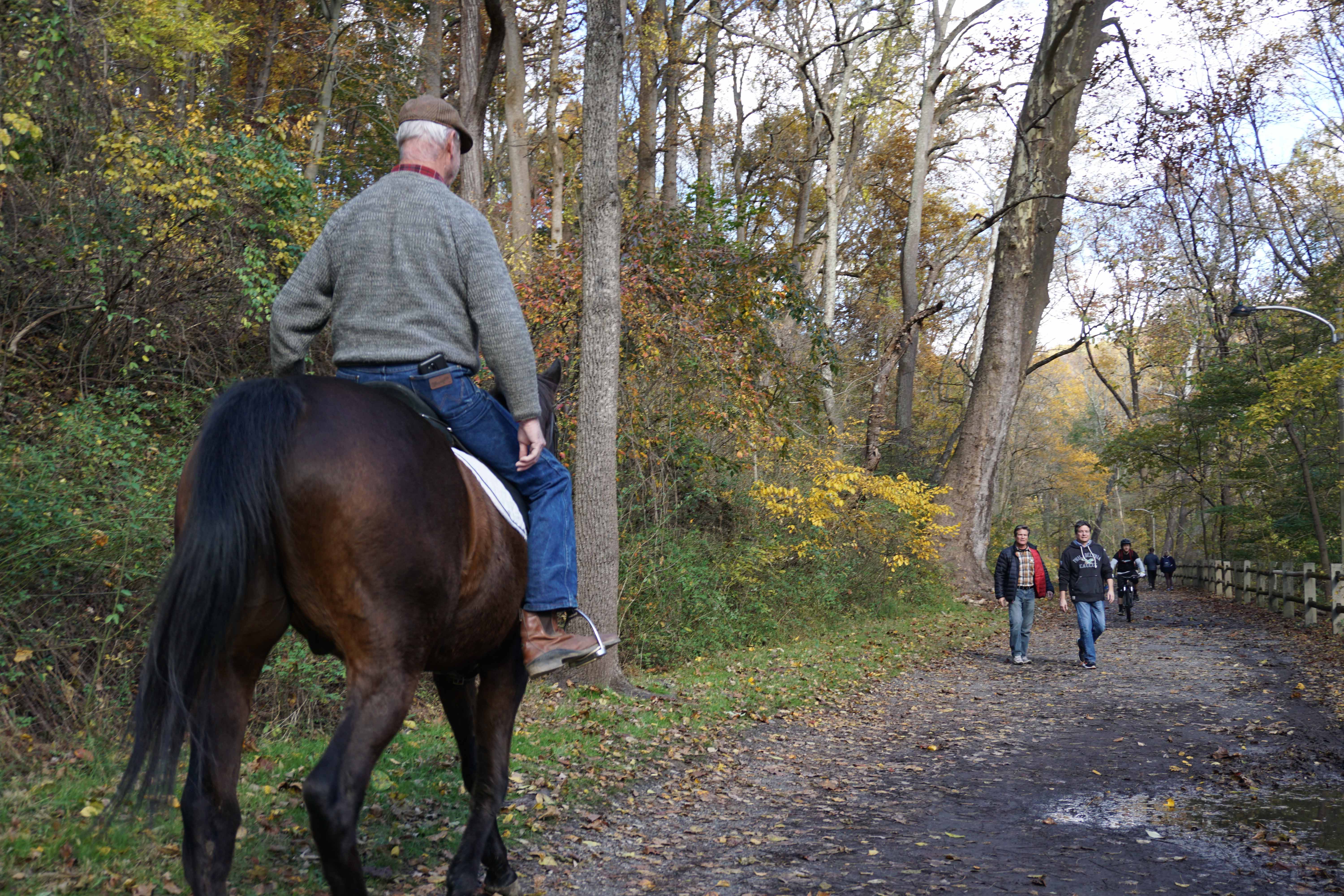
The trail we were on has ironically been known as “Forbidden Drive” since the 1920s when automobiles were first banned from this gravel road. Now, it’s a popular wide trail that follows Wissahickon Creek Northwest of the city. It was recently named “Trail of Year 2018” by Pennsylvania Department of Natural Resources. And, it’s a most inviting trail to pedestrians, cyclists and equestrians with plenty of room for everyone.

Used to be a busy bridle path
Forbidden Drive

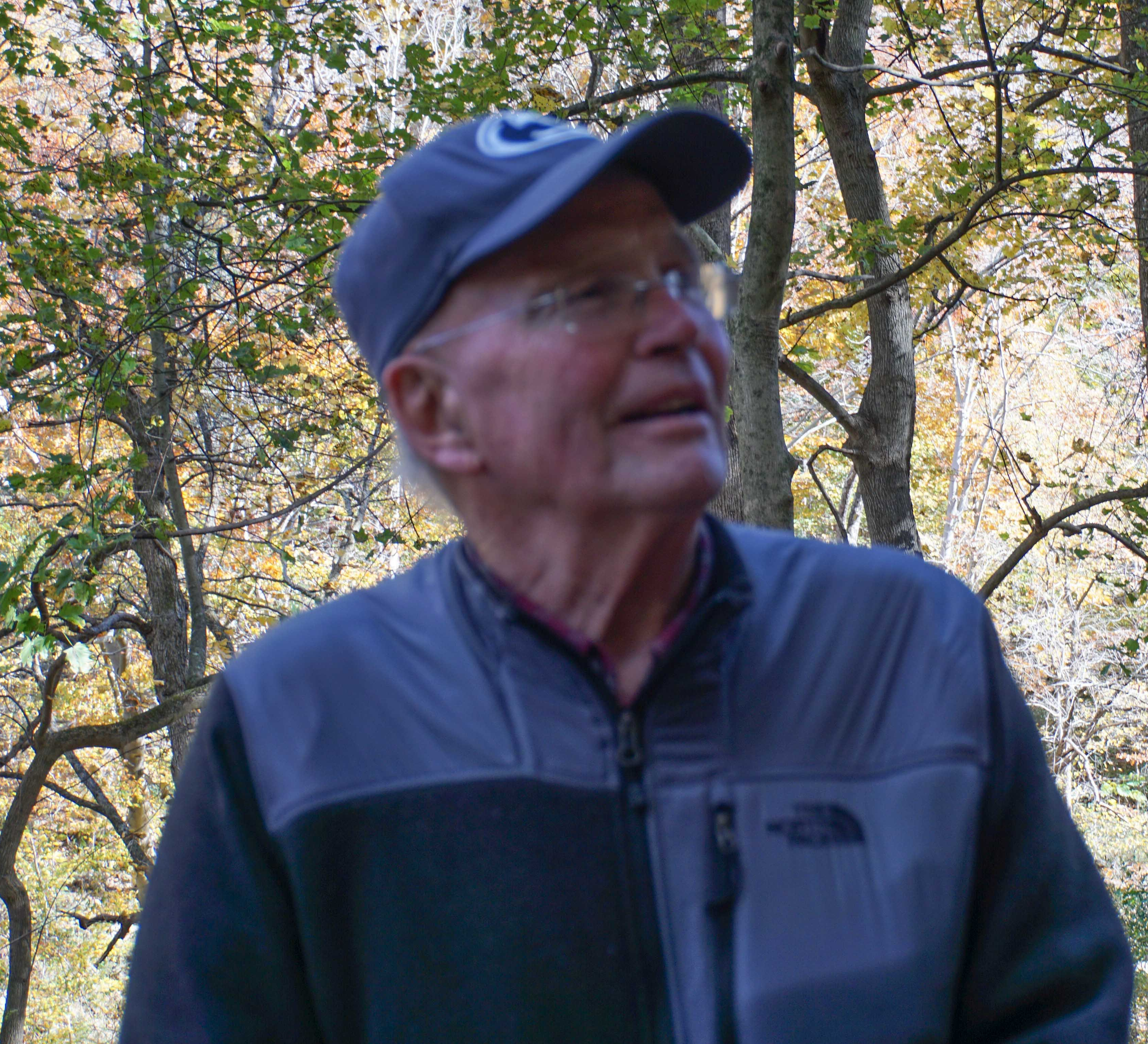
We approached a gentleman walking briskly and confidently with a cane and struck up a conversation. There was something about his smile and energy that belied his years. (Hey, I just joined the Septuagenarian club and and am curious when I sense someone has a secret aging process going.) Walt Dinda is an 83 year-young, long time resident of the area and a regular walker on these trails. I would call him the Ambassador of Forbidden Drive.

Walt Dinda
Walt Dinda, the Ambassador of Forbidden Drive

As an attorney, he and his wife raised a family of 6 children which has now grown to 19 grandkids, with the hope of great-grandkids in the near future. I can relate to all this having 6 grandkids myself and looking forward to the possibilities.

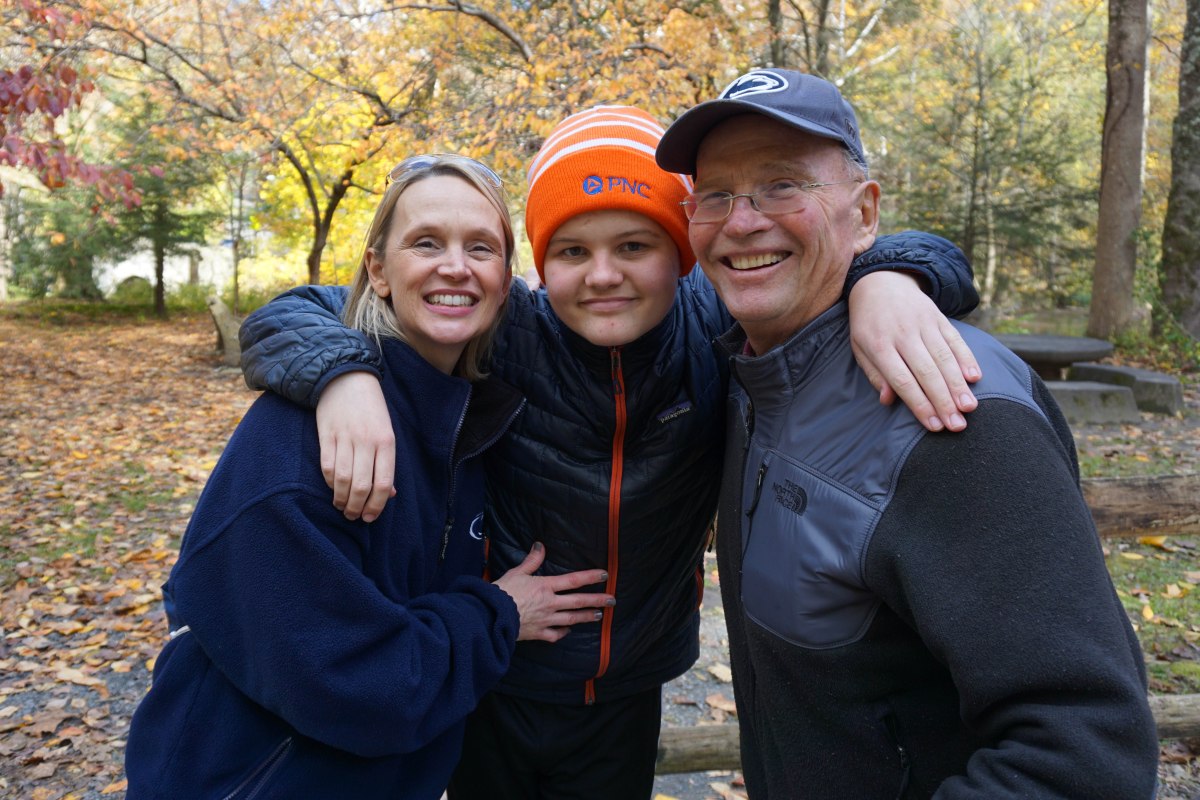
Walt is wearing his Penn State hat he says he “borrowed” from his son. Everyone seems to be connected to Penn State here, including most of his family. As Colleen suggests, most fans make the pilgrimage to Happy Valley (Penn State) this time of year. Maybe, one not so big secret here is Pennsylvanians love their communities.

Walt began telling us about the trail and the area before greetings came from others along the way. It seems Walt has been walking Forbidden Drive for years. He even credits this particular walk for much of the good things in his life.

“Walking this trail has taught me more about life than any classroom or degree I ever got. And I continue to learn from it.”

Walt has met hundreds of people of all types on the trail over the years and he has gotten to know and care about them. Walt’s parents were Eastern European immigrants that came to this country and settled in the area. His father initially had a hard time finding work and his mother worked as a domestic for a wealthy family in Philadelphia. Walt goes on,

“I’m basically a conservative guy, but I have learned to accept and embrace others.”

It appears there are many regulars on the trail that he checks in on, or asks about. They are true trail buddies whose lives revolve around the trail.

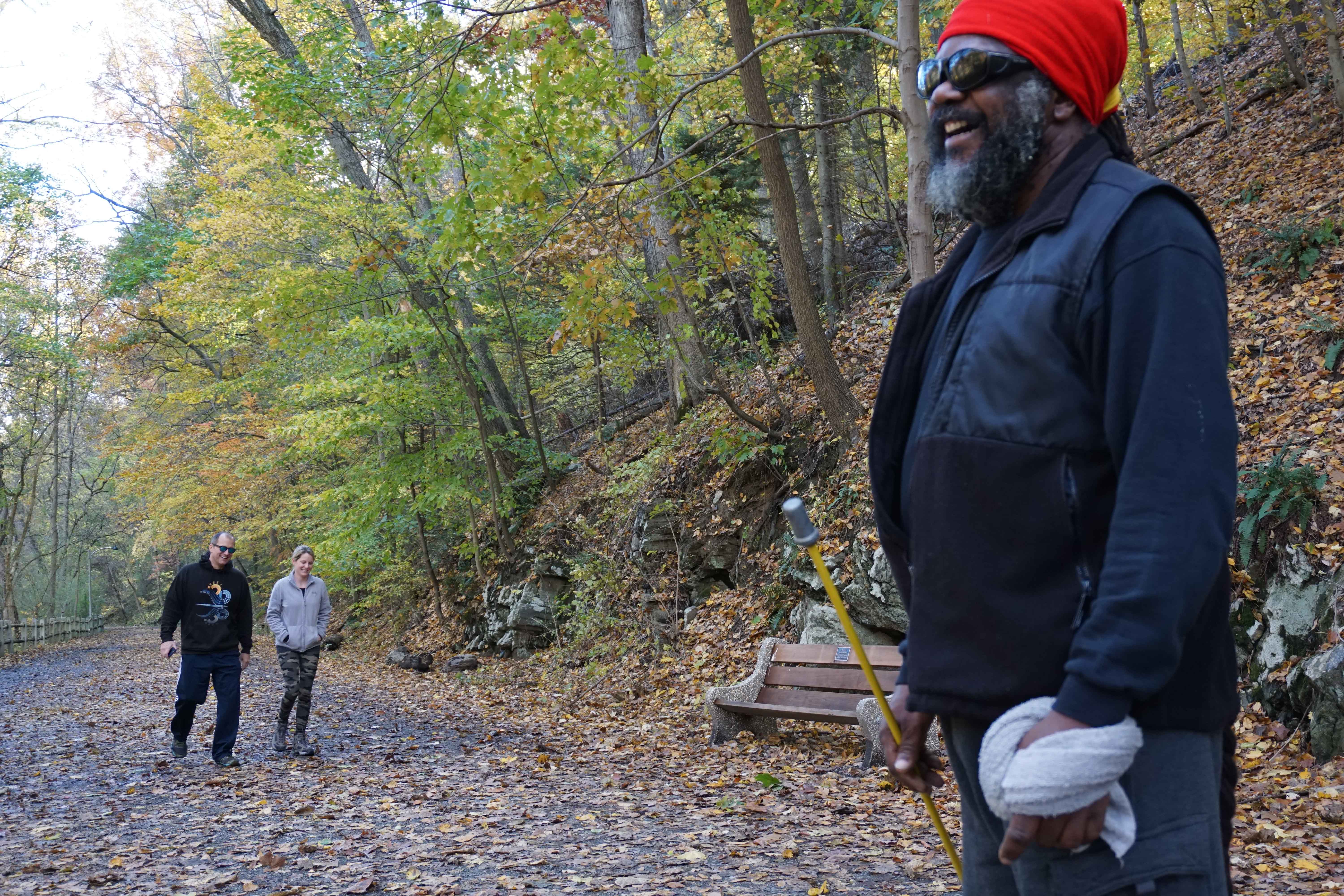
Making friends along the way.
One of Walt’s buddies asks about the health of an 87 year old mutual friend.

So, the trail is Walt’s extended family. Add a couple dozen of these trail friends to his already large family and the complexity of relationships in his life is astounding. But, I believe it might be the secret to his longevity, or at least his happiness. Walt goes on to say,

“If only the rest of the world had more caring. Caring like we have with friends and family. Most of the problems of the world could be solved or would not exist if we saw each other as part of a family.”

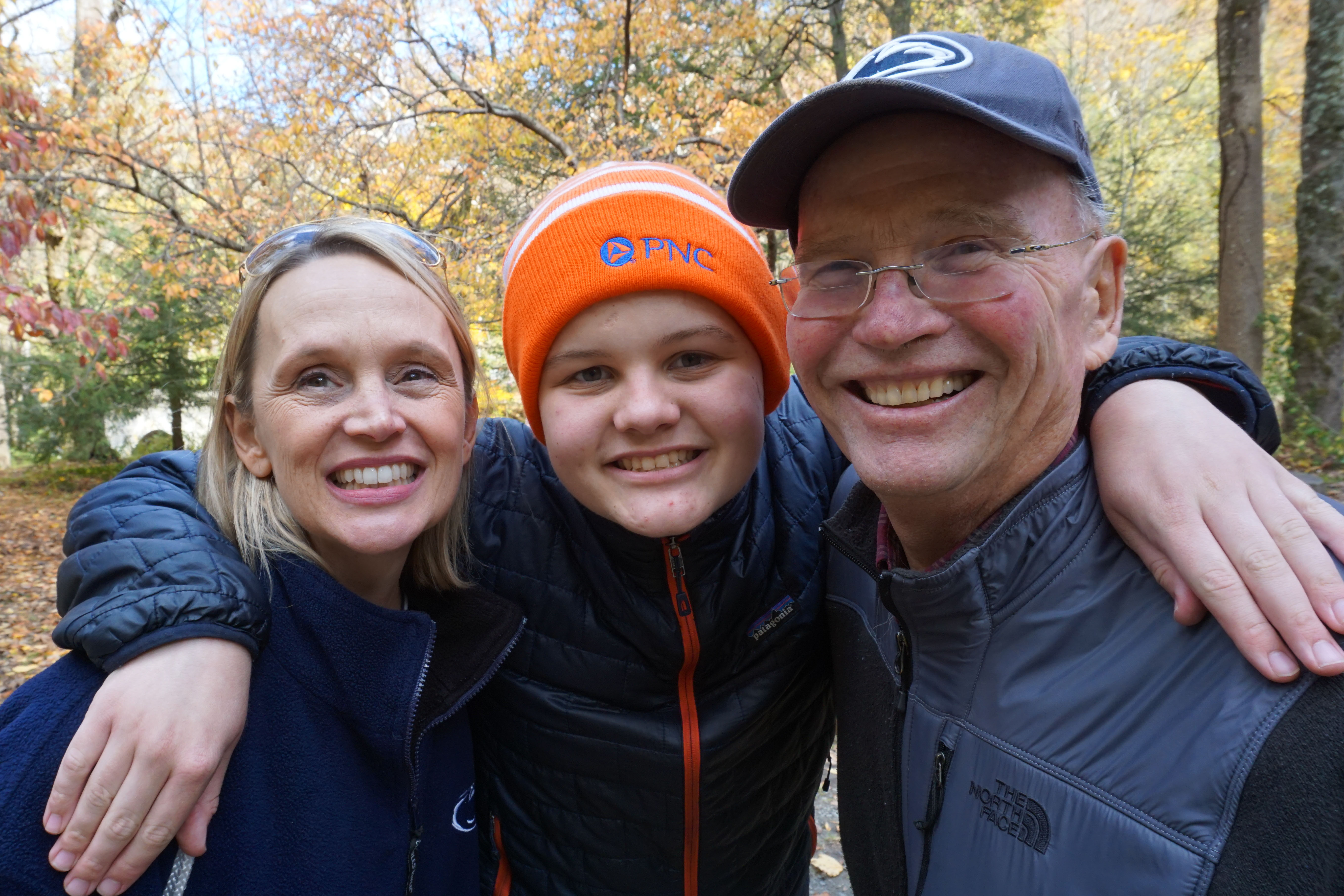
I think it’s fair to say that Walt had a certain personal chemistry that attracted people to him. Or, maybe there was something about walking this particular trail. But, I was fascinated by his story. After talking to him about careers and kids for 15 minutes or so, his daughter in law and grandson showed up giving each other a great big hug. This is what we all want – love and understanding. Walt has earned it in spades and has reminded me how best to grow old.

Tammy, Connor and Walt
Tammy, Connor and Walt on Forbidden Drive