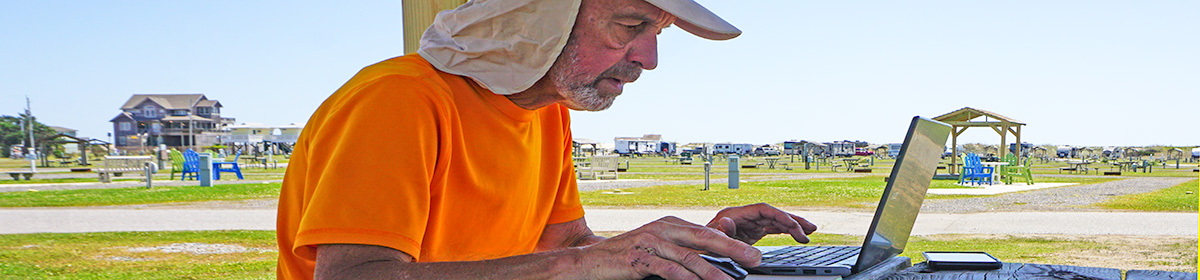
My Revolutionary March to Princeton

Watching Ken Burns’ ‘The American Revolution’ brought back memories of my 15-mile historical reenactment walk eight years ago. There’s nothing like being there to appreciate the sacrifices our forefathers made for our country.

The plan was to walk with a Revolutionary War re-enactment group from Trenton to Princeton to reenact the famous Battle of Princeton. What that actually meant to a crazy group of long distance walkers remained to be seen.

Battle Briefing
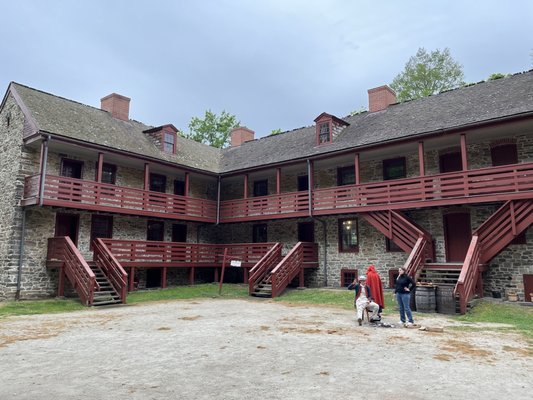
As we approached the Old Barracks of Trenton there was an eerie silence. The old wooden two story building was wrapped in a fort-like fence barely lit by faint street lights in the middle of a post-industrial city. There was no trace of life, let alone preparations for a battle.

Our rag-tag group of six FreeWalkers were here as volunteers to experience what it might have been like to be part of a crucial Revolutionary War battle by following reenactors in an event labeled “To Princeton with Peale!.” To be accurate these were Charles Wilson Peale’s Company of Philadelphia Associators who would march through the night to surprise the British at the Battle of Princeton.

We were experienced long distance walkers but not battle tested, as they were. We were used to marching long distances and even cold temperatures. Our march on Princeton event provided new challenges for both pedestrian civilians and enacting soldiers.

The Battle of Princeton was a crucial event in turning the tide against the British and surprising Cornwallis’s troops. Only days before, Washington had held off the British at Trenton and captured a Hessian garrison after crossing the Delaware.

Now, bolstered by their current successes and desperate for victory, Washington planned a surprise, nightime offensive attack on the British. They needed to somehow quietly march the troops 15 miles around the British flank with a surprise attack on Princeton. Reenactors and observers like us would re-create what it was like to be there and be part of it.

Getting Ready for Battle

loredana-march-princeton-8
The general informs us the troops are still sleeping

Our first problem appeared at the stroke of midnight when we were set to start. We learned the troops were actually still sleeping in the barracks and would start this year at 1:00 a.m.! Where would the Continentals go if they had to wait an hour? “To a pub!” someone replied. As we started walking away, a faint bar light of the Smoke House (aka 1911BBQ) on Front Street appeared. Naturally, we took shelter in preparation of the upcoming battle walk.

Developing a Battle Plan at the Smoke House Bar.
At the Smoke House … waiting.

After about an hour at the Smoke House, we were primed for some kind of battle as we spilled out of toward our Continental troops mustering outside the barracks. Orders were given. We were headed to Princeton. Soon we headed down the old streets of Trenton following the troops. There was a positive energy in the air, in spite of the hour, five inches of snow and bitterly cold temperatures.

It’s Time to March

Getting Serious
Peale’s Philadelphia Associators at attention and ready to move out

This was our first experience interacting with reenactors. Reenactors take their roles seriously. We managed to chat briefly with couple soldiers but most kept quiet on the march or talked quietly – just as it was ordered by Washington. We learned that historical reenactments are more than just dressing up and marching to this event. There is a sincere attempt to mirror history as best they can.

Beautiful Trenton Street
Quietly marching through the streets of Trenton at 1:30 a.m.

In 1777, history recorded that the temperatures were probably in the 20s and snow had fallen a week before. It had thawed and refroze leaving a crusty snow to walk on. That was an important fact in deciding to attack, as too much mud or deep snow would have made a successful attack impossible. This day we had to face the cold temperature and five fresh inches, enhancing the experience. Our conditions, at least for weather, were worse this year of 2017 than 1777.

We continued past the old colonial homes and townhouses of Trenton into the Chambersburg section. Then continued on a broad Hamilton Avenue into Mercerville, Hamilton and eventually turned on Quaker Bridge Road toward Princeton. This was a roundabout route around Cornwallis’s troops. Now, these are well-travelled commercial roads.

As we walked in the middle of the quiet night in these suburbs the only sign of life was a single Wawa convenience store where we could take shelter for a 15-minute break. The troops were not so lucky. They kept going, presumably because convenience stores are a post-revolution concept.

Our objective was finally reached about 6 a.m. when we approached the Thomas Clarke House on the Princeton Battlefield. This was where the soldiers would come together for the battle reenactment. The only problem with this was that we still had a couple hours before the reenactment began. There was one campfire and one house for all to share and the temperature was said to be in the single digits.

midnightmarchprinceton-46

Our history lesson organized by the Princeton Battlefield Society started at 6:45 a.m. It was fascinating and helped put the actual event in perspective. The British Army historian William P. Tatum III, Ph.D. told the story of the battle.

Our History Lesson

We all recognize Washington’s crossing of the Delaware which occurred on December 26, 1776 where he attacked the Hessian troops in the Battle of Trenton. With that success he moved into Trenton and held back the British who attacked him at the Battle of Assunpink Creek on January 2, 1777. Then, in a surprise move, Washington’s troops led by General Mercer continued marching that night toward Princeton to capture the British garrison before heading to Morristown for winter quarters.

deathofmercer
Trumbull’s Death of General Mercer

Mercer was mortally wounded. Reinforcements under General Cadwalader turned back after seeing Mercer under fire (Peale’s unit was under Cadwalder). But, eventually Washington sent troops who overcame the British and took over Nassau Hall, a strategic British garrison. The victory helped drive the British out of New Jersey and helped turn the tide of the war. It gave new confidence to the Colonials and helped enlist more soldiers.

loredana-march-princeton-73


On the battlefield where we watched, soldiers fire cannon at costumed British troops on the snow covered fields, amazed at the difficulties of war. Moving heavy cannon in the snow, wadding bullets and gunpowder, meanwhile being shot at in the open. If nothing else this had to be a nerve-wracking experience for both sides. Then, if you consider that most of these men had just been through several major battles in recent days, were lacking sleep and were at the end of their supplies, the effort and outcome seems all the more amazing.

British Fire Back

Taking Solace in Victory

The combination of bitter cold, warmth of a fire, shelter in historical homes and the presence of colonial soldiers had created a new, yet old, reality show. After this long 10-hour bitter cold night, learning first-hand about war in the 18th century, and building close bonds with fellow troops – we had enough.

Just as Washington headed to his headquarters in Morristown after the battle, I too headed for my Morristown home.

War is hell, and a tough slog, especially in the winter.

For one sleepless night, we became immersed in history and energized by the spirit of 1776. Huzzah!

Reference Note:

Much of the above article was first published for FreeWalkers in 2017 under FreeWalkers March to Princeton under a separate blog Distant Thoughts,

A New Branch for STEM

My recent visit to Students 2 Science’s Apollo Technology Center offers hands-on STEM experiences, aiming to inspire underserved New Jersey students. By fostering curiosity and ambition, S2S cultivates future innovators, relying on corporate and individual support for its mission.

I recently had the opportunity to visit a new kind of technology center designed not just to educate, but to inspire students in STEM (Science, Technology, Engineering, and Math) through hands-on experiences. Students 2 Science’s Apollo Technology Center is an ambitious new facility devoted to giving every New Jersey student, especially those from underserved communities, access to real-world science.

Welcome to S2S Tech Center
Students 2 Science Welcome

As a self-identified techie (at least I used to be), I’ve always been drawn to science, even if math was never my strongest subject. What has always fascinated me is how science and technology can amaze us and improve our lives. That’s probably why my career centered on using technology to solve problems and make things work better.

Today, science faces growing skepticism and misinformation. Healthy questioning is one thing, but the outright rejection of evidence and expertise has become troubling and discouraging for young people who might otherwise pursue careers in the sciences.

My son-in-law, John Dempsey, a trustee of Students 2 Science (S2S), had long spoken highly of the organization and invited me to the opening of their brand-new Apollo Technology Center. I knew little about how science is taught today or what truly motivates students but I was eager to find out.

What I discovered was an impressive nonprofit that has spent years building a professional team of educators, corporate partners, and volunteers dedicated to one mission: making STEM education accessible to all. S2S has already reached nearly 250,000 students across Newark and 25 other New Jersey school districts. The Apollo Center in Whippany, a newly renovated, 20,000-square-foot facility in a once-vacant office building, represents the culmination of those efforts. I wanted to see firsthand how science itself could be re-imagined to inspire the next generation.

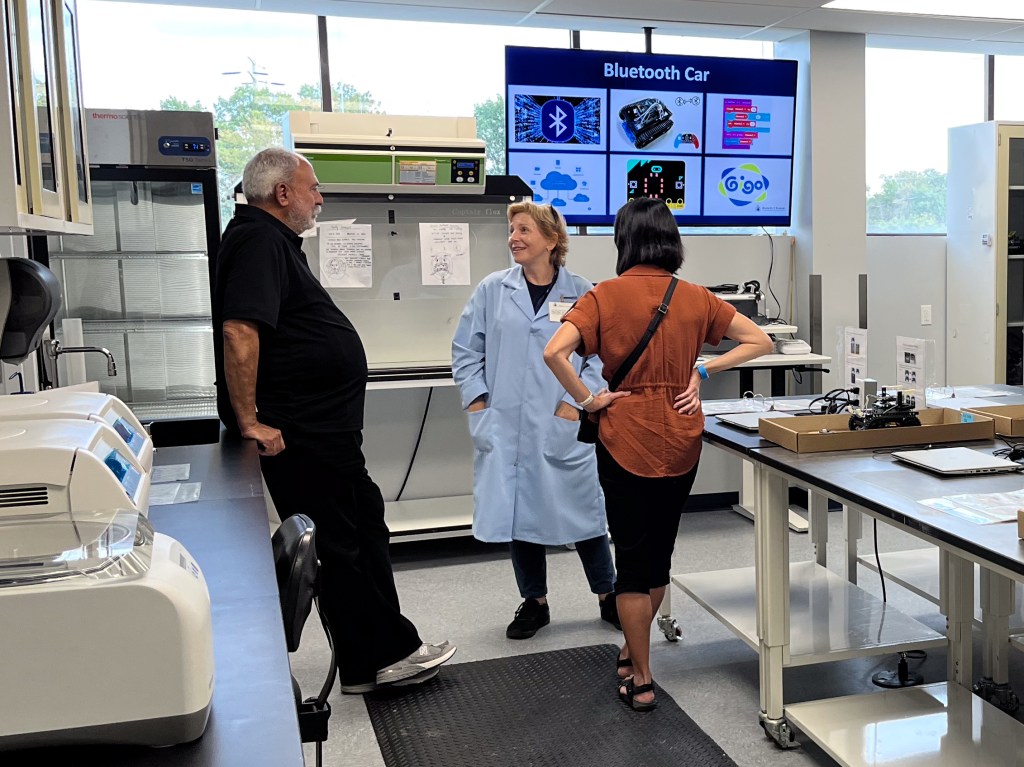
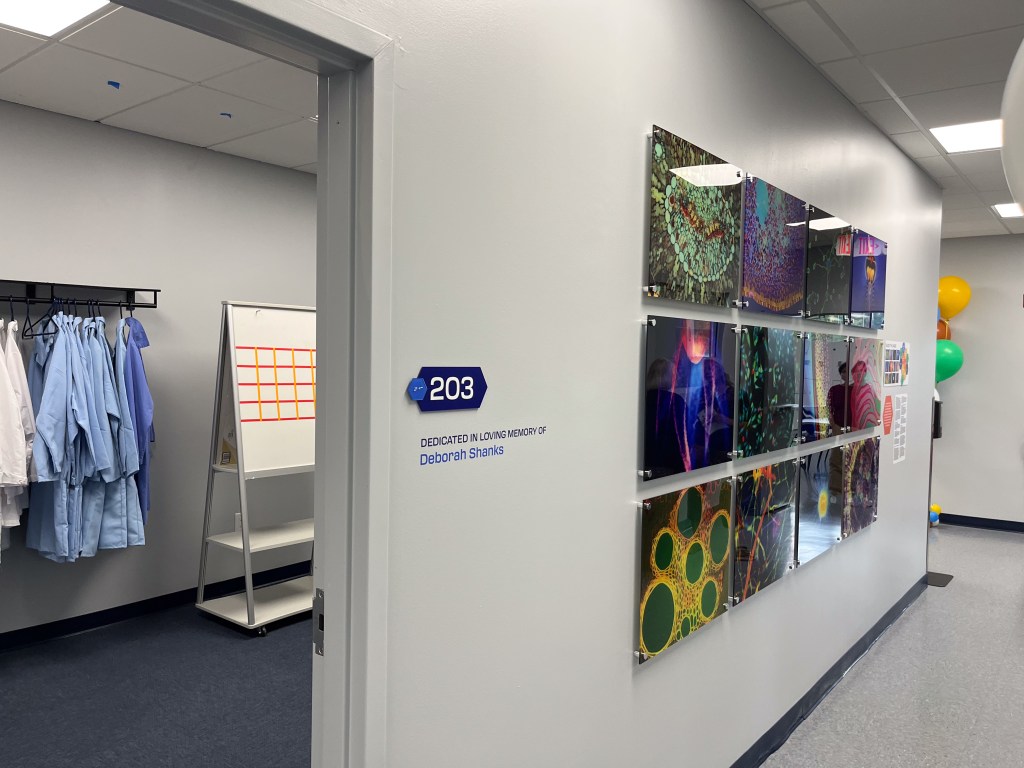
During the Open House, visitors could tour the labs and classrooms of this unique facility. I watched demonstrations in ecology, electronics, communications, biology, and medical science. The equipment was modern and professional-grade; the instructors and staff were enthusiastic and eager to share their work.

Two labs especially stood out. The Virtual Lab featured a microscope linked to a digital display, allowing instructors to project real-time images, like a magnified view of bees, to large monitors and even broadcast them live to classrooms across the state via Zoom. Few school districts could replicate this kind of technology and expertise on their own, but through S2S, they can all share in it.

Virtual Lab

The Medical Diagnostics Lab was equally impressive. Designed for high school students, it simulates real-world medical problem-solving. Teams of students are presented with a (hypothetical) patient in crisis and use vital signs and blood test results from actual diagnostic equipment to identify the condition and propose treatment. It’s the kind of immersive, problem-based learning that makes science come alive.
Medical Diagnostic Lab

Experiencing the energy of these labs and meeting the scientists, educators, and volunteers behind them convinced me that Students 2 Science offers something truly special. Programs like this not only teach skills, they spark curiosity, confidence, and ambition. With the growing demand for professionals in science and technology, we need more initiatives like this to cultivate future innovators.
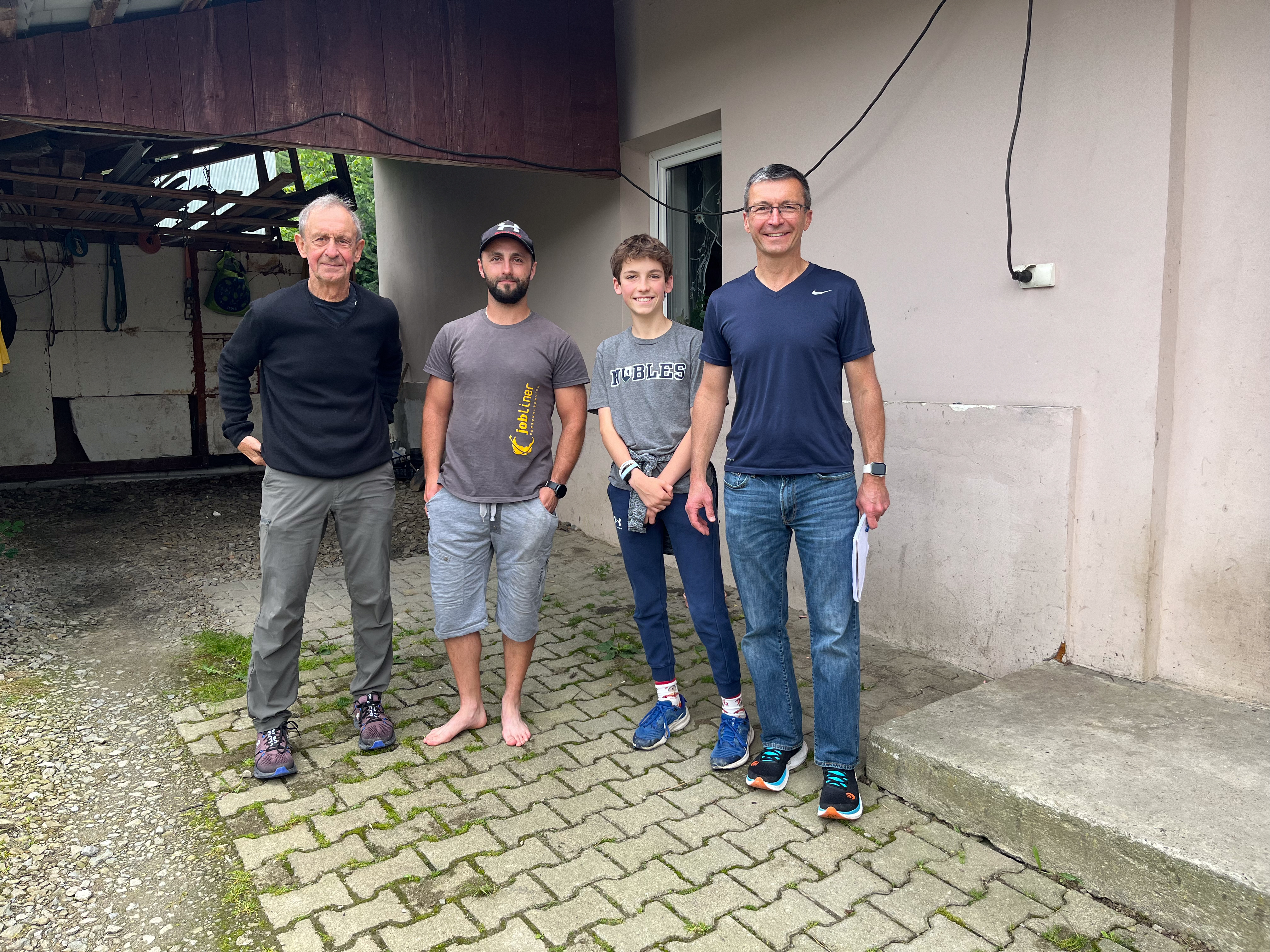
Students 2 Science is a nonprofit organization that relies on the generosity of its corporate partners, volunteers, and donors. Companies can contribute equipment, expertise, and mentorship, while individuals can volunteer their time or make donations to support the mission.

If this new “branch” of STEM education is any indication, the future of science in New Jersey and beyond is looking bright and growing.

Witnessing Auschwitz

Our family of three generations of Polish-Americans tour Auschwitz-Birkenau in search of its history and cautionary message. Can anything so brutal ever happen again?

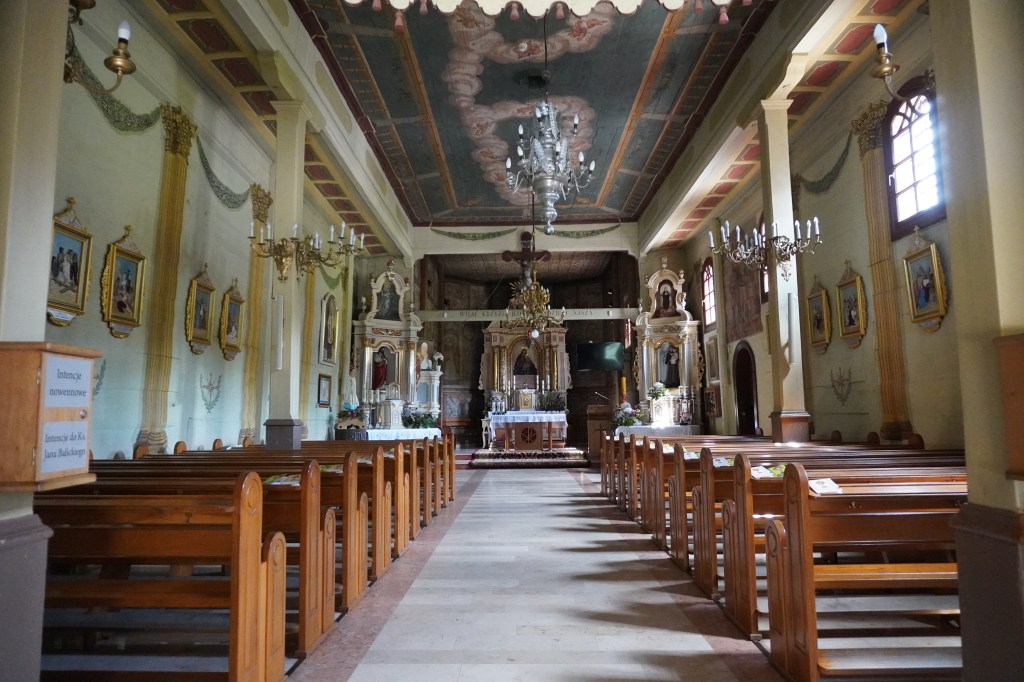
We decided to add a visit to the Memorial and Museum Auschwitz-Birkenau as a final point of interest on our genealogical trip to Poland. It was about an hour and a half cab ride north of Krakow. As you can imagine, touring a concentration camp is not a pleasant task, but it was an important one for a trip themed around life and death.

All of our sources suggested purchasing tour tickets well in advance, as it is an “important” tourist destination. Much of the concentration camp area is free and open to the public. However, the museum offers reasonably priced small group tours in various languages, including English. The professional guide leads about 30 ticket holders throughout Auschwitz and the neighboring Birkenau camp, providing the necessary historical background in a roughly 90-minute tour.

There were busloads of visitors this Sunday (June 16) starting at the new visitors’ center, which seemed well-equipped and organized to handle large daily crowds in the thousands. The visitors’ center, a year-old, mostly concrete structure, is sparsely designed but well-thought-out as a waiting area to keep visitors moving. There seemed to be a bit of irony as we followed our somber guide, almost blindly, in military order to Auschwitz and then by bus to Birkenau. The place naturally has that kind of aura.

We visited a handful of the many buildings in a progression that seemed to heighten the senses to the scale of this horrific place. We started with an understanding of the scale of this project, which began in 1939 when the Nazis annexed the town of Oswiecim to create an industrial base with a work camp at Auschwitz, a former WWI Polish barracks. The success in exploiting and then murdering prisoners led to a huge expansion at nearby Birkenau and other smaller camps in the area. The camps held over 1.5 million prisoners, 1.1 million of whom were murdered. In just a few years, the Nazis had learned how to efficiently kill and plunder Jews (largest number by far), Poles, Russians, Gypsies, and others from all over Europe.

The tour, buildings, and grounds are preserved much as they would have been back then. Auschwitz does not look particularly threatening from the outside of the buildings until you learn what happened on the inside. The museum tour continues quickly through several buildings, each with a specific focus such as medical experimentation, extermination, proof of crime, interrogation, punishment, and cremation.

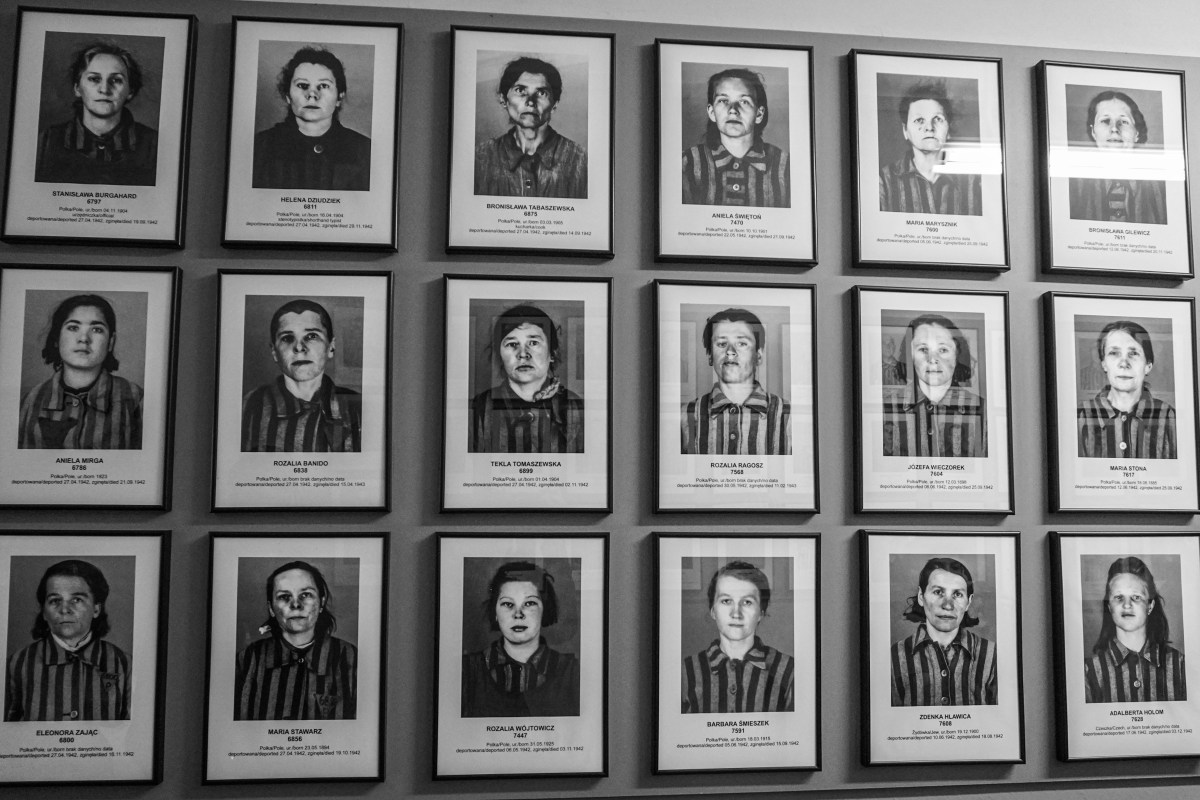
All this is explained and examined through the many glass-enclosed statements and artifacts. Surprisingly, the photos on display do not show the ravaged bodies of the starved and tortured, but rather pensive and scared individuals waiting for the worst to come. This is not a multimedia experience. We see and hear only the story, but by being in the actual place, we can more easily imagine what happened. Imagination here can be more powerful than simulation.

The final third of the tour was a short bus trip to Birkenau after touring Auschwitz. I was surprised by the larger scale of the Birkenau camp. Its 365 acres are wide open except for a dozen or so buildings and the ever-present electrified barbed wire fence. There is a dominant headquarters building and guardhouse with train tracks running right through it. The tracks and train end about a half-mile into the camp, where thousands of prisoners would end their final journey.

Auschwitz remains important as a reminder to all of us of man’s ability to do wrong, especially to each other. One can only imagine how anyone could be so cruel, although there is plenty of reason today to think that it could happen again. On the other hand, we know that people can change too. Germany and Japan today are positive examples. It’s worth a visit to Auschwitz at least once in your life to give that some serious consideration.

For this particular visit I chose to create one slide show video with pics we took while on the tour with the theme from Shindler’s List playing in the backgroud. While we were all lost for words, the pictures are memorable and speak much louder than words.

Slideshow Video of Photos taken at Tour of Auschwitz-Birkenau

The Family Dragnet

Here’s how we became genealogical detectives in Poland as we hunted for clues to our family history.

If the word “Dragnet” means something to you, my guess is you remember Sargent Friday saying “Just the facts, ma’am.” on the old popular TV show. Or the 1960’s comedy movie version of that show with Dan Ackroyd and Tom Hanks. Either way it was about how detectives solved crime (mysteries). It seemed they had odd and funny ways of discovering facts when they interviewed suspects or witnesses.

Dragnet Theme

Now, we were on the ultimate dragnet for any clue to our family history. Facts mattered. Leads needed to be followed. We were on a missing persons investigation in Poland.

Near the top of my personal mysteries is how we got here. Ultimately, we all come from the same relatives. But the road that was taken by each of our ancestors made us who we are today. Sometimes, it was a voyage to leave their country and family. Other times it was to stay and make the most of the life they had, even if it was harsh at times. Whatever path was taken, family connections remained strong in most situations.

Where This Investigation Begins

About 10 years ago, Krystyna Onacki, a distant cousin from Poland discovered our Kiczek family. A Polish citizen at the time, she met and later married John Onacki a U.S. citizen when he was studying abroad in Poland. They moved to Roselle, N.J., coincidentally, the same town in which I grew up. Our family connection was through her mom who was a descendant of Josef Kiczek, my great grandfather.

Little did I know then that Josef had a second wife after his first passed away which created a second branch of the Kiczek family. Just 10 years ago, I had little knowledge of who my grandfather was, let alone my great grandfather. And, my parents and their siblings had passed away years before so it seemed we had no one left to ask, until Krystyna found us.

Large families were desirable back then to help work the land, provide financial support and to replace those children that would die young. For our side of the Kiczek family, my grandfather would immigrate to the U.S., and have nine children. My father’s siblings included one brother who became a priest and three sisters who would live their lives as cloistered nuns. To most Polish families this might have been the ultimate career choice and source of family pride. It was also seen as a way to increase their blessings by bringing the family closer to the Catholic Church. 

Covid Creates a Time Warp

My oldest son, Ethan Kiczek, met the Onacki’s and understood the family connections better than I. Ethan has an engineering degree and has worked in technology his entire career, appreciating the complexity of large scale projects. In 2020, tied down by the pandemic and working remotely, he became absorbed in discovering more details about the family.

Often a search leads to a clue about another relative or the nature of a relationship. This usually needs to be verified. There’s digital sources, like ancestry.com and there are analog sources, like a town’s records of births, deaths and marriages or even finding tombstones. 

While it’s possible that a birth record can appear as a digital image, more often than not it simply needs to be found in a physical registry of births, deaths and marriages. This is especially true for older records. In Poland. registry books are often located in the town where the family lived – or in the registry of the local church where they prayed. All this would take time and concentration, which with Covid, we all had plenty of.

Ethan searched a few databases like the Mormon’s FamilySearch and Facebook’s genealogy groups to discover what sources could help and how to get more information, if the data was not available online. This led to outsourcing a remote genealogical researcher in Poland, Lucjan Cichocki, who could actually go to local Polish towns to search registries to validate and discover family connections. Lucjan became our Sargent Friday. But, that led us to considering getting involved in this Polish dragnet too.

Going Back in Time

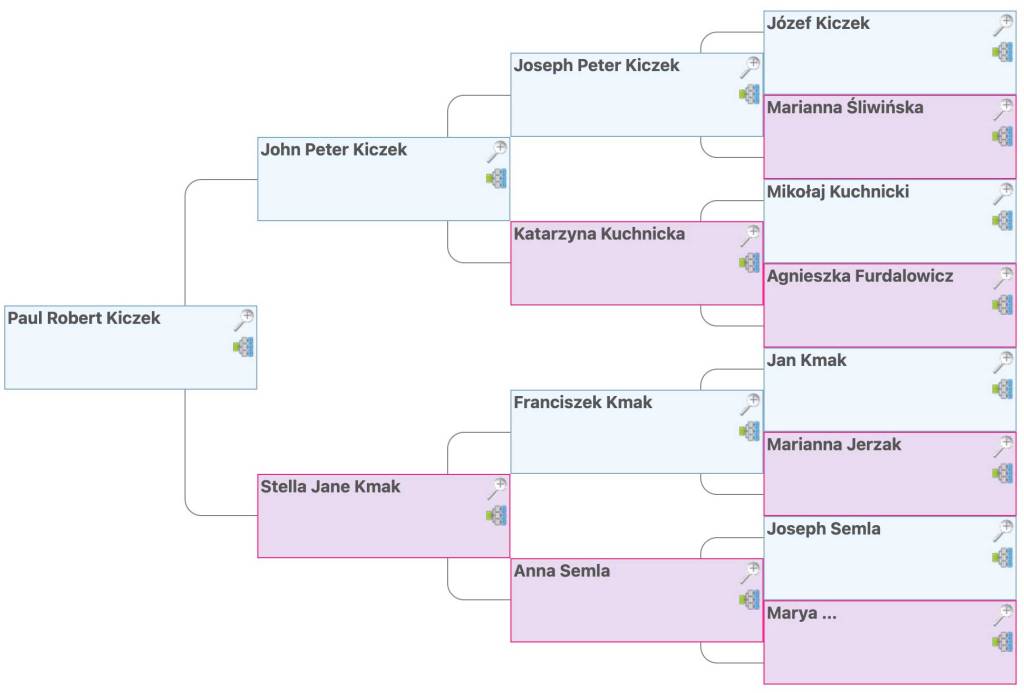
Ethan discovered, with the help of Lucjan, the towns where our family lived and even traced some ancestors to the 1700’s. But to dig deeper, we would need to view the registry records. Those records also state some other related information like the birth date, name of parents, religion and towns they came from. Ethan began to construct a large family tree that opened up our imagination as to who were our ancestors and how we were related.

PK’s Family Ancestors to Investigate

In 2022, we began to plan for a trip to Poland to discover our relatives – assuming we could find them and they would talk to us. But it was then that the Ukrainian-Russian war started. The area where our family was from was only about 50 miles from the Polish-Ukraine border. At that point we had no idea if the war would spill over to Poland. Poland’s borders have been moved often and the area we were planning on visiting was once even considered part of Ukraine. So, we postponed the trip for safety reasons. But the dragnet research continued.

Our Case History

Plans were set in late 2023 to visit the following year all the towns where my family seemed to have originated or once lived. Ethan’s mom, Judy’s (Dolac) mom had a clear connection to a town in the same region too. So, Ethan worked with a special touring company called PolishOrigins and created a custom tour that would take us to most places we had confirmed had a family connection. We hoped to visit those places, hopefully discover more connections and perhaps meet some relatives!

We spent four days investigating our ancestors in Poland, mixed with some interesting sightseeing along the way. Here’s a brief case history of what actually occurred during our investigation part of the trip:

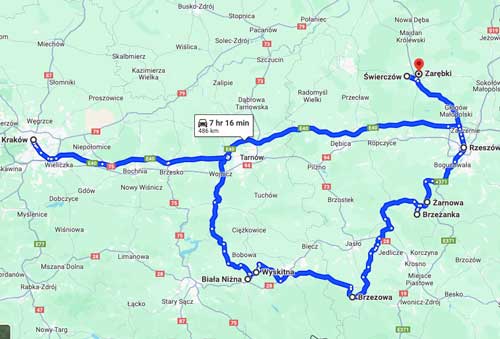
Our Ancestry Tour Route from Rzeszòw to Kraków
Tuesday, June 11, 2024

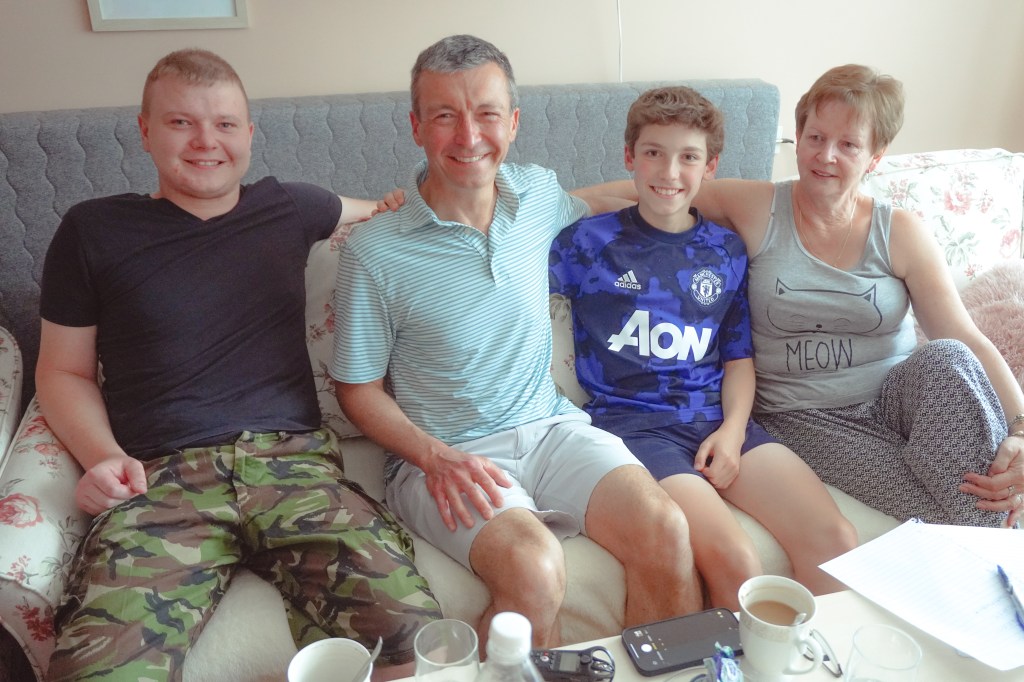
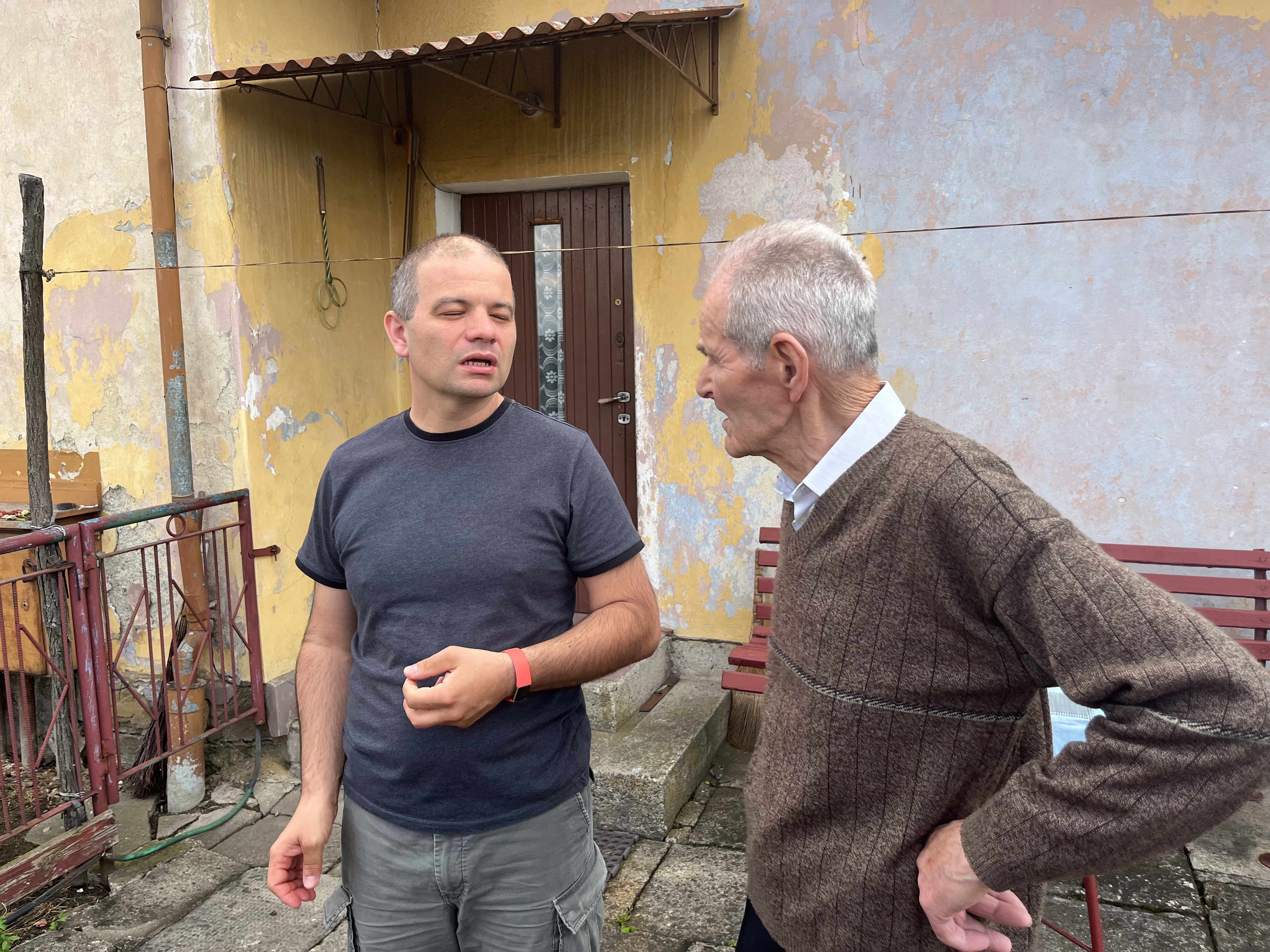
Świerczów – About 20 miles north of Rzeszów, our starting base, we sought family connections to the Stobierki’s (Ethan’s grandmother on his mother’s side). We had an address to go to from previous research. Found a distant cousin Halina Knipa and son Bartek. They share a great great grandfather Michal Stobierski with Ethan. We visited the town hall for records, the old family farm where his grandparents lived and a local cemetery. We exchanged emails for future follow-up. See the earlier post for more details on this visit.

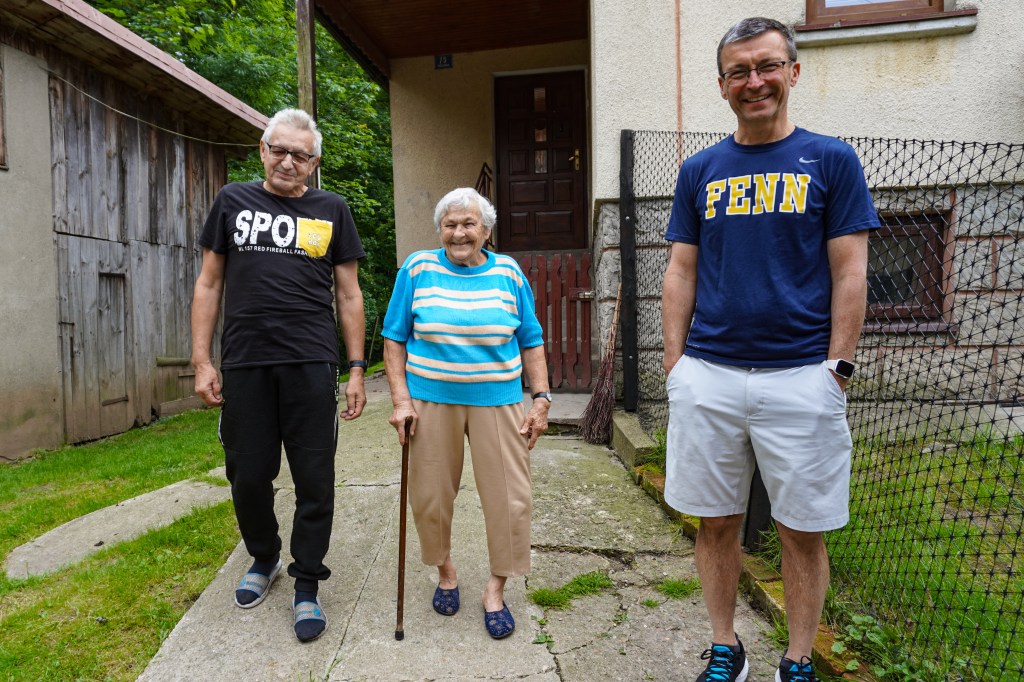
Bartek, Ethan, Ethan Luke, Helina

Wednesday, June 12, 2024 – morning

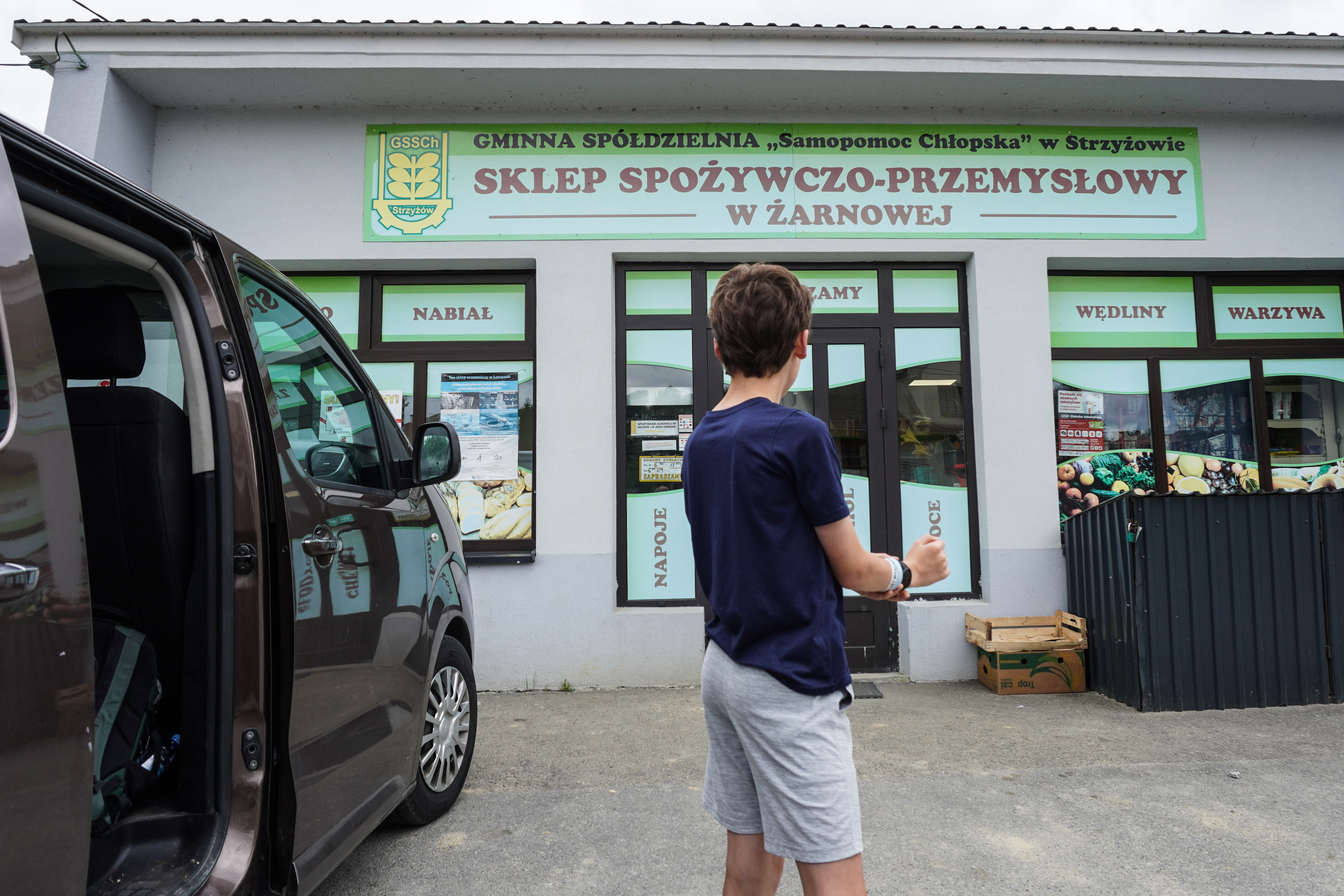
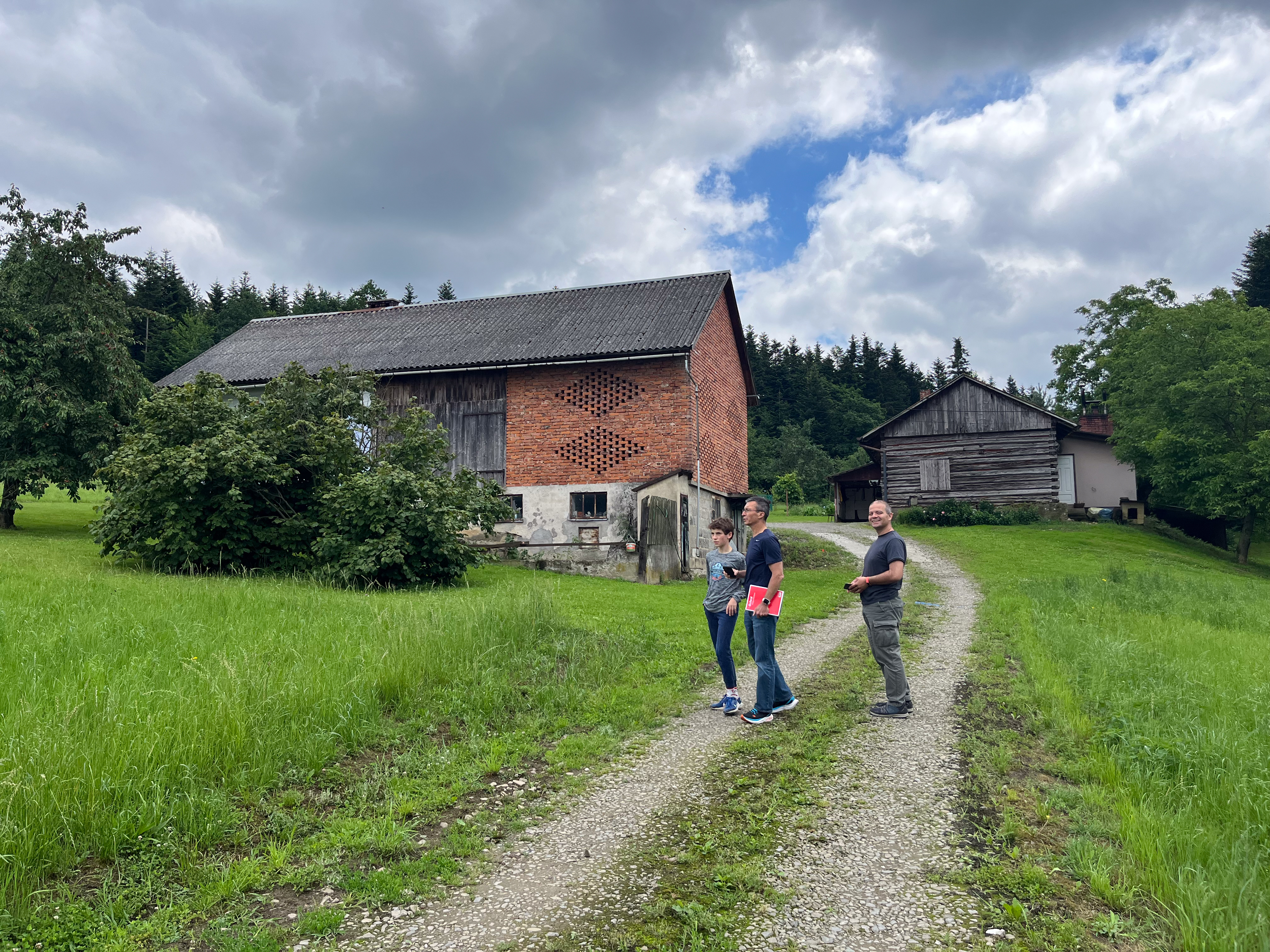
Żarnowa – In search of Sliwinska family (or possibly Sliwinski). Marriage records showed that great grandmother Marianna Sliwinska (born 1847) had married Josef Kiczek (born 1827) and was originally from this town, about 20 miles south of Rzeszów. We had a possible address or location but it seemed wrong. We went to the nearby convenience store to ask around if anybody knew a Sliwinska family and followed a lead to an address that might be a descendant. No one was home but a neighbor corroborated that there might be a connection. They called the possible relative and we promised to send a letter explain our relationship. Low odds on connecting here, but maybe they will respond.

Wednesday, June 12, 2024 – afternoon

Brzeżanka – a neighboring town to Żarnowa, we had our best clues and even arranged a meeting with Bogumila and Zdzislaw Furtek. Bogumila is a sister of Krystyna Onacki, our cousin who helped start this whole investigation back in the states. This was pay-dirt for us.

We now had a direct connection from the other branch of the Kiczek family. Antoni Kiczek was a half-brother of my great grandfather, Josef Kiczek. His descendants included Bogumila and Krystyna. It seemed Josef married once had eight children and married again having four more. Not so uncommon back then. One of Antoni’s sons was our familiar “Uncle Joe”(Joseph Kiczek) as he became the messenger between the U.S. and Poland Kiczek families. We just never realized what the exact family relationship was.

This was the highlight of our trip from a social and genealogical point of view and the main objective. We met a distant but direct relative, had a warm inviting visit, saw where my great grandfather and some of his descendants lived and tilled the land, even until today. We ate together, exchanged gifts and promised to keep in touch. We had an open ended welcome to come back. More than that, we discovered the land where our ancestors lived and worked was a beautiful peaceful place. See the earlier post for more details on this visit.

Thursday, June 13, 2024 – morning

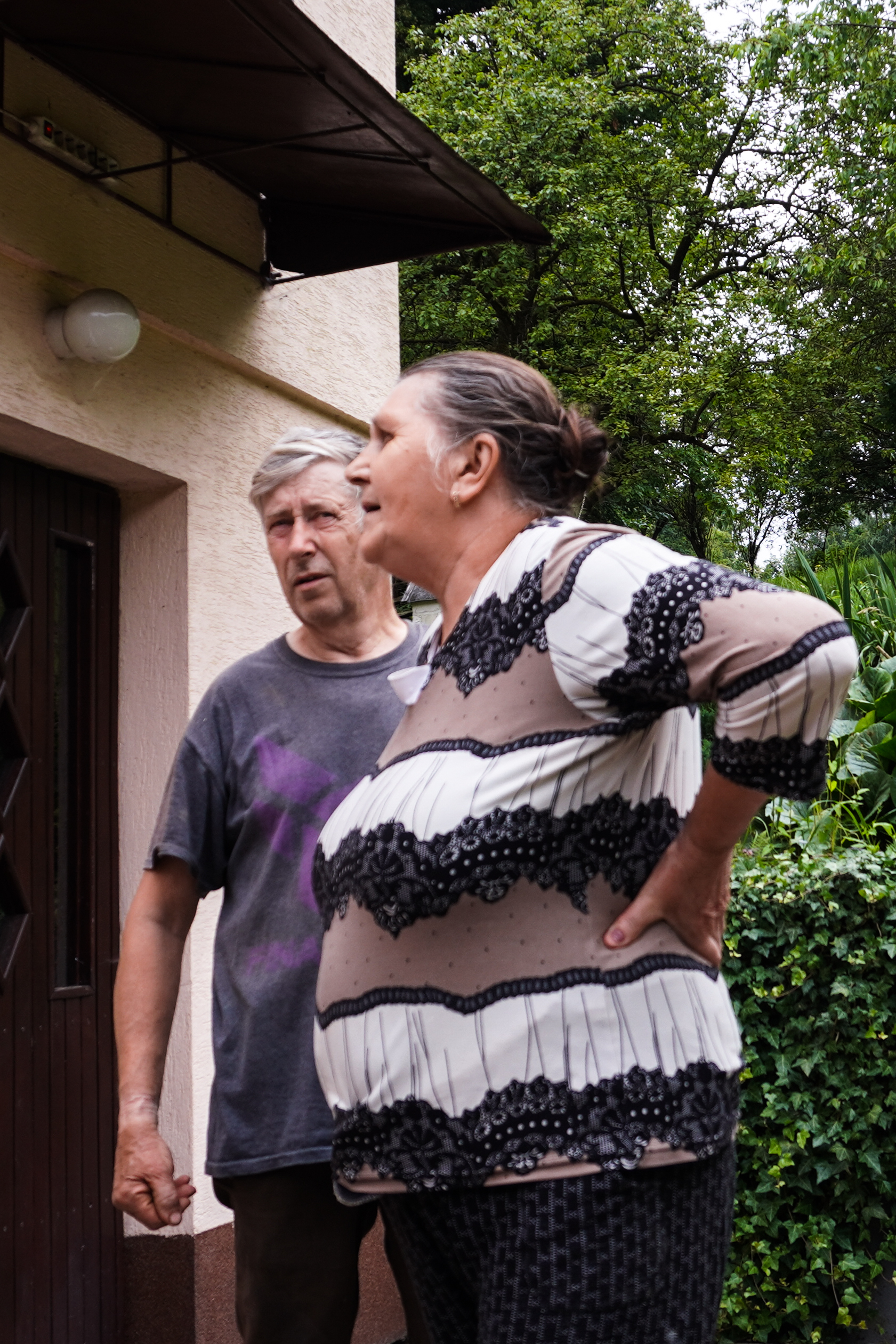
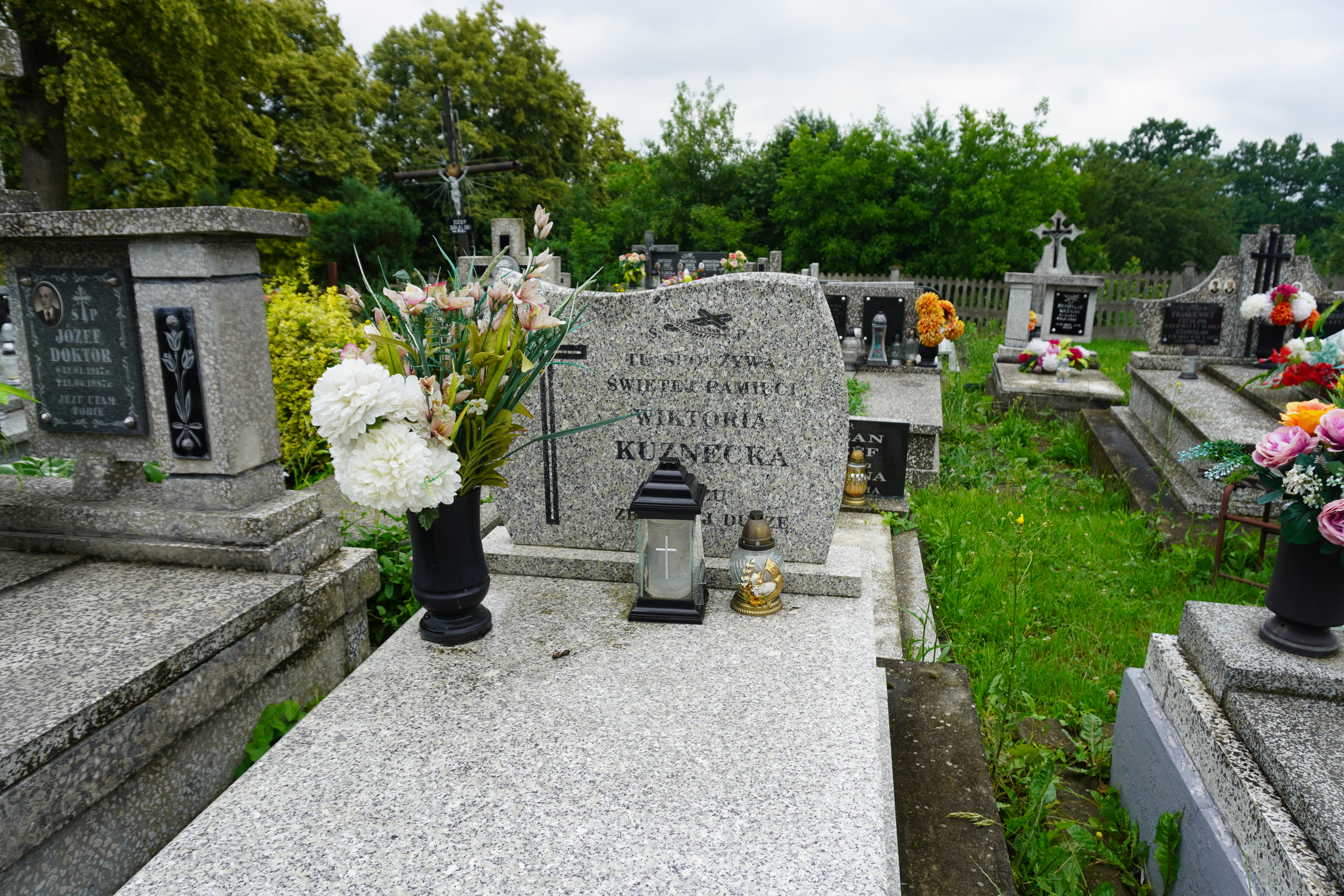
Brzezowa – Our investigation moves on as we travel 30 miles southwest toward the foothills of the Carpathian Mountains and closer to the Slovakian border. There we searched for traces of my paternal grandmother’s (maiden name Katarzyna Kuchnika) family. After visiting the town hall records we found a possible relative’s address. We went to a cemetery and the home of to a a Kuchnika descendant and her son but they did not seem terribly interested in relating anything to us. We made the connection but in this case there wasn’t much interest in continuing communication.

Friday, June 14, 2024 – morning

Grybow/w – We travel west another 10 miles in search of my maternal grandfather’s ( Kmak) family. We started in Grybow, the area where we had a record of his family. We went to the local town hall to explore records. We found a clue that Kmak’s were still in town and a relative might be living nearby. We visited Richard and discovered another lead to a younger generation relative. For our last investigation we went to a local farm and met Kamil Radzik, 28 years old, our youngest relative we met. He offered his email and promised to connect.

Friday, June 14, 2024 – afternoon

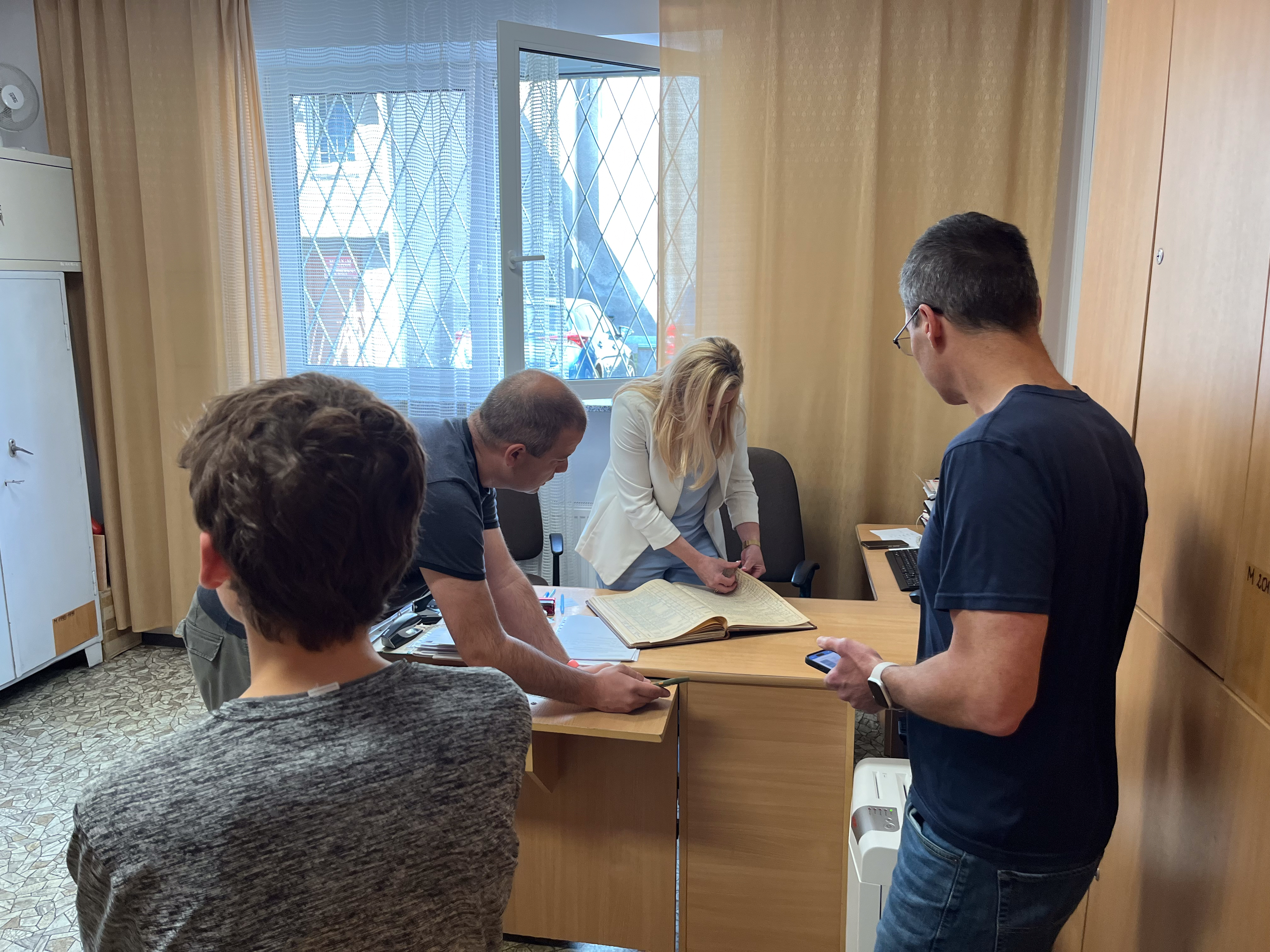
Bobowa – Our last investigation started in the local town hall. Through Lucjan’s charm and two very conscientious staffers we spent over an hour pouring through records to find my maternal grandfather’s family.

Case Closed?

Four days of investigation had ended. With the help of Lucjan as our translator and charmer, we had managed to discover new facts, meet family members and potentially open up further communications. Eventually, Lucjan mentioned that he was interested in police detective work, his skills fit perfectly for that job.

More than that, we had a real feeling of what it was like living in Poland. It is truly a beautiful country, not unlike America. There are small quaint towns, small shops, even American fast food (e.g., McDonald’s) and town halls with vital records. Beyond that there is a huge landscape of open fields and undulating mountains. It changed my perspective about who are ancestors were and where they were from and why many chose not to leave.

I couldn’t stop myself from thinking of one of my favorite Elvis Costello songs that seem to relate to us being amateur detectives, if only for a while and in a friendlier way. The following video has nothing to do with genealogy, but it too is a great mysterious song and video about being a detective….

Elvis Costello: Watching the Detectives

Death Comes for Upsala

What happened to my college? After 102 years it was no more. Hard to grasp this happening to a great school which lost touch with reality. Or, maybe reality never gave it a chance. Not as uncommon as you might think. Will it happen to other schools?

As time passes, inevitably we lose an intimate connection with the past. People and places that were once essential to our lives become distant ephemeral memories. The truth is nothing is the same as it once was. But every so often it’s worth stopping and asking why. Why did something change so drastically? Why did an esteemed educational institution utterly fail when it once seemed so competent and permanent? 

I graduated Upsala College in East Orange, N.J. in 1970 with a B.A. in Economics. Twenty-five years later it was no more. Over that period, the school would change from one of the top three New Jersey private colleges to the bottom triggered by low enrollment, sliding academic standards, unpaid bills and blatant mismanagement. The press reported that the closing was due to its inability to pay off its $12.5 million debt. But, that was only the obvious reason to close. There was much more that had gone wrong.

Its last commencement on May 14, 1995 (Mother’s Day) was a funeral of sorts. Upsala closed its doors and soon abandoned the 45-acre hilltop campus. Along with celebration and fond memories, there were the physical and mental scars created for all those that learned, socialized and lived around the campus area.

I could never explain to anyone exactly why the death of my 102-year old college happened and I still wonder about its story. Today, fewer and fewer people remember the school. I became obsessed with Upsala’s story and began to explore it again looking for answers. Here’s what I learned about “what” happened. There’s still more yet to tell as to “why” it happened.

Upsala maintained its 45-acre city-campus there for 71 years after relocating from Kenilworth in 1924 and Brooklyn in 1897, where it was founded. A Lutheran Synod ministry created the school in 1893 to educate Swedish immigrants and named it in honor of the great Swedish Uppsala University.  It was known over the years as a quality liberal arts college comparable to nearby Drew, Fairleigh Dickinsen, Wagner, Muhlenberg and other private colleges. Its connection to the Lutheran church and religious learning faded over time, long before I attended.

For the first half of the 20th century, East Orange, a smaller city on its own, was the wealthier outgrowth of a migration from the larger commercial hubs of Newark, Elizabeth and New York. Only a few miles from the great metropolis, it had superior highway and rail access with a spacious natural beauty. It had the feel of a suburb with the commercial benefits of a city. In other words, it seemed a perfect place to operate a well-respected college. 


In 1968, I transferred to Upsala with an A.A. degree from Union County College, a two-year community college. Without enough family financial resources, the choice was simple – commute to UCC and then Upsala while working part-time and benefitting from a small NJ State scholarship. I was able to attend UCC paying cash, while taking a small loan to cover my last two years of tuition at Upsala. A few years later, I earned an MBA from Rutgers with the help of tuition assistance by my employer. In summary, I was relatively debt-free in my mid-twenties with an advanced degree, a business career and a marriage. There was little reason to look back and much to look forward to.

While my time at Upsala was rewarding and productive, it was hardly the “full” college experience, being a “commuter” student. There was little reason to connect again with Upsala except when I needed a transcript. Occasionally, I’d hear or read about their sports teams, which were usually fairly good and competitive. I don’t recall receiving requests for alumni donations or campaigns. I never knew about the school’s financial problems or thought much about the changing demographics. But working in the greater Newark area, it was obvious that the whole urban landscape was deteriorating. Over the years, the word came from the press and friends that Upsala had fought for years to remain open but eventually gave up and closed. 

News of its demise was something like hearing a distant uncle had died at an early age. It seemed like my two brief years at the school should not justify much sympathy. The problems that closed the school were not at all evident when I was there. Maybe its human nature to remember the good times and forget the bad. 

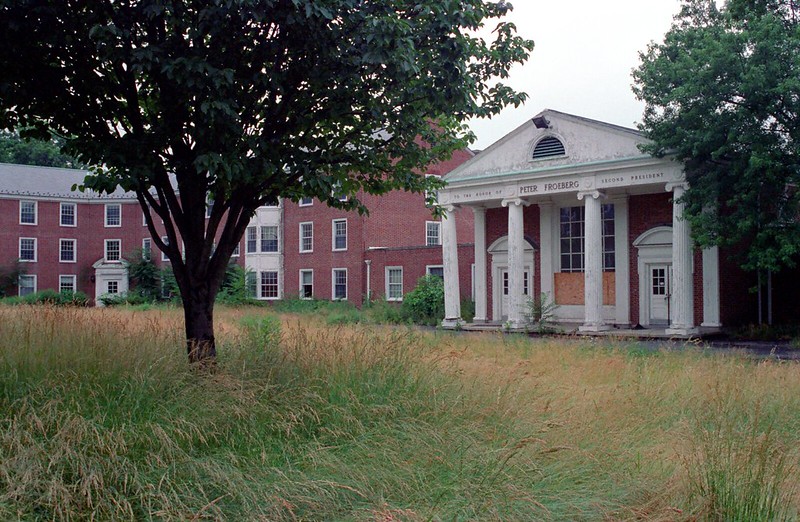
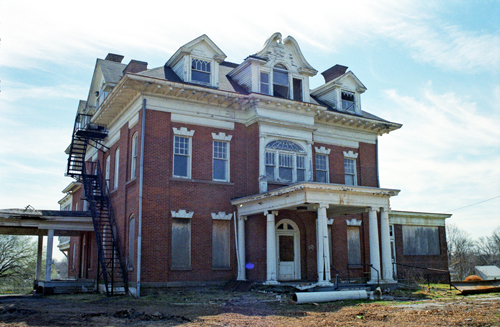
In 1970 the campus was a beautiful private school perched on a hill with Georgian-style buildings mixed with an old classic mansion and quad. In fact, the campus seemed to be improving and expectations where high. My professors and courses there were excellent with reasonable class sizes. Instructors were smart and demanding, with 80% holding PhD’s in their fields. 

There were lots of reasons for its downfall. Unfortunately, East Orange suffered from the migration out of the cities after the Newark riots of the late 1960’s. A substantial decrease in enrollment occurred. Enrollment peaked in the 1950’s around 2,000. But, even at 1,600 in 1969 it seemed to be thriving only to fall below 500 by the 1990’s. 

A neglect of maintenance at the school began to match the deteriorating neighbor around it. And with an increase in competition from other colleges, It lost its ability to draw quality students. This led to an almost open admissions policy which drew more minorities and foreign students, many of which were unprepared and needed financial aid. But financial aid and student loans could only be sustained if enrollment was large enough to pay its operating expenses and debt payments. 

Ironically, to add to their financial woes, the college was granted a 245-acre tract of land in Wantage, (Sussex County, NJ) by a benefactor, Wallace Wirths, to be used as a new campus site. After rejecting the idea of moving its entire operation to Wantage, it opened as a new small satellite campus, with all its expense and logistics, only adding to its operational woes.

Upsala continued to operate for years in debt, although being a private school it had no obligation to report that to the public. However, it did have to report to the Middle States Association of Colleges and Schools for accreditation, which began to warn of problems by the late 1980’s. By 1994, that organization threatened to take away their accreditation due to its ongoing financial problems unless the college came up with a workable plan.

There were efforts along the way to save the college near its end with negotiations, merger discussions with other schools and protests. 200 faculty and staff jobs were at stake. Sports programs were dropped. The school even promised that they had turned the corner.

But, by the time the student body and faculty understood the depth of the problem it was too late. A $12.5 million debt with a school facing a projected enrollment of about 500 could not work, even if costs could be cut dramatically and additional funds could be found to keep it temporarily afloat. It’s time had passed.

May 31, 1995, was the last day of operation for the school. The Trustees had hired an interim president to handle the sticky closing details as the college went into bankruptcy. All offices offices and classrooms were shut and emptied and all the that could be sold would go to the highest bidder – unless it would be later ransacked, as much of it was. 

Even the entire satellite 245-acre Wantage campus was liquidated by selling it back to its benefactor’s family, the Wirths family, adding a mere $75,000 to the bankruptcy proceeds.

Only one city official, Councilwoman Carolyn Meacham, attended the final graduation of the last 200 seniors. Here’s a summary of the mood of the day and a feeling of what would follow:

“It was like a funeral. What happened in Upsala is a travesty… Things should have been done to circumvent the process of closing. It’s not only affecting the people who went to the school and worked there but the closing is affecting the residents of the area.”

…once it closes down, vandalism is going to take place.”

Carolyn Meacham, East Orange Councilwoman (May 14, 1995)

The abandoned campus became a blight on the once prestigious neighborhood. The East Orange school board bought the entire campus for $4 million as Upsala was liquidated. It then split the campus in half with a plan to consolidate all its high schools into the “East Orange Campus High School” and sell the west half to the town for $1, with the hope of redeveloping it. The east retained some of the beautiful but tattered buildings like Puder, Beck and Viking Memorial Halls and connected them together with new construction in the style of the original campus. Today, the east campus still looks like a small college campus.

East Orange Campus High School – formerly Upsala’s East Campus

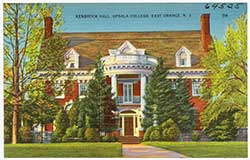
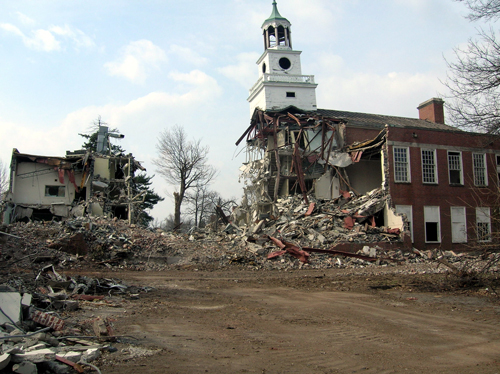
The 20-acre west campus was originally marked for upscale residential development. However, it languished for years and became a blighted and crime-ridden area even though it was the responsibility of the city to manage. West campus buildings became dilapidated. The old 1900 Charles Hathaway mansion (aka Kenbrook Hall), administration offices, dorms, chapel and library were demolished. 

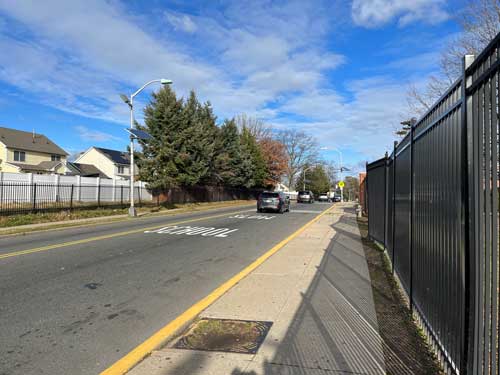
The city sold the west campus to a developer for $1.5 million to build upper-income residential houses in a semi-private enclave. Today, on the west side of Prospect Avenue at least, there is no trace of a once thriving college, just a $17 million, fenced-in community of 48 homes and 16 townhouses called “Woodlands at Upsala.”

Besides the unfortunate place and time Upsala found itself in, there’s a substantial argument that mismanagement and bad business decisions led to its demise. Maybe, it was an impossible situation as revenues declined, competition grew and costs for salaries, maintenance, improvements and security increased.

Today, the problems of private colleges and universities have not gone away and many have closed their doors too. Who knows if Upsala could have continued successfully if it was bailed out in its worse condition? If a comparison can be made to neighboring Bloomfield college, it would seem that its days were numbered as Bloomfield College was recently was absorbed into Montclair University as a satellite campus. And, there’s signs of enrollment and revenue declines at other trouble New Jersey colleges and universities.

In a recent article in the New York Times “A Private Liberal Arts College is Drowning in Debt, Should Alabama Rescue It”, a small private college that nearly fits the same profile as Upsala, has many of the same problems. Its financial woes have laid it low as it looks to state funds to rescue it lest it close and abandon its campus.

Perhaps the model of a small liberal arts college belongs to the past. As the expense of education has risen dramatically and students and parents are questioning the value of higher education and are seeking majors in new careers. But cities do come back. And, colleges may need to reinvent themselves too.

There’s at least a couple lessons to learn here. No educational institution is immune to the forces of the market and the incompetency of its leaders – regardless of its lofty goals. And, perhaps things could have been different if the college had followed its own motto, “Vincit omnia veritas.” Truth conquers all.

Sources