Eating Polish

Eating our way through eight days of genealogical touring in southeastern Poland. Searching for relatives brings back old memories of a different kind.

I didn’t go on my recent trip to Poland for the food, although I probably should have given it more consideration. Our mission was to discover family ties, but we soon realized that food is a major link to our past and remains a proud tradition for all Poles.

I’m a child of second-generation Polish parents who turn out to be from families that once lived in roughly the same southeastern region of Poland, about an hour’s drive from the Ukrainian border. While my father and mother were both born in the U.S., their parents came from Poland around the turn of the century. My parents never had the opportunity to visit the old country.

My mom learned to cook from her mom, our “babci(grandmother in Polish). That’s how most Polish dishes were passed down in the family, a tradition likely still true for many immigrant families. While Polish dishes were not regularly scheduled unless it was a holiday, we probably ate Polish food at least once every week or two. Those hearty dishes were different from what our friends and neighbors ate. Little did we know that we would come to miss that food and wonder what else we were missing from our heritage.

For the last 45 years, I’ve been lucky enough to be married to a notable Italian chef, Mary Ann, who reigns over our kitchen. Mary Ann learned most of her important cooking skills from her “nonna(grandmother in Italian), and so it goes. I would never argue which country’s cuisine is best, but occasionally she will cook something Polish, like kielbasa or pierogies. It’s been decades since my mom passed, but recently I got to go full “Polish” again during my visit to our country of origin.

During our week-long stay, except for an afternoon dinner at our relatives’ home, we ate fast food for lunch and full dinners in the evenings. Polish food options were everywhere, but there were also American and international cuisine choices. Payment and tipping were similar to anywhere in Europe today—quick and painless using a credit card or smartphone. Most credit card companies automatically convert the currency at a favorable rate. Tipping is minimal; 10% is advised for exceptional service but not necessary. Being American, we tipped more.

Poland uses the zloty for its currency, not the Euro. The good news is that the zloty is trading at about $0.25 to the $1 (U.S.). Even more importantly, everything seemed cheaper, and food seemed half the cost in Poland compared to the U.S.

A Traveler’s Breakfast

If you have traveled to Europe, you know breakfast offerings are similar in places you stay and are usually free at your hotel. The hospitality in Poland is no different. Hotels offer a full-choice free breakfast buffet with pastries, fruit, meats, yogurt, eggs, etc., along with juice, tea, and coffee. Coffee, of course, is mostly served in smaller, fancier ways like espresso or cappuccino. A large cup of “American” coffee is almost unheard of, except where Starbucks has landed in the bigger cities. All of our hotels seemed to use the same self-serve, high-end coffee machine that offered a choice of any type as long as it fit into an 8-ounce cup or smaller. Coffee limitations aside, breakfast buffets are a great standard solution to start your day. It’s even possible to grab some breakfast items “to go” and save them for lunch on the road or later as a snack.

Eating on the Road

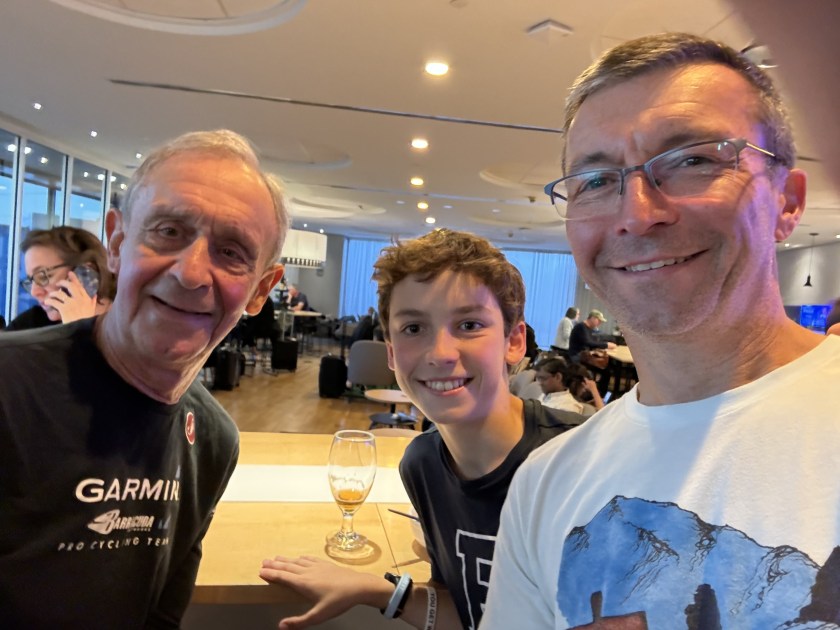
Since we were traveling on the road most of the days during the week, we would find a place to eat a sandwich, slice of pizza, dish of pierogies, or better yet, look for a McDonald’s (young Ethan Luke’s preference). It’s commonly believed that McDonald’s food tastes better here because they use local sourcing for burgers, chicken, and dairy products.
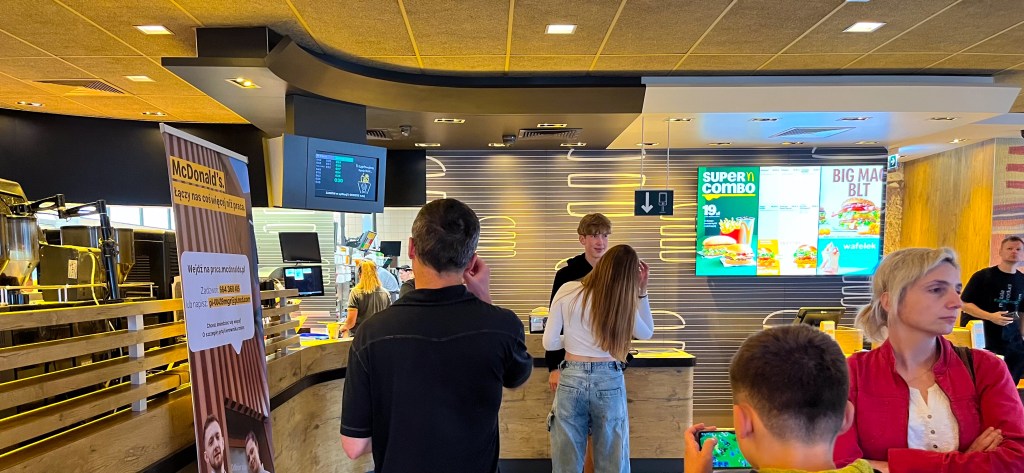
Inside McDonald’s in Poland

These are ultra-modern McDonald’s with the familiar menu kiosk (English translations available), but with small differences in the style of burgers, chicken, and wraps with special sauces. Probably the most popular (the one our 14-year-old Ethan Luke preferred) was the WieśMac or Country Mac, a variation of the Big Mac but with a mustard-horseradish sauce—only available in Poland.

At least the vegetarian wrap and Polish sausage sandwich seemed different. Of course, as in the states, you can order online, use a credit card, or pay by phone app. No need for cash. That was true almost everywhere we went.

Playing the Food Guessing Game

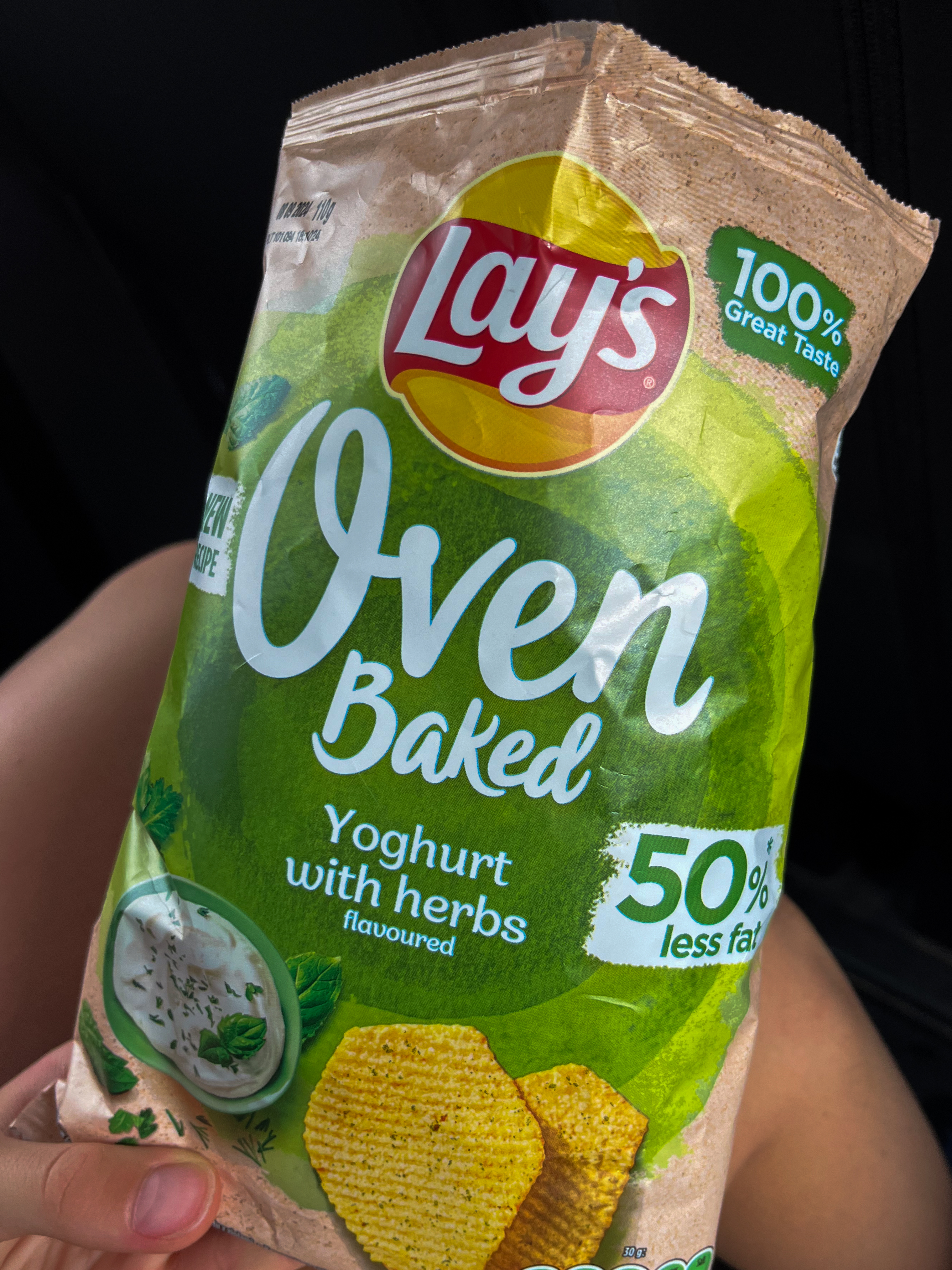
My teenage grandson was incredibly patient over the five days and 300 miles of travel. But he gradually became obsessed with Polish products on sale at local convenience stores like chips, candy, and drinks. It became a game to seek out different products, sometimes using Google Translate to figure out what the product was. Some were variations of familiar products or branded with popular Euro stars, like Lionel Messi. Others were just something we had never seen before, like different flavors of chips or thick nectar fruit drinks.
How to Manage a Food Allergy

Ethan Luke has a nut allergy, so he has to be careful what he eats. Ethan had a very useful card with him that explained the allergy condition and foods he must avoid, including those that might have been in contact with nuts. It was in English on one side and Polish on the other.

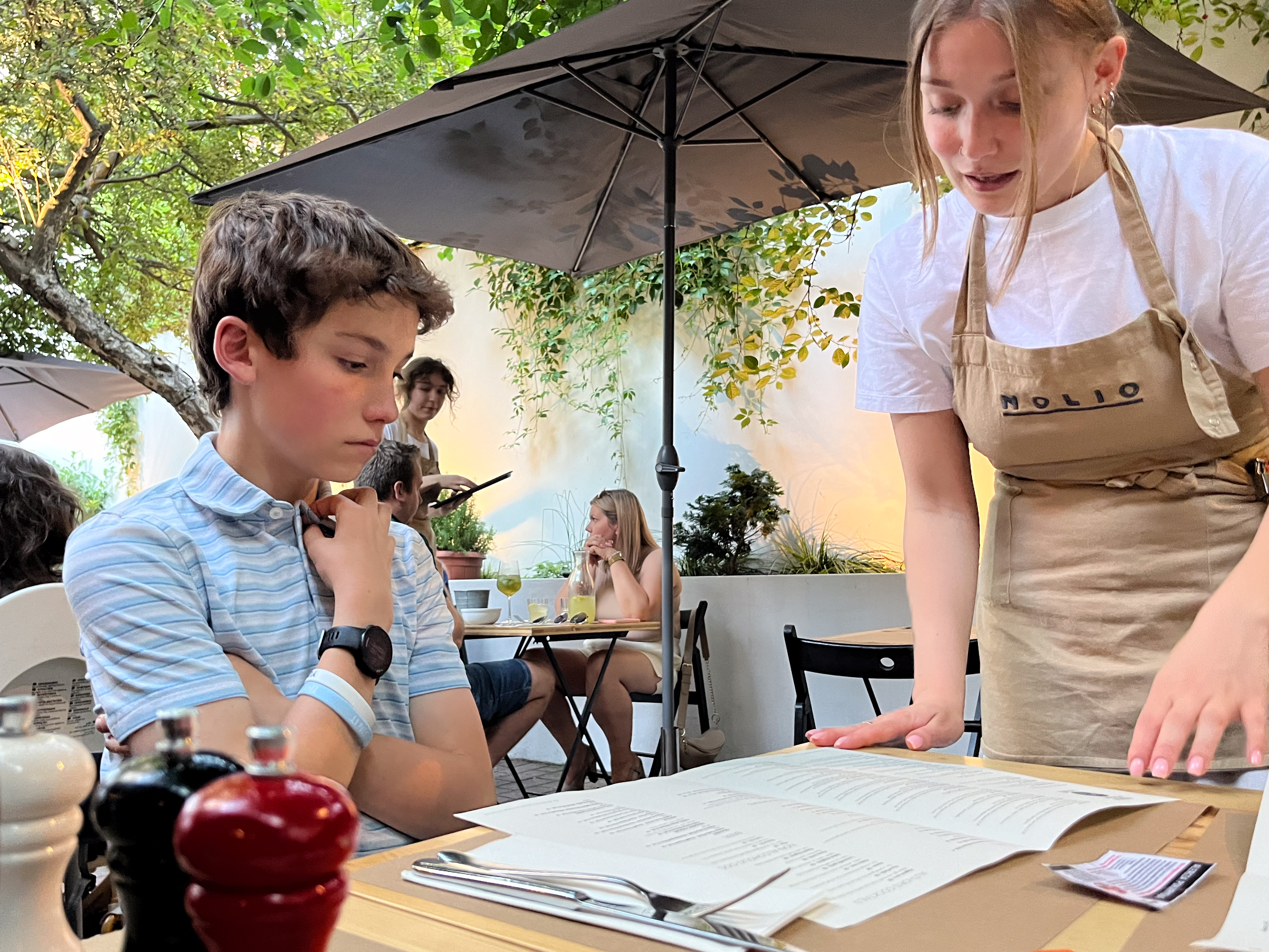
So, he would present the card as he ordered. It seemed to work well. (Purchase online at Equal Eats) And, we enjoyed seeing him navigate what to order with the waitresses! Everywhere we went, the wait staff seemed eager to accommodate Ethan Luke and point out dishes that would be off-limits.

What’s for Dinner?

Dinnertime was where we got to really enjoy the cuisine of Poland. Our dinners were mostly at our hotels, which were all excellent. Most restaurants served traditional Polish and other international dishes. Ethan and I were looking forward to tasting and remembering old family dishes. For young Ethan Luke, this was an adventure in travel, language, and eating something new. He settled mostly on pierogies for dinner and became our pierogi expert by the end of the week.

Pierogi is King
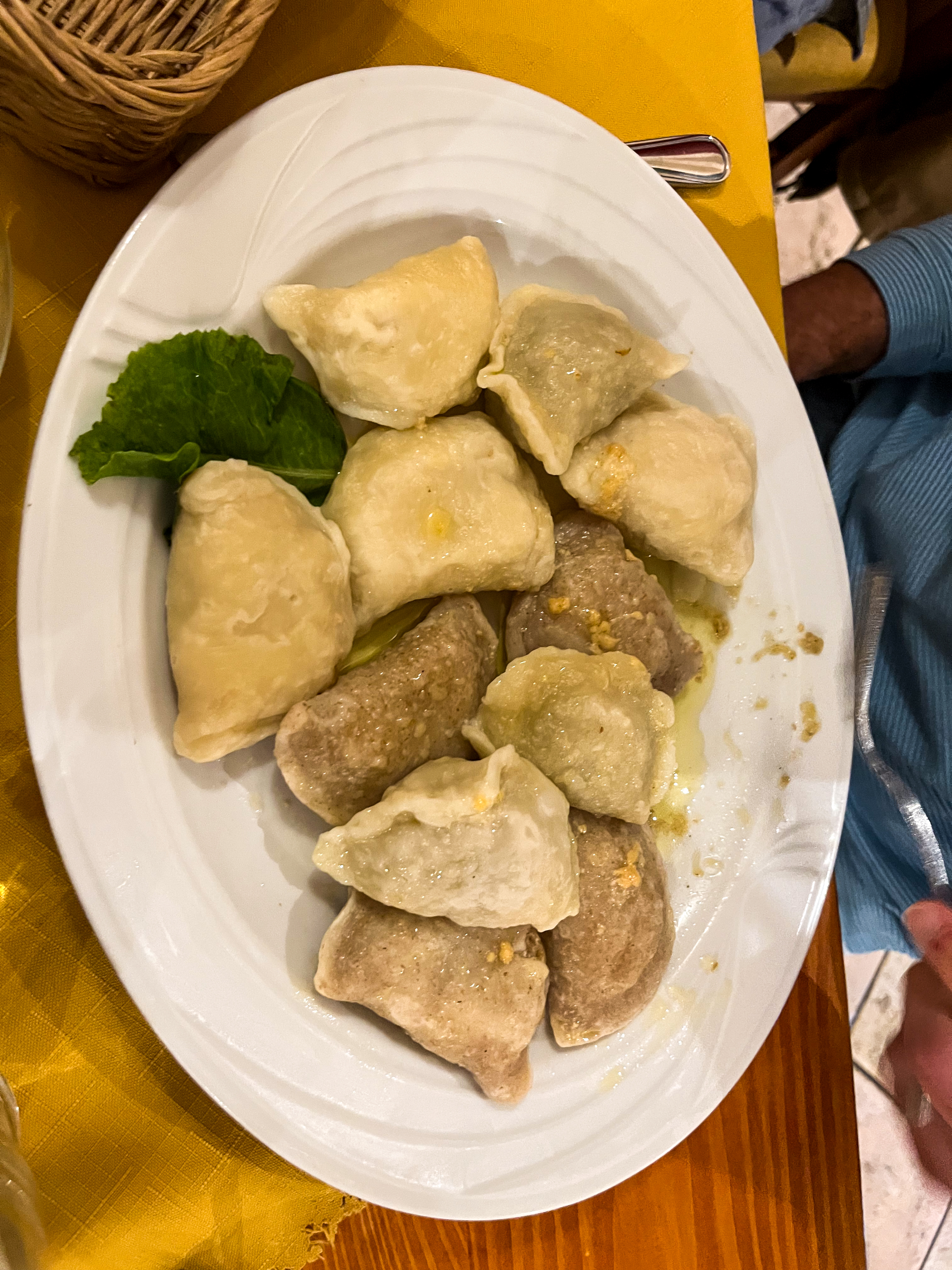
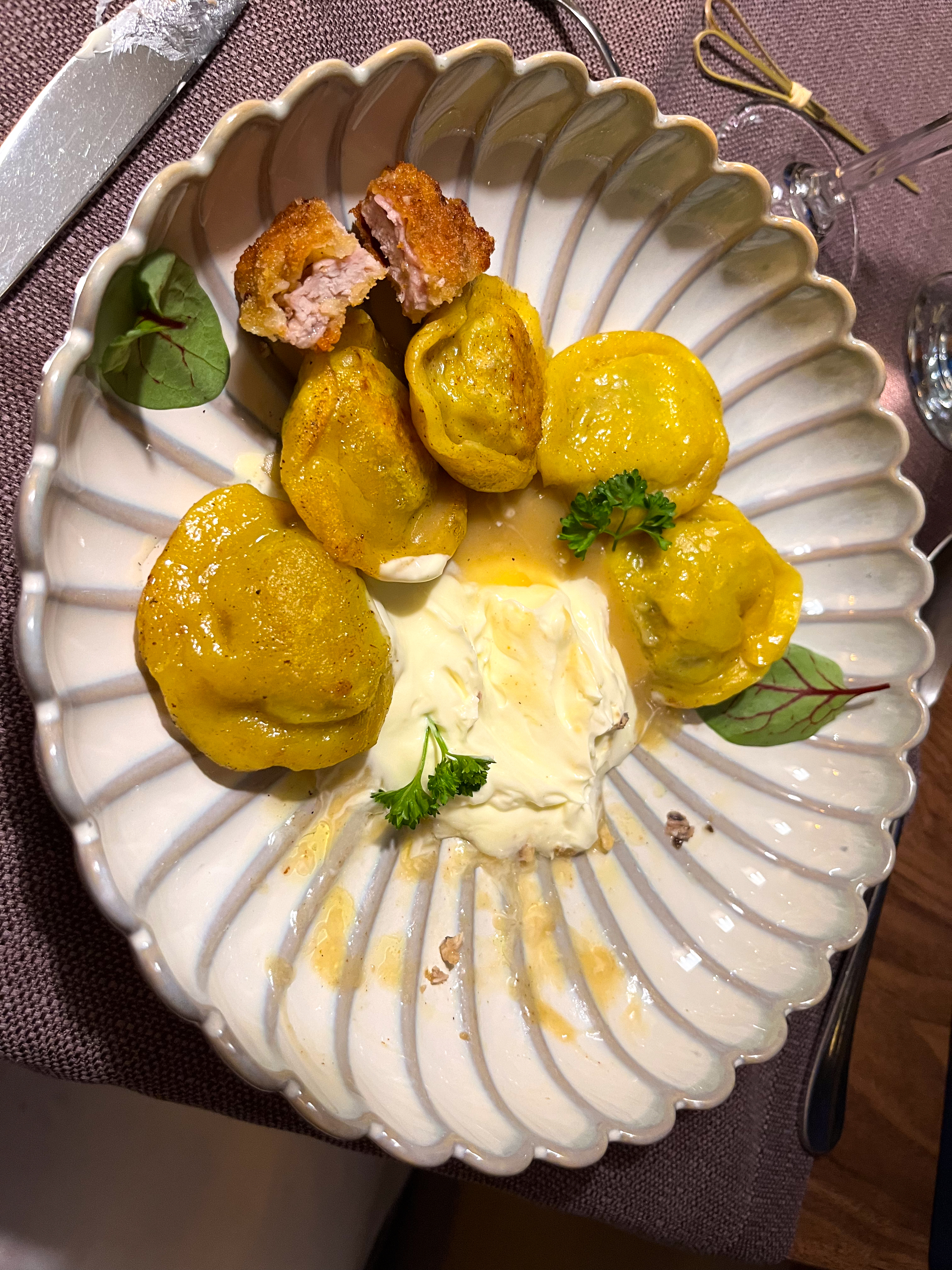
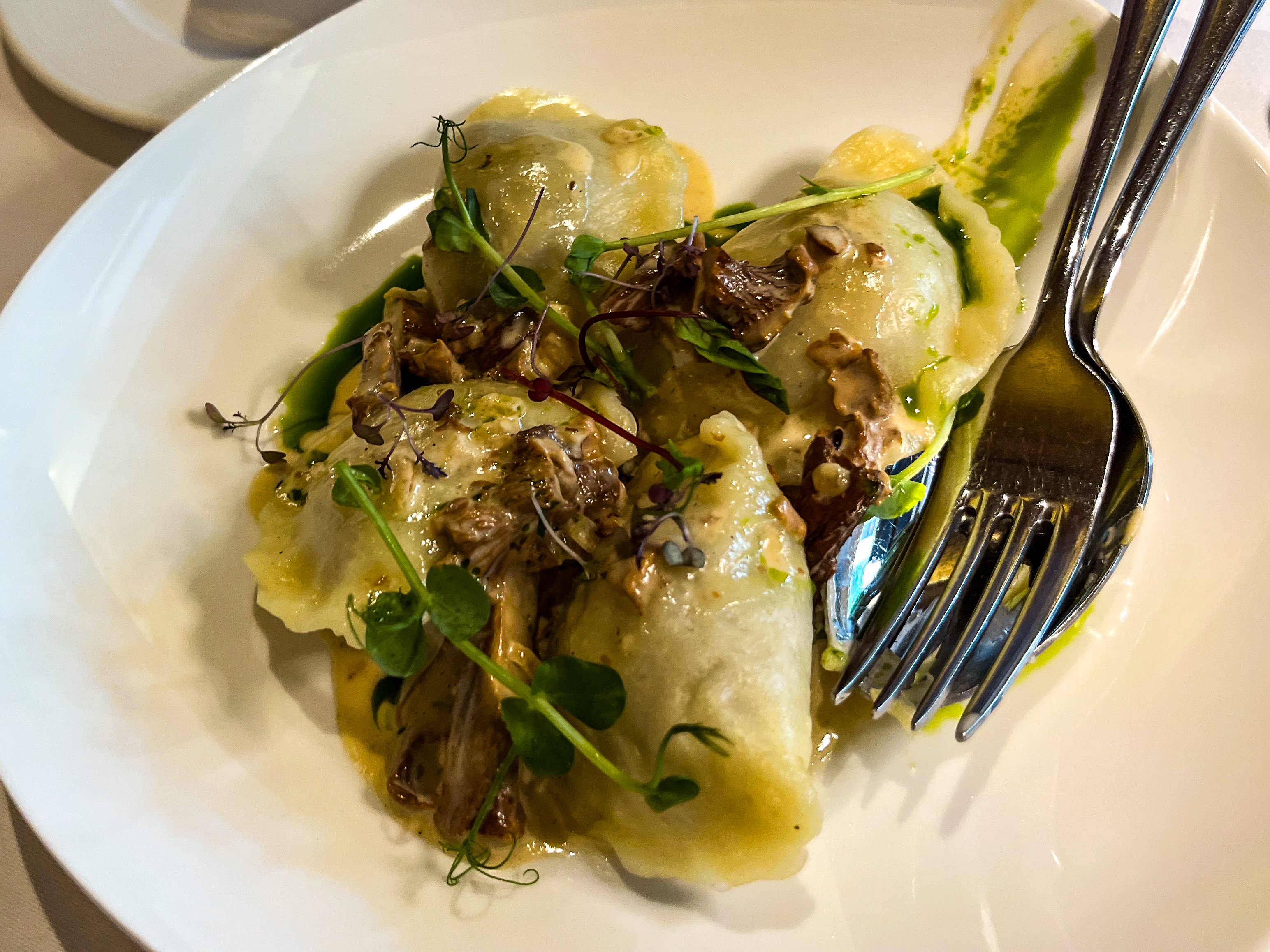
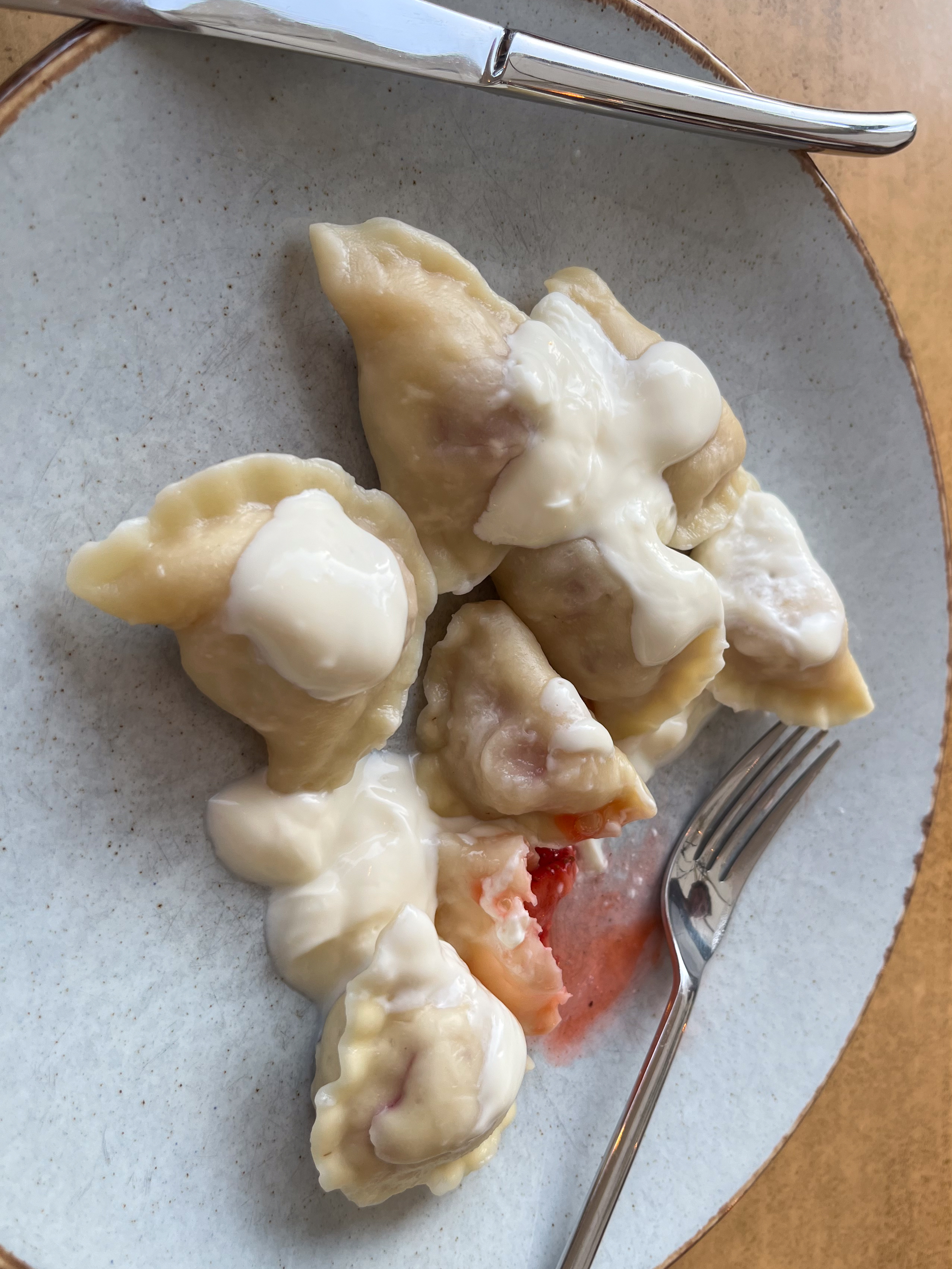
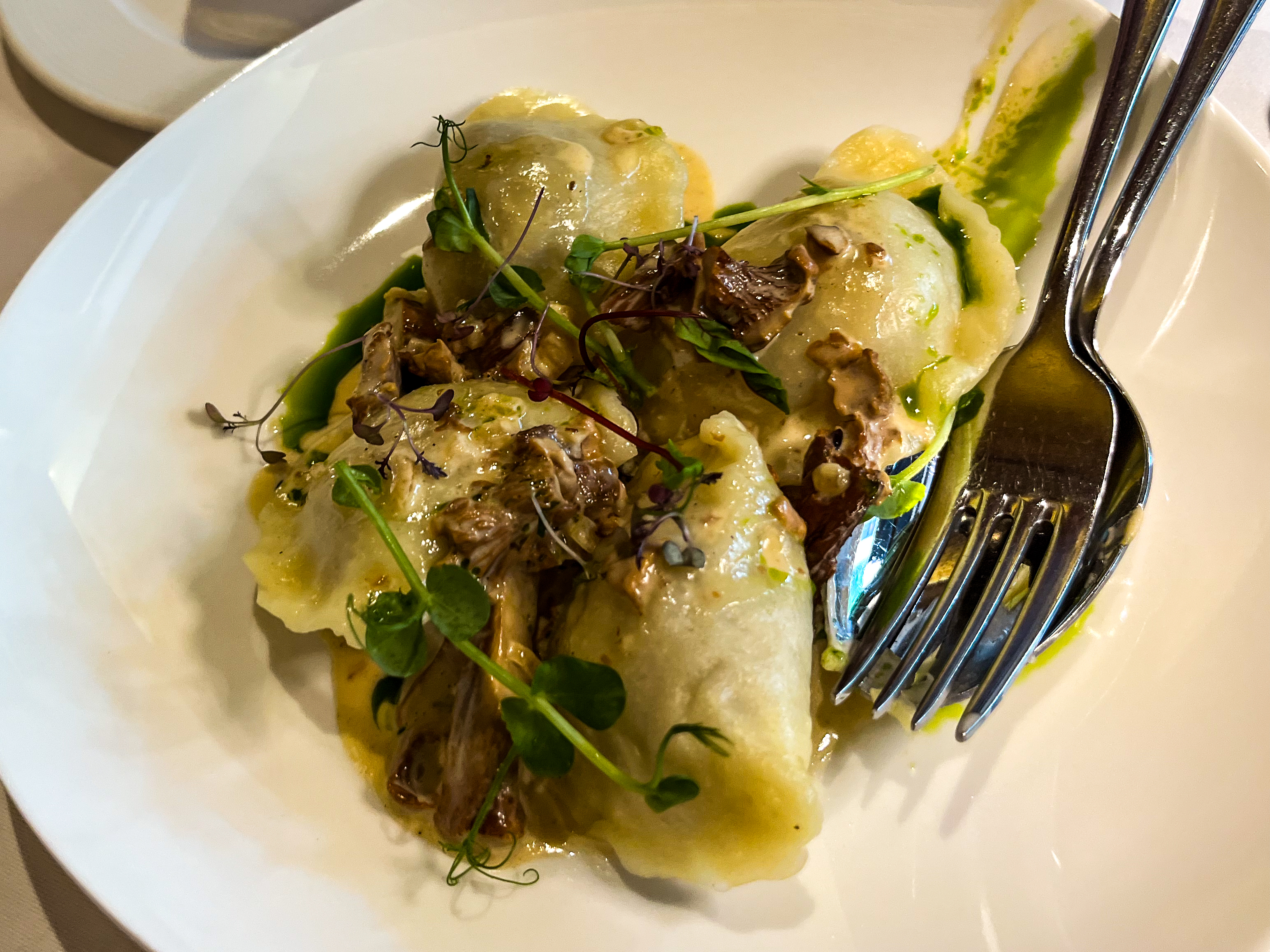
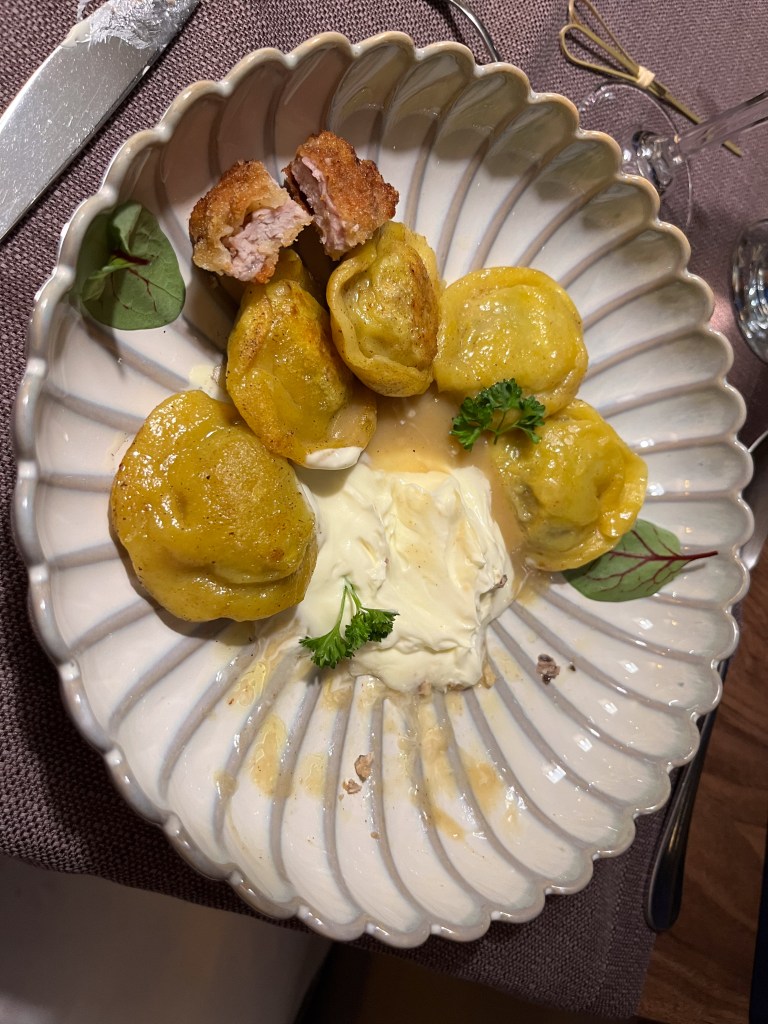
Pierogies are considered a staple in Poland and can be found almost everywhere. Pierogies are stuffed dumplings usually filled with either meat or vegetables in a buttery garlic and onion sauce, served with sour cream on the side. Absolutely delicious in any flavor.

However, there were many more variations in almost every restaurant. In addition to the standards—cheese, meat, mushroom, potato, and sauerkraut—we tried pierogies filled with veal, buckwheat, and strawberries. With such choices available and a lighter texture than ravioli, they are considered the most popular national dish. But it seemed like every place we went had its own favorite way of offering pierogis!

Playing the Oldies but Goodies

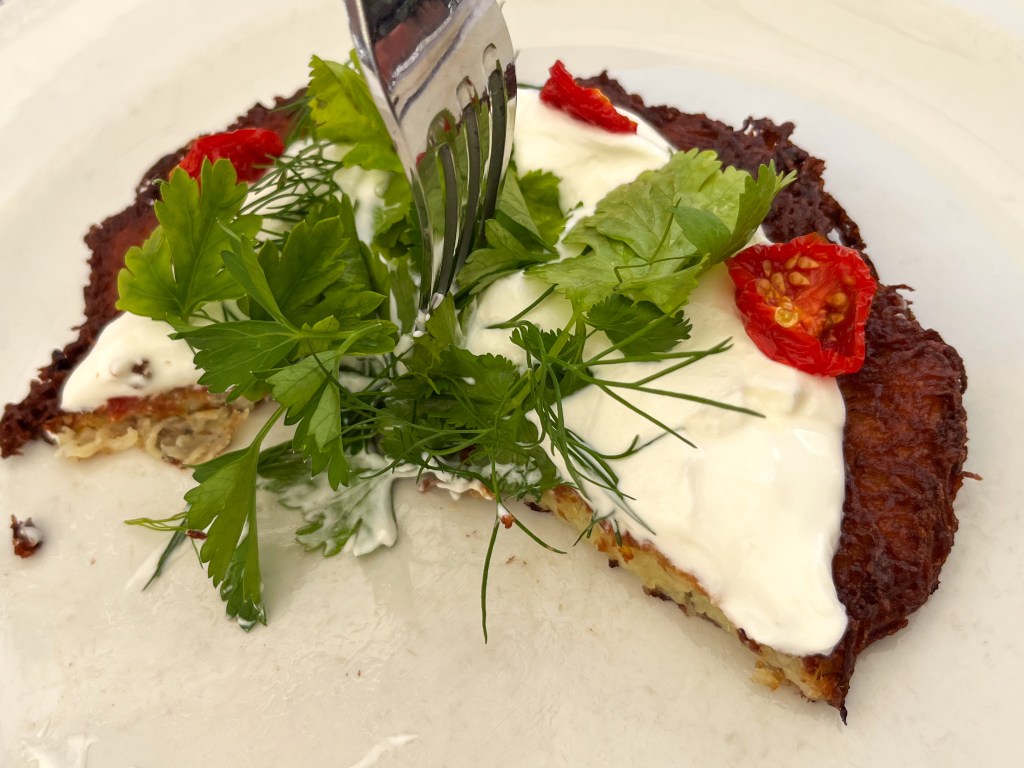
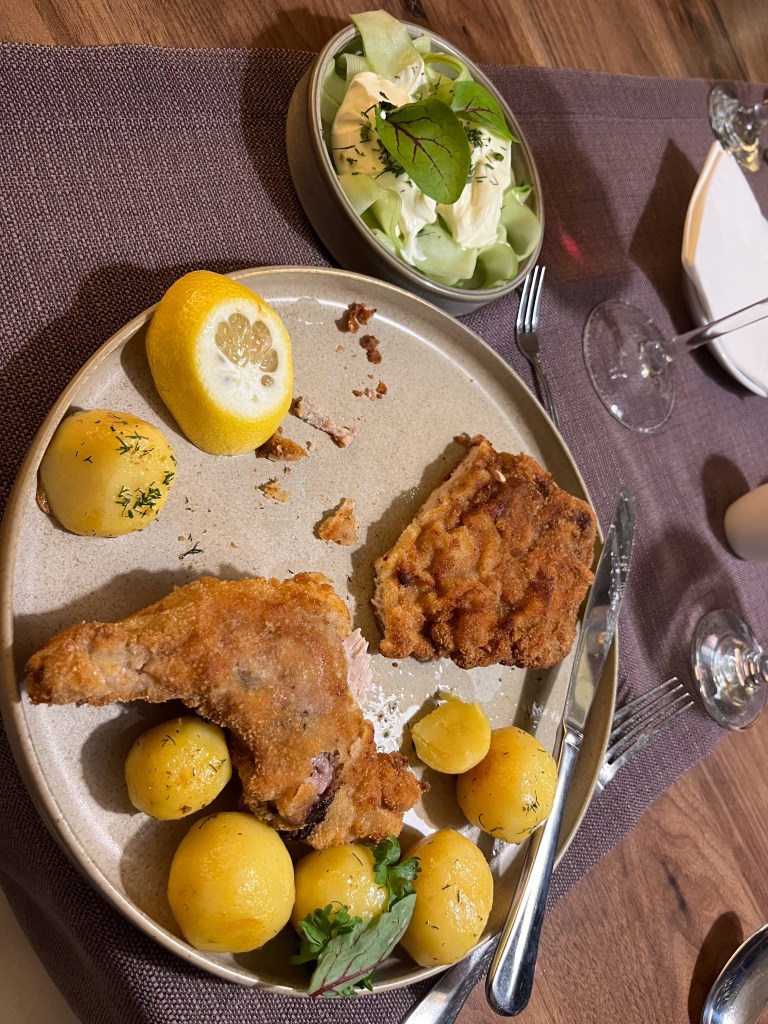
I hadn’t been thinking much about old Polish dishes I hadn’t tried in years until they started appearing on the menu. Fried breaded pork chops were a personal past favorite that I got to enjoy our first night at the Grand Hotel restaurant in Rzeszów. Memories of potato pancakes (placki) with sour cream came back as I ordered them for dinner at the Bartna Chata Restaurant at the bee farm Sądecki Bartnik. We were “buzzing” about the place for days.
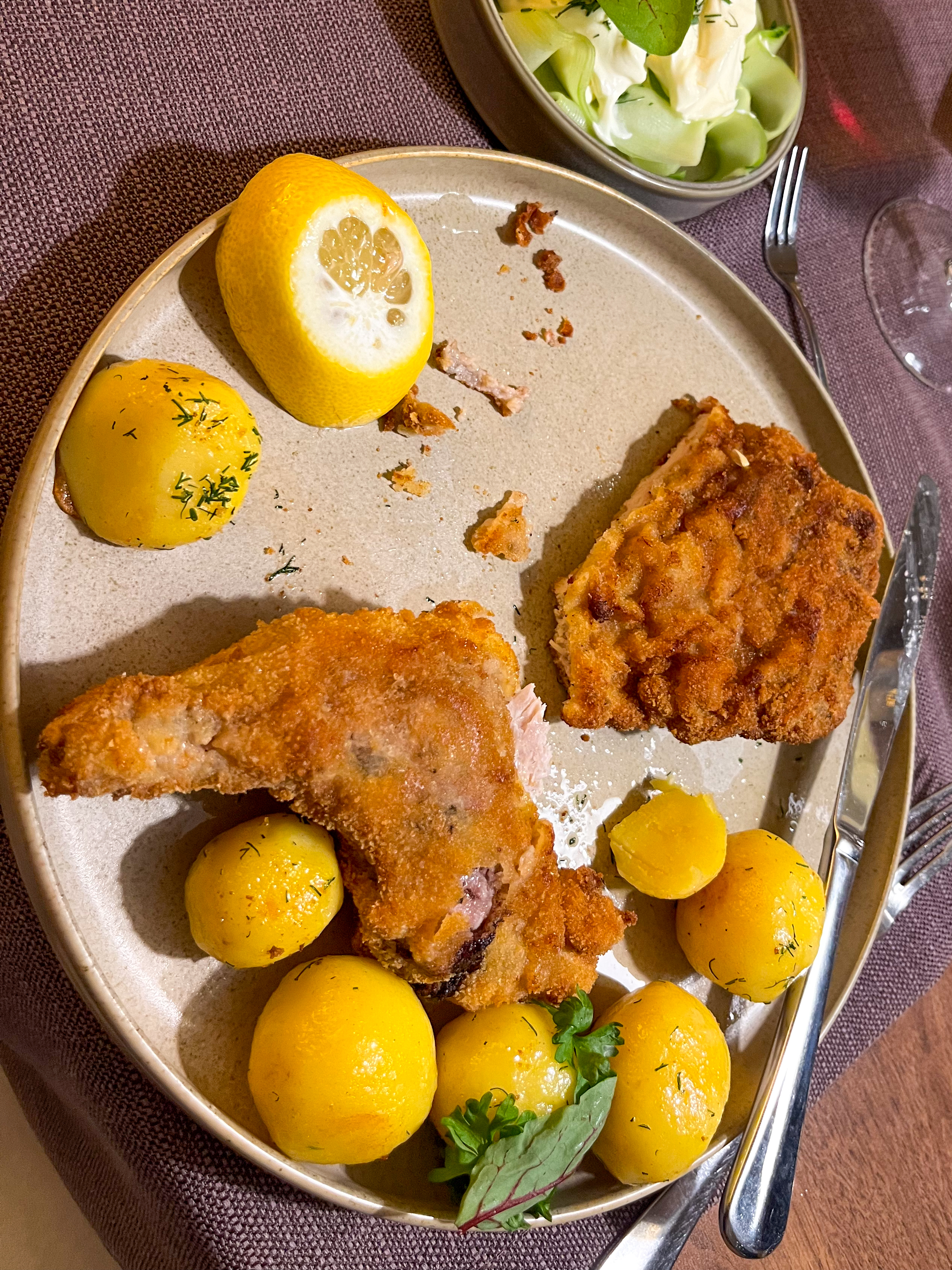
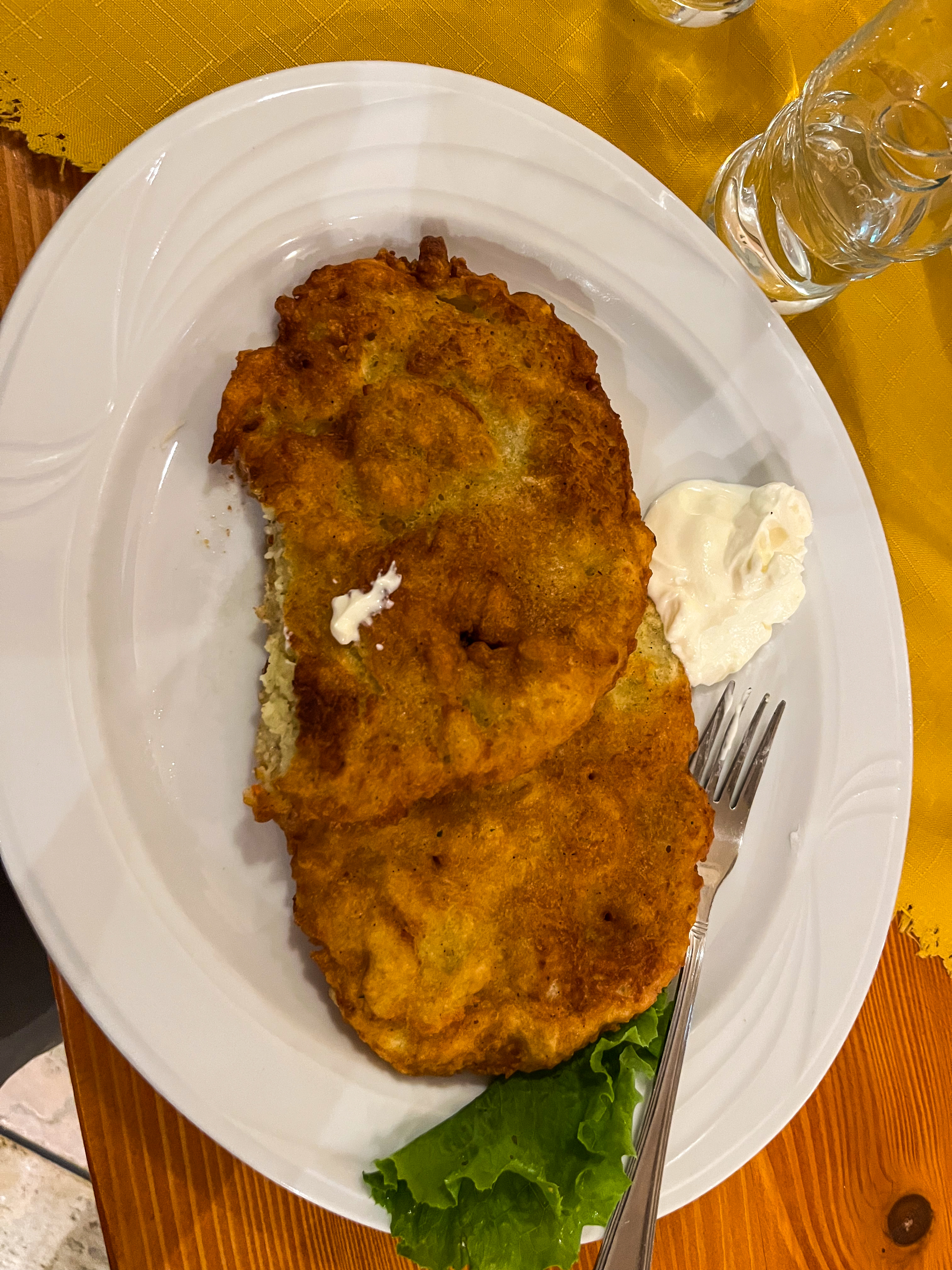
I’m pretty sure it was because there was so much else to try, and kielbasa is so well known, that we never ordered it during our entire stay. The one dish I sought out but was not on the menu when I wanted it was gołąbki, cabbage rolls stuffed with a mixture of rice and beef and served in a thin tomato sauce. It’s a common dish, less likely to be seen on a fancy menu. I still have fond memories of helping my mom make those by rolling together the chopped beef, rice, egg, breadcrumbs, and onions into those cooked leaves of cabbage. We would grab small chunks of the filling and eat the filling raw!

Different Eating Habits

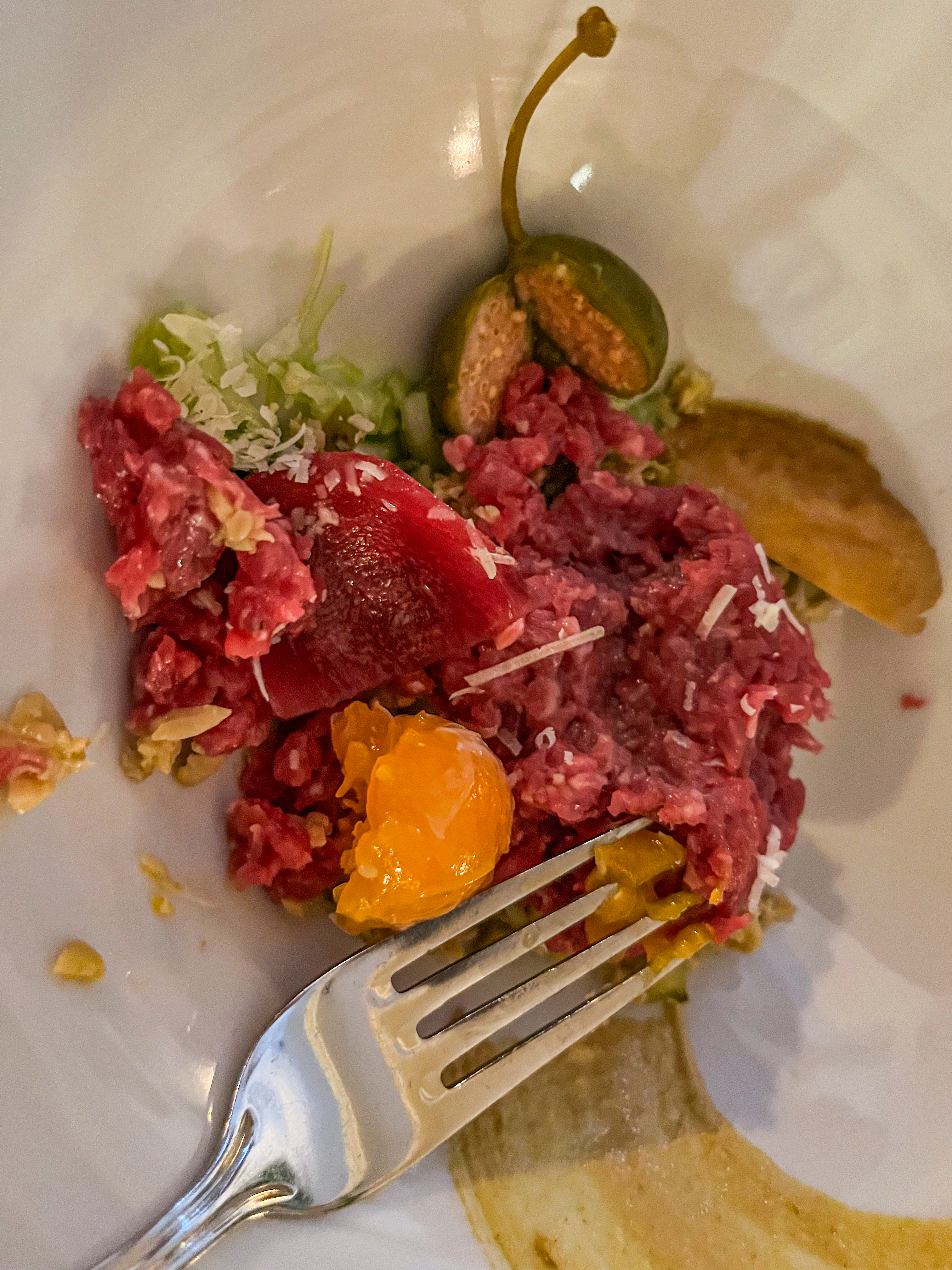
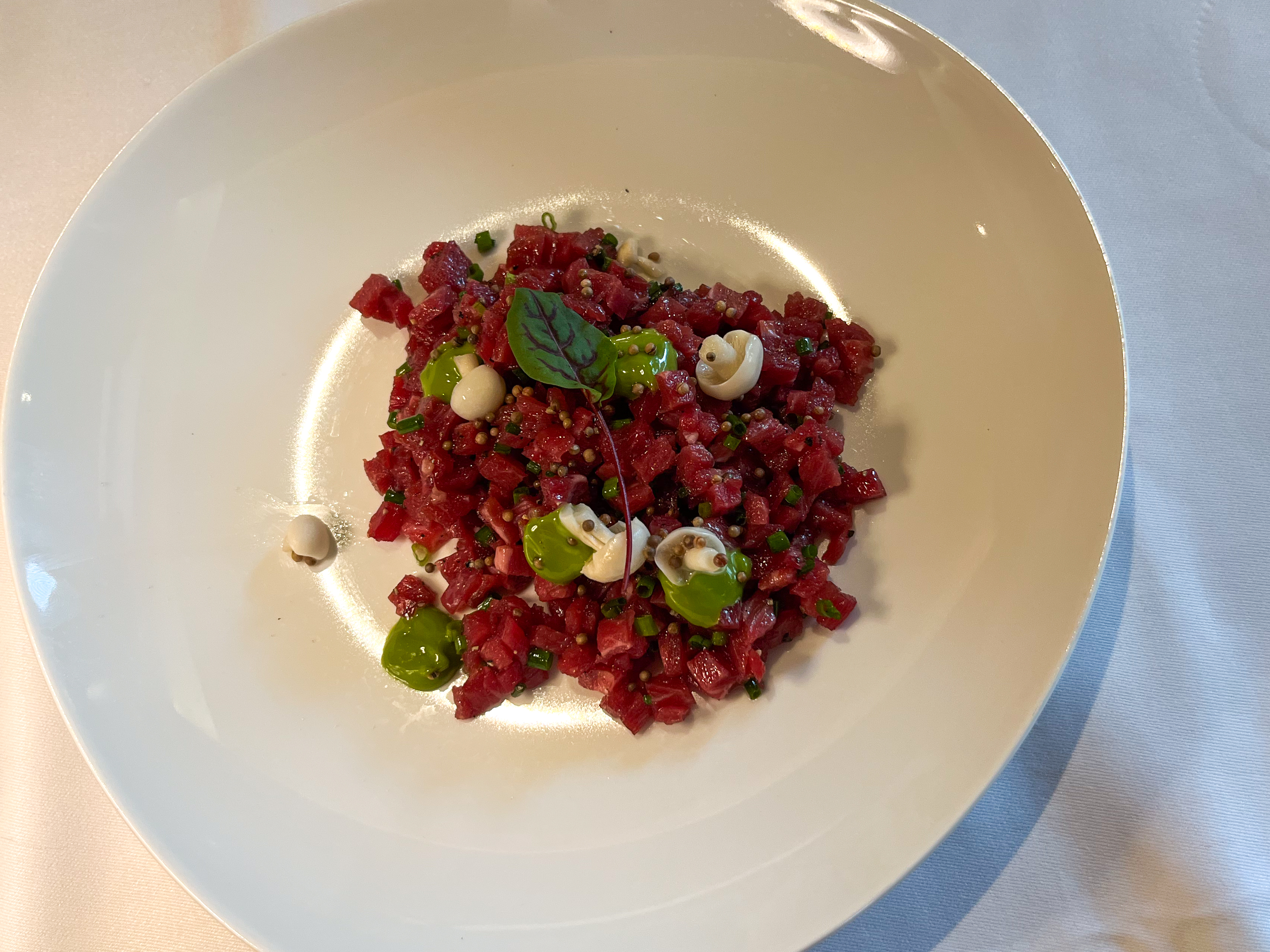
Speaking of eating raw meat, all the dinner restaurants we ate at offered steak tartare as an appetizer. Ethan and I ordered it several times and thought the taste was amazing. I’m not sure what the current food handling laws are in Poland, but the food is not highly industrialized and considered safe even raw. I’m pretty sure this is a “rare” dish in the U.S., in a different way.
Another country favorite is soup as an appetizer. My impression was that most restaurants expected you to order an appetizer, and there was always a variety of soups to choose from. Żurek, a sour rye soup, is often seen on the menu. Probably the most popular is borscht (aka barszcz), a clear beet soup with a sour finish from added lemon and/or vinegar with Polish mushrooms. I wish I had tried it, but it seemed there was always something else to try instead. I went for the cream of asparagus soup our first night, and it was outrageously good.
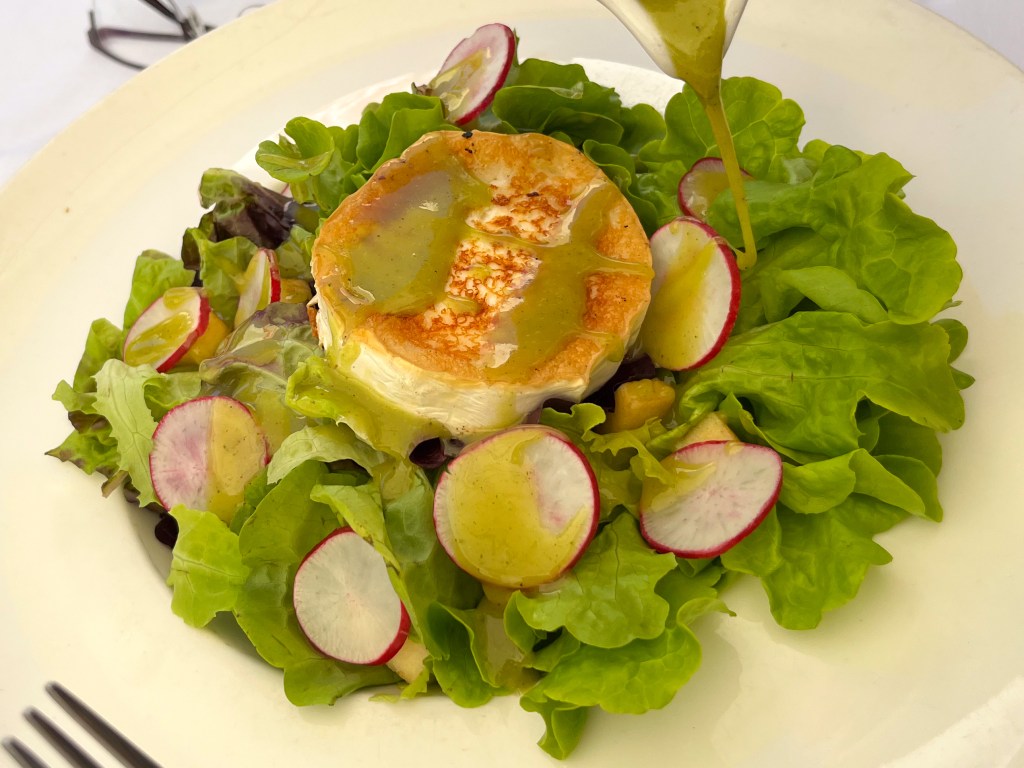
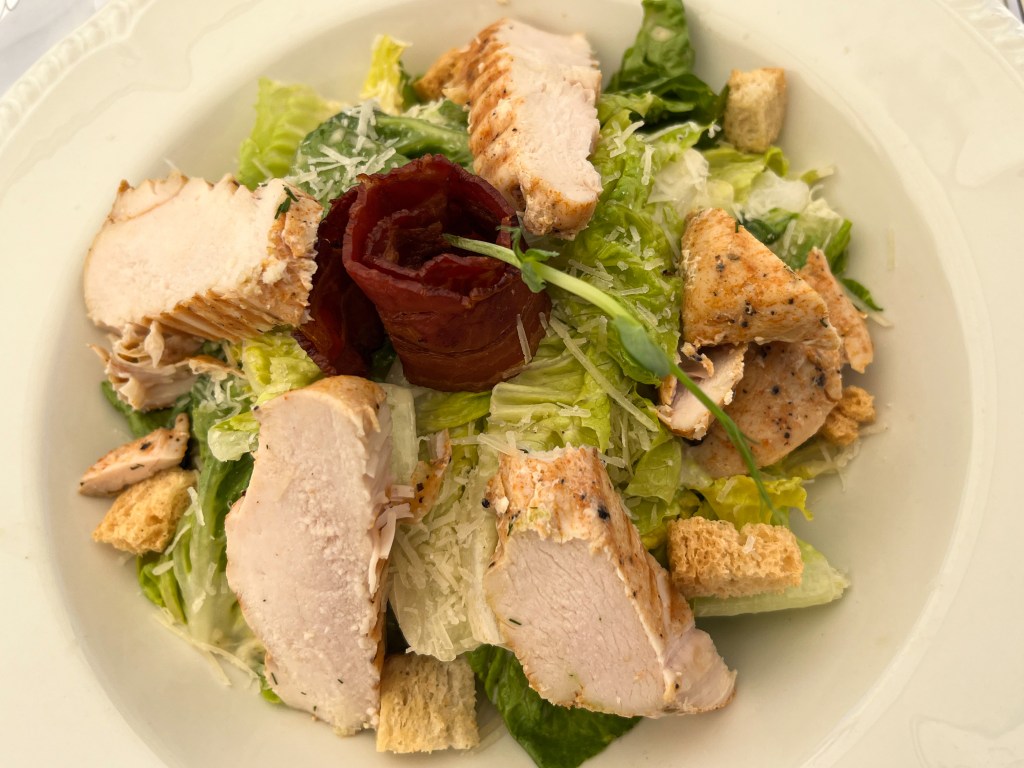
Of course, our visit would not have been complete without sampling the wide variety of international food in Krakow. We got to try Jewish and Middle Eastern dishes and one of the best pizzas I ever had in Kazimierz, the old Jewish section of town, where practically every type of food could be found.

Memorable Polish Dining
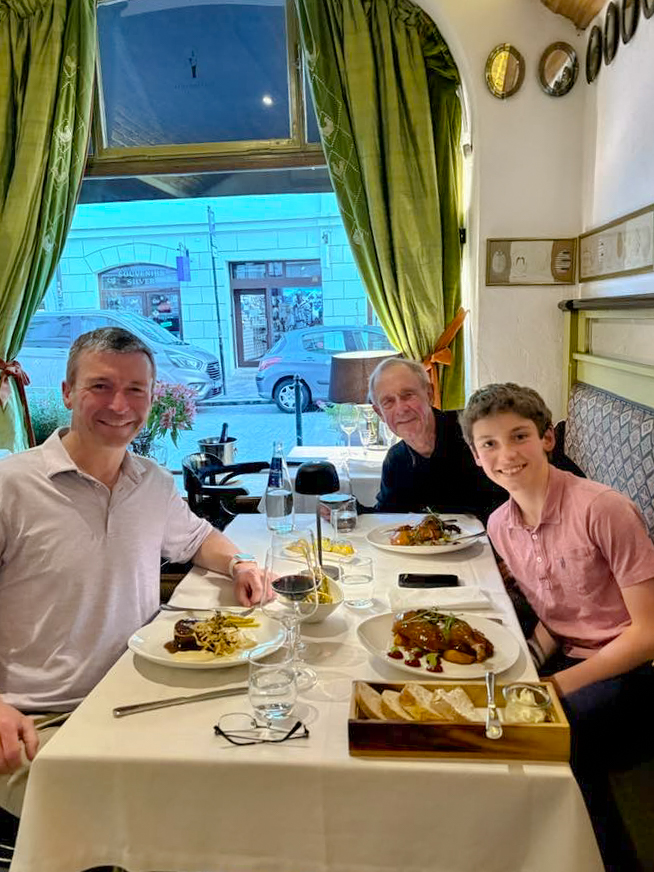
Dinner @ Kogel Mogel in Krakow

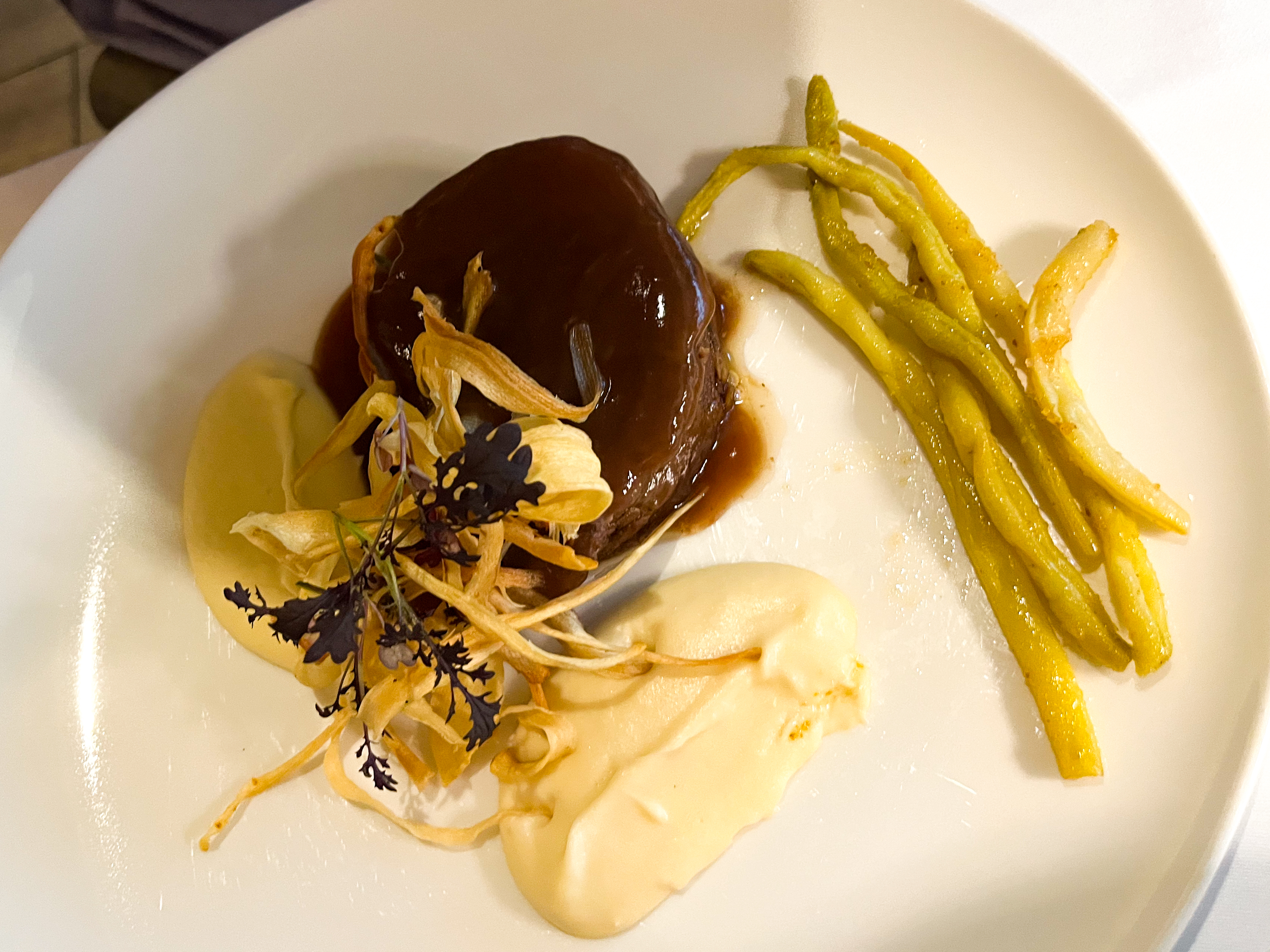
For our last night out, we ate at Kogel Mogel, a Michelin-starred restaurant in the old section of Kraków. Amanda, Ethan’s wife, treated us (remotely) to a Father’s Day dinner for the three of us at one of the best restaurants in town. I had the roasted duck, the house specialty, which was amazing, as were all the other dishes we tasted there.

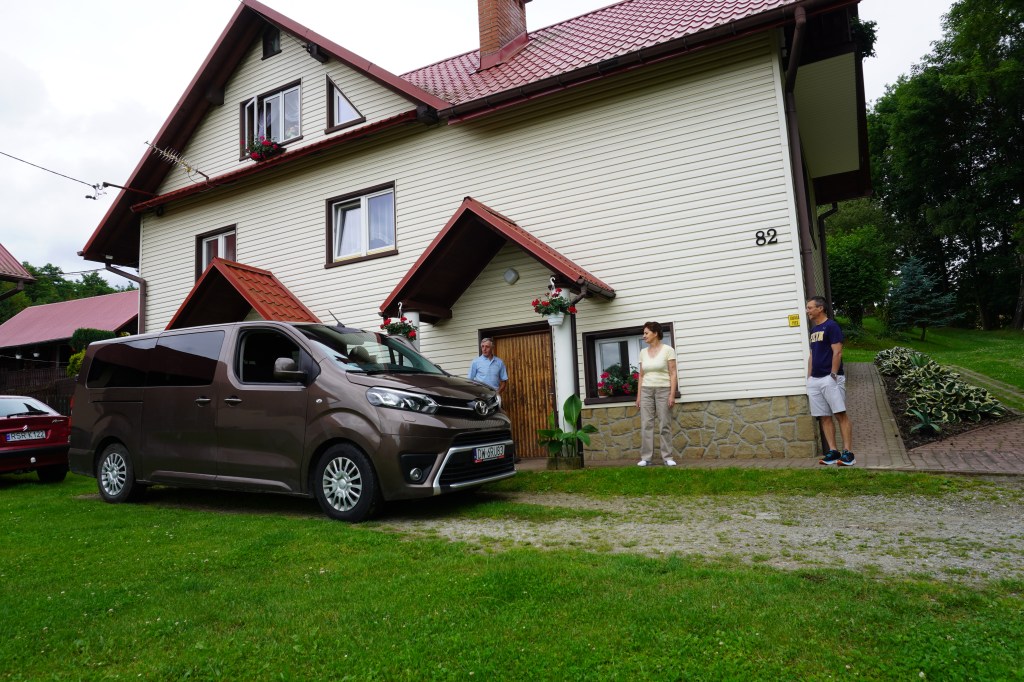
No doubt, the highlight of our culinary experience was to take place mid-week at our cousin’s home. We got to enjoy a surprise homemade afternoon dinner at the home of Bogumilia and Zdzislaw Furtek in Brzezanka. Bogumilia is a sister of cousin Krystyna Onacki, who had helped plan the visit to the place where our related family was born.
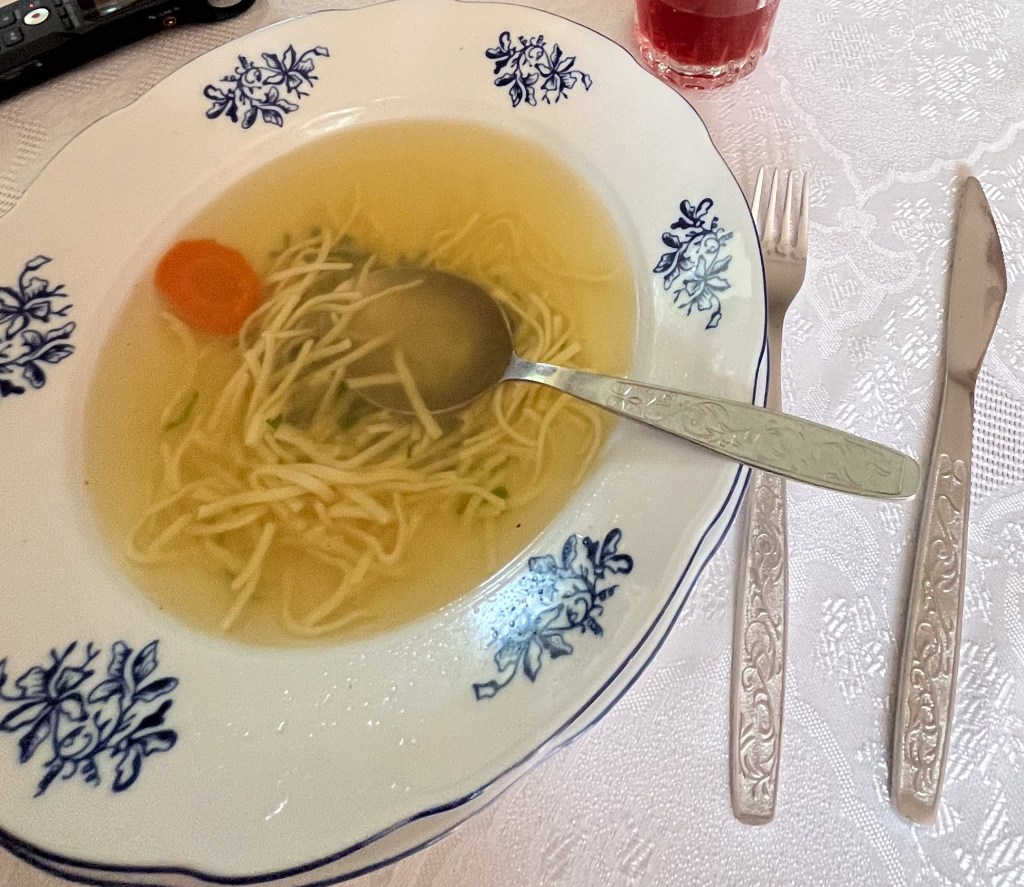
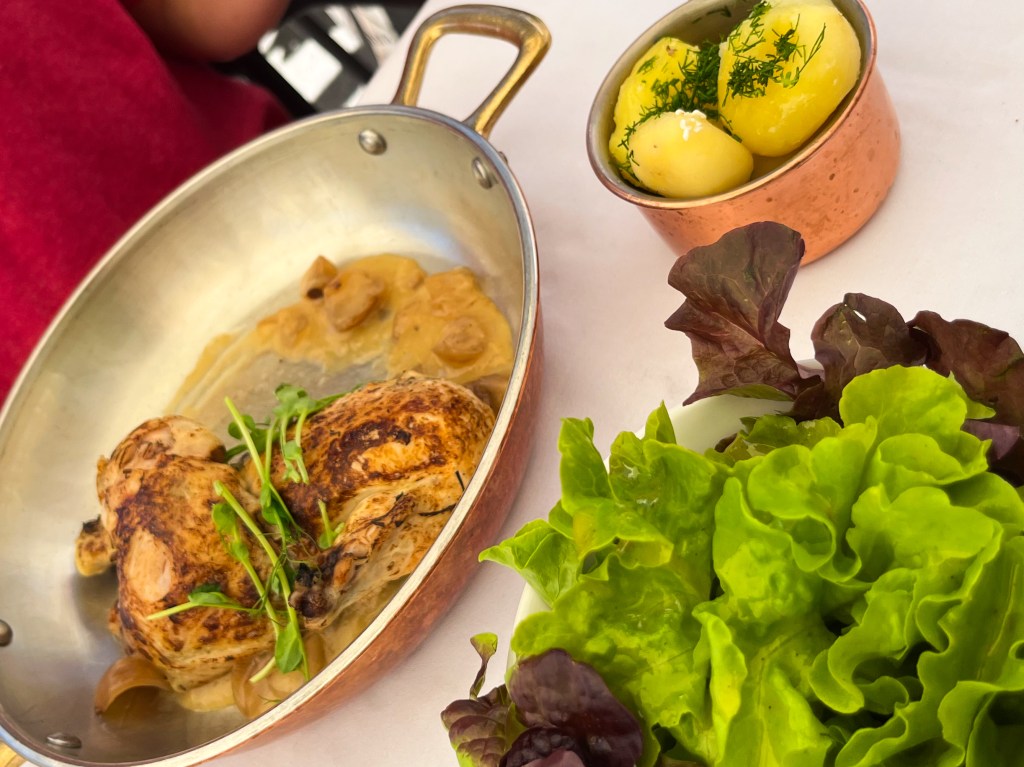
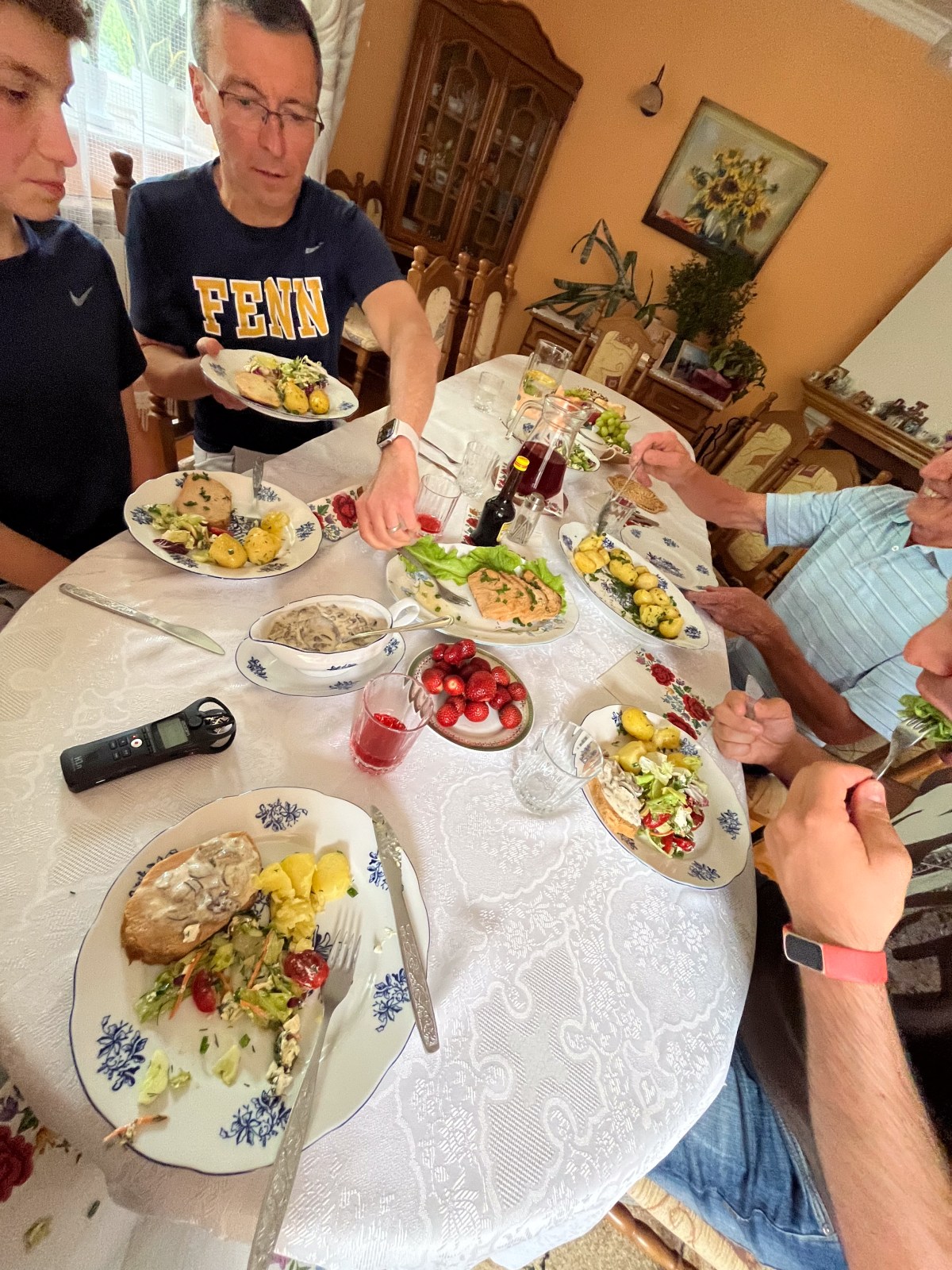
We had a chicken consume soup followed by a roast pork dinner with mushroom gravy, dill potatoes, and fresh salad – all sourced directly from their farm. 

Memories for Dessert

It’s funny how food often so basic that we take it for granted. What helped make this trip so special is that it brought back a flood of fond memories while opening up a new horizon of taste to explore. We did not get to try many of my old favorites and some new ones like the street food of Krakow and the famous filled Paczki donut. 

Food may not be the top reason to come back but it will be another major reason to revisit the friendly people and delicious cuisine of Poland.

Smacznego!

4o
Witnessing Auschwitz

Our family of three generations of Polish-Americans tour Auschwitz-Birkenau in search of its history and cautionary message. Can anything so brutal ever happen again?
We decided to add a visit to the Memorial and Museum Auschwitz-Birkenau as a final point of interest on our genealogical trip to Poland. It was about an hour and a half cab ride north of Krakow. As you can imagine, touring a concentration camp is not a pleasant task, but it was an important one for a trip themed around life and death.
All of our sources suggested purchasing tour tickets well in advance, as it is an “important” tourist destination. Much of the concentration camp area is free and open to the public. However, the museum offers reasonably priced small group tours in various languages, including English. The professional guide leads about 30 ticket holders throughout Auschwitz and the neighboring Birkenau camp, providing the necessary historical background in a roughly 90-minute tour.

There were busloads of visitors this Sunday (June 16) starting at the new visitors’ center, which seemed well-equipped and organized to handle large daily crowds in the thousands. The visitors’ center, a year-old, mostly concrete structure, is sparsely designed but well-thought-out as a waiting area to keep visitors moving. There seemed to be a bit of irony as we followed our somber guide, almost blindly, in military order to Auschwitz and then by bus to Birkenau. The place naturally has that kind of aura.

We visited a handful of the many buildings in a progression that seemed to heighten the senses to the scale of this horrific place. We started with an understanding of the scale of this project, which began in 1939 when the Nazis annexed the town of Oswiecim to create an industrial base with a work camp at Auschwitz, a former WWI Polish barracks. The success in exploiting and then murdering prisoners led to a huge expansion at nearby Birkenau and other smaller camps in the area. The camps held over 1.5 million prisoners, 1.1 million of whom were murdered. In just a few years, the Nazis had learned how to efficiently kill and plunder Jews (largest number by far), Poles, Russians, Gypsies, and others from all over Europe.

The tour, buildings, and grounds are preserved much as they would have been back then. Auschwitz does not look particularly threatening from the outside of the buildings until you learn what happened on the inside. The museum tour continues quickly through several buildings, each with a specific focus such as medical experimentation, extermination, proof of crime, interrogation, punishment, and cremation.

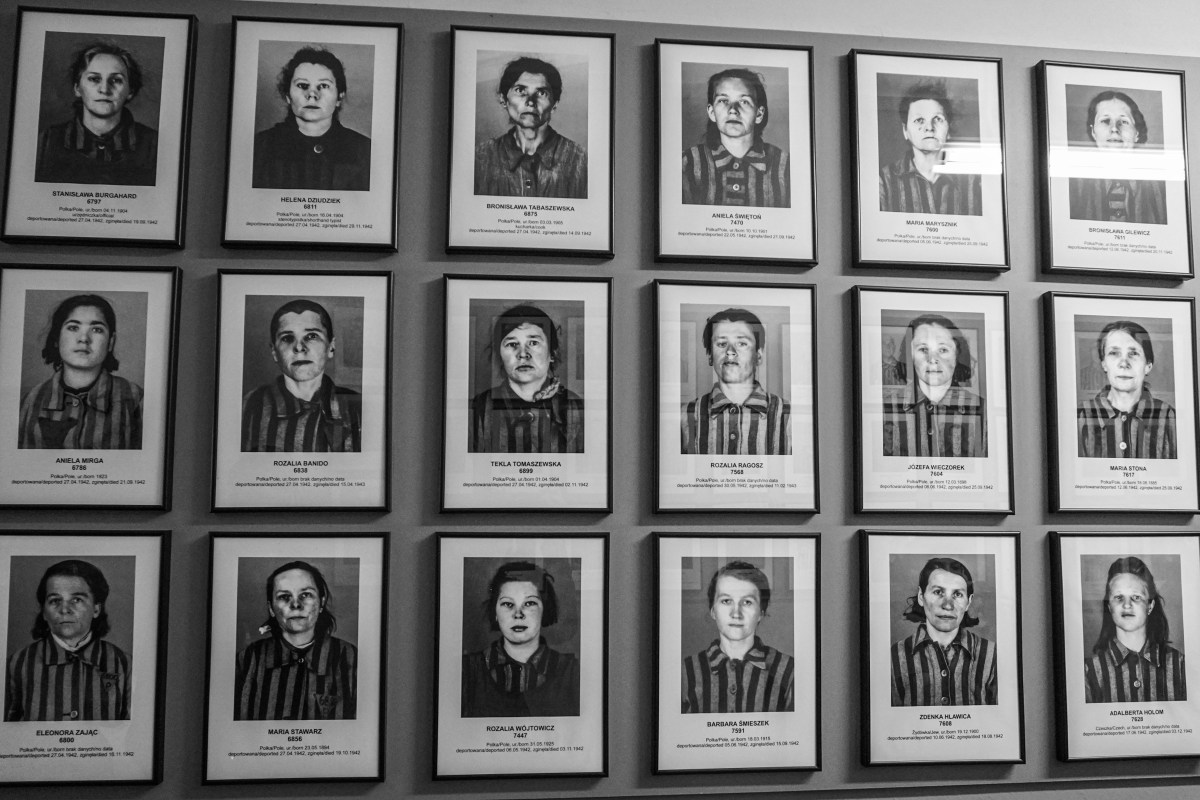
All this is explained and examined through the many glass-enclosed statements and artifacts. Surprisingly, the photos on display do not show the ravaged bodies of the starved and tortured, but rather pensive and scared individuals waiting for the worst to come. This is not a multimedia experience. We see and hear only the story, but by being in the actual place, we can more easily imagine what happened. Imagination here can be more powerful than simulation.

The final third of the tour was a short bus trip to Birkenau after touring Auschwitz. I was surprised by the larger scale of the Birkenau camp. Its 365 acres are wide open except for a dozen or so buildings and the ever-present electrified barbed wire fence. There is a dominant headquarters building and guardhouse with train tracks running right through it. The tracks and train end about a half-mile into the camp, where thousands of prisoners would end their final journey.

Auschwitz remains important as a reminder to all of us of man’s ability to do wrong, especially to each other. One can only imagine how anyone could be so cruel, although there is plenty of reason today to think that it could happen again. On the other hand, we know that people can change too. Germany and Japan today are positive examples. It’s worth a visit to Auschwitz at least once in your life to give that some serious consideration.

For this particular visit I chose to create one slide show video with pics we took while on the tour with the theme from Shindler’s List playing in the backgroud. While we were all lost for words, the pictures are memorable and speak much louder than words.

Slideshow Video of Photos taken at Tour of Auschwitz-Birkenau

The Family Dragnet

Here’s how we became genealogical detectives in Poland as we hunted for clues to our family history.

If the word “Dragnet” means something to you, my guess is you remember Sargent Friday saying “Just the facts, ma’am.” on the old popular TV show. Or the 1960’s comedy movie version of that show with Dan Ackroyd and Tom Hanks. Either way it was about how detectives solved crime (mysteries). It seemed they had odd and funny ways of discovering facts when they interviewed suspects or witnesses.

Dragnet Theme

Now, we were on the ultimate dragnet for any clue to our family history. Facts mattered. Leads needed to be followed. We were on a missing persons investigation in Poland.

Near the top of my personal mysteries is how we got here. Ultimately, we all come from the same relatives. But the road that was taken by each of our ancestors made us who we are today. Sometimes, it was a voyage to leave their country and family. Other times it was to stay and make the most of the life they had, even if it was harsh at times. Whatever path was taken, family connections remained strong in most situations.

Where This Investigation Begins

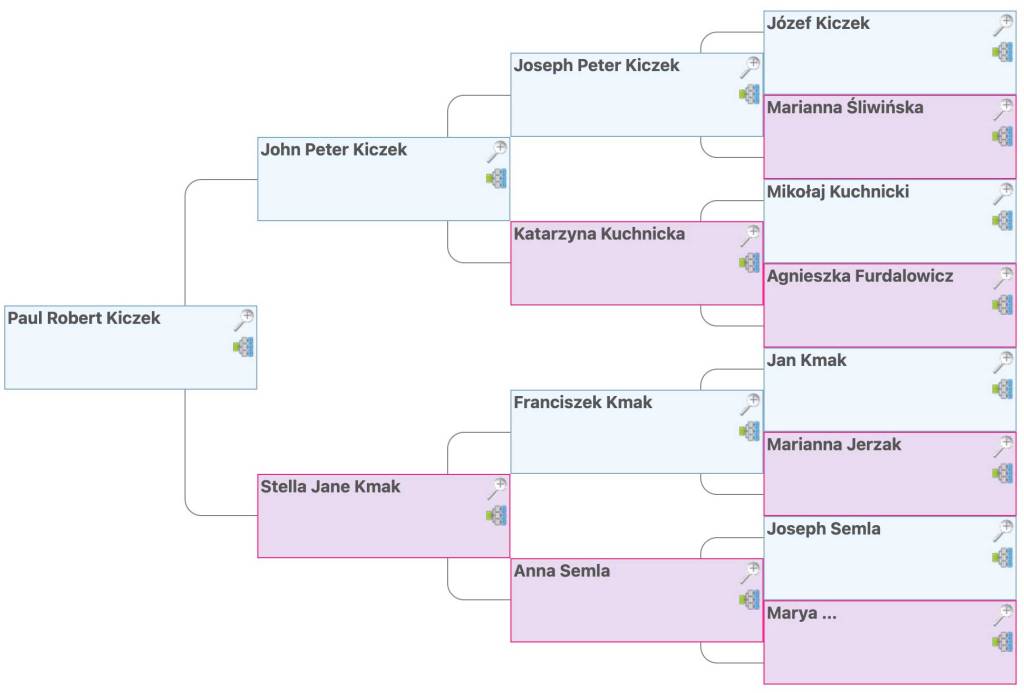
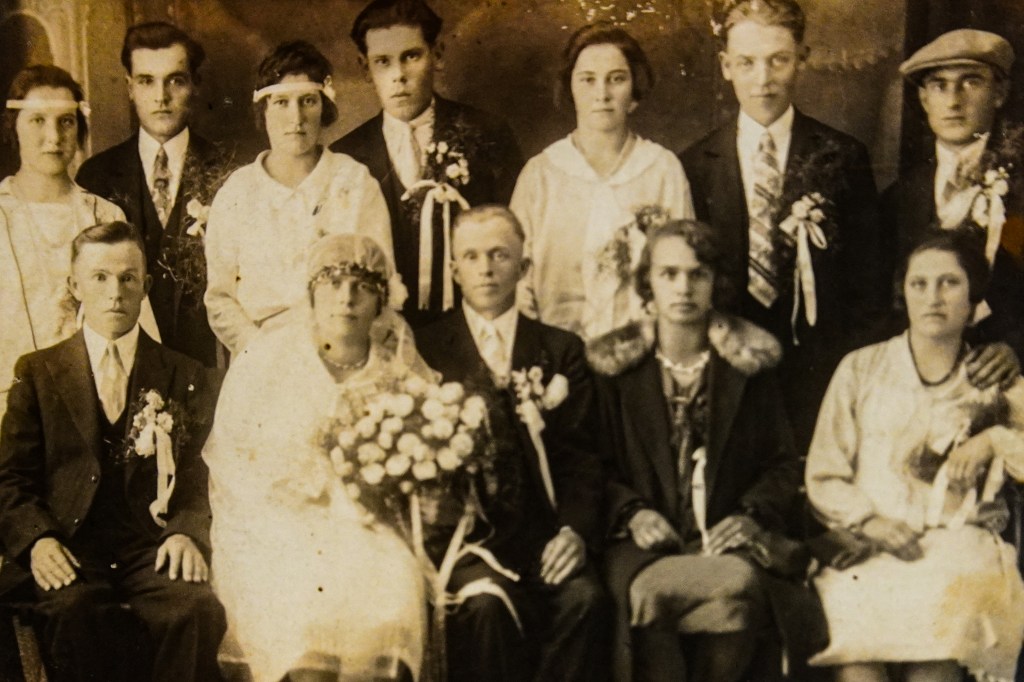
About 10 years ago, Krystyna Onacki, a distant cousin from Poland discovered our Kiczek family. A Polish citizen at the time, she met and later married John Onacki a U.S. citizen when he was studying abroad in Poland. They moved to Roselle, N.J., coincidentally, the same town in which I grew up. Our family connection was through her mom who was a descendant of Josef Kiczek, my great grandfather.

Little did I know then that Josef had a second wife after his first passed away which created a second branch of the Kiczek family. Just 10 years ago, I had little knowledge of who my grandfather was, let alone my great grandfather. And, my parents and their siblings had passed away years before so it seemed we had no one left to ask, until Krystyna found us.

Large families were desirable back then to help work the land, provide financial support and to replace those children that would die young. For our side of the Kiczek family, my grandfather would immigrate to the U.S., and have nine children. My father’s siblings included one brother who became a priest and three sisters who would live their lives as cloistered nuns. To most Polish families this might have been the ultimate career choice and source of family pride. It was also seen as a way to increase their blessings by bringing the family closer to the Catholic Church. 

Covid Creates a Time Warp

My oldest son, Ethan Kiczek, met the Onacki’s and understood the family connections better than I. Ethan has an engineering degree and has worked in technology his entire career, appreciating the complexity of large scale projects. In 2020, tied down by the pandemic and working remotely, he became absorbed in discovering more details about the family.

Often a search leads to a clue about another relative or the nature of a relationship. This usually needs to be verified. There’s digital sources, like ancestry.com and there are analog sources, like a town’s records of births, deaths and marriages or even finding tombstones. 

While it’s possible that a birth record can appear as a digital image, more often than not it simply needs to be found in a physical registry of births, deaths and marriages. This is especially true for older records. In Poland. registry books are often located in the town where the family lived – or in the registry of the local church where they prayed. All this would take time and concentration, which with Covid, we all had plenty of.

Ethan searched a few databases like the Mormon’s FamilySearch and Facebook’s genealogy groups to discover what sources could help and how to get more information, if the data was not available online. This led to outsourcing a remote genealogical researcher in Poland, Lucjan Cichocki, who could actually go to local Polish towns to search registries to validate and discover family connections. Lucjan became our Sargent Friday. But, that led us to considering getting involved in this Polish dragnet too.

Going Back in Time

Ethan discovered, with the help of Lucjan, the towns where our family lived and even traced some ancestors to the 1700’s. But to dig deeper, we would need to view the registry records. Those records also state some other related information like the birth date, name of parents, religion and towns they came from. Ethan began to construct a large family tree that opened up our imagination as to who were our ancestors and how we were related.

PK’s Family Ancestors to Investigate

In 2022, we began to plan for a trip to Poland to discover our relatives – assuming we could find them and they would talk to us. But it was then that the Ukrainian-Russian war started. The area where our family was from was only about 50 miles from the Polish-Ukraine border. At that point we had no idea if the war would spill over to Poland. Poland’s borders have been moved often and the area we were planning on visiting was once even considered part of Ukraine. So, we postponed the trip for safety reasons. But the dragnet research continued.

Our Case History

Plans were set in late 2023 to visit the following year all the towns where my family seemed to have originated or once lived. Ethan’s mom, Judy’s (Dolac) mom had a clear connection to a town in the same region too. So, Ethan worked with a special touring company called PolishOrigins and created a custom tour that would take us to most places we had confirmed had a family connection. We hoped to visit those places, hopefully discover more connections and perhaps meet some relatives!

We spent four days investigating our ancestors in Poland, mixed with some interesting sightseeing along the way. Here’s a brief case history of what actually occurred during our investigation part of the trip:

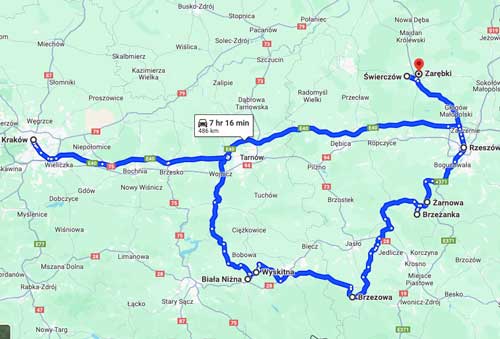
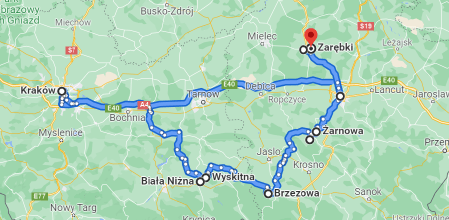
Our Ancestry Tour Route from Rzeszòw to Kraków
Tuesday, June 11, 2024

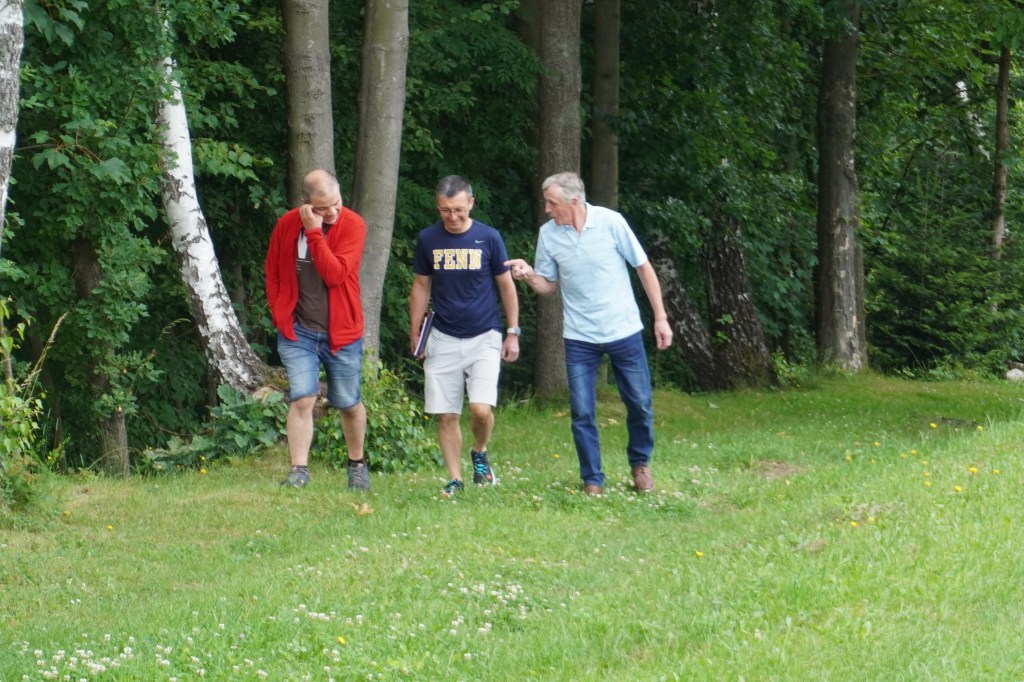
Świerczów – About 20 miles north of Rzeszów, our starting base, we sought family connections to the Stobierki’s (Ethan’s grandmother on his mother’s side). We had an address to go to from previous research. Found a distant cousin Halina Knipa and son Bartek. They share a great great grandfather Michal Stobierski with Ethan. We visited the town hall for records, the old family farm where his grandparents lived and a local cemetery. We exchanged emails for future follow-up. See the earlier post for more details on this visit.

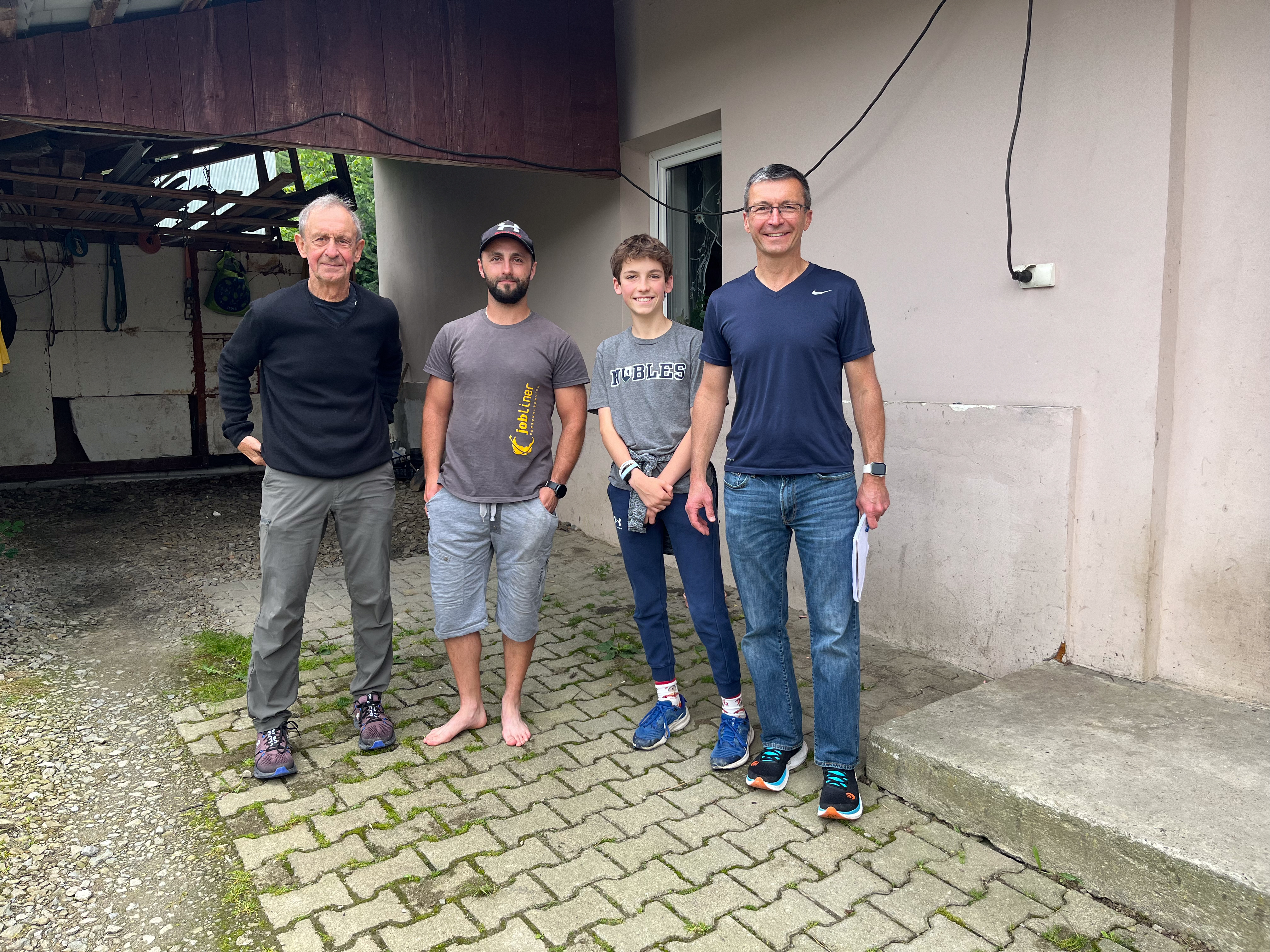
Bartek, Ethan, Ethan Luke, Helina

Wednesday, June 12, 2024 – morning

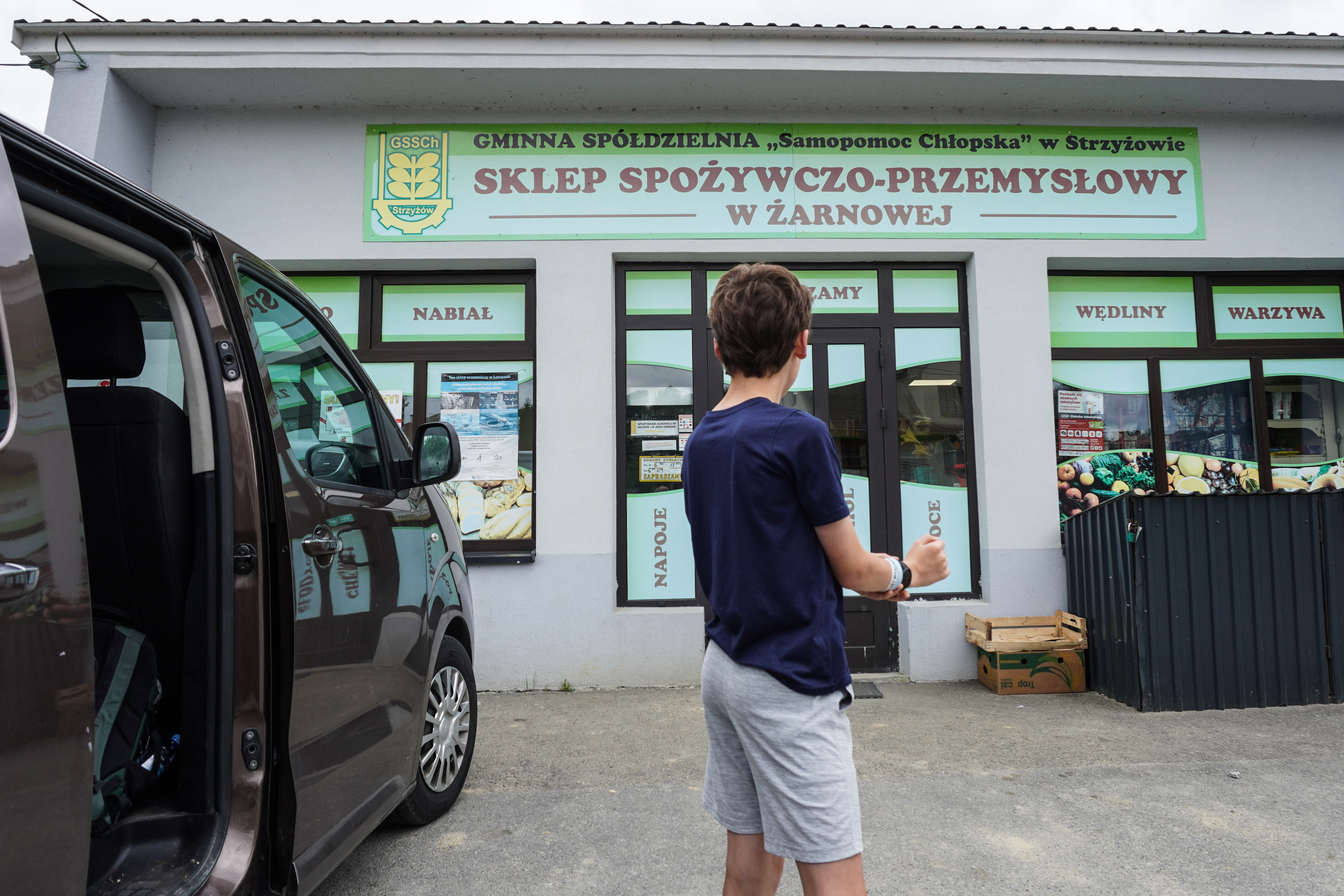
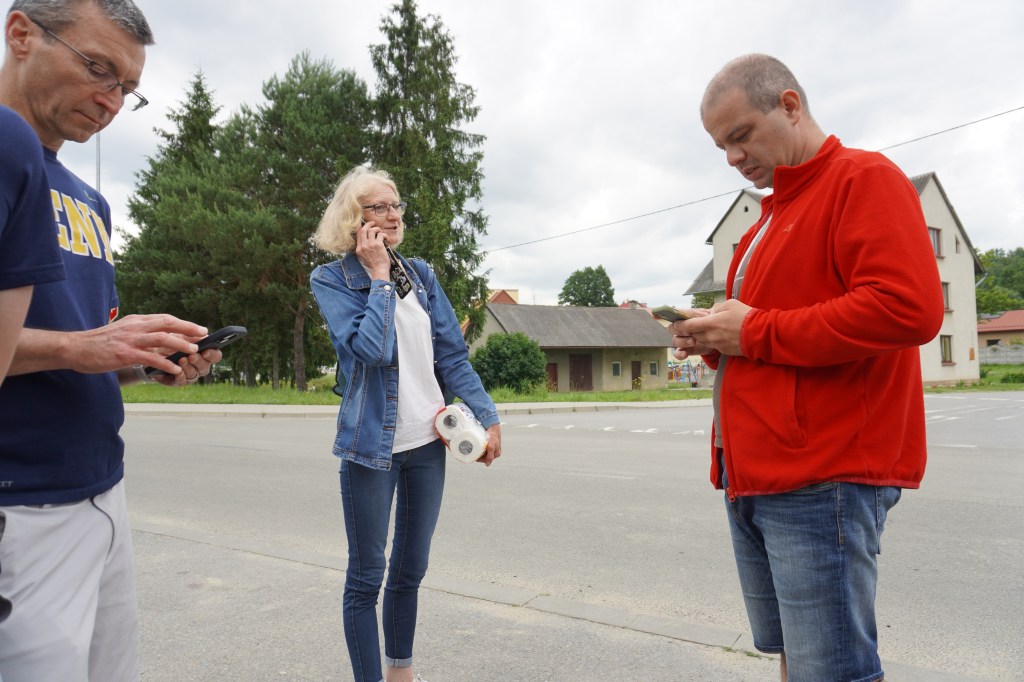
Żarnowa – In search of Sliwinska family (or possibly Sliwinski). Marriage records showed that great grandmother Marianna Sliwinska (born 1847) had married Josef Kiczek (born 1827) and was originally from this town, about 20 miles south of Rzeszów. We had a possible address or location but it seemed wrong. We went to the nearby convenience store to ask around if anybody knew a Sliwinska family and followed a lead to an address that might be a descendant. No one was home but a neighbor corroborated that there might be a connection. They called the possible relative and we promised to send a letter explain our relationship. Low odds on connecting here, but maybe they will respond.

Wednesday, June 12, 2024 – afternoon

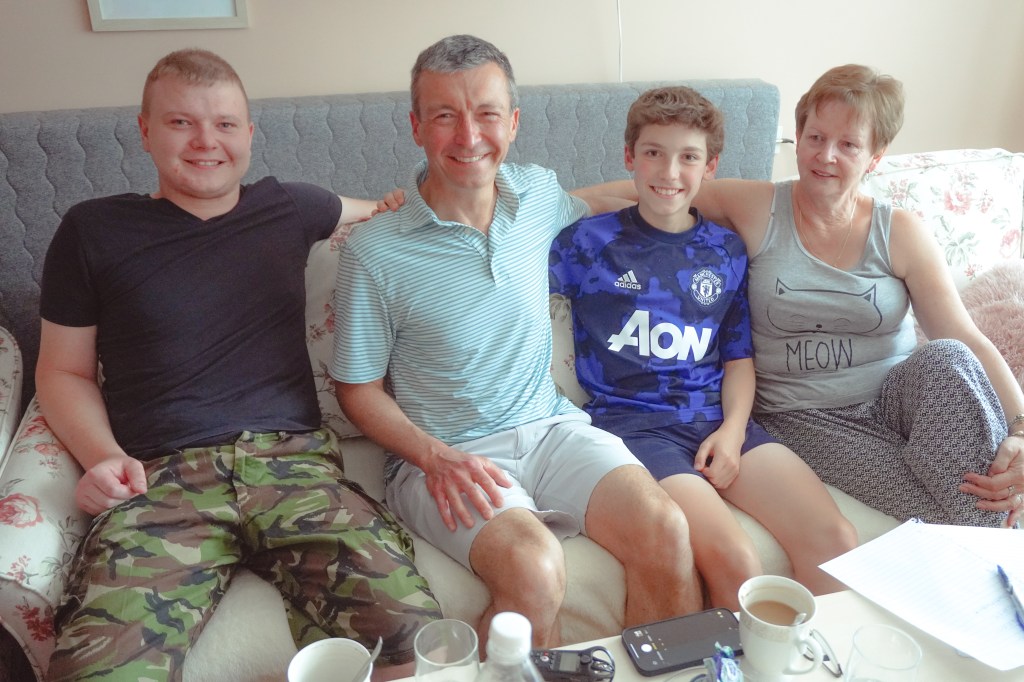
Brzeżanka – a neighboring town to Żarnowa, we had our best clues and even arranged a meeting with Bogumila and Zdzislaw Furtek. Bogumila is a sister of Krystyna Onacki, our cousin who helped start this whole investigation back in the states. This was pay-dirt for us.

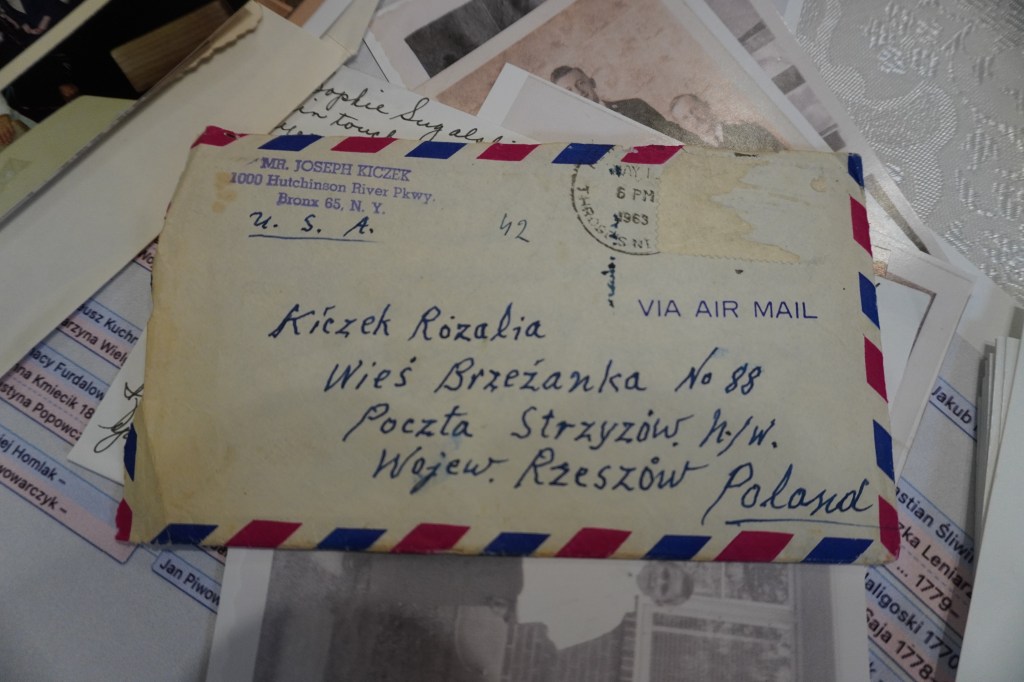
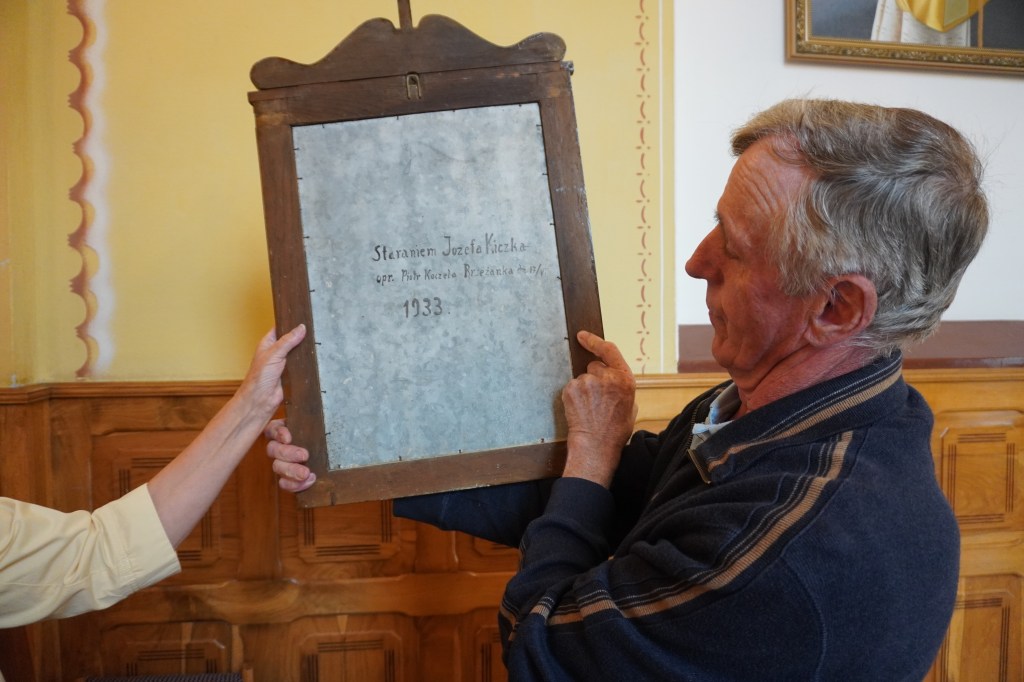
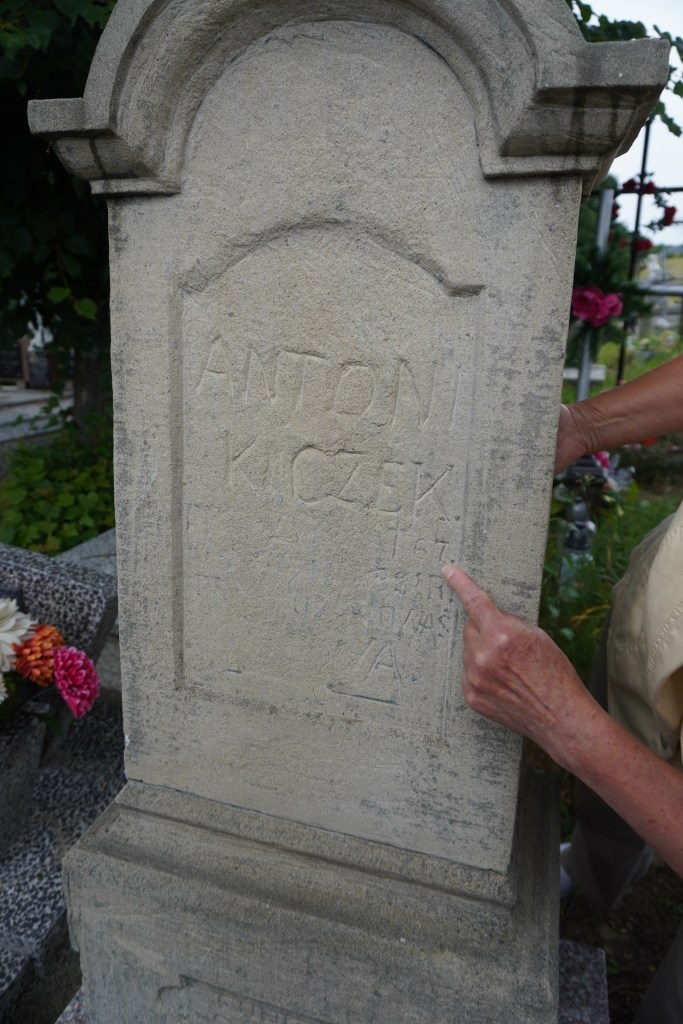
We now had a direct connection from the other branch of the Kiczek family. Antoni Kiczek was a half-brother of my great grandfather, Josef Kiczek. His descendants included Bogumila and Krystyna. It seemed Josef married once had eight children and married again having four more. Not so uncommon back then. One of Antoni’s sons was our familiar “Uncle Joe”(Joseph Kiczek) as he became the messenger between the U.S. and Poland Kiczek families. We just never realized what the exact family relationship was.

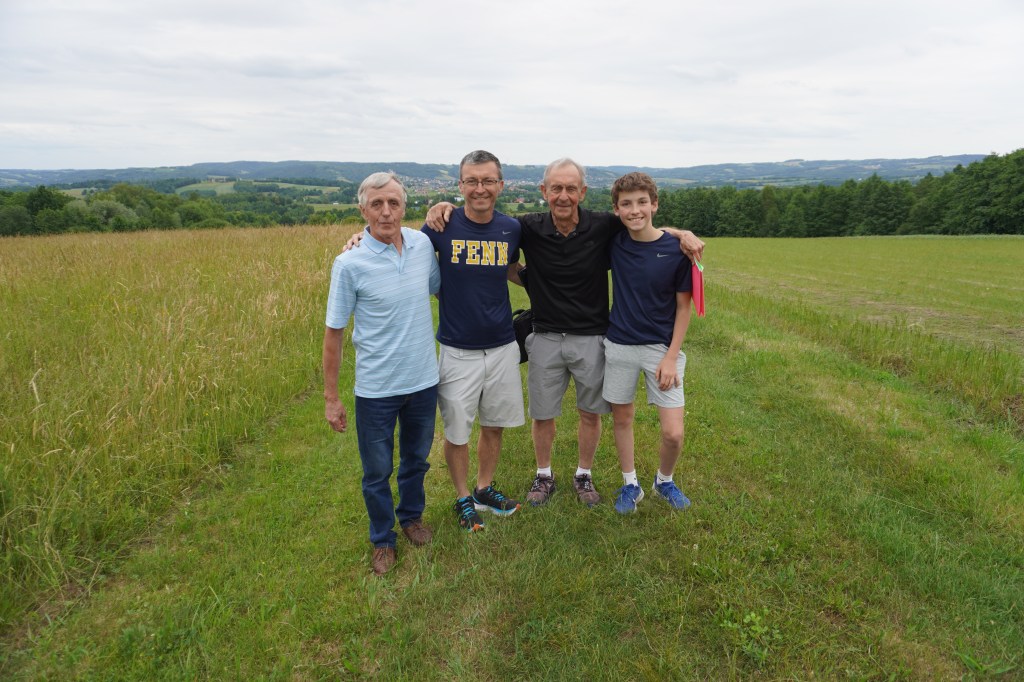
This was the highlight of our trip from a social and genealogical point of view and the main objective. We met a distant but direct relative, had a warm inviting visit, saw where my great grandfather and some of his descendants lived and tilled the land, even until today. We ate together, exchanged gifts and promised to keep in touch. We had an open ended welcome to come back. More than that, we discovered the land where our ancestors lived and worked was a beautiful peaceful place. See the earlier post for more details on this visit.

Thursday, June 13, 2024 – morning

Brzezowa – Our investigation moves on as we travel 30 miles southwest toward the foothills of the Carpathian Mountains and closer to the Slovakian border. There we searched for traces of my paternal grandmother’s (maiden name Katarzyna Kuchnika) family. After visiting the town hall records we found a possible relative’s address. We went to a cemetery and the home of to a a Kuchnika descendant and her son but they did not seem terribly interested in relating anything to us. We made the connection but in this case there wasn’t much interest in continuing communication.

Friday, June 14, 2024 – morning

Grybow/w – We travel west another 10 miles in search of my maternal grandfather’s ( Kmak) family. We started in Grybow, the area where we had a record of his family. We went to the local town hall to explore records. We found a clue that Kmak’s were still in town and a relative might be living nearby. We visited Richard and discovered another lead to a younger generation relative. For our last investigation we went to a local farm and met Kamil Radzik, 28 years old, our youngest relative we met. He offered his email and promised to connect.

Friday, June 14, 2024 – afternoon

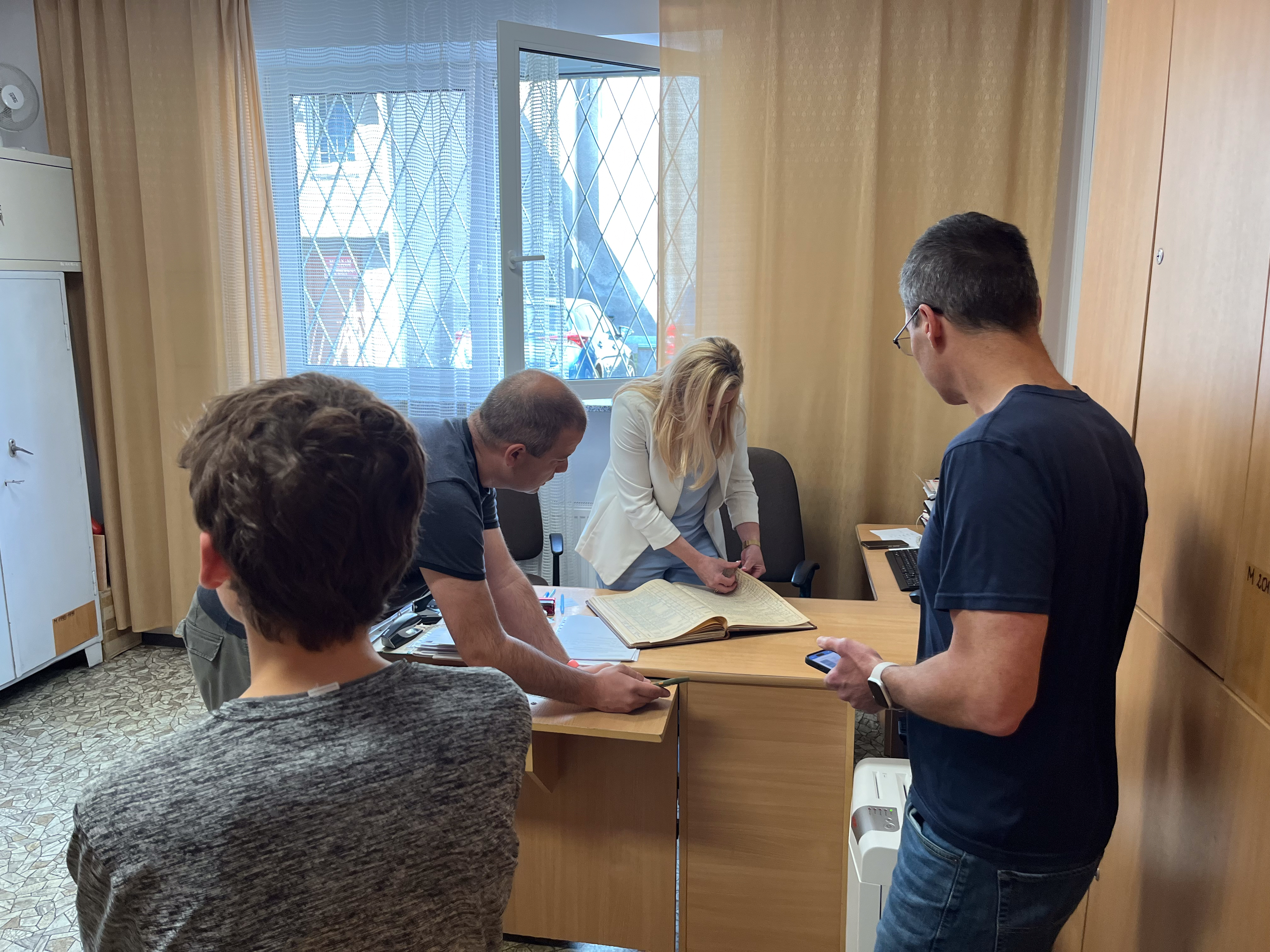
Bobowa – Our last investigation started in the local town hall. Through Lucjan’s charm and two very conscientious staffers we spent over an hour pouring through records to find my maternal grandfather’s family.

Case Closed?

Four days of investigation had ended. With the help of Lucjan as our translator and charmer, we had managed to discover new facts, meet family members and potentially open up further communications. Eventually, Lucjan mentioned that he was interested in police detective work, his skills fit perfectly for that job.

More than that, we had a real feeling of what it was like living in Poland. It is truly a beautiful country, not unlike America. There are small quaint towns, small shops, even American fast food (e.g., McDonald’s) and town halls with vital records. Beyond that there is a huge landscape of open fields and undulating mountains. It changed my perspective about who are ancestors were and where they were from and why many chose not to leave.

I couldn’t stop myself from thinking of one of my favorite Elvis Costello songs that seem to relate to us being amateur detectives, if only for a while and in a friendlier way. The following video has nothing to do with genealogy, but it too is a great mysterious song and video about being a detective….

Elvis Costello: Watching the Detectives

Notes from the Field

A recap of two days of gumshoe detective work, unique sites and the Polish countryside.

I expected this would happen.

There’s too much going on to keep all the interesting stories coming. Everything is going according to plan. In fact, much better than we imagined. More details to come about the last few days in future postings .

Yesterday we were spent a beautiful day touring Krakow. Today, we are heading to Auschwitiz so we expect the mood to change but feel excited about the new experience.

I should add that coincidentally it’s Father’s Day! I’m feeling something special about that on this trip.

As a quick update on some past days …

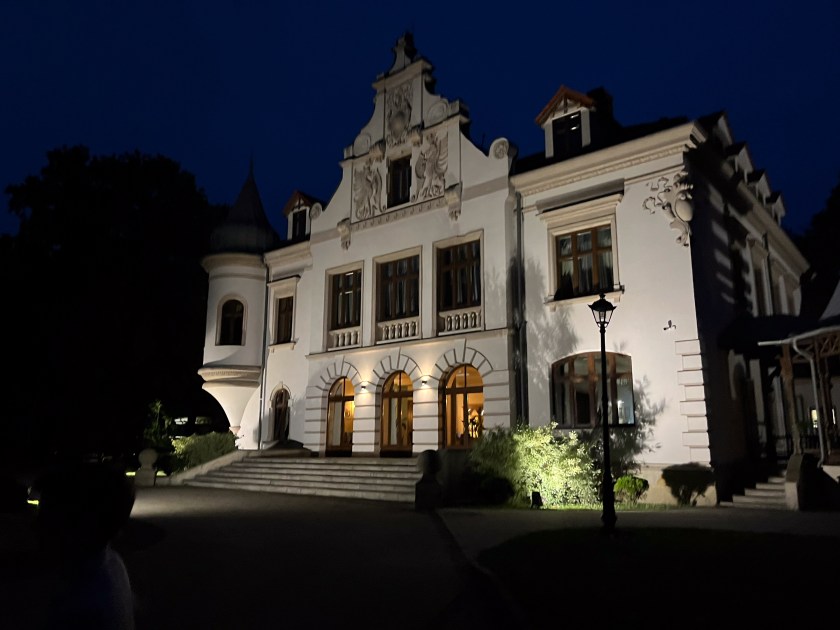
Last I left the notes on this trip, we were heading into heading to our hotel Polanca Palace in Krosno on Wednesday night. It was a beautiful restored mansion with a great restaurant.

Polanco Palace
Pałac Polanka Hotel

Thursday – June 13

The next day (Thursday), we drove southwest another 40 or so miles to Brzezowa. Here we were on a hunt for traces of my grandmother’s family on my father’s side. Joseph Peter Kiczek had married Katarzyna Kuchnicka who records had shown were from this village town.

The hills became broader and steeper as we neared the Tatra Mountains range bordering Poland and Slovakia. We did not have much to go on but a record that she was from this town in either her immigration papers or marriage certificate.

Our translator and guide’s, strategy was to visit the town hall records and see if they had either direct records for Katarzyna father or some other clue that could tie in the family. Basic detective work. This led us to several municipal records stops and a possible cemetery where others in the family had been buried. It was gumshoe work with small gains in our research. We found a woman who had Kuchnika roots but perhaps from another branch of the family. Name on gravestones and other records could not directly tie those past lives with our family.

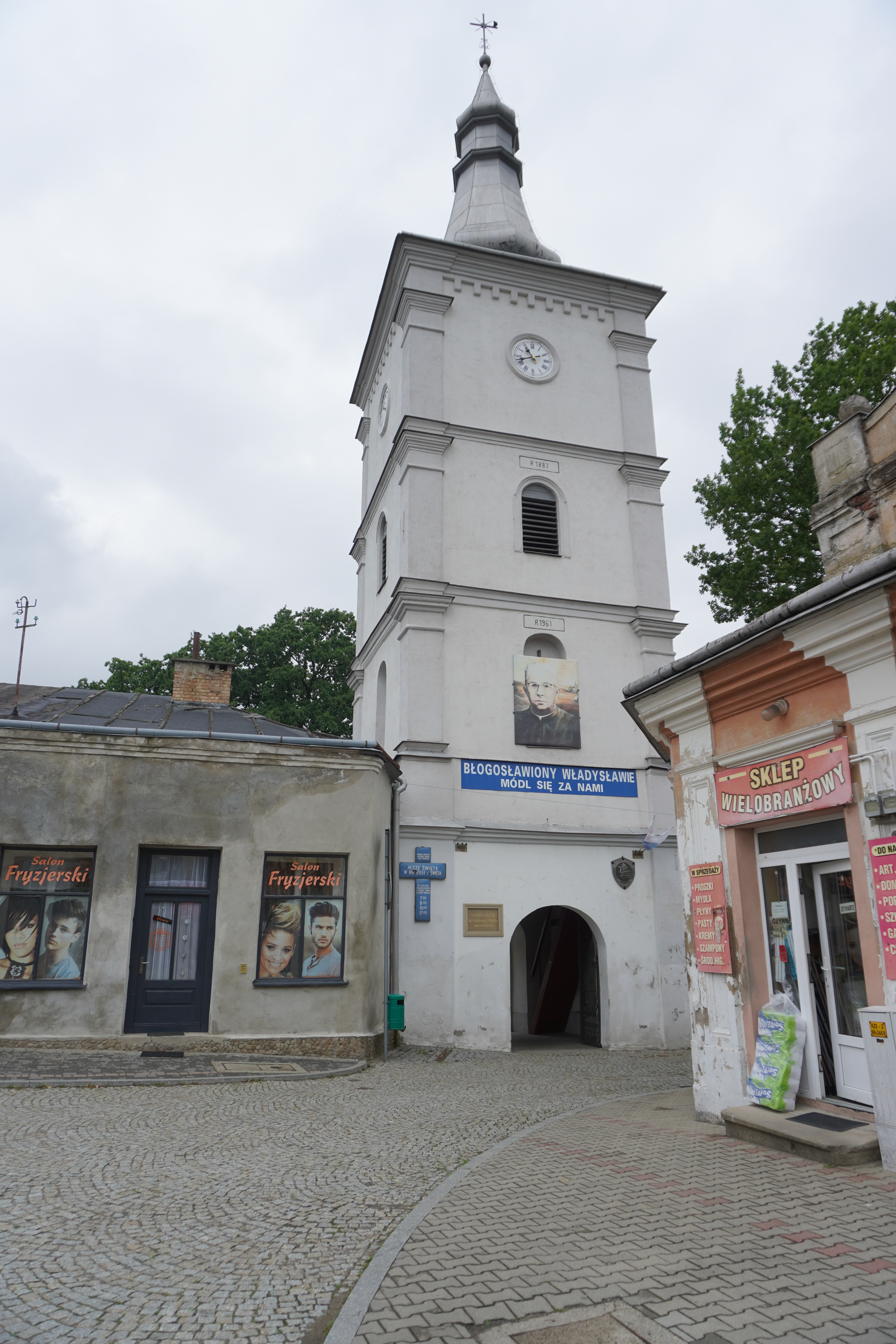
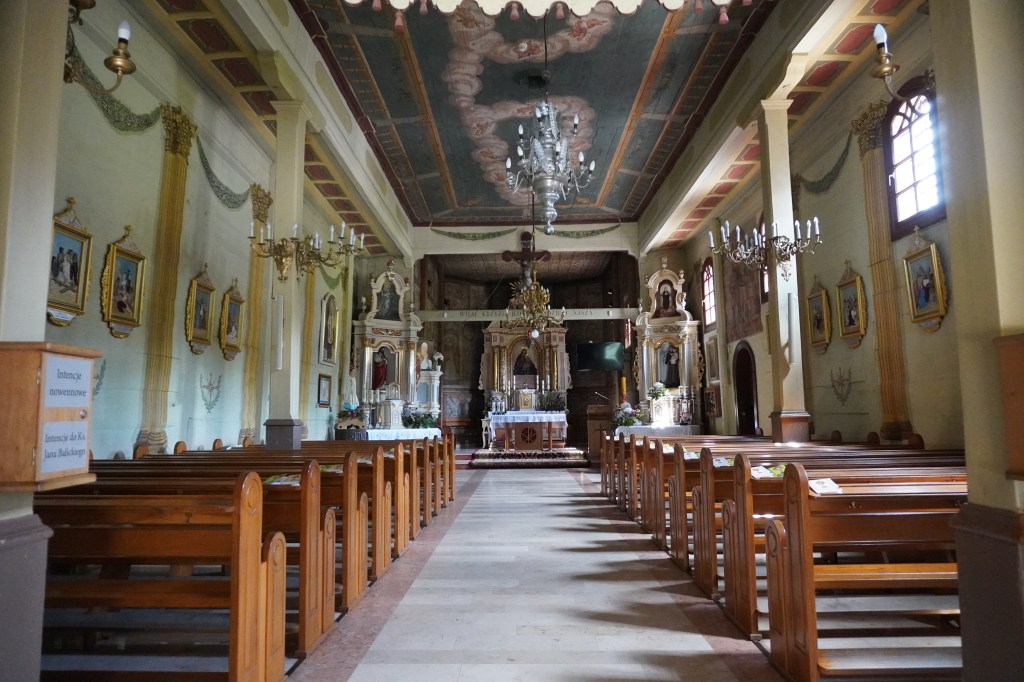
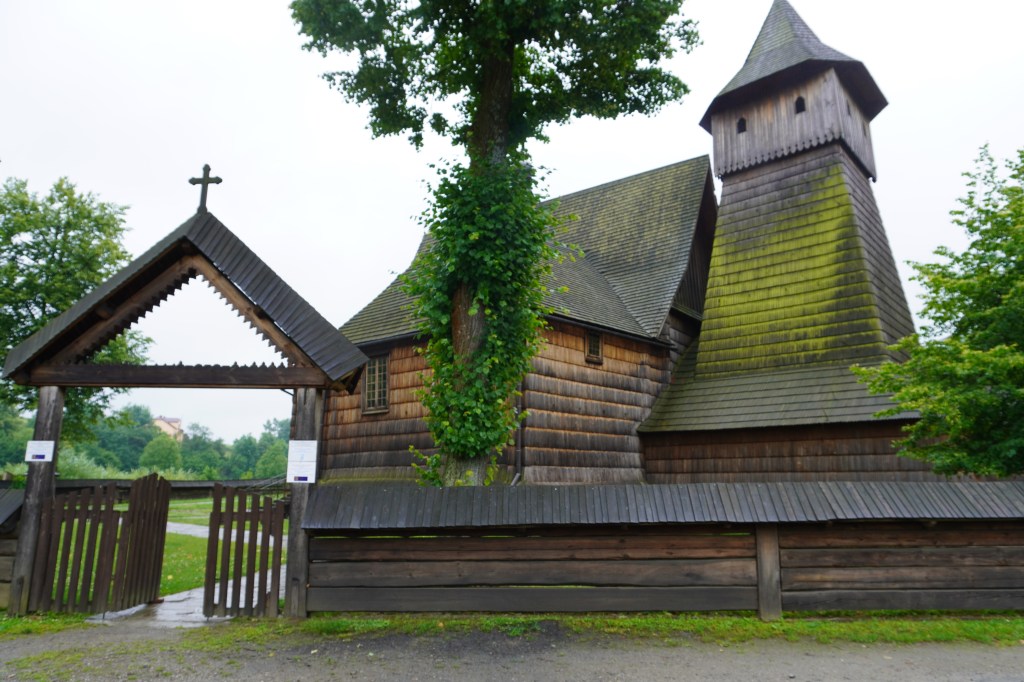
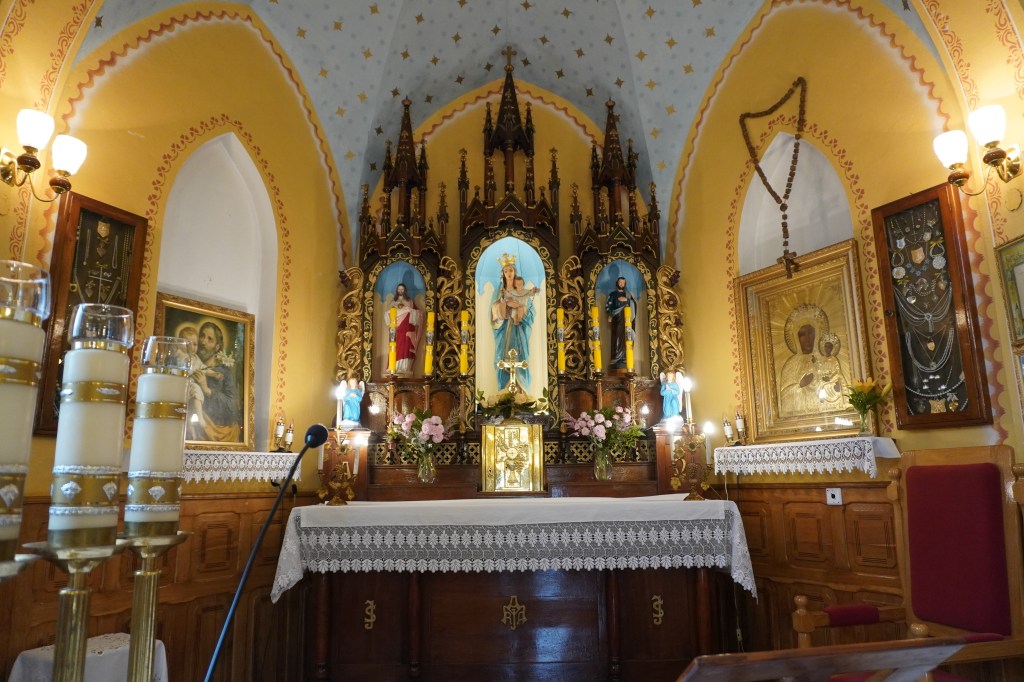
In nearby Binarowa, we visited the very unusual wooden church of Michael the Archangel, This church built in the early 1500’s is listed on UNESCO’s historical sites list. It’s one of several very old country wooden churches with unique wooden carvings and invaluable art located in a small country town. Many were destroyed by either the Nazis or Communists. There’s lot’s of pics to come on this.

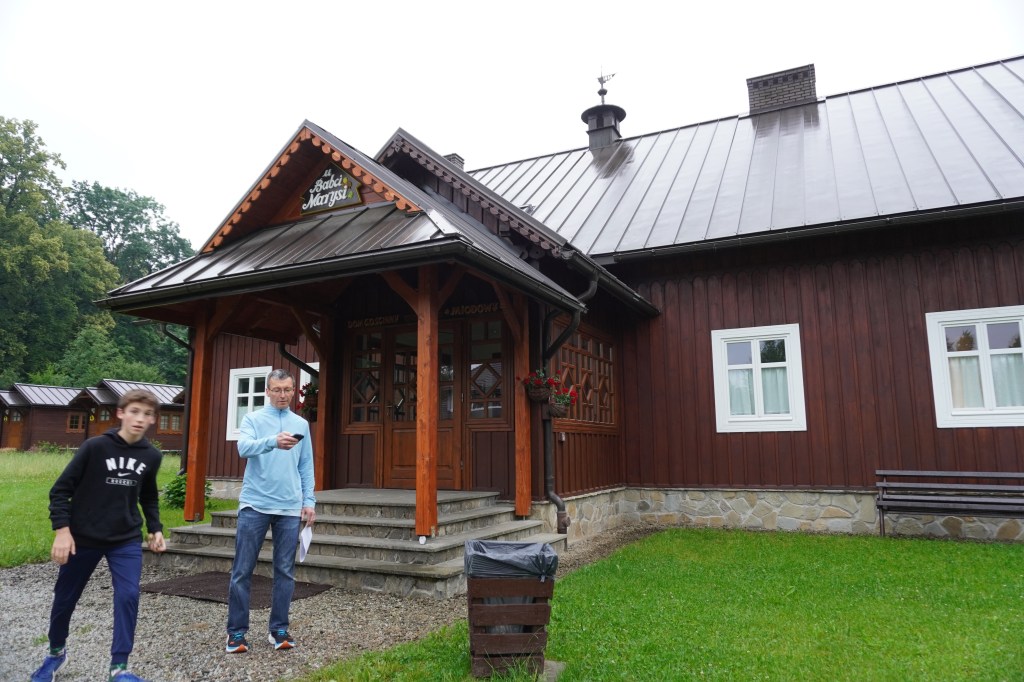
At day’s end, in Stróże we we located Sadecki Bartnik, our most unique place to stay. It would be hard to categorize this place except to say it was a honey farm, and nature camp, a resort dedicated to nature and beekeeping. Sounds odd I know, but a beautiful resort with some interesting twists to buzz about later.

Friday – June 14

Our last day of family research. Records we had showed that my grandmother on my mother’s side, Anna Semla Kmak, had come from Wyskitna or Biala Nizna area not too far from Stróże. Again, we went to the municipal records offices and found a trace of the family which we followed with some success and met a few interesting characters along the way. It was an interesting day to end our research. We added more mystery finding and meeting a connection to the family.

Now, we were headed to Kraków about 40 miles awayas fast as we could go so Lucjan could return his van and catch his train back to Rzeszów and we could check in our hotel in Krakow for a 3-night stay.

And, what a beautiful city Kraków is! We learned that there was plenty to experience in this very old city. It’s unique in history, culture, education and now, maybe, a model for a melting pot for today’s immigrant refugees. We may be seeing both the past and the future here.

Discovering Relative Gold

Day two on the road looking for relatives and we uncover some of the mysteries of the family.

It’s day two of actual relative hunting. Our first objective was to find a Slawinska family relative which was the maiden name of my paternal grandmother, Marianna Kiczek. We knew she was born in 1847 in Poland through a marriage record which showed she was from a small village area called Źaranowa, about 40 miles south of Rzeszów, where we had stayed the last two days. The terrain became more hilly and rural the further we traveled.

Convenience Store Clues

We did not have a specific address so our guide Lucjan suggested we stop and ask at a convenience store if anyone knew of a Slawinska family. To him this was a logical professional move. To us it was more like following a detective trying to track a criminal.

While the store clerk was not able to help, we stumbled upon a nice looking, fit older woman outside the rough-looking store who said she knew of a family that might have had a family connection with the Slawinska’s and could be related. We volunteered to drive her to her home a couple miles away. Like amateur detectives ourselves, we deduced this was how she kept in shape, walking up and down these hills these steep hills would be tough for any of us.

No one seemed to be home at the possible family house but a next-door neighbor took our email address and promised to pass on our interest. We had made a loose connection but could not be sure if our detective work would pay off. Now, we began to realize this could be a slow process and may turn up as a dead end. On the other hand, luck might be on our side and practically everyone we met seemed eager to help.

There’s Gold in These Hills

Our second goal for the day was actually a planned visit to Bogumila and Zdzislaw Furtek. Bogumila is the sister of Krystyna Onacki, my distant cousin who had discovered our family connection many years ago. We share the same great grandfather but have different great grandmothers.

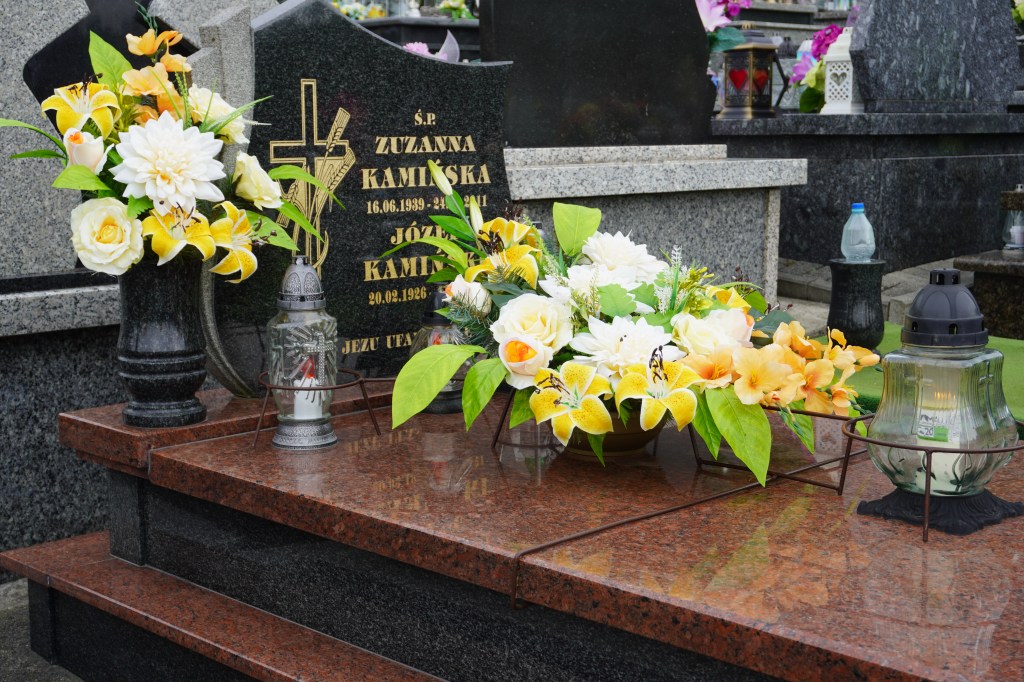
Josef Kiczek married Zofia Kielar and had three children before she passed away, one of which was Zusanna. Zuzanna married Victor Kaminska and had three children of her own, among them was Bogumila and Krystyna. Josef remarried Marianna Slawinska after Zofia’s death and had three more children, one of which was Joseph Kiczek, my paternal grandfather. Whew!

Krystyna and her husband John Onacki currently live in Roselle, NJ and are extremely warm people that embrace our shared Kiczek family connection. We have kept in touch over the years but this trip was an ideal way to share in our family heritage since much of her family still either lived in Poland or maintained connections there. This was a perfect time to actually meet and understand more about our family. And, Bogumila was the perfect personal connection to make it happen. While Krystyna could not join us physically she set up our meeting with Bogumila at her home in Breźanka just a few miles away from Źaranowa.

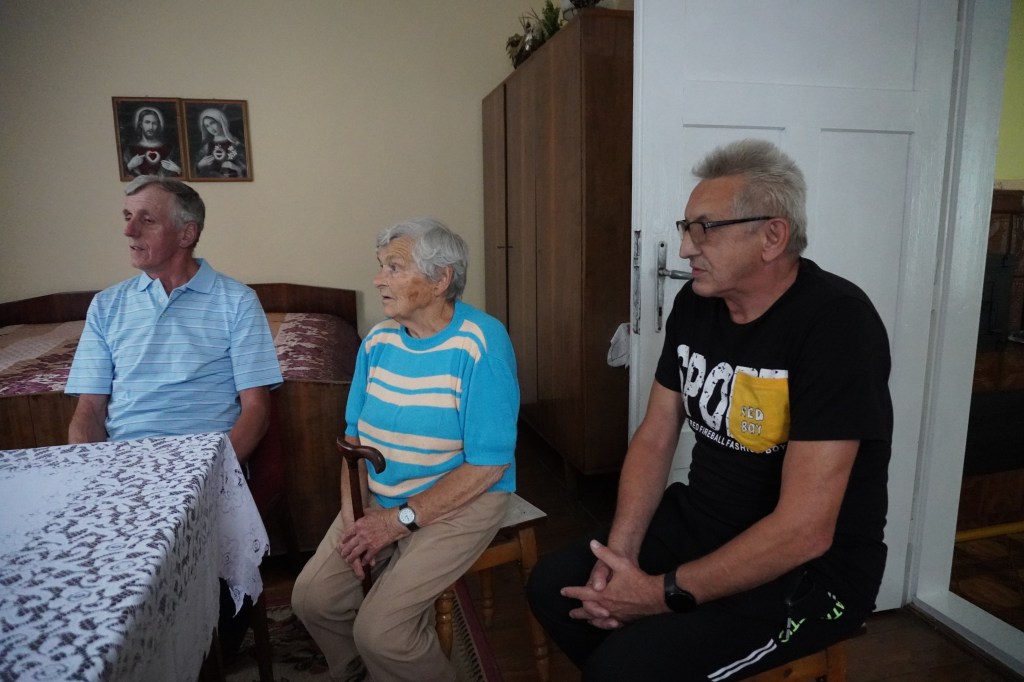
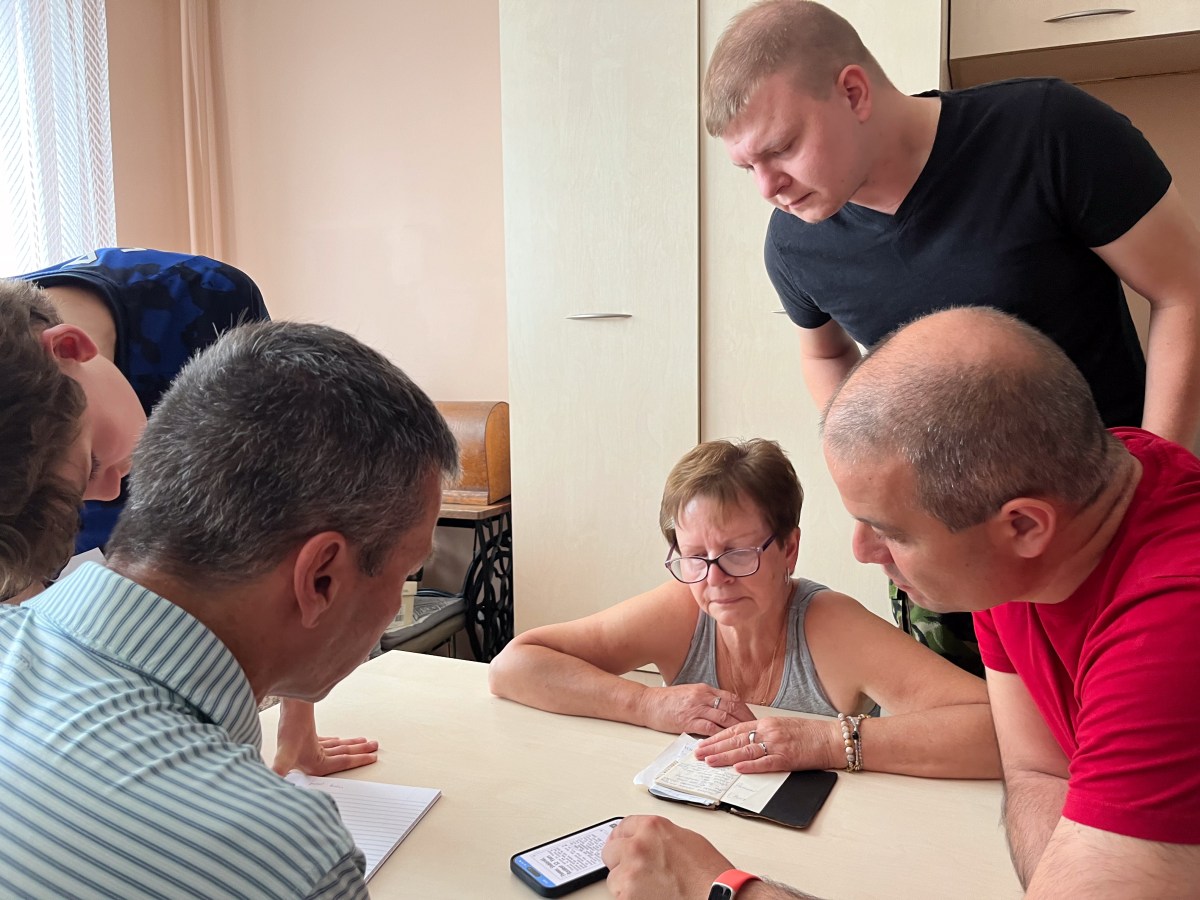
You could see both a physical and personal connection between the sisters. While Krystyna is younger they both have a warm beauty and personality. Bogumila and her husband, Zdzislaw, invited us into her home in the dining room and immediately talked about the family with Lucjan acting as our translator.

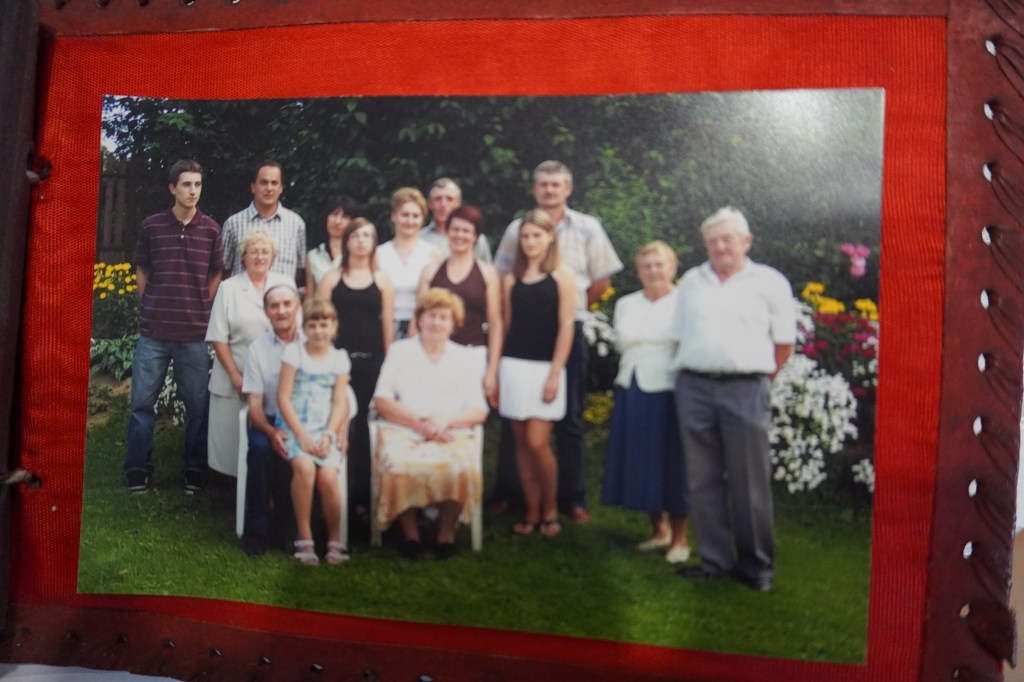
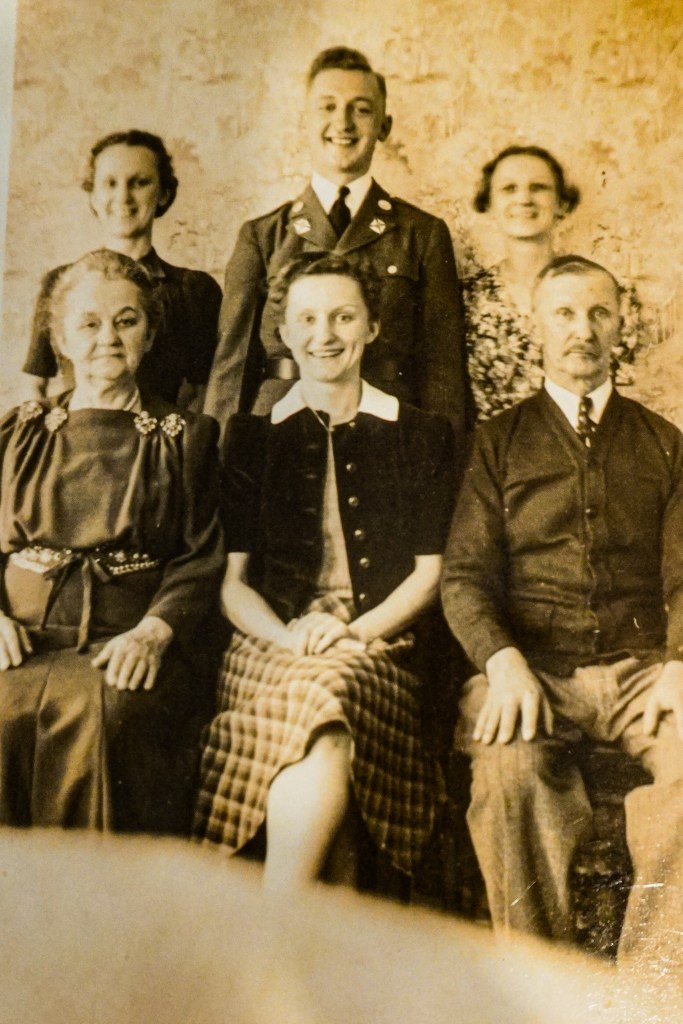
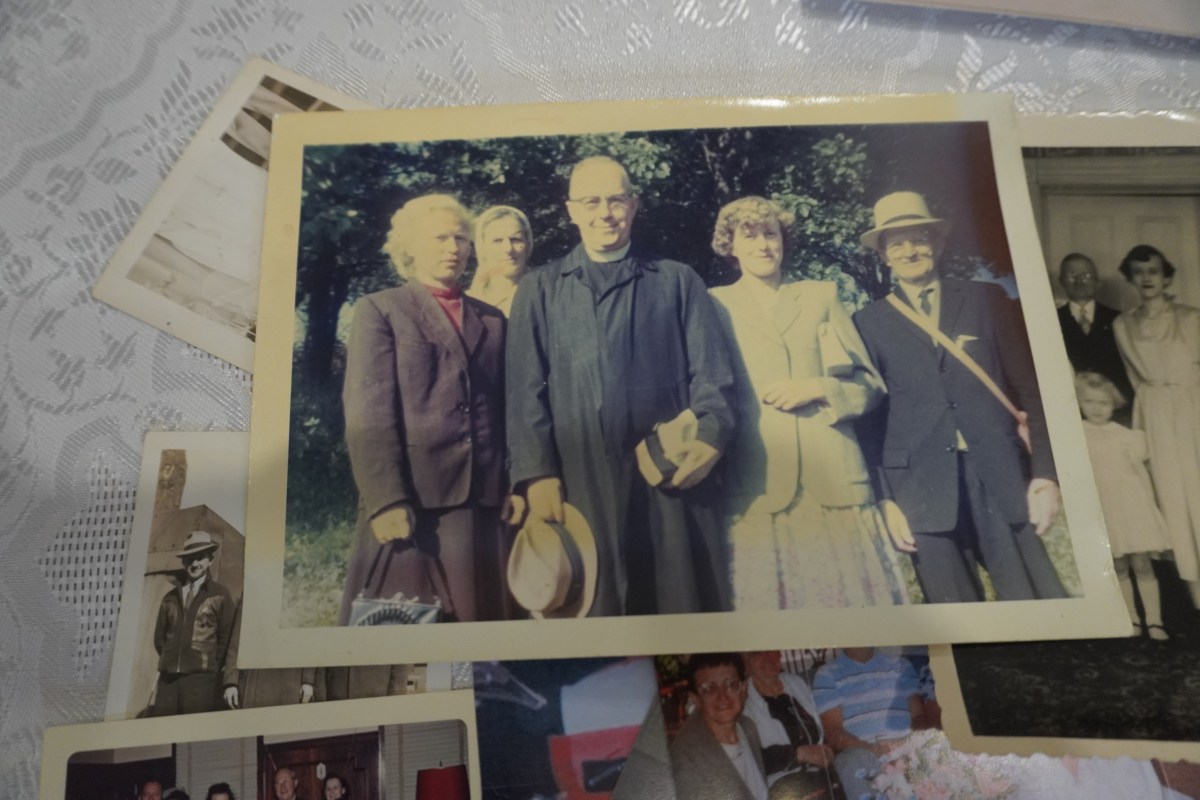
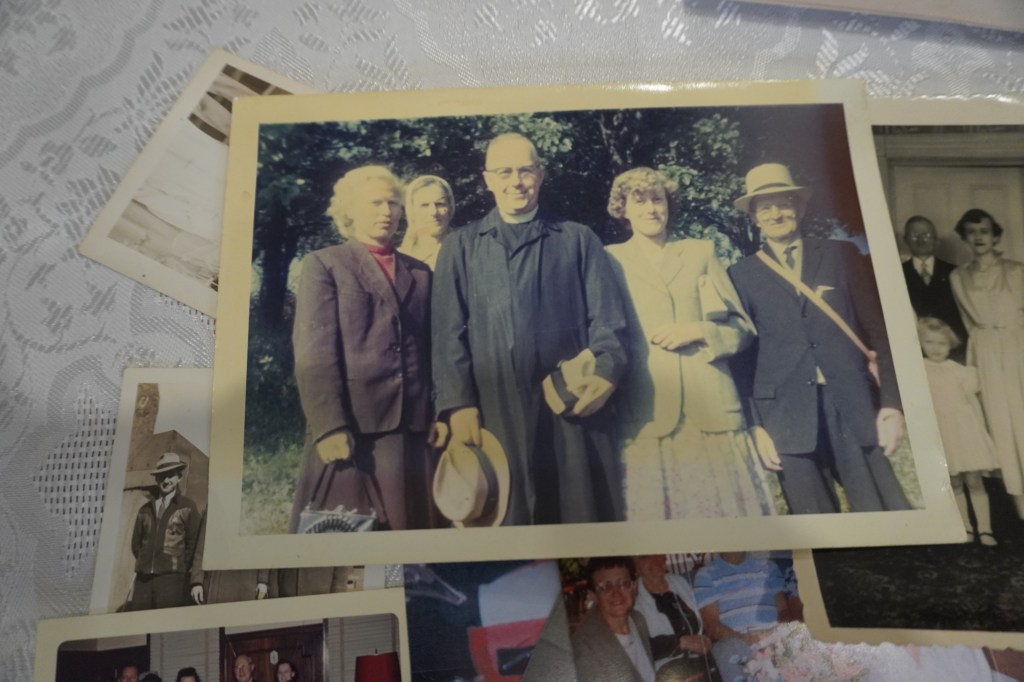
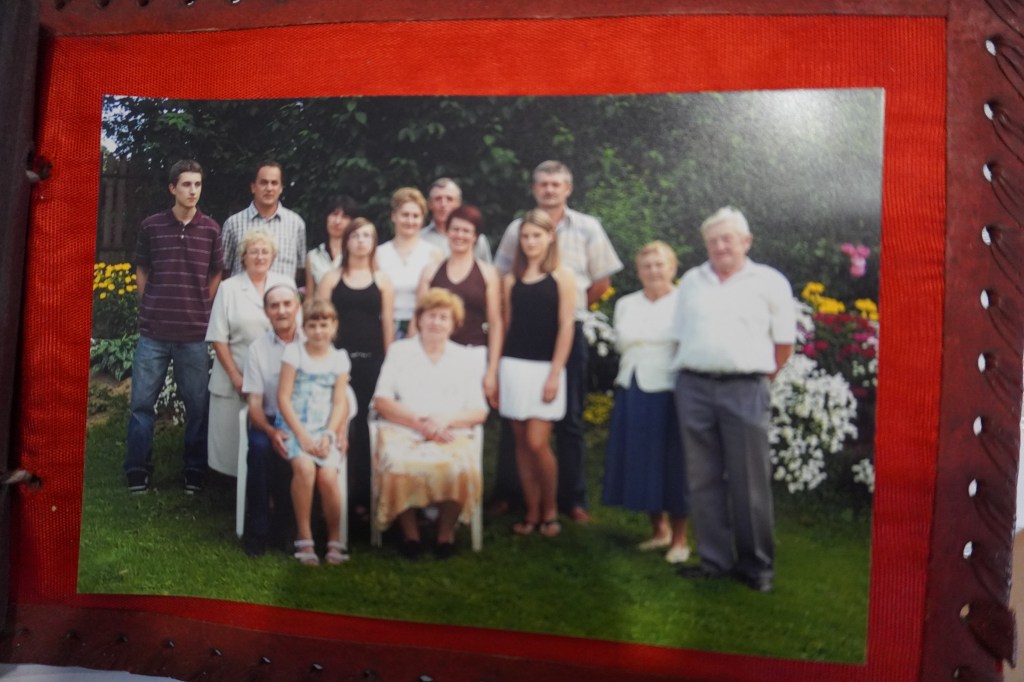
It seemed awkward at first but we quickly grew accustomed to the dialog. Next, she brought out several photo albums with old and new family pictures. I, in turn, had brought some of our old and new family pictures to share. We laughed when we realized that we both actually had a few of the same photos.

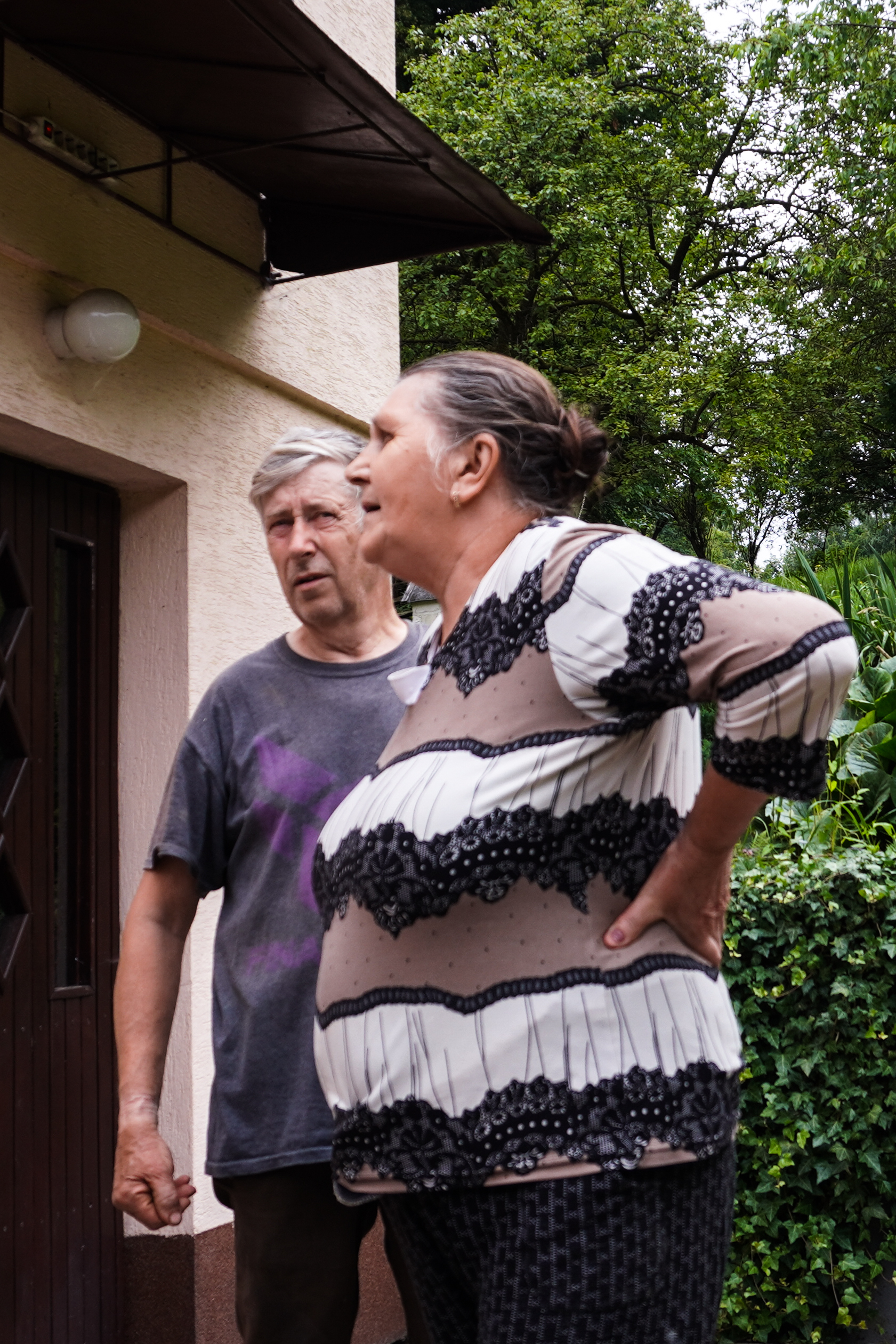
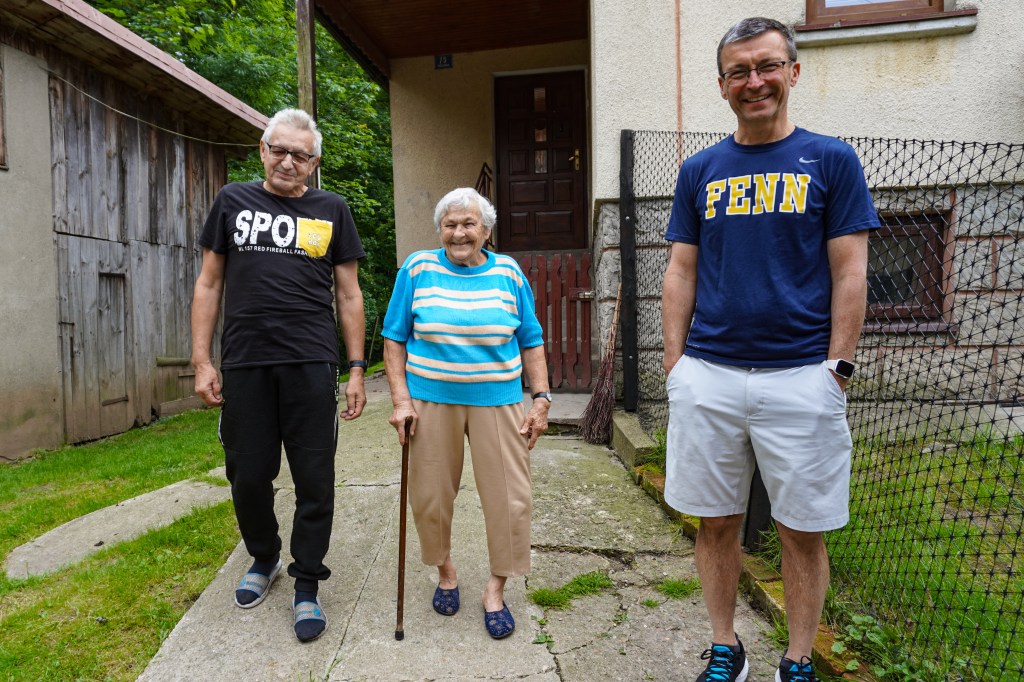
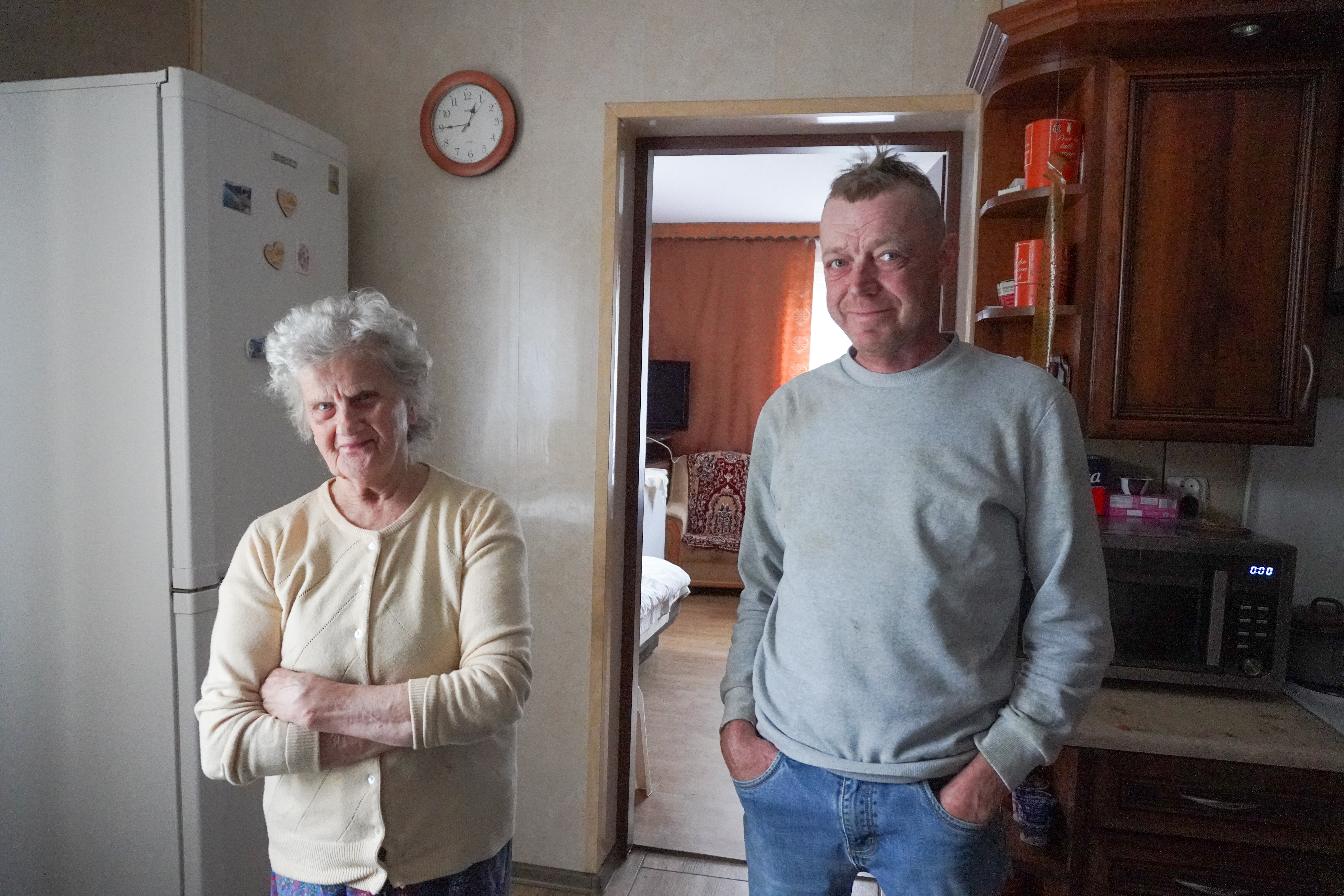
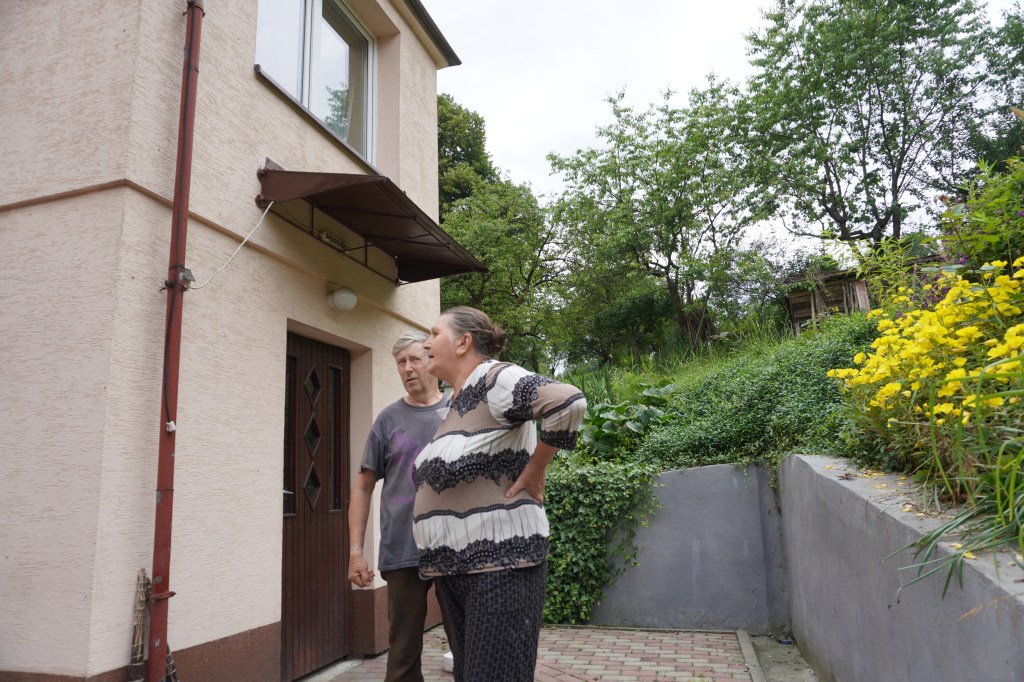
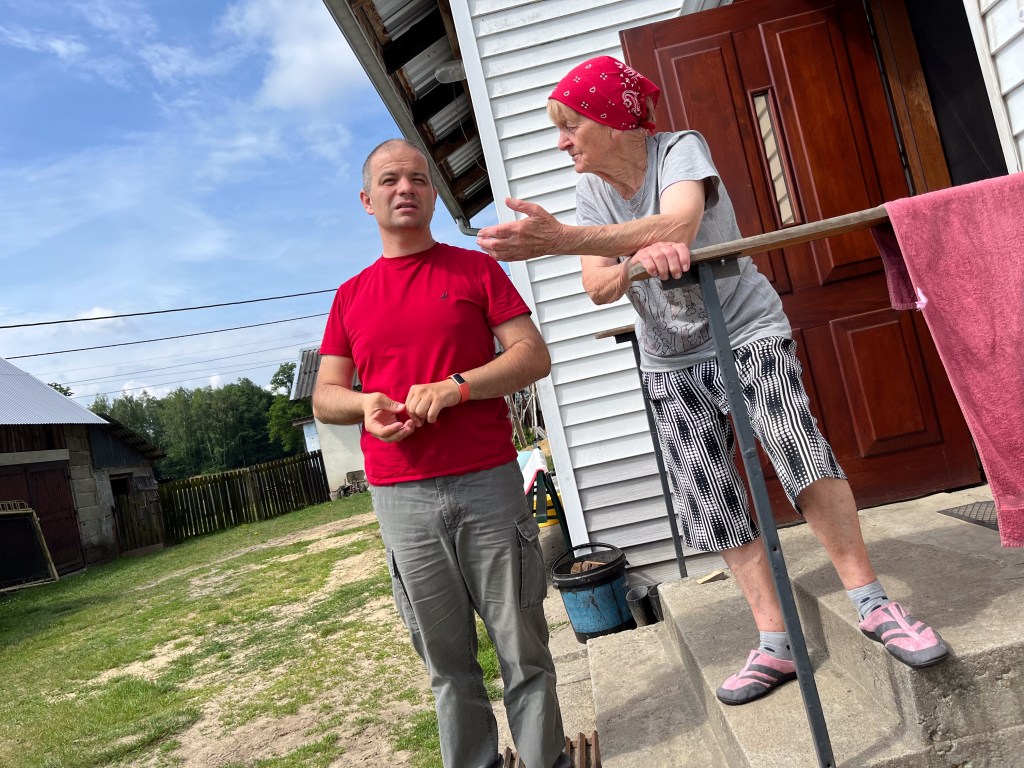
Bogumila planned lunch with us and a visit to the land and house where our common great grandfather Josef had lived. There was a new owner now and the place had been renovated many times over the years. An older woman and her nephew lived there now. Her husband had passed away and her nephew had come to take care of her. They graciously invited us in for coffee and cake as we spoke about old times there. You can’t seem to escape hospitality here!

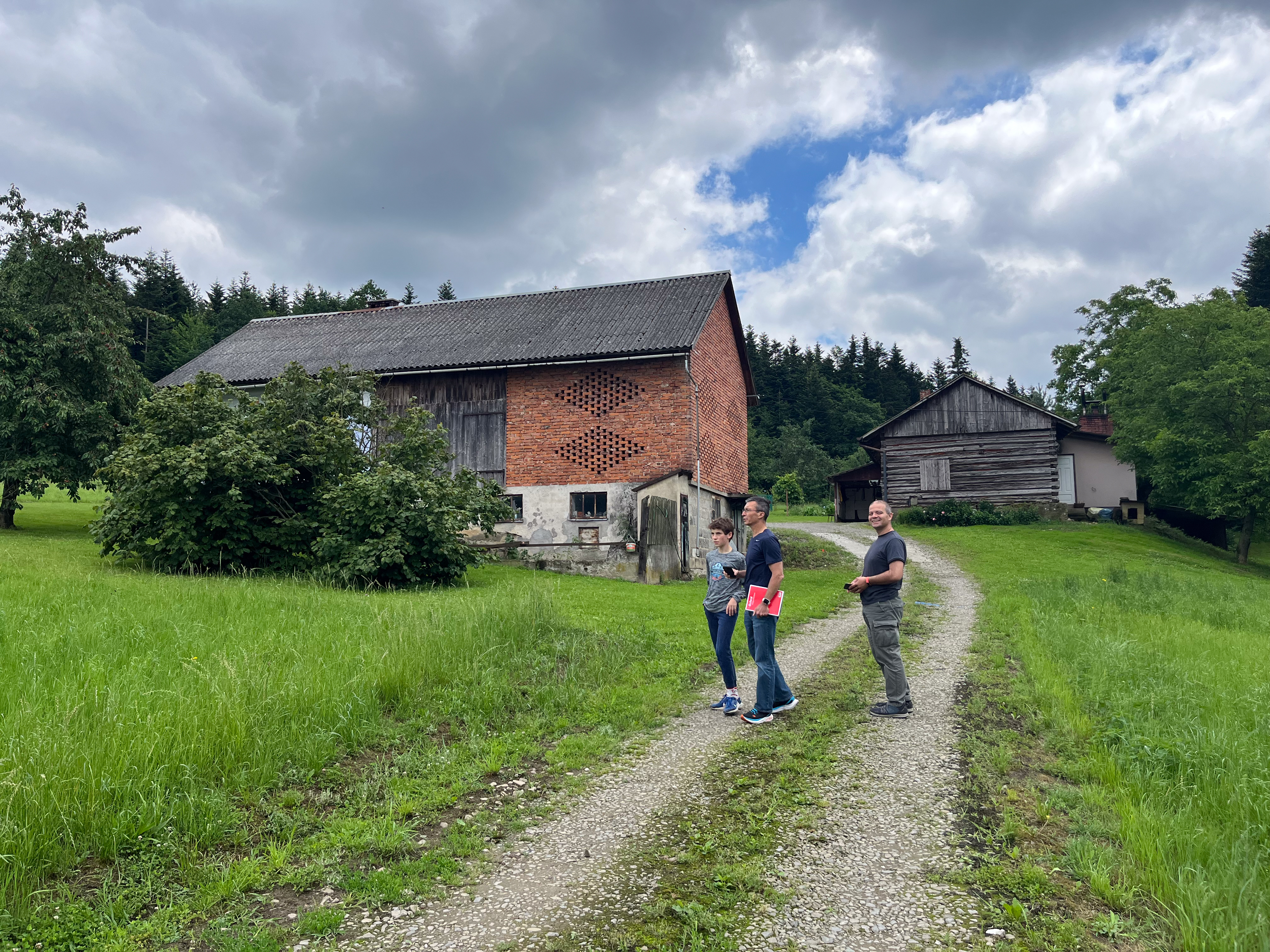
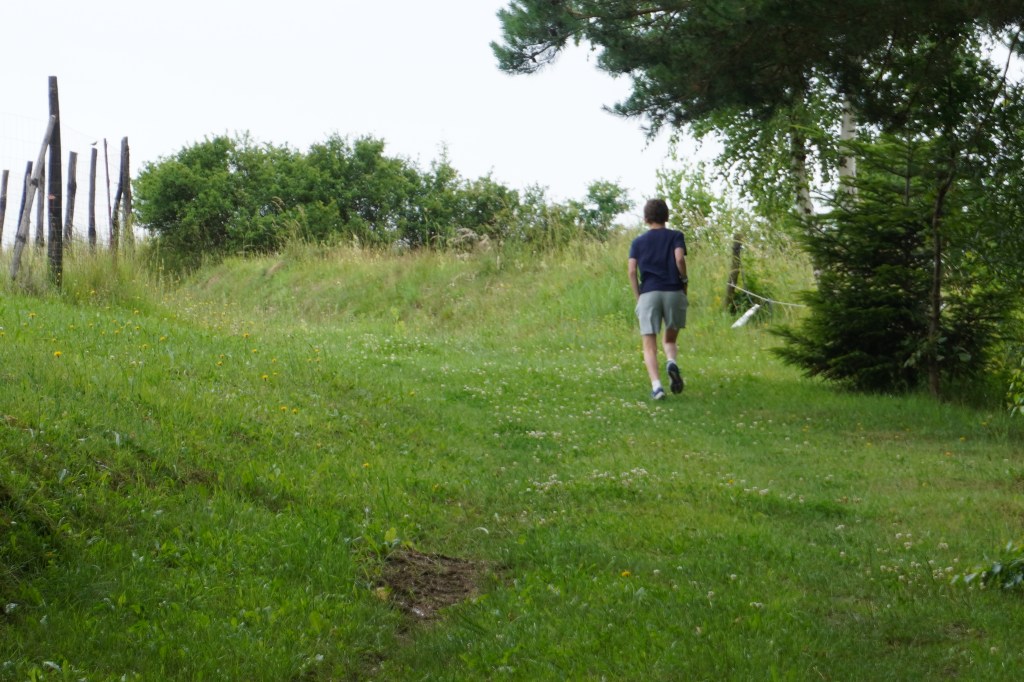
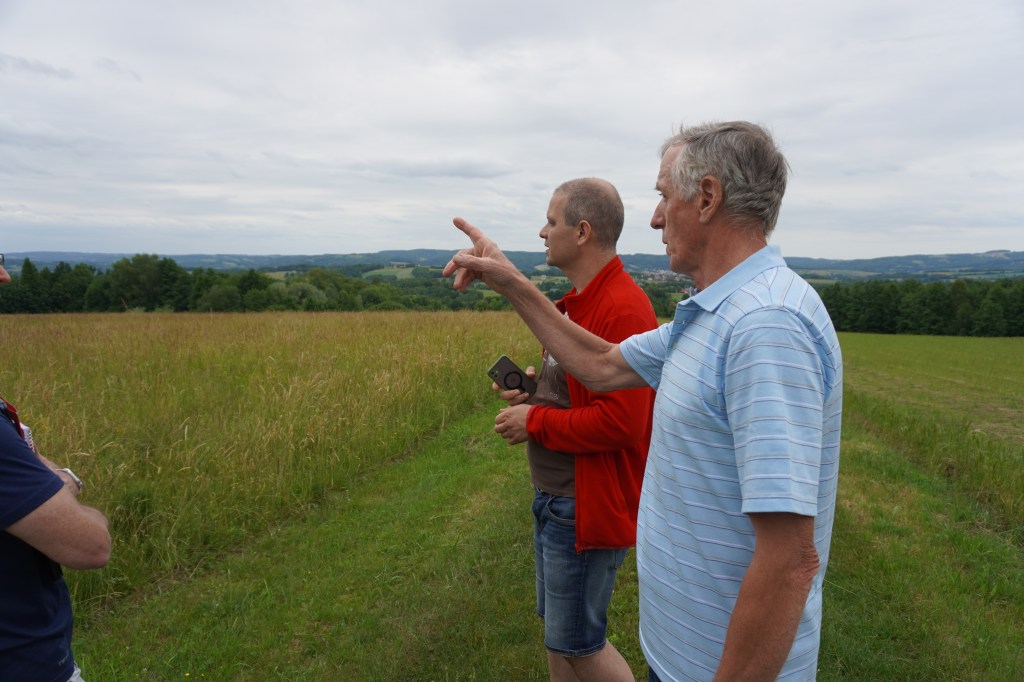
We eventually returned to Bogumila’s home where a full lunch of Polish food including soup, salad, roast pork and dessert awaited us. After lunch we took a walk around her property, a large tract of land which they continue to farm part-time.The house and farm are situation on beautiful rolling countryside hills broken occasionally by patches of forest. It reminded me of those alive hills in the Sound of Music.

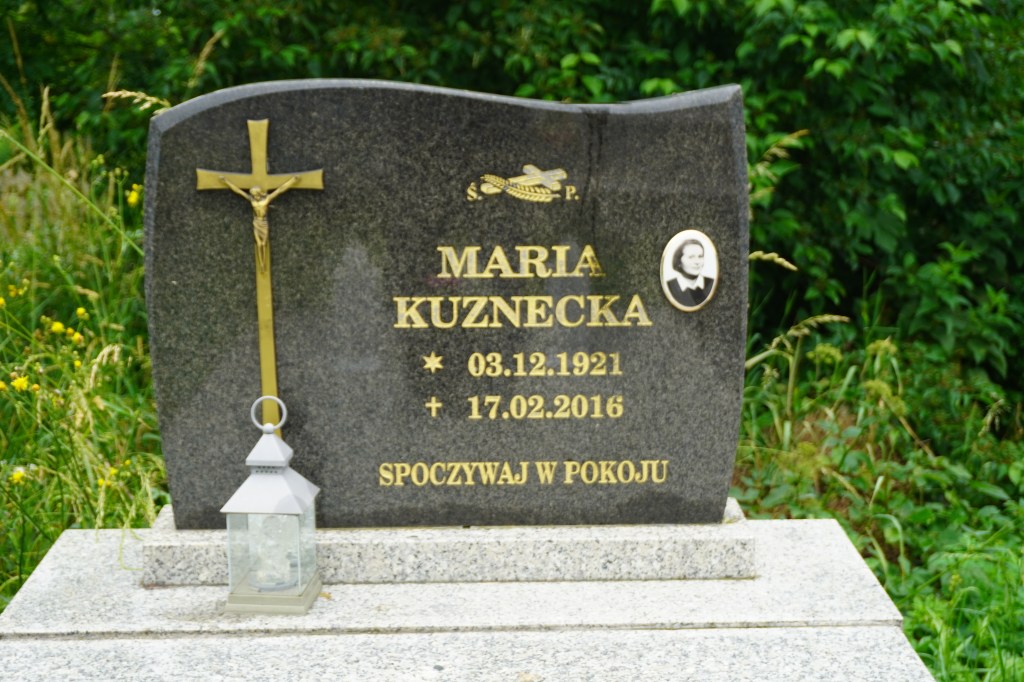
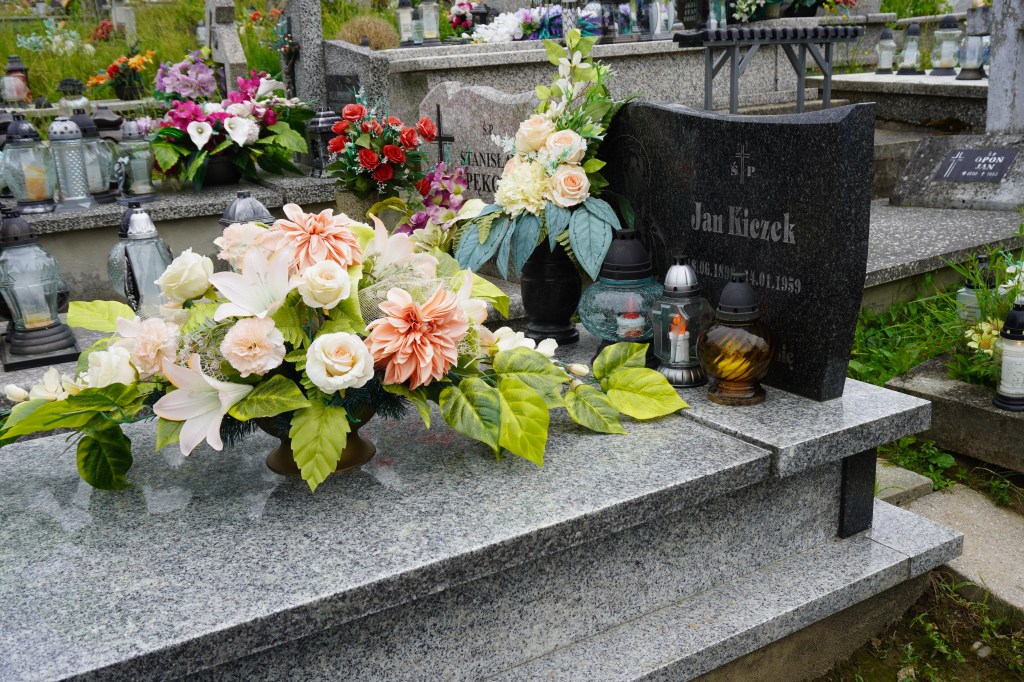
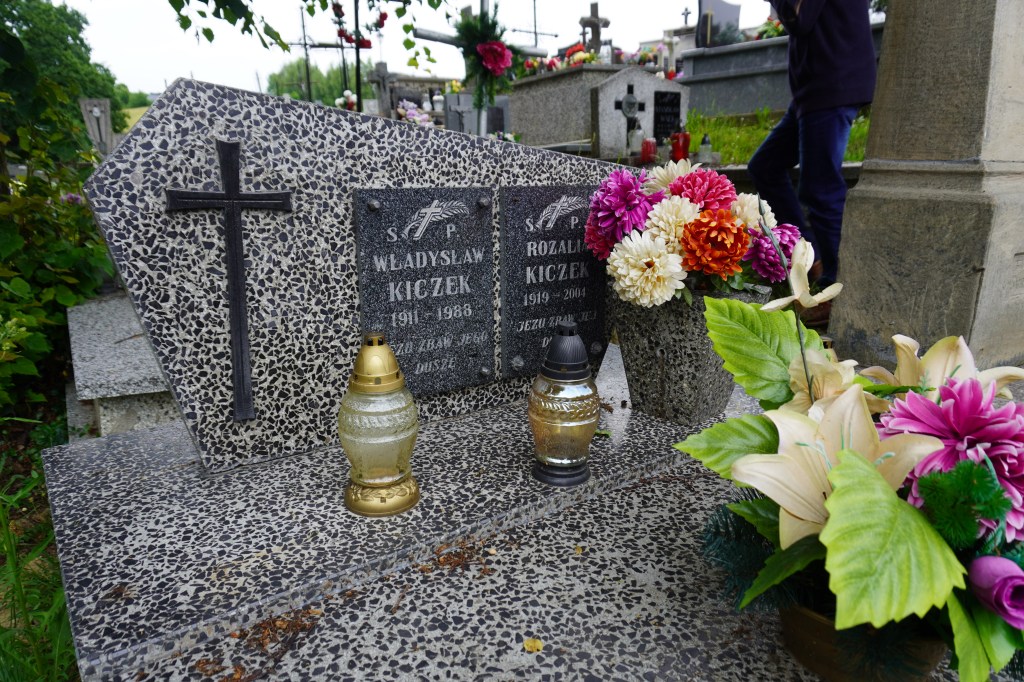
Late in the afternoon we exchanged gifts and goodbyes. But that was not before calling Krystyna in Roselle and telling her all about our adventure. Finally, we agreed to go with Bogumila and Zdzislaw to visit the local church and cemetery to see the graves of many in the family.

The Legend of Uncle Joe

My father had a close cousin Joe who was always a mystery to me growing up. He was the physical connection to the old country, living in Bayonne and working for a school for the deaf in New York City. He was a sharp dresser and a very buttoned-up character who had a worldly view traveling frequently between the U.S. and Poland and having us help our distant family in Poland in many ways. Joe also was responsible for helping to build the neighborhood church, earning him such respect that he still seeems to have earned sainthood here in the town of Breźanka.

Cemetary Life

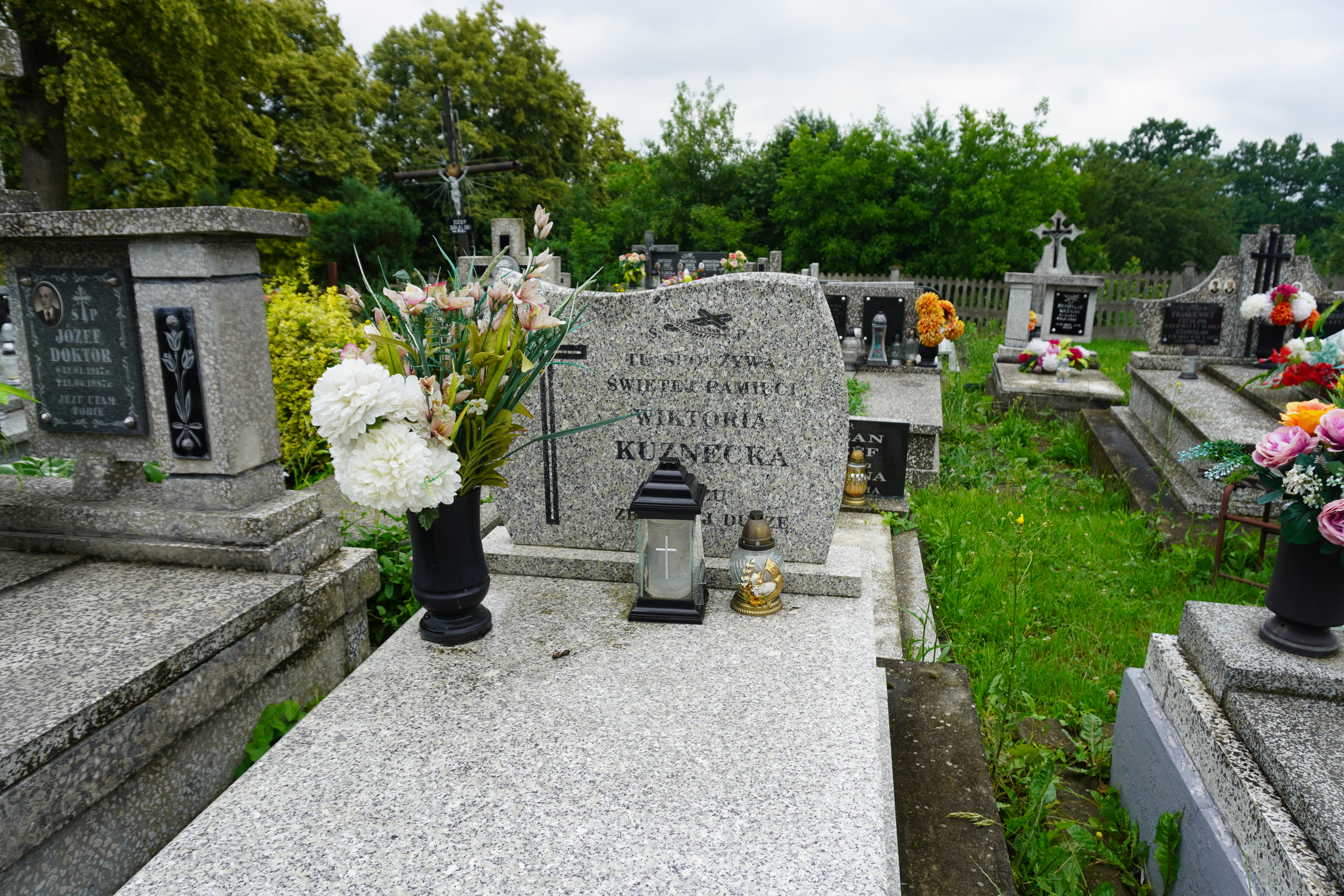
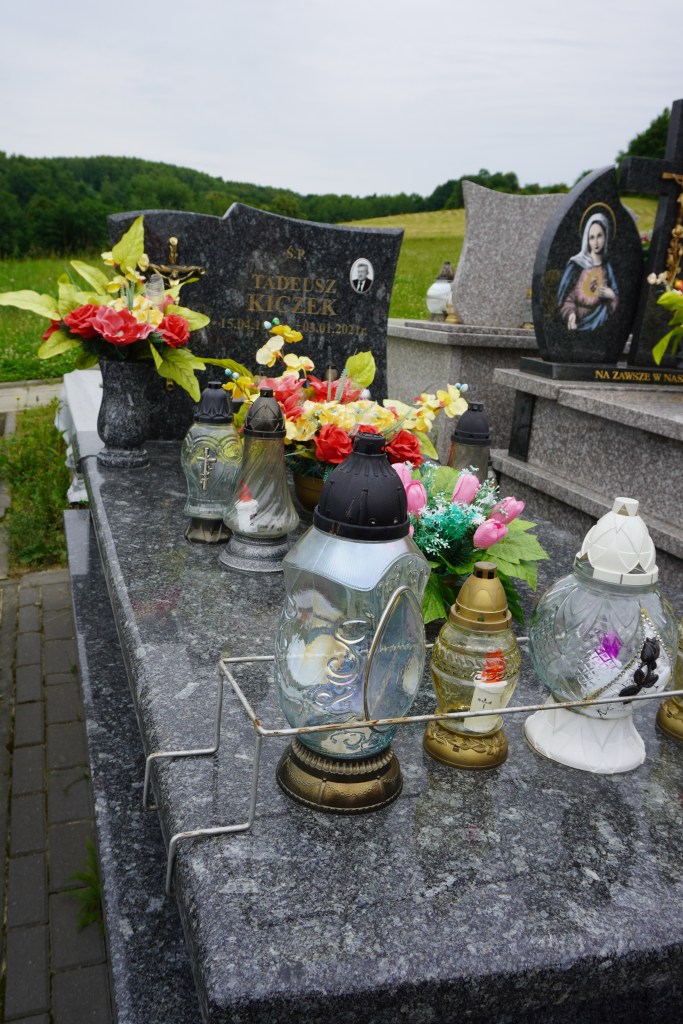
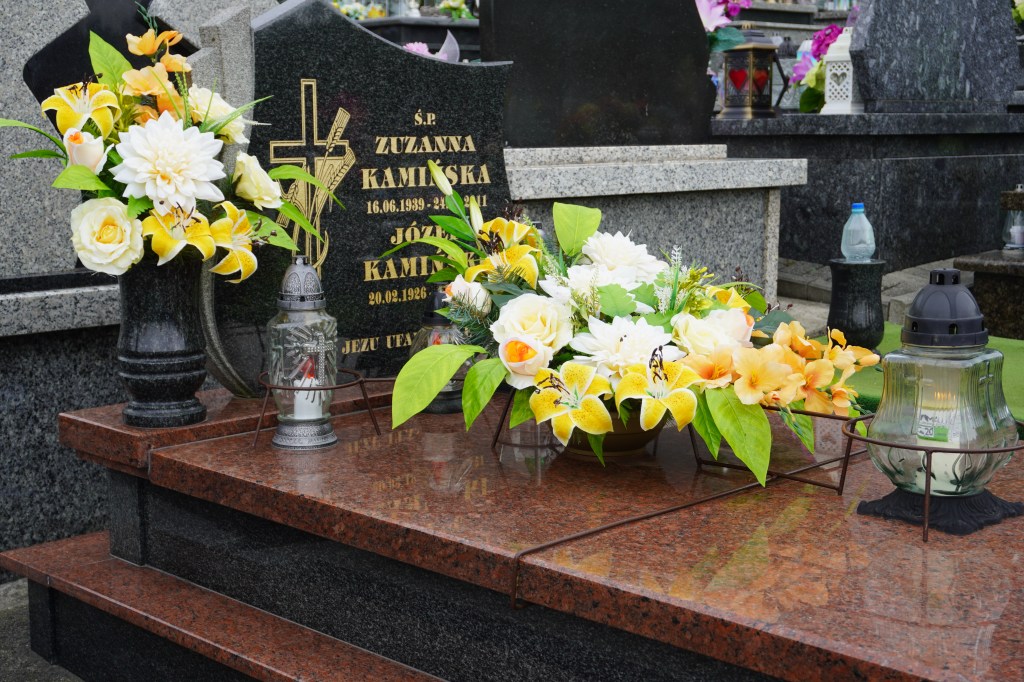
The Poles have a special reverence for the dead and for past generations which we seem to have lost here in the U.S. It’s the final evidence of lives lived and gone. And, maybe reminding us that we’ll all be gone too someday. Nothing lasts forever but memories can linger for generations.

Let the Hunting Begin!

Our first day of relatives hunting began today. A combination of detective work and history.

It was Tuesday and our first day of relative hunting. Our guide Lucjan Cichochi arrived at our hotel in Rzeszów, Poland to take us to our first destination for the week. One big advantage we had was a personable tour guide who spoke both English and Polish was a professional genealogist who Ethan had consulted with on our family history. So, he already had some familiarity with our case(s).

What’s in a Name?

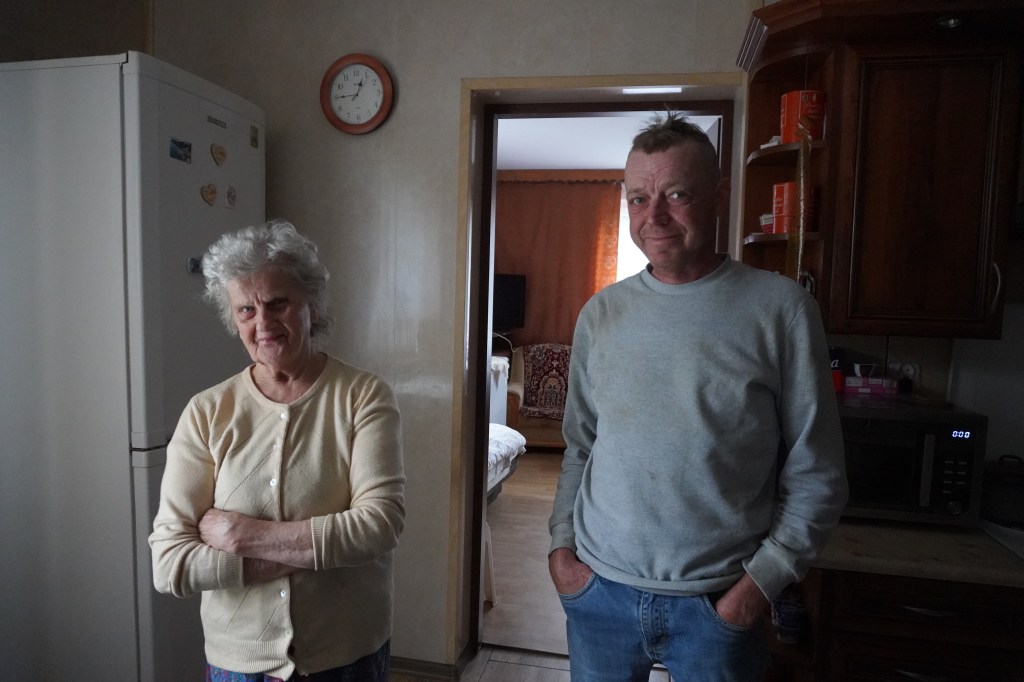
Ethan’s mom Judy’s mom was Helen Dolac (maiden name Stobierski). Her family was known to come from an area about 40 miles north of Rzeszów in the town of Świerczów. We had an address for a Stobierski and approached a woman living there who said no one with that name lived there and there were many families with that name. She suggested trying another address down the road where Halina lived who might be from that family.

It was in a multi-family apartment building which seemed might be daunting for a stranger to ring a doorbell. Lucjan, however, never let that stop him from asking around. Through a neighboring park attendant, he called Halina Knipa (formerly Stobierski ) and asked if we could meet to discuss her family for the benefit of three strangers from the U.S. seeking family history.

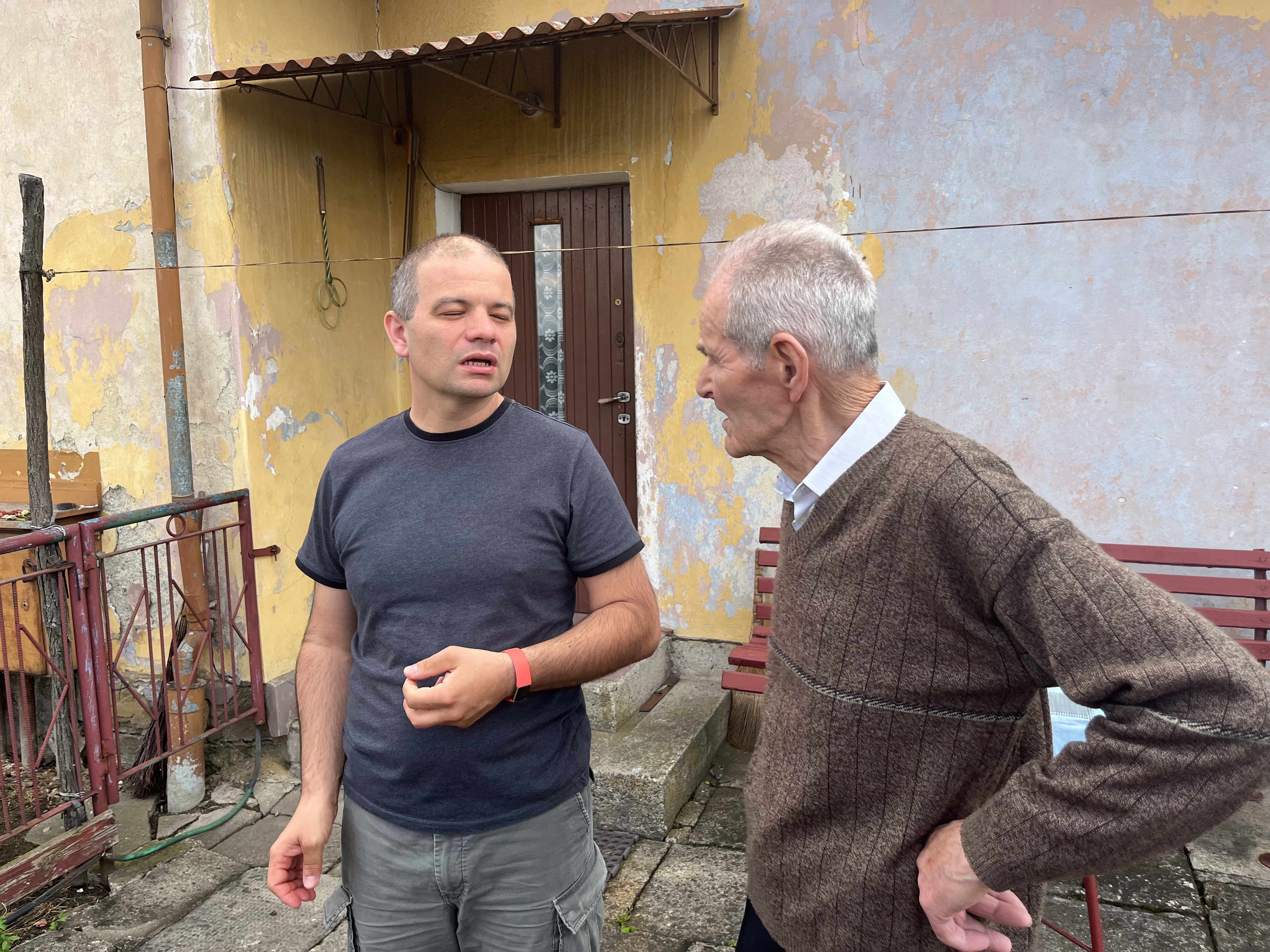
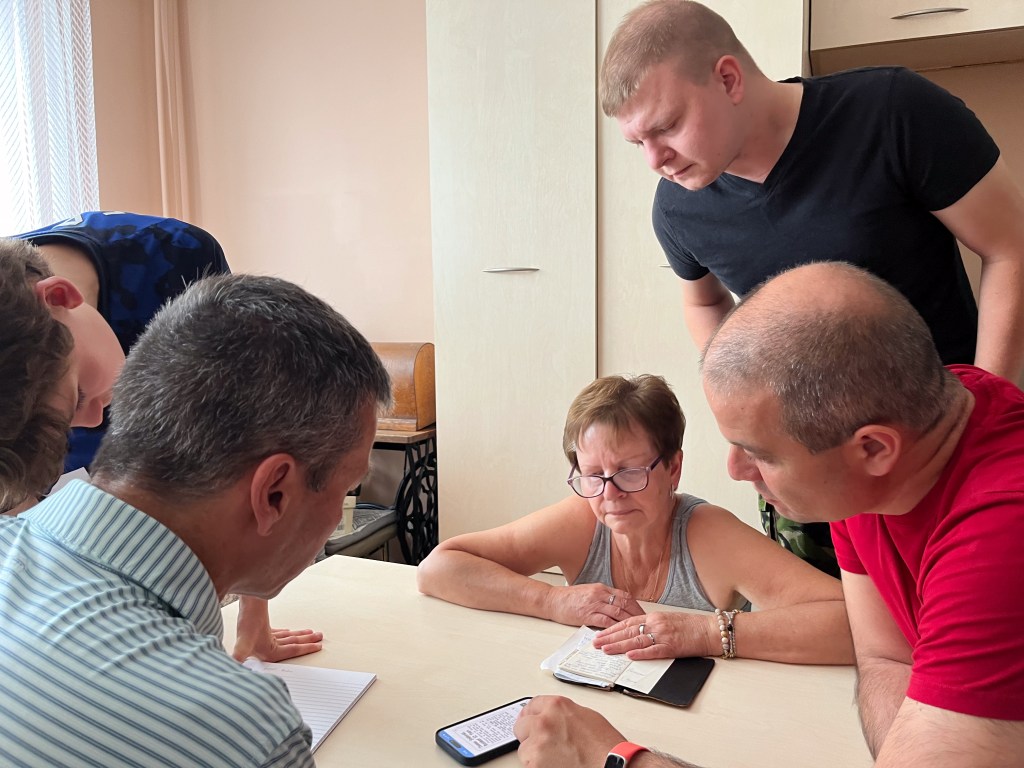
Naturally, it seemed, she let us in her modest apartment and treated us to coffee and cake while he began asking questions to see if she was indeed connected to the Stobierski family who immigrated to the states. She spoke only Polish but her 28-year old son Bartek, spoke some English and joined us as we looked through old photos. Ethan and Lucjan agreed that there probably was a connection to the the U.S. Stabierski’s through a great grandfather. She even agreed to take us to the town hall records building to verify his birth record to see if he was a brother of Tomas Stobierski, Ethan’s great grandfather.

Halina and Bartok then took us to the house where she and the Stobierski family once lived which is now vacant along with many others in the area. Once mainly a farming community, commerce had settled in and the family moved on. With no one interested in a house in need of repair, a barn and acres of farming land, Helena’s sisters now owned the land and its future was uncertain. It seemed likely the family home would be sold off someday. We agreed to exchange emails and make a connection

The land in this area is mostly flat and fertile. It’s fairly busy with traffic although the population is not dense and there seems to be an oversupply of land with little influence from big agricultural companies. It seems like a place where time has stood still, at least for now.

Visiting the Ethnographic Park

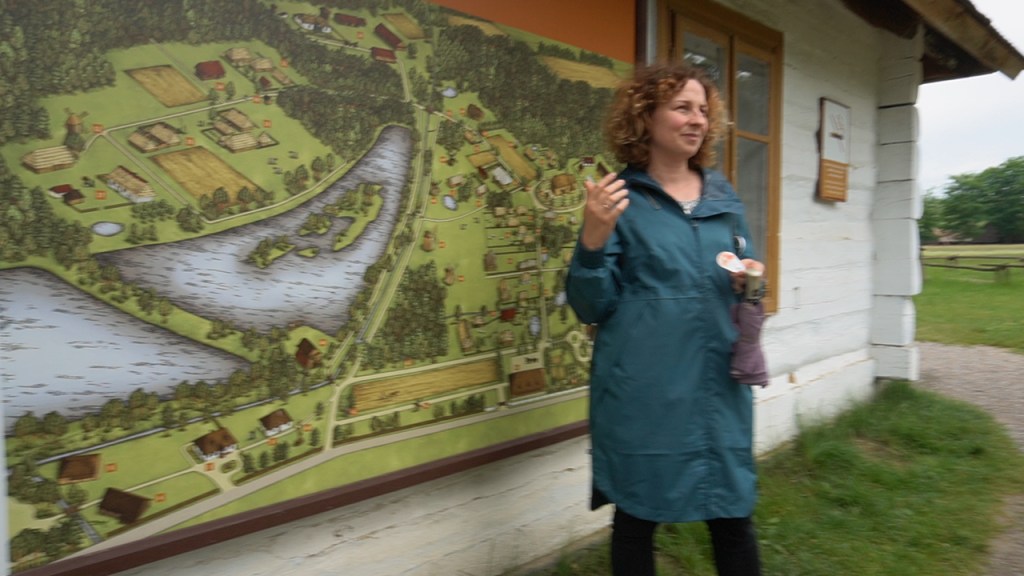
After a quick lunch we headed to the Ethnographic Park in Kolbuszowa a few miles away. The term “Ethnographic Park” is probably a more globally acceptable term for a recreation of a past time and culture. Williamsburg in the U.S. is considered as such. There are many such places in Europe reflecting past history and how people lived in those times.

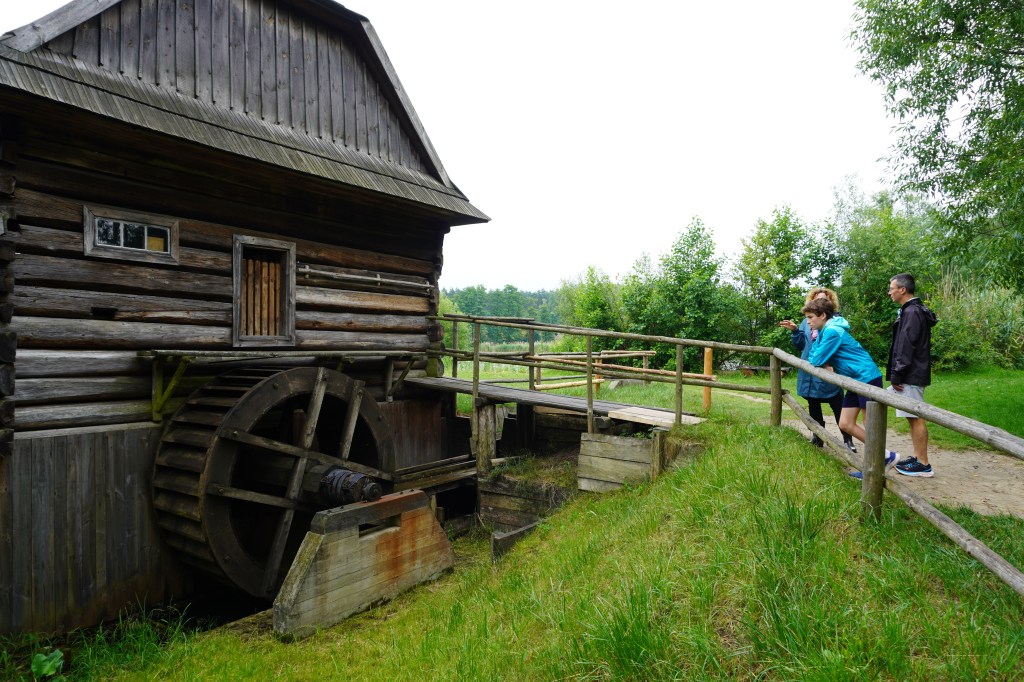
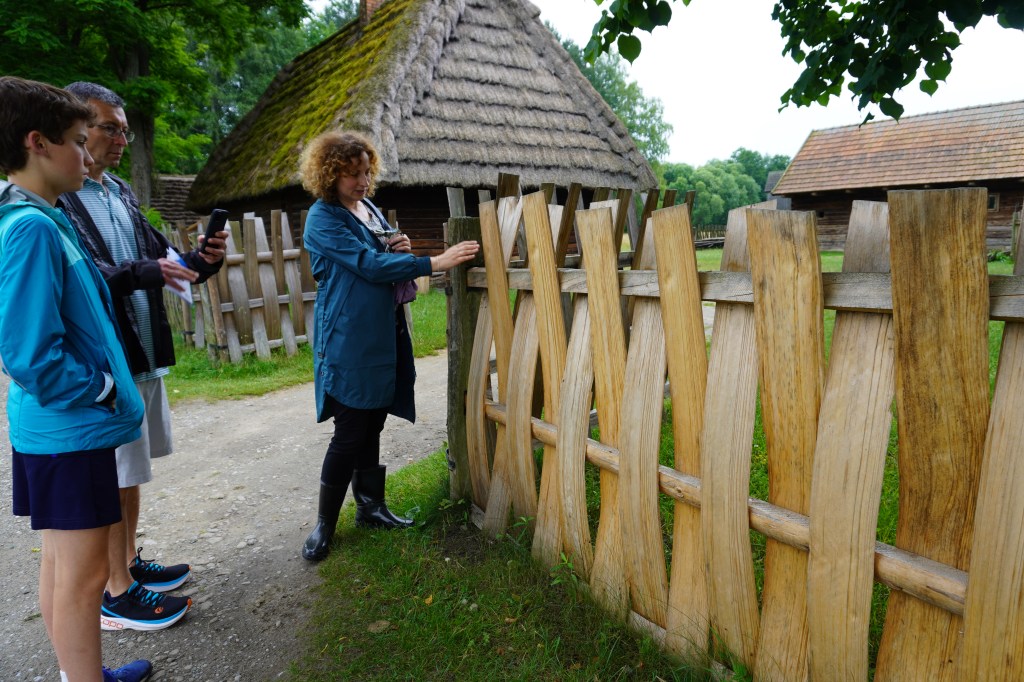
The southeastern part of Poland was mostly an agricultural area and the common village people who worked the land and raised farm animals, mostly for the benefit of wealthy landowner aristocracy. The park is an assembly of about 60 buildings in an area resembling what a Polish village might look like several hundred years ago.

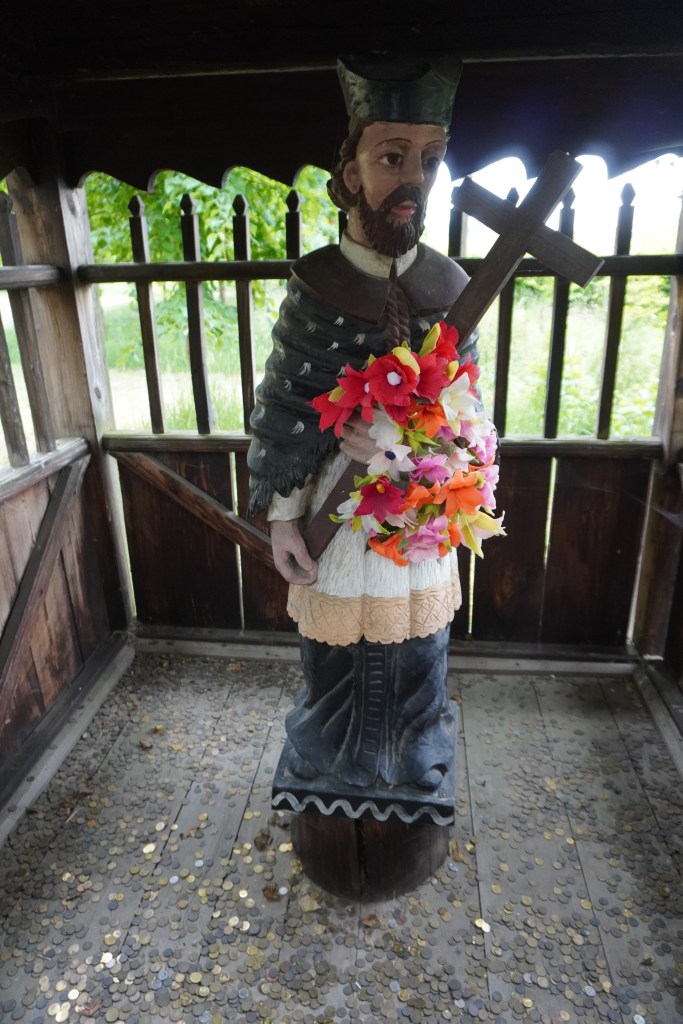
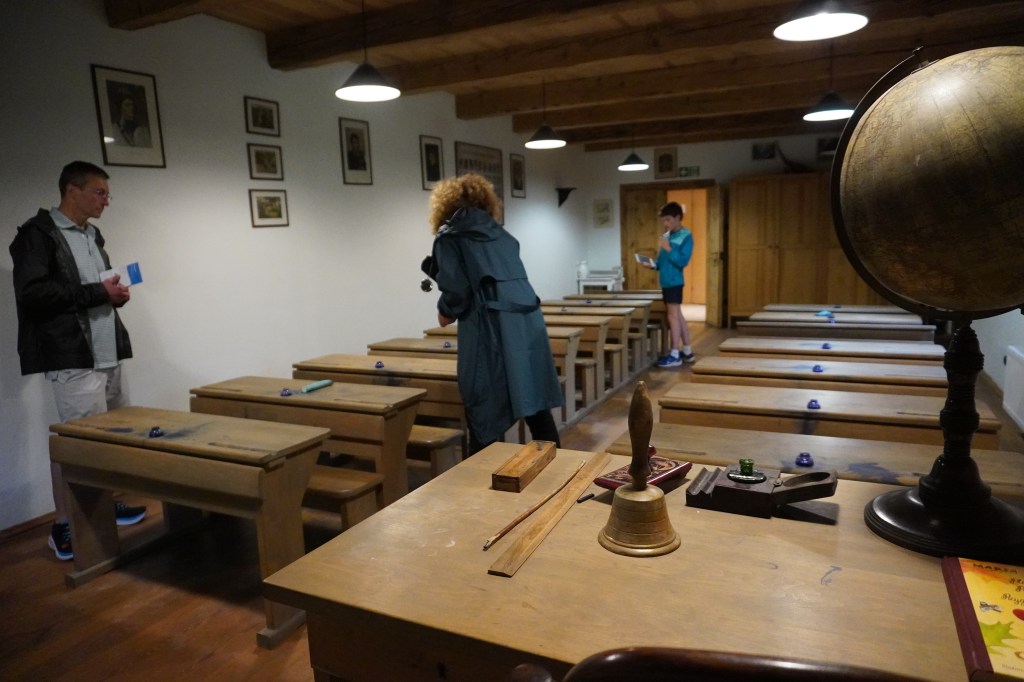
All buildings in this living exhibit were historically accurate and selected from the nearby areas then reassembled to create this reconstructed new village, including peasant houses, barns, shrines, schoolhouse, silos and manor house.

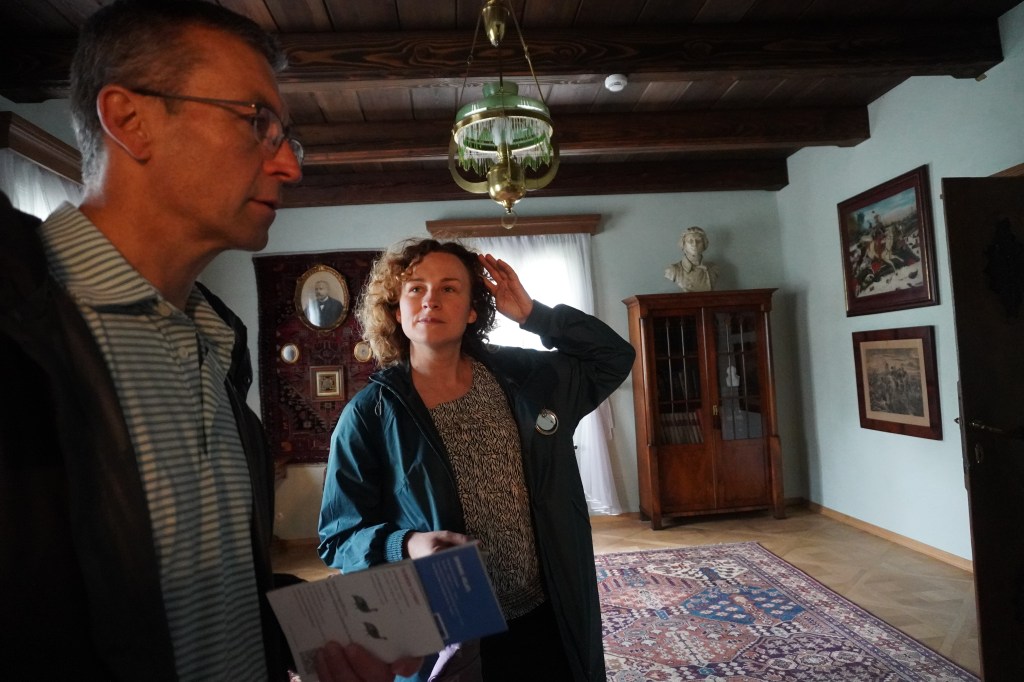
Ironically, our guide Sabina was married into the Stobierski family but we quickly realized that there was no direct connection to our’s. She became our private guide walking us through the village and explaining the history of the early settlers in this part of Poland. It was a great way to appreciate the past and think about how are history was both the same and different.

The Ethnographic park continues to expand and is a very popular destination for visitors from Poland and beyond. For a relatively new and small area of Poland, they are now attracting up to 50,000 visitors a year. Probably most important to many visiting these days is that a popular Netflix streaming comedy series (in Poland only?) called “1670” was shot here for its first season and a second season is in the works. We’ll be looking for it on Netflix when we get back to the states. I guess you could say it’s a virtual recreation of past, not unlike what we are trying to do.

Visiting Rzeszów: Polish City with Promise

We visit a charming Polish city before we embark on our hereditary journey.

June 10, 2024 Rzeszów, Poland

Our 8-hour LOT Polish Airlines flight from Newark Liberty flew into Rzeszów at 11:00 a.m. The two Ethan’s managed to catch a few hours sleep in our deluxe Business Class seats. In spite of my recent habit of catching daily naps (goes with the age) I could not sleep. Worse was the lack of WiFi and decent entertainment. Maybe it was the stress of the last couple days and the anticipation of what lie ahead that kept me up in spite of the excellent service and onboard meals.

We landed on time but had to wait for a back up driver to take us to our hotel in Rzeszów (pronounced shesh ov) about 10 miles away. Rzeszów is a regional capital of southeastern Poland bordering Ukraine. Much of our week would be close to an hour away from Ukraine. In fact, Ethan noticed when landing that we had passed several Patriot-type missile launchers along the way and we continued to see the subtle presence of military personnel. Poland is not currently threatened but their is a whiff of anxiety in the air and a common hatred of Russians.

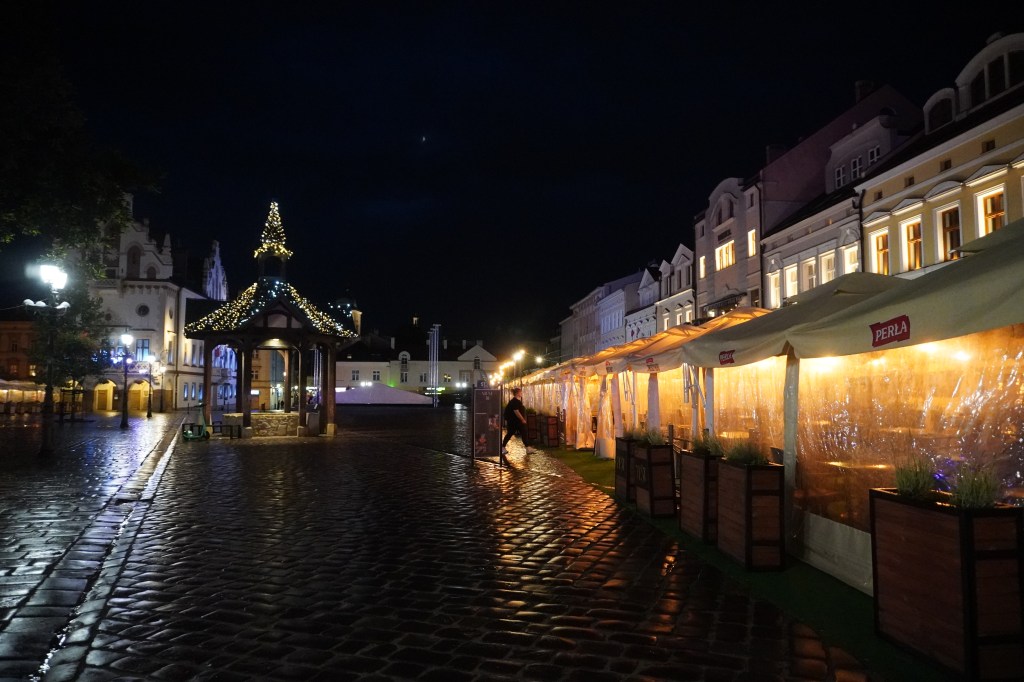
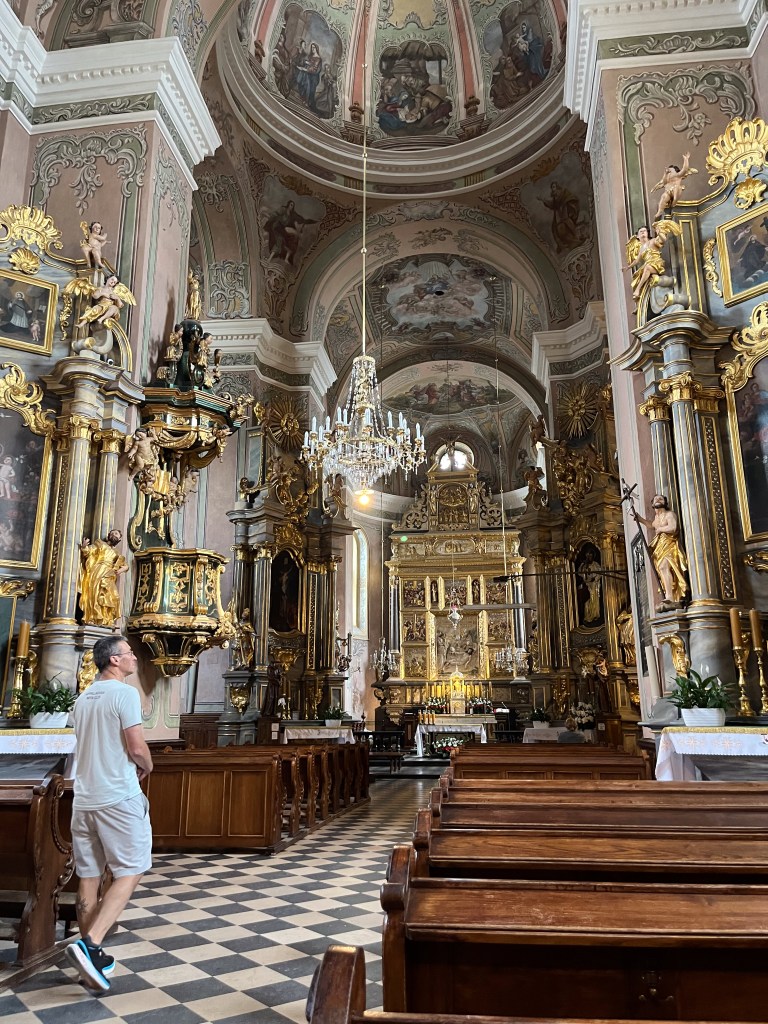
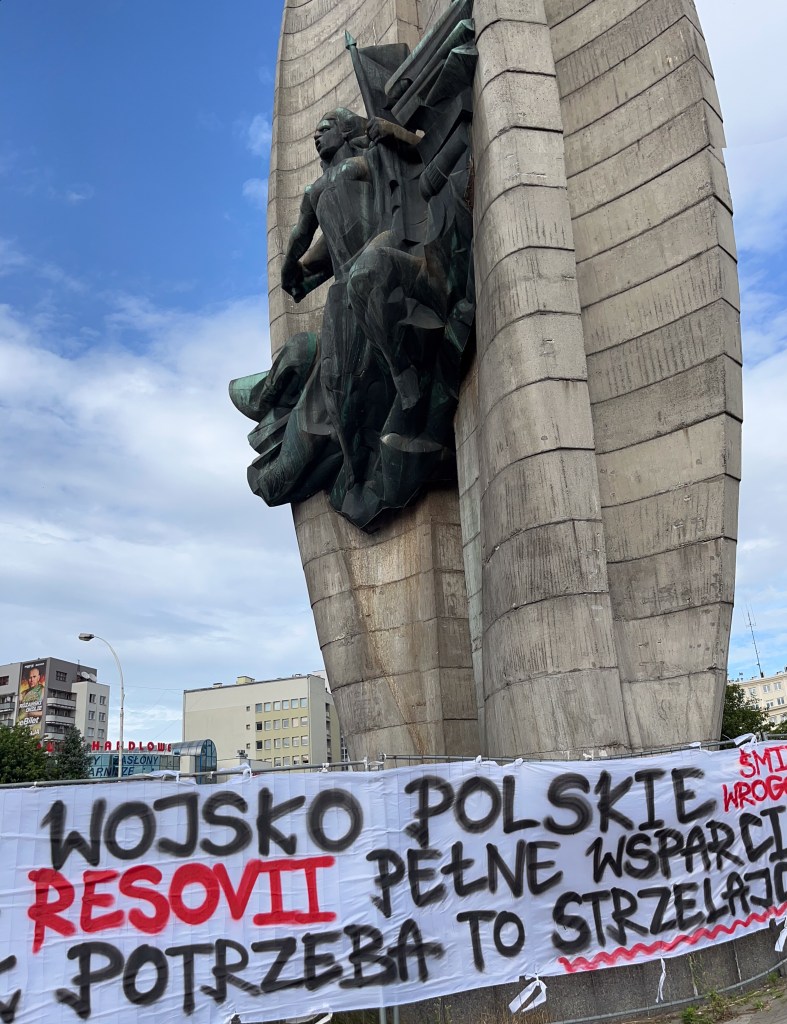
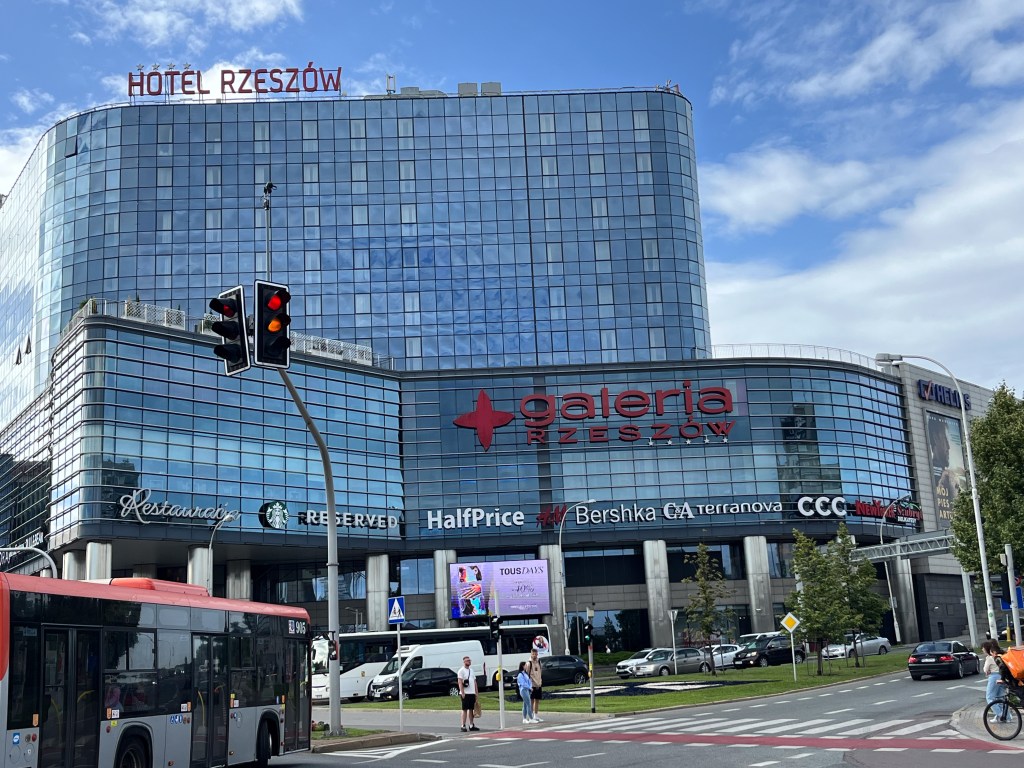
We were staying 2 nights in the boutique Grand Hotel in the heart of the old part of the city. While we had no real preconceptions of Rzeszów, we also knew it was not one of the big cities but had some interesting history going back centuries and future promise. Its an interesting blend of “Old European”, Soviet-styled cement buildings and monuments and brand new office buildings and even a shopping mall that resembled those in New York and New Jersey. In fact many of the stores were very familiar, including H&M, McDonalds’s and Starbucks. We loved the cobble stone streets and open piazza similar to Italy and Spain, with outdoor restaurants and cafes. To me its a modest city with lots of potential.

The Grand Hotel was pretty grand in its open court setting and service, although rooms were not particularly great or big, they had plenty of amenities like a spa area with exercise room, pool, hot tub and sauna which seemed were ours alone. In fact the hotel looked less than half full, although we could not figure if that was a seasonal thing. Even the outdoor cafes seemed relatively empty for this time of year. Maybe we were on the early side of the summer season.

After going out for a burger lunch at one of the local cafes we headed back to the room for a “power nap” to try and get our bodies used to the 6-hour shift in timezone. The afternoon consisted of walking around, visiting churches, a big shopping mall and killing a couple hours at the spa/gym. A nice dinner followed at our hotel where we began to try the excellent local Polish cuisine, much of it brought back old memories of my Mom’s cooking as I grew up.

The more time we spent in Poland the more felt disappointed in myself for not studying the language more as Ethan and Ethan Luke were able to enthusiastically converse much more with the natives. They even had fun and enjoyed trying their new skills, even if they had a limited vocabulary. I think I am a hopeless case with a mental block. Languages were never my strong suit and Polish is a particularly hard language to learn.

Tomorrow (Tuesday) is a day in Zarębki and Šwierczów about an hour north of Rzeszów. This is ou first stop on exploring for relatives. This first stop involves my son Ethan’s mom, Judy’s family, in particular Judy’s mother’s side of the family. We have a few clues, birth records and an address to visit. With our trusty genealogist, Lujan, we hope to learn more. It seems a long shot but anything can happen.

Welcome to Bureaucracy

Who expected Soviet-style bureaucracy at a New Jersey airport? Is this a forewarning of things to come?

Newark Liberty Airport – June 9, 2024

To start our journey, Ethan and Ethan Luke arrived at our house in Morristown in time for lunch and a small family gathering wishing us a bon voyage! A car service picked us up in a stylish big black van which probably made us look like a neighborhood celebrity. It were high-flying until we reached Liberty National airport terminal B at about 6:00 for our 8:10 flight to Poland. Plenty of time, as it should be.

The LOT Airlines receptionist asked if we had any electronics. Duh! Who doesn’t? But what she meant was that ANY electronic device had to be carried onboard and NOT checked in our luggage. Seemed odd to us but we went into the suitcase and transferred our gear, including cameras and computers to our carry on bags. This was a minor inconvenience but we gladly complied. BTW – LOT does not offer onboard wifi.

With boarding passes and luggage checked we proceeded to the TSA screening. Since we were flying Business Class we were able to avoid the “Economy” screening line of about 100 people and were processed quickly…until the woman who looked as stern as a prison guard saw my passport and notice an irregularity. My name on the passport was “Paul Kiczek” but the ticket, which Ethan had bought months ago was issued to “Paul Robert Kiczek”. This was a big red flag and we were pulled out of line. The TSA clerk said she could not let me board unless the ticket read “Paul Kiczek”.

So, we go back to the LOT receptionist and plead with her to change the ticket. She said she could not but could add another line with “Paul Kiczek” showing so that might help. Fortunately, although the screening line was getting long the nasty TSA clerk must have now been on break and we all passed the name test this time. Now all that was left was for our carryon bugs and our bodies to be scanned.

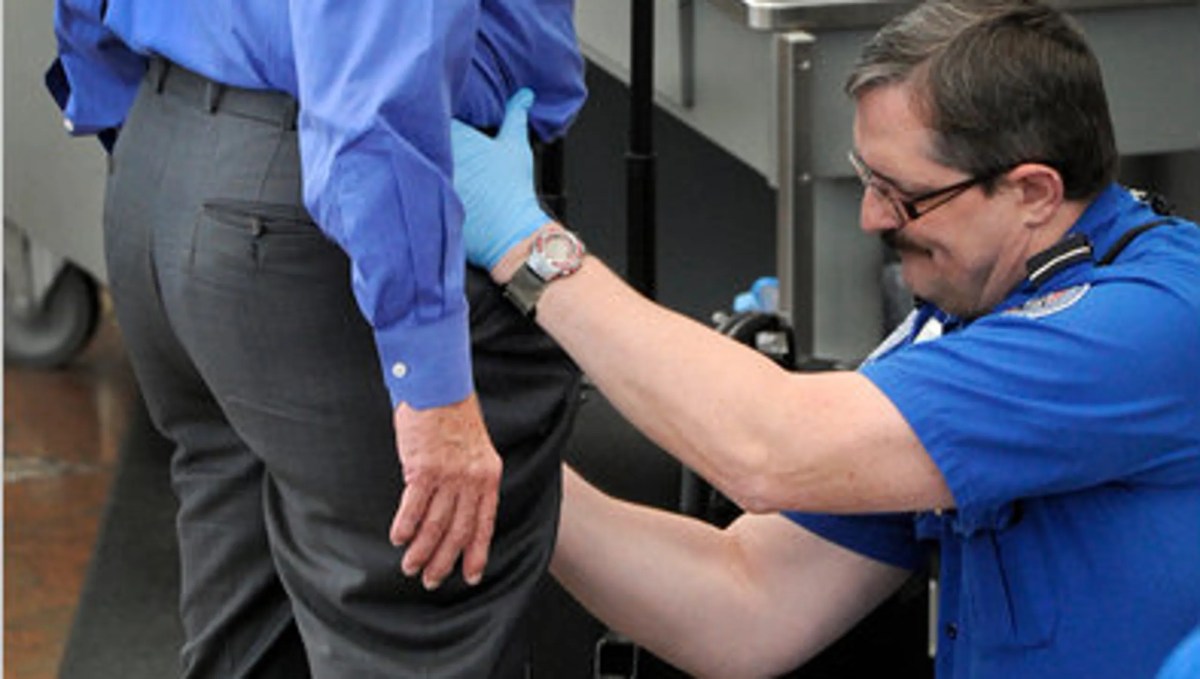
And, of course there was a new problem – my body. The x-ray somehow showed a metallic area at my crotch! Folks, I know of no reason that I could think of for me going “metal”. Naturally I was man-handled with a pat down but not cavity searched by a professional screener as he snapped on his latex gloves and found me to be free of at least dangerous metals. Yikes! It still makes me wonder. Why me?

Finally, post-body search I go to pick up my screened bag and its pulled out of line. Yes, this time it was a rookie mistake on my part. I had taken a can of seltzer with me to drink before we boarded. And, everyone knows that 12 ounces of liquid can be as dangerous as carrying a loaded gun onboard. Tossing out the drink, we were finally ready to board with just 45 minutes before departure.

This was an awkward start. Right now I am flying over the Atlantic and all things seem peaceful again and actually pretty nice in business class with 8 hours to go before landing. Fingers crossed. We will soon be entering an old Soviet-style world which we hope has changed its bureaucracy for the better.

A Time to Discover

Who are we and how did we get here? Difficult questions but learning about our Polish heritage might shed some light.

I’ve been itching for a challenge in these post-pandemic years, even as I get older. Something to match my curiosity and level of difficulty that makes the effort worthwhile. It was time for something intellectually and socially challenging rather than physical.

What is it about understanding your ancestry that makes it so compelling and frustrating? We learn little bits of obscure information as we grow up that become fragments of a bigger story as we get older. Just when you begin to appreciate the complexity of the world and your broader family picture, its easy to give up on trying to understand the mystery of it all. So, to my amazement, my interest in learning more about who I am and where I’m from came from my son Ethan (53 years young).

Ethan is a supreme techie and a naturally curious guy that got absorbed with the challenge of creating a family tree five or so years ago. He hunted for evidence of relatives such as ship manifests, photos, birth and death certificates. He joined Ancestry and explored other websites for information. For our Kiczek family (my father and mother’s side), the task was somewhat easy as we seemed to have settled in the southeastern section of Poland near Ukraine and Slovakia. Ethan’s mom’s family (Judy’s family) was also Polish so a there was a common history, even if those ancestors were from different towns, they were still from the same section of the country. My grandparents and Judy’s were first generation immigrants having been born in Poland around the turn of the century and having migrated to the U.S.

Coincidentally, we were fortunate to have met a distant cousin Krystyna Onacki, living in Roselle, NJ who was from Poland and helped us create the beginnings of the family tree. That meeting also gave us a renewed interest in learning more about life and history in Poland. Poland is now seen as a productive and progressive country. While it has had its recent share of right wing nationalists, it seems to have found away to move forward and become an independent country. Unique in its history, politics and pull of the Catholic religion its now become a destination for vacationers.

A few months ago Ethan proposed we take a trip to Poland and visit the places of our ancestry. He contacted a Polish genealogist, who helped tie up some loose ends in our family history. We geographically located the towns of our grandparents. Ethan’s son, Ethan Luke Pearson (14 years old), expressed an interest in joining our journey. I’m not at all sure other 14-yr olds would feel the same! But now we had three generations to explore a completely foreign country which binds us together. We fly out to Poland tomorrow, June 9th and expect to return in 10 days on June 17th with a circular itinerary that takes us around the southeastern region including Krakow and a tour of Auschwitz.

Of course there is the possibility that this will be a bust and boring – exploring too many small countryside villages, graveyards and churches. But it’s the mystery of it all, our planned visit to at least one relative and the likelihood that we’ll learn more about how alike and yet different we are that excites us. It should be fun and educational and a great way to connect generations.

Turn, Turn, Turn

For some reason, this upcoming experience made me think of the Byrds song “Turn, Turn, Turn” (aka Ecclesiastes 3:1-8 from the Bible). Always worth some contemplation… especially in a country such as Poland.

There is a time for everything, and a season for every activity under the heavens:
a time to be born and a time to die, a time to plant and a time to uproot,
a time to kill and a time to heal, a time to tear down and a time to build,
a time to weep and a time to laugh, a time to mourn and a time to dance,
a time to scatter stones and a time to gather them, a time to embrace and a time to refrain from embracing,
a time to search and a time to give up, a time to keep and a time to throw away,
a time to tear and a time to mend, a time to be silent and a time to speak,
a time to love and a time to hate, a time for war and a time for peace.

Update 6/9/24

We will soon be off flying from Newark to Rzeszów, Poland non-stop. We will have the benefit of using a custom genealogical tour by PolishOrigins Tours. In fact, it’s a good thing that we have a personal guide, Lucjan Cichocki, with us for the 10 days. He speaks both languages fluently which will definitely come in handy.

Searching for the Kennedy Spirit

Ten years ago (April 2014) we were privileged to walk 50 miles in The Netherlands at the oldest continuous one-day Kennedy 50-Mile walk in the world. Imagine 7,000 people all walking and enjoying a communal effort inspired by JFK. We were wowed by the experience and the hospitality of the Dutch.

The following essay first appeared on the Freewalkers.org website about ten years ago (April 2014). It is a slightly edited version describing my unique opportunity to walk in the Netherlands with 7,000 others in this well-established annual event – The Kennedy-Mars Sittard – on the 50th anniversary of the famous “50-Mile Hike.”

The Freewalkers.org walking organization was built upon the spirit of that challenge in 1963 presented by President John F. Kennedy. He challenged Americans to walk 50-miles for their physical fitness and to demonstrate the strength of our nation. Little did he realize that others around the world would also take up that unlikely challenge – and continue the legend – even to today. The Kennedy-Mars Sittard recently celebrated the 60th anniversary of this popular community event!

Paul Kiczek

The Journey (April 2014)

Traveling nearly 4,000 miles for a walk may seem like a long way to go for something that can be done anywhere. But the walks we have been doing as FreeWalkers are more than the walk itself. Mostly, they are about personal challenge and the power of community – things that John F. Kennedy stood for. Far away in Sittard, Netherlands we found a community that continues to honor his lasting legacy each year with a challenging event.

We took advantage of a unique opportunity to visit Holland and a participate in a great community challenge called the Kennedy-Mars Sittard, a 50-mile (80K) walk (aka, “march”) that took place on Saturday, April 19, 2014. Thanks to FreeWalker Ray Smith and event director Ad van der Loo we not only got to participate, but would be guests of several generous Dutch families.

If you are familiar with our FreeWalker events, you know our events tend to be similar long distance walks. In the five years we have been offering events, rarely do we draw over 100 participants. In this age of charity walks and marathons, that’s a fairly small number, but even those events started small when they began.

What we knew of the “Kennedymars Sittard” was that it was the oldest and largest 50-mile walk of its kind that originated with the JFK 50-Mile Hike phenomenon and continues to this day. The idea for a 50-mile hike originated with our President, John F. Kennedy, in 1963 as a challenge to his military to demonstrate their fitness. Part of the reason for issuing the challenge was to support his program on physical fitness and also to show that our troops were ready for action during the “Cold War” – two topics that are still seem particularly relevant today. 

Almost immediately, the public took up his military challenge, led by his brother, Attorney General, Robert F. Kennedy who demonstrated it could be done within days of the order. Soon, personal attempts were made throughout the country, and even globally, in such places as the Netherlands, England, and Ireland – even in some of the farther reaches of the old colonial empires. 

There was no plan or preparation behind this, just the spontaneous energy of a challenge, almost a dare, coming from a leader that the world respected. Some were motivated to test their limits and share that experience with others. But, why has this tradition continued for over 50 years after his tragic death? We were on a mission to find out.

The Kennedy-Mars Tradition is Born

In the spring of that year, four teenagers in Sittard decided to launch their own walk based on Kennedy’s words. Without diving deep into the history and motivation of the Dutch for walking, there seems to be tradition to walk, and certainly to bike. Remarkably, that’s still in stark evidence today.

Everywhere you go places and streets are designed for the pedestrian on two feet and the cyclist on two wheels. It is second nature to the entire nation. At least in this one place, cars and pedestrians seem to have found a way to co-exist comfortably together. It is said that the Dutch have an ability to differ in opinion yet settle and arrive at solutions that they can all can live with. It’s a mutual respect for each other.

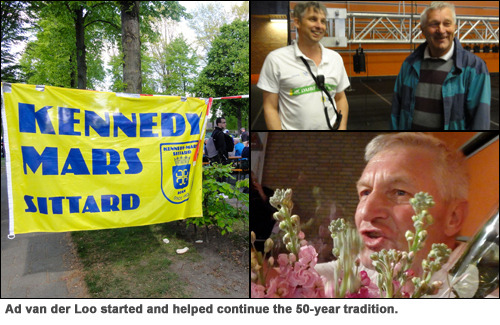
Ad van der Loo, was one of the four teens that started the walk in 1963 and soon took responsibility for organizing the annual event that takes place each year on the Saturday before Easter. Ad had walked the event several times but put his energy into managing the expanding event for the past 43 years, instead of walking it. This year, he was turning control over to a new generation – but not before walking one more time.

Ad had honored us last year by allowing FreeWalker Ray Smith to say a few inspirational words at their 50th Anniversary.. Ray had been stationed in Germany for many years and had participated in the event before.) Ray took back an invitation for other FreeWalkers to come to Sittard and experience their unique event. This event seemed to set the gold standard for what FreeWalker events could become. 

So, with barely a plan we American FreeWalkers – Ray Smith, Hua Davis and I – decided on our own to head to the Netherlands. One thing that should be said about the country is that although their language is Dutch, nearly everyone speaks English. So, even a short stay there was easy. As far as we knew, we were the only Americans participating in the event this year. It is probably 95% a local/regional event. It was a unique opportunity for us and I think an honor for Ad Van der Loo and the Kennedy-Mars Sittard organization to know that we had ventured this far to participate.

Getting Settled in Sittard

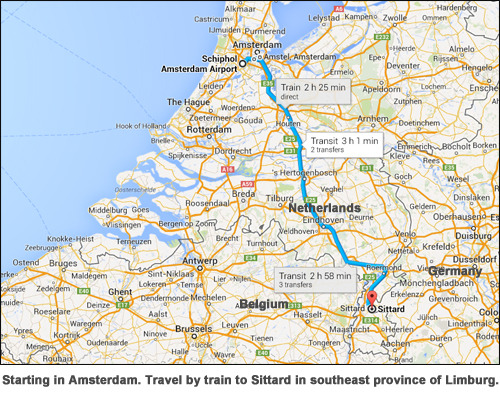
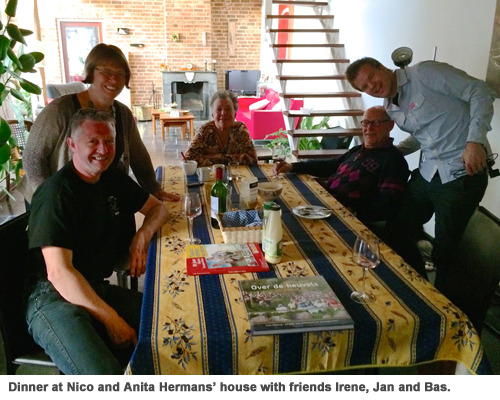
On Thursday, Ray and I arrived together by train in Sittard, having met in Amsterdam that morning. We were met by our hosts, the Hermans (my host family) and de Beurs (Ray’s hosts). We pre-registered for the event and went off to our homes for dinner and a good night’s sleep. Hua’s plan was to fly in on Friday, stay just one night with her host family and take off on a train immediately after completing the 50 mile walk. That was an aggressive plan that most would not try. But if you knew Hua, you would not be surprised nor doubtful that she could do it.

My stay with the Hermans family is worth detailing. I will write more about that great experience in another post. It made the trip at least twice as entertaining and rewarding for me. I know that Ray and Hua felt similarly about their experience and we thank those families for their generosity and time which we all cherished.

Pre-Event Day

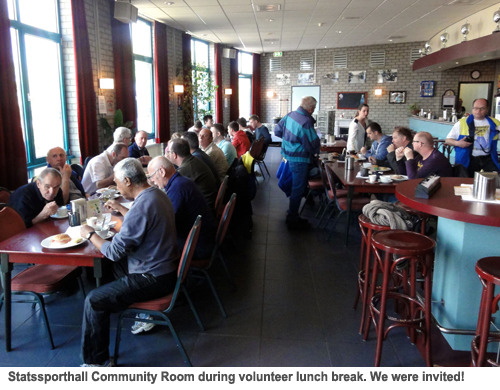
We met Hua Friday afternoon at the train station and headed to see the Statssportshall (large indoor sports hall/gym), where preparations were being made for the event with Ad Van der Loo. Having been the director of the event for so many years, Ad invited us to join him and his volunteers in a light lunch. Ad’s dedication to the event earned him the devotion of every worker there.

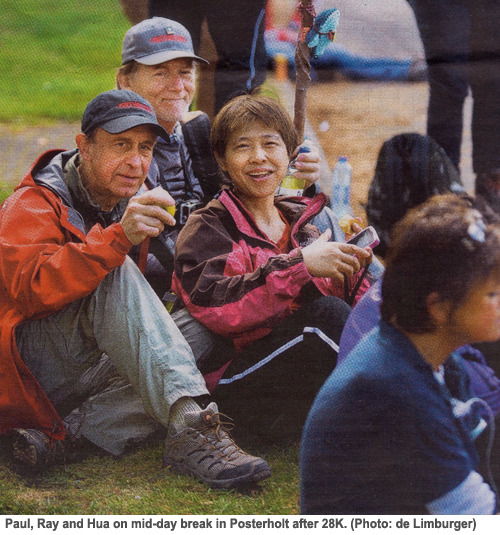
At the de Beurs place, we were interviewed by a reporter for the regional newspaper, de Limburger. It was a lengthy interview that signaled to me that they were sincerely interested in the motivation of three Americans coming this far for their regional event. Inevitably, the conversation came to the differences between Americans and the Dutch.

I think they see Americans as creative and impatient and often chasing the wrong goals but they admire us for our positive thinking and ability to take action. The Dutch give more weight to creating a fair society and certainly one that encourages physical activity in a natural way. I think the question that remained is could we tell our story about the Kennedy Sittard and change American attitudes? What if we could get President Obama to march 50 miles? Could that rejuvenate an interest in long distance walking in America? Could we build a bridge to the Netherlands? 

Ray, Hua and I borrowed bikes and went out on our own to see the area around Sittard. It was an interesting first-hand experience to see how the roads and traffic signals accommodated bikes and pedestrians. Bike paths and dedicated signals were everywhere. We were back before dinner and each of us went off to our respective host’s home to get an early night’s sleep, as we were due to meet at the start of the event at 4:30 a.m. at the Sportshall.

It’s Time to March

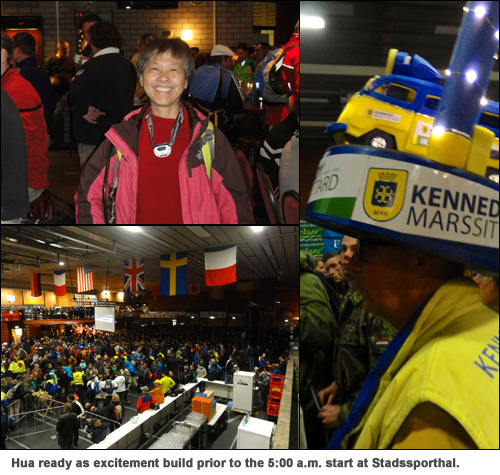
After an early breakfast at my host’s home, Nico drove me to the Sportshall. Before long the hall was packed, bands began to play and announcements were made in Dutch. All we needed to do was follow the crowd. Ray, Hua and I decided to walk together for a while but had no particular strategy. At 5:00 a sea of thousands of people began moving out of the hall and stringing out in the dark along the streets of Sittard. Within an hour we were heading outside of the town into the countryside.

The route for the walk is a loop with 90% in the Netherlands and 10% in Belgium. This year the walk avoided Germany due to security concerns. It is essentially a counterclockwise route heading toward the countryside near Germany and ending through Belgium before returning to Sittard.

As in our FreeWalker events, some groups charge ahead in hopes of finishing at a fast time. This event does have an option for a competitive timed class. Many others, like us, plod along at our normal average of about 3 mph speed. All must walk and running is not allowed.

We were walking somewhere in the middle of the starting 80K group of 2,818 participants. Another 1,758 registered for 40K were scheduled to leave later and 2,871 for a 10K even later in the day. The total was estimated to be about 6,947 participants! 80% crossed the finish line!

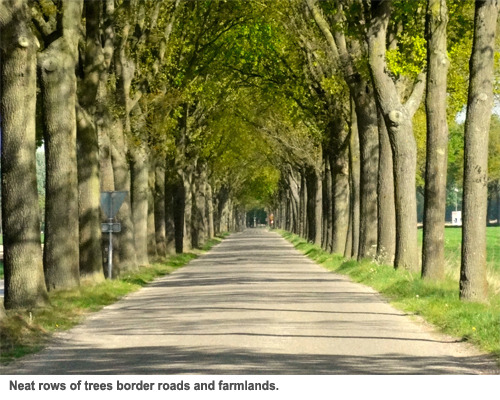
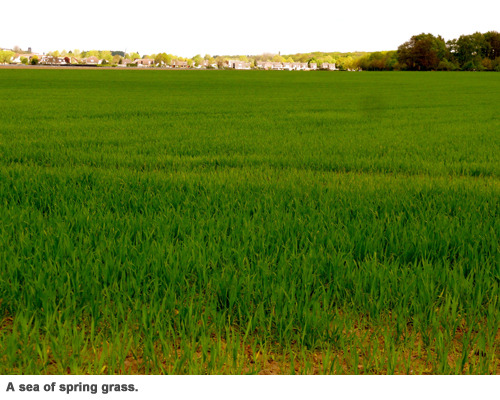
We walked in the dark until sunrise as we left Sittard and headed to open farmland areas. At this time of the year, the ground had been freshly tilled or small vegetables were sprouting up. What is striking is the size and view of the fertile areas. Since the Netherlands was largely built on land reclaimed from the sea, nearly the entire area we walked was flat consisting of dark sandy soil. This makes farmlands appear as vast as an ocean, broken only by a canal, a road or a line of trees here and there. This unique landscape generates an abundance of food for the country and much of Europe.

The skies were constantly changing over the day. At this time of the year, the weather can be unpredicatable. It is just as likely to rain as not. For most of the day, the puffy clouds passed over us with patches of sun shining through and temperatures from the 40s(F) to low 60s. Perfect weather for walking anywhere.

And, what a day for a walk it would be. The vast farmlands seemed never-ending. Much as in the U.S., many farmers have sold their smaller farms to larger companies and moved into the towns. It’s a new generation favoring a different lifestyle.

Towns we pass through seem to be small and quiet residential communities. Houses are clean, orderly and of modest simple design. Care is taken to keep plants trim and neat with a tendency to prune older plants like topiary in a way I have never seen before.

While the Dutch are said to be somewhat private, I found that they were very friendly and open. A woman I met was walking with her husband and another couple for their 23rd Kennedymars. She said, “We started by thinking ‘Why not?’. Now, it’s like a disease. We just can’t stop.”

Then, there was the incredible walking waiter. He was dressed in a tuxedo and held a serving ray with a full glass of beer and an Easter egg. Why is he doing this? He started with a dare and a bet. That was 18 years ago. Today, he still enjoys the challenge each year and the obvious attention and conversations he draws.

A van with big speakers followed us and played pop music to liven the walk, which made me feel at home. We also we walked by many traditional um-pah bands. That, gave us the feeling that we were somewhere special.

Breaks on a long walk are spaced here between 7 to 15 miles. Bathrooms along the way were not easy to find. But, everyone seemed to work it out and no one was complaining. Food support consisted mostly of some fruit along with soft raisin rolls and raisin cookies and hard-boiled colored Easter eggs.

There were no power bars, no sports drinks and no bottled water – things we take for granted in the U.S. Arriving at a support stop usually meant finding a faucet and filling your bottles. Each of the major stops were places where you could also buy food and drink if you wanted. Perhaps that’s a good way to get support from the local businesses and friendly neighbors as we passed.

About half-way on our march the landscape changed. Larger rivers of water appear that probably lead out to the sea. We crossed a large bridge which provided a high view of the land and the waterway.

We were well passed the half-way point, getting tired and anxious to keep going when we came upon a lively party. They were cheering us on when a woman grabbed me and we started to twirl around. Wow! Suddenly, I had a burst of energy as we danced to a cheering crowd. Fantastic. And, just what I needed to find that spirit again we were seaching for.

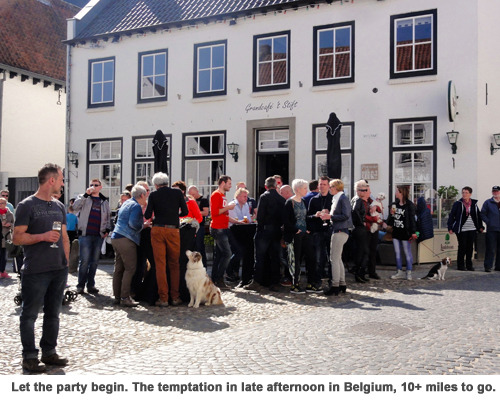
We were in Belgium, although it was not easy to know. We went through some older historic towns and the area became more populated. Cafes suddenly started to appear. I sensed that the mood of the march had changed to a celebration even though we had more than 10 miles to go. Then unexpected treats appeared from the local residents – free Belgium waffles! The best Hua and I had ever had – or at least we thought so at that moment.

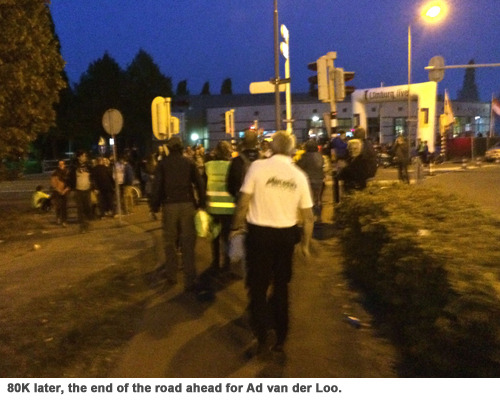
At the last rest stop, we met Ad van der Loo again. He was in a great mood after his final massage and ready to make it to the finish. Hua and I stayed together throughout the walk and we decided that it would be great and fortunate to finish with Ad, on this special occasion.  For over 40 years he had to manage the event and could not actually walk it. This would be a triumphant occasion for him and us. Nothing could stop us now.

As we saw the city sign for Sittard we picked up the pace and soon we were at the Sportshall with lines of people cheering us on in a European fashion. Granted, I was tired but I had this flash like I had just finished a stage of the Tour de France!

We followed the crowd into the hall and stayed with Ad as he received special awards and recognition not only for finishing but for all his work in building and maintaining the event for over 50 years.

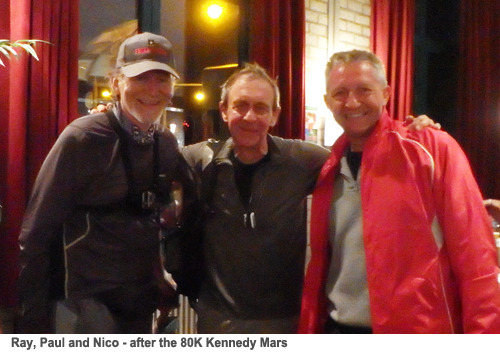
Hua and I had finished the 80K, 50-mile walk at around 9:20 p.m. Saturday evening. My feet were achy and tender. I thought I developed a blister but just avoided one. Ray had finished about an hour ahead of us and was waiting with my new friend and host, Nico Hermans. We sat for a while talking about the day over that beer I had been dreaming about in Belgium 15 miles and 5 hours ago.

What We Found

The Kennedy Legend lives on in the Netherlands! If you look back on films, recordings, writings, and witnesses to the time its easy to see that one man did make a difference. Although he didn’t invent the idea of a long walk or maybe even anticipate that it would spawn global community events, his words had meaning and continue to change our lives. It’s better to give, better to participate, better to try and better to reach out to others than to accept less than we are capable of. And, Ad van der Loo is still a living example of those principles of JFK.

We had learned that memories of Kennedy and what he stood for are still alive in Sittard. And, so it must be in other places that host similar events. It gives us incentive to continue our FreeWalkers journey to build similar events that offer others the challenge and enjoyment of a community experience that challenges our physical and mental endurance. Our hope is that our new friends in the Netherlands will join us at one of our events in the future. We “Walked the Walk” and we were glad we did.

Learn More >>

  1. FreeWalkers Photos of the Event and near Sittard
  2. FreeWalkers.org website
  3. Kennedy-Mars Sittard website (Home-Dutch)
  4. Kennedy-Mars Sittard Photo Album
  5. 50-Mile Hike Phenomenon Essay